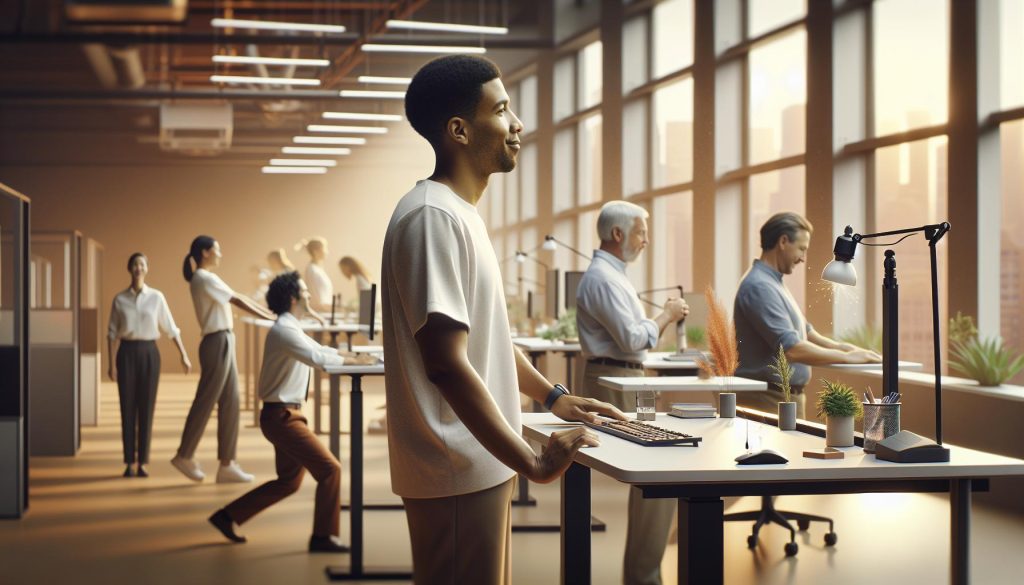
Did you know that simply changing how you work can significantly impact your health and productivity? Standing desks offer a refreshing alternative to traditional seating by promoting movement and encouraging better posture. This shift can help combat the negative effects of prolonged sitting, a common issue in today’s workplace. In this article, we’ll explore how a standing desk can not only enhance your physical well-being but also boost your cognitive performance, leading to a more energized and focused workday. Whether you’re looking to reduce fatigue, lower disease risk, or simply feel better during long hours at your desk, understanding the full story behind standing desks could inspire you to transform your workspace and improve your daily routine. Let’s delve into the comprehensive benefits that await!
The Science Behind Standing Desks and Health
Research suggests that standing desks can significantly impact health and well-being in the workplace. One compelling fact is that prolonged sitting has been associated with various health risks, including obesity, cardiovascular disease, and even early mortality. Transitioning to a standing desk can help mitigate some of these risks by promoting movement and reducing sedentary time. As the body engages in more upright postures, natural adjustments occur that can alleviate physical discomfort and encourage better alignment and stability in the spine.
Posture Enhancement
Standing desks can positively influence posture by promoting a more ergonomic workspace. When set up correctly, they encourage a neutral spine position, which can lead to reduced strain on the neck and back. To maximize comfort and maintain good posture while using a standing desk, consider the following ergonomic practices:
- Ensure your computer screen is at eye level to avoid leaning forward.
- Position your keyboard and mouse at elbow height to keep your arms at a 90-degree angle.
- Use a footrest to shift your weight and relieve pressure on your lower back.
Improving Comfort
Switching between sitting and standing can improve overall comfort during long work hours. Many individuals report feeling more energized and less fatigued using standing desks. The ability to vary positions allows for greater adaptability throughout the workday. To ease into standing more comfortably, start with short intervals of standing and gradually increase as your body becomes accustomed to the change.
In addition to alleviating physical discomfort, standing desks may have a positive ripple effect on mental well-being. The increased energy and engagement from standing can enhance focus, creativity, and productivity. As you adjust to this new working style, you’ll find that a small change in your physical environment can lead to significant improvements in your overall work experience.
How Standing Desks Impact Posture and Comfort
Research shows that our modern work habits can significantly impact our physical health, with prolonged sitting being linked to discomfort and various chronic conditions. Transitioning to a standing desk can facilitate better posture and comfort, ultimately leading to a more vibrant work life. When standing, the body enjoys a more natural alignment, reducing the strain often associated with sitting for extended periods. This shift can alleviate back pain, shoulder tension, and neck stiffness, allowing for greater comfort during long work hours.
To maximize the benefits of a standing desk, it’s crucial to set it up ergonomically. Ensuring that the computer monitor is at eye level helps prevent forward head posture, which can lead to neck and shoulder pain. The keyboard and mouse should be positioned so that the elbows are bent at approximately 90 degrees, allowing for relaxed shoulders and minimizing the risk of repetitive strain injuries. Using a footrest can further enhance comfort by promoting subtle shifts in weight, which relieve pressure on the lower back and encourage a more dynamic stance.
As individuals incorporate standing desks into their routines, many report an increase in overall energy levels and a decrease in fatigue. This newfound vigor can contribute to enhanced focus and creativity, allowing for more productive work sessions. It’s important to remember that transitioning to a standing desk should be gradual; starting with short standing periods and increasing as your body adjusts can make the process smoother. Integrating frequent movement, even simple stretches or walking during breaks, can amplify the health benefits associated with standing desks, supporting both physical comfort and mental clarity throughout the workday. By making these small adjustments, a significant improvement in both posture and overall work experience can be achieved.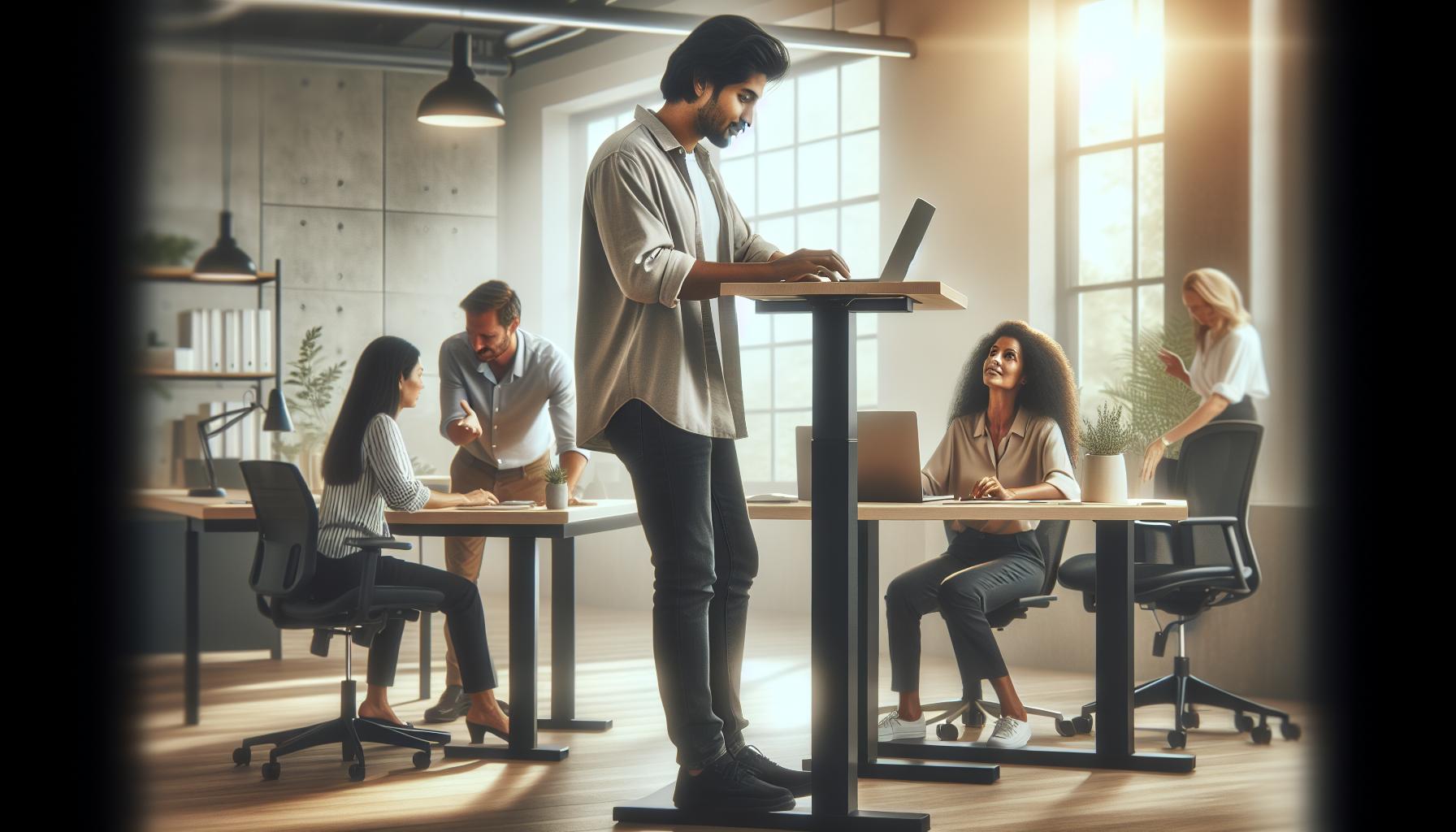
Boosting Productivity: The Standing Desk Effect
Standing desks are emerging as powerful tools in the modern workplace, not only for their physical health benefits but also for their remarkable impact on productivity. Studies suggest that incorporating a standing desk can lead to increased energy levels, enhanced focus, and improved overall workplace efficiency. The act of standing while working can stimulate a greater sense of alertness compared to sitting, making it easier for individuals to engage deeply with their tasks and maintain high levels of concentration.
One of the key reasons behind the productivity boost associated with standing desks is their ability to reduce fatigue. When workers stand, they typically maintain better posture and experience less discomfort, leading to fewer distractions caused by aches or stiffness. Additionally, standing promotes more dynamic movement, enabling micro-movements that stimulate blood circulation and keep cognitive functions sharp. A well-positioned standing desk encourages spontaneous shifts in stance, which can refresh focus and invigorate tired minds.
Moreover, the psychological aspect of using a standing desk cannot be overlooked. The mere act of standing up is often associated with increased energy and readiness to work. Employees often report feeling more empowered and engaged when using a standing desk, which correlates strongly with higher morale and job satisfaction. To maximize these benefits, consider incorporating frequent movement into your routine – whether through standing meetings, walking breaks, or simple stretches – as these actions can significantly enhance both physical and mental well-being.
Ultimately, integrating a standing desk into the workplace is more than just a shift in posture; it’s a holistic approach to improving productivity and fostering a work environment that values health and well-being. By rethinking our relationship with our workstations and embracing the standing desk movement, we can pave the way for a more active, engaged, and productive workforce.
Standing Desks and their Role in Weight Management
Studies have shown that incorporating a standing desk into one’s workspace can have a significant impact on weight management. Sitting for prolonged periods can lead to decreased metabolic rates, which is a contributor to weight gain. In contrast, standing burns more calories and encourages natural movement throughout the day. For instance, a person burns approximately 50% more calories when standing compared to sitting. This additional calorie expenditure can accumulate over time, subtly influencing overall weight control.
Moreover, using a standing desk encourages greater enthusiasm for physical activity. When the opportunity to transition from sitting to standing is readily available, individuals are more likely to take short breaks to stretch, walk around, or engage in light exercises. These spontaneous movements can further enhance caloric burn and contribute to a more active lifestyle. Integrating walking meetings or simply standing for phone calls can create additional opportunities for movement during the workday.
Practical Tips for Effective Weight Management with Standing Desks
To maximize the benefits of a standing desk in weight management, consider the following tips:
- Mix It Up: Alternate between sitting and standing. Aim for a 1:1 ratio, like 30 minutes sitting followed by 30 minutes standing.
- Incorporate Movement: Use a timer to remind yourself to move or stretch every 30 minutes, helping to combat stiffness and fatigue.
- Use an Anti-Fatigue Mat: Standing for extended periods can be taxing on your feet and legs. An anti-fatigue mat can help reduce discomfort and encourage longer periods of standing.
- Set Goals: Track your daily activity levels to stay motivated. Consider using fitness trackers or apps to monitor steps and calories burned.
By committing to these practices, you can not only enhance your physical well-being but also create a work environment that encourages healthier habits. Embracing a standing desk is a step towards a proactive approach to weight management, assisting in the battle against sedentary lifestyles and supporting overall health.
Mental Clarity and Cognitive Performance at Work
Standing desks are not just a trend; they can play a significant role in enhancing mental clarity and cognitive performance in the workplace. Research has shown that physical posture can affect your brain’s ability to function effectively. When employees utilize standing desks, they often report feeling more alert and engaged. This heightened state of awareness is attributed to increased blood flow and oxygen to the brain, which can lead to improved focus and creativity.
Moreover, alternating between sitting and standing encourages micro-breaks throughout the day, which can significantly boost cognitive performance. These short breaks allow your brain to rest and reset, enabling you to approach tasks with a fresh perspective and renewed energy. Incorporating some light stretching or simple physical movements during these breaks can further enhance neural connectivity and stimulate creativity.
Practical Tips to Enhance Cognitive Performance with a Standing Desk
To maximize your cognitive benefits while using a standing desk, consider these practical tips:
- Stay Hydrated: Keep a water bottle at your desk and aim to drink regularly. Proper hydration is crucial for optimal brain function.
- Set Up an Inspiring Workspace: Personalize your standing desk with motivational quotes, plants, or artwork to create an environment that stimulates creativity.
- Incorporate Mindfulness Practices: Take a few moments each hour to practice deep breathing or mindfulness techniques, enhancing your focus and reducing stress.
- Engage in Stand-Up Meetings: Substitute traditional seated meetings with standing meetings to keep the energy up and make discussions more dynamic.
By integrating these strategies into your work routine, you can foster an engaging and vibrant work environment that supports both your mental well-being and your productivity levels. Embracing a standing desk can be a proactive step toward not just better physical health, but enhanced cognitive clarity and workplace satisfaction.
Reducing Workplace Stress with Standing Desks
Elevating your workspace can significantly diminish workplace stress, transforming not only how you feel physically but also how you approach your daily tasks. Research indicates that prolonged sitting is linked with increased levels of anxiety and stress, as it can reduce blood flow and limit movement, leading to a sense of fatigue and discomfort. In contrast, standing desks offer a dynamic solution, promoting more active engagement with your workplace, which can foster a sense of well-being.
When you incorporate a standing desk into your daily routine, it not only encourages better posture but also helps in managing stress levels effectively. Standing while working can enhance energy levels and mood due to the increased circulation of blood and oxygen throughout the body. This physiological change often equates to a more positive outlook, making it easier to handle work-related pressures. Furthermore, a standing desk naturally encourages movement; walking or stretching during breaks can serve as vital stress busters that refresh both body and mind.
Creating a Stress-Reducing Environment
To maximize the benefits of using a standing desk for stress reduction, it’s important to create an ergonomic and supportive workspace. Consider the following tips:
- Adjustability: Ensure your desk is set to the right height, allowing your elbows to stay close to your body and your wrists to be straight while typing.
- Calm Surroundings: Personalize your space with calming elements such as plants or artwork, which can help cultivate a serene environment that soothes the mind.
- Incorporate Movement: Set reminders to move or perform light stretching every hour, helping to break the monotony and reduce stress accumulation throughout the day.
- Mindful Practices: Utilize standing time for mindfulness exercises, such as deep breathing or quick meditative practices, which can ground you and alleviate tension.
Implementing these strategies can enable you to take full advantage of your standing desk, leading to lower stress levels and a more productive work environment. The correlation between physical activity and stress management is well-documented; thus, embracing a standing desk is a meaningful step towards fostering not only physical health but also enhancing your overall occupational wellness.
Setup Guide: Ergonomic Standing Desk Best Practices
To truly reap the health benefits of using a standing desk, it’s essential to configure your workspace thoughtfully. A well-set-up ergonomic standing desk can enhance comfort, reduce strain, and encourage productivity. Proper desk height is critical; the top of the desk should align with your elbows when you are standing straight. Your forearms should remain parallel to the ground, and your wrists should not be angled while typing. This setup helps maintain proper posture, reducing the risk of musculoskeletal issues over time.
Another important element is your monitor’s positioning. The screen should be at eye level or slightly below, ensuring that you do not have to crane your neck or lean forward. Keeping the monitor about an arm’s length away allows you to maintain a comfortable viewing distance, thereby reducing eye strain. Utilize monitor stands or adjustable arms to achieve the correct height easily. To further support your posture, consider using an anti-fatigue mat. These mats provide cushioning, encouraging subtle movements in your feet and legs, which can boost circulation and decrease fatigue.
In addition to physical setup, incorporating ergonomic accessories can drastically improve your standing desk experience. A supportive chair-a must-have for those transitioning between sitting and standing-should arch the lower back adequately when sitting. Wrist rests can offer extra support while typing, and a footrest allows you to shift your weight and provide relief to your legs.
Remember, transitioning to a standing desk doesn’t mean staying on your feet all day. Regular breaks, when combined with stretches and movement, can significantly enhance your comfort and overall health. Incorporate brief periods of walking or stretching every hour, utilizing alarms or reminders to keep you mindful of this practice. Balancing standing and sitting will not only help you maintain better posture but also improve your cognitive focus and productivity throughout the day.
By following these best practices and remaining aware of your body’s needs, you can create a thriving, health-promoting workspace that keeps you energized and engaged.
Transitioning to a Standing Desk: Tips for Success
Transitioning to a standing desk can be a transformative experience for your health and productivity, but it requires thoughtful adjustments and a strategic approach. Research suggests that moving from a predominantly seated lifestyle to a more dynamic one can enhance energy levels, improve mood, and even increase lifespan. To maximize the benefits of your new workspace, consider the following tips for a successful transition.
First, start slow. It’s not necessary to switch to full-time standing right away. Gradually increase the duration you spend standing, aiming for about 30 minutes to an hour at a time. This gradual approach allows your body to adjust without causing undue fatigue or discomfort. You might set a timer or use reminders to encourage longer standing periods throughout the day. As you become accustomed to being on your feet, you can extend those intervals.
Optimize Your Setup
Ensuring your standing desk is properly set up is crucial for comfort and efficiency. The desk height should align with your elbows so that your forearms remain parallel to the floor when typing. Position your monitor at eye level to prevent neck strain, and keep it about an arm’s length from your face to reduce eye fatigue. Utilizing ergonomic accessories can further enhance your setup. Consider investing in:
- Anti-fatigue mats: These provide cushioning and encourage slight movements in your feet and calves, reducing discomfort from prolonged standing.
- Footrests: A small footrest can help shift your weight and relieve pressure from your legs.
- Wrist rests: These support your wrists while typing, promoting better ergonomics.
Incorporate Movement
To further enhance your health while working, integrate movement into your routine. Alternate between standing and sitting, and take regular breaks to stretch and walk around. Research has shown that even short bursts of movement can boost your focus and productivity. Aim to stand for a while, then sit for a while, and mix in brief walks, which can improve circulation and mental clarity.
Listen to Your Body
Lastly, pay attention to how your body responds to these changes. Discomfort may hint at improper setup or the need for added movement. Consult with professionals when necessary, such as ergonomists or physical therapists, who can offer personalized recommendations based on your needs. Remember, the goal is to create a sustainable work environment that promotes long-term health benefits, enhancing your overall quality of life while also supporting cognitive performance and reducing workplace stress.
By taking these steps, you can navigate your transition to standing desks with confidence, turning this change into a rewarding part of your daily routine.
Long-Term Health Benefits of Using a Standing Desk
Adopting a standing desk can lead to a variety of long-term health benefits that significantly improve overall well-being. Research indicates that a shift from prolonged sitting to a more dynamic standing position can reduce the risk of chronic conditions such as obesity, cardiovascular disease, and type 2 diabetes. This change in posture helps promote better circulation, which can lead to improved heart health and lower blood sugar levels, especially important for those who spend extended hours working at a desk.
In addition to physical health improvements, using a standing desk can have a positive impact on mental health. Standing while working encourages a more engaged and alert state, which may enhance cognitive functions like focus, clarity, and creativity. Many users report an increase in energy levels and a decrease in fatigue, as they are shifting their bodies from a passive, sedentary position to a more active one. This physical activity boosts the release of endorphins-chemicals produced by the body that help alleviate stress and improve mood.
To maximize these benefits, it’s essential to integrate standing desk use naturally into your daily routine. Start by alternating between sitting and standing, gradually increasing your standing time as your body adjusts. Including small movements, such as stretching or walking periodically, can further enhance circulation and maintain energy levels. Remember to listen to your body; if you feel discomfort, reassess your setup or standing duration. The goal is to create a sustainable routine that not only enhances physical health but also nurtures mental clarity, promoting a harmonious work-life balance.
Ultimately, the transition to a standing desk can transform your workplace experience, setting the stage for long-term health benefits that extend beyond the office. Engaging actively in your work environment fosters a culture of wellness that can lead to improved productivity and satisfaction over time. By being mindful of your posture and incorporating movement, you can significantly enhance your quality of life at work, reaping the rewards of improved physical and mental health.
Common Myths About Standing Desks Debunked
Misunderstandings surrounding standing desks can hinder individuals from fully enjoying their health benefits. One prevalent myth is that standing desks are a panacea for all health issues related to sitting. While they promote a more dynamic work posture and can reduce sedentary time, they are not a one-size-fits-all solution and should be part of a holistic approach to wellness. It’s vital to understand that simply standing at a desk does not negate the need for regular movement and breaks. Incorporating walking or stretching every hour contributes significantly to health benefits, reinforcing that standing is just one piece of the wellness puzzle.
Another misconception is that using a standing desk will instantly boost productivity and creativity. While many users report feeling more energized when standing, it’s essential to note that individual results can vary. Standing may help some people focus better, while others might find prolonged standing uncomfortable or distracting. To optimize productivity, individuals should find their unique balance between sitting and standing. Experimentation is key; some may benefit from a sit-stand approach, switching between positions throughout the day.
There’s also a belief that standing desks are unsuitable for those with certain health conditions, such as back pain or varicose veins. In contrast, research indicates that a well-adjusted standing desk can alleviate some discomfort associated with prolonged sitting by promoting better posture and circulation. However, it is essential for individuals with existing health issues to consult healthcare professionals to ensure they use standing desks effectively and safely, as ergonomics play a critical role in comfort and health.
To truly harness the benefits of a standing desk, it is crucial to debunk the common myth that the act of standing alone is enough for improved health. Enhancing workplace wellness requires a multifaceted approach-integrating regular breaks, proper ergonomics, and movement into your daily routine. By shifting your mindset and focusing on overall activity levels rather than simply standing, you can create a healthier and more productive workspace that benefits both the body and mind.
Integrating Movement: Staying Active at Your Desk
Incorporating movement into your work routine can have a transformative impact on both your physical health and mental clarity. A recent study showed that integrating short bouts of movement throughout the day can significantly enhance productivity and reduce feelings of fatigue. When working at a standing desk, it’s crucial to remember that standing still for long periods isn’t the goal. Instead, find ways to stay active and engaged to reap the maximum benefits for your health.
One effective strategy is to alternate between standing and moving. For instance, consider implementing a schedule where you stand for 30 minutes followed by 5-10 minutes of walking or stretching. Setting reminders or using a timer can help. During these breaks, you can take a quick walk around your office, do some light stretching, or even perform a few strengthening exercises like calf raises or squats. These small movements help combat the physical strain that can come from prolonged standing and can enhance circulation, further supporting cardiovascular health.
Practical Movement Ideas at Your Desk
To keep yourself moving while working at a standing desk, try the following activities:
- Desk Stretches: Incorporate shoulder rolls, neck stretches, and wrist flexes to relieve tension.
- Mini Workouts: Add a few lunges or leg lifts during phone calls or meetings to keep your body active.
- Balance Exercises: Practice standing on one leg or use a balance board to engage your core muscles.
- Walking Meetings: Encourage walking meetings with colleagues instead of sitting down, fostering collaboration and creativity.
Regular movement not only supports physical health but also has significant benefits for cognitive performance. Engaging the body can boost blood flow to the brain and enhance cognitive functions such as memory, learning, and problem-solving. With neuroplasticity, the brain adapts and strengthens connections, which can be nurtured by physical activity. Consequently, staying active at your desk fosters an environment where both body and mind can thrive, ultimately leading to a more productive workday.
Adopting movement into your routine at a standing desk requires a mindset shift and a commitment to prioritize activity. Various strategies can integrate movement seamlessly into your day, helping to counter the downsides of a sedentary lifestyle. Just remember, the key to a healthier and more effective workspace lies in combining standing with regular movement, allowing you to enjoy the full spectrum of benefits that a dynamic work environment has to offer.
Real-Life Success Stories: Transforming Work Habits
Adopting a standing desk can profoundly alter work habits and promote overall health, as evidenced by numerous success stories from workplaces worldwide. One noteworthy example comes from a tech company that implemented standing desks company-wide to address rising concerns about chronic health issues linked to sedentary behavior. Employees reported feeling more energized and engaged, with many stating they experienced fewer backaches and fatigue by simply standing while they worked. This change not only improved individual health but also fostered a culture of well-being that encouraged team collaboration and quick brainstorming sessions around standing tables.
In another instance, a small design firm decided to transition to standing desks to enhance creativity among their teams. The results were striking: employees felt their mood and productivity levels surged, with many attributing their newfound creativity to the increased blood flow and engagement with their work. The firm even hosted a weekly challenge where teams could log their standing hours and share movement tips, creating a supportive community focused on wellness. This not only motivated healthier habits but also strengthened team dynamics and accountability.
Organizations are also seeing tangible impacts on employee retention and satisfaction. A study from a large financial services firm revealed that after introducing standing desks and promoting an active work culture, turnover rates dropped significantly. Employees embraced the opportunity to personalize their workspaces and integrate more movement into their daily routines, leading to higher job satisfaction and loyalty. This change underscored the business case for prioritizing health through ergonomic work environments.
Ultimately, these real-life examples illustrate that transitioning to a standing desk can be much more than just a physical change; it can become a catalyst for a healthier, more engaged, and productive workforce. By fostering an environment that encourages movement and health, organizations not only benefit their employees but also create a culture that champions wellness and innovation.
Q&A
Q: How can a standing desk affect my energy levels throughout the day?
A: A standing desk can boost your energy levels by promoting blood circulation and reducing fatigue associated with prolonged sitting. Incorporating standing periods into your work routine helps maintain alertness and reduces the post-lunch dip common in sedentary environments. To maximize this effect, try alternating between sitting and standing every 30-60 minutes.
Q: What are the potential downsides of using a standing desk?
A: While standing desks offer many benefits, they can lead to discomfort or fatigue if used improperly. Common issues include leg and back strain. To avoid these, ensure proper ergonomic setup, wear supportive footwear, and alternate between sitting and standing to give your body a break.
Q: Can standing desks help reduce back pain?
A: Yes, standing desks can help alleviate back pain by promoting better posture and reducing the stress on your spine associated with long hours of sitting. Incorporating regular movement and proper ergonomic practices can enhance these benefits. Consider consulting the “How Standing Desks Impact Posture and Comfort” section for detailed guidelines.
Q: How do standing desks promote good posture?
A: Standing desks encourage an upright position, which can help align your spine and reduce slouching. Proper height adjustments and using anti-fatigue mats can further enhance posture, decreasing the likelihood of discomfort. Check the “Setup Guide: Ergonomic Standing Desk Best Practices” in your article for more posture tips.
Q: Are there specific exercises I can do while using a standing desk?
A: Yes, you can incorporate simple exercises such as calf raises, leg swings, and light stretches while at a standing desk. These movements can enhance circulation and improve overall comfort. For more movement integration tips, refer to the “Integrating Movement: Staying Active at Your Desk” section.
Q: How can a standing desk improve my focus and productivity?
A: Standing desks can enhance focus and productivity by increasing blood flow and reducing physical discomfort that often distracts. Engaging with a more active stance can keep your mind alert. Explore the “Boosting Productivity: The Standing Desk Effect” section for insights on maximizing productivity.
Q: What is the best way to transition to using a standing desk?
A: Transitioning to a standing desk should be gradual. Start by standing for 15-30 minutes every hour, gradually increasing the time as your body adjusts. Pay attention to your comfort and adjust your desk setup as needed. More detailed tips can be found in the “Transitioning to a Standing Desk: Tips for Success” section.
Q: How does using a standing desk influence weight management?
A: Using a standing desk can aid in weight management by promoting calorie burn compared to sitting. Standing can increase metabolism and reduce the risk of weight gain associated with a sedentary lifestyle. For more on its role in weight management, refer to the relevant section in your article.
In Retrospect
As we’ve explored, a standing desk can significantly enhance your health and productivity by promoting better posture, reducing discomfort, and boosting energy levels. If you’re ready to experience these benefits, don’t wait-consider making the switch today! For detailed guidance on setting up an ergonomic workspace, check out our comprehensive article on “Ergonomic Desk Setup for Maximum Comfort” or explore tips on “Healthy Work Habits for Busy Professionals.”
For those looking to delve deeper into managing workplace stress and enhancing cognitive performance, our resources on “Top Stress Management Techniques” and “Neuroplasticity: How to Boost Your Brain Health” are invaluable. Join our newsletter for exclusive tips on workplace wellness and stay updated on new strategies that can improve your daily life. Share your experiences with standing desks in the comments below-your insights could help motivate others to take charge of their health. Remember, every small change can lead to significant improvements!