
Did you know that elephants possess some of the largest brains in the animal kingdom, weighing up to 5 kilograms (11 pounds)? Their impressive brain size is not just for show; it plays a crucial role in their remarkable intelligence and social behaviors. Understanding the correlation between brain size and cognitive abilities in elephants can shine a light on our own comprehension of animal intelligence. As we delve into the fascinating world of elephant brains, consider how their cognitive capabilities not only help them navigate complex social structures but also adapt to various environments. This exploration provides valuable insights into their behavior and conservation needs, reminding us of the intrinsic connections we share with these magnificent creatures. Join us as we uncover the secrets behind the massive brains of elephants and what they reveal about their extraordinary mental prowess.
How Elephants’ Brain Size Compares to Other Animals
Elephants possess some of the largest brains in the animal kingdom, weighing up to 5 kilograms (about 11 pounds) and featuring a highly convoluted structure that reflects their advanced cognitive abilities. Compared to humans, whose brains average around 1.4 kilograms (about 3 pounds), elephants have significantly heavier brains. However, body size plays a crucial role in these comparisons. When adjusting for size through the concept of allometry, the ratio of brain weight to body weight becomes particularly important. Elephants have a lower brain-to-body mass ratio than humans, yet their brain structure and the complexity of their neural connections suggest robust cognitive capabilities.
Interestingly, while brain size is a critical factor, it’s not the only determinant of intelligence. Elephants excel in various cognitive domains, such as memory, problem-solving, and social intelligence, which are all supported by their sophisticated brain structures. For instance, specific regions of the elephant brain, including those associated with emotional processing and social interactions, exhibit particular advancements. These adaptations have allowed elephants to establish intricate social bonds and exhibit behaviors such as empathy and mourning, marking them out not just as large animals but as deeply intelligent beings.
Furthermore, looking beyond elephants, it’s instructive to consider how their brain size compares to that of other animals. For example, dolphins also have large brains, often rivaling those of elephants, yet the structure and functions may differ significantly, emphasizing different types of intelligence tailored to aquatic environments. This continual evolutionary dialogue between brain size and intelligence illustrates the varied cognitive landscapes across species, further enriching our understanding of how intelligence manifests in the animal kingdom.
- Elephant Brain Weight: Up to 5 kg (11 lbs)
- Human Brain Weight: Approximately 1.4 kg (3 lbs)
- Social Intelligence: Advanced emotional processing, empathy, and mourning behaviors
- Comparative Animal Intelligence: Dolphins have similarly large brains but differ in cognitive functions
Understanding Elephant Intelligence and Behavior
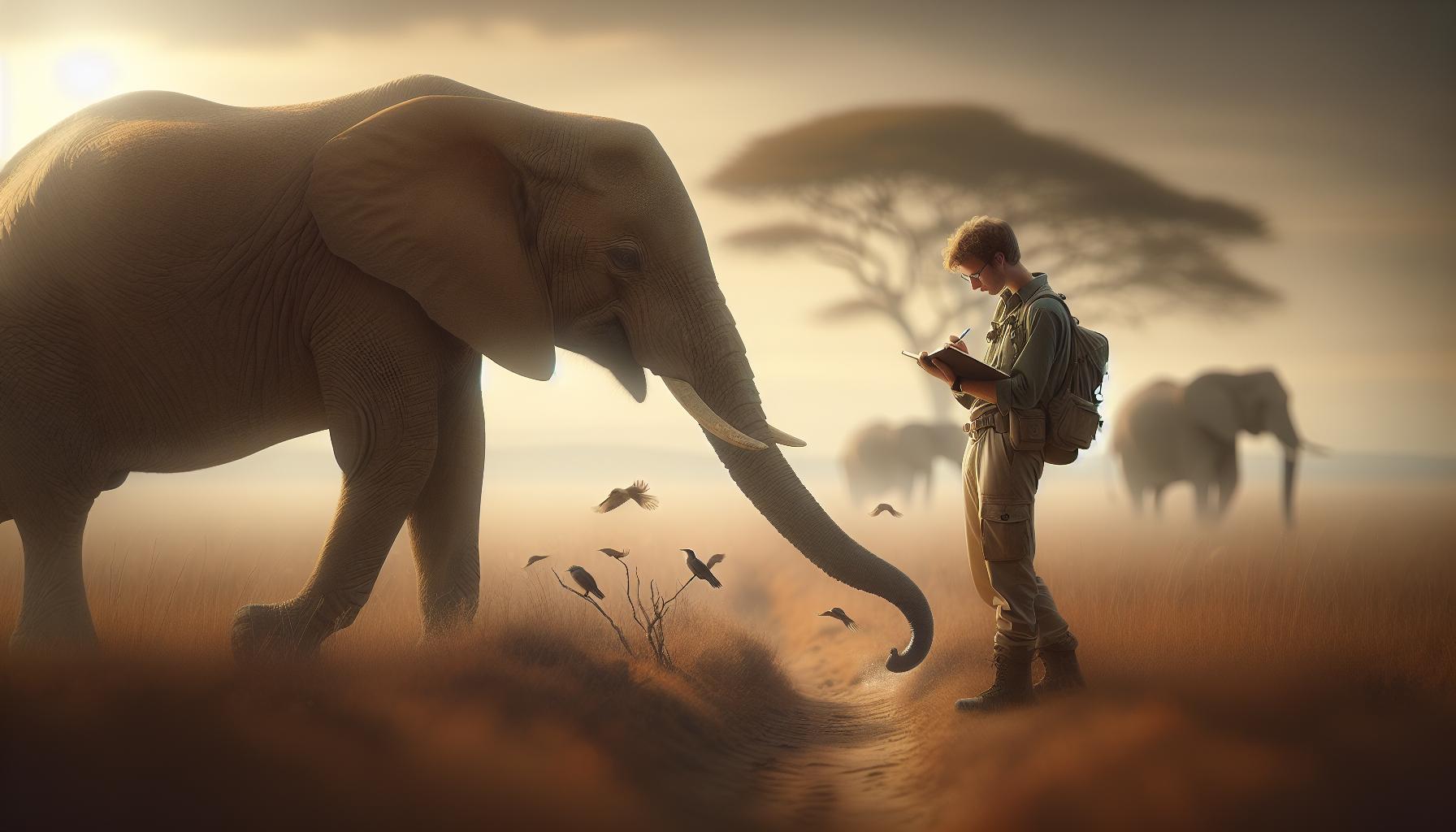
Elephants are often celebrated as some of the most intelligent creatures on Earth, exhibiting extraordinary behaviors that reflect their cognitive complexity. Their intelligence isn’t merely a function of their large brains; it’s intricately tied to their advanced social structures, emotional depth, and problem-solving abilities. Observations of elephant behavior reveal not only practical intelligence but also a profound capacity for empathy and social bonding that is rare in the animal kingdom.
Research indicates that elephants can use tools, recognize themselves in mirrors, and display an understanding of death through mourning rituals when they encounter deceased companions. These behaviors provide a window into their advanced cognitive processes, emphasizing the rich emotional lives they lead. For instance, elephants have been observed using sticks to scratch themselves, or to swat insects, showcasing their ability to innovate in tool use, which highlights their problem-solving skills.
Understanding the significant – yet sometimes misunderstood – aspects of elephant intelligence is crucial. Myths often portray elephants solely as gentle giants, overlooking their strategic thinking and social intelligence. They possess a keen memory, able to recall locations of water sources over vast distances and recognize individuals even after years apart. This impressive recall aids their survival and versatility in various habitats. Furthermore, another layer of their intelligence is observable in their communication methods. Elephants engage in complex vocalizations, as well as infrasound, allowing them to communicate over long distances, coordinate group movements, and maintain social connections.
With their profound intelligence, elephants not only reflect the intricate interplay between brain size and cognitive capacity but also remind us of the importance of preserving their natural environments. Enhancing our understanding of their behavior can lead to better conservation strategies and foster a deeper connection between humans and these remarkable animals. Exploring the multifaceted elements of elephant intelligence not only enriches our knowledge but also empowers us to advocate for the protection of these incredible beings and their habitats.
The Role of Brain Structure in Elephant Cognition
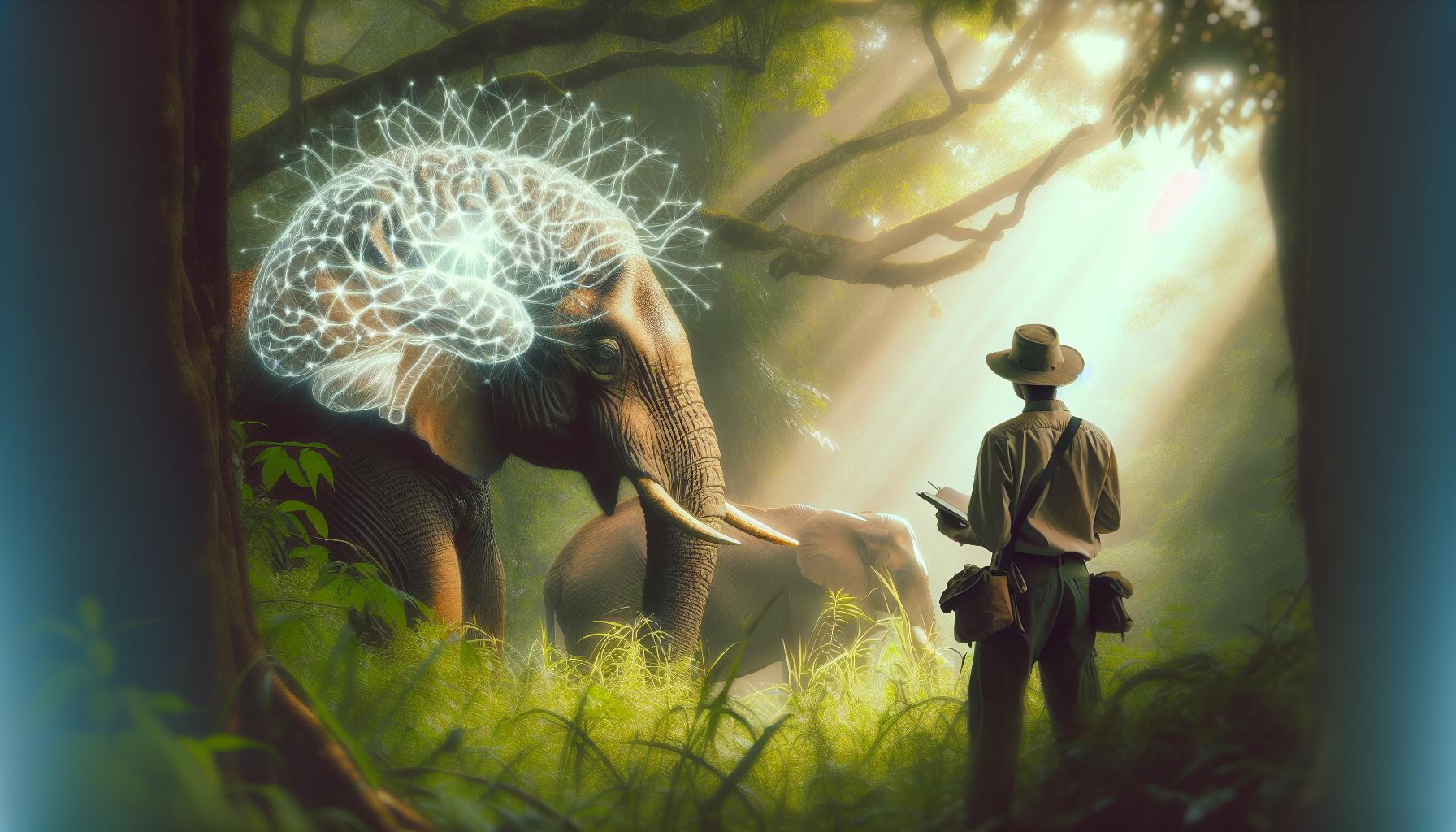
Elephants possess some of the largest brains in the animal kingdom, with an impressive average weight of around 5 kg (11 lbs). However, it’s not just size that matters; the structure of their brains plays a crucial role in their cognitive abilities and complex behaviors. One of the most fascinating aspects of elephant brain structure is the large and highly developed prefrontal cortex, which is associated with decision-making, problem-solving, and social interactions. This area allows elephants to exhibit behaviors that demonstrate intricate social bonds, empathy, and even self-awareness.
A key component of elephant cognition is the presence of a well-developed limbic system, which governs emotions and social behaviors. This brain region connects emotionally driven actions with learned behaviors, enabling elephants to form strong family ties and social groups. They show high levels of empathy by expressing grief and mourning for deceased companions, which indicates not only emotional depth but also advanced social cognition.
Additionally, the structure of the elephant’s brain allows for remarkable neuroplasticity, enabling these animals to adapt their behavior based on experiences and environmental changes. The ability to learn and adapt is vital for their survival, as elephants navigate diverse habitats and complex social structures. Their brains can process large amounts of information, helping them remember water sources and migratory routes over long periods. The intricate connections within their neural networks facilitate their exceptional memory and learning capabilities, underscoring the sophisticated nature of their intelligence.
The interplay between brain size, structure, and functionality fuels our understanding of how elephants navigate their worlds. As we continue to study these magnificent creatures, it becomes clear that their cognitive abilities not only highlight the complexity of their lives but also emphasize the importance of protecting their natural habitats for future generations to appreciate.
Myths and Facts About Elephant Intelligence

Despite popular belief, the intelligence of elephants is not merely a product of their impressive brain size; it is also heavily influenced by the intricate structure of their brains. One pervasive myth is that the larger the brain, the more intelligent the animal. While elephants possess one of the largest brains among land mammals, weighing approximately 5 kg (11 lbs), this measurement alone does not paint the complete picture of their cognitive abilities. In reality, intelligence is more about the organization of brain structures and the specific areas responsible for certain functions.
A common misconception is that elephants do not exhibit complex problem-solving skills. In fact, research has shown that elephants can perform tasks that require extensive reasoning and planning. For example, they have been observed using tools, such as branches, to swat flies or even modify objects to achieve a goal, illustrating their capability for deliberate manipulation of their environment. Such behaviors highlight their ability to engage in critical thinking, which is a hallmark of advanced intelligence.
Understanding the emotional and social intelligence of elephants is equally important in dispelling myths surrounding their cognitive health. Many might believe that emotions are exclusive to humans or select animals, but elephants demonstrate profound emotional awareness. They have been known to mourn their dead, display compassion towards one another, and even assist injured or distressed members of their social groups. This empathetic behavior underscores their ability to form complex social networks and navigate emotional landscapes, a testament to the advanced state of their cognitive functions.
When discussing neuroplasticity, it’s essential to note that elephants have remarkable adaptability in their learning processes. They can adjust their behaviors based on environmental changes, showcasing a level of flexibility often attributed to higher cognitive functioning. By debunking these myths and recognizing the myriad facets of elephant intelligence, one can appreciate the intricate designs of their brains and the essential role they play in their survival and social interaction.
How Elephants Use Their Brains in Social Structures

Elephants are not only remarkable in their physical size but also in how they utilize their brains to navigate complex social structures. Their impressive cognitive abilities allow them to form intricate family networks, communicate with each other in sophisticated ways, and exhibit social behaviors that provide insights into their emotional intelligence. Social interaction is a cornerstone of elephant behavior, enabling them to thrive in diverse environments through cooperation and mutual support.
One striking example of elephants’ social intelligence is their exceptional memory, which is crucial for recognizing and remembering individual elephants, including those they may not have seen for long periods. These memories extend to remembering specific locations where resources like water and food are available, showcasing their ability to apply learned knowledge to improve communal survival. Their matriarchal societies rely on this collective memory; older females guide herds to essential resources, especially during droughts or migrations.
The brain structure of elephants also contributes to their social capabilities. Regions responsible for emotional processing, such as the amygdala, are highly developed. This enhancement allows elephants to express a range of emotions and build strong bonding experiences. For instance, they demonstrate behaviors of empathy, such as comforting distressed companions or even mourning deceased members of their herd. Such actions highlight their understanding of social dynamics and emotional depth, essential traits for maintaining the cohesion of their groups.
Moreover, the social interactions of elephants involve intricate forms of communication, including vocalizations, body language, and even seismic signals transmitted through the ground. These methods serve not only to share vital information but also to strengthen bonds and establish hierarchies within herds. Elephants utilize their intelligence to navigate these social cues and maintain their roles, ensuring the stability and harmony of their communities.
Through these shared experiences and communication strategies, elephants reflect highly advanced social structures supported by their significant cognitive capabilities. Their ability to process complex social information and maintain emotional connections illustrates how their substantial brain size translates into behaviors vital for community bonding, survival, and overall harmony in their environment.
What Research Says About Elephant Memory
Elephants possess an extraordinary memory that is regarded as one of the most impressive cognitive features in the animal kingdom. This remarkable ability allows them to recall not only individual elephants but also vital resources, routes, and experiences over extended periods. For instance, elephants can remember locations of water and food sources, which is crucial for their survival in the wild, particularly in times of drought or displacement. Research shows that some elephants can retain these memories over years, making them effective navigators in their often-challenging environments.
Studies have indicated the underlying mechanisms that contribute to their memory. The elephant brain, particularly areas associated with memory and emotional processing, is highly developed, allowing them to integrate emotional experiences with memory recall. The amygdala, which plays a vital role in processing emotions, helps elephants connect significant social interactions with their memories. This blend of emotional and factual memory helps elephants recognize relatives, friends, and even adversaries, facilitating complex social dynamics within herds.
Moreover, elephants are known to exhibit behaviors that reflect this impressive memory. They can recognize call sounds of family members even after years apart, showcasing not only recall but also a deep social understanding. This can extend to their mourning practices, where elephants exhibit grief for lost companions, indicating an awareness and memory of their emotional ties.
These insights paint a vivid picture of how elephants utilize their memory to navigate social and ecological challenges, reinforcing their status as one of the most intelligent and emotionally complex species on the planet. Understanding the scientific basis of their memory may inspire new approaches to conservation strategies, emphasizing the importance of preserving not only their habitats but also the social structures that encourage healthy cognitive and emotional development.
Comparing Human and Elephant Brain Functions
Elephants possess remarkable brains that not only rival but, in some aspects, surpass human brain functions. While human brains are distinguished by their high cognitive abilities and complex language skills, elephant brains are specifically tailored for their unique social structures and ecological challenges. The average elephant brain weighs around 5 kilograms, making it among the largest in the animal kingdom, yet its functioning reveals fascinating parallels and differences when compared to human cognition.
Structural Differences and Similarities
Elephants have highly developed areas responsible for memory and emotional processing, much like humans. In both species, the prefrontal cortex is critical for decision-making, social interactions, and emotional regulation. However, the elephant’s limbic system, which manages emotions, is particularly expansive, supporting their sophisticated emotional and social behaviors. This difference reinforces the elephants’ keen ability to navigate complex social structures, empathize, and maintain relationships over long periods.
Memory and Problem-Solving Skills
When it comes to memory, studies indicate that elephants can remember intricate details about their environment and social relationships for many years. They can identify individuals and recall past interactions, which is crucial for maintaining social bonds within herds. Similarly, humans rely on memory for social engagement and learning, yet the sheer scale of memory retention in elephants, particularly regarding past experiences with migration routes and resource locations, showcases a formidable adaptability to their environment.
This cognitive prowess points to a form of intelligence that, while different in manifestation, offers unique insights. Elephants exhibit problem-solving skills and an understanding of cause-and-effect situations, often using tools to help them access food or water, much like humans do. Thus, the elephant brain exemplifies not only the remarkable capability for memory but also a form of intelligence that prioritizes survival and social harmony, reflecting both species’ adaptations.
In understanding these brain functions, we gain valuable perspectives not only on elephant cognition but also on the neuroplasticity that reflects the adaptability of both human and elephant brains. This comparative approach encourages appreciation for the emotional depths and cognitive abilities in wildlife, fostering a commitment to conservation and protection of these incredibly intelligent beings. Ultimately, recognizing the similarities and differences in brain functionality promotes a greater respect for all creatures and highlights the importance of preserving their habitats.
The Impact of Environment on Elephant Brain Health
Elephants are not only known for their impressive intelligence but also for their remarkable adaptability to their environments. The health of these majestic creatures’ brains is significantly influenced by various factors in their surroundings, including habitat quality, availability of resources, and social dynamics. Just like in humans, a stimulating environment can promote brain health, while a stressed or depleted one can hinder cognitive functions and overall well-being.
In the wild, elephants navigate complex ecosystems that require them to use their cognitive abilities for tasks such as finding food, water, and migratory paths. When their habitat is compromised-due to urban encroachment, poaching, or climate change-the stress levels in elephants can increase, leading to potential cognitive decline. A rich environment that includes diverse vegetation, expansive territories, and social interactions enhances their opportunities for learning and memory, essential components of their impressive cognitive skills.
Moreover, studies have shown that elephants engage in social bonding and play, which are crucial for maintaining brain health. Interactions with family members and peers stimulate their brains, much like how social experiences can boost human cognitive functions. Conversely, social isolation or trauma from experiences such as poaching or habitat loss can have detrimental effects on elephant cognition.
To promote a healthy brain environment for elephants, conservation efforts should focus on preserving natural habitats, ensuring access to social groups, and reducing stressors such as noise pollution and human interference. Protecting these magnificent animals not only safeguards their incredible cognitive abilities but also fosters a sustainable ecosystem that benefits all species within their habitats. By appreciating and understanding the impact of environmental factors on elephant brain health, we can take meaningful steps toward their conservation and well-being.
Signs of Intelligence in Elephant Communication
Elephants are renowned for their complex communication skills, which are among the most sophisticated in the animal kingdom. Their ability to convey information through a variety of vocalizations and behaviors serves as a powerful indicator of their intelligence. Elephants utilize a range of sounds, such as trumpets, rumbles, and growls, to share information about their surroundings, alert others to danger, or coordinate movements within a herd. Some of these vocalizations can be heard over great distances, allowing them to communicate even when separated by miles.
Another fascinating aspect of elephant communication is their use of non-verbal signals. Elephants are highly attuned to body language and subtle movements, which play a crucial role in social interactions. For example, a raised trunk or a gentle sway can signal reassurance, while aggressive postures may indicate a threat. Their understanding of social cues demonstrates not only their cognitive abilities but also their emotional intelligence, allowing them to navigate complex social dynamics effectively.
Furthermore, elephants have been observed engaging in what can be described as cooperative communication. They often work together to achieve a common goal, such as protecting young or foraging for food. This collaborative behavior suggests a level of ingenuity and problem-solving skills that is indicative of higher cognitive functions, enabling them to adapt to various challenges in their environment.
In summary, the are a testament to their sophisticated social structure and cognitive prowess. Understanding these behaviors not only enriches our appreciation of these magnificent animals but also highlights the importance of conserving their natural habitats, where such intricate social interactions can continue to thrive.
The Significance of Play and Learning in Elephants
The playful nature of elephants is not just endearing; it plays a crucial role in their cognitive development and social structure. Much like humans, young elephants engage in play as a means of learning essential skills necessary for survival. Playtime among elephant calves often involves social activities that enhance their motor skills, coordination, and social bonds. For instance, they might engage in mock fights or chase one another, which are activities that sharpen not only their physical abilities but also their social awareness and problem-solving skills.
Learning Through Observation
One of the most fascinating aspects of how elephants learn is through observation and imitation of their elders. Calves have been observed closely watching adults as they navigate challenges such as foraging or interacting with their environment. This method of learning is an excellent demonstration of their cognitive complexity and underscores the importance of social structures within herds. By mimicking the actions of their mothers, aunts, and other herd members, young elephants acquire knowledge and skills crucial for their development and the continuation of their species.
Additionally, playful interactions serve to strengthen social bonds within the herd. Elephants display emotions and social intelligence through play, which helps establish relationships and hierarchies vital for group cohesion. By engaging in social play, they create long-lasting bonds that are essential for cooperative behaviors later in life, such as coordinated defenses against predators or collaborative foraging strategies.
The Role of Play in Brain Development
The significance of play extends beyond social learning; it contributes to brain development. Research indicates that playtime stimulates neural pathways, promoting neuroplasticity. As elephants engage in various playful activities, they enhance their cognitive functions, which are already among the most advanced in the animal kingdom. The complexity of their interactions helps to fine-tune their learning processes, ensuring they adapt effectively to evolving environments.
In summary, transcends mere entertainment; it is foundational to their intelligence, social structure, and adaptability. By fostering cognitive development through playful interactions, elephants not only prepare themselves for challenges within their environment but also strengthen the communal ties that support their survival. This understanding highlights the importance of protecting their habitats, where such intricate social and learning experiences can flourish.
Future Studies on Elephant Intelligence and Conservation
Exploring the profound intelligence exhibited by elephants is critical for both animal welfare and conservation efforts. Recent studies indicate that elephants possess cognitive abilities comparable to those of primates, showcasing advanced problem-solving skills, empathy, and even complex social interactions. Future research in this area is essential, as it not only enhances our understanding of these majestic creatures but also informs conservation strategies that prioritize their mental and emotional needs.
One compelling avenue for future studies is the use of technology to monitor and analyze elephant behavior in their natural habitats. By deploying advanced tracking devices and cameras, researchers can observe how elephants communicate, solve problems, and make decisions in real-time conditions, offering new insights into their social structures and environmental interactions. Such studies could also lead to a better understanding of how their intelligence aids in adapting to changing environments, which is crucial in light of habitat loss due to human activities.
Another important aspect is the impact of human intervention on elephant cognitive health. Investigating how factors like captivity, tourism, and habitat fragmentation affect their intelligence and social behaviors can guide better conservation practices. Efforts could then be directed towards creating environments that mimic their natural habitats, supporting not just their physical but also their mental well-being.
Additionally, public awareness and education play a vital role in conservation. By disseminating findings on elephant intelligence to a broader audience, we can foster greater empathy and support for conservation initiatives. Engaging communities to participate in habitat restoration projects, wildlife education programs, and sustainable tourism promotes a direct connection with these animals, ultimately benefiting their conservation.
In summary, future studies focusing on elephant intelligence must emphasize the intersection of cognitive research and conservation strategies. By understanding and addressing the unique needs of elephants, we can help ensure that these remarkable creatures thrive both in the wild and in protected environments. Through ongoing research, advocacy, and practical conservation efforts, we can all contribute to preserving the intelligence and emotional depth of elephants for generations to come.
Human Perceptions of Elephant Intelligence and Emotion
Elephants, with their large brains and complex behaviors, evoke a range of perceptions from humans, often highlighting the emotional depth and intelligence inherent in these majestic creatures. Research demonstrates that elephants possess cognitive abilities that can rival those of some primates, making them not only intelligent but emotionally aware animals. Their remarkable memory, social bonding, and problem-solving capabilities deeply resonate with human sensitivities, prompting a growing interest in understanding their intelligence and emotions more fully.
One fascinating aspect of how humans perceive elephant intelligence is through their remarkable memory. Elephants are known to remember locations, individuals, and even experiences over extended periods. This extraordinary capacity is often likened to a vast mental library where past interactions and learned knowledge are stored and retrievable, which reflects a high degree of cognitive functioning. Such memories play a crucial role in their survival, influencing their migration patterns and social structures, and it further strengthens the bond they form with their herd members and their environment.
Additionally, empathetic behaviors observed in elephants significantly shape our understanding of their emotional lives. Elephants display deep emotional connections with their family members, mourning deceased companions and showing signs of distress when separated. This ability to empathize and react to the emotions of others underscores the complexity of their social structures. Humans, observing these behaviors, often find parallels with their emotional experiences, leading to an enriched perspective of elephants not merely as animals but as sentient beings deserving of protection and preservation.
In terms of fostering awareness and conservation efforts, the public’s perception of elephant intelligence and emotion plays a vital role. By highlighting their cognitive and emotional capabilities through education and outreach, we can inspire deeper empathy toward these creatures. Engaging communities in discussions about the importance of preserving natural habitats and understanding the emotional needs of elephants can drive conservation initiatives that focus not only on physical preservation but also on ensuring their mental and emotional well-being.
Understanding elephants as intelligent and emotional beings can transform the narrative around wildlife conservation. By respecting their cognitive abilities and emotional depth, we acknowledge that these creatures enrich our ecosystems and deserve a future that protects their habitats and allows them to thrive in social and natural systems. This profound appreciation for their intelligence fosters a commitment to advocacy and a shared responsibility for their safeguarding, ensuring that future generations can experience the wonder and wisdom of elephants.
Q&A
Q: How big is an elephant’s brain compared to its body size?
A: An elephant’s brain can weigh between 10 to 13 pounds (4.5 to 6 kg), which is significant but represents only about 0.1% of its total body weight. This ratio is much smaller than that of smaller mammals, indicating that brain size is not the sole measure of intelligence.
Q: What features of an elephant’s brain contribute to its intelligence?
A: Elephants have large cerebral cortices, which are associated with advanced cognitive abilities. Their brains also exhibit a complex structure with extensive folding, allowing for greater neural connections that enhance learning, memory, and problem-solving skills.
Q: How does elephant intelligence compare to that of other animals?
A: Elephants are among the most intelligent non-human animals, alongside species like dolphins and great apes. Their problem-solving abilities, social structures, and emotional depth are comparable to these animals, demonstrating complex cognitive functions and emotional intelligence.
Q: What is the role of an elephant’s brain in social interactions?
A: An elephant’s brain plays a crucial role in social interactions, enabling complex communication, empathy, and social bonding. Brain functions support their ability to recognize individuals and form strong family ties, contributing to their intricate social structures.
Q: Can elephants demonstrate problem-solving abilities?
A: Yes, elephants exhibit impressive problem-solving skills, often using tools and demonstrating insight to overcome obstacles. Studies show that they can solve complex puzzles, showcasing their advanced cognitive abilities that rival those of many primates.
Q: What kind of memory capabilities do elephants have?
A: Elephants possess extraordinary memory capabilities, often remembering locations of water sources and social relationships for many years. Their ability to recall past experiences influences their behavior and survival strategies in the wild.
Q: How do environmental factors affect elephant brain health?
A: Environmental factors, such as habitat destruction and stress from human activities, can adversely affect elephant brain health. Exposure to these stressors may impair cognitive functions and emotional health, highlighting the importance of conservation efforts.
Q: Why is studying elephant intelligence important for conservation efforts?
A: Understanding elephant intelligence and behavior is crucial for effective conservation strategies. Knowledge of their social needs, cognitive abilities, and emotional depth helps in creating habitats that support their well-being and ensure their survival in the wild.
In Summary
As we discover the incredible intelligence of elephants, it’s clear these majestic creatures deserve our protection and respect. Their brains, massive and complex, reflect not just size but a remarkable capacity for emotion, social bonding, and memory. If you found these insights fascinating, don’t miss out on our related articles exploring the unique behaviors of African elephants and the critical threats faced by Asian elephants today.
Join our community by signing up for our newsletter to stay updated on wildlife conservation and how you can help make a difference. Have questions or insights about elephant intelligence? Share your thoughts in the comments below-we’d love to hear from you! Dive deeper into the world of wildlife and learn how to support elephants and their habitats through our dedicated resources. Remember, every action counts in preserving the lives of these intelligent giants!