
The health and wellness of our loved ones is a concern that resonates deeply with many. Recent updates surrounding Trent Johnston, a beloved figure from “7 Little Johnstons,” have shed light on a serious issue: his ongoing battle with brain cancer. Reports indicate that his condition has worsened significantly, prompting a wave of concern among fans and family alike. Understanding the complexities of brain health and the impact of cancer can feel overwhelming, but it’s crucial to stay informed. Whether you’re a long-time follower of Trent’s journey or just curious about cognitive health, his story underscores the importance of awareness and support in the face of illness. Dive into the latest developments of Trent’s health and gain insights on how to navigate similar challenges, fostering resilience and informed discussions around brain health.
Does Trent Johnston Have Brain Cancer? Key Symptoms to Watch For
Trent Johnston’s recent health updates have left many concerned as reports have indicated that his brain cancer has progressed. Individuals facing brain cancer often experience a variety of symptoms that can signal changes in their condition. Recognizing these early warning signs is crucial for timely intervention and effective management of health.
Among the common symptoms to watch for are frequent headaches, especially those that differ from previous patterns, as well as persistent nausea, vomiting, or changes in vision. Cognitive changes like memory issues, confusion, or difficulty concentrating can also be significant indicators. Patients might experience personality shifts or emotional disturbances, making social interactions challenging. Additionally, seizures can occur in individuals with brain tumors, sometimes being the first visible sign of underlying conditions.
It’s essential for loved ones to remain observant and communicate any concerning changes promptly. Keeping a detailed journal of symptoms can aid healthcare professionals in diagnosing and creating an appropriate treatment plan. Should you or someone you know experience these symptoms, seeking immediate medical consultation is crucial, as early detection can vastly improve outcomes.
Understanding Brain Cancer: Types and Risk Factors
Understanding brain cancer involves recognizing the different types that exist and their associated risk factors. Brain cancer can arise from various cells, manifesting primarily as primary tumors that begin in the brain or metastatic tumors that spread from other body parts. The most common primary brain tumors include gliomas, meningiomas, and pituitary adenomas, each presenting distinct characteristics and growth behaviors.
Types of Brain Cancer
- Gliomas: These tumors originate from glial cells and include subtypes like astrocytomas and oligodendrogliomas, which vary in aggressiveness and prognosis.
- Meningiomas: Typically benign, these tumors arise from the meninges, the protective layers surrounding the brain and spinal cord. While they often grow slowly, they can still exert pressure on brain structures.
- Pituitary Adenomas: These benign tumors develop in the pituitary gland, affecting hormonal balance and possibly leading to a range of health concerns.
Risk Factors
Multiple risk factors can contribute to the likelihood of developing brain cancer. While the exact cause of brain cancer remains unclear, some recognized factors include:
- Genetic predisposition: Certain hereditary conditions, such as neurofibromatosis and Li-Fraumeni syndrome, can increase risk.
- Exposure to radiation: Previous radiation therapy for other cancers, especially to the head, increases the likelihood of developing brain tumors.
- Environmental factors: Prolonged exposure to chemicals, such as pesticides and hazardous materials, has been associated with some forms of brain cancer.
It’s essential for individuals and their families to be aware of these types and risk factors, particularly when experiencing symptoms indicative of brain cancer. If symptoms emerge or if there’s a family history of brain tumors, seeking medical advice for evaluation and potential screening is crucial. Understanding these elements can foster proactive healthcare behaviors, ultimately leading to better outcomes in brain health and overall wellness.
Trent Johnston’s Health Journey: Recent Updates and Impact
Trent Johnston’s health journey has become a poignant narrative that resonates with many as he navigates a challenging phase in his life. Recently, it was revealed that Trent’s brain has significantly deteriorated, now measuring the size typical of an 81-year-old, sparking concerns about his cognitive well-being and overall health. His family, including his wife and children, has expressed genuine fear over the impact this deterioration may have on Trent’s life and their collective future[1[1].
In Season 15 of “7 Little Johnstons,” viewers witness the emotional toll this journey takes on the Johnston family. They are committed to supporting Trent through his health crisis, showcasing the importance of familial bonds and emotional resilience during tough times. Trent’s situation underscores the significant impact that cognitive decline can have not just on the individual but also on their loved ones, illuminating the need for open dialogues about health challenges within families. As viewers empathize with their struggle, they may be motivated to reflect on their health, the warning signs of cognitive decline, and the importance of regular health screenings[2[2].
For those facing similar challenges, Trent’s experiences highlight the significance of seeking medical advice and staying informed about brain health. Engaging in supportive communities, whether through professional counseling or support groups, can be beneficial. Knowledge is power, and being proactive about health by recognizing symptoms early and understanding the available resources can make a substantial difference. Trent’s ongoing health battle serves as a reminder of how critical it is to cherish every moment while also advocating for one’s health and well-being.
Diagnostic Tests for Brain Cancer: What to Expect
The diagnostic journey for brain cancer is crucial, comprising thorough assessments to confirm and understand the condition. Early detection can significantly impact the treatment timeline and efficacy, making it essential to know what to expect during this process. Patients often undergo a variety of tests, starting with imaging studies like MRI (Magnetic Resonance Imaging) and CT (Computed Tomography) scans. These scans are vital for providing detailed images of the brain, helping doctors identify tumors or abnormal growths.
Common Diagnostic Tests
The subsequent steps in diagnosing brain cancer may include:
- Neurological examination: Assessing neurological function through tests that evaluate vision, hearing, balance, coordination, and reflexes.
- Biopsy: A procedure to remove a small tissue sample for laboratory analysis, often performed if imaging suggests cancer presence.
- Blood tests: While not definitive for brain cancer, they can help rule out other conditions and assess overall health.
- Electroencephalogram (EEG): Monitoring electrical activity in the brain, particularly useful in cases of seizures, which may accompany tumors.
Understanding these tests can alleviate some anxiety associated with the diagnostic process. Many patients find it helpful to bring a family member or friend for support, as discussing results can be emotionally taxing. It’s beneficial to prepare questions in advance for healthcare providers, ensuring a clearer understanding of what each test entails and the next steps after results are received.
By staying informed and engaged throughout the diagnostic process, patients and their families can foster a proactive approach, enabling better management of health concerns. Thus, knowing what to expect can empower individuals facing these challenging situations, guiding them through potential next steps, whether that includes further testing, treatment options, or supportive care resources.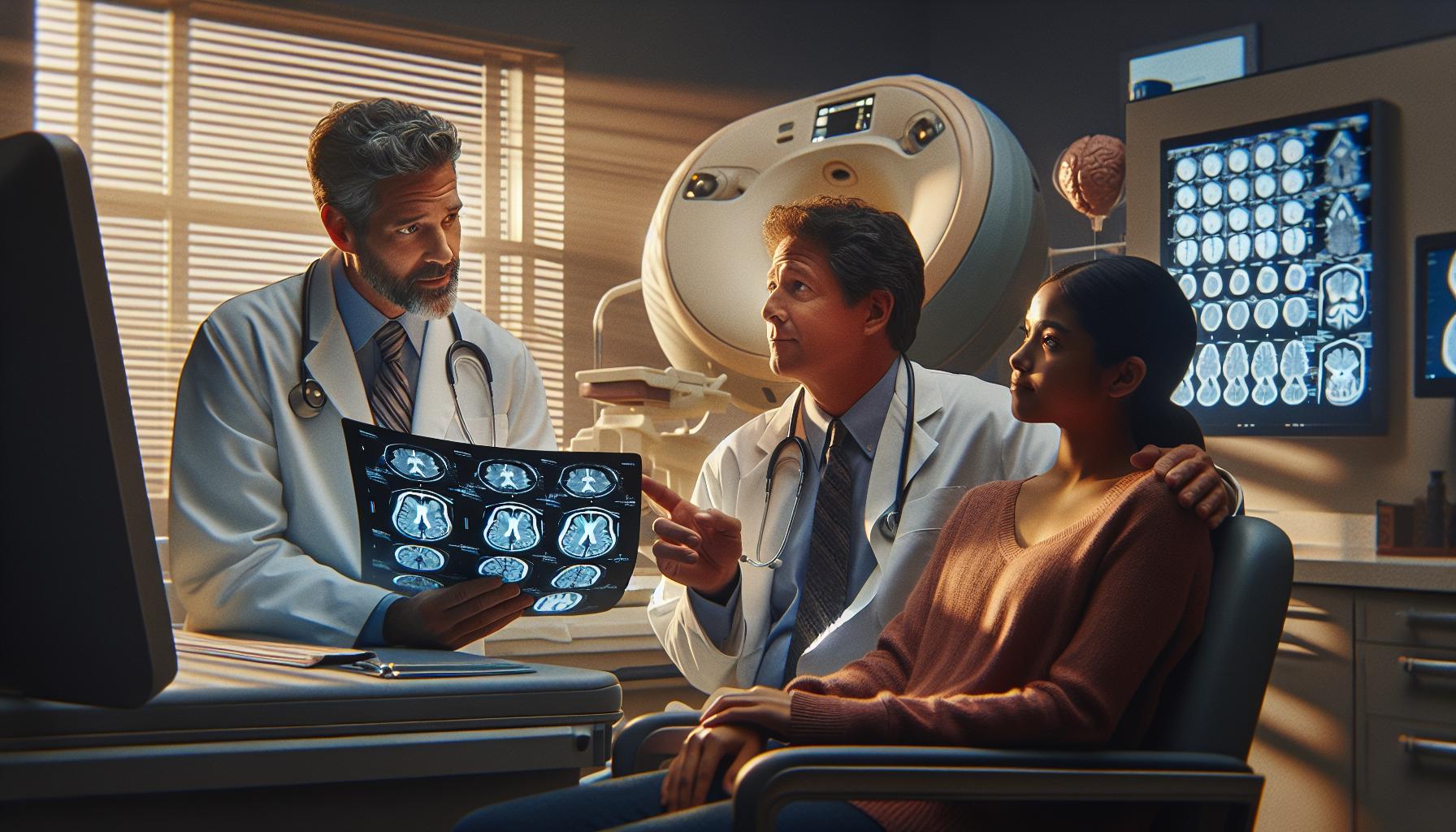
Treatment Options for Brain Cancer: A Comprehensive Overview
Once a diagnosis of brain cancer is confirmed, the treatment options may vary significantly based on the type, grade, and location of the tumor, as well as the patient’s overall health. Understanding these options empowers patients and their families to make informed decisions and collaborate effectively with their healthcare teams.
Surgical Options
Surgery is often the first line of treatment for brain tumors, aiming to remove as much of the tumor as possible. The type of surgery performed can range from a biopsy to a craniotomy, where a portion of the skull is removed to access the tumor. The goal is not only to eliminate the tumor but also to alleviate symptoms caused by pressure on the brain. Surgeons may utilize advanced imaging techniques to guide them during the procedure, enhancing the accuracy of tumor removal while preserving nearby healthy tissue.
Radiation Therapy
Radiation therapy employs high-energy particles or waves, such as X-rays, to kill or slow the growth of cancer cells. It may be used post-surgery to eradicate any remaining cancer cells or as the primary treatment when surgery isn’t possible. Treatment can be delivered through external beam radiation or brachytherapy, where radioactive sources are placed directly into or near the tumor. New techniques like stereotactic radiosurgery allow for highly targeted radiation, minimizing damage to surrounding healthy tissue.
Chemotherapy
Chemotherapy involves the use of drugs to destroy cancer cells, typically administered orally or intravenously. Although not universally applicable for all brain cancer types, certain tumors respond well to these agents. Chemotherapy can be used in combination with surgery and radiation to address residual cancer and minimize recurrence. Clinical trials are ongoing to discover the most effective chemotherapeutic agents tailored to specific types of brain cancer.
Targeted Therapy and Immunotherapy
Targeted therapies focus on specific molecular features of the tumor, inhibiting cancer growth with fewer side effects compared to traditional chemotherapy. For certain brain cancers like glioblastomas, immunotherapy that harnesses the body’s immune system to fight cancer is being explored. Ongoing research aims to widen the scope of effective treatments available for different brain cancer types.
Living with a diagnosis can be daunting, but staying informed about these treatment options and actively participating in the decision-making process can lead to better outcomes. Consider discussing potential side effects, the expected timeline for treatments, and follow-up strategies with healthcare professionals to build a comprehensive treatment plan that supports both health and quality of life.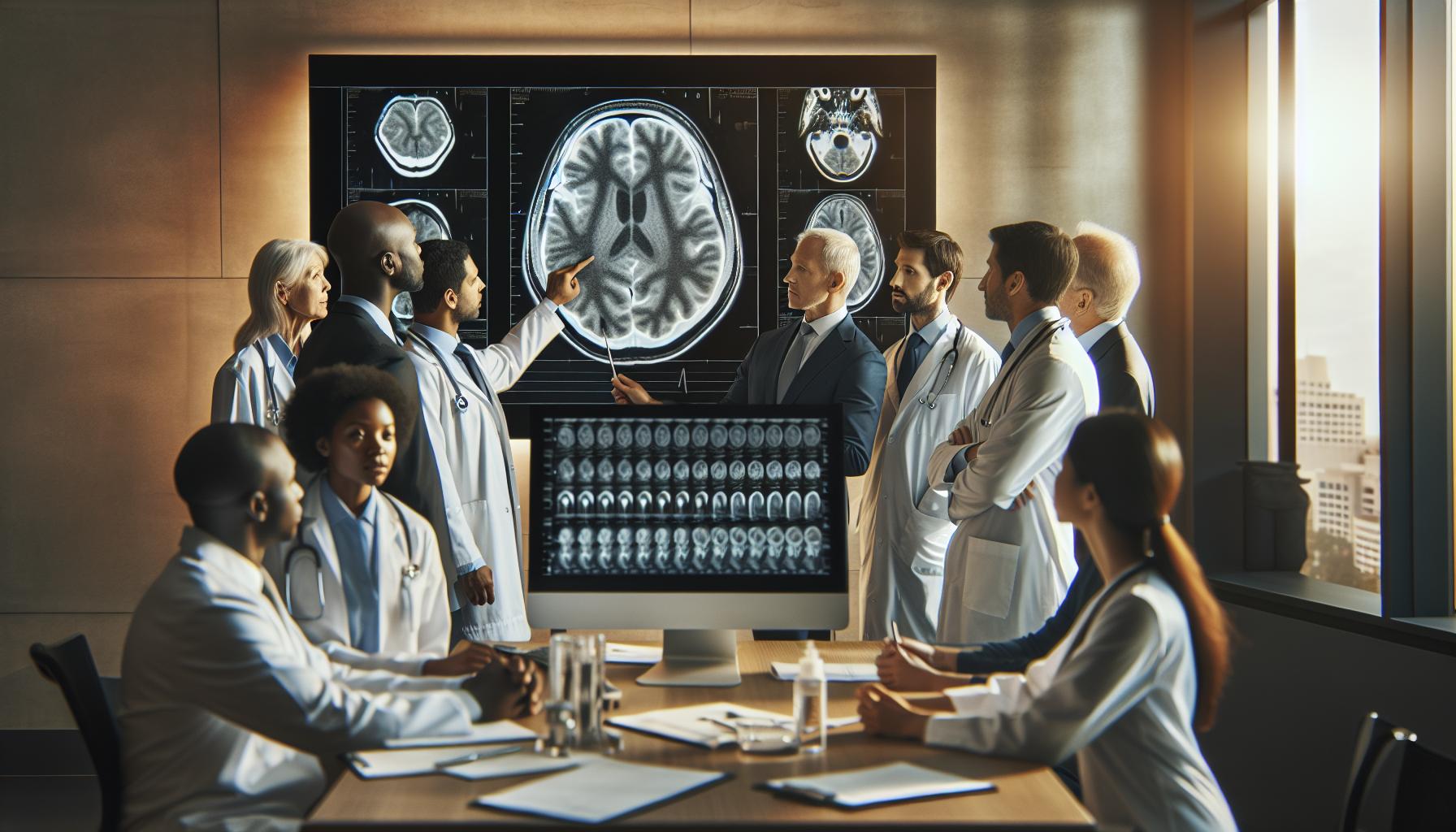
Living with Brain Cancer: Coping Strategies and Support
Facing the reality of brain cancer can be overwhelming, but finding effective coping strategies and support systems can significantly improve quality of life. Dealing with a diagnosis, particularly in the public eye, like that of Trent Johnston, necessitates not only medical attention but also emotional resilience and community support.
Understanding Emotional Health
The emotional turmoil that accompanies a brain cancer diagnosis can lead to feelings of fear, anxiety, and uncertainty. Emphasizing the importance of mental health, it is crucial to recognize and mitigate these feelings. Engaging in mindfulness practices, such as meditation or yoga, can help lower stress levels and improve emotional well-being. Journaling can also serve as a tool for expressing thoughts and feelings, which may help in processing the experience.
Building a Support Network
Having a strong support network is essential. Friends, family, or support groups can provide not only emotional support but also practical assistance. Consider the following steps to cultivate a supportive environment:
- Communicate Openly: Share your feelings and needs with loved ones to foster understanding and support.
- Join Support Groups: Connecting with others who are going through similar experiences can offer comfort and insight.
- Professional Help: Seeking counseling or therapy can provide a safe space to explore emotions and develop coping strategies.
Maintaining a Healthy Lifestyle
Incorporating healthy habits can play a significant role in coping with brain cancer. Focus on a balanced diet, regular physical activity, and adequate sleep. These practices not only enhance physical health but can also improve mood and cognitive functioning. For instance:
- Balanced Nutrition: Foods rich in omega-3 fatty acids, antioxidants, and vitamins can support brain health. Consider incorporating fatty fish, berries, leafy greens, and nuts.
- Regular Exercise: Even moderate activities like walking can boost endorphin levels, helping to alleviate stress and anxiety.
- Sleep Hygiene: Establish a routine that promotes restful sleep, such as reducing screen time before bed and creating a calming night environment.
Finding ways to cope with brain cancer requires a comprehensive approach that blends emotional support, healthy lifestyle choices, and communication with medical professionals. Engaging in your own care, while seeking support from loved ones and experts, can create a more manageable path through a challenging journey.
The Role of Nutrition in Brain Health and Cancer Recovery
Proper nutrition plays a crucial role in brain health and can significantly impact recovery from brain cancer. A balanced diet rich in nutrients not only supports overall health but also enhances cognitive function and strengthens the immune system, which is essential during and after cancer treatment. Certain foods have been shown to be particularly beneficial in supporting brain health. For example, incorporating foods high in omega-3 fatty acids, such as fatty fish (salmon, mackerel), as well as nuts and seeds, can help reduce inflammation and support brain function. Consuming a variety of colorful fruits and vegetables, such as berries and leafy greens, provides antioxidants and vitamins that protect brain cells from oxidative stress.
Key Nutrients for Brain Health
Focus on a diverse range of nutrients to support brain function and recovery. Here’s a closer look at some essential components:
- Antioxidants: Found in berries, citrus fruits, and leafy greens, antioxidants help combat oxidative stress and inflammation.
- Omega-3 Fatty Acids: Fatty fish, flaxseed, and walnuts are excellent sources that promote neuronal health.
- B Vitamins: Whole grains, eggs, and legumes are rich in B vitamins which are linked to improved mood and cognitive function.
- Protein: Lean meats, beans, and dairy provide essential amino acids that are vital for the repair and growth of brain cells.
Practical Tips for a Brain-Healthy Diet
Implementing dietary changes doesn’t have to be overwhelming. Start with small, manageable steps to transform your eating habits:
- Start Each Meal with Vegetables: Load your plate with greens and colorful veggies to ensure you’re getting plenty of nutrients.
- Choose Whole Foods: Opt for whole grains like quinoa or brown rice instead of processed options to support overall brain health.
- Stay Hydrated: Proper hydration is essential for optimal brain function. Aim to drink plenty of water throughout the day.
- Plan Meals: Consider meal prepping to ensure you have nutrient-dense options readily available, reducing the temptation to reach for unhealthy snacks.
By prioritizing a nutrient-rich diet, those facing challenges related to brain cancer can not only support their overall health but also enhance their quality of life. While dietary changes are beneficial, it’s essential to consult with healthcare providers or nutritionists who specialize in cancer care to ensure a personalized and effective nutrition plan. This tailored approach helps navigate the complexities of individual dietary needs during treatment and recovery, ultimately fostering resilience and promoting well-being.
How to Support a Loved One with Brain Cancer
Supporting a loved one diagnosed with brain cancer can feel overwhelming, yet your presence and care can make a significant difference in their journey. One of the most essential aspects is to foster an environment of understanding and empathy. Patients often face a whirlwind of emotions, from fear and anxiety to anger and sadness. Being a compassionate listener can provide immense comfort. Engaging in conversations about their feelings and encouraging openness helps them to feel less isolated. Remind them that it is okay to express their fears and that you are there to support them through each step.
Synchronizing daily life with their current needs is vital. Creating a schedule that accommodates their treatment appointments, doctor visits, and required rest periods can alleviate stress. Involving them in decisions regarding their daily routine can empower them. Small acts of kindness-like preparing their favorite meals, assisting with household chores, or simply spending time together watching a movie-can uplift their spirits. This also includes being mindful of their dietary restrictions and preferences during treatment, which is crucial for maintaining nutrition and energy levels.
Practical Support Strategies
Implementing practical strategies can also significantly ease their daily challenges. Here are some actionable steps:
- Organize Medication and Appointments: Use a planner or mobile app to keep track of medications and upcoming medical appointments, ensuring they’re never missed.
- Create a Support Network: Coordinate with friends and family to establish a support system, allowing others to help with meal preparation, transportation, and companionship.
- Encourage Mental Wellness: Introduce gentle mindfulness practices or guided relaxation techniques to help reduce anxiety and stress. This could be through meditation, art, or light exercises designed for their capability.
- Educate Yourself: Understanding more about brain cancer treatments, potential side effects, and coping strategies enables you to provide informed and empathetic support.
As the journey unfolds, maintaining a positive environment that serves as a source of hope and encouragement can benefit both you and your loved one. Celebrating small victories during treatment-whether it’s finishing a treatment cycle or simply having a good day-creates shared moments of joy. Flexibility and patience are essential as they navigate through the uncertainties of their condition. Always encourage open conversations about their needs and feelings, ensuring they know they are not alone in facing this challenge. Through the steadfast support of loved ones, individuals battling brain cancer can find strength, resilience, and moments of light even in the darkest of times.
Emerging Research in Brain Cancer: What’s on the Horizon?
Continuing advancements in brain cancer research give hope not only to patients but also their families and support systems. These developments are pivotal in transforming how brain tumors are diagnosed, treated, and managed. One promising avenue is the exploration of personalized medicine, which tailors treatment strategies based on the individual genetic makeup of both the tumor and the patient. This approach can enhance treatment effectiveness and reduce unnecessary side effects, offering a more targeted therapeutic strategy.
Innovative Treatment Modalities
Research is currently focusing on a variety of innovative treatment methods, including:
- Immunotherapy: This treatment leverages the body’s immune system to combat brain tumors. Scientists are developing ways to enhance immune responses specifically against tumor cells, which could lead to more effective treatments with fewer side effects.
- Gene Therapy: Researchers are experimenting with techniques that modify genes inside the tumor cells, aiming to inhibit growth and promote apoptosis (cell death), potentially transforming prognosis for many patients.
- Targeted Therapy: With a better understanding of molecular characteristics, targeted therapies can be developed that focus on specific characteristics of tumor cells, which could reduce damage to healthy cells.
Advancements in Diagnostic Techniques
Emerging technologies are also enhancing diagnostic capabilities. Techniques such as advanced imaging (MRI, PET scans) and genetic profiling of tumors are becoming more sophisticated, allowing for earlier detection and better monitoring of disease progression. Liquid biopsy, which analyzes blood samples for tumor DNA, is a frontier in assessing treatment response and disease recurrence without needing invasive procedures.
The race towards groundbreaking research requires robust clinical trials, and patients are encouraged to seek involvement in ongoing studies. This not only contributes to their potential well-being through access to cutting-edge treatments but also aids the broader medical community in unveiling promising therapeutic strategies. As research continues to evolve, both patients and their support systems can stay informed and engaged, fostering a proactive approach to navigating brain cancer.
Expert Advice: When to Seek Medical Consultation
Recognizing the signs that something may be wrong with your health can be daunting, especially when it comes to serious conditions such as brain cancer. Trent Johnston’s recent health update has highlighted the importance of vigilance regarding symptoms that could indicate significant neurological issues. If you or a loved one experiences any concerning changes, knowing when to seek medical advice is crucial.
Persistent headaches that differ from your usual patterns, changes in vision, or sudden difficulty with balance and coordination are all potential warning signs. Additional symptoms might include unexplained nausea, memory problems, or alterations in behavior or personality. If these symptoms are new, severe, or worsening, it’s essential to consult a healthcare professional promptly. Early intervention not only aids in accurate diagnosis but can also significantly improve treatment outcomes.
Another vital aspect is to listen to your instincts. If you feel that something isn’t right, don’t hesitate to speak with your doctor. Prepare for your consultation by documenting specific symptoms, how long you’ve been experiencing them, and any other pertinent health history. This information will help your healthcare provider assess your situation more effectively.
While the stress of a serious diagnosis can be overwhelming, particularly for individuals supporting loved ones like Trent Johnston, embracing proactive health management offers a pathway to wellness. Engage with support groups, practice stress-reduction techniques such as mindfulness or gentle exercise, and prioritize open communication with healthcare providers throughout the process. Remember, early detection is a critical factor in effectively managing health concerns. Don’t wait; reach out when you’re in doubt.
FAQ
Q: What is the latest update on Trent Johnston’s brain cancer?
A: Trent Johnston’s health has taken a serious turn as reports indicate that his brain cancer has progressed and spread throughout his body. His family is genuinely concerned for his well-being as they navigate these challenges together [1[1].
Q: What are common signs and symptoms of brain cancer?
A: Common signs of brain cancer may include persistent headaches, seizures, balance or coordination issues, memory problems, and changes in mood or behavior. Early detection through proper medical consultation is crucial for treatment [1[1].
Q: When should someone seek medical help regarding potential brain cancer?
A: If someone experiences persistent neurological symptoms such as severe headaches, unexplained seizures, or sudden vision problems, it’s important to consult with a healthcare professional. Early diagnosis can significantly impact treatment options [1[1].
Q: What treatment options are available for brain cancer?
A: Treatment for brain cancer typically includes surgery, radiation therapy, and chemotherapy. The approach will depend on the type and stage of cancer, as well as the patient’s overall health [1[1].
Q: How does nutrition impact recovery from brain cancer?
A: Nutrition plays a vital role in recovery, supporting the immune system and overall health. A well-balanced diet rich in antioxidants and anti-inflammatory foods can help improve energy levels and promote healing during treatment [1[1].
Q: What support options are available for those living with brain cancer?
A: Individuals living with brain cancer can seek support from healthcare professionals, support groups, and counseling services. Connecting with others who understand the experience can provide emotional relief and practical information [1[1].
Q: What lifestyle changes can improve brain health?
A: Incorporating regular physical activity, maintaining cognitive engagement, and adopting a balanced diet rich in omega-3 fatty acids can help improve brain health. Additionally, managing stress through mindfulness and relaxation techniques is beneficial [1[1].
Q: Are there emerging treatments for brain cancer?
A: Yes, ongoing research is exploring innovative therapies, including immunotherapy and targeted drug treatments, which are showing promise in enhancing outcomes for brain cancer patients. Staying updated through reputable sources is key [1[1].
Concluding Remarks
As we wrap up our exploration of Trent Johnston’s health update, it’s essential to remain proactive about brain wellness and seek out support resources. Understanding the implications of brain health can empower you to make informed decisions for yourself and your loved ones. If you’re interested in more tips on maintaining cognitive vitality, check out our articles on enhancing workplace wellness and techniques for effective stress management.
Stay connected with us for the latest updates and insights by signing up for our newsletter. Remember, knowledge is power, and being informed is your best defense against health uncertainties. Share your thoughts or questions in the comments below-your engagement enriches our community. Together, let’s continue on the path to better health and awareness regarding brain wellness.