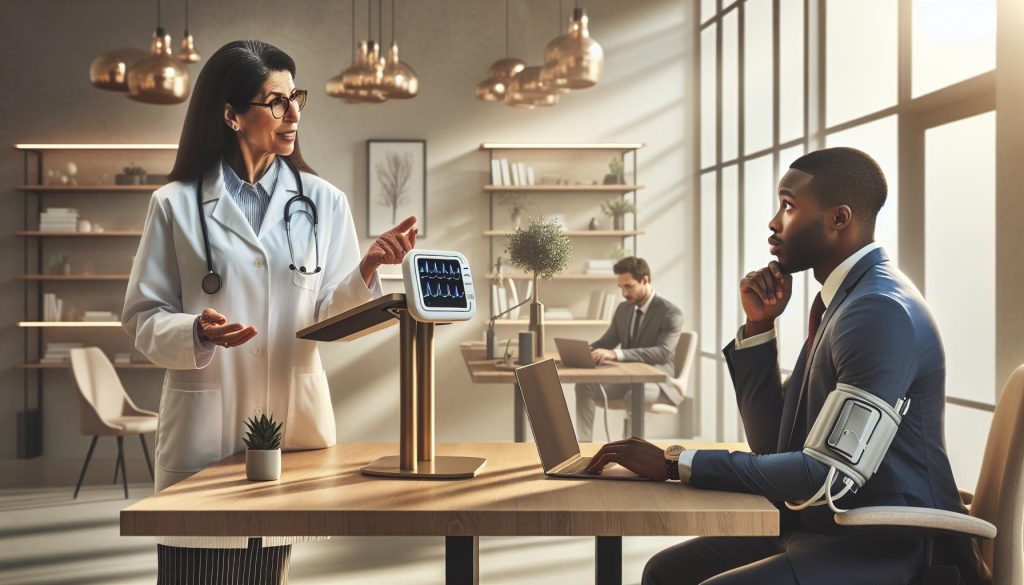
With rising concerns about sedentary lifestyles and their impact on health, many are turning to standing desks as a potential solution. But how effective are these desks in helping to manage blood pressure? In this article, we’ll explore insights from a cardiologist on the link between standing desks and blood pressure regulation. Understanding how our work environment affects our health is crucial, especially for those striving for a more balanced and healthier lifestyle. By examining the benefits and potential drawbacks, you’ll be empowered to make informed choices that can aid your overall well-being. Join us as we delve into evidence-based findings that could transform your workspace and benefit your heart health.
Understanding the Impact of Standing Desks on Blood Pressure
Research indicates that the way you position your body throughout the workday can significantly impact your cardiovascular health, particularly blood pressure levels. Standing desks have emerged as an effective way to address sedentary behavior, which is closely linked to increased blood pressure and heart disease risk. By allowing for a more dynamic work environment, standing desks can promote better circulation, reduce ischemic events, and contribute to more favorable heart health outcomes over time.
Understanding Blood Pressure Dynamics with Standing Desks
When you switch from a seated to a standing position, your body employs a multitude of physiological changes that can positively influence blood pressure. Standing engages more muscle groups, which can enhance blood flow and help regulate blood pressure levels. One notable advantage is that standing may encourage minor movements, like shifting weight or pacing, which can amplify calorie burn and foster cardiovascular health by reducing the risk of hypertension.
Studies reveal that maintaining a standing posture can lead to lower blood pressure readings compared to sedentary alternatives. This effect is particularly pronounced in individuals at risk for hypertension, as even minor adjustments in physical activity levels can have meaningful health implications. To reap these benefits fully, creating a supportive standing desk environment is essential; a poor setup may lead to discomfort and detract from the positive impacts on blood pressure.
Practical Tips for Enhancing Blood Pressure Health with Standing Desks
To maximize the benefits of a standing desk, consider the following approaches:
- Ergonomic Setup: Adjust your desk height so that your elbows are at a 90-degree angle when typing, and ensure your monitor is at eye level to prevent strain.
- Movement Integration: Incorporate brief movement breaks every 30 to 60 minutes to keep blood flowing. Simple stretching or walking around can be highly effective.
- Monitor Your Progress: Keep track of your blood pressure regularly to understand the long-term impact of standing versus sitting on your health.
By implementing these strategies, you not only foster heart wellness but also cultivate a working environment that encourages movement and overall vitality.
How Standing Desks Promote Heart Health
Transitioning to a standing desk can serve as a pivotal step towards enhancing heart health. The simple act of standing rather than sitting initiates a variety of beneficial physiological changes that resonate throughout the body. One of the most significant adjustments includes increased muscle engagement, which enhances blood circulation and helps regulate blood pressure-a crucial factor in maintaining cardiovascular wellness. Moreover, standing promotes greater mobility, as even subtle shifts in weight or movement around the workspace can stimulate blood flow and encourage energy expenditure, combating the adverse effects associated with prolonged sedentary behavior.
Research highlights a pronounced decrease in blood pressure readings among individuals who regularly utilize standing desks compared to those who remain seated for extended periods. This is particularly relevant for those at risk of hypertension, as small increments in physical activity can lead to meaningful health improvements. However, the transition to standing must be complemented by an appropriate ergonomic setup. An improperly configured standing desk can lead to discomfort, which may counteract its potential benefits. Therefore, ensuring that the desk height aligns with the user’s posture-keeping elbows at a 90-degree angle and the monitor at eye level-is paramount.
To foster heart health further while utilizing a standing desk, incorporating brief intervals of movement is essential. Setting reminders to stretch or take short walks every 30 to 60 minutes not only invigorates the body but also enhances focus and productivity throughout the workday. Additionally, monitoring your blood pressure regularly can provide insights into how this lifestyle change positively influences your cardiovascular health over time. By embracing these practices, you can create not just a workspace that prioritizes physical well-being, but also one that encourages a dynamic and engaging approach to daily tasks.
The Science Behind Blood Pressure Regulation
Engaging in prolonged sitting can lead to various health issues, including elevated blood pressure-a concern that many professionals face in sedentary work environments. The positive effects of standing desks on blood pressure regulation stem from their ability to promote active movement and support a healthy cardiovascular system. This shift from sitting to standing not only aids in muscle activation but also enhances overall circulation, which is vital for optimal blood flow and heart health.
When standing, the body works harder to maintain balance and stability. This physical engagement encourages muscle activity that stimulates the vascular system, counteracting the stagnation often caused by sitting. Research indicates that even modest increases in activity, like simply standing, can lead to lower blood pressure readings over time. As individuals adopt standing desks, they may experience a reduction in systolic and diastolic blood pressure, facilitating better heart function and overall wellness. Moreover, this transition can help combat the negative effects of postprandial hypotension, where blood pressure drops after eating, by encouraging mobility and digestion.
To maximize the benefits of standing on blood pressure regulation, it’s essential to pair standing with effective movement throughout the day. Simple practices such as shifting weight from one leg to another, stretching, or incorporating short walking breaks can significantly enhance circulation. Setting a timer to remind oneself to move every 30 minutes creates a dynamic work environment that fosters cardiovascular health, further supporting the blood pressure-lowering effects of standing. Additionally, individuals should remain mindful of how they feel during extended periods of standing, as prolonged static posture can also lead to discomfort or fatigue.
Incorporating blood pressure monitoring and consulting healthcare professionals for personalized advice can empower individuals to make informed decisions about their health and workplace habits. Adopting a standing desk is a step in the right direction, but understanding how to use it effectively and integrating movement into daily routines are key to realizing its full potential for excellent cardiovascular health.
Cardiologist Insights: Standing vs. Sitting
The debate between standing and sitting while working continues to gain traction, with recent insights from cardiologists highlighting the significant impact of posture on cardiovascular health. Standing desks are not merely a trendy workplace addition; they can play a crucial role in regulating blood pressure and promoting heart health. Studies suggest that even slight changes in activity levels throughout the day can lead to measurable improvements in blood pressure, which is particularly critical for individuals at risk of hypertension.
When comparing the physiological effects of standing versus sitting, it’s essential to recognize how stationary positions can contribute to poor circulation and increased blood pressure. Sitting for prolonged periods can cause blood pooling in the lower extremities, leading to feelings of lethargy and exacerbating heart strain. Conversely, when individuals stand, their bodies engage in various muscular activities that stimulate circulation. This physical engagement not only aids in maintaining healthy blood flow but also helps regulate metabolism and can reduce the risk of metabolic syndrome, which is often linked to high blood pressure.
To harness the benefits of standing, cardiologists recommend integrating movement into your day, even while working in a standing position. Simple routines, such as shifting weight from one leg to another or taking short walks, can further enhance cardiovascular benefits. It’s not just about whether you sit or stand, but how you move and maintain postural variety throughout the day that truly matters. It’s recommended to alternate between standing and sitting, allowing the body to engage in a dynamic range of motions. Additionally, frequent movement breaks can combat the negative effects of static postures, making it easier to maintain energy levels and focus over longer periods.
For anyone considering the switch to a standing desk, it’s crucial to do so mindfully. Ergonomic setups should prioritize comfort and proper alignment to prevent strain or fatigue. Cardiologists suggest monitoring how your body reacts during these adjustments and consulting with healthcare professionals to tailor your approach based on individual health needs. Ultimately, understanding the intricacies of how standing versus sitting impacts blood pressure can empower individuals to make informed decisions that promote their overall cardiovascular health.
Ergonomic Setup for Standing Desks
Creating an ergonomically sound setup for standing desks can significantly enhance your work experience and overall health. A well-configured standing desk can improve posture, reduce strain, and promote a more dynamic work environment, all of which contribute to maintaining healthy blood pressure levels. The challenge lies in setting it up correctly to maximize its benefits and minimize potential discomfort.
To begin with, ensure that your desk height allows your elbows to be at a 90-degree angle when resting on the desk. Your wrists should be straight while typing, which can prevent strain and discomfort over time. Use a stable surface about elbow height when you’re standing, ideally between 38 to 42 inches depending on your height. This will help maintain a neutral wrist position and reduce muscle tension. Similarly, the top of your computer monitor should be at eye level or slightly below to avoid neck strain, encouraging your head to maintain a neutral position without leaning forward.
For added comfort, consider using an anti-fatigue mat. These mats provide cushioning that supports your feet, reducing fatigue during long working hours. Additionally, keep your feet hip-width apart to promote better balance and engage your core by slightly tightening your abdominal muscles. This posture not only helps with stability but also encourages active engagement of your muscles, supporting your cardiovascular system.
Incorporating adjustable elements into your setup can enhance your ergonomic experience further. A height-adjustable desk can allow you to alternate between sitting and standing, mitigating the risks associated with prolonged static postures. Accessories like monitor arms can enhance eye alignment, while keyboard trays can aid in achieving that optimal elbow angle, allowing for an adaptable workspace that meets your needs throughout the day.
Remember to listen to your body as you adjust to a standing desk. Frequent repositioning, along with integrating brief walking breaks or stretches, can optimize circulation and reduce the risk of discomfort, thus supporting heart health and well-being. Adopting these ergonomic principles not only enhances productivity but also contributes positively to overall wellness in your workplace.
Incorporating Movement Throughout the Workday
Incorporating regular movement throughout your workday is essential for maintaining optimal health, especially for those using standing desks. Engaging in physical activity can be as simple as integrating small bouts of movement into your daily routine. Studies show that consistent motion not only enhances cardiovascular health but also aids in blood pressure regulation. Every time you stand up, stretch, or walk, you’re actively promoting circulation and reducing the risks associated with sedentary behavior.
To make movement a natural part of your workday, consider implementing the following strategies:
- Set Timers: Use a timer or an app to remind you to take a break every 30 to 60 minutes. During these breaks, stand up, stretch, or take a brisk walk around your workspace.
- Designate Movement Zones: Create specific areas in your office for quick exercises such as lunges or light stretching. This can combat the monotony of your work routine and refresh your energy levels.
- Walking Meetings: Whenever possible, opt for walking meetings with colleagues. This not only promotes movement but also can foster a more relaxed and creative atmosphere.
- Incorporate Office Equipment: Consider using stability balls or balance boards intermittently. These can engage your core and enhance balance, making your standing desk experience even more dynamic.
Additionally, engaging your core muscles while standing can further support cardiovascular health. Simply drawing your belly button towards your spine can activate these muscles and encourage better posture. Taking advantage of your standing desk by incorporating deeper movements-such as squats or calf raises-will provide both physical benefits and a break from static postures.
Maintaining an active body fosters an active mind. As you integrate movement into your workday, you may notice improvements in concentration, stress management, and overall cognitive function. Remember, it’s not just about standing-it’s about staying dynamic and allowing your body the motion it craves to thrive.
Long-Term Benefits of Using a Standing Desk
Making the switch to a standing desk isn’t just a fad; it’s a lifestyle choice that can yield significant long-term health benefits, particularly regarding cardiovascular wellness and blood pressure regulation. Research indicates that incorporating more standing into your day can positively impact metabolic health, reduce cardiovascular risks, and even enhance overall productivity. By replacing prolonged sitting with standing and movement, you’re actively engaging your body in ways that can help mitigate the negative effects of a sedentary lifestyle.
One of the most notable benefits of using a standing desk over time is the potential reduction in systolic and diastolic blood pressure. People who adopt standing desks often experience improved blood circulation, which can contribute to lower blood pressure readings. It also minimizes the risks associated with the common health issues linked to sedentary behavior, such as obesity and type 2 diabetes. These improvements in cardiovascular metrics not only promote heart health but can also enhance your energy levels throughout the day.
While the immediate benefits of using a standing desk can be noticeable, the long-term advantages extend far beyond physical health. Many users report psychological benefits, including increased focus and reduced fatigue. This enhancement in cognitive function can be attributed to better blood circulation and improved mood, as standing and moving can release endorphins and other mood-lifting chemicals in the brain. Furthermore, a consistent standing habit encourages better posture, which can alleviate back pain and discomfort usually associated with long hours of sitting.
To maximize these long-term benefits, consider a balanced approach that combines standing with regular movement breaks. Utilizing ergonomic tools, participating in walking meetings, and adjusting your desk height to ensure proper alignment can ensure your standing desk contributes positively to your health. By fostering a dynamic workspace where movement is encouraged, you’re not only taking steps towards improved blood pressure and heart health, but also paving the way for a more vibrant and engaged work life.
User Experiences: Real Stories and Results
User experiences with standing desks have painted a compelling picture of their impact on both blood pressure and overall well-being. Many users share transformative stories, illustrating how a simple furniture change led to improved energy levels, mood enhancement, and significant reductions in blood pressure readings. For instance, John, a marketing manager in his mid-40s, reported a marked decrease in his systolic blood pressure after switching to a standing desk. He attributes this to not only standing more often but also moving throughout the day-integrating walking breaks and pacing during calls, which all contributed to a more active lifestyle.
Similarly, a graphic designer named Lisa noted that her chronic fatigue and back pain diminished after only a few weeks of using a standing desk. She found that standing increased her engagement at work and allowed her to be more productive and creative. By maintaining an active stance, she also experienced fewer afternoon slumps, allowing her to get more done without the crash usually associated with long periods of sitting. Lisa’s story underscores the benefits of adopting an ergonomic setup, where she adjusted her monitor height and added anti-fatigue mats, reducing strain and improving her posture.
Moreover, healthcare workers have shared insights into how standing desks promote not just physical health but mental clarity as well. A nurse, Mark, reported that after installing a standing desk, he feels less fatigued during long shifts, allowing him to focus better on patient care. His colleagues have noted similar effects, confirming that reducing sitting time has led to improved overall morale in the workplace.
These stories highlight an important aspect of implementing standing desks-they encourage a shift in mindset regarding workplace wellness. Instead of viewing a standing desk merely as furniture, users see it as a tool for fostering healthy habits. With proper setup and a commitment to movement, individuals report not just lower blood pressure but overall improvements in their daily life and work performance. This mutual drive for health and productivity showcases how standing desks can indeed play a pivotal role in modern workplace wellness initiatives.
Addressing Common Misconceptions About Standing Desks
There’s a persistent myth that standing desks are a one-size-fits-all solution for workplace wellness and blood pressure management. Many people assume that simply replacing a traditional desk with a standing desk will automatically lead to significant health benefits. However, this oversimplification can lead to misunderstandings about how to effectively use standing desks for optimal health outcomes and productivity.
One common misconception is that standing all day is better than sitting all day. In reality, it’s not merely standing that offers health benefits; it’s the combination of movement, posture, and ergonomics. Standing for prolonged periods can lead to discomfort or strain if not done correctly. It’s crucial to incorporate movement, such as shifting weight from one foot to another, taking breaks to walk around, and varying your position throughout the day. The key is balance-aim for a mix of sitting, standing, and moving to create a more dynamic and healthy work environment.
Another myth is that standing desks are only beneficial for specific health conditions. While they can indeed help lower blood pressure and reduce the risks associated with sedentary lifestyles, they also contribute to improved mood, engagement, and cognitive function across the board. Many users report increased energy levels and better focus, which can be attributed to the active nature of standing while working. This makes it essential to view standing desks as part of a broader approach to health that includes movement, ergonomics, and attention to overall workplace wellness.
Lastly, there is a fear that transitioning to a standing desk will exacerbate discomfort or lead to pain due to abrupt changes in posture. To combat this, it’s recommended to gradually increase standing time, listen to your body’s signals, and set up your workspace ergonomically. Pairing the standing desk with anti-fatigue mats and supportive shoes can provide added comfort, allowing you to reap the benefits without unnecessary stress on your body.
In summary, standing desks can be powerful tools for health, but they must be used thoughtfully. By debunking these misconceptions, individuals can take actionable steps toward creating a healthier, more balanced work environment that optimally supports both their physical and mental well-being.
Additional Health Benefits of Active Workspaces
The modern workplace is evolving, and with it comes a renewed focus on how our work environments impact overall health and well-being. The adoption of active workspaces, particularly through the use of standing desks, has been associated with a range of health benefits beyond blood pressure management. Research shows that these setups can greatly enhance cognitive function and boost productivity, as employees often report higher energy levels and improved mood when standing while working. This dynamic work style encourages movement, which is essential for maintaining not only physical health but also mental acuity.
One major advantage of active workspaces is their positive influence on metabolic health. When individuals engage in more upright positions, it can stimulate metabolism, potentially leading to weight management advantages. Increasing the amount of time spent standing can contribute to greater daily calorie expenditure, which is especially important in our increasingly sedentary lifestyles. Additionally, the act of standing has been linked to improvements in circulation, reducing the stasis that often accompanies prolonged sitting, further benefiting cardiovascular health.
Promoting Mental Well-Being
Beyond the physiological benefits, active work environments support mental wellness. Sitting is often linked to feelings of lethargy and diminished focus, which can lower overall job satisfaction and engagement. By integrating standing desks and taking regular movement breaks-whether stretching or brief walks-employees can enhance their mood and cognitive performance. This can lead to higher creativity and problem-solving skills, which are critical in a collaborative work setting.
Incorporating light movement into the day can optimize brain health through the promotion of neuroplasticity, the brain’s ability to adapt and reorganize itself. Simple activities, like walking meetings or standing during phone calls, can create a more stimulating work atmosphere that encourages brainstorming and innovation. To further support mental health, consider creating designated areas for movement, such as an open space for stretching or even yoga, which can refresh the mind and body through active participation.
Overall, transforming traditional workspaces into dynamic environments offers a multitude of benefits that extend well beyond blood pressure. By championing these active settings, organizations not only promote employee health but also cultivate a culture of productivity and innovation that can lead to enhanced workplace performance and satisfaction. As we continue to explore these comprehensive health advantages, it’s essential to emphasize safe practices and listen to our bodies, ensuring that the transition to a more active work lifestyle is enjoyable and sustainable.
Practical Tips for Transitioning to a Standing Desk
Transitioning to a standing desk can be a transformative experience for your health and well-being, particularly concerning blood pressure management. To make this shift successfully, it’s essential to adopt a gradual and thoughtful approach that incorporates ergonomic best practices and encourages holistic wellness. Here are some practical tips to facilitate your transition:
Start by introducing standing into your routine in short increments. Aim to stand for 15-30 minutes every hour, gradually increasing this duration as you become more comfortable. This method not only allows your body to adapt but also minimizes fatigue. Utilize a timer or an app to remind you when to switch between sitting and standing. By monitoring your progress, you can better understand how your body responds.
Ergonomic Setup
Ensure that your standing desk is adjusted to the right height. Your elbows should be at a 90-degree angle when typing, and your monitor should be at eye level to prevent neck strain. Consider investing in an anti-fatigue mat, which can reduce discomfort and fatigue from prolonged standing. Additionally, arrange your workspace so that everything you need is within easy reach, reducing the need for twisting or bending, which can lead to strain.
Incorporating movement throughout your day is crucial even when using a standing desk. Integrate activities such as stretching or short walks into your routine. Aim to change your position every 30 minutes-whether it’s a brief walk to the water cooler or simple stretches to alleviate tension. This practice not only promotes circulation but also enhances focus and productivity.
Lastly, listen to your body. Pay close attention to how you feel during this transition. If you experience discomfort, adjust your standing time or revisit your ergonomic setup. Embrace this journey as an opportunity to cultivate a healthier work routine that prioritizes both your physical and mental well-being. By making these thoughtful adjustments, you can create an active workspace that not only supports your cardiovascular health but also fosters an environment conducive to productivity and happiness.
The Future of Workplace Wellness: Trends and Innovations
As organizations increasingly recognize the negative health impacts of prolonged sitting, the landscape of workplace wellness is rapidly evolving. In recent years, innovations such as standing desks have gained significant traction, but this is just the beginning. The future of workplace wellness is set to incorporate not only versatile furniture solutions but also a broader emphasis on holistic well-being that includes movement, mental health, and social connectivity.
One of the emerging trends is the integration of technology with workplace ergonomics. Smart standing desks equipped with sensors can track sitting and standing durations, offering reminders and feedback to users about their posture and habits. This data-driven approach fosters a culture of awareness, encouraging employees to take control over their health while providing employers with insights to refine office designs and wellness programs. Additionally, apps that facilitate desk and fitness equipment sharing among employees can promote physical activity and social interaction, transforming the mundane office space into a vibrant hub for collective health.
Innovative Strategies for Workplace Wellness
To further enhance employee well-being, organizations are also embracing flexible work schedules that allow for varied work environments-be it a standing desk at the office or working from home with an ergonomic setup. Hybrid work models introduce opportunities for a dynamic workspace, where employees can effortlessly integrate physical activity into their daily routines. Moreover, companies are beginning to prioritize communal areas designed for collaboration, encouraging movement and informal interactions that can boost creativity and reduce stress.
- Mindfulness and Stress Management: Incorporating mental health resources, such as meditation rooms and on-site wellness coaches, can significantly enhance emotional well-being.
- Hybrid Work Models: Emphasizing the flexibility of working environments allows employees to choose what best suits their productivity and comfort levels.
- Focus on Nutrition: Healthier workplace snack options and nutrition education can complement physical wellness efforts and further support cardiovascular health, moving beyond the realm of just standing desks.
As the focus on health grows, it’s crucial for both employers and employees to stay informed about the latest research and practices that promote cardiovascular health and overall well-being. A proactive approach to integrating standing desks and other innovations into daily routines not only improves blood pressure but also fosters a culture of health and productivity within the workplace. Embracing these changes sets the stage for a healthier, more engaged workforce.
Frequently asked questions
Q: Can using a standing desk lower blood pressure?
A: Yes, using a standing desk can help lower blood pressure by promoting better circulation and reducing sedentary behavior. Regularly alternating between sitting and standing may lead to improved cardiovascular health. For detailed insights, check the section on how standing desks promote heart health in the article.
Q: How often should I switch between sitting and standing?
A: It’s recommended to switch between sitting and standing every 30 to 60 minutes. This helps alleviate discomfort and may enhance blood circulation, contributing to better blood pressure management. Refer to the ergonomic setup section for more tips on effective transitions.
Q: What are the long-term benefits of using a standing desk?
A: Long-term benefits of using a standing desk include reduced risk of high blood pressure, improved posture, and increased energy levels. These effects contribute to overall cardiovascular health and well-being. Explore the long-term benefits section of the article for more insights.
Q: Do standing desks help with weight management?
A: Yes, standing desks can aid in weight management by encouraging more movement throughout the day, which burns more calories than prolonged sitting. Regular movement is also linked to better blood pressure regulation. For practical tips, check the section on incorporating movement throughout the workday.
Q: Are there any drawbacks to using a standing desk?
A: While standing desks offer many benefits, prolonged standing can lead to fatigue and discomfort. It’s essential to incorporate movement and take breaks, balancing standing with sitting. The article addresses common misconceptions about standing desks for further understanding.
Q: How can I set up my standing desk ergonomically?
A: To set up your standing desk ergonomically, ensure your monitor is at eye level, and keep your elbows at a 90-degree angle. Use an anti-fatigue mat to reduce strain on your legs. Detailed setup guides can be found in the ergonomic setup section of the article.
Q: What exercises can I do while using a standing desk?
A: Simple exercises such as calf raises, leg swings, and desk push-ups can be performed while using a standing desk. Incorporating these movements can further enhance blood flow and potentially lower blood pressure. Check the article for more tips on staying active during the workday.
Q: Why is sitting considered harmful to blood pressure?
A: Prolonged sitting can lead to poor circulation and increased risk of hypertension. It reduces the body’s ability to regulate blood pressure effectively. The article discusses the science behind blood pressure regulation and how standing desks can offer a solution.
Wrapping Up
As we’ve explored, utilizing a standing desk can be a game-changer for managing blood pressure and enhancing overall workplace wellness. If you’re ready to take your health to the next level, why not start today? Consider setting up your standing workspace by checking our detailed guide on ergonomic tips and optimal desk setups.
Don’t stop there-explore our related articles on stress management techniques and how to boost cognitive performance for even greater health benefits. Remember, every small change contributes to a healthier you. For more insights on improving your well-being, be sure to subscribe to our newsletter and join our community. Your journey towards better health starts now-let’s stay engaged and support each other!