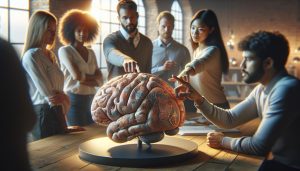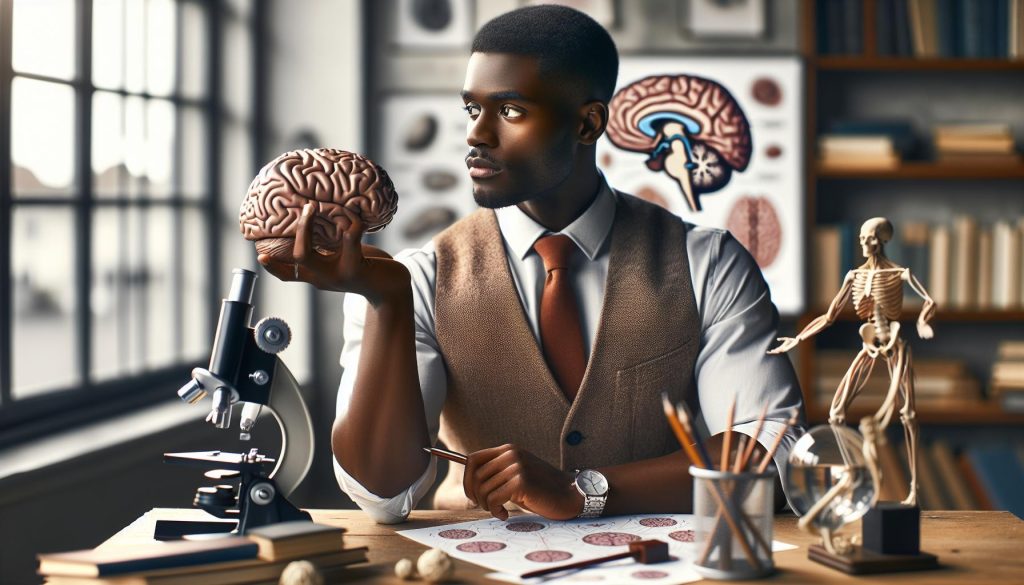
Have you ever wondered why your left hand seems to sometimes move independently of your right brain’s commands? The intriguing relationship between brain lateralization and body control reveals that the left side of the brain is primarily responsible for managing the movements of the right side of the body. This complex interplay not only governs motor skills but also affects cognitive functions like language and spatial awareness. Understanding how this link operates can enhance your appreciation of the brain’s remarkable architecture and its influence on daily activities. Explore with us as we delve into the science behind this fascinating phenomenon, uncovering its implications for your learning, behavior, and even your creativity. Discover why knowing this connection could be key to unlocking your potential in both personal and professional realms.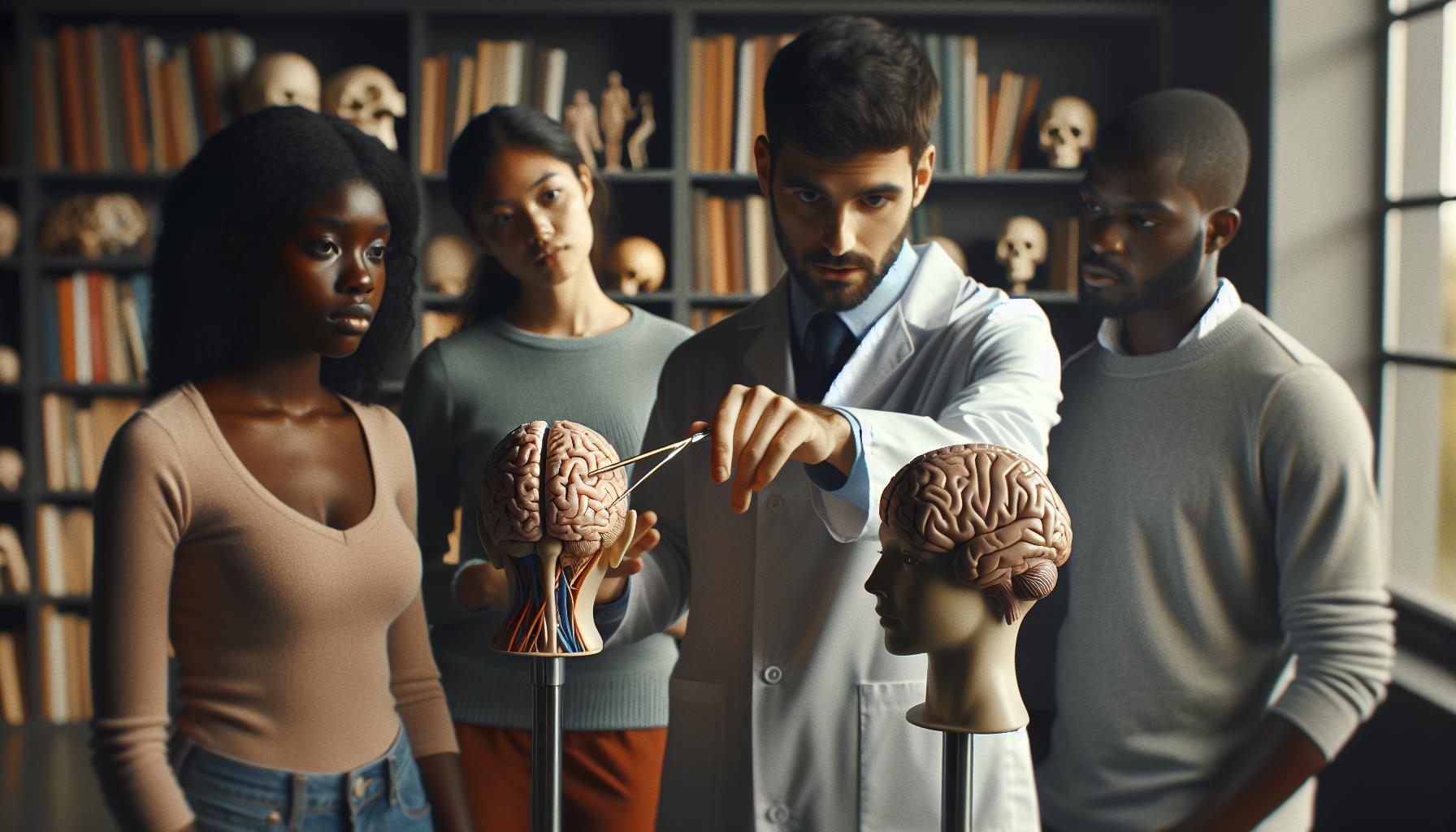
Understanding Brain Hemispheres: The Basics
The human brain is a marvel of complexity, with two hemispheres that perform distinct functions yet work together harmoniously to control a multitude of bodily processes. Understanding the basics of how these hemispheres operate can illuminate why the left side of the brain is often associated with controlling the right side of the body, and vice versa. This phenomenon, known as contralateral control, signifies that each hemisphere of the brain is primarily responsible for the opposite side of the body. This division of labor allows for specialized processing of tasks, which can include anything from language and analytical thinking handled by the left hemisphere to creative and visual-spatial tasks managed by the right hemisphere.
Recent studies have highlighted the anatomical and functional asymmetry of the brain, demonstrating how specific functions are lateralized to one hemisphere or the other. The left hemisphere typically dominates language production and comprehension, while the right hemisphere excels in processing visual information and emotions. This division extends beyond basic functions; individual factors such as handedness and gender can further influence lateralized functions, leading to variations in how brain tasks are allocated among individuals.
In essence, the intricate relationship between the two hemispheres showcases not only their independence but also their interdependence. Each hemisphere communicates through the corpus callosum, a bundle of nerve fibers that preserves coordination and integration of functions across the brain. This interconnectivity plays a crucial role in ensuring that despite their distinct capabilities, both hemispheres contribute to a cohesive experience of thought, movement, and emotion.
How Brain Hemispheres Control Body Functions
The brain’s remarkable design, with its two hemispheres, plays a fundamental role in how we control our body’s functions. Each hemisphere is responsible for the opposite side of the body, a concept known as contralateral control. This neurological architecture means that when the right hemisphere of the brain processes information, it influences the left side of the body and vice versa. Such organization allows for specialized capabilities: the left hemisphere is often associated with language, reasoning, and analytical tasks, while the right hemisphere excels in creative and visual-spatial functions.
This functional division not only aids in processing specific types of information but also enhances overall efficiency. For example, when we perform tasks that require both finesse and coordination, such as playing a musical instrument, both hemispheres collaborate. The left hemisphere may handle the rhythmic and structural components of music, while the right hemisphere contributes to the emotional and expressive nuances of the performance. This synergy illustrates how both sides of the brain can work together seamlessly, allowing for complex and nuanced control over bodily movements.
Neuroscientific research has shown how the brain’s hemispheres communicate, primarily through the corpus callosum, a thick band of nerve fibers. This structure acts as a conduit, enabling rapid exchanges of information that ensure both sides of the body respond effectively during activities. For example, when a person reaches out to grab an object with one hand, both hemispheres coordinate their efforts to fine-tune the movement. This intricate interplay is vital for achieving fluid and precise motor control.
Moreover, understanding how brain hemispheres influence control over bodily functions can be incredibly beneficial for rehabilitation efforts following brain injuries. Therapists can design targeted exercises that consider the unique functioning of each hemisphere. By stimulating specific areas of the brain and promoting neuroplasticity-the brain’s ability to adapt and reorganize-it is possible to retrain and recover lost functions, significantly enhancing a person’s quality of life.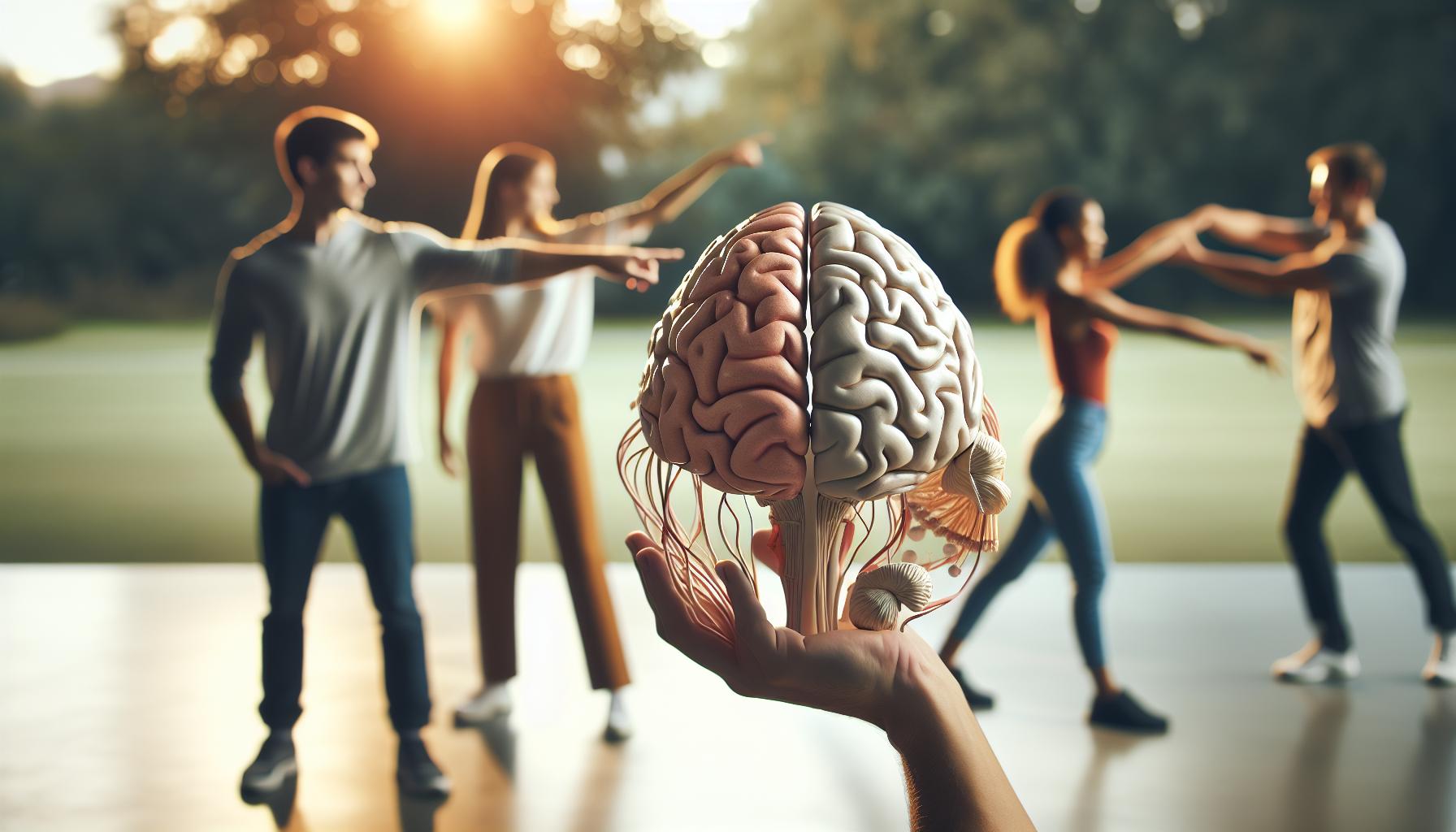
The Science Behind Brain Lateralization
Understanding the brain’s lateralization-the division of labor between its two hemispheres-offers fascinating insights into how our cognitive processes operate and how we interact with the world. This concept of lateralization explains that certain functions are predominantly managed by one hemisphere over the other, leading to a clear specialization that affects our emotions, creativity, and even our physical movements. Research reveals that the left hemisphere is traditionally linked to logical reasoning, language, and analytical tasks, while the right hemisphere leans towards creative thinking, visual-spatial abilities, and emotional processing.
This functional dichotomy gives rise to the principle of contralateral control: the left hemisphere primarily influences the right side of the body, and vice versa. For instance, when you use your left hand to write, it’s the right hemisphere that orchestrates those movements. This arrangement not only facilitates efficiency in action and thought but also establishes a unique interplay between the hemispheres-especially evident in complex tasks that involve both emotional and analytical skills, such as playing music. Here, the left hemisphere structures the melody while the right infuses it with emotional undertones, illustrating how lateralization enhances the depth of our activities.
The brain achieves this remarkable coordination through various communication pathways, the most notable being the corpus callosum. This thick band of neural fibers provides a bridge between the hemispheres, allowing them to exchange information and maintain synchronized function. When one hemisphere is activated for a task, the other can seamlessly contribute, optimizing the overall cognitive and motor performance. This is especially critical in situations requiring rapid responses or multi-tasking, where both analytical and creative faculties might need to be engaged simultaneously.
Understanding brain lateralization opens up avenues for practical application in fields like education and rehabilitation. Tailoring teaching methods that leverage the strengths of each hemisphere can foster better learning environments. In rehabilitation settings, recognizing which hemisphere was affected by an injury can guide targeted therapies that harness the brain’s neuroplasticity, helping patients regain lost functions and improve their quality of life. By capitalizing on the natural strengths and adaptability of the brain’s structure, effective strategies can be devised for both learning enhancement and recovery from neurological damage.
Common Myths About Brain Hemispheres
Many people have heard the expression “left-brained” or “right-brained,” suggesting that individuals can be categorized into logical or creative thinkers based on which hemisphere of the brain predominates. However, this oversimplification leads to a plethora of myths about how brain hemispheres operate and their roles in bodily and cognitive functions. To truly understand brain lateralization, it is essential to dispel these misconceptions.
One prevalent myth is that individuals are strictly left-brained or right-brained, which supposedly dictates their personality traits and cognitive abilities. In reality, while certain functions are more prevalent in one hemisphere-such as language and logical reasoning in the left hemisphere and creativity and spatial abilities in the right-the brain operates as an integrated whole. Most tasks require collaboration between both hemispheres, showcasing the brain’s plasticity and adaptability. For example, when solving a complex problem that involves both analytical and creative thinking, both sides of the brain are actively engaged.
Another misconception is that knowing which hemisphere controls specific functions means that damage to one side of the brain will completely eliminate those capabilities. While it’s true that specific tasks are lateralized, the brain’s structure allows for compensatory mechanisms. Neuroplasticity, the brain’s ability to reorganize itself, means that other parts of the brain can often take over functions lost due to injury, depending on the severity and type of damage. For instance, individuals who suffer a stroke may relearn functions typically managed by the affected hemisphere through targeted therapy, highlighting the potential for recovery through neuroplastic change.
Furthermore, many believe that brain lateralization is static and does not change over time. This is incorrect; research has shown that brain lateralization can evolve throughout development and in response to various experiences. Learning new skills, for instance, can foster new connections across both hemispheres, promoting a more balanced utilization of cognitive resources.
Understanding and acknowledging these myths can not only enrich our knowledge of how the brain works but also foster a more nuanced appreciation for individual cognitive diversity. Emphasizing a comprehensive view of brain function enables us to tap into the unique strengths and abilities within each person, unlocking potential for creativity, problem-solving, and recovery.
Neuroscience Insights: Brain Communication Pathways
The intricate communication pathways of the brain form the backbone of our behavioral and cognitive richness, showcasing a level of connectivity that is as fascinating as it is complex. These pathways allow for seamless coordination between the left and right hemispheres, enabling each side to contribute uniquely to our overall functioning. The primary conduit for this communication is the corpus callosum, a thick band of nerve fibers that connects the two hemispheres and facilitates the transfer of information between them, allowing for synchronized actions and thoughts.
Understanding how these communication pathways work can illuminate why specific functions are lateralized. For instance, research indicates that while the left hemisphere is primarily responsible for language processing and analytical reasoning, the right hemisphere plays a pivotal role in spatial awareness, creativity, and emotional expression. This division of labor exemplifies how communication pathways ensure that each hemisphere can access and share relevant information efficiently, thereby enhancing our ability to navigate complex tasks. The seamless interplay of these pathways can be likened to a finely tuned orchestra where each musician (hemisphere) plays a distinct part but must harmonize for the symphony (overall brain function) to emerge.
Neuroscience further reveals that these communication pathways are not static; they possess an astounding degree of plasticity. This means that with practice and experience, as well as after injuries, alternate pathways can be developed or reinforced. For example, individuals who undergo specific rehabilitative therapies after a stroke may utilize alternative communication routes that provide compensatory functions, showcasing the brain’s remarkable adaptability.
Moreover, the synchronization between hemispheres through these pathways can also influence learning and memory. When engaging in activities that require both analytical and creative thinking, such as problem-solving in mathematics and art, both hemispheres activate, illustrating that effective learning often takes place through a holistic approach that leverages these pathways. This interconnectedness underscores the importance of engaging in diverse learning experiences to strengthen the pathways that link both sides of the brain, ultimately fostering improved cognitive performance and creativity.
Impact of Brain Injury on Body Control
Brain injuries can have profound effects on body control, often leading to unexpected and complex challenges. When the left hemisphere sustains damage, for instance, it can disrupt the motor functions of the right side of the body and vice versa. This lateralization is due to the contralateral organization of the brain, where each hemisphere controls corresponding sides of the body. Understanding the precise impact a brain injury has on motor control not only aids in diagnosis and rehabilitation but also underscores the brain’s intricate wiring.
A common consequence of brain injury is weakness or paralysis on the opposite side of the body, known as hemiplegia. This condition exacerbates difficulties in performing daily activities, as simple tasks like walking, dressing, or even holding objects become formidable challenges. Rehabilitation often requires a multidisciplinary approach, integrating physical therapy to address mobility issues and occupational therapy for skill development. Tailored recovery programs focus on restoring function and encouraging neuroplasticity, the brain’s ability to adapt and rewire itself, fostering recovery even after significant injuries.
Moreover, brain injury can affect coordination, balance, and proprioception-the body’s ability to sense its position in space. For example, individuals may experience difficulties with tasks that require fine motor skills or multi-tasking due to diminished communication between the hemispheres. This highlights the importance of engaging both sides of the brain in rehabilitation practices. Activities that promote bilateral coordination, such as playing catch or balancing exercises, can enhance interhemispheric communication and improve overall motor function.
As science progresses, research continues to reveal the dynamic relationship between brain structure, function, and recovery. Innovations in treatments, such as transcranial magnetic stimulation (TMS) and virtual reality therapy, are showing promise for enhancing motor control post-injury. Recognizing the capacity of the brain for recovery and adaptation opens new avenues for interventions that can drastically improve the quality of life for individuals affected by brain injuries. These insights affirm that while brain injuries can severely impact body control, they also spur advancements in rehabilitation and recovery strategies that harness the brain’s extraordinary potential to heal.
Research Studies on Brain Function and Motor Skills
The intricate relationship between the brain and motor skills is a captivating area of research, demonstrating how lateralization affects our physical abilities. Studies have shown that specialized functions within each hemisphere lead to different types of motor skills and cognitive tasks. For instance, the left hemisphere is typically associated with tasks requiring fine motor control, such as writing or playing a musical instrument, while the right hemisphere tends to dominate spatial awareness and holistic processing, crucial for activities like drawing or navigating through space.
Research in neuroscience highlights the importance of understanding these hemispheric roles in motor skills. One notable study examined patients with unilateral cerebral lesions affecting the left hemisphere, revealing significant disruptions in motor skills on the right side of the body. This finding underscores the contralateral organization of the brain, where each hemisphere manages the opposite side of the body. Moreover, recovery and rehabilitation after such brain injuries often involve targeted strategies that harness the brain’s inherent plasticity, allowing individuals to relearn movements that may have been lost.
Key Research Findings
Many research initiatives focus on how brain function correlates with motor performance. For example, a study identified that individuals engaging in activities that require coordinated use of both hands not only improve motor skills but also enhance interhemispheric communication, facilitating better coordination. This suggests that rehabilitation methods should incorporate bilateral exercises, promoting the engagement of both brain hemispheres simultaneously.
In addition, emerging technologies in brain imaging, such as functional MRI, allow researchers to observe real-time brain activity associated with motor tasks. These advancements have bolstered our understanding of how neuronal pathways are activated during motor learning and execution, providing insights into effective training and recovery techniques. As scientists explore these dimensions, the accumulation of data supports the idea that understanding brain structure and lateralization plays a vital role in developing effective motor skill rehabilitation strategies.
Ultimately, the interplay of brain function and motor skills is a rich field of inquiry, promising innovations in therapeutic practices and a deeper comprehension of how the brain orchestrates our physical actions. Effective strategies can lead to enhanced recovery processes, benefiting individuals recovering from brain injuries and those seeking to improve their motor skills.
Key Role of the Corpus Callosum in Coordination
The corpus callosum is a striking architectural marvel within the human brain, playing a vital role in enabling coordination between the brain’s left and right hemispheres. This thick band of nerve fibers functions as a communication bridge, allowing these two sides to share information swiftly and effectively. Each hemisphere specializes in different functions-while the left side often handles tasks related to logic and precision, the right hemisphere is more attuned to creativity and spatial awareness. The seamless integration of these capabilities hinges on the corpus callosum, which ensures that actions such as using both hands in tandem or balancing visual and auditory information are executed smoothly.
Understanding the has substantial implications, particularly in clinical settings such as neurorehabilitation. For individuals recovering from strokes or traumatic brain injuries, targeted therapies that engage both hemispheres can enhance recovery outcomes. Exercises that require bilateral coordination-like playing musical instruments or certain sports-are particularly beneficial. Through these activities, the corpus callosum is stimulated, promoting greater interhemispheric communication and aiding in the recovery of motor skills that may have been compromised by injury.
Notably, research has shown that the size and integrity of the corpus callosum can correlate with cognitive efficiency and motor performance. For example, neuroimaging studies have revealed differences in the corpus callosum structure among individuals with varying levels of cognitive abilities, suggesting that enhancements in this area could lead to improved functional performance. Engaging in activities that challenge both hemispheres simultaneously can not only foster this structural integrity but also contribute to overall brain health and coordination.
In the realm of education and skill development, appreciating the importance of the corpus callosum encourages a more holistic approach to learning. Activities that promote dual-brain engagement, such as team sports or cooperative learning exercises, can be particularly advantageous in educational contexts. As we deepen our understanding of the corpus callosum’s influence on coordination, we unlock potential strategies for enhancing cognitive and motor capabilities across various domains of life.
Left Hemisphere vs. Right Hemisphere: A Comparison
The intricate workings of the human brain reveal a fascinating dynamic between its left and right hemispheres, each playing distinct yet interconnected roles in how we think, feel, and move. The left hemisphere is often associated with logical reasoning, analytical thinking, and language processing. It’s where tasks related to grammar and word production are predominantly executed, making it vital for verbal communication and structured approaches to problem-solving. For example, an engineer might rely heavily on their left hemisphere when drafting complex equations or designing blueprints, drawing on its capability for linear thinking and detail orientation.
In contrast, the right hemisphere is typically linked to creativity, intuition, and holistic thought. This side of the brain excels in understanding visual imagery, recognizing patterns, and processing emotions, which makes it crucial for artists, musicians, and those engaged in social interactions. It contributes significantly to non-verbal communication cues, such as facial expressions and tones of voice, enriching our ability to connect with others. A painter, for instance, may tap into their right hemisphere’s facilities to visualize a scene or express feelings through color and form, showcasing the hemisphere’s strength in abstract thinking and creativity.
Given that the left hemisphere controls the right side of the body and vice versa, this lateralization has profound implications for neurology and rehabilitation. When an individual suffers a stroke in the left hemisphere, they may experience impairments on the right side, such as weakness in movement or issues with coordination. Understanding these connections is vital for developing effective therapeutic strategies, such as therapies that engage both hemispheres through rhythmic activities or artistic expression, which can facilitate recovery and motor skill enhancement.
Ultimately, the comparison between the left and right hemispheres underscores the importance of a balanced approach in education and therapy alike. By recognizing that both sides contribute unique strengths, we can foster environments that promote holistic learning and cognitive development. Engaging in activities that stimulate both hemispheres-like team sports, music, or cooperative projects-encourages a well-rounded capability that can lead to enhanced problem-solving skills and creativity, foundational to personal growth and success.
Implications of Brain Lateralization on Learning
The intricate relationship between brain lateralization and learning reveals how individuals can optimize their educational experiences based on their unique cognitive profiles. Studies have shown that the left hemisphere primarily governs analytical and verbal tasks, while the right hemisphere specializes in creative and holistic thinking. Understanding these distinctions empowers educators and learners alike to create tailored learning strategies that enhance cognitive processes.
Utilizing the strengths of each hemisphere can enhance specific learning outcomes. For instance, to engage left-brain learners, educators can incorporate structured methodologies such as step-by-step problem-solving in math or writing exercises that focus on grammar and syntax. Conversely, right-brain learners may thrive in environments that emphasize creativity, such as project-based learning or visual arts. By fostering opportunities for creative expression, students can leverage their intuitive skills to connect concepts in innovative ways.
Incorporating activities that stimulate both hemispheres is essential for holistic education. Engaging in practices such as team-based projects, music, or visual arts can create a balanced learning environment that caters to various learning styles. This approach not only nurtures cognitive flexibility but also enhances collaboration, as students learn to appreciate diverse perspectives and methods.
Moreover, educators can assess lateralization preferences through simple tests or observations, fostering awareness of each student’s unique learning needs. By promoting individualized learning plans that consider these preferences, educational environments can become more inclusive and effective. As research continues to evolve, integrating findings on brain lateralization into educational frameworks has the potential to enhance both teaching and learning outcomes across diverse student populations.
Exploring Neuroplasticity and Its Effects
The brain is an incredibly adaptive organ, with its ability to restructure and reorganize itself being a critical aspect of its functionality, known as neuroplasticity. This phenomenon allows the brain to form new neural connections throughout life, responding dynamically to experiences, learning, and, crucially, to injuries. For instance, a fascinating case that highlights neuroplasticity is that of Mora Leeb, a young girl who lost half of her brain due to surgery performed at a young age. Remarkably, her brain adapted, allowing her to develop language and cognitive skills typically associated with the unaffected hemisphere. This adaptability opens doors to understanding how individuals can recover from brain injuries or strokes, showcasing the brain’s remarkable ability to compensate for lost functions.
Neuroplasticity operates on various levels, from the microscopic changes at synapses-the connections between neurons-to larger-scale reorganization of brain regions. When one area of the brain is damaged, other parts can often take over functions that were handled by the lost region. This is evident in rehabilitation therapies where targeted exercises can help retrain brain functions, promoting recovery and relearning. Engaging in activities that require intense focus, such as learning a new instrument or language, can stimulate these neural pathways and encourage plasticity.
Furthermore, the implications of neuroplasticity extend beyond recovery; they influence how we learn and adapt over time. For educators and learners, the insights from neuroplasticity indicate that creating a rich, stimulating environment is crucial. Activities that challenge the brain-like puzzles, physical exercise, and even social interactions-contribute to a more adaptable neural framework, allowing for improved cognitive flexibility and memory retention. Incorporating diverse educational techniques can harness this plasticity, enabling students to approach learning from multiple angles and enhancing their overall educational experience.
Ultimately, understanding neuroplasticity underscores the importance of lifelong learning and adaptation. It empowers individuals to see challenges not as insurmountable obstacles but as opportunities for growth and change. By recognizing that the brain is not static but constantly evolving, we can approach both education and rehabilitation with a mindset that values flexibility, resilience, and the potential for recovery and growth at any age.
Future Research Directions in Brain Hemispheric Studies
As our understanding of brain function deepens, future research directions in the field of brain hemispheric studies hold exciting potential for uncovering the intricacies of human cognition and behavior. One area poised for exploration is the impact of varying neural pathways on individual differences in learning and memory. For example, ongoing studies into the distinct roles of the left and right hemispheres suggest that left-brain dominance might influence analytical thinking and language processing, while right-brain prominence could relate to creativity and emotional recognition. By leveraging advanced imaging techniques, researchers can more precisely map these hemispheric functions and their contributions to specific cognitive abilities.
Another compelling avenue is the investigation of neuroplasticity’s role in recovery from brain injuries, particularly regarding how the hemispheres compensate for lost functions. Advances in rehabilitation technology, such as virtual reality and neural rehabilitation therapies, have the potential to enhance this process by promoting engagement in complex tasks that challenge the brain and encourage reorganizational capabilities. Exploring how targeted exercises can specifically aid neural pathways in the brain to regain control over motor functions serves as a practical application of this research.
Furthermore, interdisciplinary collaboration between neuroscientists and educators could yield valuable insights into the implications of brain lateralization on learning styles. Understanding how different hemispheric roles influence cognitive processes can lead to more tailored educational approaches, fostering environments where students engage with material in a way that aligns with their natural inclinations-be it structure and logic or creativity and intuition. This could transform classroom practices, enabling educators to tap into the strengths of both hemispheres, thereby enhancing student outcomes.
In summary, the future of brain hemispheric research is bright with opportunities that could enhance our understanding of human cognition. By bridging studies on lateralization, neuroplasticity, and educational methodologies, we have the chance to not only advance scientific knowledge but also to improve rehabilitative practices and educational techniques, ultimately maximizing human potential.
Q&A
Q: How does brain lateralization affect behavior?
A: Brain lateralization influences behavior by designating specific functions to each hemisphere, such as language processing in the left and spatial tasks in the right. Understanding these roles can help in diagnosing behavioral and cognitive issues, guiding interventions for conditions like dyslexia. For more details, see “The Science Behind Brain Lateralization.”
Q: Can brain injuries change personality or behavior?
A: Yes, brain injuries can significantly alter personality and behavior, as they may disrupt the normal functioning of areas responsible for emotions and decision-making. Rehabilitation efforts often focus on helping individuals adapt to these changes. Explore more in “Impact of Brain Injury on Body Control.”
Q: What is the role of the corpus callosum?
A: The corpus callosum is crucial for communication between the brain’s two hemispheres, allowing for coordinated function and integrated processing of information. Damage can lead to difficulties in tasks requiring both hemispheres, affecting overall cognitive function. Refer to “Key Role of the Corpus Callosum in Coordination” for additional insights.
Q: How does neuroplasticity affect recovery after a brain injury?
A: Neuroplasticity allows the brain to reorganize itself by forming new connections post-injury, facilitating recovery of lost functions. Through targeted rehabilitation exercises, neuroplasticity can enhance learning and adaptation. Check “Exploring Neuroplasticity and Its Effects” for further understanding.
Q: What are common misconceptions about brain functions?
A: A common misconception is that each hemisphere has strictly defined roles. While lateralization exists, many tasks require integrated input from both sides of the brain. Debunking these myths can clarify understanding of brain function. Visit “Common Myths About Brain Hemispheres” for more clarification.
Q: How does brain hemisphere dominance influence learning styles?
A: Brain hemisphere dominance can shape learning styles, with left-brained individuals often excelling in analytical tasks while right-brained thinkers may prefer creative approaches. Awareness of one’s learning style can enhance educational strategies. Explore more in “Implications of Brain Lateralization on Learning.”
Q: What research supports the concept of brain lateralization?
A: Numerous studies, including those on split-brain patients, support brain lateralization. These studies demonstrate how specific tasks engage different hemispheres, highlighting functional specialization in cognitive processes. For in-depth research, refer to “Research Studies on Brain Function and Motor Skills.”
Q: Why is understanding brain communication important?
A: Understanding brain communication helps recognize how information flows between hemispheres, impacting cognitive processes. This knowledge is essential for developing therapies for individuals who have suffered brain injuries or disorders. Learn more in “Neuroscience Insights: Brain Communication Pathways.”
Insights and Conclusions
In exploring whether the left side of the brain controls the right side of the body, we’ve uncovered fascinating insights into brain function and its implications for our daily lives. Understanding this connection not only enriches your knowledge but also empowers you to engage with the science behind our behaviors. If you’re curious about related topics like brain lateralization or the impact of neurological studies, check out our articles on Brain Functions Explained and The Power of Neuroplasticity.
Don’t miss out on future explorations of the brain and body – subscribe to our newsletter for the latest updates! Have questions or thoughts? We invite you to share them in the comments below. Your engagement helps us create valuable content tailored to your interests. Keep navigating the fascinating world of neuroscience with us!