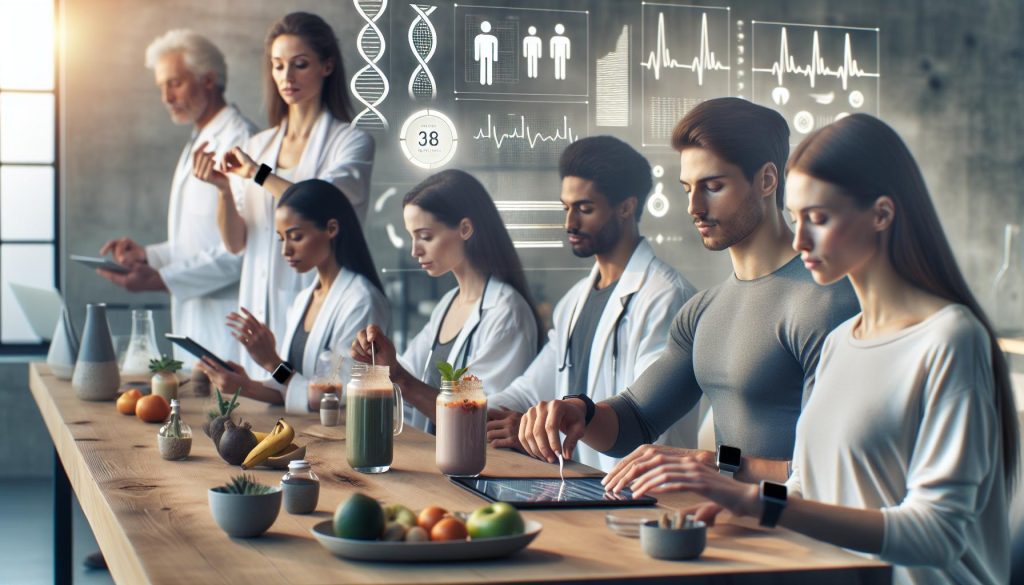
In today’s fast-paced world, many are turning to biohacking as a means to optimize their health and performance. But does it truly work? Biohacking encompasses a range of techniques, from dietary changes to advanced technology aimed at enhancing cognitive function and overall wellness. As more individuals seek effective strategies to manage stress and improve productivity, understanding the evidence behind biohacking becomes crucial. This exploration not only clarifies the real benefits and potential pitfalls but also empowers you to make informed decisions about your health. Join us as we delve into the science-backed results you can expect from biohacking, helping you navigate your wellness journey with confidence and curiosity.
Understanding Biohacking: Definition and Overview
Biohacking represents a fascinating intersection of technology, biology, and self-exploration, where individuals take control of their own biology to enhance their health, performance, and well-being. It encompasses a broad range of practices, from simple lifestyle changes to advanced technological interventions, aimed at optimizing physical and mental functions. For instance, tapping into the benefits of meditation and proper nutrition can be considered biohacking on an everyday level, while using wearable technology to track biometrics takes it into a more complex realm.
An essential aspect of understanding biohacking is recognizing its foundation in scientific principles. The term itself broadly refers to the process of experimenting with one’s body and mind to improve health and performance. This often involves techniques derived from nutrition, fitness, sleep optimization, and mindfulness, all aimed at achieving improved cognitive function, emotional balance, and overall vitality. Each biohacking endeavor is highly personalized; what works for one individual may not yield the same results for another, reflecting a unique interplay of genetics, physiology, and lifestyle choices.
Furthermore, biohacking and self-quantification are becoming increasingly popular in workplace wellness programs, where stress management and cognitive enhancement are vital for productivity. Simple interventions, such as utilizing standing desks or integrating short, mindful breaks throughout the day, are practical steps that can aid in reducing workplace stress and enhancing focus. This self-directed approach encourages individuals to take charge of their health in a proactive manner, often leading to significant lifestyle transformations supported by ongoing personal data assessment.
By embracing the principles of biohacking, individuals can cultivate resilience against the demands of modern life, making informed decisions that foster better physical and mental health. This empowers not just personal growth, but also contributes to a healthier workplace environment, promoting creativity and sustained energy levels.
The Science Behind Biohacking: What Evidence Says
Understanding how biohacking works and its scientific foundation can equip you with the knowledge to enhance your own health journey effectively. Recent studies have suggested that biohacking can lead to improved cognitive function, physical wellness, and overall life satisfaction when evidence-based techniques are applied consistently. For instance, research on mindfulness practices shows significant benefits for stress reduction and mental clarity, while nutritional interventions have been proven to enhance cognitive performance through improved brain health.
One key area of biohacking focuses on optimizing sleep, which is critical for cognitive function and workplace productivity. Evidence indicates that proper sleep hygiene-like maintaining a consistent sleep schedule and creating a restful environment-can dramatically improve attention, memory retention, and problem-solving skills. To support healthier sleep patterns, consider implementing a nightly routine that involves dimming lights, using a white noise machine, and limiting screen time before bedtime.
Another crucial aspect is dietary biohacking, which refers to tailoring your nutrition to meet personal health goals. Scientific research highlights the importance of nutrient-dense foods, such as those high in omega-3 fatty acids and antioxidants, for brain health. Incorporating foods like fatty fish, nuts, seeds, and a variety of fruits and vegetables into your meals can not only boost cognitive function but also enhance emotional well-being. Additionally, experimental methods such as intermittent fasting have shown promising results in promoting metabolic health and cognitive longevity.
Applying practical biohacking strategies at work can amplify these benefits. Simple changes like using standing desks can improve posture and energy levels, while ensuring that you take regular breaks helps boost focus and creativity. Tracking your physiological responses with wearable technology can provide insights into your well-being, allowing you to fine-tune your habits over time for optimal results. Overall, the evidence supports the notion that biohacking, when approached thoughtfully and systematically, can be a powerful tool in achieving personal and professional wellness goals.
Types of Biohacking: Techniques and Methods Explored
The world of biohacking is vibrant and diverse, offering a wide range of techniques and methods that cater to improving human performance and well-being. At its core, biohacking encompasses the belief that you can enhance yourself through various means-from dietary adjustments and lifestyle modifications to technological innovations. This exploration of techniques not only identifies effective strategies but also empowers individuals to take control of their health journey.
Nutritional Biohacking
One of the most accessible forms of biohacking is nutritional biohacking, which involves modifying your diet to achieve specific health outcomes. This might include adopting ketogenic, paleo, or plant-based diets, depending on your goals. Evidence shows that nutrient-dense foods, rich in omega-3 fatty acids, antioxidants, and vitamins, can significantly enhance cognitive function and emotional well-being. Consider simplifying your meal prep with straightforward strategies, such as meal prepping for the week or incorporating diverse foods directly into your grocery list:
- Fatty fish: Salmon, mackerel, and sardines are excellent sources of omega-3s.
- Nuts and seeds: Walnuts and flaxseeds provide essential fats and proteins.
- Fruits and vegetables: Berries, leafy greens, and cruciferous vegetables are vital for antioxidants.
Experimenting with periodic nutritional changes, such as intermittent fasting, can also bring remarkable benefits for metabolic health and cognitive endurance.
Technological Biohacking
Technological biohacking has emerged as a pivotal area, driven by innovations in wearable tech. Devices like smartwatches or fitness trackers can help you monitor critical health metrics, including heart rate, sleep patterns, and activity levels. These insights empower you to make more informed decisions about your daily habits. For instance, you might discover that incorporating a daily walk increases your overall step count, enhancing both physical stamina and mental clarity.
Additionally, apps that promote mindful practices-such as meditation and yoga-can lead to significant reductions in workplace stress. Mindfulness-based techniques can improve emotional regulation and enhance attention, providing a mental clarity that is essential for productivity.
Environmental Biohacking
Another critical technique worth exploring is environmental biohacking, which focuses on optimizing your surroundings to enhance physical and cognitive performance. This can include setting up ergonomic workspaces, utilizing standing desks, and ensuring proper lighting. Creating a conducive work environment can significantly impact focus and fatigue:
- Ergonomic workstation: Adjust your chair height so that your feet are flat on the floor, and your screen is at eye level.
- Standing desks: Start with 15-20 minutes of standing every hour and gradually increase as you become more accustomed.
- Lighting: Use natural light whenever possible or consider daylight simulation bulbs to enhance mood and efficiency.
Making these enhancements can dramatically transform your work experience, fostering an environment that promotes both productivity and wellness.
In summary, the techniques of biohacking invite you to take a proactive role in your health journey through dietary choices, technological aids, and environmental adjustments. By exploring these diverse methods, you can positively affect your cognitive function, emotional health, and overall quality of life, making biohacking an exciting venture toward enhanced well-being.
Real-Life Biohacking Success Stories: Inspiring Results
In the realm of biohacking, stories of individuals transforming their lives through innovative practices serve as powerful motivators. One notable example is the journey of a busy executive who was struggling with chronic fatigue and declining cognitive function due to the demands of an intense work schedule. Through a combination of nutritional biohacking and mindfulness practices, she was able to regain her energy and focus. By adopting a whole-food, plant-based diet rich in antioxidants and healthy fats, supplemented with intermittent fasting, she reported an almost immediate increase in brain clarity and stamina. Coupled with daily mindfulness meditation, she found not only improved productivity but also enhanced emotional regulation, significantly reducing workplace stress.
Another inspiring instance is that of a software developer who utilized technological biohacking to combat the sedentary lifestyle typical of long hours at a desk. By integrating wearable technology to monitor his movement and sleep patterns, he established a habit of taking short, frequent breaks to walk and stretch, which he tracked through an app. This simple change dramatically improved his focus and creativity, leading to notable enhancements in his coding performance. His story highlights how small, data-driven adjustments can yield substantial results, promoting both physical health and cognitive function.
Biohacking successes also extend into the world of environmental changes. A team of remote workers decided to revamp their home office setups for better ergonomic comfort. By investing in standing desks, ensuring proper lighting, and creating a clutter-free workspace, they collectively experienced a reduction in fatigue and an increase in productivity. This movement towards a more supportive environment fosters a culture of wellness that is contagious, showcasing how personal choices can contribute to a collective improvement in workplace dynamics.
These real-life examples emphasize that biohacking is not just about radical changes but often revolves around small, manageable adjustments tailored to individual needs. As you contemplate your own biohacking journey, consider integrating these strategies into your daily routine. They not only inspire but also highlight the potential for enhanced well-being and productivity when science meets personalized health initiatives.
Common Biohacking Strategies: What to Expect
In the realm of biohacking, the most effective strategies often combine simplicity with scientific backing, offering noticeable improvements in wellness and productivity. The goal is to enhance physical and cognitive functions through tailored interventions that resonate with individual lifestyles. This approach can lead to significant, evidence-based results, empowering individuals to take control of their health and well-being.
One prevalent biohacking strategy is nutritional optimization. A well-balanced diet rich in whole foods, healthy fats, and antioxidants is critical for brain health and energy levels. For instance, incorporating omega-3 fatty acids found in fish and flaxseeds can boost cognitive function by supporting neuroplasticity, the brain’s ability to adapt and grow. Coupled with strategies like intermittent fasting, many people have reported improved mental clarity, focus, and mood stability. A practical way to start is by gradually integrating nutrient-dense foods into your meals and experimenting with fasting windows that suit your lifestyle.
Physical activity is another cornerstone of effective biohacking. Short, frequent breaks during work hours can lead to increased productivity and reduced fatigue. Consider adopting techniques such as the Pomodoro Technique, which alternates focused work sessions with five-minute breaks to move or stretch. This method not only combats the sedentary nature of desk work but also enhances creativity and focus. Additionally, incorporating strength training or aerobic exercises into your routine a few times a week can optimize your physical health and release endorphins, leading to better stress management.
Creating an ergonomic workspace can also dramatically influence both comfort and efficiency. Simple adjustments like using a standing desk, ensuring proper chair height, and optimizing screen position can reduce the risk of musculoskeletal issues and improve overall workflow. Research shows that a well-designed workspace can lead to heightened productivity and lower fatigue levels. To maximize your setup, ensure that your screen is at eye level and invest in tools such as document holders or wrist supports to promote proper posture.
Lastly, embracing mindfulness practices can facilitate mental well-being and cognitive enhancement. Daily activities such as meditation, deep breathing exercises, or even short mindful walks can significantly lower stress levels and improve emotional regulation. Evidence suggests that these practices enhance brain function, particularly in areas responsible for decision-making and focus. Start with just a few minutes a day, gradually increasing as you become more comfortable with the practice.
By integrating these strategies into daily life, you can harness the power of biohacking to enhance workplace wellness and cognitive health. These evidence-based techniques are not just trends but practical approaches that can lead to meaningful improvements in your quality of life, energy levels, and mental clarity. Take small, manageable steps toward refining your lifestyle, and experience how these changes can unlock your potential for greater health and productivity.
Measuring Biohacking Results: Metrics and Tools
To truly understand the effectiveness of biohacking, quantifying the results through various metrics and tools is imperative. Engaging in biohacking without a clear way to gauge progress can lead to unformed expectations and wasted efforts. Establishing baseline measurements can help you track improvements and stay motivated on your wellness journey.
One effective method of measuring progress is through self-assessment questionnaires, which target specific areas such as energy levels, cognitive function, and overall well-being. By utilizing simple tools that ask focused questions about your daily experiences and changes, you can gather qualitative data. For more precise tracking, consider employing wearable technology like fitness trackers or smartwatches. These gadgets can monitor vital signs such as heart rate, sleep quality, and activity levels, offering concrete data that reflects lifestyle changes as you implement biohacking techniques.
In addition to self-reporting and wearables, employing app-based trackers can further enhance your measurement capabilities. Wellness apps that focus on nutrition, exercise, and mindfulness can help systematically record your activities and their impact on your health metrics. For instance, apps designed for tracking food intake can provide insights into nutritional optimization by analyzing macronutrient distribution, assisting you in correlating dietary changes with cognitive enhancements or energy levels.
Key Metrics to Monitor
- Physical Performance Metrics: Sleep quality (duration and disturbances), daily step count, and workout intensity can quantify physical health improvements.
- Cognitive Function Metrics: Task completion speed, memory recall tasks, and focus scores can assess cognitive metrics. You might consider standardized tests or daily journals to document any enhancements in focus or memory.
- Emotional and Mental Well-being: Utilizing scales for stress levels or happiness indices can clarify changes in mental health. Quick reflections at the end of the day or weekly self-evaluations can capture emotional shifts over time.
Utilizing a blend of these assessments not only arms you with a clearer understanding of your biohacking journey but also creates a powerful narrative of your progress. By focusing on real data, you can tailor your approaches more effectively and ensure your biohacking methods align with your ultimate wellness goals. Remember that biohacking is a personalized journey, and understanding how to measure your results effectively can pave the way for lasting lifestyle changes and improvements in both workplace performance and overall health.
Safety First: Risks and Considerations in Biohacking
The pursuit of enhancing one’s health and performance through biohacking is both exciting and fraught with potential risks. As individuals explore various strategies-from diet modifications to nootropic supplementation-the importance of grounding these endeavors in safety cannot be overstated. Engaging in biohacking without due diligence can lead to unintended consequences, both physically and mentally. Therefore, it becomes imperative to approach biohacking with an informed perspective, tapping into credible resources and professional oversight when necessary.
To mitigate risks, start by familiarizing yourself with the specific biohacking techniques you intend to employ. For example, nutritional changes-like adopting a ketogenic or intermittent fasting diet-can yield significant benefits but may not be suitable for everyone. It’s essential to assess any pre-existing health conditions, such as diabetes or metabolic disorders, that could be exacerbated by drastic dietary shifts. Consulting with a healthcare provider before making such changes can provide personalized guidance tailored to your unique health profile.
In addition, the use of supplements and nootropics deserves careful consideration. While some substances may enhance cognitive function or energy levels, they can also interact adversely with medications or other supplements. Researching ingredients thoroughly and considering their sourcing-both in terms of ethical standards and quality control-helps avoid products that may be contaminated or ineffective. Using resources such as peer-reviewed studies or established health databases can further aid in making educated choices.
When implemented thoughtfully, biohacking can lead to remarkable improvements in well-being and productivity. However, it is essential to remain vigilant about the challenges it may present. By keeping informed, prioritizing personal health assessments, and seeking professional advice, anyone can navigate the biohacking landscape safely and effectively. Embracing a holistic view of wellness that includes mindfulness and stress management plays a crucial role in supporting not only cognitive health but overall life quality, making for a harmonious balance between experimentation and well-being.
Biohacking for Workplace Wellness: Practical Applications
In today’s fast-paced work environment, prioritizing mental and physical well-being is essential for productivity and satisfaction. One striking statistic indicates that over 80% of employees experience workplace stress; consequently, innovative solutions like biohacking can offer practical approaches to enhance wellness at work. By integrating biohacking techniques, employees can optimize their cognitive performance, manage stress effectively, and create a more vibrant work atmosphere.
Creating an Ergonomic Workspace
A crucial step to foster wellness is establishing an ergonomic workspace. Consider these practical adjustments:
- Invest in an adjustable standing desk: Alternate between sitting and standing to promote better posture and reduce fatigue. Aim for a 50/50 split between sitting and standing throughout your workday.
- Set up your monitor at eye level: This prevents neck strain. Use a monitor stand or stack sturdy books to elevate the screen to your eye line.
- Use a supportive chair: Opt for a chair with lumbar support and adjust it so your feet rest flat on the ground.
- Encourage movement: Incorporate short, regular breaks-aim for a 5-minute walk or stretch every hour to restore focus and energy.
Dietary Biohacks for Cognitive Performance
Nutrition greatly influences how we feel and perform at work. Leveraging biohacking diets can enhance cognitive function, stabilize energy levels, and improve mood. Consider implementing these evidence-based strategies:
- Hydration is key: Aim for at least 8 glasses of water daily. Dehydration can impair focus and cognitive abilities.
- Incorporate brain-boosting foods: Foods rich in antioxidants (like berries), healthy fats (such as avocados and nuts), and omega-3 fatty acids (found in fish) support neuroplasticity and enhance memory.
- Practice intermittent fasting: This technique can lead to improved mental clarity. Start with a 12-hour fast overnight, gradually increasing as comfort allows.
Stress Management Techniques
Identifying and managing stress is vital for workplace wellness. Practice mindfulness and deep breathing exercises to combat stress. Engaging in a brief, guided meditation session during lunch breaks or utilizing apps designed for mindfulness can significantly improve focus and calmness. Moreover, encouraging open communication within teams about workloads and mental health can cultivate a supportive atmosphere.
By integrating these biohacking strategies into daily routines, employees can create a workplace culture that emphasizes well-being, productivity, and innovation. The commitment to fostering a healthier work environment not only enhances individual performance but also benefits overall organizational effectiveness.
Integrating Biohacking into Daily Life: Tips and Tricks
Incorporating biohacking into daily life can significantly enhance both mental and physical well-being, especially in today’s demanding work environments. Small, consistent changes can lead to remarkable improvements in productivity, focus, and overall health. Start by implementing these actionable strategies into your routine to experience the benefits of biohacking firsthand.
One effective method for biohacking is optimizing your morning routine. Instead of reaching for the snooze button, set a consistent wake-up time and allow natural light to flood in as soon as you get up. Exposure to sunlight helps regulate your circadian rhythm, improving sleep quality and alertness throughout the day. Additionally, begin your day with a hydration boost by drinking a glass of water with a pinch of salt or lemon to rehydrate after sleep and kickstart your metabolism.
Next, consider how you fuel your body throughout the day. Incorporate brain-boosting snacks such as nuts, dark chocolate, or yogurt into your at-work menu. These foods provide essential nutrients that support cognitive function. Also, explore the benefits of intermittent fasting by allowing a window for eating and a longer fasting period, which can enhance mental clarity and concentration. Aim for a fasting period of at least 12 hours overnight, and gradually extend it if comfortable.
Incorporating brief movement breaks into your workday can also enhance cognitive performance. Aim for a 5-10 minute walk every hour or engage in simple stretching exercises to keep blood circulating and energy levels high. During these breaks, practice deep breathing techniques or mindfulness to reset your mental clarity. Using apps that remind you to take these breaks can support this healthy habit.
Ultimately, integrating biohacking into daily life requires consistency and small adjustments. By optimizing your environment, dietary choices, and daily activities, you can create a workplace culture that prioritizes health and productivity. Embracing these techniques not only enhances personal performance but fosters a more engaged and vibrant team atmosphere. Remember to consult with healthcare professionals before making significant changes, especially regarding dietary practices or intense physical activity.
Future Trends in Biohacking: What’s on the Horizon
As we look toward the future, biohacking is poised to evolve swiftly, integrating advanced technologies that enable personalized health optimization like never before. One of the major trends on the horizon is the expanding influence of artificial intelligence (AI) in health monitoring and biohacking practices. Modern wearables are increasingly equipped with sensors that not only track basic metrics but also provide real-time feedback and tailored health recommendations. AI algorithms analyze this data to identify patterns unique to each individual, making it possible for users to refine their biohacking strategies based on their physiological responses.
Another exciting development is the rise of personalized nutrition through genetic testing. By understanding an individual’s genetic predispositions, dietary preferences, and metabolic responses, biohackers can create customized meal plans that optimize energy levels, improve cognitive function, and enhance overall well-being. This shift reflects a growing emphasis on tailored health interventions, recognizing that there is no one-size-fits-all approach to wellness.
As biohacking gains traction, community-driven platforms are emerging that foster knowledge sharing and collaboration among enthusiasts. These platforms not only provide valuable insights and techniques but also encourage users to report their experiences and results, creating a rich repository of evidence-based successes. Online forums and local groups can be significant resources for individuals seeking support and practical advice on their biohacking journeys.
Furthermore, advancements in longevity science continue to drive interest in biohacking, particularly among those seeking to extend healthspan rather than merely lifespan. Emerging strategies include cutting-edge therapies like exosome treatments and senolytics, which target cellular aging. Researchers are increasingly focused on how these interventions can enhance not only lifespan but also cognitive function, leading to a more vibrant and productive life.
Incorporating these forward-thinking trends into your daily routine not only enhances workplace wellness but also empowers you to take proactive control of your health journey. However, it’s essential to approach these innovations with caution. Always consider consulting a healthcare professional before integrating new practices, especially those involving supplements or advanced therapies. By staying informed and adopting evidence-based techniques, you can navigate the dynamic landscape of biohacking effectively and safely, preparing to unlock your full potential.
Biohacking vs. Traditional Health Practices: A Comparison
In an era where health optimization is more accessible than ever, the comparison between biohacking and traditional health practices becomes increasingly relevant. Biohacking represents a personalized and experimental approach, aiming for self-optimization and enhanced performance through technology, nutrition, and lifestyle modifications. In contrast, traditional health practices typically involve structured medical guidance and established protocols handed down through years of clinical practice.
To illustrate the differences, consider the approach to nutrition. Traditional health practitioners often recommend a balanced diet based on age, health status, and established dietary guidelines, focusing on moderation and entire food groups. Conversely, biohacking enthusiasts might personalize their diets by implementing strategies like intermittent fasting or using genetic testing to tailor food choices to individual metabolic responses. This stark contrast in approach highlights how biohacking allows for more experimentation and adaptability, opening avenues for exploring unique dietary needs based on real-time feedback from wearable health technologies.
Moreover, traditional health practices emphasize collective knowledge and established treatments based on extensive research. Biohacking, however, thrives on community-driven experimentation, where individuals share results from unapproved regimens and alternative therapies, often leading to a rapidly evolving understanding of what works. This participatory culture encourages innovation but requires careful navigation, as the lack of regulation can lead to unverified claims and potential risks.
The combination of biohacking and traditional practices could lead to a more holistic health approach, allowing individuals to embrace personalized health interventions while benefiting from established medical wisdom. Prioritizing safety and professional guidance ensures that one can responsibly explore the innovations biohacking offers while remaining grounded in evidence-based practices.
Navigating Biohacking Communities: Resources and Networks
In the vibrant landscape of biohacking, the importance of community cannot be overstated. Engaging with diverse groups of biohackers can expand your knowledge, refine your practices, and provide a support network that bolsters your health journey. Forums, social media groups, and local meet-ups offer invaluable opportunities to connect with like-minded individuals who share insights, experiences, and recommendations. Whether you are new to biohacking or a seasoned practitioner, tapping into these communities can help you stay informed about the latest techniques and research in the ever-evolving field of health optimization.
One effective way to navigate biohacking communities is to utilize platforms like Reddit, Facebook, and specialized biohacking forums. These spaces promote open dialogue about various biohacking strategies, from nutritional approaches to advanced technologies. Reading firsthand accounts of others’ successes and challenges provides practical insights that can inform your own biohacking experiments. For instance, individuals might share their experiences with unique diets, supplement regimens, or wearable technology, offering learning opportunities without the necessary trial-and-error that can come from going it alone.
In addition to digital communities, real-life events such as workshops, conferences, and health expos can provide hands-on learning experiences and networking opportunities. These gatherings often feature speakers who are leaders in the field, covering topics like neuroplasticity, cognitive performance enhancement, and stress management. Participating in these events not only broadens your understanding but also connects you to experts who can assist in refining your approach and encouraging responsible practices.
As you engage with biohacking communities, remember to prioritize safety and evidence-based techniques. It’s essential to distinguish between anecdotal experiences and scientifically supported information. Always consult with health professionals before making significant changes to your lifestyle or experimenting with new biohacking methods. This balanced approach empowers you to explore the innovative world of biohacking with confidence, ensuring that your journey is both effective and safe.
Q&A
Q: What are the most effective biohacking techniques to improve health?
A: Effective biohacking techniques include intermittent fasting to enhance metabolism, incorporating nootropics for cognitive improvement, and practicing mindfulness meditation to reduce stress. These methods can lead to noticeable improvements in energy levels and mental clarity, promoting overall well-being.
Q: How does biohacking compare with traditional health practices?
A: Biohacking often focuses on personalized and data-driven strategies, while traditional practices emphasize proven, standardized approaches. Biohacking can provide more immediate feedback through technology, allowing individuals to tailor health interventions, while traditional methods usually follow generalized guidelines and recommendations.
Q: What evidence supports the benefits of biohacking?
A: Evidence supporting biohacking benefits often comes from personal anecdotes and preliminary studies. Techniques like calorie restriction and exercise have documented positive effects on health markers. However, further rigorous research is needed to establish long-term efficacy for many biohacking practices.
Q: Can biohacking improve workplace productivity?
A: Yes, biohacking can significantly enhance workplace productivity through techniques like optimizing sleep quality, managing stress with mindfulness, and using nootropics for mental focus. By implementing these strategies, individuals can experience improved concentration and efficiency during work tasks.
Q: What are potential risks associated with biohacking?
A: Potential risks of biohacking include over-reliance on unproven supplements, neglecting professional medical advice, and miscalculating personal health data which can lead to poor decisions. It’s crucial to approach biohacking sustainably and consult healthcare professionals when implementing major changes.
Q: How can someone safely start biohacking?
A: To safely start biohacking, begin by tracking your health metrics through apps or journals. Gradually introduce one technique at a time, such as improving diet or sleep, and monitor results. This method fosters a controlled approach while minimizing risks and enables informed adjustments.
Q: What role does community play in successful biohacking?
A: The community plays a vital role in biohacking as it offers social support, shared resources, and knowledge exchange. Engaging in biohacking forums or groups can enhance motivation, provide accountability, and facilitate access to valuable information and experiences from other practitioners.
Q: Are there specific biohacks for mental clarity and focus?
A: Yes, specific biohacks for mental clarity include optimizing nutrition with omega-3 fatty acids, practicing mindfulness meditation, and engaging in regular physical exercise. Additionally, hydration and proper sleep hygiene are essential factors that contribute to sustained cognitive performance.
For more insights on integrating biohacking into daily life and enhancing workplace wellness, explore our article sections on Practical Applications and Tips and Tricks.
In Summary
Ultimately, understanding whether biohacking is effective empowers you to make informed choices about your health and wellness. The evidence-based results we’ve explored highlight the potential benefits of strategic biohacking techniques, from enhancing brain health to improving workplace wellness. Don’t let uncertainty hold you back-take charge of your cognitive performance and explore our comprehensive guides on setting up ergonomic workspaces and managing workplace stress.
For more practical tips, check out our resources on neuroplasticity and evidence-backed dietary strategies. There’s a wealth of knowledge waiting for you to discover. We invite you to subscribe to our newsletter for the latest insights and actionable advice. Your journey toward optimal health and productivity starts now-share your thoughts in the comments below and join our thriving community dedicated to wellness and growth!