
In our increasingly sedentary lifestyles, the rise of standing desks has sparked a debate: do they genuinely enhance our health and productivity? Many workers are eager for solutions to combat the discomfort of long hours spent seated, seeking ways to boost energy and focus. As work environments evolve, understanding the potential benefits of standing desks becomes essential. Medical experts weigh in on whether these innovative workstations can lead to a healthier, more productive you. Dive into the insights that could transform your workspace and wellness journey, and discover if standing desks are the key to improving your daily work life.
Understanding the Benefits of Standing Desks
The debate over standing desks often centers on their potential benefits for health and productivity. Research indicates that these desks can lead to a reduction in sedentary behavior, which is critical given that prolonged sitting has been linked to various health issues, including obesity, cardiovascular disease, and even early mortality. Transitioning to a standing desk encourages movement and engagement, which can invigorate both the body and mind, fostering a more dynamic work environment.
Moreover, adopting a standing desk can facilitate better posture. When set up correctly, these desks promote a more natural alignment of the spine, helping to alleviate common discomfort associated with prolonged sitting, such as back pain and tension in the shoulders. A well-adjusted standing desk setup-paired with frequent movement and stretching-can enhance comfort and health, positively impacting overall well-being and productivity.
However, it’s essential to strike a balance. While standing desks offer notable benefits, standing for extended periods may also lead to discomfort or health issues if not managed appropriately. Alternate between sitting and standing, aiming for a 1:1 ratio to maintain energy levels and comfort. Incorporating supportive footwear and providing ergonomic accessories can further enhance the benefits of using a standing desk. In conclusion, understanding the advantages of standing desks goes beyond mere height adjustments; it’s about creating an environment conducive to both mental clarity and physical well-being.
How Standing Desks Impact Posture and Comfort
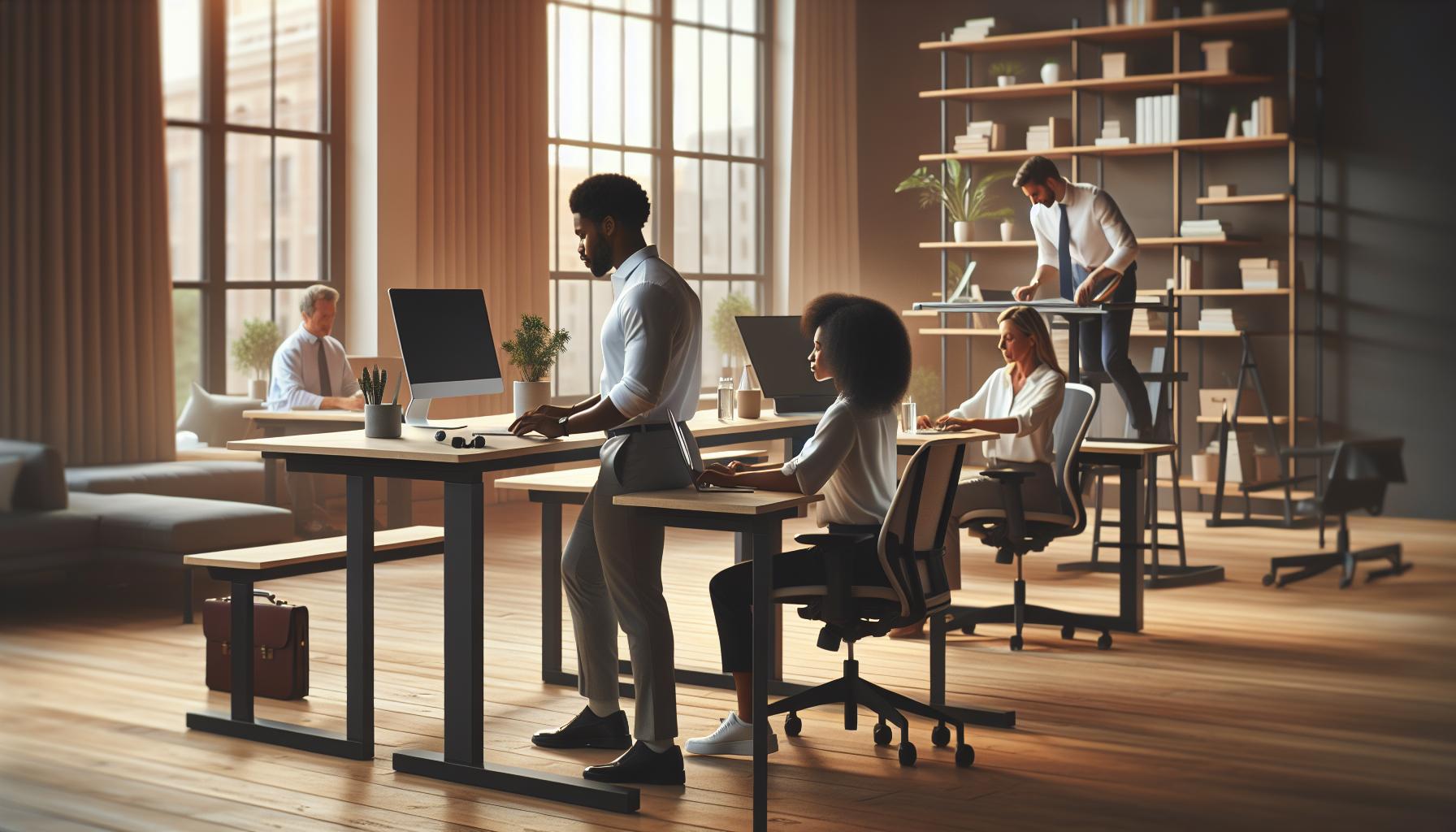
Transitioning to a standing desk can significantly alter the dynamics of your workday, especially in terms of posture and comfort. Studies have shown that poor posture from prolonged sitting can lead to detrimental spinal alignment and discomfort. By adopting a standing desk, you may find that your spine naturally aligns better throughout the day, reducing strain on your back and neck. This shift not only helps alleviate the discomfort caused by sitting hunched over a desk for hours but also contributes to increased energy levels, improving overall productivity.
A properly set up standing desk can promote optimal ergonomics, which are critical for both comfort and performance. Key considerations include:
- Desk Height: The top of your desk should be at or just below elbow height when you’re standing with your arms relaxed at your sides.
- Monitor Position: Your monitor should be eye level to prevent straining your neck. The screen should be about an arm’s length away.
- Footwear and Support: Wear supportive shoes or consider anti-fatigue mats to reduce discomfort and fatigue in your legs and lower back.
Moreover, the practice of alternating between sitting and standing can further enhance comfort. Medical experts suggest adopting a strategy that balances standing with periods of sitting-ideally, a 1:1 ratio can work well. This balanced approach allows your muscles to relax and recover while still enjoying the benefits of improved posture associated with standing.
Staying mindful of your posture throughout the day is equally essential. Keep your weight evenly distributed on both feet and remember to engage your core muscles to support your spine. Incorporating regular breaks for stretching or light movement can also prevent discomfort and maintain circulation, reinforcing a comfortable and health-focused work environment. By making these adjustments and fostering good habits around a standing desk, you can enhance both your posture and comfort, paving the way for a more dynamic and productive work experience.
The Science Behind Standing Desks and Health

The transition from sitting to standing while working has gained significant traction, and the science supporting the health benefits of standing desks is compelling. Research indicates that our bodies are not designed to remain sedentary for extended periods; standing desks encourage movement and engage your muscles, contributing to better overall health. Studies show that reducing sedentary time can lead to a decrease in health risks such as obesity, diabetes, and cardiovascular disease, enhancing life quality significantly.
Standing desks can also improve metabolic health. According to research, individuals using standing desks can experience increased energy expenditure throughout the day. This means more calories burned, which can assist in weight management and combat metabolic syndrome. Furthermore, standing promotes better circulation, which is crucial for delivering oxygen and nutrients to cells and improving attention and cognitive function.
Utilizing a standing desk comes with not just physical benefits but cognitive enhancements as well. Regular standing can aid in improving mood, reducing feelings of stress, and boosting productivity. A study published in the Journal of Physical Activity and Health reported that office workers who transitioned to standing desks reported less fatigue and improved productivity levels. The potential to reduce depressive symptoms and enhance overall mental well-being cannot be overlooked, offering a psychological advantage alongside physical benefits.
To ensure the most effective use of a standing desk, it is essential to adopt an appropriate setup. Maintaining proper ergonomics is critical to maximizing health benefits. The desk height should promote neutral wrist positioning, and your monitor should be at eye level to minimize neck strain. Transitioning to a standing position should be gradual; initially standing for short periods and gradually increasing as your body adapts can help mitigate discomfort and fatigue. Incorporating periods of movement, such as stretching or walking briefly, can also enhance the health-promoting effects of standing desks while rejuvenating both mind and body.
In summary, integrating a standing desk into your workspace is not just about avoiding hours of sitting; it is a proactive step towards fostering a healthier lifestyle that enhances physical well-being and boosts cognitive performance. Responsibly transitioning to this new way of working, supported by a solid understanding of ergonomics and the encouragement of movement, can pave the way for lasting improvements in your health and productivity.
Medical Experts’ Insights on Desk Alternatives

The increasing popularity of standing desks has prompted many medical experts to evaluate their effectiveness and recommend alternatives that promote workplace wellness. Many health professionals emphasize that while standing desks can indeed offer benefits, they are not a panacea and should be part of a broader strategy for maintaining health in sedentary work environments. Diverse alternatives encourage movement and flexibility, which are essential for combating the negative effects of prolonged sitting.
### Exploring Alternatives to Standing Desks
Experts highlight the importance of variety in movement. Options such as adjustable desks that allow for both sitting and standing can provide a more dynamic work experience. Medical professionals often recommend using a sitting-standing cycle, where users alternate between positions at regular intervals. This approach not only reduces the total time spent sitting but also encourages regular movement, which can prevent stiffness and discomfort over time.
Furthermore, experts advocate for workstation setups that integrate active seating options, such as exercise balls, wobble stools, or balance boards. These alternatives can engage core muscles and promote better posture, offering a form of exercise while working. For instance, a light exercise routine integrated into the workday-like short bouts of stretching or walking meetings-can significantly enhance overall health and productivity.
### The Importance of Ergonomics
Consultants emphasize that no matter the type of desk, ergonomics should always be a priority. A well-designed workspace includes the height of the desk and chair, proper monitor placement, and accessible tools, which all play a significant role in reducing strain on the body. Medical experts encourage a setup where the monitor is at eye level, elbows remain at a 90-degree angle, and feet are flat on the ground or resting on a footrest.
Overall, transitioning into a healthier workspace involves more than simply swapping a traditional desk for a standing one. Incorporating a blend of seated and standing alternatives, prioritizing movement, and practicing good ergonomic habits can lead to sustainable improvements in physical and cognitive health. As always, consulting a healthcare professional before making drastic changes can provide personalized recommendations tailored to individual needs.
Setting Up a Standing Desk: Best Practices
Setting up a standing desk can significantly enhance your workspace and boost productivity, but maximizing its benefits requires careful attention to ergonomics and functionality. Research shows that proper setup not only decreases the risk of discomfort but can also foster better cognitive performance. To create an effective standing desk environment, it’s crucial to consider the following best practices.
Start by adjusting the height of your standing desk to match your body’s natural posture. Your elbows should be at a 90-degree angle when typing, with your wrists straight and your hands floating comfortably above the keyboard. The monitor should be positioned so that the top of the screen is at or slightly below eye level, helping to maintain a neutral neck position. Ideally, the monitor should be about an arm’s length away to reduce eye strain. Incorporating an anti-fatigue mat can help alleviate discomfort in your feet and legs, making it easier to stand for extended periods.
To promote movement throughout the day, aim to alternate between sitting and standing, ideally every 30 to 60 minutes. Consider using a timer or an app to remind you to switch positions. Introducing short breaks for stretching or walking can further enhance circulation and prevent stiffness. If possible, include a footrest or a rest for one of your feet to shift your weight periodically, which can help improve posture and comfort.
Additionally, ensure that your work location is well-organized and that frequently used items are accessible without excessive stretching or bending. This setup minimizes strain and helps maintain focus. Utilizing a cable management system can keep cords tidy and out of the way, reducing chaos in your workspace.
Ultimately, setting up a standing desk is about creating an adaptable environment that prioritizes both your physical health and productivity. Regularly reassessing your setup and making adjustments as needed will empower you to maintain a comfortable and efficient workspace, supporting not just your body but also your cognitive well-being throughout the workday.
Ergonomic Workspaces: Maximizing Your Setup
Creating an ergonomic workspace is not just about having the right furniture; it’s about fostering an environment that supports your overall health, productivity, and well-being. Studies have shown that poorly designed workspaces can lead to significant discomfort, decreased productivity, and even cognitive decline over time. By focusing on ergonomics, you can enhance both your physical comfort and mental clarity, making your workspace a catalyst for success.
To maximize your setup, start with your desk height. A well-adjusted standing desk should allow your elbows to remain at a 90-degree angle while typing, ensuring your hands hover comfortably above the keyboard. This positioning reduces strain on your wrists and arms. The monitor should sit directly in front of you, with the top of the screen at or just below eye level, promoting a neutral neck position. To further enhance your comfort, consider using an anti-fatigue mat, which encourages better posture and reduces leg discomfort during prolonged standing.
Incorporating Essential Tools
Think about incorporating tools that promote active engagement with your environment. For instance, a footrest can provide subtle movement, allowing you to shift your weight and prevent fatigue. Cable management systems help keep cords organized, reducing clutter and distractions, while under-desk storage solutions can declutter your immediate workspace. Enhancing your setup with adequate lighting-preferably natural light-can also combat fatigue and increase morale.
Remember, regular movement is key to maintaining not only physical comfort but also cognitive performance. Plan to take short breaks every 30 to 60 minutes. This could involve mild stretching, a quick walk, or even simple breathing exercises. By integrating movement into your routine, you diminish the risk of discomfort while rejuvenating your focus and creativity.
Creating an ergonomic workspace is a continuous process that requires mindfulness and adaptation. Regularly evaluate your setup, listen to your body’s signals, and make adjustments as needed. By prioritizing ergonomics, you not only enhance your physical well-being but also create a supportive atmosphere for mental prowess, ultimately enabling you to thrive in your personal and professional endeavors.
Comparing Standing Desks to Traditional Seating
The debate between standing desks and traditional seating isn’t just about preference; it’s a crucial consideration for workplace wellness and productivity. Research indicates that standing desks can reduce the risk of certain ailments linked to prolonged sitting, such as obesity, heart disease, and musculoskeletal disorders. A study published in the journal *Work* found that participants who alternated between sitting and standing reported less discomfort in the neck and back compared to those who remained seated for extended periods.
When comparing the two, it’s essential to consider both posture and comfort. Traditional seating often radiates ease but can promote slouching and poor posture over time. In contrast, standing desks can encourage a more active stance, which fosters better alignment and engagement. However, while the standing position may reduce pressure on the spine, it’s vital to balance standing with movement. Extended standing can also lead to fatigue and discomfort in the legs and feet. Thus, utilizing anti-fatigue mats or comfortable footwear can enhance the standing experience and mitigate these drawbacks.
Benefits of Standing Desks Over Traditional Seating:
- Increased Caloric Burn: Standing burns more calories compared to sitting, contributing to weight management.
- Improved Mood and Energy Levels: Users often report higher energy and improved mood when incorporating standing into their workday.
- Better Posture: A standing desk promotes healthier spinal alignment and can alleviate some forms of pain associated with prolonged sitting.
Conversely, traditional desks with ergonomic chairs are designed to support comfort during long hours of work, offering adjustable seating heights and lumbar support. The key takeaway is that there’s no one-size-fits-all solution. A hybrid approach that includes both standing and seated work can strike the best balance. Alternating between the two can keep your body engaged, your mind sharp, and your overall productivity levels high.
Ultimately, the decision should align with personal comfort, job requirements, and individual health needs. Engaging with a healthcare professional can help establish what works best for you as you navigate the benefits and drawbacks of both options, fostering a workspace that enhances not just productivity but also well-being.
Incorporating Movement: Stretching and Breaks
Incorporating movement throughout your workday is crucial for maximizing the benefits of using a standing desk. Research suggests that simply standing is not enough; consistent movement plays a vital role in reducing fatigue and enhancing overall physical well-being. By integrating regular stretching and short breaks into your routine, you can significantly improve your comfort and productivity. For instance, stepping away from your workspace for just a couple of minutes every hour can alleviate muscle strain and stimulate circulation.
To effectively incorporate movement, consider establishing a routine that includes both scheduled and spontaneous breaks. A simple strategy is to set a timer or use a dedicated app that nudges you to stand up, stretch, and move every 30 to 60 minutes. During these breaks, engage in light activities such as walking around your office, performing gentle stretches, or practicing simple exercises that target major muscle groups. Here are some examples of effective stretches:
- Neck Stretch: Tilt your head side to side to relieve tension.
- Shoulder Rolls: Lift your shoulders toward your ears and roll them back and down.
- Wrist and Finger Stretches: Extend your arm and gently pull back on your fingers to stretch the wrists.
- Hip Flexor Stretch: Step forward into a lunge position to open up the hips.
Additionally, consider rearranging your workspace to facilitate movement. For example, placing your printer or any frequently used items further away encourages you to take more steps during the day. You might also explore standing desk accessories like treadmill desks or balance boards that promote subtle motion while you work.
It’s essential to listen to your body. If you feel fatigue or discomfort while standing, don’t hesitate to adjust your position or take a seat. Finding the right balance between standing and sitting, complemented by regular movement, can help maintain your focus and cognitive performance throughout the day. By making these small yet impactful adjustments, you contribute significantly to your workplace wellness, enhancing both your mental and physical health over time.
Cognitive Performance: Does Standing Help?
Standing desks have generated considerable interest for their potential impact on cognitive performance, often leading to the question: can standing while working actually enhance our ability to think and focus? Emerging research suggests that adopting a standing position throughout the workday can indeed contribute to improved cognitive functioning. One study found that participants using standing desks reported higher levels of energy and alertness compared to those seated, indicating that a shift in posture may play a significant role in enhancing mental clarity and productivity.
Enhancing Focus and Reducing Fatigue
Standing while working encourages a more dynamic posture, which can lead to better blood circulation and energy levels. This increase in physical engagement may correlate with improved cognitive activation. For instance, a study from the Centre for Disease Control and Prevention revealed that standing desks can reduce feelings of fatigue, allowing individuals to maintain their concentration for longer periods. This reduction in fatigue means less mental clutter and a clearer mind, which can facilitate better decision-making and creativity.
Boosting Neuroplasticity
Moreover, standing desks might contribute to enhancing neuroplasticity-the brain’s ability to form new connections and adapt throughout life. While this process is influenced by various factors, adopting a more active lifestyle can facilitate neurogenesis, which is crucial for maintaining brain health. Engaging in light physical activity throughout the day, such as stretching while using a standing desk, stimulates brain activity and may enhance learning and memory functions.
Strategies to Maximize Cognitive Benefits
To truly leverage the cognitive benefits of a standing desk, it’s crucial to combine standing with movement. Experts recommend the following strategies:
- Incorporate Micro-Movements: Use standing time to perform minor movements, such as shifting weight from one foot to the other or subtle stretches.
- Use a Timer: Set reminders every 30-60 minutes to not only stand but also to move around and refresh your mind.
- Engage with Tasks Actively: When standing, try to incorporate active thinking techniques, such as mind mapping or brainstorming sessions, which can benefit from increased physical energy.
By understanding these dynamics and implementing practical strategies, individuals can better harness the cognitive advantages of standing desks, ultimately leading to enhanced workplace wellness and improved mental performance. Remember that while standing desks may offer benefits, it’s important to strike a balance-listening to your body and ensuring that you transition between sitting and standing as needed for optimal health and productivity.
Addressing Common Concerns About Standing Desks
While the benefits of standing desks entice many, common concerns still linger regarding their long-term use and potential downsides. For instance, individuals may worry about discomfort, fatigue, or the risk of developing conditions like varicose veins from prolonged standing. To address these valid concerns, it’s essential to focus on best practices that promote a sustainable balance between standing and sitting throughout the workday.
One practical recommendation is to begin with gradual increases in standing time. Starting with 15-30 minutes of standing, interspersed with sitting, allows your body to adapt without overwhelming your muscles and joints. Incorporating an anti-fatigue mat can also significantly reduce discomfort; these mats encourage slight movements to support blood flow, minimizing the strain on your legs and feet. Additionally, position your monitor at eye level to maintain an ergonomic posture and avoid unnecessary neck strain.
It’s also advisable to listen to your body’s signals. If you experience pain or discomfort, it’s okay to sit down and adjust your standing time accordingly. Experts recommend setting a timer to switch between sitting and standing every 30-60 minutes. This not only helps prevent fatigue and discomfort but also encourages movement such as light stretching or walking during transitions-a great way to incorporate physical activity into your routine.
Furthermore, recognizing that a standing desk is not a one-size-fits-all solution is crucial. Individual comfort levels and health considerations vary widely, and some may find that alternating between different workstation configurations, including kneeling desks or yoga balls, can provide additional support to address these concerns. Ultimately, creating an adaptable workspace, informed by ergonomic principles and regular movement, empowers individuals to reap the cognitive and physical benefits of standing desks while prioritizing their wellbeing.
Biohacking Your Workspace for Optimal Wellness
Creating a workspace that promotes optimal wellness is more than just about the furniture you choose; it’s an ongoing practice of making intentional decisions that enhance both physical and cognitive health. Biohacking your workspace involves tweaking your environment to suit your body’s needs while implementing habits that improve your mental agility and emotional wellbeing. Research suggests that when design and ergonomics are carefully considered, your productivity and quality of life can soar.
To achieve this, start by optimizing your setup. Position your monitor at eye level and ensure your keyboard is at a height that allows your elbows to rest comfortably at a 90-degree angle. Consider using a sit-stand desk that allows you to alternate between sitting and standing throughout the day, which can help combat fatigue and stimulate blood flow. When standing, utilize an anti-fatigue mat to reduce physical distress. Additionally, keep your workspace well-lit, using natural light when possible. Dim lighting can lead to eye strain and decreased focus, while bright, indirect light can boost your mood and cognitive function.
Incorporating wellness routines into your workday is also vital. Schedule regular breaks using the Pomodoro technique-25 minutes of focused work followed by a 5-minute break. During these breaks, stand up, stretch, or even go for a short walk. This encourages movement and can aid in maintaining your focus and energy levels. Hydration is equally important; keep a water bottle at your desk to remind yourself to drink regularly, as dehydration can impair cognitive performance.
Consider incorporating elements of nature into your workspace to further enhance your environment. Research has shown that having plants in your office can improve air quality and boost your mood, leading to increased productivity. Even small touches like a few succulents or a small desk fountain can create a calming atmosphere.
Ultimately, the goal of biohacking your workspace is to cultivate an environment that supports your health and performance. As you experiment with these adjustments, be mindful of how they affect your mood, productivity, and energy levels-this self-awareness can guide you in refining your workspace and enhancing your overall wellbeing. Regularly consulting with health professionals can also provide personalized strategies that align with your specific health needs and goals.
Long-term Effects of Standing Desk Use
Incorporating standing desks into daily work routines can lead to significant long-term health benefits, fundamentally altering how individuals approach their workday. Research has shown that consistent use of standing desks can combat the detrimental effects of prolonged sitting, such as obesity, cardiovascular disease, and type 2 diabetes. By promoting active habits, these desks encourage better posture, which can alleviate back pain and improve overall mobility.
Studies suggest that those who alternate between sitting and standing may experience enhanced energy levels, reduced fatigue, and improved mood. This rhythmic transition can foster a dynamic work environment, encouraging employees to engage more actively in their tasks. Additionally, standing can stimulate cognitive function and creativity, making it a vital practice for problem-solving and brainstorming sessions.
While the transition to a standing desk may come with an adjustment period, it’s essential to develop strategies for sustainable use. Gradually increasing standing time, ensuring proper desk setup, and incorporating movement through short walks or stretches can mitigate discomfort and enhance the benefits. Listening to your body is key; taking regular breaks to sit or walk can prevent fatigue and optimize your performance throughout the day.
It’s vital to note that not everyone may respond positively to a standing desk. Individual comfort and health considerations should dictate usage. Consulting with health professionals can provide personalized guidance tailored to specific needs, ensuring that this innovative approach truly enhances both wellness and productivity. By cultivating an adaptable, health-oriented workspace, individuals can pave the way for lasting changes in their work-life balance and overall well-being.
Frequently Asked Questions
Q: Do standing desks help reduce back pain?
A: Yes, standing desks can help reduce back pain by promoting better posture and reducing the strain associated with prolonged sitting. Regular use, combined with proper ergonomic setup, can alleviate discomfort. Incorporate breaks and stretching to enhance relief. For detailed advice on ergonomic setups, refer to the section on “Setting Up a Standing Desk” in the article.
Q: How long should you use a standing desk each day?
A: It’s recommended to start with 15-30 minutes of standing per hour and gradually increase as your body adapts. Aim for about four hours of standing each day, interspersed with sitting and movement for optimal health benefits. Explore our tips on “Incorporating Movement: Stretching and Breaks” for effective strategies.
Q: Are there any risks associated with using a standing desk?
A: Yes, potential risks include leg and foot discomfort, fatigue, and varicose veins if one stands too long without breaks. To mitigate these issues, alternate between sitting and standing, and choose supportive footwear. Review “Addressing Common Concerns About Standing Desks” for further insights.
Q: Can standing desks improve focus and productivity?
A: Yes, many users report enhanced focus and productivity with standing desks due to increased energy levels and reduced discomfort. This can lead to better cognitive performance. For more on cognitive impacts, check the section titled “Cognitive Performance: Does Standing Help?”
Q: Should I invest in a height-adjustable standing desk?
A: Investing in a height-adjustable desk is advisable as it allows flexibility between sitting and standing. This adaptability can benefit comfort and health over time. Refer to our article’s section on “Ergonomic Workspaces: Maximizing Your Setup” for guidance on choosing the right desk.
Q: What are the best practices for using a standing desk?
A: Key practices include maintaining straight posture, using an anti-fatigue mat, and adjusting the desk height to elbow level. Regularly shift your weight and take breaks. Explore detailed strategies in the “Best Practices for Setting Up a Standing Desk” section for more tips.
Q: Will using a standing desk help with weight loss?
A: While using a standing desk may contribute to increased calorie burn compared to sitting, it should be combined with regular exercise and a balanced diet for effective weight management. For insights on holistic health approaches, check our “Biohacking Your Workspace for Optimal Wellness” section.
Q: How do I transition to a standing desk smoothly?
A: Start by gradually increasing your standing time and listening to your body. Use reminders to shift positions and incorporate light movement. Consider the section on “Comparing Standing Desks to Traditional Seating” for strategies on making the switch effectively.
Insights and Conclusions
As we’ve explored the insights from medical experts on standing desks, it’s clear that these ergonomic solutions can enhance workplace wellness, boost productivity, and improve overall health when used correctly. If you’re considering making the switch, now is the perfect time to create your healthier workspace! Explore our comprehensive guide on setting up ergonomic workspaces and discover practical tips to optimize your productivity and cognitive performance.
For those eager to delve deeper, check out our articles on workplace stress management techniques and biohacking strategies for brain health. By prioritizing your well-being today, you pave the way for a more productive and balanced tomorrow. Don’t forget to share your thoughts in the comments and join our newsletter for more expert-backed tips on maintaining a healthy work-life harmony. Your journey to improved health and productivity starts here!