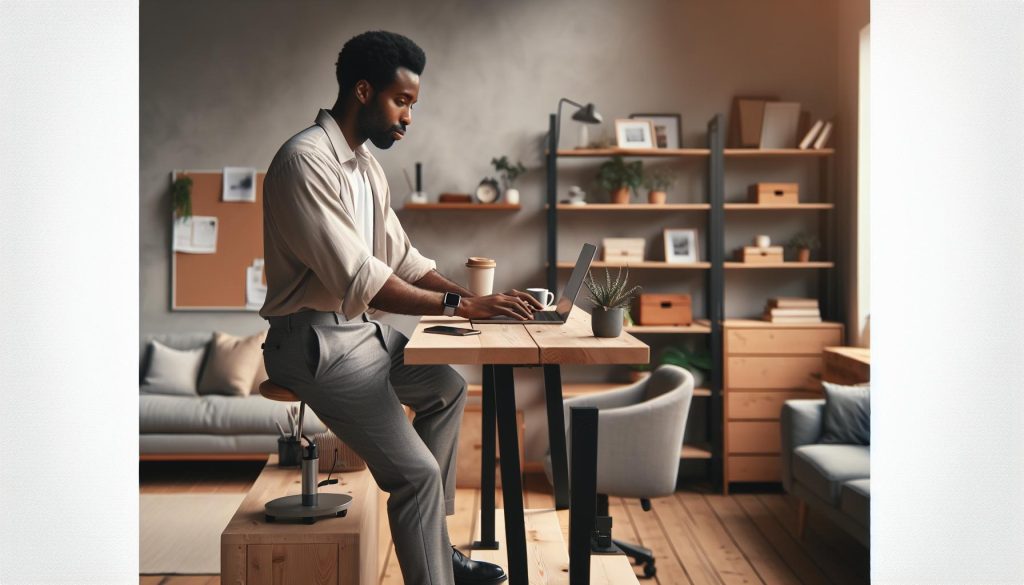
In today’s fast-paced work environment, many people are turning to standing desks as a potential solution for improving health and productivity. With sedentary lifestyles on the rise, standing desks promise not only to alleviate discomfort from prolonged sitting but also to enhance cognitive performance. But do they really deliver on these benefits? In this article, we delve into the results of a 30-day standing desk challenge, highlighting insights from participants who sought to reclaim their well-being. As you explore this journey, prepare to uncover practical tips and key findings that may inspire you to rethink your workspace and embrace healthier habits. Your path to improved workplace wellness and cognitive health begins here.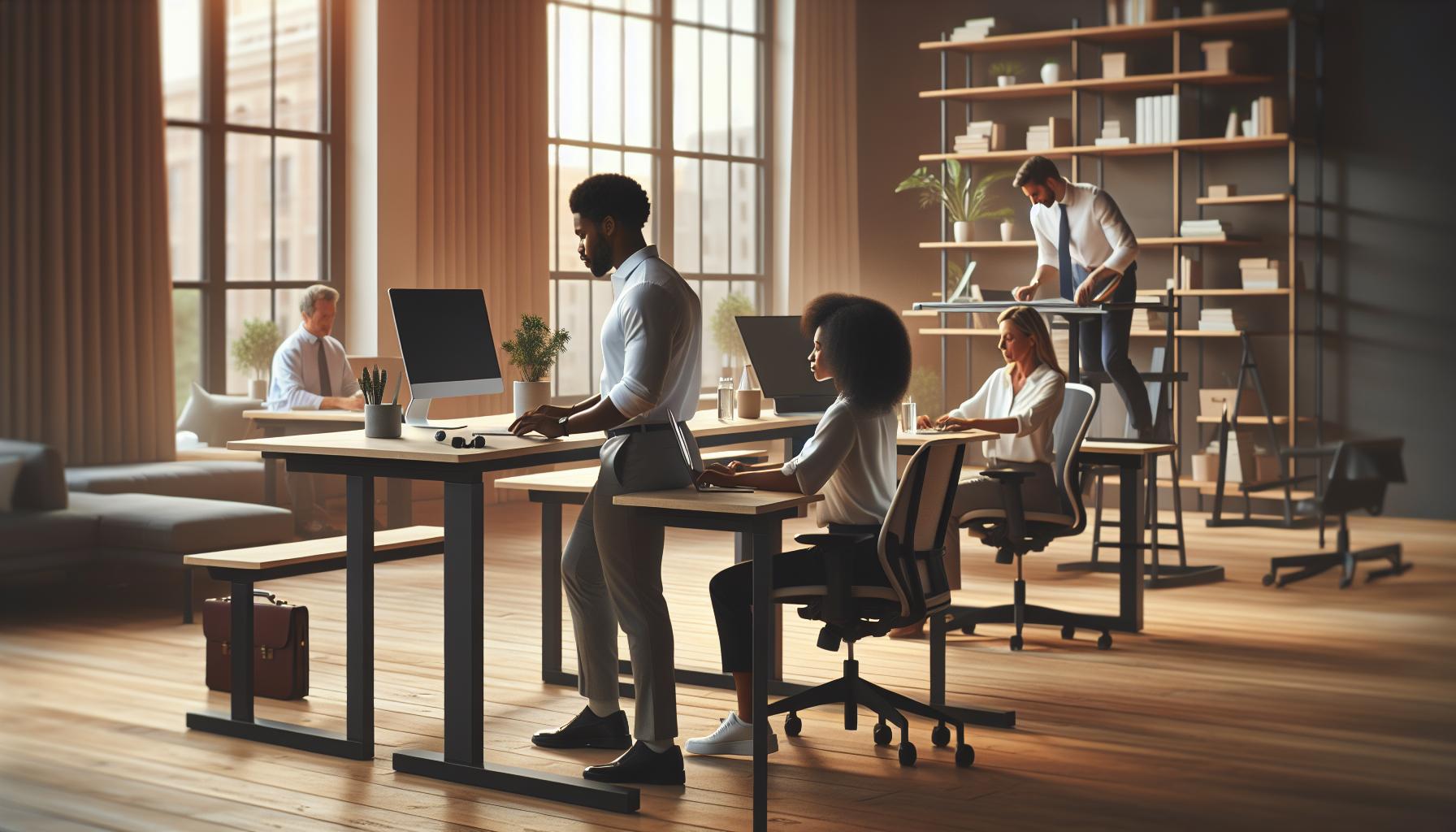
The Science Behind Standing Desks and Health
Despite the increasing popularity of standing desks, many people may not realize the profound impacts they can have on health and overall productivity. Research suggests that prolonged sitting is associated with various health issues, including obesity, cardiovascular disease, and type 2 diabetes. The introduction of standing desks aims to combat these risks by promoting more active working habits. Studies have shown that incorporating standing into your work routine can bolster energy levels, enhance mood, and even increase focus, making it a compelling alternative for those seeking to improve their workplace experience.
One notable aspect of using a standing desk is its potential to support better posture and reduce back pain. Many users report relief from discomfort as they shift from sedentary to more active workstyles. However, successful adaptation to a standing desk requires mindful practice. While standing, it is crucial to alternate between standing and sitting to avoid fatigue and ensure a balanced approach. Encouraging regular movement and stretching can further enhance the benefits, contributing to overall comfort and reducing the risks associated with static postures.
To maximize the health benefits associated with standing desks, understanding ergonomic principles is essential. Ensure your desk height is adjustable so that your elbows can remain at a 90-degree angle when typing, and your screen should be at eye level to prevent neck strain. Incorporating accessories like anti-fatigue mats can also help in reducing discomfort while standing for extended periods.
Overall, integrating a standing desk into your workspace is more than just a shift in physical position; it represents a lifestyle change towards enhanced wellness and productivity. Emphasizing regular movement and ergonomic practices can create a thriving work environment that nurtures both physical and cognitive health-key components for long-term work-life balance and success.
Understanding the 30-Day Standing Desk Challenge
Taking on a new way of working can be invigorating, yet it often brings challenges, particularly when making a monumental shift like moving from a traditional desk to a standing desk. The 30-Day Standing Desk Challenge serves as an empowering initiative that encourages individuals to gradually adapt to this change while reaping the potential health benefits. The idea is not just to stand all day but to develop a balanced routine that integrates standing into your daily workflow, fostering an overall healthier lifestyle.
To embark on this challenge, consider starting with specific goals. The first week can focus on gradually increasing the amount of time you spend standing. For example, begin with 30-minute standing intervals interspersed with sitting and aim to increase this duration over the following weeks. Create a schedule that helps you track your progress, making moving from one phase to the next rewarding and measurable. Many have found success by pairing these standing sessions with simple stretching or movement breaks, thereby reinforcing the importance of mobility throughout the day.
Throughout the 30 days, it’s crucial to pay attention to how your body responds. Many users report increased energy levels and greater focus as they adapt, while also noticing improvements in mood and productivity. Notably, keeping a journal during this period can help track not only physical comfort but also your cognitive performance. For many, the act of standing leads to enhanced creativity and a sense of accomplishment that sitting often does not.
To ensure a successful transition, establish an ergonomic setup from the outset. This includes adjusting your desk height so your elbows remain at about a 90-degree angle, and placing your monitor at eye level to prevent neck strain. Incorporating anti-fatigue mats can further enhance comfort, making the standing experience much more enjoyable. Moreover, having supportive footwear can make a significant difference in how you feel throughout the day.
Embrace the journey of the 30-Day Standing Desk Challenge as a way to cultivate a healthier work environment and promote overall wellness. By focusing on gradual adjustment and incorporating these best practices, you can transform not just your posture but also your approach to work and wellness. The journey may start with discomfort, but perseverance through the initial phase yields benefits that can redefine your day-to-day productivity and health.
Key Benefits of Using a Standing Desk
Making the switch to a standing desk can transform your work environment and foster a range of health benefits that support both body and mind. One of the most compelling reasons to adopt a standing desk is the potential to reduce sedentary behavior, which has been linked to numerous health risks, including obesity, diabetes, and heart disease. By incorporating standing into your daily routine, you activate muscles that might otherwise remain dormant in a seated position, encouraging better posture and reducing the likelihood of chronic pain associated with prolonged sitting.
Physical Health Benefits
The advantages of standing desks extend beyond mere calorie burning; they can also lead to improved physical well-being. Users often report increased energy levels and reduced feelings of fatigue throughout the day. Standing promotes better circulation, which can alleviate stiffness and discomfort associated with sitting for extended periods. Moreover, individuals utilizing standing desks frequently exhibit improved cardiovascular health due to the enhanced blood flow that comes from being upright. Regularly standing can also boost metabolism, aiding in weight management and potentially reducing the risk of weight-related conditions.
Enhancing Cognitive Function
Not only do standing desks benefit physical health, but they also impact cognitive performance positively. Research indicates that changing positions can lead to heightened alertness and concentration. Some users of standing desks have experienced enhanced creativity and problem-solving capabilities, likely facilitated by increased mobility and blood flow to the brain. This shift in posture can stimulate neuroplasticity-a key component in brain adaptability-speeding up your ability to learn and respond effectively to challenges in the workplace.
Boosting Mood and Productivity
Embracing a standing desk can also yield significant psychological benefits. Many users report an uplifted mood and decreased stress levels when using standing desks, attributing this change to a feeling of greater engagement in their tasks. The act of standing can promote a sense of authority and presence, making it easier to connect with colleagues and clients. In the context of a 30-Day Standing Desk Challenge, these wellness gains become even more pronounced as participants gradually adapt to their new routines, ultimately enhancing overall productivity and satisfaction in their professional lives.
Ultimately, transitioning to a standing desk is not merely about changing physical position; it offers an opportunity to cultivate a healthier relationship with work and life. The benefits-ranging from improved physical health to enhanced cognitive performance and an elevated mood-serve as powerful motivators to embrace this change and make it a pivotal part of your daily routine.
Potential Drawbacks of Standing Desks
Despite the myriad advantages of standing desks, it’s essential to recognize that they also come with potential drawbacks that can affect user experience and overall health. Transitioning from a traditional seated position to standing for extended periods can pose challenges, particularly for those who are not accustomed to such changes in their daily routine. Understanding these issues is crucial for anyone embarking on a 30-Day Standing Desk Challenge.
One significant concern is the risk of musculoskeletal discomfort. While standing can alleviate some pains associated with prolonged sitting, it can also lead to soreness and fatigue in the legs, feet, and back if proper ergonomics are not observed. According to research, individuals standing for long durations without proper support may experience increased pressure on the lower extremities and spine. To mitigate this, it’s vital to invest in supportive footwear, consider the use of anti-fatigue mats, and vary your position throughout the day to prevent overuse of certain muscle groups.
- Leg and Foot Discomfort: As your body adjusts to standing, you may encounter aches in your legs and feet. Frequent breaks to sit or stretch can help alleviate this.
- Back Pain: Standing desks can lead to lower back strain if the desk height isn’t correctly set. Ensure your elbows are at a 90-degree angle and your monitor is at eye level.
- Circulatory Issues: Prolonged standing can potentially impede circulation, leading to swelling or discomfort. Walking around periodically can promote better blood flow.
Another area of concern is the potential for decreased focus and productivity. While many users find their alertness improves with a standing desk, others may experience difficulty concentrating initially as their bodies adapt to the new posture. This adjustment period can vary from person to person, highlighting the importance of patience and gradual integration of standing into the workday. Setting up a schedule to alternate between sitting and standing might aid this transition, allowing for ample time to adapt while maintaining productivity.
In conclusion, while the transition to a standing desk can yield tremendous health benefits, attention to proper ergonomics and mindfulness of your body’s signals are essential. Before committing fully, consider integrating standing periods incrementally and monitor how your body responds. Balancing the advantages with awareness of these drawbacks will create a more harmonious work experience that supports both your physical health and cognitive performance.
How to Properly Set Up Your Standing Desk
Creating an effective standing desk setup is essential for maximizing the health benefits associated with prolonged standing while working. Poorly configured workstations can lead to discomfort and fatigue, detracting from the potential productivity gains. To ensure you’re making the most of your standing desk experience, follow these guidelines to establish an ergonomic workspace that promotes comfort and well-being.
To start, your desk height is crucial. Ideally, when standing, your elbows should be positioned at a 90-degree angle with your forearms parallel to the floor. This means your keyboard should sit just below elbow height to minimize any strain on your wrists. The top of your monitor should be at or slightly below eye level, allowing your neck to remain in a neutral position, which helps reduce the risk of developing tension and discomfort in your neck and shoulders.
Footwear and Flooring: The type of footwear you choose can also impact your comfort levels. Supportive shoes with cushioning can significantly reduce the strain on your legs and feet. Additionally, consider using an anti-fatigue mat, which can alleviate pressure on your lower extremities and promote better circulation while you stand.
Positioning Your Monitor: When arranging your workstation, make use of monitor stands or adjustable mounts. These tools allow you to easily adjust the height and distance of your screens, ensuring your eyes are aligned with the top third of the display. This alignment helps to keep your neck in a relaxed position throughout your workday.
Lastly, integrating periodic movement into your routine can mitigate the risks associated with prolonged standing. Schedule short breaks to stretch, move around, or even switch to sitting for a time during the day. This variety not only keeps your body engaged but refreshes your mind, enhancing cognitive performance and productivity.
Implementing these strategies into your standing desk setup can create a more comfortable and productive work environment, allowing you to enjoy the benefits of standing while reducing the risks of discomfort or injury.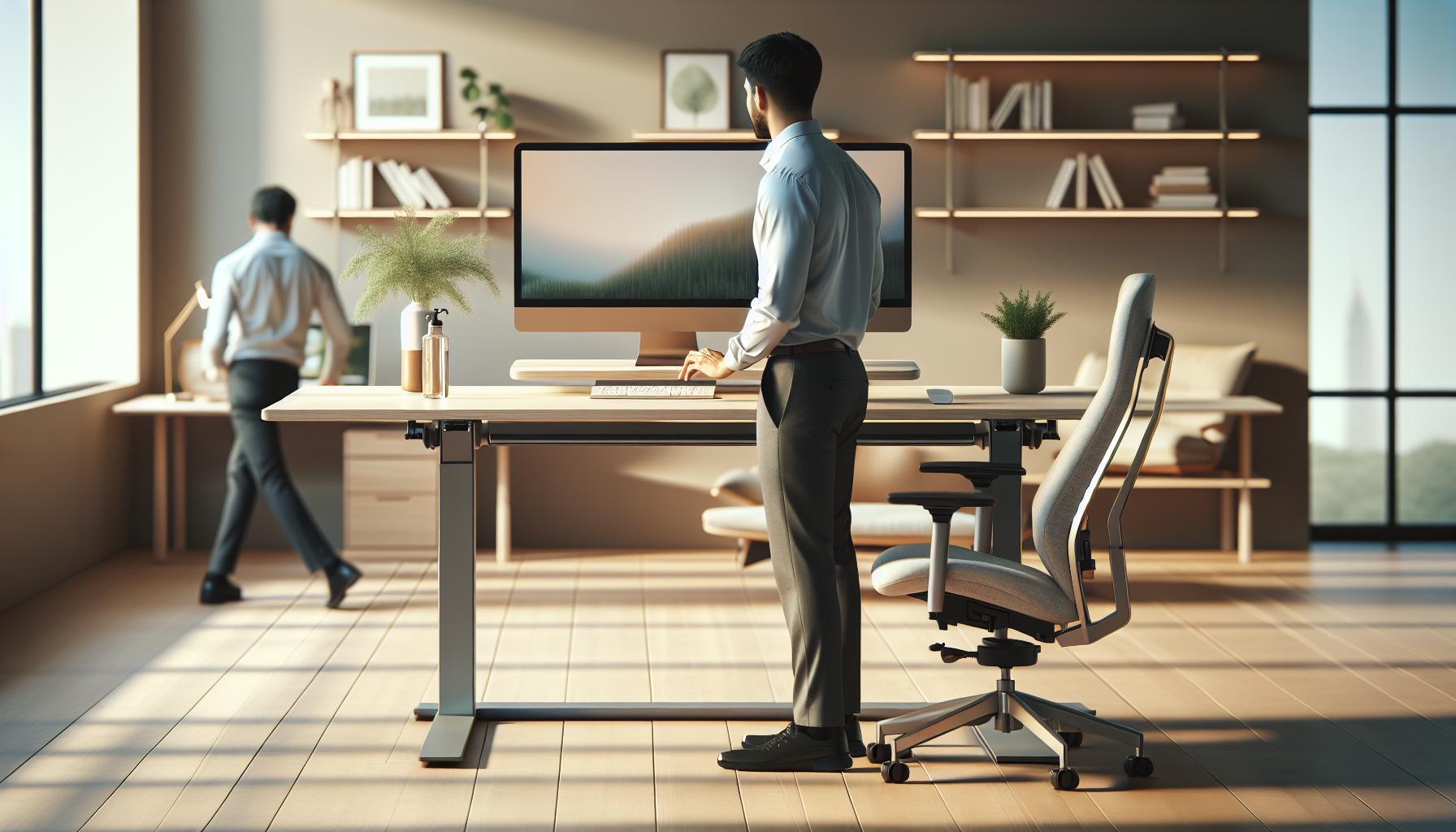
Ergonomic Workspace Tips for Maximum Comfort
A thoughtfully configured workspace can significantly enhance your comfort and productivity, especially when transitioning to a standing desk. The right setup not only reduces the risk of discomfort but also promotes better posture and overall well-being. To create an ergonomic workspace, you can follow several practical tips that make a considerable difference in your daily work experience.
Start by ensuring your desk height facilitates a neutral standing posture. When standing, your elbows should rest at approximately a 90-degree angle, allowing your forearms to be parallel to the floor. This positioning helps to minimize strain on your wrists while typing. For your monitor, it should be at or slightly below eye level-ideally, the top of the screen should align with your eyes when you are standing straight. This alignment helps prevent neck strain and keeps your gaze naturally forward and relaxed.
Footwear Matters
Investing in supportive footwear is crucial for a comfortable standing experience. Choose shoes that provide ample cushioning and arch support to alleviate pressure on your feet and legs. Additionally, using an anti-fatigue mat can help by providing a little extra cushioning, which promotes better blood circulation as you stand.
Movement Breaks Are Key
Remember that even with a standing desk, prolonged static positions can lead to fatigue. Incorporate short movement breaks into your routine; aim for a quick stretch or walk every 30 minutes. This not only breaks up the monotony of standing but also re-engages your mind, maintaining cognitive performance throughout the day. A simple routine might include stretching your arms overhead, bending from side to side, or simply walking around your workspace.
By implementing these ergonomic tips, you can create an inviting and functional workspace that not only enhances your comfort but also supports your overall health. Consistently prioritizing your ergonomic setup leads to a more productive workday and encourages a healthier lifestyle overall.
Combining Movement with Standing: Best Practices
Incorporating movement into your day while using a standing desk can profoundly enhance both your physical comfort and cognitive performance. Research indicates that increasing movement throughout the day can boost energy levels, improve focus, and ultimately lead to greater productivity. By blending physical activity with standing desk usage, you can create a dynamic work environment that caters to both your body and mind.
To integrate movement seamlessly into your work routine, consider the following practical strategies:
- Set a Timer: Use a timer or an app to remind you to take movement breaks every 30 to 60 minutes. This can be as simple as standing up to stretch, walking around the office, or performing a light exercise.
- Create a Movement Playlist: Curate a list of short, invigorating workouts or stretches available online. Reserve a few minutes every hour to engage with this content, ensuring it’s both refreshing and enjoyable.
- Desk Exercises: Incorporate desk exercises that can be done easily while at a standing desk. For instance, calf raises, squats, or side leg raises can provide a gentle workout without needing to leave your workspace.
- Walking Meetings: Whenever possible, opt for walking meetings. This not only adds movement to your day but also fosters creativity and collaboration among team members.
Additionally, incorporating micro-workouts can be especially beneficial. Research has shown that short bursts of activity throughout the day can elevate mood and improve concentration. These can include:
Micro-Workout Ideas
- Standing Bicycle Crunches: Engage your core by bringing your knees up towards your elbows while standing.
- Arm Circles: Stand tall and extend your arms to the side, making small circles to improve shoulder mobility and blood flow.
- Lateral Leg Raises: While standing, lift one leg to the side to work your hip flexors and improve balance.
By following these best practices, you can create an engaging and health-focused workspace. Remember, the goal is not just to stand but to move and interact with your environment actively. This approach not only supports physical well-being but also enhances cognitive function, allowing your mind to stay sharp throughout the workday. Engaging in regular movement can help reduce stress and foster a greater sense of well-being, contributing to a more harmonious work-life balance.
Assessing Cognitive Performance with a Standing Desk
The brain is remarkably adaptable, capable of changing and forming new connections throughout life-a concept known as neuroplasticity. This adaptability underscores the potential cognitive benefits of standing desks in the workplace. Research indicates that a shift towards standing while working may enhance focus, boost productivity, and even improve mood, particularly when integrated with regular movement. Users often report feeling more alert and engaged when using standing desks compared to traditional seating arrangements, highlighting the profound impact that simple changes in posture can have on mental acuity.
When , it’s essential to consider how ergonomics play a role. Proper setup can reduce physical strain, allowing you to concentrate better on tasks at hand. A standing desk should be adjusted so that your elbows remain at a 90-degree angle, and your monitor is at eye level. This setup minimizes distractions caused by discomfort, ultimately allowing your brain to operate at peak performance. Taking regular movement breaks can amplify these benefits. Studies show that brief periods of activity can increase blood flow to the brain, which is linked to improved attention and quicker processing speeds.
To maximize cognitive performance while using a standing desk, it’s beneficial to implement a few simple practices. Incorporate practices like “mental warm-ups”-short activities such as puzzles or quick brainstorming sessions that get your brain in gear. Additionally, consider integrating mindfulness techniques into your routine, such as deep breathing or brief meditation, which can sharpen focus and improve resilience to stress.
Creating an environment where distraction is minimized also plays a key role. Reduce clutter on your desk, utilize noise-canceling headphones, or listen to music specifically designed to enhance concentration. As you assess your cognitive performance with a standing desk, keep track of your productivity levels and mental clarity at various times throughout the day-this can inform your routine and guide further adjustments to enhance both your physical and mental workspace.
User Experiences: Testimonials and Feedback
Throughout the 30-day standing desk challenge, many users reported transformative experiences that spanned both physical and mental enhancements. For instance, Sarah, a graphic designer, shared her journey of switching to a standing desk. Initially feeling fatigued during her long work hours, she noticed a significant decrease in her afternoon slumps. “I could focus much longer without feeling the need for that 3 PM coffee,” she remarked. Such testimonials highlight how standing desks can potentially invigorate focus and reduce reliance on stimulants.
Moreover, users frequently emphasized improvements in their overall health. Some experienced greater energy levels and reduced back pain. Jake, an IT specialist, noted, “After two weeks of standing, the chronic back pain I used to feel vanished.” This echoes findings that suggest standing can promote better spinal alignment and alleviate discomfort associated with prolonged sitting. Integrating standing into his routine, he also began taking frequent movement breaks, which helped keep his mind sharp and fostered creativity during brainstorming sessions.
On the flip side, many participants advised gradual changes rather than an abrupt switch. Karen, a teacher, highlighted this by stating, “I felt overwhelmed on day one, alternating between sitting and standing until my body adjusted.” Quite a few users echoed this sentiment, suggesting listeners implement a balanced approach to desk time, blending standing with brief sitting sessions to avoid fatigue.
These narratives are not just anecdotal; they mirror broader trends in workplace wellness that emphasize the importance of listening to one’s body and adjusting habits accordingly. By sharing personal experiences, participants in the challenge not only shaped their own wellness but also inspired others to rethink their work environments. The collective feedback emphasizes an essential insight: small changes can lead to significant enhancements in both physical health and cognitive performance over time.
Staying Motivated Throughout the Challenge
Staying committed to a new routine can be challenging, especially when introducing a standing desk into your daily work life. Research indicates that maintaining motivation is crucial for sustainability and success during a 30-day standing desk challenge. This period can be transformative, but it requires intentional efforts to keep spirits high and progress steady. One effective strategy is to set clear, attainable goals. Consider breaking your 30-day journey into smaller milestones such as increasing standing time each week or tracking how your energy levels change throughout the month.
To bolster your motivation, engage with a community or partner in your challenge. Sharing experiences not only provides accountability but also fosters encouragement. Many participants found that collaborating with co-workers or friends added an enjoyable, social element to their journey, giving them the chance to share milestones, discuss challenges, and celebrate successes together. Creating a personal challenge leaderboard or social media group can amplify this effect, as users feed off each other’s enthusiasm and perseverance.
It’s also essential to listen to your body and celebrate small victories, as adjustment peaks and valleys are normal. Regularly remind yourself of the benefits that come with the shift to a standing desk-such as improved posture, enhanced energy, and reduced discomfort. Keeping a journal or logging daily reflections can help you appreciate how far you’ve come and highlight positive changes in your overall well-being.
Furthermore, don’t underestimate the power of ergonomic adjustments to enhance your standing experience. Investing time in creating a comfortable workspace with the right equipment can make your new routine more enjoyable. Utilize anti-fatigue mats, adjust your monitor to eye level, and ensure that your keyboard and mouse are at a comfortable height. By optimizing your environment, you’re more likely to embrace standing as part of your everyday routine rather than viewing it as a chore.
Finally, remember that challenges often lead to growth. Embrace the discomfort of change and use it as an opportunity to develop resilience. Every small step taken throughout this 30-day challenge contributes to an overarching goal of better health and productivity. As you progress, remind yourself of the bigger picture-enhanced work life and a more dynamic, health-conscious lifestyle. Keeping these motivations front and center can inspire consistency and commitment throughout your journey with standing desks.
Identifying and Managing Workplace Stress
Workplace stress is a common challenge that can significantly impact both mental well-being and productivity, making it crucial to identify and manage it effectively. An insightful statistic reveals that around 83% of US workers experience work-related stress, leading to a myriad of health issues if left unaddressed. By creating a supportive work environment and employing proactive stress management techniques, you can not only reduce stress levels but also enhance overall well-being.
One practical approach to managing workplace stress involves recognizing its sources. Common stressors include tight deadlines, interpersonal conflicts, and the pressure of performance expectations. Start by keeping a stress journal for a week to identify specific triggers throughout your day. Once identified, you can develop strategies tailored to mitigating these stressors. For instance, if you find that multi-tasking heightens your anxiety, consider prioritizing tasks and focusing on one at a time. Additionally, utilizing a standing desk can help alleviate some physical stressors, promoting healthier posture and reducing discomfort that can exacerbate stress levels.
Incorporating mindfulness practices into your daily routine is another effective way to manage stress. Techniques such as deep breathing, meditation, or even short walks during breaks can help reset your mind and enhance focus. Engaging in regular physical activity not only combats stress but also plays a crucial role in boosting cognitive function. Aim for at least 30 minutes of activity daily, which can be as simple as a brisk walk during lunch. This physical movement complements the benefits of standing desks, as it encourages circulation and may enhance your overall mood.
Furthermore, fostering a supportive workplace community can significantly alleviate stress. Prioritize open communication with colleagues. Engage in team-building activities that promote collaboration and trust. Regular check-ins can also create an environment where employees feel valued and heard, leading to higher morale and reduced feelings of isolation. Remember that stress management is not a one-size-fits-all solution. Experiment with various techniques, remain patient with yourself, and don’t hesitate to seek support from a professional when needed. By adopting these practices, you stand a better chance of cultivating a balanced and productive work life.
Biohacking Techniques for Enhanced Productivity
Transforming your workspace and enhancing productivity is within reach, and biohacking techniques can help you unlock your full potential. Research suggests that productivity can skyrocket when you use simple yet effective methods to optimize your brain and environment. Whether you’re embracing a standing desk for the first time or looking to deepen your commitment to workplace wellness, integrating biohacking practices into your routine can lead to significant cognitive benefits.
Nutrition for Brain Health
Start by examining your diet, as what you eat can profoundly impact cognitive function. Incorporate brain-boosting foods such as fatty fish, blueberries, walnuts, and green leafy vegetables. These foods are rich in omega-3 fatty acids, antioxidants, and essential nutrients that promote neuroplasticity, the brain’s ability to reorganize itself. To elevate your energy levels and focus, try implementing a balanced meal plan that emphasizes whole grains, lean proteins, and healthy fats, while minimizing processed foods and sugars that can lead to energy crashes.
Utilizing Movement and Mindfulness
Integrating movement into your day is another vital biohacking technique. Consider the Pomodoro Technique, which encourages focused work sprints followed by short breaks. During those breaks, stand up, stretch, or take a brief walk to recharge your body and mind. This practice not only counteracts the sedentary nature of desk jobs but also promotes blood flow and enhances overall cognitive function. Additionally, mindfulness practices such as meditation or controlled breathing exercises can help reduce stress, increase your attention span, and foster clarity in decision-making.
Optimizing Your Workspace
Your workspace setup plays a crucial role in maintaining productivity. Start by ensuring your standing desk is adjustable to your height to promote proper posture. Your computer screen should be at eye level, and your keyboard should allow your wrists to remain straight. Consider adding tools such as anti-fatigue mats to reduce strain or even a desk bike to incorporate gentle movement while working. These adjustments can mitigate physical discomfort and help you maintain focus for extended periods.
Sleep and Recovery
Lastly, prioritize sleep as a fundamental aspect of biohacking for productivity. Aim for 7-9 hours of quality sleep each night, as this is when your body restores itself and your brain consolidates memories and processes information. Establish a consistent sleep schedule, limit blue light exposure before bedtime, and create a restful environment to enhance sleep quality. Remember, productivity is not solely about working harder but about working smarter, which includes allowing your mind and body adequate time to recover and regenerate.
By applying these biohacking techniques, you’re not just improving immediate productivity; you’re investing in your long-term cognitive health and workplace wellness. Small, consistent changes can lead to profound improvements in both quality of work and life.
Frequently asked questions
Q: How long should I use a standing desk each day for optimal health benefits?
A: Aim to stand for about 4 to 6 hours daily, gradually increasing your standing time. It’s essential to balance standing with sitting and to take breaks to move around, promoting overall comfort and health. For detailed ergonomic tips, see “How to Properly Set Up Your Standing Desk.”
Q: Can a standing desk actually improve my productivity?
A: Yes, many users report increased focus and energy levels while using a standing desk. Standing desks can help reduce fatigue and enhance cognitive performance. For strategies to maintain productivity, refer to the section on “Combining Movement with Standing: Best Practices.”
Q: What should I do if I experience discomfort using a standing desk?
A: If you feel discomfort, ensure your desk is appropriately set up and adjust the height and position of your monitor. Incorporating anti-fatigue mats and supportive footwear can also alleviate discomfort. For more ergonomic workspace tips, check out the “Ergonomic Workspace Tips for Maximum Comfort” section.
Q: Are there specific exercises I can do at my desk while using a standing desk?
A: Yes, try simple stretches like calf raises or shoulder rolls to keep your muscles engaged. Integrating micro-breaks with movement can enhance circulation and reduce tension. For effective ways to stay active at your desk, see “Combining Movement with Standing: Best Practices.”
Q: How can I stay motivated during a 30-day standing desk challenge?
A: Set daily goals and track your progress to maintain motivation. Join a community or share your journey with friends for support and accountability. Explore “Staying Motivated Throughout the Challenge” for more ideas.
Q: Will transitioning to a standing desk hurt my back?
A: Not if you set it up correctly! A properly positioned standing desk can actually support back health. Make sure your monitor is eye level and your feet are flat on the ground. For a comprehensive guide, review “How to Properly Set Up Your Standing Desk.”
Q: Are standing desks suitable for everyone?
A: While many can benefit from standing desks, those with certain health conditions like arthritis or severe back pain may need to approach with caution. Consulting a healthcare professional is advised. For signs to consider, refer to “Potential Drawbacks of Standing Desks.”
Q: What are some common misconceptions about standing desks?
A: A common myth is that standing desks are the ultimate solution for all health issues. In reality, they should be part of a balanced approach to wellness that includes movement, good posture, and regular breaks. For nuanced insights, see “User Experiences: Testimonials and Feedback.”
In Conclusion
In summary, our 30-day challenge revealed that standing desks can significantly enhance your workplace wellness, promoting better posture and increased energy levels. Ready to take the next step toward a healthier work environment? Explore our detailed guides on setting up your ergonomic workspace and implementing effective stress management techniques. Don’t forget to check out our evidence-based biohacking practices to boost cognitive performance and overall brain health.
Your journey doesn’t have to stop here! Join our community by signing up for our newsletter to stay updated on the latest insights and resources. Share your experiences in the comments below-your feedback can inspire others! Dive deeper into related topics and empower yourself on the path to work-life harmony. Let’s continue this journey together, and remember, small changes can lead to significant results!