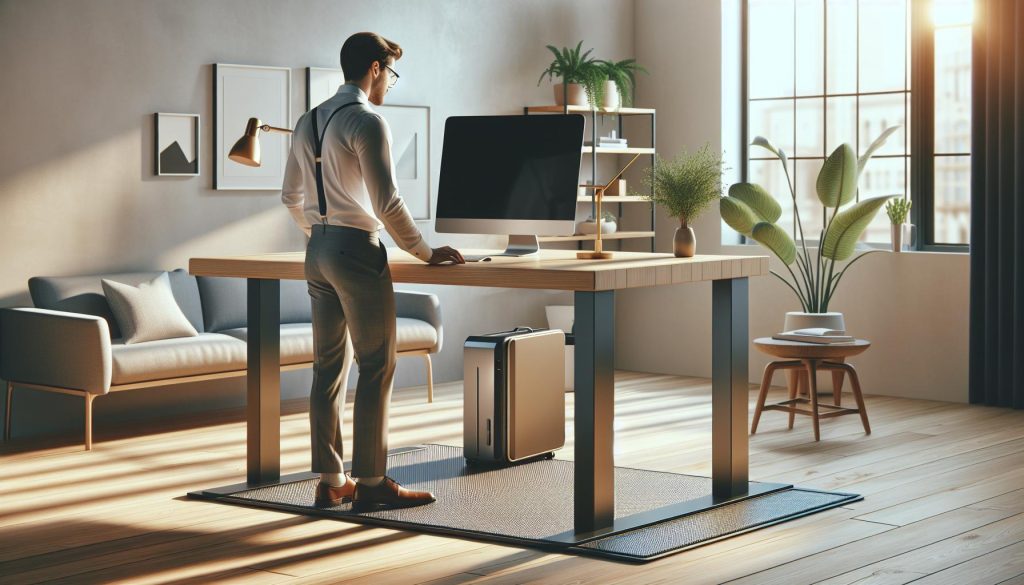
Did you know that standing for prolonged periods can lead to discomfort, fatigue, and even long-term health issues? For those working at a standing desk, an anti-fatigue mat can be a game changer. These specially designed mats help alleviate pressure on your joints and promote better posture, significantly enhancing your comfort and productivity. If you’re concerned about the aches and pains often associated with standing workstations, understanding the benefits of an anti-fatigue mat is crucial. In this article, we’ll explore whether investing in one is right for you and how it can transform your workspace into a healthier environment, fostering not only your physical well-being but also your cognitive performance. So, let’s dive deeper and discover how a simple mat can make a remarkable difference in your daily routine.
Understanding the Benefits of Anti-Fatigue Mats
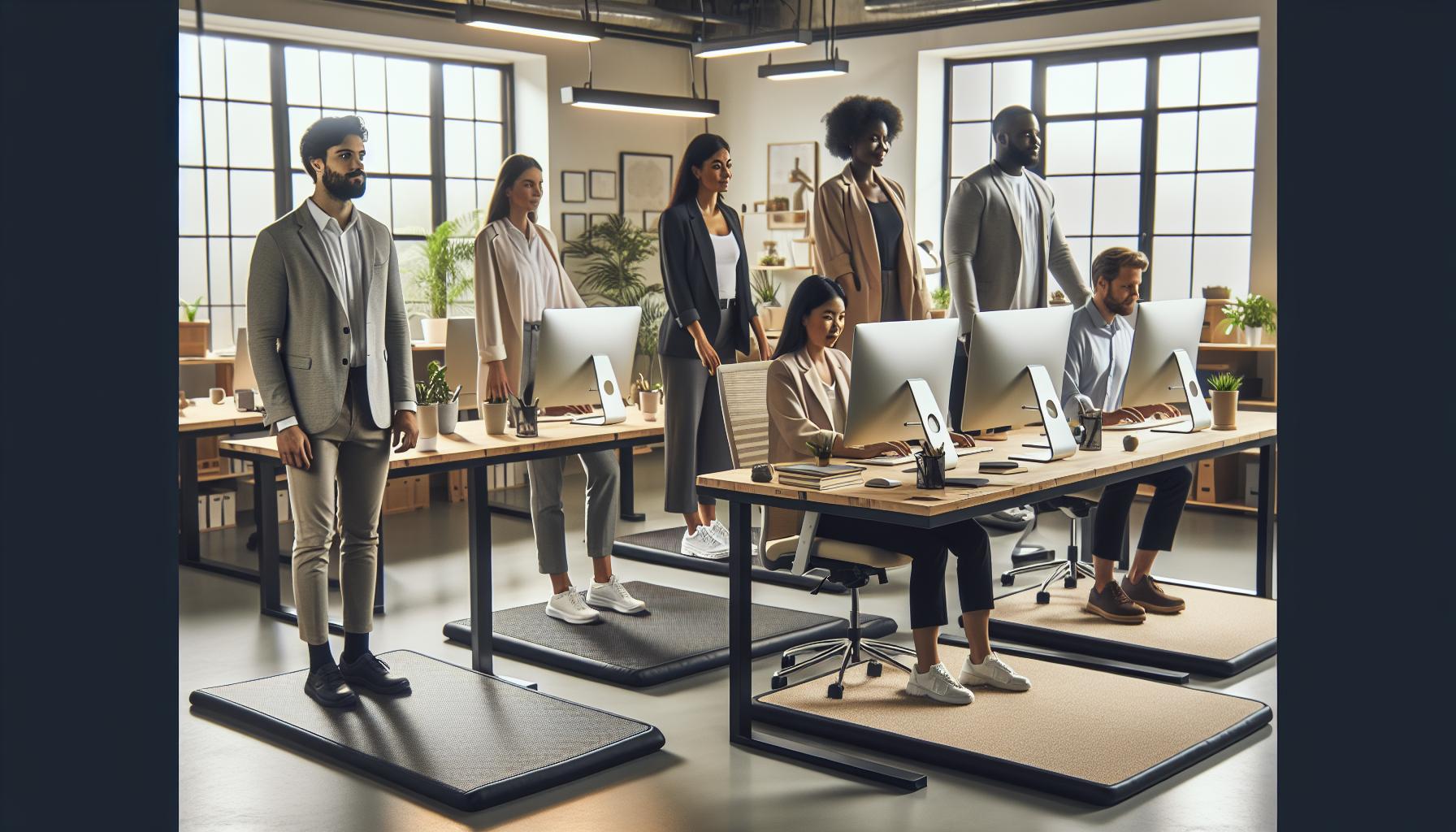
Standing for prolonged periods can lead to discomfort and fatigue, significantly impacting productivity and overall well-being. Anti-fatigue mats serve as an innovative solution to combat these issues, designed to reduce the strain on your feet, legs, and back. These mats encourage subtle movement and muscle engagement, promoting better blood circulation, which is essential for maintaining energy levels while you work. Studies have shown that workers who use anti-fatigue mats experience less discomfort and increased comfort, leading to higher overall job satisfaction.
One of the primary benefits of anti-fatigue mats is their ability to help prevent musculoskeletal disorders associated with prolonged standing. For those who use standing desks or who are required to stand for long periods, these mats can be instrumental in lowering the risk of chronic pain conditions. Furthermore, incorporating an anti-fatigue mat into your workspace creates a more ergonomically friendly environment, allowing employees to focus more on their tasks rather than on discomfort.
When selecting an anti-fatigue mat, it’s important to focus on features that enhance its effectiveness. Look for mats that provide adequate cushioning, are made from durable materials, and have a non-slip surface to ensure safety. Investing in the right anti-fatigue mat not only promotes physical comfort but also contributes significantly to workplace morale and productivity. Ultimately, prioritizing comfort with the right tools and equipment can lead to a marked improvement in performance and well-being.
How Anti-Fatigue Mats Support Workplace Wellness
Standing for hours on end can significantly deplete energy levels, hinder productivity, and contribute to long-term health issues. Anti-fatigue mats are a game-changer in promoting workplace wellness by reducing discomfort and enhancing overall work experience. These mats are specifically designed to combat the negative effects of prolonged standing, actively engaging the body’s muscles and improving blood circulation. This not only alleviates fatigue but can also lead to sharper focus and increased job satisfaction.
One of the most significant contributions of anti-fatigue mats to workplace wellness is their role in preventing musculoskeletal disorders. When standing for extended periods, many individuals experience tension in their back, legs, and feet. Using these mats helps to cushion the impact on joints while encouraging slight movements that can prevent stiffness and pain. By acting as a supportive layer, anti-fatigue mats allow employees to maintain a more comfortable posture and reduce the likelihood of chronic pain conditions that can arise from poor ergonomics.
Moreover, incorporating an anti-fatigue mat can foster a more positive work environment. When employees are comfortable and engaged, they are more likely to be productive and motivated. This can also ripple out to improve interpersonal relationships and teamwork, as a more comfortable workspace can lead to higher morale and reduced stress levels. Providing these mats is an investment not only in employee comfort but in overall organizational health.
In practical terms, choosing the right anti-fatigue mat is essential for maximizing its benefits. Look for options that offer sufficient cushioning, high-quality materials, and safety features like a non-slip surface. A well-chosen mat can dramatically enhance the standing desk experience, making it not just bearable but enjoyable, and ultimately contributing to a healthier, more dynamic work culture.
Key Features to Look for in Anti-Fatigue Mats

Choosing an anti-fatigue mat is a vital step in enhancing comfort and productivity for those who spend extended periods standing. The right mat can effectively relieve strain on your body, but with so many options on the market, it’s essential to know what to look for. Here are key features that will help you make an informed decision.
Cushioning and Support
A quality anti-fatigue mat offers adequate cushioning that absorbs impact and reduces pressure on your joints. Look for mats made from high-density foam or gel materials, which provide excellent support and promote movement while standing. The thickness of the mat generally plays a significant role; a thickness of around ¾ inch to 1 inch is typically recommended for optimal comfort.
Durability and Material
The materials used in the construction of the mat will determine its longevity and resilience. Consider options made from rubber, vinyl, or polyurethane, which are known for their durability and resistance to wear and tear. Moreover, mats that are easy to clean and maintain will save you time and effort in the long run, ensuring a hygienic workspace.
Safety Features
Incorporating safety features is crucial for preventing slips and falls. Choose mats with a non-slip bottom and beveled edges to minimize tripping hazards. If your workspace is prone to spills, it’s also wise to select mats with water-resistant properties. These features keep you safe while also maintaining the mat’s condition in a busy work environment.
Ergonomic Design
Look for mats designed with your posture in mind. Some mats incorporate slight slopes or contours that can encourage natural movement, promoting better posture throughout the day. Such ergonomically designed mats not only protect your feet but also reduce the risk of developing musculoskeletal disorders associated with prolonged standing.
By considering these features when selecting an anti-fatigue mat, you can create a workspace that fosters comfort, encourages movement, and ultimately enhances overall productivity. The right mat can make a significant difference in your daily experience, supporting not only your physical health but also your mental well-being as you navigate the demands of a standing desk environment.
Comparing Popular Anti-Fatigue Mats: Pros and Cons
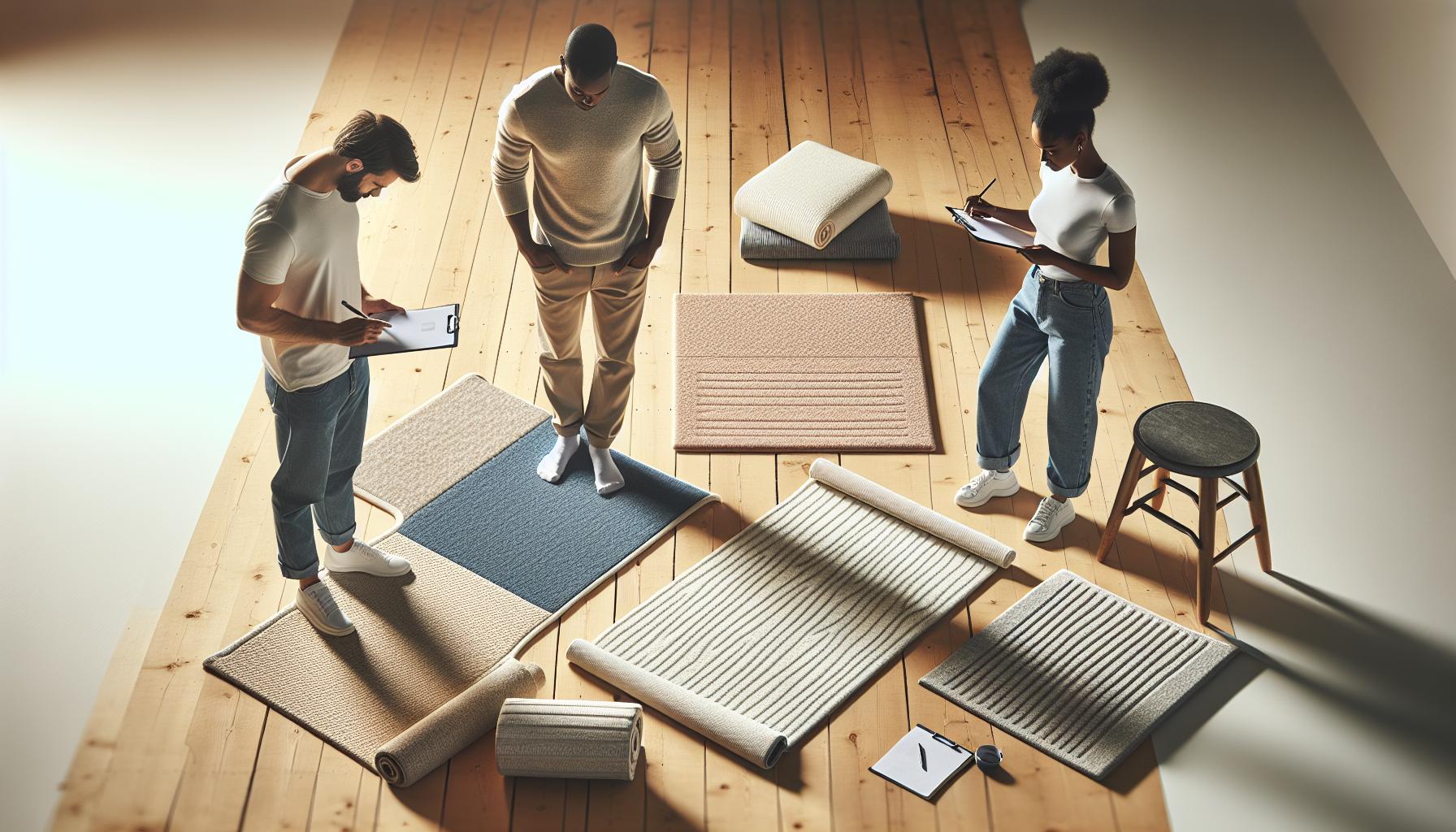
When it comes to choosing an anti-fatigue mat, understanding the pros and cons of various options can make a significant difference in your workplace comfort and overall well-being. With many styles available, each designed with specific features, discerning which mat aligns with your needs can empower you to enhance your standing desk experience.
Pros:
- Enhanced Comfort: Many mats provide high-density cushioning that effectively reduces pressure on your feet and joints, making long periods of standing more tolerable.
- Increased Productivity: Users often report that their overall productivity increases when using anti-fatigue mats due to reduced discomfort, allowing for better focus and engagement.
- Ergonomic Benefits: Some models are designed to promote movement and encourage a healthier posture, potentially reducing the risk of musculoskeletal issues.
- Durability: High-quality mats made from materials like rubber or polyurethane resist wear and tear, ensuring long-term investment and performance.
Cons:
- Price Variability: Anti-fatigue mats vary in price dramatically; while there are budget-friendly options, high-quality mats can be an investment that may not be suitable for everyone.
- Cleaning and Maintenance: Some mats require more regular cleaning than others, especially if they are prone to absorbing spills or dirt, which can detract from their longevity and hygiene.
- Thickness Considerations: Thicker mats may provide more comfort; however, they might also be more difficult to transition on and off, particularly for individuals with mobility issues.
- Specific Functionalities: Not all mats are suitable for every environment-those intended for heavy industrial use might not fit well in a home office, and vice versa, limiting the applicability of certain features.
In selecting the right anti-fatigue mat, it’s essential to weigh these pros and cons in relation to your specific work environment, personal comfort preferences, and long-term wellness goals. Investing time to find the right fit can lead to a more enjoyable and productive standing desk experience, ultimately contributing to better physical and cognitive health.
Why You Should Consider Standing Desk Adjustments
In an era where remote work and flexible office arrangements are becoming the norm, adjusting to a standing desk setup can drastically transform your work environment and overall productivity. Standing desks promote better posture and can significantly reduce the health risks associated with prolonged sitting, such as obesity, diabetes, and cardiovascular issues. However, to reap the full benefits of standing desks, integrating them effectively into your daily routine is crucial.
One vital adjustment to consider is the height of your standing desk. It should be set so that your elbows are at a 90-degree angle when typing, and your screen should be at eye level to prevent neck strain. To find your ideal settings, a simple test is to stand straight, allowing your arms to hang comfortably at your sides. This alignment encourages natural posture and helps minimize physical stress. Alongside desk height adjustments, think about incorporating anti-fatigue mats to provide cushioning and support for your feet. These mats can enhance comfort, allowing you to stand longer without discomfort, thus fostering greater focus and efficiency.
Moreover, your ergonomic setup extends beyond just adjusting the desk height. Incorporating movement into your routine is equally important. Aim to alternate between sitting and standing throughout your day, following the 20-20-20 rule: every 20 minutes, take a 20-second break to look at something 20 feet away. This practice not only alleviates eye strain but also gives your body a chance to stretch and shift positions, reducing fatigue further. Encourage yourself to use a timer or reminders for these transitions, making it easier to sustain this healthier habit.
Lastly, think about how your footwear impacts your experience. Opt for supportive shoes that fit well and provide adequate cushioning, as this can help prevent fatigue and discomfort when standing for extended periods. Combining proper footwear with an appropriate desk setup and movement can lead to a significant improvement in your daily comfort levels while working, enhancing both your physical health and cognitive performance. Investing time in these adjustments not only cultivates a more productive workspace but also supports your overall well-being.
Signs You Might Need an Anti-Fatigue Mat
Prolonged standing can lead to various discomforts, indicating that your workspace setup may need enhancements. If you find yourself frequently adjusting your position, feeling fatigue in your legs or back, or experiencing soreness after standing for extended periods, these signs suggest you might benefit from an anti-fatigue mat. Such mats are specifically designed to provide cushioning and promote a more comfortable standing experience, alleviating the strain that occurs with hard flooring surfaces.
Common indicators that an anti-fatigue mat could be beneficial include persistent foot pain or discomfort, unexplained lower back aches, and a general feeling of tiredness that often accompanies extended periods of standing. If you notice that your productivity dips after a few hours of standing, or that you are frequently shifting from one foot to another, turning to an anti-fatigue mat can offer significant relief. Moreover, if your job requires standing for long durations-such as in positions within retail, healthcare, or even during your home-based tasks-investing in a quality mat can enhance both comfort and performance.
It’s also worth considering your overall well-being if you find yourself dreading standing shifts or taking frequent breaks to relieve discomfort. An anti-fatigue mat can offer a supportive surface that allows you to maintain energy and focus for longer periods, which can enhance your overall workplace wellness. When your feet are supported correctly, you’ll likely find it easier to concentrate on tasks rather than being distracted by discomfort.
In essence, if you’re experiencing any of the signs mentioned above, it may be time to assess your standing workspace and consider the difference an anti-fatigue mat could make. Alongside proper footwear and ergonomic adjustments, these mats can provide the foundational comfort needed to thrive in a standing desk environment, transforming your work experience into a more positive and productive one.
Common Myths About Anti-Fatigue Mats Debunked
Many people may overlook the importance of anti-fatigue mats, guided by misconceptions that can adversely affect their wellness while working at a standing desk. One common myth is that all mats are created equal; however, the effectiveness of an anti-fatigue mat greatly depends on its material and thickness. High-quality mats are designed with specific densities and support mechanisms that encourage micro-movements in the muscles of your feet and legs. This promotes better circulation and reduces fatigue, unlike thinner mats which can offer little to no cushioning.
Another prevalent myth is that using an anti-fatigue mat eliminates the need for proper footwear. In reality, while these mats can provide significant support, they cannot replace the role of good shoes. Wearing supportive footwear is crucial in maintaining foot health and overall comfort, especially during prolonged standing periods. Alongside a quality mat, shoes with arch support can contribute to a holistic approach to workplace wellness, combining both foot comfort and reduced fatigue.
Some may also believe that anti-fatigue mats are unnecessary if they only stand briefly throughout the day. Yet, even short bursts of standing can lead to discomfort, especially if your workspace is not ergonomically designed. It’s important to remember that standing for any extended period can be straining on the body, and incorporating an anti-fatigue mat can improve your overall energy levels, even during short work sessions.
Finally, a significant misconception is that these mats are a temporary solution or that their benefits are purely physical. Many individuals overlook the cognitive benefits associated with enhanced comfort. A supportive mat allows you to stay focused and productive, reducing distractions linked to discomfort. This improves cognitive performance and contributes to better overall job satisfaction. Embracing the truth about anti-fatigue mats can be a game changer in creating a sustainable, health-conscious working environment.
The Connection Between Footwear and Fatigue at Work
The right footwear can make a significant difference in your comfort and fatigue levels while working at a standing desk. Studies show that wearing shoes designed with proper support and cushioned soles can alleviate strain on the body, particularly for those who stand for long periods. A well-fitting, supportive shoe can enhance stability, encourage healthy foot alignment, and distribute weight more evenly, all of which play critical roles in reducing overall physical fatigue.
To optimize comfort at work, consider the following factors when selecting footwear:
- Arch Support: Choose shoes that provide adequate arch support tailored to your foot type. High arches may require more cushioning, while flat feet need more support.
- Cushioning: Look for shoes with thick soles that can absorb shock, especially when standing for extended periods. Memory foam or gel insoles can add an extra layer of comfort.
- Fit: Ensure the shoes fit well-too tight and they can restrict circulation; too loose and they might cause blisters and discomfort.
- Breathability: Materials that allow air circulation can help keep your feet cool and dry, reducing moisture and discomfort.
Furthermore, combining supportive footwear with an anti-fatigue mat can provide a synergistic effect. While a quality mat helps reduce pressure on your joints and encourages subtle movements that improve circulation, the right shoes complement this by providing stability and foot health. Ignoring this connection could lead to cumulative fatigue and even chronic pain over time.
Ultimately, both footwear and anti-fatigue mats contribute to a comprehensive approach to workplace wellness. Investing in high-quality shoes, like those designed for standing work, can significantly enhance your overall work experience, increasing productivity and reducing the risk of injury.
Maximizing Comfort: Tips for Standing Desk Users
Standing for extended periods at a desk can significantly impact your comfort and productivity, making the integration of simple strategies essential for maximizing your work experience. Research indicates that alternating between sitting and standing can enhance your cognitive performance and overall well-being. By implementing specific practices, you can reduce fatigue, improve circulation, and foster a healthier work environment.
One effective approach is to maintain an ergonomic workstation. Your desk should be at elbow height, and your monitor should be positioned at eye level to prevent neck strain. Inside your footwear, remember that supportive shoes are key. As mentioned earlier, prioritizing cushioning and arch support is crucial to diminishing the stress on your feet, which can translate to longer periods of comfort. Utilizing an anti-fatigue mat as a foundation for your stance can help distribute your weight more evenly, encouraging subtle movements that enhance blood flow and minimize stiffness.
Incorporate Movement
Integrating movement into your day is another vital aspect of comfort for standing desk users. Aim to shift your weight from one foot to the other or perform light calf raises periodically. Short breaks to stretch your legs or walk around not only invigorate your muscles but also aid in breaking the monotony of being stationary. Set reminders or use a timer to encourage these intervals throughout your workday. Engaging in these practices does not merely serve physical relief but can also bolster your focus and creativity, benefiting your overall productivity.
Adopting specific stretching routines during your breaks can help counterbalance the static nature of standing. Focus on areas often tight from standing, like the calves, hamstrings, and lower back. Gentle stretches can alleviate tension and improve your range of motion, further increasing your comfort levels.
By consciously creating a thoughtful, dynamic environment around your standing desk, you promote not just physical wellness but a holistic approach to cognitive health as well. Such practices can transform your workspace into a foundation for improved clarity, creativity, and stress management, ultimately contributing to a more satisfying work-life balance.
Integrating Movement with Your Standing Desk Setup
Standing at your desk doesn’t have to translate into discomfort or fatigue; in fact, integrating movement throughout your day can transform your work experience. Research shows that movement not only enhances physical comfort but also invigorates cognitive function, making it essential for anyone utilizing a standing desk. By creatively blending simple movements into your routine, you can break the cycle of stagnation and energize your body and mind.
- Shift Your Weight: Regularly changing your weight from one foot to the other can prevent muscle fatigue and improve circulation. This small adjustment encourages micro-movements, keeping your body engaged.
- Calf Raises: Take a moment every half hour to perform light calf raises. This helps strengthen your legs and stimulate blood flow, combating the stiffness that can come with prolonged standing.
- Short Walks: Every hour, take a quick 5-minute walk around your workspace. This not only refreshes your muscles but also boosts creativity and clarity of thought.
- Stretching Breaks: Incorporating stretches focused on areas commonly tense from standing, such as your calves and lower back, can enhance flexibility and relieve discomfort.
Incorporating these practices into your day can have profound impacts on both physical wellness and cognitive performance. Studies illustrate that even brief movements can enhance focus and creativity. Therefore, setting reminders to prompt these activities is a practical way to ensure they become a regular part of your routine. Whether using a timer or app, having these nudges helps maintain momentum throughout your workday.
Creating a Dynamic Work Environment
Consider your workspace an ecosystem for health and productivity. Integrating an anti-fatigue mat provides a supportive base for standing while facilitating subtle movements and engagement. Pairing this with an adjustable desk allows for a fluid transition between sitting and standing, customizing your experience to meet your body’s needs. Remember to prioritize ergonomic positioning for your computer and documents, which will further reduce strain and promote natural posture.
Not only does integrating movement help address fatigue, but it can also contribute to a more satisfying work-life balance by enhancing your overall well-being. Embrace the philosophy of movement as a pathway to productivity, clarity, and health. By adopting these practices, you will not just survive your workday; you’ll thrive in it.
Choosing the Right Height for Your Standing Desk
Finding the optimal height for a standing desk can significantly enhance your comfort and productivity. An incorrectly adjusted desk can lead to discomfort, fatigue, and musculoskeletal issues, underscoring the importance of proper ergonomics. A well-set desk not only supports your physical health but also boosts your cognitive function, allowing you to work more efficiently throughout the day. Ensuring that your desk height aligns with your body can transform your work experience, helping you to maintain focus and reduce stress.
To determine the right height for your standing desk, start by standing tall with your feet flat on the ground, roughly shoulder-width apart. Your elbows should bend at a 90-degree angle when you rest your forearms on the desk. Ideally, your forearms should be parallel to the floor or slightly angled downwards. This position minimizes strain on your shoulders and upper back. Measurements typically suggest that the top of your desk should be about equal to the height of your wrists when your arms are in this relaxed position.
It’s also beneficial to consider the type of work you’re doing. If your tasks involve a lot of typing, ensure that your monitor is at eye level to prevent neck strain. Your monitor should be about an arm’s length away, with the top of the screen at or slightly below eye level. Additionally, arranging your keyboard and mouse in such a way that they are easily accessible can further promote good posture and reduce fatigue.
Finally, customization plays a critical role in comfort. If possible, invest in a desk that allows for easy height adjustments, enabling you to switch between sitting and standing as needed. This flexibility encourages regular movement throughout your day, which is essential for countering the effects of prolonged sitting or standing. Making these adjustments thoughtfully will not only support your well-being but also enhance your work performance, creating a more harmonious workspace.
Investing in Health: The Cost-Effectiveness of Comfort
Investing in an anti-fatigue mat for your standing desk can significantly enhance workplace wellness and productivity, making it a financially savvy decision. Just consider this: studies have shown that prolonged standing can lead to discomfort, fatigue, and even chronic pain, which ultimately affects efficiency and job satisfaction. By incorporating a quality anti-fatigue mat, you reduce these risks while enhancing your overall comfort, which translates into a more productive work environment.
- Reduced Health Costs: Regular discomfort can lead to serious health issues over time, resulting in medical expenses and lost days at work. An anti-fatigue mat mitigates this risk, acting as a preventative measure straight from your workspace.
- Boosted Energy Levels: Users report increased energy, which can lead to higher engagement and productivity. This boost can often outweigh the initial investment of the mat, yielding a return through enhanced work performance.
- Long-term Durability: Many anti-fatigue mats are engineered to withstand daily wear and tear; thus, a high-quality option may mean avoiding the cost of frequent replacements.
When considering your health investment, think of it in terms of overall productivity. The sustained comfort provided by a mat can decrease distractions caused by pain, allowing for a focused and uninterrupted workflow. Additionally, with better comfort, you’re less likely to experience stress-induced burnout, leading to a more harmonious work-life balance.
Ultimately, investing in an anti-fatigue mat isn’t just about immediate comfort; it’s about fostering a healthier and more productive workplace that pays off in both physical well-being and financial savings. Prioritizing comfort can transform your workspace into a haven of efficiency and productivity.
Frequently asked questions
Q: What are the main benefits of using an anti-fatigue mat at a standing desk?
A: An anti-fatigue mat reduces discomfort and fatigue while standing for long periods. It promotes better posture, encourages micro-movement in your legs, and can help alleviate stress on your joints and lower back, contributing to overall workplace wellness.
Q: How do I know if an anti-fatigue mat is the right choice for me?
A: Consider an anti-fatigue mat if you frequently experience discomfort while standing. Signs include tired feet, leg pain, or back strain. If your work involves prolonged standing, such as at a standing desk, a mat can enhance comfort and support your health.
Q: Can anti-fatigue mats prevent health issues related to prolonged standing?
A: While anti-fatigue mats can significantly reduce discomfort, they are not a substitute for regular movement. Incorporating standing desk adjustments and taking breaks is essential. Together with a good mat, these practices can help mitigate potential health issues.
Q: What features should I look for in an anti-fatigue mat?
A: Look for a mat that is cushioned yet supportive, has a non-slip surface, and is easy to clean. The thickness is also essential; a 3/4 inch mat typically offers optimal comfort for standing desk users.
Q: How should I maintain my anti-fatigue mat for longevity?
A: To maintain your anti-fatigue mat, clean it regularly with mild detergent and avoid harsh chemicals. Ensure it is placed on a clean, dry surface to prevent slippage, and inspect it periodically for wear to ensure its effectiveness.
Q: Is there a specific type of footwear that works best with anti-fatigue mats?
A: While anti-fatigue mats provide cushioning, footwear also plays a significant role. Wearing supportive shoes with good arch support can enhance comfort and effectiveness when using a standing desk with a mat.
Q: How do anti-fatigue mats compare to standing desk converters?
A: Anti-fatigue mats provide cushioning for comfort while standing, while standing desk converters simply allow you to shift between sitting and standing. Using both together can optimize your workspace for better ergonomic health.
Q: Can using an anti-fatigue mat improve productivity?
A: Yes, using an anti-fatigue mat can enhance productivity by reducing discomfort and fatigue. When you feel comfortable, you can focus better on your tasks at hand, ultimately improving work efficiency and engagement.
Explore more in-depth information about the benefits and features of anti-fatigue mats in our article section on workplace wellness to maximize your standing desk experience.
In Summary
Investing in an anti-fatigue mat can significantly enhance your comfort and productivity at your standing desk, making those long hours much more manageable. Remember, these mats not only provide immediate relief from discomfort but also contribute to your overall workplace wellness. If you’re still unsure, check out our detailed guides on setting up ergonomic workspaces or explore the benefits of various mats available at retailers like Lowe’s or Staples to find the perfect fit for you.
Ready to take the next step? Don’t forget to explore our resources on stress management and cognitive health for additional tips on maintaining your well-being at work. Share your experiences in the comments below-your insight could help others in their journey towards a healthier work environment! For more valuable content on workplace wellness, subscribe to our newsletter, and stay updated on the latest strategies for boosting your productivity and brain health. Don’t wait; your path to a more comfortable workspace starts now!