
In today’s fast-paced work environment, many office workers find themselves grappling with the downsides of prolonged sitting. Did you know that reducing sitting time can improve not just your physical health but also your mood and cognitive function? Standing desks have emerged as a practical solution, offering numerous health benefits supported by recent research. From lowering the risk of chronic diseases to enhancing energy and focus, the shift from a traditional seating arrangement to a standing desk can be transformative. If you’re looking to boost your well-being at work and combat the negative effects of sedentary behavior, exploring the science-backed benefits of standing desks is essential. Discover how this simple change can lead to significant improvements in your overall health, productivity, and quality of life as you navigate through the insights in this article.
Benefits of Standing Desks for Physical Health
Did you know that spending long hours sitting can contribute to a variety of health issues, while standing desks may offer a straightforward solution to improve physical health? Standing desks have gained popularity for their potential to counteract the negative effects of prolonged sitting, which is often linked to conditions such as obesity, diabetes, and cardiovascular diseases. Studies highlight that by reducing overall sitting time and incorporating periods of standing throughout the workday, individuals can foster a healthier lifestyle, ultimately improving their physical well-being.
One prominent benefit of standing desks is their ability to alleviate back pain, a common complaint among office workers. By promoting better posture and reducing the strain on the lumbar region, standing desks encourage users to engage their core muscles, thereby providing support to the spine. Additionally, switching to a standing position can enhance circulation, potentially reducing the risk of developing related ailments such as varicose veins and deep vein thrombosis.
Moreover, standing desks are not only effective for improving musculoskeletal health; they may also play a significant role in metabolic health. Research indicates that using standing desks can lead to lower blood sugar levels, particularly after meals, which is vital for managing and preventing type 2 diabetes. Furthermore, they may also contribute to lower blood pressure and better cholesterol levels, supporting overall cardiovascular health. By integrating standing desks into daily routines, individuals can take proactive measures toward enhancing their physical health and minimizing the risk of chronic diseases associated with a sedentary lifestyle.
Enhancing Mental Clarity with Standing Desks
Studies have shown that the way we position ourselves during work can dramatically affect our cognitive performance. When opting for a standing desk, many individuals report a noticeable enhancement in mental clarity. This improvement is not just anecdotal; scientific research supports the correlation between posture and brain function. Standing desks foster an environment that facilitates better blood circulation, ensuring that your brain receives adequate oxygen and nutrients necessary for optimal functioning. In turn, this can lead to improved memory retention, sharper focus, and an overall boost in productivity.
The Brain on Your Feet
Engaging your body by standing prompts movement, which can stimulate cognitive function. When you stand, your muscle activity increases, leading to elevated levels of neurotransmitters like dopamine and serotonin. These chemicals play essential roles in mood regulation and cognitive agility. Furthermore, standing desks encourage dynamic posture changes throughout the day, which can prevent the mental stagnation often experienced during prolonged sitting. By incorporating movements such as shifting weight from one leg to another or taking short stretching breaks, you invite a flow of energy that can enhance mental acuity and creativity.
Addressing Workplace Fatigue
One of the common challenges in today’s work culture is the phenomenon of workplace fatigue, characterized by feelings of lethargy and decreased performance. Standing desks can combat or alleviate this fatigue significantly. Instead of being anchored to a chair, standing desks contribute to an active work environment where tasks can be approached with renewed enthusiasm. Integrating standing into your routine not only alters your physiological state but can also uplifts your mood-leading to a more engaged and clear-minded workday.
To maximize the benefits of enhanced mental clarity while using a standing desk, consider the following practical tips:
- Alternate Positions: Switch between sitting and standing throughout the day to prevent fatigue and ensure comfort.
- Adjust Desk Height: Ensure your desk is at an ergonomic height to maintain proper posture and circulation.
- Stay Hydrated: Keep water close at hand to encourage breaks and promote better concentration.
- Incorporate Movement: Take short breaks to stretch or walk, as movement is essential for maintaining mental sharpness.
By implementing these strategies, you’ll create an enriched work environment conducive to mental clarity, a cornerstone of effective workplace productivity.
Standing Desks and Their Role in Weight Management
Shifting from sitting to standing while working can lead to surprising benefits in weight management. Research indicates that incorporating standing desks into daily routines may help individuals burn more calories throughout the day, contributing to weight loss without needing drastic lifestyle changes. For instance, simply standing rather than sitting can increase caloric expenditure by about 20 to 50 calories per hour, which can accumulate significantly over a week or month. This small change can translate to substantial weight loss over time, reinforcing the idea that every bit of movement counts in a sedentary lifestyle.
Maximizing Caloric Burn
With traditional office settings often tethering workers to their chairs, standing desks provide an opportunity for increased muscle engagement and movement. Variations in posture can stimulate muscles and keep the body active. For example, shifting weight from one leg to another or incorporating light stretches can enhance blood circulation and energy levels. Adding in brief walks or calisthenics during breaks further amplifies these benefits. A simple strategic approach to encourage mobility can transform the work environment into an active space, helping to curb the risks associated with prolonged sitting.
Another crucial aspect of weight management tied to standing desks is their effect on overall lifestyle habits. Individuals who adopt standing desks might also find themselves becoming more conscious of their health choices, leading to healthier eating patterns and increased physical activity outside the workplace. The energy gained from standing can inspire engagement in light exercises or more active commutes, further supporting weight management efforts.
Practical Steps for Successful Integration
To enhance weight management through the use of standing desks, consider these actionable steps:
- Incremental Changes: Start by gradually increasing the time you spend standing each day. Aim for a balance that allows you to alternate between sitting and standing, reducing fatigue.
- Incorporate Movement: Use a timer to remind you to shift your position or take short walks every 30 to 60 minutes.
- Stay Engaged: Consider using fitness trackers or apps that remind you to move; this can help motivate you to stand or exercise during the workday.
- Set Up an Active Workspace: Position your workspace in a way that encourages movement, such as keeping frequently used items out of arm’s reach.
Implementing these strategies not only promotes a healthier interaction with your work environment but also nurtures a lifestyle conducive to overall wellness and weight management. Embracing standing desks is not just about avoiding the sedentary pitfalls of office work; it’s about rethinking how we engage our bodies throughout the day for better health outcomes.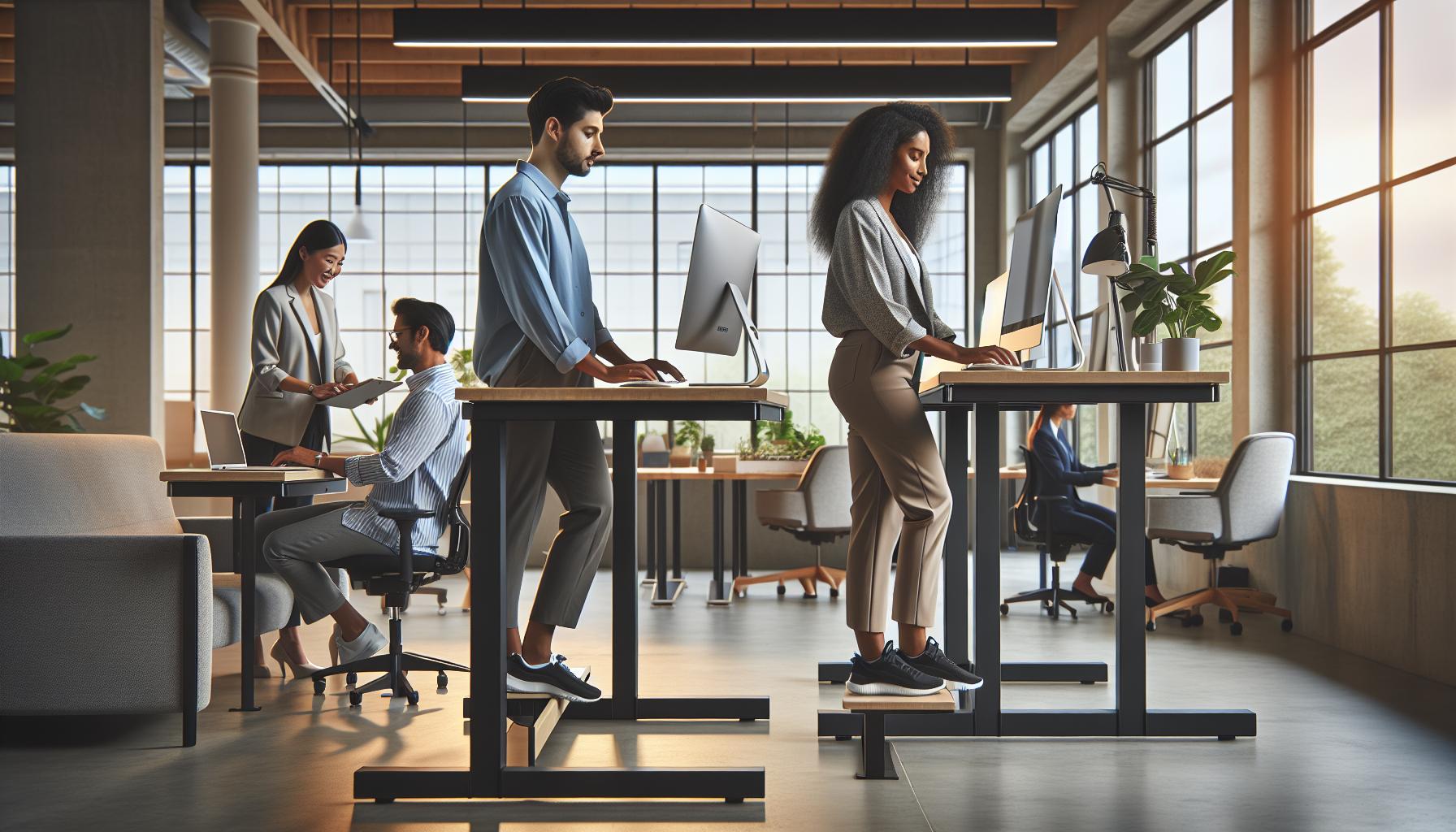
How Standing Desks Boost Energy Levels Throughout the Day
Shifting from a sedentary to a standing position during work hours can remarkably enhance energy levels throughout the day. Numerous studies have shown that using a standing desk leads to improved circulation, which not only helps deliver more oxygen to the brain but also uplifts overall stamina and vitality. This simple yet transformative change can reinvigorate the work environment, reducing that mid-afternoon slump that many experience after prolonged sitting.
When standing, the body activates muscles that are normally dormant while seated. This increased muscle engagement encourages blood flow, which can combat feelings of lethargy and boost natural energy levels. As you stand, small movements such as shifting your weight or light stretching can further enhance circulation, allowing you to stay alert and focused longer. Adding short walks or mild exercises during breaks can significantly amplify these benefits, rejuvenating both your body and mind.
Bridging the gap between physical activity and cognitive function, standing desk users often report greater mental clarity and focus. The act of standing can invigorate the mind, enhancing productivity and boosting creativity. A more engaged body translates to an engaged brain, leading to sharper decision-making and innovative thinking throughout your workday.
To tap into these energy-boosting benefits, consider implementing a few practical strategies:
- Start Gradually: Begin with a few hours of standing each day and adjust your schedule based on comfort levels. Aim for a mix of sitting and standing to find what energizes you best.
- Integrate Movement: Regularly remind yourself to shift positions or engage in short walks. This not only enhances energy but also helps break the monotony of desk work.
- Hydration and Nutrition: Staying hydrated and consuming balanced snacks can magnify your energy levels when combined with standing desk use.
- Create a Dynamic Workspace: Personalize your desk area with tools that encourage motion, such as a balance board or footrests. This can further enhance engagement and energy throughout the day.
By nurturing an active work lifestyle with a standing desk, you can sustain higher energy levels and achieve better mental clarity, making work not just productive but also enjoyable.
Reducing the Risk of Chronic Diseases: The Desk Dilemma
Prolonged periods of sitting are increasingly recognized as a contributor to chronic health conditions, but it’s essential to understand that simply switching to a standing desk may not be a panacea. While standing desks can help reduce sedentary behavior, research indicates that standing for long durations can pose its own risks. Specifically, a study highlighted that people who combined excessive sitting and standing-over 12 hours per day-experienced elevated risks of heart disease, stroke, and orthostatic diseases, suggesting that balance and movement are crucial for long-term health benefits.
To truly mitigate the risk of chronic diseases associated with sedentary behavior, it’s vital to incorporate a holistic approach to movement throughout the day. Engaging in regular physical activity, even in short bursts, can significantly reduce cardiovascular risks. This may involve integrating simple activities such as walking meetings, stretching sessions, or using a step counter to ensure you’re moving enough. It’s also worth considering the quality of movement; exercises that combine strength training and aerobic activities can promote cardiovascular health more effectively than prolonged standing alone.
Creating an ergonomic workspace that encourages movement is also instrumental. For instance, consider the following practical tips:
- Set Timers for Movement: Use a timer to remind you to move every 30 minutes. Stand up, stretch, or take a brief walk around your office.
- Utilize Active Sitting Options: Introduce stability balls or balance discs into your workspace, which can engage your core and promote activity even while seated.
- Encourage Walking Breaks: Set a schedule for walking breaks during long meetings, encouraging both standing and walking instead of sitting.
- Incorporate Workplace Challenges: Initiate fitness challenges among colleagues to motivate each other to stay active throughout the workday.
By recognizing that effective health management involves more than just the choice between sitting and standing, workplace wellness can be enhanced through a collective commitment to movement and healthful practices. Embracing this philosophy can lead not only to reduced risks of chronic diseases but also to improved overall vitality and productivity in the workplace. Balancing standing with movement and recognizing body signals for fatigue will encourage a more sustainable approach to health in the modern office environment.
Creating an Ergonomic Workspace for Your Standing Desk
Creating a workspace that enables comfort and productivity is vital for anyone transitioning to a standing desk. To truly reap the benefits of working in an upright position-enhanced focus, reduced fatigue, and improved posture-it’s essential to prioritize ergonomics in your environment. Simple adjustments can make a significant difference in your overall workstation experience.
A well-designed ergonomic workspace begins with the desk height, which should be adjusted so that your elbows remain at a 90-degree angle when you are typing. This alignment helps prevent strain on your shoulders and neck. Additionally, monitor placement is crucial; the top of your screen should align with your eye level, allowing you to maintain a neutral neck position. If a secondary screen is used, ensure it is at a similar height to minimize the risk of neck tension.
To further enhance ergonomics, consider the following tips:
- Footwear Matters: Wear supportive shoes to reduce fatigue that can result from standing for prolonged periods. Orthotic inserts can also offer additional cushioning.
- Use a Footrest: Alternating your weight between legs on a footrest can relieve pressure on your lower back and improve circulation.
- Design Intentional Layout: Keep essential items within arm’s reach to avoid excessive bending or stretching. This approach fosters a more natural workflow and minimizes physical strain.
- Incorporate Movement: Consider adding small under-desk tools like balance boards or standing mats to encourage slight shifts in posture and improve stability.
Creating a workspace that promotes healthy movement and posture is more than just standing-it’s about fostering an environment that encourages active engagement throughout your day. Integrating elements that reduce fatigue and promote comfort will empower you to maintain productivity without compromising your health, leading to a more enjoyable and sustainable workplace experience.
Practical Tips for Transitioning to a Standing Desk
Making the switch from a traditional seated workstation to a standing desk can significantly impact your health and productivity, but it requires thoughtful planning and gradual adjustments. One of the most effective strategies for easing into this transition is to implement a structured approach that balances standing with sitting, allowing your body to adapt without overwhelming discomfort.
Start by introducing standing gradually. Instead of standing all day immediately, aim for short intervals. Begin with 15 to 30 minutes of standing and then alternate with sitting. This approach helps your body acclimate to the new posture without excessive fatigue. Increase your standing time gradually, listening to your body’s signals; this strategy not only enhances comfort but also promotes good habits over time.
Set Up Your Ergonomic Workspace
An ergonomically designed workspace is crucial when transitioning to a standing desk. Adjust your desk height so that your elbows are at a 90-degree angle, and your monitor is at eye level. Incorrect setup can lead to strain on your neck and shoulders, counteracting the benefits of standing. Remember that your feet should be flat on the ground, or use a footrest to keep blood circulation optimal. Furthermore, consider investing in a standing mat for better comfort and support during long periods of use.
Utilizing proper footwear is essential as well. Choose supportive shoes that provide cushioning, which can significantly reduce fatigue during prolonged standing. Avoid flat shoes or high heels, which can compromise comfort and lead to foot pain.
Incorporate Movement
To maximize the benefits of a standing desk, incorporate movement throughout your day. Simple stretches or light exercises while at your workspace can help reduce the buildup of tension. Consider setting a timer to remind yourself to take short movement breaks every hour. This practice not only invigorates your body but also refreshes your mind, supporting better cognitive function and productivity throughout the day.
Additionally, using tools such as balance boards or under-desk ellipticals can promote movement while working. These small changes can enhance your overall experience, keeping you engaged and active while at your desk.
With these practical tips, transitioning to a standing desk can lead to measurable improvements in your physical health and overall well-being, creating a more productive and enjoyable work environment.
The Science Behind Improved Posture and Comfort
Making the switch to a standing desk can create a profound impact on your posture and comfort levels, providing significant benefits that translate into everyday wellness. Research indicates that standing desks encourage better alignment of the spine, reducing the risk of slouching that often occurs while sitting. When you stand, your core muscles engage more, promoting muscular balance and stability throughout your body. This shift leads to a more aligned posture, ultimately alleviating discomfort associated with prolonged sitting, such as lower back pain and neck strain.
Moreover, standing while working not only supports your physical health but also enhances cognitive function. Research shows that maintaining an upright posture can increase alertness, leading to improved mental clarity and concentration-key components for productivity in a busy work environment. Simply adjusting your desk to allow for standing can foster a more dynamic workspace and influence how you engage with your tasks.
To optimize your standing experience, it’s essential to establish an ergonomic workspace. Start by ensuring that your desk is at the correct height; your elbows should form a 90-degree angle when typing, and your monitor should sit at eye level. This alignment minimizes neck strain and encourages a natural curve in the spine. Pairing your standing desk with a footrest can also help alleviate pressure on your lower back, allowing for greater comfort during extended periods of standing. Over time, these adjustments can solidify the benefits of standing, creating a supportive environment that nurtures both physical health and mental well-being.
Incorporating additional strategies can enhance comfort further. Frequent movement-shifting your weight from one foot to the other, for instance-can reduce fatigue and promote blood circulation. Regular short breaks for stretching or walking can refresh your body and mind, allowing you to maintain focus and productivity. By making these small, deliberate changes, the journey to better posture and comfort becomes both manageable and rewarding, paving the way for a healthier work life.
Tips for Incorporating Movement While Using a Standing Desk
Incorporating movement while using a standing desk can significantly enhance your overall well-being, yet many don’t realize how simple and effective these strategies can be. Research shows that frequent movement not only combats the fatigue that often accompanies prolonged standing but also promotes better blood flow, essential for maintaining energy levels and cognitive performance throughout the day. By integrating a few practical habits, you can turn your workspace into a dynamic environment that supports both physical health and mental clarity.
One effective way to stay active is by incorporating short movement breaks into your routine. Aim to take a quick break every 30 to 60 minutes to stretch, walk, or perform light exercises. Simple activities, such as leg lifts, calf raises, or even a few minutes of walking around your office, can reinvigorate your body and mind. To remind yourself to move, consider setting a timer or using a productivity app that prompts you to take breaks. Creating designated movement times not only helps you stay active but also serves as a mental refresh, allowing you to return to your tasks with renewed focus.
You can also enrich your standing desk experience with tools that encourage movement. Consider using a balance board or an anti-fatigue mat, which can foster subtle shifts in weight and activate core muscles while you work. These tools help improve stability and strengthen muscles without compromising productivity. Additionally, try standing on one leg or shifting your weight from one side to the other for a minute or two; this simple practice cultivates balance and keeps your body engaged.
Lastly, leverage technology to boost your movement. Walking meetings or video conferences can easily be adapted to a standing desk environment, promoting mobility while discussing important matters. If feasible, you might even consider portable equipment like a treadmill desk, allowing you to walk slowly as you work. The key is to cultivate an active workplace mindset; staying engaged and moving throughout the day infuses energy into your tasks and paves the way for a happier, healthier work life.
Standing Desks: A Step Towards Stress Reduction
Research indicates that standing desks can play a vital role in reducing stress levels within the workplace. By encouraging movement and promoting a more dynamic work environment, standing desks may help alleviate the physical discomfort often associated with prolonged sitting, which in turn can alleviate mental stress. Sitting for extended periods has been linked to feelings of fatigue and lethargy; standing desks provide an effective solution by allowing more physical activity throughout the day, which boosts mood-enhancing endorphins and can enhance overall mental well-being.
Benefits of Movement for Mental Health
Incorporating standing desks into your daily routine is not just about changing your posture, but also about rethinking how you interact with your workspace. Taking breaks to stand and move can significantly impact your stress levels. Here are some practical tips for maximizing these benefits:
- Set Movement Reminders: Use alarms or apps to remind you to stand and stretch every hour.
- Engage in Stretching: Simple stretches can relieve tension and reset your mental focus.
- Walk While You Talk: Whenever you have calls or virtual meetings, consider pacing around your space to keep moving and offline distractions minimal.
By making small, intentional adjustments in your routine, you can create a healthier relationship with your workspace that reduces stress while promoting productivity.
The Role of Ergonomics
Designing an ergonomic workspace is crucial for maximizing the stress-reducing benefits of standing desks. Proper alignment not only promotes comfort but also empowers better focus and energy levels. To set up an ergonomic standing desk:
- Adjust the Height: Ensure your desk height allows your elbows to be at a 90-degree angle.
- Position Your Screen: The top of your monitor should be at or slightly below eye level to avoid neck strain.
- Use Anti-Fatigue Mats: These can help reduce stress on your feet and joints, making standing more comfortable.
These adjustments will not only enhance your physical comfort but also contribute to a calmer, more focused mental state.
In summary, standing desks can indeed be a strategic tool for stress reduction. By facilitating a more active work environment, improving ergonomics, and integrating movement, you can foster a workplace that supports both mental clarity and emotional resilience. Making conscious choices in your work habits can transform your daily grind into a more enjoyable, productive experience.
Maximizing Productivity with Standing Desks
Implementing a standing desk can be a game-changer for enhancing workplace productivity. Research consistently shows that the ability to alternate between sitting and standing promotes greater engagement and focus, directly impacting your output. For instance, a study from Texas A&M University indicated that employees utilizing sit-stand desks were 46% more productive compared to their seated counterparts[2[2]. This is not just about physical posture; it’s about creating a physiological environment that fosters cognitive clarity and sustained energy.
To leverage your standing desk effectively, it’s essential to incorporate both ergonomic principles and movement during your workday. Start by ensuring your desk height allows for proper alignment-your elbows should be at a 90-degree angle while typing, and your monitor should be positioned at eye level. This setup minimizes physical strain, allowing for longer periods of effective work. Incorporating low-impact movements, such as shifting your weight from one foot to the other or using an anti-fatigue mat, can keep your blood circulating and prevent fatigue, enhancing overall cognitive function and productivity.
A great way to maximize productivity is by adopting structured movement breaks. Evidence suggests that short, purposeful intervals of activity throughout the day can improve mental acuity and reduce burnout. For example, consider scheduling a five-minute break every hour where you stretch or take a brisk walk. This simple practice not only re-energizes your mind but also helps assimilate new information more effectively, thereby boosting your performance[2[2].
In crafting a dynamic workspace that promotes these practices, you can enrich your experience. Fostering an environment that encourages quick stand-up meetings or collaborative brainstorming sessions around a desk can help create a culture of movement and productivity. As you adapt to using a standing desk, stay mindful of your body’s cues-learning to listen to your discomfort and adjusting your routine can lead to sustainable productivity enhancements. With the right approach, your standing desk will not just change your posture; it will revolutionize your workday!
Exploring the Long-Term Effects of Standing vs. Sitting
Long-term effects of standing versus sitting in the workplace present critical considerations for anyone dedicated to enhancing their health and productivity. Research indicates that prolonged sitting is linked to various health issues, including obesity, cardiovascular disease, and type 2 diabetes. Conversely, implementing standing desks can serve as a proactive approach to mitigate these risks. By reducing sedentary behavior, office workers may not only improve their physical well-being but also enhance mental clarity and overall productivity.
Studies suggest that alternating between sitting and standing can lead to significant long-term benefits. For instance, participants in a study who engaged in regular standing reported lower levels of discomfort and pain in their back, neck, and shoulders compared to their seated counterparts. Additionally, incorporating varying postures throughout the day fosters better circulation and may help regulate blood sugar levels after meals, reducing the risk of metabolic syndrome over time [1[1].
Moreover, the cognitive benefits of standing desk usage extend beyond just physical health. An environment that promotes mobility and engagement can catalyze improvements in mood and productivity, making employees more attentive and focused. This cognitive boost is linked to neuroplasticity-the brain’s ability to adapt and change-which is enhanced by a more dynamic work environment. Regular movement, such as standing or walking, encourages blood flow to the brain, potentially leading to improved memory and cognitive functions.
To truly capitalize on the benefits of standing desks, it is essential to create a balanced approach that incorporates ergonomic principles alongside healthy movement habits. Setting your desk at the correct height and incorporating anti-fatigue mats can make a measurable difference, enabling you to reap the rewards without experiencing discomfort. Additionally, consider establishing a routine that includes frequent movement breaks, allowing your body to reset and recharge. This multi-faceted strategy helps not only in minimizing discomfort but also in maintaining long-term health and cognitive sharpness while combating the adverse effects associated with prolonged sitting.
Faq
Q: What are the health risks associated with prolonged sitting?
A: Prolonged sitting is linked to several health risks, including obesity, heart disease, and diabetes. It can also contribute to poor posture, back pain, and increased likelihood of chronic conditions, highlighting the importance of incorporating standing and movement throughout the day to counteract these effects.
Q: How does using a standing desk impact productivity?
A: Using a standing desk can enhance productivity by increasing energy levels and focus. Studies indicate that standing while working may lead to improved task completion and greater overall job satisfaction, benefiting both personal well-being and workplace efficiency.
Q: Can standing desks help with pain relief?
A: Yes, standing desks can alleviate pain, especially for those with lower back discomfort. Alternating between sitting and standing encourages better posture and reduces strain on the spine, leading to diminished discomfort and improved overall comfort levels during work.
Q: Are there specific exercises to do while using a standing desk?
A: Incorporating simple exercises like calf raises, desk push-ups, or stretching at regular intervals can enhance circulation and reduce fatigue while using a standing desk. Consider setting a timer to remind yourself to move every 30 minutes for optimal health benefits.
Q: How can standing desks affect mood and mental health?
A: Standing desks can positively influence mood and mental health by reducing feelings of fatigue and lethargy. Increased blood flow and movement are associated with enhanced cognitive function and a reduction in anxiety, promoting a more positive work environment.
Q: What is the best way to transition to a standing desk?
A: Start by gradually increasing standing time; begin with 15-30 minutes of standing each hour and slowly increase this duration. Pair standing with movement, like walking around, to enhance comfort and acclimatize your body to this new working position.
Q: Are there any downsides to using standing desks?
A: While standing desks offer many benefits, prolonged standing can lead to discomfort or fatigue in some individuals. It’s essential to alternate between sitting and standing, maintain ergonomic posture, and incorporate movement to avoid strain from extended standing.
Q: How can I set up an ergonomic workspace for a standing desk?
A: To create an ergonomic workspace, adjust your desk so the top is at elbow height, keep your screen at eye level, and use a footrest to shift weight between legs. Ensure that your keyboard and mouse are positioned comfortably to reduce strain while working.
Wrapping Up
By incorporating a standing desk into your work routine, you can significantly enhance your health and productivity. This simple change not only reduces sedentary behavior but also improves your mood, energy levels, and even cognitive function over time. Don’t let the opportunity slip away to transform your workspace for the better! Consider exploring our guides on setting up ergonomic workspaces and discovering additional biohacking techniques that promote wellness and brain health.
Ready to take the next step? Dive deeper into the topic by checking out our articles on managing workplace stress and enhancing overall brain performance. Join our community by signing up for our newsletter for the latest insights and strategies tailored for a healthier work life. Share your experience in the comments below or spread the word among colleagues who might benefit from this information as well. Your path to better health and productivity starts with informed choices-let’s embrace them together!