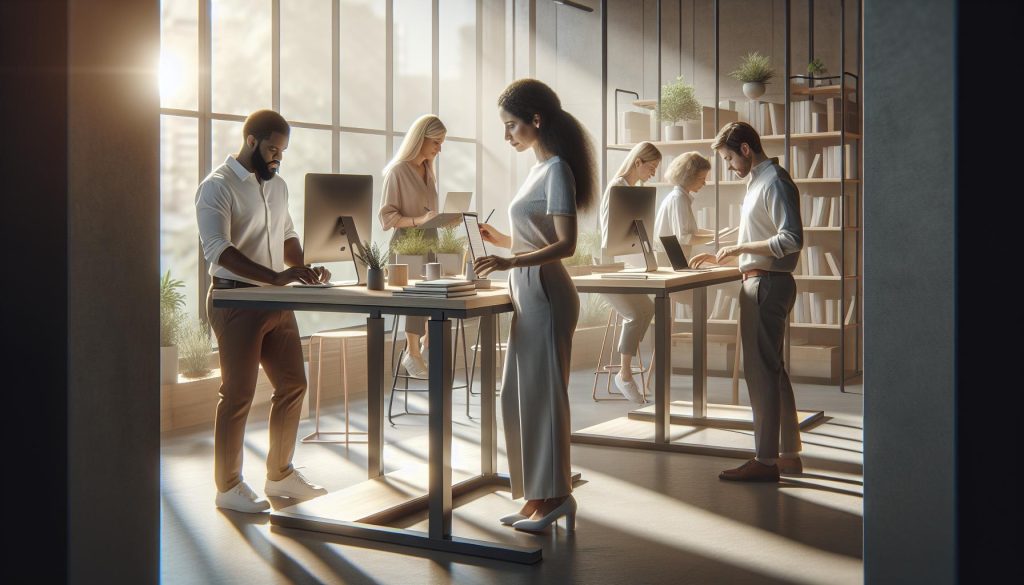
In today’s fast-paced work environment, many of us are spending more hours sitting than ever before. Recent studies suggest that increasing your daily activity, even through something as simple as standing desks, can significantly impact both physical well-being and cognitive performance. This article explores real results from over 1000 office workers who made the switch to standing desks, uncovering their experiences and the tangible benefits they found. From reduced discomfort to improved focus, the evidence is compelling. Whether you’re seeking to enhance productivity or simply ease the strain of a sedentary lifestyle, understanding how standing desks might fit into your routine is essential. Join us as we delve deeper into this transformative approach to workspace wellness and discover how standing desks can support your health and productivity goals.
Understanding the Benefits of Standing Desks
Switching to a standing desk could be one of the simplest yet most effective changes in your workspace that promote wellness. Research has shown that office workers who shift from traditional sitting desks to standing desks report a range of benefits, including increased energy levels, improved mood, and better focus. Notably, standing desks encourage movement, which is essential for maintaining overall health and combating the sedentary lifestyle that many of us lead in modern workplaces.
One of the key advantages of standing desks is their ability to alleviate some of the physical strain associated with prolonged sitting. By positioning yourself upright, you engage different muscle groups and can help reduce the risk of obesity-related issues and chronic illnesses. Studies reveal that even modest reductions in sitting can lead to a decrease in the risk of certain diseases, contributing to long-term health benefits. Additionally, standing desks can aid in better postural health, reducing the incidence of back pain and discomfort that often plagues office workers.
Incorporating a standing desk into your routine can also have profound effects on cognitive function. The increased blood flow associated with standing is thought to enhance brain function, leading to improved concentration and productivity. Many users report feeling more alert and less fatigued throughout the day when using a standing desk, which can help maintain engagement and creativity during work tasks. To maximize these benefits, consider alternating between sitting and standing, as this balance allows for consistent energy levels while minimizing fatigue.
While transitioning to a standing desk brings numerous advantages, it’s crucial to adopt ergonomic best practices. This includes adjusting your monitor to eye level, keeping your keyboard at a height that promotes natural wrist alignment, and wearing supportive footwear. Remember, it’s not just about standing more but standing smartly. Being attentive to how you integrate this new setup can help you enjoy the many benefits that standing desks have to offer without compromising your well-being.
Key Findings from the 1000+ Office Worker Study
Research involving over 1000 office workers has unveiled compelling insights into the transformative effects of standing desks. A significant percentage of participants reported experiencing enhanced energy levels and overall mood improvement after making the switch from traditional seating arrangements. This shift not only fostered greater engagement during work hours but also facilitated a more dynamic work environment, effectively counteracting the fatigue often associated with prolonged sitting.
One of the standout findings from the study was the correlation between standing desk usage and decreased instances of discomfort, especially in the lower back and neck. Respondents noted a substantial reduction in pain levels, which many attributed to the increased mobility and changes in postural dynamics that standing allows. Additionally, the flexibility to alternate between sitting and standing was highlighted as a crucial factor in maintaining comfort and productivity throughout the workday.
The impact of standing desks on cognitive function should not be overlooked. Participants indicated that standing led to improved concentration and creativity, as the increase in blood flow is believed to enhance brain function. Workers reported feeling more alert and capable of sustaining focus on tasks, creating an environment conducive to innovation and problem-solving. This sustains the notion that physical health and cognitive performance are deeply interconnected.
Ultimately, these findings not only underscore the benefits of integrating standing desks into the workplace but also advocate for a holistic approach to work ergonomics. Implementing a standing desk can be a straightforward yet effective strategy to enhance well-being and productivity, demonstrating that small changes in our work environment can yield significant health benefits.
Impact of Standing Desks on Physical Health
Research suggests that simply changing how we occupy our workspaces-from sitting to standing-can lead to significant improvements in physical health. One of the primary benefits that emerged from the study involving over 1000 office workers was the marked decrease in musculoskeletal discomfort, particularly in areas like the neck and lower back. This reduction in pain is attributed to the shift in posture that standing desks afford, as being upright encourages better spinal alignment and reduces the strain that prolonged sitting can impose.
Enhanced Mobility and Flexibility
Standing desks also promote increased mobility throughout the day. When workers can alternate between standing and sitting, they are more likely to engage in micro-movements-simple shifts in weight, stretching, or even walking short distances-which can help mitigate the risks associated with sedentary behavior. Over time, these small adjustments can contribute to better overall health by improving circulation, aiding digestion, and reducing the likelihood of cardiovascular issues.
Implementing Safe and Effective Use
To maximize the health benefits of standing desks, consider these key practices:
- Ergonomic Setup: Ensure the desk and computer screen are set at a height that allows for a neutral wrist position and proper eye level to reduce strain.
- Footwear Matters: Wearing supportive shoes can help alleviate discomfort associated with prolonged standing. Cushioned mats can also provide relief.
- Scheduled Breaks: Plan regular breaks to sit, stretch, and move around to keep the body engaged and rejuvenated.
While standing desks provide substantial physical health benefits, it’s crucial to recognize the importance of listening to your body. If discomfort arises, it’s wise to consult a healthcare professional to tailor a regimen that aligns with your personal health needs and work demands. Accessing these small yet powerful changes in how we work can foster a healthier, more active lifestyle, aiding not just physical wellness but enhancing overall quality of life.
How Standing Desks Affect Mental Well-being
The mental health benefits of standing desks are gaining recognition in today’s workplace, supported by emerging research indicating that changing our physical posture can have positive effects on our cognitive functioning. One compelling aspect noted in studies of over 1000 office workers is that shifting to a standing desk not only reduces physical discomfort but also enhances overall mood and mental clarity. This effect is often attributed to the increased circulation and oxygen flow associated with standing, which can lead to improved brain function.
Incorporating standing desks into the work environment can significantly reduce feelings of fatigue and lethargy, often caused by prolonged sitting. When employees alternate between sitting and standing, they tend to report higher energy levels and improved focus throughout the day. This can be particularly beneficial during periods of intense concentration or creativity, where a boost in energy can translate to greater productivity and innovative thinking. Furthermore, the act of standing itself has been linked to reducing stress levels, as it encourages a more dynamic and engaged work routine.
To maximize these psychological benefits, consider adopting these practices:
- Mindful Transitions: Alternate between sitting and standing mindfully. Use a timer or schedule reminders to change your position regularly, ideally every 30-60 minutes.
- Personalize Your Space: Make your workspace inviting and personalized-add elements that inspire you, such as plants, motivational quotes, or personal photographs, which can enhance mood and creativity.
- Incorporate Movement: Take short walks or do stretches during standing breaks to invigorate your mind and body. Engaging in brief periods of physical activity can stimulate endorphin release, further improving mental well-being.
While adopting a standing desk can be beneficial for mental health, it’s essential to listen to your body and address discomfort promptly. Consulting with a healthcare professional or an ergonomic specialist can ensure that your setup is conducive to both comfort and cognitive efficiency. By making informed adjustments in your workspace and being proactive about movement and posture, you can create an environment that fosters not just physical health but also a thriving mental state.
Boosting Productivity with Standing Desks
The shift to standing desks in workspaces has garnered attention not just for its physical health benefits, but equally for its potential to enhance productivity. In a recent study involving over 1,000 office workers, many reported noticeable improvements in their work output after switching to standing desks. The reasons behind this productivity boost are multi-faceted, intertwining aspects of physical activity, focus, and even workplace dynamics.
One of the core advantages is the increase in energy levels that typically accompanies standing work. When workers alternate between standing and sitting, they often experience less fatigue and a greater sense of engagement. This heightened energy can directly translate to improved task performance, particularly during periods requiring intense concentration or creativity. The key lies in optimizing the standing desk experience; the process of switching positions and maintaining movement keeps the body active, which in turn helps maintain cognitive alertness. As noted in the findings, individuals felt a new level of focus that often led to more efficient workflows and higher quality outputs.
To fully harness the productivity benefits of standing desks, consider the following practical strategies:
- Create Routine Shifts: Encourage regular movement by scheduling standing intervals throughout the day. Setting a timer or using productivity apps can remind users to alternate positions every 30 to 60 minutes, optimizing energy and focus.
- Engage with Technology: Utilize software tools that promote better task management during standing periods. Applications like Trello or Asana can enhance organizational skills and drive motivation while standing.
- Customize Your Space: Personalize the standing desk setup with inspiring decor, ergonomic accessories, and tools that motivate focus-think of elements like standing supports, screen risers, and comfortable mats that encourage longer standing durations.
While standing desks can indeed aid productivity, it’s important to listen to one’s body and prioritize comfort to maintain a sustainable work practice. Balancing standing with mindful sitting can prevent fatigue and discomfort, ultimately fostering a more dynamic and successful workday. As businesses continue to prioritize employee wellness, promoting the effective use of standing desks is a step toward not just improved health outcomes, but enhanced organizational productivity.
Ergonomic Best Practices for Standing Desk Setup
Creating an optimal standing desk setup goes beyond merely elevating your workspace; it’s about crafting an environment that supports your body, fosters productivity, and enhances overall well-being. Ergonomics is the science of fitting the workspace to the person, and this principle is vital when transitioning to a standing desk. Adopting proper ergonomic practices can help reduce strain, prevent discomfort, and maximize both cognitive function and work efficiency.
To begin, your standing desk should be set at a height that keeps your elbows at a 90-degree angle. This alignment ensures that your wrists are straight, promoting better blood flow and reducing the risk of repetitive strain injuries. Additionally, your screen should be at eye level, approximately 20 to 30 inches from your eyes, to avoid neck strain. A screen riser or adjustable monitor arm can enhance this setup, allowing for quick adjustments throughout the day.
Another critical aspect involves your feet and posture. Standing on a cushioned mat can alleviate pressure on your feet and joints, providing comfort during longer periods of standing. Regularly shifting your weight from one foot to the other and using a footrest can further encourage movement and reduce fatigue. Consider adding movement into your routine by incorporating small exercises or stretches every hour, as this can help maintain energy levels and improve circulation.
Lastly, personalize your standing desk environment with ergonomic accessories. Use adjustable desks that allow you to alternate between sitting and standing, ensuring you don’t remain static for too long. Accessories like monitor stands, keyboard trays, and anti-fatigue mats can also play a role in creating a comfortable workspace tailored to your needs. By integrating these best practices, you not only cultivate a physically supportive setting but also create a space where focus is enhanced, and productivity naturally flourishes.
Incorporating Movement into Your Workday
is crucial for maximizing the benefits of a standing desk and enhancing overall well-being. Research indicates that integrating physical activity throughout the day can significantly improve mood, energy levels, and focus. Simple strategies can help you seamlessly merge movement into your daily routine, reducing the sedentary nature of traditional office work.
Start by setting a timer to remind you to move every 30 to 60 minutes. During these breaks, engage in brief activities like walking around the office, doing light stretching, or performing simple strength exercises such as calf raises or squats. These short bursts of movement not only refresh your mind but also improve your circulation and prevent stiffness. Consider incorporating a movement snack – a 5-minute burst of activity that can include walking in place, using a resistance band for strength, or simply bouncing on the balls of your feet.
Additionally, you might explore the benefits of active meetings. Instead of sitting at a conference table, suggest walking meetings when possible. Walking stimulates creativity and can lead to more dynamic discussions. Similarly, using a walking desk or a treadmill desk, if available, can encourage more extended periods of movement throughout your workday.
To further enhance your work environment, consider using ergonomic accessories designed to promote mobility. For example, an anti-fatigue mat can encourage you to shift your weight and engage your leg muscles while standing. Standing desk converters allow you to transition seamlessly between sitting and standing, giving you the flexibility to choose the best position for your body throughout the day.
In summary, actively incorporating movement into your work routine not only leverages the benefits of standing desks but also fosters a culture of health and productivity. This holistic approach contributes not just to your physical health but also enhances mental clarity and workplace satisfaction, making it an essential aspect of modern work culture.
Comparing Standing Desks to Traditional Desks
The debate between standing desks and traditional desks is not just about preference; it hinges on substantial evidence supporting the benefits of a more dynamic work environment. An overwhelming number of office workers report improvements in physical health and well-being when they switch from a sedentary setup to a standing desk. For instance, a recent study involving over 1,000 office workers found that those utilizing height-adjustable desks experienced reduced back pain and increased energy levels compared to their seated counterparts.
One key differentiation lies in how these workstations can influence posture and comfort. With traditional desks, many individuals suffer from poor posture, leading to discomfort and long-term musculoskeletal issues. Standing desks, facilitated by ergonomic design, encourage proper alignment of the spine, promoting a more natural posture. Therefore, investing in a standing desk can be a strategic move not only for immediate comfort but also for long-term health benefits.
Physical Impact on Health
Switching from a traditional desk to a standing setup can result in physical transformations. Regular use of standing desks has been associated with:
- Reduced risk of weight gain and obesity, as standing burns more calories compared to sitting.
- Lower blood sugar levels, promoting healthier metabolic function.
- Decreased risk of cardiovascular disease through improved circulation.
Cognitive and Productivity Gains
Beyond the effects on physical health, standing desks also have a notable impact on mental well-being and productivity. Users have reported experiencing greater focus and mental clarity when alternating between sitting and standing throughout the day. Traditional desks often lead to fatigue and decreased motivation, which can stifle creativity and efficiency. In contrast, the flexibility of standing desks allows workers to engage in “active sitting” or standing, enabling them to stay alert and stimulated.
In summary, while traditional desks have long been the standard for office setups, standing desks present a robust alternative backed by substantial findings. Their ability to foster better posture, enhance physical health, and improve cognitive function makes them an appealing choice for those seeking to create a more dynamic and health-oriented workspace. As you consider your own work environment, remember that the power to boost well-being and productivity may lie in your choice of desk.
Potential Challenges and Solutions for Users
The transition to a standing desk can bring numerous benefits, but it’s not without its challenges. Many users report initial discomfort or fatigue when adjusting to standing for extended periods. Adapting to this new standing position requires a thoughtful approach to ensure optimal comfort and productivity. One key issue is foot and leg fatigue. Prolonged standing can lead to discomfort due to inadequate support and lack of movement. It’s crucial for users to invest in supportive footwear and consider using anti-fatigue mats, which can significantly enhance comfort by providing cushioning and stability.
To further combat fatigue, alternating between sitting and standing throughout the day is essential. Establishing a routine where you change positions every 30 to 60 minutes can help maintain energy levels and reduce strain on the body. Monitoring your mental and physical responses as you transition will allow you to find the balance that works for you. Some people may also experience discomfort in their lower back or shoulders as they adjust their posture. Regular breaks, stretching, and adjusting the height of your desk according to your body mechanics can alleviate these issues.
Incorporating movement into your workday can also mitigate many challenges associated with standing desks. Simple practices like walking around during phone calls, performing stretches, or even integrating a mini exercise routine can break the monotony of standing still. It’s a dynamic approach that not only supports physical health but also enhances cognitive function by keeping the blood flowing and the mind engaged.
Lastly, it’s important to listen to your body and seek professional guidance if discomfort persists. Consulting with a healthcare provider or ergonomics specialist can provide personalized recommendations to optimize your workspace. Embracing the journey of transitioning to a standing desk requires patience and adjustments, but with the right strategies, users can create a more comfortable and productive work environment.
User Testimonials: Real Experiences with Standing Desks
Experiences shared by office workers transitioning to standing desks reveal a tapestry of transformative stories, each adding valuable insights into the overall impact of these workstations. In one survey, workers noted a striking shift in both their physical comfort and mental clarity. Many participants reported that after just a few weeks of regular use, they experienced reduced back pain and increased energy levels. For instance, a marketing professional shared, “I used to feel drained by mid-afternoon, but now I have sustained energy throughout the day. It feels liberating to stand while I work!”
Additionally, the qualitative benefits extend to mental well-being. A software developer mentioned, “Switching to a standing desk has helped me stay more focused. I find that I’m less likely to scroll through social media when I’m on my feet.” This sentiment reflects a growing trend where workers recognize that standing while engaging with their tasks can keep distractions at bay, leading to heightened productivity.
Still, the journey isn’t universally smooth; countless testimonies also caution against overdoing it. A teacher emphasized the importance of balance: “While standing desks offer fantastic benefits, my feet would ache if I stood all day without breaks. I’ve learned to alternate every hour and take short walks during breaks.” This highlights the essential practice of pacing oneself during the transition to manage fatigue effectively and ensure ongoing comfort.
For those considering making the switch, users suggest creating a personalized approach. Setting up the workspace with ergonomic principles-such as screen height, keyboard placement, and foot positioning-can significantly enhance the experience. Many users advocate for using anti-fatigue mats as well, further advocating for a tailored solution to maximize both health benefits and productivity. Through a community of shared experiences, the conversation around standing desks continues to evolve, encouraging a mindful approach to workplace health and well-being.
Long-Term Effects of Standing Desk Use
The transition to standing desks has sparked considerable interest, not just for immediate comfort, but for their long-term effects on health and productivity. Research indicates that the prolonged use of standing desks can lead to notable improvements in various aspects of physical and mental well-being. Many users report that over time, chronic issues such as back pain diminish significantly, while energy levels stabilize throughout the day, promoting a more active lifestyle. For instance, one office worker detailed how her posture improved dramatically within months, leading to less lethargy and an overall boost in her sense of well-being.
Physical Health Improvements
Long-term users of standing desks often observe enhanced cardiovascular health and decreased risk of weight gain. Standing burns more calories compared to sitting, which can contribute to better weight management over time. Alongside this, users frequently experience increased muscle engagement, particularly in the back, core, and legs, which fosters better muscle tone and endurance. A sustained practice of alternating between standing and sitting can mitigate discomfort and reduce the risk of musculoskeletal disorders, a common complaint among office workers. Incorporating brief movements, such as stretching or walking, enhances these benefits by promoting circulation and alleviating tension.
Mental Well-being and Productivity
Beyond physical health, the long-term use of standing desks has positive implications for mental clarity and productivity. Users report sustained focus and creativity, attributing these benefits to the stimulation of blood flow and oxygen to the brain. Many individuals find that the act of standing keeps them more engaged in their tasks, translating to fewer distractions such as mindlessly scrolling through screens. Moreover, studies have shown that alternate working postures can stimulate cognitive function, boosting overall job performance. Establishing a daily routine that includes standing periods may help users create a productive rhythm, enabling them to tackle challenging tasks with renewed vigor.
Strategies for Successful Transition
To maximize the benefits of transitioning to a standing desk in the long run, consider the following strategies:
- Alternate Between Sitting and Standing: Rather than standing all day, aim to switch positions every 30-60 minutes to keep fatigue at bay.
- Practice Good Ergonomics: Ensure your desk and screen height are adjusted appropriately to avoid strain. Use anti-fatigue mats for enhanced comfort.
- Incorporate Movement: Regularly engage in light exercises or stretches during work hours to maintain circulation and relieve tension.
- Monitor Your Body: Pay attention to signs of discomfort or fatigue, and adjust your habits accordingly. Consult a healthcare professional if persistent issues arise.
Incorporating these practices will not only enhance the positive effects of standing desks but also promote a healthier, more dynamic work environment where occupants thrive both mentally and physically. The key lies in balance-a harmonious blend of sitting, standing, and movement to optimize overall wellness in the workplace.
Future Trends in Workspace Design and Health
As workplaces evolve, so does the understanding of health and productivity, leading to a paradigm shift in workspace design that prioritizes well-being. The latest trends indicate a move towards integrating standing desks as a core component of office environments, fostering a shift towards healthier work habits. The focus is increasingly on multifunctional spaces that blend standing and seated work, promoting user engagement, movement, and psychological comfort. This dynamic approach not only aims to combat sedentary lifestyles but also enhances overall cognitive performance, encouraging workers to be more active and alert throughout their day.
Research from various studies emphasizes the importance of ergonomic design, advocating for adjustable desks that allow employees to personalize their workstations. By customizing their environments, users can choose when to engage in standing or sitting, eliminating fatigue and discomfort often associated with prolonged static postures. Innovations such as sit-stand timers and desk accessories that promote stretch breaks are gaining traction, embodying a holistic approach to ergonomics that not only increases physical comfort but also mental clarity. This customization not only addresses immediate concerns like back pain but also contributes to the long-term health of employees.
Moreover, as organizations recognize the connection between physical health and mental wellness, there is a burgeoning interest in workplace biophilic design-bringing elements of nature into the workspace. The incorporation of natural light, greenery, and open spaces has been shown to improve mood and reduce stress levels. Companies are investing in health-oriented programs and digital wellness tools that guide employees on optimizing their standing desk setup, incorporating movement, and practicing mindfulness during work hours. These initiatives cultivate an environment where employees feel valued and empowered, promoting higher engagement and productivity.
Finally, the rise of remote and hybrid work arrangements continues to shape the conversation around workplace design. As employees seek commonsense solutions for wellness at home, the demand for standing desks and ergonomic furniture is greater than ever. Businesses must adapt to this trend by providing tools and resources that support healthy remote work practices. Encouraging a culture of movement-whether through flexibility in work locations, virtual wellness challenges, or regular breaks for physical activity-will not only enhance individual health outcomes but also create a resilient workforce equipped to thrive in an ever-changing work landscape.
Faq
Q: Do standing desks really improve posture?
A: Yes, using a standing desk can help improve posture by encouraging better alignment of the spine and reducing the need to slouch. To maximize this benefit, ensure your desk is at the correct height and your screen is at eye level. For more ergonomic tips, check our section on Ergonomic Best Practices.
Q: How long should I use a standing desk each day?
A: It’s recommended to gradually increase your standing time to about 4 hours a day, mixing standing with sitting. This balance helps prevent fatigue and maintains comfort. Explore our tips on Incorporating Movement into Your Workday for effective strategies.
Q: Can standing desks help reduce back pain?
A: Yes, standing desks can alleviate back pain for some users. They promote movement and reduce the time spent sitting. For long-term pain management, consider incorporating stretching and ergonomic adjustments. Refer to our section on Impact of Standing Desks on Physical Health for more insights.
Q: Are standing desks beneficial for weight loss?
A: Standing desks may contribute to weight loss by increasing calorie expenditure compared to sitting. However, they should be part of a comprehensive approach that includes regular exercise and healthy eating. Check our article for more strategies on workplace wellness.
Q: What are the downsides of using a standing desk?
A: Potential downsides include fatigue, foot pain, or discomfort if used excessively without breaks. It’s crucial to alternate between sitting and standing, and to use anti-fatigue mats. For solutions to common challenges, visit our section on Potential Challenges and Solutions for Users.
Q: How can I make my standing desk more comfortable?
A: To improve comfort, adjust the desk height so your elbows are at a 90-degree angle and use an anti-fatigue mat. Make sure your monitor is eye-level to avoid neck strain. Additional ergonomic tips can be found in our Ergonomic Best Practices for Standing Desk Setup.
Q: Can the use of standing desks boost productivity?
A: Yes, many users report increased focus and energy levels with standing desks, which can lead to enhanced productivity. Incorporating movement and regular breaks can further help in maintaining high productivity throughout the day. Learn more about Boosting Productivity with Standing Desks in our article.
Q: How do standing desks impact mental health?
A: Standing desks can positively influence mental health by potentially reducing feelings of fatigue and enhancing alertness. This, in turn, can increase motivation and mood levels. For a deeper understanding, refer to our section on How Standing Desks Affect Mental Well-being.
Concluding Remarks
In conclusion, the insights from over 1,000 office workers reveal that standing desks can significantly bolster workplace wellness, enhance productivity, and alleviate the physical strain associated with prolonged sitting. By integrating these ergonomic solutions into your routine, you can foster a healthier work environment and experience the benefits firsthand. If you’re curious about optimizing your workspace further, check out our step-by-step guide on setting up a standing desk or explore our articles on cognitive performance and stress management.
Now is the perfect time to take action-consider investing in a standing desk today and witness the transformation in your daily productivity and well-being. For ongoing support and expert tips on workplace wellness, don’t forget to subscribe to our newsletter! Engage with us by sharing your experiences or questions in the comments below, and explore more about workplace ergonomics, healthy habits, and the science behind optimal brain health for maximum performance. Your journey toward a more energized and productive work life starts now!