
In today’s fast-paced work environment, standing desks have surged in popularity, touted as a simple solution to boost productivity and enhance employee wellness. While many workers are eager to adopt this trend, the real question looms: do standing desks genuinely improve focus and efficiency? Research indicates that a well-designed standing desk can transcend mere aesthetics, potentially transforming not only your workspace but also your cognitive performance. As you navigate through your daily tasks, the urge to find strategies that enhance productivity and reduce the toll of sedentary lifestyles becomes increasingly important. Join us as we delve into the surprising truths about standing desks, unpacking evidence and insights that can help you make informed choices for your workspace, all while fostering a healthier work-life balance.
Understanding the Science Behind Standing Desks
Integrating standing desks into our daily routines can sometimes feel revolutionary, especially considering the alarming rise of sedentary lifestyles in modern work environments. A growing body of research underscores the potential benefits of standing desks not only for physical health but also for overall productivity. When employees have the option to alternate between sitting and standing, they may experience decreased physical discomfort, such as back pain, and improvements in focus and engagement during tasks.
Studies reveal that a sit-stand desk intervention can lead to significant reductions in sitting time during work hours. For instance, research conducted in England indicates that introducing sit-stand desks improved various health measures, including neck and shoulder pain relief and enhanced vitality related to work engagement [[1]](https://pmc.ncbi.nlm.nih.gov/articles/PMC8582919/). Additionally, standing desks can activate different muscle groups, promoting blood circulation and reducing feelings of fatigue, which in turn can contribute to enhanced cognitive performance. A study from Texas A&M University highlights that standing desks not only alleviate physical symptoms but may also increase workers’ productivity, as seen with immediate changes in energy levels and overall motivation [[3]](https://stories.tamu.edu/news/2024/07/24/does-the-type-of-workstation-you-use-make-a-difference-in-your-health-and-productivity/).
To maximize the benefits of standing desks, it’s crucial to focus on ergonomics and proper setup. Ensure that the desk height allows your elbows to rest comfortably at a 90-degree angle and that your screen is at eye level to minimize strain on your neck. Integrating movement into your standing routine-such as periodically stretching or walking-can further amplify the advantages gained from alternating between seated and standing positions. This multifaceted approach not only fosters physical health but also harnesses the brain’s neuroplasticity, empowering individuals to adapt to new work habits for improved mental clarity and focus throughout the day.
The Impact of Standing Desks on Productivity
The introduction of standing desks into the workplace often coincides with a surge in energy and productivity. Rather than succumbing to long hours of sitting, employees who alternate between standing and sitting actively engage their bodies, leading to enhanced focus and motivation. Numerous studies have underscored the notion that standing desks can significantly contribute to improved productivity. For instance, one notable study indicated that participants using standing desks reported an increase in energy levels and a decrease in feelings of fatigue compared to those confined to traditional seating arrangements.
Moreover, the ergonomic benefits of standing desks play a crucial role in this productivity boost. When properly set up, standing desks promote a more natural posture, which can alleviate discomfort and distraction due to poor spinal alignment or repetitive strain injuries. This improvement in physical comfort allows workers to concentrate on their tasks without the nagging pain that often accompanies prolonged sitting. To fully harness these benefits, workers should ensure that their desks are set to the correct height, allowing their elbows to form a 90-degree angle and ensuring their screens are at eye level.
Real-World Applications and Examples
Many organizations have begun to recognize the compelling link between standing desks and productivity enhancements. Companies that have adopted these desks often report not only higher employee satisfaction but also a noticeable uptick in overall workplace efficiency. For example, a tech firm in Silicon Valley found that after integrating standing desks across their teams, productivity metrics soared by as much as 10%. To maximize these benefits, employees are encouraged to blend standing with regular movement. Simple practices, such as taking brief walking breaks or engaging in light stretching, can further amplify energy levels and contribute to a dynamic and productive work environment.
Embracing a standing desk setup can feel daunting at first; however, it is crucial to approach this transition mindfully. Start with incremental adjustments, gradually increasing standing duration as your body adapts. This method ensures that the shift not only remains comfortable but also benefits overall productivity. As employees become attuned to their optimal work styles, they may find that the enhanced energy from standing transforms not just their productivity numbers but their overall workplace wellness, marrying efficiency with health benefits in a modern work setting.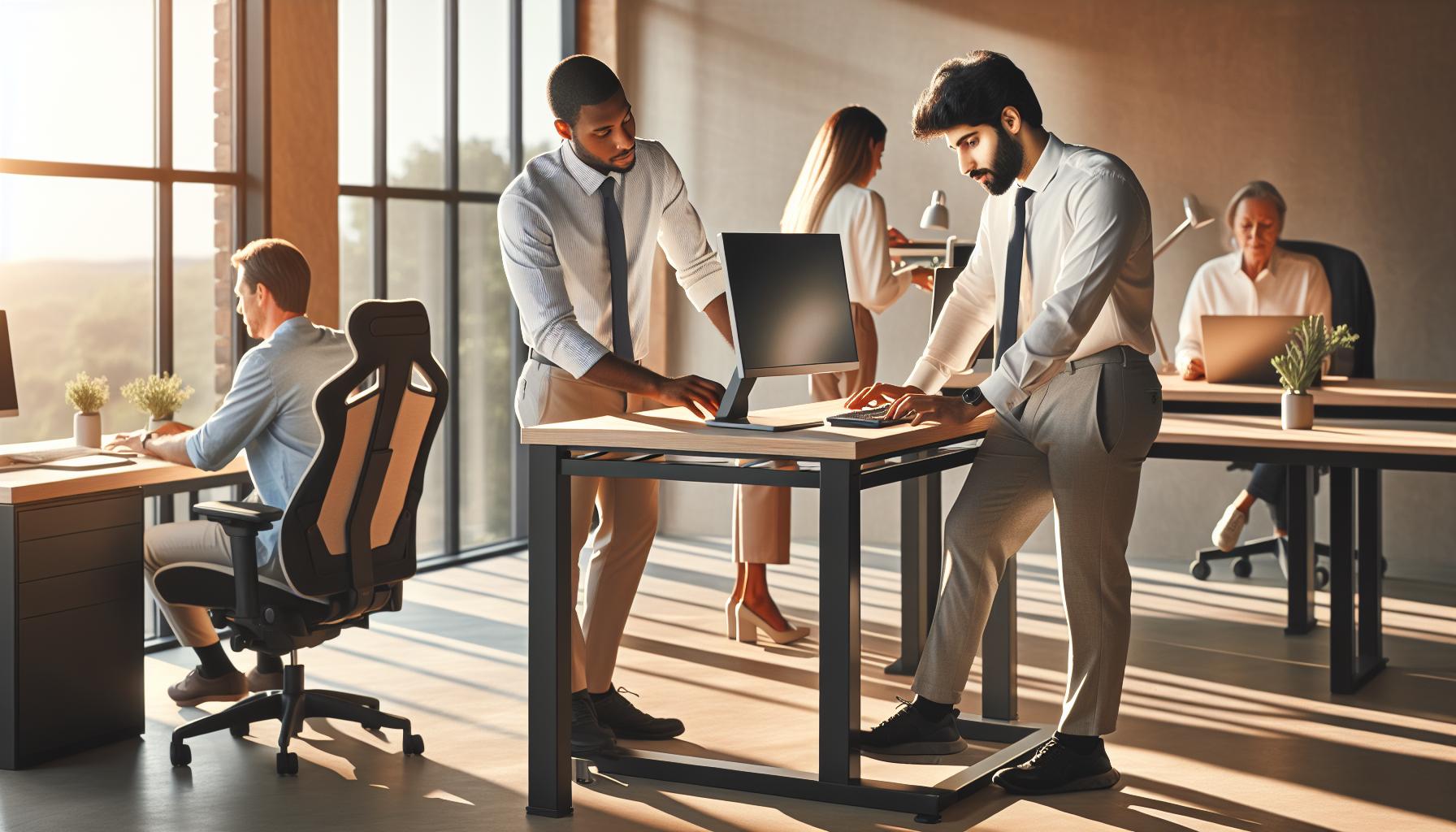
Ergonomics: Setting Up Your Standing Desk
Setting up your standing desk correctly is essential for maximizing comfort and productivity while minimizing discomfort and the risk of injury. A well-configured standing desk can transform your workspace into a more dynamic and health-conscious environment. Studies emphasize that adopting proper ergonomics can alleviate the physical strain associated with prolonged standing or sitting, allowing for a focus on tasks without the distraction of discomfort.
Begin by adjusting the height of your desk so that your elbows are bent at approximately 90 degrees when your hands are placed on the keyboard. The keyboard should be positioned at or slightly below elbow height, allowing for a relaxed shoulder position. Your monitor should be directly in front of you, at an arm’s length away, with the top of the screen at or just below eye level. This arrangement helps maintain a neutral neck position, reducing strain from looking either too high or too low.
Key Elements of an Ergonomic Standing Desk Setup
- Desk Height: Adjustable desks are ideal; ensure that when standing, your forearms are parallel to the ground.
- Monitor Placement: The screen’s top should be at eye level to minimize neck strain.
- Keyboard and Mouse Position: Keep these at elbow height to promote a neutral wrist position.
- Footwear: Invest in supportive shoes or consider anti-fatigue mats to cushion the impact on your feet while standing.
- Posture: Stand tall with your weight distributed evenly on both feet and engage your core to enhance stability.
As you transition to a standing desk, remember to listen to your body. Begin by standing for short intervals and gradually increase the duration as you build comfort. Incorporating movement throughout the day – like stretching or walking for a few minutes – can also enhance your overall experience. Practicing these ergonomic principles not only supports physical health but encourages sustained cognitive performance, which is foundational for optimal productivity.
Health Benefits of Standing vs. Sitting
Shifting from a sedentary lifestyle to one that incorporates standing can significantly impact both physical and mental health. Many studies suggest that standing more while working reduces the risks associated with prolonged sitting, such as obesity, cardiovascular disease, and type 2 diabetes. The adoption of standing desks, particularly sit-stand models, enables a healthier balance that encourages movement, ultimately improving metabolic health and energy levels throughout the day.
Research indicates that standing promotes better posture, which can alleviate neck and back pain that often accompanies prolonged sitting. With a standing desk, individuals are more likely to engage their core muscles, which helps maintain spinal alignment. Regularly alternating between sitting and standing can also lead to improved circulation, reducing the likelihood of stagnant blood flow in the legs, a common issue in sedentary behaviors.
Additional Health Benefits of Standing Desks
- Increased Energy and Mood: Standing may enhance mood and reduce feelings of fatigue, leading to greater overall job satisfaction. Studies have linked standing desks to improved emotional well-being, as movement can encourage the release of endorphins.
- Enhanced Cognitive Function: The act of standing can stimulate brain activity, supporting alertness and possibly enhancing cognitive performance. A dynamic work environment promotes focus and creativity.
- Weight Management: Standing burns more calories than sitting. This cumulative effect can contribute to better weight management over time, making it an essential component of any health-conscious strategy.
While the benefits are promising, transitioning to standing must be approached mindfully. Periods of standing should be balanced with seated time to avoid fatigue and discomfort. Implementing short breaks to stretch or walk not only supports physical well-being but also refreshes the mind. Emphasizing the importance of a well-structured approach, incorporating ergonomic principles, and listening to individual body signals ensures the most health benefits from using a standing desk. Adopting a lifestyle that promotes movement and engagement is essential, ultimately leading to a more vibrant and productive work life.
Mental Health and Cognitive Performance
Research shows that the environment we create for ourselves not only influences our physical health but also our mental well-being and cognitive performance. Standing desks are increasingly recognized for their potential to enhance mood, focus, and productivity, making them a valuable addition to any workspace. When workers shift to a standing position, they tend to experience increased energy levels, reduced fatigue, and greater engagement in their tasks. This boost in energy can be attributed to increased blood circulation and heightened physical activity, both of which have a profound impact on brain function.
The act of standing while working can also stimulate mental alertness and creative thinking. By breaking the monotony of prolonged sitting, standing desks encourage a dynamic workspace that can lead to improved cognitive performance. Individuals often report feeling more focused and less distracted when they can alternate between sitting and standing. Moreover, standing desks can promote a sense of empowerment and control over one’s workspace, which can positively affect mental health. Feeling active and present can significantly reduce feelings of stress and enhance overall job satisfaction, transforming the workplace into a more enjoyable environment.
Incorporating movement into the workday, such as transitioning between sitting and standing, can enhance neuroplasticity-the brain’s ability to adapt and reorganize itself. This adaptability is crucial for maintaining cognitive agility, especially in fast-paced or challenging work environments. To maximize these benefits, consider integrating short movement breaks or stretching exercises throughout the day. Simple practices like a quick walk or even standing and stretching can refresh the mind and foster new ideas, allowing for a more productive workflow.
It’s important, however, to adopt a balanced approach to using standing desks. While standing can benefit cognitive function, it should not replace seated work entirely. Finding equilibrium between sitting and standing can help prevent fatigue while optimizing mental health and postural alignment. Regular intervals of standing interspersed with seated work create a harmonious rhythm that enhances productivity and cognitive performance without overwhelming the body. Ultimately, making mindful adjustments to how you work, including adopting a standing desk, can lead to significant improvements in both mental clarity and emotional resilience.
Common Misconceptions About Standing Desks
Many individuals are drawn to the idea of standing desks as a solution for a more productive work environment; however, misconceptions surrounding their benefits can lead to misuse or unrealistic expectations. One common belief is that simply switching to a standing desk guarantees an increase in productivity. This assumption overlooks the complexity of human ergonomics and the various factors influencing workplace efficiency. While some studies indicate that standing desks can lead to improved mood and energy levels, simply standing more is not a one-size-fits-all remedy for productivity challenges.
Misconception: Standing Desks Eliminate All Health Problems
Another widespread misconception is that standing desks automatically resolve health issues related to prolonged sitting, such as back pain or poor circulation. In reality, standing for extended periods can introduce its own set of challenges, including discomfort in the legs, increased fatigue, and potential strain on the lower back. It’s essential to recognize that while standing desks promote movement and may reduce sedentary behavior, they should be part of a broader strategy for workplace wellness. This may include alternating between sitting and standing throughout the day, engaging in regular movement breaks, and ensuring proper ergonomic setup to maintain comfort.
Misconception: You Can Stand All Day Without Consequence
Many people mistakenly believe that once they adopt a standing desk, they can easily stand all day without issue. However, prolonged standing can lead to its own set of health concerns, such as varicose veins and fatigue. To avoid these pitfalls, it’s important to implement practices that support ergonomic health. This includes using anti-fatigue mats, wearing supportive footwear, and incorporating movement into your day. Mix periods of standing with sitting to create a balanced routine that maximizes both comfort and productivity.
Education is Key
Understanding the nuanced relationship between standing desks and productivity is crucial. Here are some practical strategies to counter the myths and enhance the standing desk experience:
- Set Up Ergonomically: Ensure your desk height allows for a neutral wrist position, and your screen is at eye level to avoid strain.
- Alternate Positions: Create a schedule that allows for intermittent sitting and standing, such as standing for 30 minutes and sitting for 15.
- Movement Breaks: Integrate short, frequent breaks for stretching or walking to prevent fatigue and stimulate circulation.
By addressing these misconceptions and integrating thoughtful practices, individuals can harness the full potential of standing desks while fostering a healthier and more productive work environment.
User Experiences: Real-Life Benefits and Drawbacks
Many users of standing desks report experiences that highlight both the positive and negative aspects of this work arrangement, leading to a nuanced understanding of their impact on productivity. For instance, a significant number have noted increased energy levels and improved mood, which can enhance focus and creativity during work hours. This aligns with research suggesting that even small changes in posture can stimulate better blood flow and engage muscles, leading to heightened alertness and cognitive performance. Employees often share anecdotes about feeling more invigorated after switching to a standing workstation, which encourages movement and breaks the monotony of prolonged sitting.
However, the journey to a fully beneficial standing desk experience is not without its drawbacks. Many users experience discomfort when standing for extended periods, which can include fatigue in the legs, lower back pain, and even increased stress on joints. To mitigate these issues, individuals are often advised to strategically alternate between sitting and standing throughout the day, incorporating movement breaks to foster physical wellness. Implementing ergonomic setups-such as using anti-fatigue mats and ensuring proper desk height-can also alleviate some of the discomfort associated with prolonged standing.
Moreover, the experience of transitioning to a standing desk can vary widely among individuals. Some users report an initial period of adjustment where productivity dips due to discomfort or a steep learning curve in finding the right balance. Others find that with consistent practice and the right support, such as walking during calls or integrating stretches into their schedule, they can greatly enhance both productivity and well-being. To maximize this balance, it’s helpful to develop a personalized routine that includes both standing and sitting, allowing for flexibility based on workload and personal comfort.
In summary, the user experience with standing desks showcases the complexity of their impact on productivity and overall health. Sharing strategies for ergonomics while emphasizing the importance of listening to one’s body can empower individuals to make informed decisions about how best to utilize standing desks in their work life. This approach not only supports physical well-being but also nurtures cognitive health, leading to a more harmonized work environment that fosters both productivity and comfort.
Best Practices for Balancing Sitting and Standing
Finding the right balance between sitting and standing throughout the workday can enhance both productivity and overall well-being. Research has shown that frequent shifts in posture can stimulate blood circulation and keep energy levels up. However, simply alternating between sitting and standing isn’t enough; it requires intentional strategies to maximize health benefits and minimize discomfort.
To begin, consider setting a timer to remind yourself to alternate your position every 30 to 60 minutes. This creates a structure that encourages (regular) movement without needing to overthink it. When standing, focus on distributing your weight evenly on both feet and using a footrest to shift your weight periodically. Utilizing an anti-fatigue mat can also significantly reduce the strain on your legs and back, allowing you to stand comfortably for longer periods.
It’s beneficial to incorporate micro-movements into your routine. Instead of remaining static while working at your desk, take a few moments to stretch, walk during phone calls, or perform simple exercises like calf raises or glute squeezes. These activities can alleviate the tension that builds up from prolonged standing or sitting. Additionally, ergonomics play a crucial role; ensuring your monitor is at eye level and the keyboard is positioned to avoid strain on your wrists can prevent discomfort.
Lastly, listen to your body. If you experience fatigue or discomfort while standing, it’s a signal to switch back to sitting or to incorporate a walk. This responsiveness to your needs not only fosters a healthier work environment but also enhances cognitive performance, promoting a more effective workflow. Remember that the goal is not to eliminate sitting or standing but to create a rhythm that supports both your physical and mental health.
How to Implement a Standing Desk Workflow
Implementing a standing desk workflow can be a transformative step towards enhancing your productivity and overall well-being at work. Research indicates that standing desks encourage more dynamic movement throughout the day, which can lead to higher energy levels and greater focus. To effectively make this transition, it’s vital to establish a structured approach that incorporates practical strategies and encourages a balanced mix of sitting and standing.
One effective method is to start your day with a clear plan outlining when to sit and when to stand. Using a timer or an app can help remind you to make these transitions. Aim for 30 to 60-minute intervals-standing for one segment followed by sitting in the next. This structure allows your body to adapt gradually, reducing discomfort and helping you identify what works best for you. When standing, ensure your feet are positioned hip-width apart, and consider using an anti-fatigue mat to alleviate pressure on your legs and feet.
To optimize your standing desk experience, focus on ergonomics. Position your monitor at eye level to avoid strain on your neck and shoulders. Your elbows should be at a 90-degree angle when typing, and your wrists should remain straight. If necessary, adjust your keyboard and mouse height accordingly. Small adjustments can significantly impact your comfort and productivity, allowing you to concentrate on your tasks without physical distractions.
Additionally, intersperse your work with micro-movements to enhance circulation and combat fatigue. Simple activities such as stretching, walking, or even light exercises like calf raises can invigorate your body and mind. By listening to your body and responding to its signals-whether that means switching to a seated position or taking a brief walk-you create a more mindful and responsive work environment. This approach not only boosts physical health but also fosters mental clarity and creativity, encouraging a work-life balance that benefits both productivity and well-being.
Innovative Alternatives to Traditional Desks
Innovative approaches to workspaces are shifting the way we think about productivity and physical comfort in the office. With a growing emphasis on ergonomics and overall wellness, alternatives to traditional desks have emerged that can enhance both health and performance. Among these are adjustable sit-stand desks, which promote dynamic movement and can lead to higher energy levels, reduced fatigue, and improved focus throughout the workday. But beyond standing desks, myriad creative options await those looking to transform their workspace.
Consider desk converters that easily transition existing workstations into sit or stand configurations without the need to invest in a full standing desk setup. These converters can support both laptops and monitors, making it simple to modify height and working posture throughout the day. Additionally, the incorporation of treadmill desks allows for movement while working, encouraging brief periods of light activity that can stimulate cognitive function and creativity. Studies have shown that active movement, even at low intensities, can enhance blood flow to the brain, which is crucial for maintaining focus and clarity.
Another exciting alternative is the use of yoga or stability balls as seating options. This encourages engagement of core muscles and can improve posture throughout the day. For those who prefer a more structured environment, ergonomic stools and perching chairs provide a dynamic seating experience that promotes slight movement while supporting the spine. These options not only enhance physical health but can also help in reducing mental fatigue and keeping workplace stress to a minimum.
Finally, tech-savvy employees may benefit from integrating smart desks into their work routine. Equipped with sensors, these innovative desks can remind users to change positions or take breaks based on individualized settings. Embracing such alternatives allows for greater customization of the workspace, fostering an environment that prioritizes not only productivity but holistic well-being. Transitioning to these modern setups will empower individuals to redefine their work habits, ensuring that both their minds and bodies remain engaged throughout the day.
The Role of Movement in Workplace Wellness
The modern workplace is evolving, and so is our understanding of how movement contributes to overall wellness and productivity. Research indicates that incorporating movement into our daily routines can have profound benefits for both physical and mental health. This shift in focus encourages employees to break away from traditional sedentary behaviors, resulting in enhanced energy levels, improved cognitive function, and a reduction in stress.
Understanding the mechanics of movement can help in optimizing the workspace for maximum productivity. For instance, regular movement not only increases blood circulation but also fosters neuroplasticity-the brain’s ability to form new neural connections, which is crucial for learning and memory. Setting up reminders to stand, stretch, or even take short walks during work hours can significantly counteract the detrimental effects of prolonged sitting. Consider integrating movement-based practices like walking meetings or desk exercises into the workday. These practices help to stimulate creativity and problem-solving abilities, as fresh perspectives often emerge when the body is in motion.
To effectively incorporate movement into your workplace wellness routine, try implementing the following strategies:
- Microbreaks: Encourage short, frequent breaks to stand up and stretch every 30-60 minutes. This can improve circulation and alleviate physical tension.
- Dynamic Workspaces: Invest in adjustable desks that allow for easy transitions between sitting and standing, promoting a more flexible work style.
- Active Commuting: If possible, incorporate walking or cycling into your commute to enhance cardiovascular health and prepare the mind for the day ahead.
- Movement Challenges: Initiate friendly competitions among colleagues to encourage walking or fitness goals, fostering a sense of community and accountability.
Emphasizing is not only about physical health but also about creating an environment where employees feel energized and mentally agile. This holistic approach contributes to a more engaged workforce, where the connection between body and mind is prioritized, paving the way for enhanced productivity and satisfaction at work.
Evaluating the Long-Term Effects of Standing Desks
The integration of standing desks into the workplace is not just a fleeting trend; it represents a significant shift towards health-conscious work environments. As employees increasingly adopt these height-adjustable desks, it’s becoming essential to evaluate the long-term effects on health, productivity, and overall workplace satisfaction. Research suggests that while standing desks can improve physical well-being by reducing the risks associated with prolonged sitting, their impact on productivity can be more nuanced.
Long-term users of standing desks often report a noticeable boost in energy levels and reduced feelings of fatigue. Regular changes in posture can enhance circulation and relieve musculoskeletal strain, leading to fewer aches and pains over time. Additionally, studies indicate that standing while working may lead to increased caloric expenditure, which can contribute to weight management and enhanced fitness levels. This change in daily behavior aligns well with creating a culture of wellness in the workplace, supporting better health outcomes.
However, it’s important to approach standing desk use with balance and mindfulness. Prolonged standing can lead to its own set of issues, including fatigue, joint discomfort, and circulatory problems. Therefore, the best practice is to alternate between sitting and standing throughout the day, allowing employees to find their optimal balance. Incorporating microbreaks, where individuals take short pauses to stretch or walk, can further mitigate discomfort and enhance cognitive recovery.
In practical terms, organizations should ensure that their employees receive training on the effective use of standing desks. This could include ergonomic assessments, guidance on optimal standing and sitting postures, and tips for integrating movement into daily routines. By fostering an environment that encourages healthy habits, companies can effectively support their employees’ long-term wellness and productivity, reaping the benefits of a more engaged and healthier workforce.
Q&A
Q: Do standing desks really increase productivity?
A: Yes, standing desks can increase productivity. A study indicated that employees using sit-stand desks were 46% more productive than those at traditional desks. Integrating a standing desk may improve focus and energy levels, making work tasks more manageable and efficient.
Q: What are the best practices for using a standing desk effectively?
A: To use a standing desk effectively, alternate between sitting and standing every 30 to 60 minutes. Ensure your monitor is at eye level and feet are flat on the ground. Incorporate anti-fatigue mats to reduce discomfort and take frequent movement breaks to promote circulation.
Q: Can standing desks improve mental health?
A: Yes, standing desks may improve mental health by reducing fatigue and discomfort associated with prolonged sitting. This can lead to better mood and decreased feelings of stress. Incorporating movement and change in posture also contributes to enhanced cognitive performance.
Q: What are the ergonomic considerations for standing desks?
A: Key ergonomic considerations for standing desks include maintaining proper monitor height (eye level), using a footrest to shift weight, keeping wrists straight while typing, and ensuring that elbows are at a 90-degree angle. This setup helps minimize strain on the body.
Q: Are there any drawbacks to using standing desks?
A: Yes, potential drawbacks include discomfort in the legs and back from prolonged standing, which can lead to fatigue. It’s essential to balance standing with sitting and incorporate movement to prevent strain. Adjusting the desk height periodically can also help alleviate discomfort.
Q: How can I transition to a standing desk?
A: To transition to a standing desk, start by using it for short periods, gradually increasing standing time. Alternate between sitting and standing every 30-60 minutes. Ensure your workspace is ergonomically sound to support proper posture and comfort during use.
Q: Are there specific exercises to do while using a standing desk?
A: Yes, while using a standing desk, consider simple exercises like calf raises, leg stretches, and gentle twisting motions to relieve tension and promote circulation. Incorporating movement breaks, such as walking or yoga stretches, can enhance overall wellness during work hours.
Q: Do standing desks benefit all types of workers?
A: While standing desks can benefit many workers by promoting movement and reducing sitting time, they may not be suitable for everyone. Those with specific health concerns or conditions should consult healthcare professionals to determine the best workspace setup for their needs.
In Summary
Are you ready to elevate your productivity and well-being with a standing desk? The findings in “Do Standing Desks Help Productivity? The Truth May Surprise You” reveal that not only can standing desks enhance focus and energy levels, but they may also significantly boost productivity in the workplace. If you’re considering making this transition, check out our comprehensive guide on setting up an ergonomic workspace to maximize your experience.
Don’t miss our articles on workplace wellness strategies and effective stress management techniques to further enhance your work life. Take the next step towards a healthier work environment-subscribe to our newsletter for actionable tips and insightful resources that support your journey. Join the conversation below, share your thoughts, and discover how a standing desk could fit into your daily routine. Your enhanced productivity awaits!