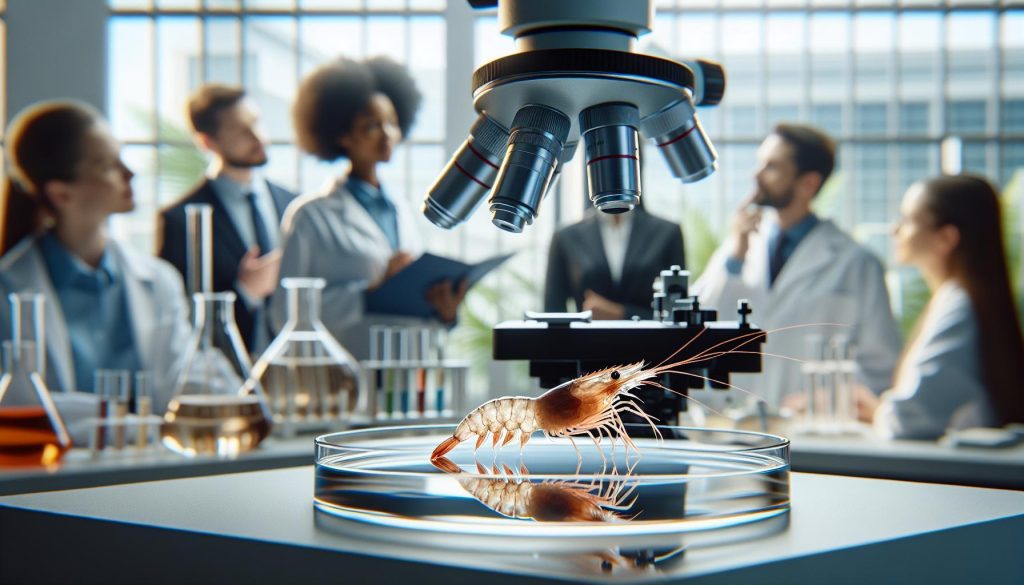
Did you know that shrimp possess a form of intelligence that challenges our understanding of crustacean capabilities? While these fascinating creatures might not have brains like humans, they exhibit complex nervous systems and behaviors that suggest a level of cognitive function. Exploring whether shrimp have brains not only satisfies our curiosity but also opens the door to understanding the intricate world of marine life and its evolutionary adaptations. By delving into shrimp intelligence, we can appreciate how even the smallest organisms possess remarkable survival skills and behaviors. Join us as we uncover the science behind shrimp cognition and its implications for our understanding of animal intelligence as a whole.
Do Shrimp Have Brains? Understanding Crustacean Neurology
Shrimp, despite their small size, possess a complex nervous system that enables them to interact dynamically with their environment, leading many to ponder: do they have brains? The short answer is yes. Shrimp have a central nervous system, which includes a nerve cord running along their back and several ganglia (clusters of nerve cells) that function similarly to a brain. This decentralized arrangement allows them to perform various functions crucial for survival, such as movement, feeding, and escape from predators.
Understanding Shrimp Neurology
A shrimp’s nervous system is divided into two primary parts: the brain and the ventral nerve cord. The brain manages sensory inputs and motor outputs, allowing the crustacean to react quickly to environmental stimuli. It processes information from sensory organs, including eyes, antennae, and other specialized receptors sensitive to chemical cues. This neural architecture highlights efficiency in shrimp, where rapid responses can mean the difference between life and death.
Shrimp demonstrate impressive levels of activity and behavior driven by their neurological capabilities. They can exhibit reflex actions without direct input from the brain due to the ganglia spread throughout their body, making their response to stimuli incredibly quick. For instance, upon detection of a predator, the nerves signal the muscles to propel the shrimp away at remarkable speed, showcasing their evolutionary adaptations for survival.
Understanding this streamlined system helps us appreciate not just how shrimp operate but also their place in the larger context of marine ecology. The unique arrangement of their nervous system emphasizes the diversity of intelligence and adaptability in the animal kingdom, particularly among invertebrates. By studying these creatures further, we can gain invaluable insights into the sophisticated neurobiology of crustaceans and their behavioral patterns, which can have implications for both conservation efforts and aquaculture practices.
The Fascinating Anatomy of Shrimp: A Deep Dive
Shrimp, often regarded as simple creatures, are fascinating in their biological complexity and adaptability. Their anatomy includes a range of specialized features that support their survival in diverse marine environments. With a segmented body, shrimp are classified under the crustaceans, and their general structure includes a head (cephalothorax) and an abdomen. Their body is enclosed in an exoskeleton that provides protection while allowing for flexibility and movement. Interestingly, shrimp possess various appendages, including claws and antennae, which contribute to their sensory perception and interaction with the environment.
One of the most remarkable aspects of shrimp anatomy is their effective respiratory system. They use gills located beneath their carapace to extract oxygen from the water, enabling them to thrive in both freshwater and marine ecosystems. This system is highly efficient, allowing shrimp to remain active even in low-oxygen conditions. Moreover, the eyes of shrimp are exceptionally well-developed, featuring compound structures that grant them a panoramic view, crucial for spotting predators and prey alike.
The locomotion of shrimp is another area where their anatomy shines. Most species exhibit a unique swimming style through the rapid movement of their pleopods (swimming legs), which aids in quick escapes from threats. Some species can also perform impressive jumps, a behavior driven by powerful muscle contractions. This agility is essential in their dynamic ecosystem, where agility can mean the difference between life and death.
Understanding the anatomy of shrimp not only enriches our knowledge of their biology but also informs conservation efforts. Enthusiasts and scientists alike can appreciate the intricate balance of their systems and adaptability. By recognizing the sophisticated design of these crustaceans, we gain insight into marine biodiversity and emphasize the importance of preserving their habitats. Learning about shrimp fosters a greater appreciation for the role they play in marine ecosystems and encourages sustainable practices that benefit both aquatic life and humans.
Exploring Shrimp Behavior: Intelligence in Action
Shrimp may seem like simple creatures at first glance, but their behavior reveals a remarkable level of intelligence that often surprises even seasoned marine enthusiasts. Research has shown that these crustaceans exhibit various complex behaviors that indicate higher cognitive functions. For instance, shrimp have demonstrated the ability to use tools, a behavior that is typically associated with more advanced species. Some species can manipulate objects in their environment to create shelters or fend off predators, showcasing a sophisticated level of problem-solving skill.
One of the most fascinating aspects of shrimp intelligence is their social behavior. Many species thrive within intricate social structures and exhibit behaviors such as communication through body language and chemical signals. They can convey readiness to mate or establish dominance through subtle changes in posture and movement. This ability to interact effectively with their peers suggests a level of social intelligence that is often underestimated.
Moreover, shrimp have been observed engaging in cooperative behaviors, such as cleaning interactions where one shrimp removes parasites from another. This not only demonstrates their understanding of mutual benefits but highlights their capacity for relationship building and social cooperation within their species. Such interactions point to an advanced level of awareness and adaptability in their behaviors, further reinforcing the notion that they possess a form of intelligence that warrants deeper investigation.
In addition to these social complexities, shrimp are also known for their ability to exhibit learned behaviors. They can modify their responses based on past experiences, which is a critical indicator of cognitive functioning. For instance, a shrimp that has encountered a predator will remember that threat and adapt its behavior in the future to avoid danger more effectively. This capacity for learning and memory adds another layer to our understanding of shrimp intelligence, revealing that these creatures are not just reactive beings but are capable of more sophisticated interaction with their environment.
Overall, exploring shrimp behavior unlocks a world of fascinating insights into their intelligence, offering a broader perspective on the capabilities of marine life and encouraging ongoing research into the cognitive functions of these extraordinary crustaceans.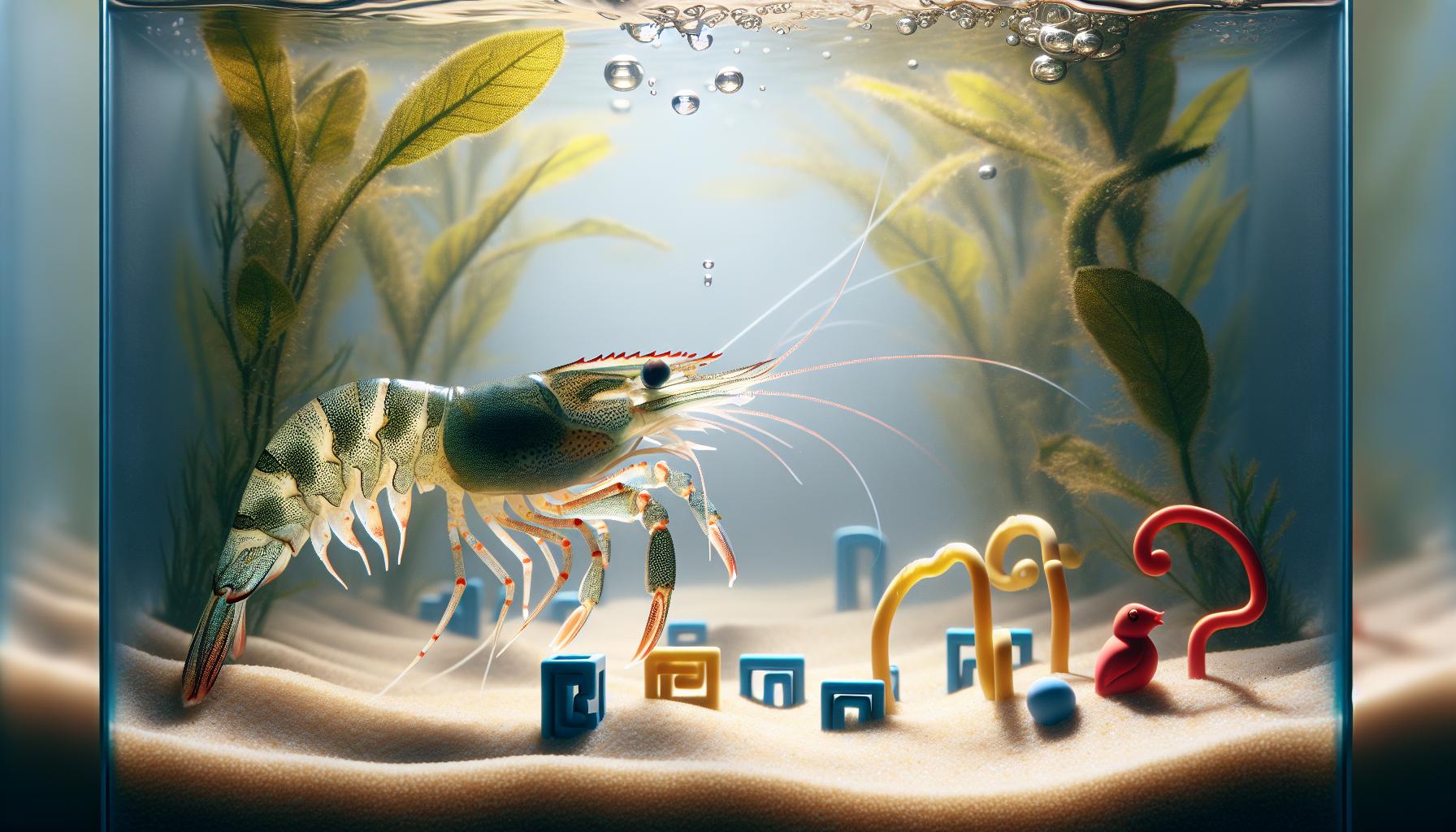
Are Shrimp Capable of Learning?
Despite their small size, shrimp exhibit remarkable learning capabilities that challenge our perceptions of their cognitive abilities. A fascinating example of this is seen in their responses to environmental threats. Research indicates that shrimp can learn to associate certain cues with danger. For instance, if a shrimp experiences a negative encounter-like an attack from a predator-it can remember the event and adjust its behavior, such as avoiding specific areas where it previously faced harm. This highlights a basic yet profound form of learning that goes beyond mere instinctual responses.
The capacity for learning in shrimp overlaps with their problem-solving skills. Studies have observed that when faced with new challenges, such as obstacles in their habitat, shrimp can devise innovative solutions to navigate these barriers. This adaptability suggests that they are not only reacting to stimuli but are actively engaging with their environments in a way that requires cognitive processing. Such behaviors are indicative of learning, as they involve the modification of actions based on past experiences.
Moreover, shrimp have demonstrated social learning, particularly within their groups. They can observe the behaviors of their peers and adapt their own actions accordingly. For example, if one shrimp finds a food source, others may learn to follow its lead, benefiting from the insight of those that have already navigated the environment. This communal aspect of learning is crucial for survival and points to a social intelligence that is often overlooked in crustaceans.
Understanding these learning capabilities not only enriches our comprehension of shrimp but also emphasizes the broader implications for marine life intelligence. As we continue to explore these behaviors, it is clear that shrimp are complex creatures with an ability to learn and adapt, firmly establishing their place in the discussion of cognitive ecology.
The Role of the Nervous System in Shrimp Functionality
The intricate nervous system of shrimp plays a pivotal role in their survival and behavior, showcasing a remarkable level of functionality despite their small size. Unlike mammals, shrimp do not possess a centralized brain. Instead, their nervous system is decentralized, consisting of a nerve cord and various ganglia distributed throughout their body. This unique structure allows for efficient processing of sensory information and rapid responses to environmental stimuli, crucial traits for evading predators and finding food.
One striking aspect of shrimp neurology is their capacity for complex reflexes. These reflexive actions, such as the rapid escape response triggered by sudden threats, occur almost instantaneously. This quick reaction is facilitated by the processing power located within the nerve cord’s ganglia, which can relay information without routing through a central brain, leading to faster responses. Such adaptability highlights the shrimp’s evolutionary anatomy, which has optimally suited them to their environments.
Moreover, the sensory receptors in shrimp are finely tuned to detect a wide range of stimuli, from changes in water chemistry to mechanical vibrations. These sensitivities enhance their ability to navigate through their habitat effectively. For instance, shrimp utilize their antennae and other sensory appendages to gather information about their surroundings and signal to one another, facilitating communication and social interaction-a cornerstone of their existence in diverse marine ecosystems.
In summary, exemplifies an evolutionary adaptation that prioritizes rapid responses and environmental awareness. Understanding this aspect of their biology not only sheds light on their intelligence but also underscores the importance of conserving their habitats, as the delicate balance of their ecosystems directly affects their survival and behavioral patterns.
Comparing Shrimp Intelligence to Other Marine Animals
The fascinating world of marine life reveals a diverse spectrum of intelligence, and comparing shrimp cognition with that of other marine animals uncovers intriguing insights. Shrimp, despite their lack of a centralized brain, exhibit remarkable reflexive behaviors and sensory adaptations that, when considered alongside creatures with more complex nervous systems, highlight various evolutionary strategies employed across species.
When evaluated against the intelligence of cephalopods, like octopuses and squid, the differences become apparent. Cephalopods possess highly developed brains capable of complex problem-solving and learning behaviors. For instance, octopuses can manipulate objects, escape enclosures, and even use tools, displaying a level of ingenuity seldom observed in the animal kingdom. In contrast, shrimp rely on reflexive responses and sensory processing to survive, underscoring their evolution as prey animals equipped for rapid movement and environmental awareness rather than problem-solving.
While fish exhibit a range of cognitive abilities, including social learning and memory, shrimp’s intelligence manifests differently. Fish, particularly species such as cichlids and wrasses, demonstrate social hierarchies and complex mating behaviors, indicating a higher level of social interaction compared to shrimp. Nevertheless, shrimp are not just passive beings; they have shown the ability to engage in social behaviors, such as forming schools or engaging in cooperative hunting, which speaks to a form of social intelligence that complements their ecological niche.
Despite these differences, the comparison reveals a shared resilience among marine animals. Each species has evolved specific traits that align with their environments and survival strategies. For shrimp, their decentralized nervous system and reflexive behaviors offer advantages in quick response to threats, while other marine creatures leverage their cognitive skills for resource acquisition and complex social structures. Understanding these variations not only enriches our appreciation of marine life but also emphasizes the need for conservation efforts to protect these vital ecosystems, where each creature plays a crucial role in maintaining balance.
The Science Behind Shrimp Senses and Perception
The sensory world of shrimp is a marvel of evolution, showcasing adaptations that allow these creatures to thrive in their environments, despite their lack of a centralized brain. Shrimp rely on a decentralized nervous system that consists of a complex network of nerve cords and ganglia, which serves to process sensory information effectively. This anatomical structure enables them to detect a wide array of stimuli through specialized senses, playing a crucial role in their survival and interaction with the surrounding environment.
One of the key components of shrimp perception is their compound eyes, which provide a broad field of vision and the ability to detect motion with remarkable precision. Unlike humans, shrimp can see ultraviolet light, expanding their visual spectrum and allowing them to navigate their aquatic habitats more effectively. Additionally, shrimp possess multiple types of photoreceptors, enabling them to perceive changes in light and color, which is vital for avoiding predators and locating food sources.
Moreover, shrimp are equipped with highly developed chemoreceptors located on their antennae. These receptors allow them to detect chemical signals in the water, effectively ‘taste’ their environment, and locate food or mates through pheromone detection. Their ability to sense minute changes in water chemistry also aids in recognizing potential threats and navigating through complex marine ecosystems. When shrimp feel threatened, they can respond almost instantaneously, thanks to their efficient processing of sensory data through their nervous system.
In terms of auditory perception, shrimp utilize specialized sensory organs that detect vibrations and sounds in the water, enabling them to respond to predators or changes in their environment. This acoustic sensitivity, combined with their refined vision and chemical detection, underscores the remarkable adaptability of shrimp to their ecological niche. Understanding these sensory modalities not only highlights the fascinating biology of shrimp but also emphasizes the intricate connections within marine ecosystems, where every species plays a vital role in maintaining ecological balance.
Why Understanding Shrimp Intelligence Matters for Conservation
Understanding the cognitive abilities and environmental interactions of shrimp lends valuable insights into conservation efforts. Shrimp play vital roles in marine ecosystems as both prey and decomposers, and recognizing their intelligence can enhance strategies for preserving their habitats. Research indicates that shrimp possess a sophisticated nervous system that allows for various responses to environmental changes, suggesting they are not merely reactive but possess a degree of adaptability that is relevant for ecological resilience.
The implications of shrimp intelligence extend beyond theoretical biology; they inform fisheries management and conservation policies. For instance, understanding shrimp’s social behavior and mating strategies can guide sustainable harvesting practices. By promoting environments that support healthy shrimp populations, such as restoring wetlands and reducing pollution, we can facilitate marine biodiversity. The health of shrimp populations often correlates with the overall health of marine ecosystems, making them key indicator species for environmental monitoring.
Moreover, leveraging shrimp intelligence could benefit aquaculture, allowing for improved farming practices that align with ecological balance. Strategies that respect their natural behaviors and habitat requirements can lead to more sustainable seafood production. Advanced aquaculture practices can combat issues like overfishing and habitat destruction, providing a dual benefit of conservation while meeting human dietary needs.
In summary, grasping the nuances of shrimp intelligence is not just an academic pursuit; it is a necessary step towards informed conservation efforts that ensure the longevity of both shrimp and the broader marine ecosystem. Integrating this knowledge into conservation practices can create a ripple effect that enhances biodiversity and promotes sustainable fishing and aquaculture initiatives. Understanding these fascinating creatures empowers us to protect vital marine environments and maintain ecological balance for future generations.
Addressing Common Myths About Shrimp Intelligence
Dispelling the misconceptions surrounding shrimp intelligence is essential for understanding these remarkable creatures and their role in marine ecosystems. One prevalent myth is that shrimp have little to no cognitive abilities, often equating them to simplistic organisms driven solely by instinct. However, research increasingly demonstrates that shrimp exhibit complex behaviors that reveal significant levels of intelligence. For instance, certain shrimp species are capable of problem-solving and navigating their environments with impressive spatial awareness.
Another common misconception is that shrimp have limited emotional depth. While they lack the sophisticated neuroanatomy found in vertebrates, studies suggest that shrimp can exhibit stress responses and show social behaviors, such as cooperation and territoriality. These interactions indicate a level of social sophistication that challenges the notion of shrimp as mere automata reacting only to environmental stimuli. By observing their behaviors in various contexts, scientists have identified that some shrimp engage in forms of communication that can impact their survival and reproductive success.
Moreover, it is often assumed that shrimp do not learn from their experiences. Contrary to this belief, studies have shown that shrimp can exhibit learning behaviors similar to other animals. For example, some species can remember the locations of predators and alter their behaviors accordingly, a clear sign of adaptive intelligence. This learning capability plays a significant role in their survival strategies, suggesting that shrimp are not just passive beings but dynamic participants in their ecosystems.
Addressing these myths not only enhances our understanding of shrimp but also underscores their importance in larger conservation efforts. Recognizing their intelligence and social complexities can lead to more informed strategies in aquaculture and ecosystem management, fostering environments where both shrimp populations and marine biodiversity can thrive.
Curious Crustaceans: Social Behavior and Communication
In the vibrant underwater world, shrimp exhibit fascinating social behaviors that challenge conventional perceptions of crustaceans as solitary creatures. These small yet complex animals engage in a variety of interactions, showcasing forms of communication that enhance their survival. For instance, many shrimp species demonstrate cooperation through mutual grooming and warning calls, which help alert others to potential threats in their environment. When confronted with predators, some shrimp will raise specific chemical signals in the water that serve as distress messages to alert nearby counterparts, highlighting the importance of communication in their social dynamics.
Moreover, the concept of territoriality is prominent among shrimp populations. Certain species establish and defend personal areas within their habitats, using visual signals, body posturing, and chemical cues to communicate ownership to others. These behaviors play a crucial role in reducing conflicts over resources and ensuring that each shrimp can access food and shelter-a vital aspect of their survival strategy. Shrimp can even recognize individual neighbors, forming stable social structures that enhance their community dynamics.
To further illustrate the significance of social behavior in shrimp, it’s essential to highlight their role in mating and reproductive success. During courtship, many shrimp engage in intricate dances and displays that not only attract mates but also convey information about their health and genetic fitness. This complexity signifies that social interactions are not just vital for survival but are deeply intertwined with reproduction and the continuation of species.
Understanding these social behaviors and communication mechanisms is essential for both ecological research and aquaculture. By recognizing the nuances of shrimp interactions and their cognitive capabilities, we can better appreciate their roles in marine ecosystems and develop more effective conservation strategies. This awareness encourages sustainable practices that safeguard not only shrimp populations but also the broader marine environments they inhabit.
Applications of Shrimp Intelligence in Aquaculture and Research
The remarkable intelligence of shrimp has intriguing implications for aquaculture and research, showcasing how understanding their cognitive abilities can lead to more sustainable practices and innovative solutions in shrimp farming. As our knowledge of these crustaceans expands, so does our capacity to enhance their rearing conditions and improve yields.
One important application is in developing optimized feeding strategies. Research has indicated that shrimp can exhibit preferences for certain types of food based on prior experiences, which can inform aquaculture practices. By observing the feeding behaviors and preferences of shrimp, farmers can create targeted diets that enhance growth rates and reduce waste. This not only improves production efficiency but also minimizes the environmental impact of shrimp farming by ensuring that feed is used more effectively. Understanding these preferences encourages the use of high-quality, nutritionally balanced feeds, further promoting healthier shrimp and a more sustainable industry.
Additionally, the social behaviors and communication abilities observed in shrimp can play a significant role in enhancing their wellbeing in captivity. By replicating the natural social dynamics found in shrimp populations, such as establishing territories and complex mating rituals, aquaculture facilities can create environments that simulate their natural habitats. This can foster better health and growth metrics, as shrimp that experience lower stress levels are less susceptible to disease and exhibit improved reproductive success.
Furthermore, researchers are exploring the applications of shrimp intelligence in environmental monitoring. Given their sensitivity to changes in their surroundings, shrimp can serve as bioindicators of ecosystem health. By studying their reactions to various stimuli, including pollutants or habitat changes, scientists can gather critical data to assess the impact of human activities on marine environments. This makes shrimp not only valuable as a food resource but also as key players in ecological research, providing insights that can inform conservation efforts and sustainable practices.
Overall, leveraging the intelligence of shrimp in aquaculture not only aligns with modern sustainability goals but also enhances our understanding of marine life. As farmers and scientists continue to explore these opportunities, they set the foundation for a more responsible and innovative approach to seafood production that respects both the species involved and the environments they inhabit.
Faq
Q: Do shrimp have a central nervous system?
A: Yes, shrimp possess a central nervous system that includes a brain and a ventral nerve cord, allowing them to process sensory information and coordinate movement. This complex system contributes to their ability to interact with their environment and exhibit various behaviors.
Q: How do shrimp brains compare to those of other crustaceans?
A: Shrimp brains are relatively smaller than those of larger crustaceans, but they still show complexity. They exhibit specialized structures for processing sensory information, similar to other crustaceans, making them efficient in navigating their aquatic habitats.
Q: Can shrimp experience pain similar to mammals?
A: Research suggests that shrimp and other crustaceans may experience pain, as they respond to harmful stimuli in ways indicating distress. Their nervous system reacts to threats, which parallels some pain response mechanisms observed in higher vertebrates.
Q: What types of behaviors indicate shrimp intelligence?
A: Shrimp demonstrate various intelligent behaviors, including problem-solving, navigation, and social interactions. For instance, they can learn and remember the locations of shelter, illustrating their capacity for environmental understanding and memory.
Q: How do shrimp communicate with each other?
A: Shrimp communicate using chemical signals, tactile interactions, and body language. These methods allow them to convey information about territory, reproductive status, and other ecological factors crucial for their survival and social interaction.
Q: Are shrimp capable of learning and memory?
A: Yes, shrimp exhibit learning abilities and memory retention. They can adapt to environmental changes and recall experiences that influence their behavior, such as avoiding predators or returning to familiar habitats.
Q: What role do antennae play in shrimp brain function?
A: Shrimp antennae are vital sensory organs that help detect chemical cues, touch, and water currents. This sensory information is processed by their brains, enabling shrimp to respond effectively to their surroundings and make informed decisions.
Q: Why is studying shrimp intelligence important for conservation?
A: Understanding shrimp intelligence enhances our knowledge of their role in marine ecosystems and informs conservation strategies. By recognizing their behaviors and interactions, we can better protect their habitats and ensure their survival in changing environments.
Final Thoughts
As we dive into the intriguing world of shrimp intelligence, it’s clear that these remarkable crustaceans possess fascinating cognitive abilities. While they may not have brains in the traditional sense, their complex nervous systems enable them to navigate their environment, respond to threats, and interact in ways that challenge our understanding of marine life. Now that you’re equipped with this knowledge, don’t stop here! Explore more about marine biology with our articles on “The Secrets of Ocean Life” and “Crustacean Communication” to deepen your understanding further.
We encourage you to share your thoughts in the comments below-what surprised you the most about shrimp? And if you’re eager to keep learning, sign up for our newsletter to receive the latest insights and discoveries in aquatic life straight to your inbox. Your journey into the captivating realm of marine intelligence starts now-dive deep, and let curiosity lead the way!