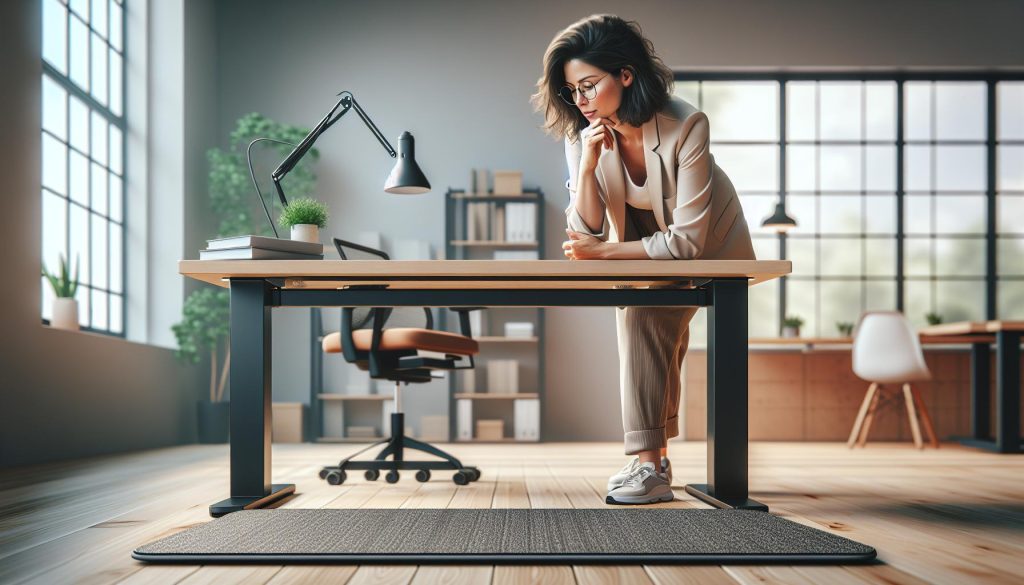
In today’s fast-paced work environment, standing desks have become increasingly popular, promising benefits like reduced discomfort and improved posture. However, using a standing desk can also introduce new challenges, including fatigue and discomfort in your feet and legs. This is where a standing desk mat comes into play. But do you really need one? In this guide, we’ll explore whether a standing desk mat is an essential part of your workspace setup or simply an optional accessory, helping you make an informed decision that supports your overall workplace wellness. Discover the potential advantages and considerations, and see how the right mat can enhance your standing experience, boost productivity, and promote better health. Keep reading to find out how to optimize your workspace for comfort and efficiency!
Do I Need a Standing Desk Mat? Unpacking the Benefits
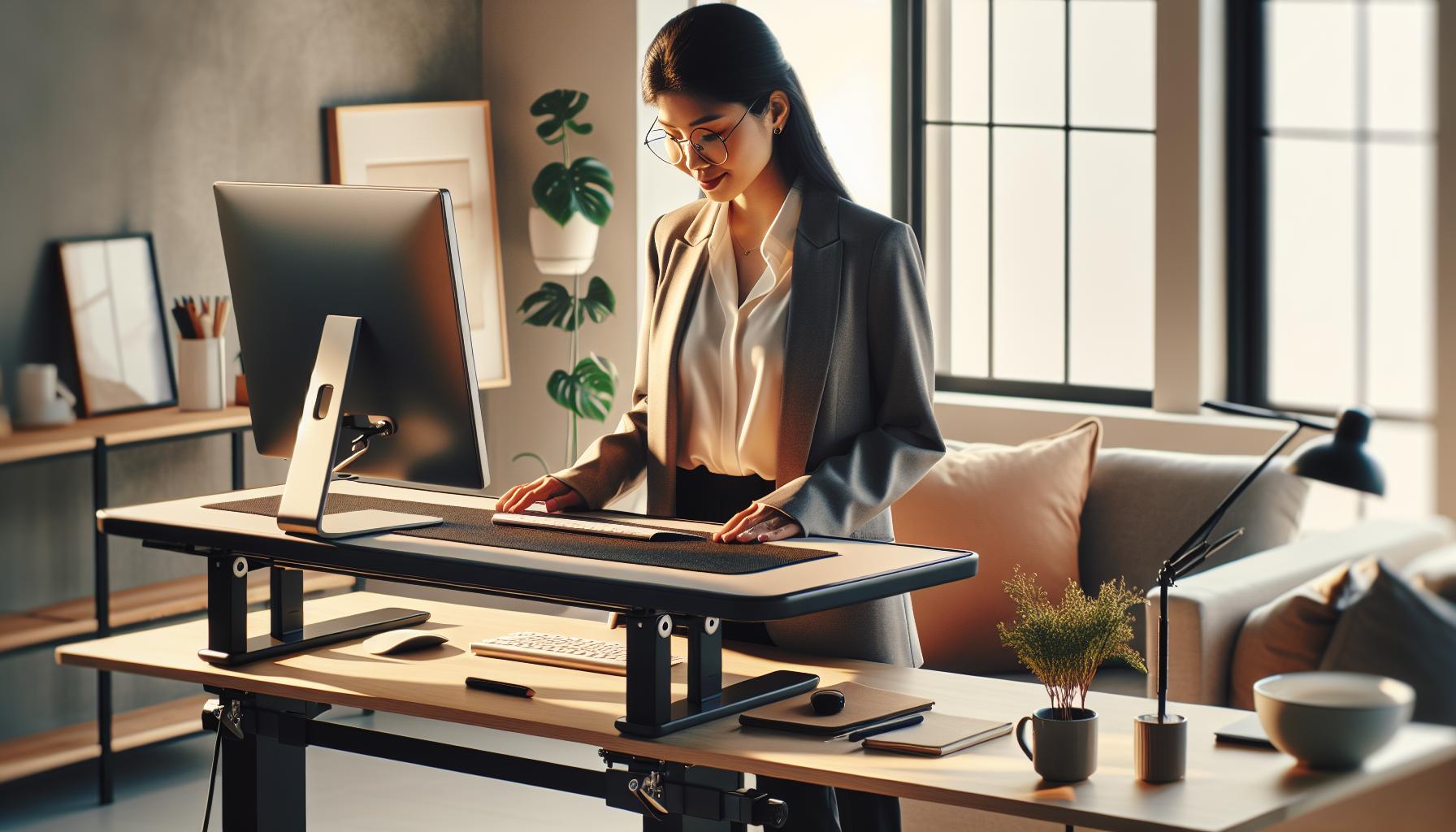
Standing for prolonged periods can significantly impact your comfort and productivity at work. A standing desk mat serves as a valuable addition to your workspace, designed to alleviate discomfort and promote better posture. Using one can encourage micro-movements and stimulate circulation, which may not only lead to increased comfort but also enhance your overall work performance.
One key benefit of a standing desk mat is its ability to reduce fatigue. Traditional hard surfaces can create pressure points on your feet, which may lead to discomfort and even pain over extended periods. A high-quality mat provides cushioning, helping to distribute your weight more evenly and allowing your muscles to relax. Furthermore, research indicates that when people are comfortable, they are more focused and productive.
In addition to physical comfort, standing desk mats can play a role in improving your overall posture. Many mats are designed with features that encourage standing alignment, thus promoting healthy spinal positioning. When your body is properly aligned, you can experience fewer strain-related injuries, contributing to long-term wellness. This setup is particularly beneficial for those working long hours, allowing them to shift naturally and stay engaged without experiencing the common drawbacks associated with standing.
As you consider the benefits of a standing desk mat, think about your workspace dynamics and personal comfort needs. Investing in a mat can create a more supportive environment, making it easier to adopt healthy standing habits for sustained periods, thereby enhancing both your well-being and work vitality.
Understanding Standing Desk Mats: What You Should Know
Standing for extended periods can often lead to discomfort and fatigue, making the environment in which you work crucial for your productivity and well-being. One particularly effective solution to enhance your standing experience is the use of a standing desk mat. These mats are specifically designed to provide cushioning and support, reducing pressure on your feet and alleviating discomfort that arises from hard floors.
Standing desk mats can vary significantly in terms of materials, thickness, and texture. A high-quality mat often has ergonomic features that promote subtle movements, allowing your body to shift positions comfortably without the detrimental effects associated with rigid surfaces. When choosing a mat, it’s essential to consider factors such as the density of the foam, the surface texture, and whether the design promotes active standing. Look for products that encourage slight movements, as this can stimulate circulation and reduce the fatigue often felt during long work hours.
Furthermore, the right standing desk mat can contribute to improved posture. Ideally, a good mat will encourage correct body alignment, supporting your feet, ankles, and spine. Over time, this can help mitigate strain-related injuries, which are common in sedentary or improperly supported positions. As you integrate this tool into your workspace, it’s beneficial to maintain an overall mindful approach to your ergonomics by adjusting your desk height, chair, and monitor positions accordingly.
Ultimately, investing in a quality standing desk mat is not just about comfort; it’s about creating a holistic workspace that fosters well-being and productive engagement. By reducing discomfort and promoting better posture, these mats can be a valuable asset in your pursuit of a healthier work-life balance, enhancing not just your physical health but also your cognitive functioning and overall productivity.
Essential Features of Quality Standing Desk Mats
Standing desk mats are more than just a surface to stand on; they play a crucial role in enhancing comfort and promoting overall workplace wellness. When choosing a quality standing desk mat, several essential features can significantly impact your experience and contribute to better health. One of these key features is ergonomic design. A well-designed mat should encourage natural foot movement and allow you to shift your weight comfortably, which can stimulate circulation and reduce fatigue during long periods of standing. Look for mats that incorporate varying thickness levels or graduated heights, as these can promote micro-movements that are vital for circulation.
Another vital aspect is the material composition of the mat. High-density foam is often recommended for its ability to provide support while adapting to your foot’s shape. This adaptability not only enhances comfort but also helps distribute weight evenly, which can mitigate pressure points. Anti-fatigue properties are also a must-have; consider mats that offer additional cushioning without being too soft, as too much give can lead to instability and discomfort.
Equally important is surface texture. A non-slip surface keeps the mat securely in place, preventing accidental slips that could lead to injury. Additionally, textured surfaces can provide subtle feedback to your feet, promoting mindful standing and movement. Also, look for mats that are easy to clean and maintain, since hygiene is key in any workspace environment.
Finally, consider size and shape. Your mat should accommodate your workspace comfortably, allowing enough space for foot placement and movement. A larger mat provides more freedom for shifting and repositioning, which can further enhance comfort and reduce the stiffness associated with prolonged standing. By investing in a standing desk mat with these essential features, you create a supportive and healthier workspace that promotes productivity and well-being.
Benefits of Using a Standing Desk Mat: Are They Worth It?
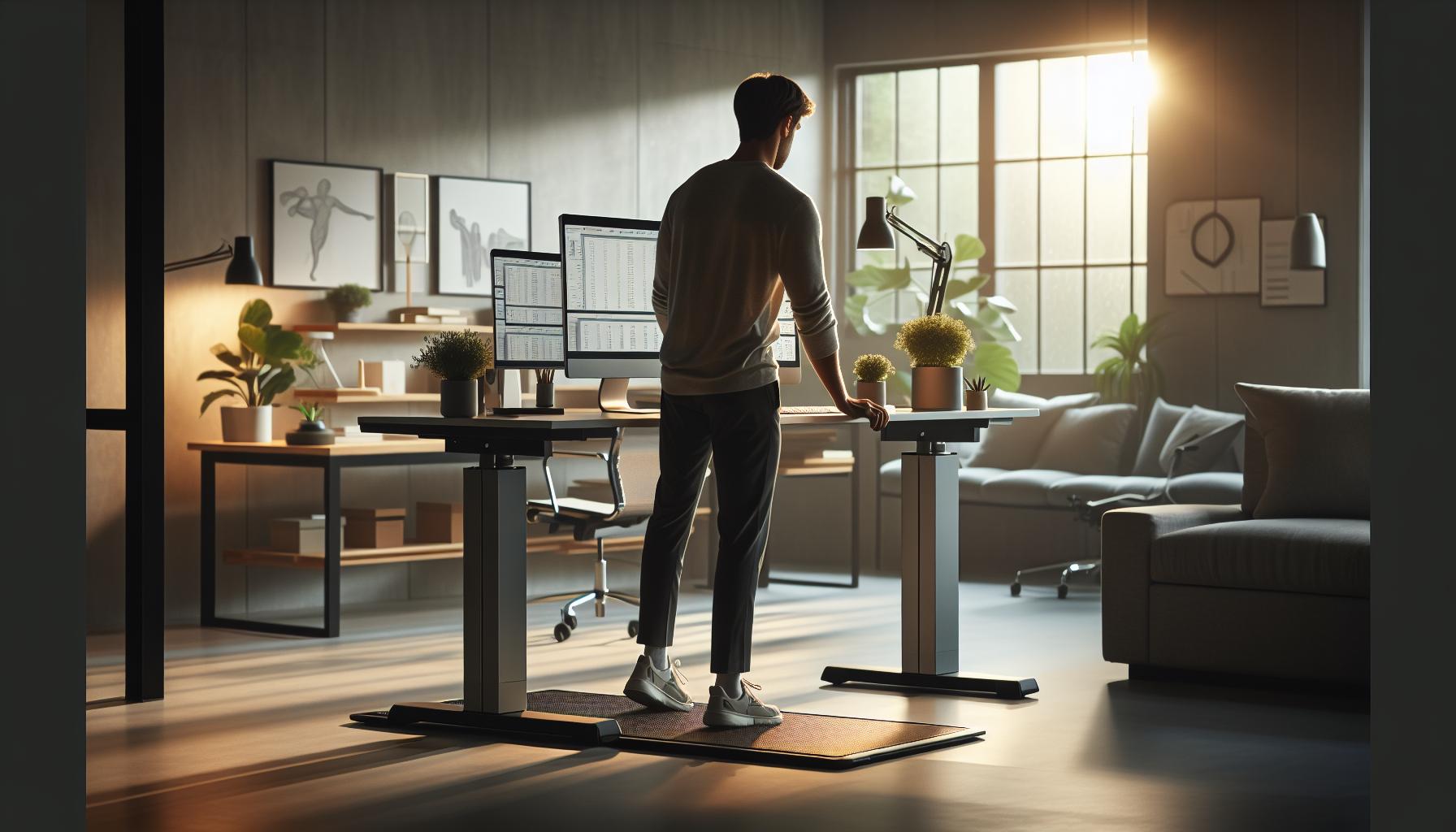
Standing for extended periods can significantly impact your comfort and productivity, and integrating a standing desk mat into your workspace can enhance this experience. The benefits of using a standing desk mat extend beyond mere cushioning; they play a pivotal role in reducing fatigue, improving posture, and fostering an environment conducive to sustained focus. Evidence suggests that standing without adequate support can lead to discomfort and reduced blood flow, leading to distractions and decreased performance throughout the day.
By using a quality standing desk mat, you can create a more dynamic standing experience. These mats encourage micro-movements-subtle shifts in weight and foot position that stimulate circulation and engage various muscle groups. This active standing approach not only alleviates tension and soreness but also keeps you mentally engaged. Incorporating a mat can potentially lead to improved posture as well, as many mats are designed to promote natural alignment and encourage the body to distribute weight more evenly.
Moreover, standing desk mats offer a layer of safety and stability. A textured, non-slip surface helps to prevent unintended slips, which can be a risk when standing in one position for too long. Furthermore, mats with anti-fatigue properties provide just enough support to avoid excessive sinking, thus allowing for a stable foundation while maintaining comfort. This can be particularly beneficial during long work hours.
In terms of productivity, investing in a standing desk mat may contribute to enhanced cognitive function. An ergonomic workspace tailored to the needs of your body can lead to decreased distractions caused by discomfort. Therefore, the choice to use a mat not only impacts your physical wellness but can also promote sharper focus and a better overall work experience. Thus, while they may seem like an optional accessory, standing desk mats are indeed a valuable asset for those seeking to optimize their health and productivity while working.
Common Misconceptions About Standing Desk Mats
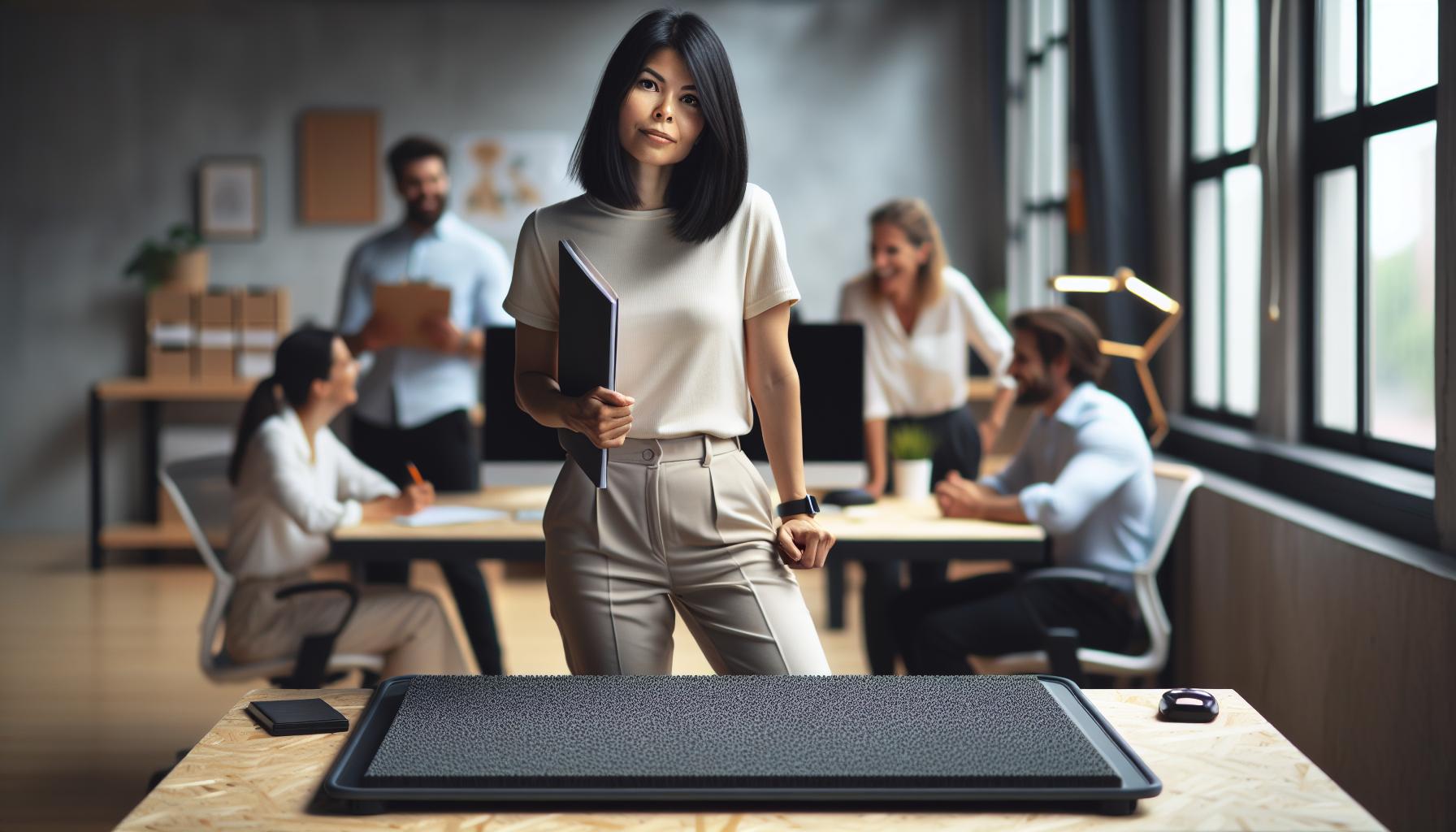
Standing desk mats are often surrounded by a cloud of misconceptions that can affect your decision to incorporate them into your workspace. One prevalent myth is that standing desk mats are merely cushions that offer no real benefit beyond comfort. In reality, these mats are designed to support proper ergonomics and encourage movement, reducing fatigue and improving overall posture during extended periods of standing. They facilitate micro-movements, which can greatly enhance circulation and prevent stiffness. The idea that a simple mat wouldn’t contribute to your health is a serious underestimation.
Another common misunderstanding is that standing desk mats are only necessary for people who stand all day at work. However, even those who shift between sitting and standing can benefit significantly from using a mat. It provides a stable and comfortable surface that can alleviate discomfort, allowing users to switch between positions without the adverse effects of prolonged standing or sitting. The versatility of a standing desk mat can enhance productivity and comfort for anyone working at a desk, making it a valuable tool, regardless of your specific working style.
Moreover, some believe that investing in a standing desk mat is simply an unnecessary expense. While quality mats can vary in price, the long-term health benefits they provide can far outweigh the initial cost. By reducing potential discomfort and promoting better posture, users may find that they can work more efficiently and potentially reduce the risks associated with sedentary job roles. Therefore, rather than being an optional accessory, a standing desk mat is an investment in your long-term workplace wellness.
In conclusion, dispelling these misconceptions can help you better understand how a standing desk mat can serve your needs. Whether it’s enhancing your comfort, promoting movement, or supporting your overall health, these mats play an essential role in optimizing your workspace. If you’re still skeptical, consider trying a mat for a week to see how it transforms your standing experience-your body and productivity may thank you!
Exploring Alternatives: Other Solutions for Comfort
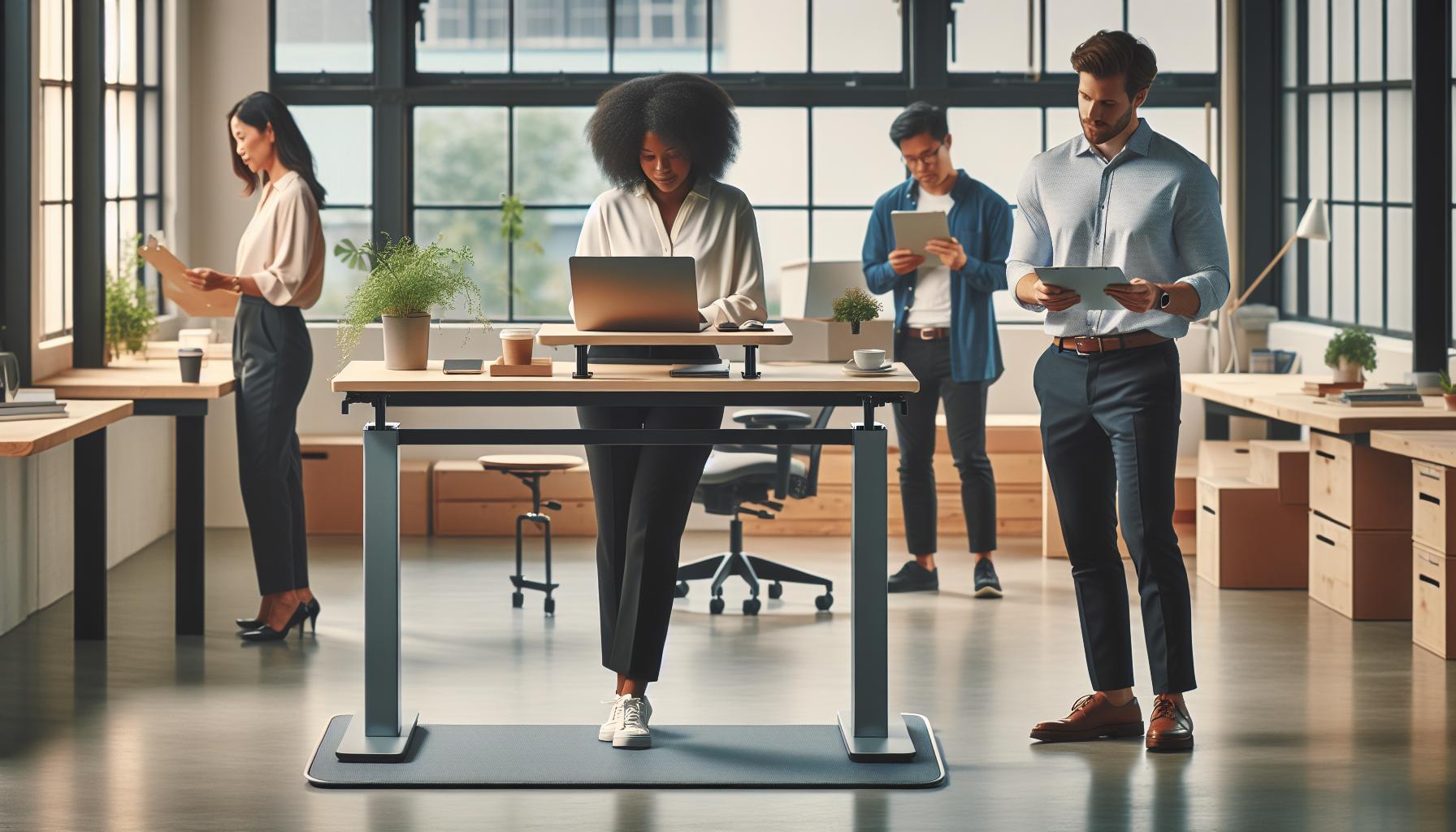
Standing at your desk can do wonders for your energy levels and productivity, but if you’re seeking additional comfort solutions beyond a standing desk mat, you’re not alone. Increasing workplace ergonomics and comfort doesn’t solely rely on one item; various alternatives can create a more pleasant and healthy workspace environment.
A simple yet effective option is adding an anti-fatigue mat or carpet. While these might seem similar to standing desk mats, they come in various textures and densities, providing different types of support. Anti-fatigue mats can encourage movement which helps in reducing fatigue and preventing stiffness. You might also consider layering your footwear with cushioned insoles designed for prolonged standing. A well-cushioned insole can significantly impact comfort, aligning your body and reducing strain on your feet and legs.
Additionally, incorporating a sit-stand desk converter allows you to switch between sitting and standing position effortlessly throughout your workday. This can help you avoid the discomfort associated with prolonged periods in either position. Standing during meetings or phone calls is another simple strategy. Variability in your working position can lead to better circulation and give your muscles a chance to relax.
Movement and Stretching
Incorporate short movement breaks every 30 to 60 minutes. Simple stretches or brief walks around your workspace can significantly enhance comfort. Try these stretches during your break:
- Neck Stretch: Gently tilt your head from side to side.
- Shoulder Rolls: Roll your shoulders forward and backward to release tension.
- Wrist Stretches: Extend one arm in front, palm up, and gently pull back on your fingers.
These practices, coupled with a conscious effort to adjust your posture regularly, ensure that you maintain comfort and productivity throughout your day.
Finally, consider the height of your workstation. A desk that’s too high or too low can lead to discomfort over time. Investing in an adjustable chair or desk can make a significant difference. Find ergonomic office equipment that promotes healthy posture. Things like keyboard wrist supports or monitor stands can also help you maintain proper body mechanics, ensuring you maximize the effectiveness of your workspace setup.
By exploring these alternatives and incorporating small adjustments into your work routine, you can enhance your comfort, productivity, and overall well-being while working.
How to Choose the Right Standing Desk Mat
Choosing the right standing desk mat can significantly impact your comfort and health during those long hours spent standing. With a myriad of options available, it’s essential to understand what features are crucial for your specific needs and workspace. A well-chosen mat not only minimizes fatigue but also promotes better posture and increased productivity.
Begin by considering the thickness of the mat. Typically, a thickness between 3/4 inch to 1 inch is ideal for providing adequate cushioning while still maintaining stability. A thicker mat distributes your weight more evenly, reducing the strain on your feet and joints. Additionally, pay attention to the material used in the mat’s construction. High-density foam or gel offers better support and durability than flimsy counterparts. Look for mats made from non-toxic, high-quality materials that are easy to clean and resistant to wear and tear.
In terms of design, consider mats with beveled edges or non-slip surfaces to prevent tripping hazards and ensure safety while moving around your workspace. Some mats even incorporate massage points or bumps that encourage subtle movements, which can promote circulation and further reduce fatigue. It’s also worth remembering that aesthetic appeals can contribute to your workspace motivation; many mats come in various colors and designs to complement your office decor.
Finally, think about your specific work habits. If you find yourself frequently shifting between sitting and standing, consider a mat that simplifies this transition, possibly by being lightweight and easy to move. On the other hand, if you stand for extended periods, investing in a high-quality mat tailored for long-term use will benefit you most. Sample mats when possible-many retailers allow you to test products to ensure they meet your comfort needs effectively, enhancing your overall work experience.
Setting Up Your Standing Desk: Best Practices
Setting up a standing desk is an empowering way to promote better posture and overall workplace wellness, but without the right adjustments, it can quickly turn uncomfortable. A well-configured standing desk can help combat the negative health effects associated with prolonged sitting and make your work environment more adaptable to your needs. Start by focusing on ergonomics; your desk should be set to the correct height so that your elbows form a 90-degree angle when typing. Your screen should be at eye level, ensuring that your neck remains in a neutral position, preventing any strain over time.
To further enhance comfort while standing, consider employing a standing desk mat. These mats are designed to reduce fatigue and improve circulation, allowing you to stand for longer periods without discomfort. When you set up your workspace, position the mat under your feet so it provides support where it is most needed, typically encompassing the areas that bear the most weight. Positioning your mat correctly ensures that you can maintain a healthy stance throughout your workday-shift your weight from leg to leg and utilize any features of the mat that encourage slight movements, as these actions can optimize blood flow and reduce stiffness.
It’s also essential to build in movement throughout your day. Research shows that alternating between sitting and standing can be beneficial. Schedule regular breaks to stretch, walk, or even do light exercises. Implementing a timer to remind you to switch postures can keep you engaged with your work while also ensuring that your body gets the movement it craves. Additionally, consider incorporating standing desk accessories, like footrests or balance boards, to keep your body active and engaged.
Finally, remember that everyone’s ideal setup may look different. Experiment to find what configuration works best for you, paying attention to how your body feels throughout the day. Track any discomfort or fatigue you experience and adjust your setup accordingly. This personalized approach not only reinforces ergonomics but also empowers you to create a work environment that fosters both productivity and health.
Impact on Workplace Wellness: Standing vs. Sitting
In today’s fast-paced work environments, the choice between standing and sitting has significant implications for workplace wellness. Studies indicate that prolonged sitting is linked to various health risks, including obesity, diabetes, and cardiovascular disease. By incorporating standing into your daily routine, you can counteract these negative effects. The shift from a sedentary lifestyle to one that includes more standing can lead not only to better physical health but also enhanced mental clarity and productivity.
Yet, it’s not just about the choice of standing versus sitting; the quality of your standing position plays a crucial role. Using a standing desk mat is an effective way to support this transition. These mats encourage movement, reduce pressure on your feet, and help maintain proper posture, thereby allowing you to reap the benefits of standing without the discomfort that often comes with it. By promoting slight shifts in your weight and movement, standing desk mats actively engage your muscles, which can further enhance circulation and reduce fatigue over time.
While the benefits of standing are compelling, a balanced approach is essential. Alternating between sitting and standing can optimize ergonomic health. For example, you might stand for 30 to 60 minutes of every hour while incorporating seated work in between. This alternation not only allows your body to recover from the static nature of sitting but also helps maintain higher energy levels and focus throughout the day. Moreover, incorporating brief walking breaks or stretches during your workday can have profound effects on both your physical and cognitive well-being.
Ultimately, a mindful approach to your work environment-one that includes utilizing tools like standing desk mats and encouraging movement-can foster a space that enhances productivity and well-being. By being proactive about your workspace setup and listening to your body, you can create a healthier, more dynamic working experience that aligns with your personal comfort and health goals.
Long-Term Effects of Standing Desk Usage on Health
The choice to incorporate a standing desk into your workspace is an essential step towards improving both physical and mental health over the long term. Research indicates that standing more during work hours can lead to a myriad of health benefits, from reduced risk of chronic conditions to enhanced mood and cognitive function. However, it’s equally important to consider how you approach this shift; using a standing desk without proper support, such as a standing desk mat, can lead to discomfort, fatigue, or even musculoskeletal issues over time.
Standing desks encourage greater energy expenditure compared to traditional seated setups, which can help combat the negative health impacts associated with prolonged sitting. Studies have shown that transitioning to standing can improve circulation, enhance metabolic activity, and even contribute to weight management. However, standing for extended periods can also lead to its own set of challenges, including foot pain and lower back discomfort, if not managed properly. This is where the significance of a quality standing desk mat becomes apparent. Such mats not only provide cushioning but also promote subtle movements that engage muscles and improve comfort, allowing for longer, healthier standing periods.
Moreover, individuals who adopt a standing desk and balance their work routine with movement-like stretching or walking-report significantly improved overall well-being. The incorporation of non-sitting time alerts better brain function and may boost productivity and creativity. Regular breaks to stand, walk, or perform light exercises can further mitigate the risks associated with both prolonged sitting and standing. This cyclical movement can foster better mental clarity and a stronger sense of motivation, which is crucial in high-demand work environments.
To truly benefit from a standing desk in the long run, it’s crucial to adopt a holistic approach that includes attentive ergonomics, the use of supportive accessories, and regular physical activity. Consulting with healthcare professionals or ergonomic specialists can provide personalized recommendations tailored to your unique needs, ensuring that this healthy transition promotes both comfort and effectiveness in your work life. Embracing this practice not only aids in physical health but also enriches mental resilience, thus laying the foundation for a thriving, productive work environment.
Maximizing Your Ergonomics: Beyond the Desk Mat
A remarkable fact about human anatomy is that our bodies are designed for movement, not stillness. In the quest for better workplace ergonomics, understanding how to optimize your standing desk environment goes well beyond simply adding a desk mat. Achieving peak comfort and productivity requires a holistic approach that accounts for workstation setup, regular movement, and personal adjustments tailored to your unique working style.
Proper desk height is crucial. When standing, your elbows should be bent at a 90-degree angle with your wrists in a neutral position, preventing strain. Additionally, ensure your computer screen is at eye level to avoid neck strain; this alignment helps maintain better posture and reduces fatigue. Use adjustable monitors or stands to accommodate these needs. Consider using tools like a footrest to shift your weight periodically, helping to distribute pressure on your feet and legs.
To effectively incorporate movement into your day, aim for intermittent activity, which has been shown to have significant benefits for cognitive function and physical health. Set timers to remind yourself to take short breaks every 30 to 60 minutes. During these breaks, integrate simple stretches targeting your neck, shoulders, and lower back to alleviate tension. Moreover, walking meetings or brief standing yoga sessions might invigorate your mind and body, enhancing creativity and problem-solving skills.
Finally, keep in mind the importance of personal preferences in your ergonomic setup. Factors such as footwear can greatly affect comfort; supportive shoes designed for standing are key, while barefoot options may work for others. Experiment with different combinations of support, movement practices, and workstation adjustments to discover what best suits your lifestyle. Consulting with ergonomic professionals can further personalize your setup, ensuring that the enhancements you make contribute to long-term wellness.
Personalizing Your Workspace for Optimal Productivity
Creating a workspace that promotes productivity and comfort involves more than just the basics of desk and chair selection; it’s about cultivating an environment that enhances your performance and well-being. Imagine transforming your workspace into a hub of creativity and efficiency-this is achievable through thoughtful personalization based on your specific needs and preferences. Research indicates that when individuals take steps to customize their work environment, they often experience improved focus, reduced stress levels, and a boost in overall job satisfaction.
One effective way to tailor your workspace is by considering the impact of your standing desk setup. Ensure that each component, from desk height to monitor placement, is optimized for your body. For example, using an adjustable desk allows you to alternate between sitting and standing, significantly benefiting your posture and energy levels. Pay careful attention to your foot positioning and utilize a quality standing desk mat to cushion your feet-this simple addition can reduce fatigue, making those standing periods more sustainable and productive.
Additionally, integrating a few personal touches can enhance your workspace dramatically. Surround yourself with items that inspire and motivate you, whether that’s artwork, plants, or meaningful personal items. Studies have shown that exposure to nature and greenery can boost mood and creativity, making it an excellent choice for workspaces. Incorporate elements of neuroplasticity into your design by regularly changing up your environment; this keeps your brain engaged and can enhance cognitive performance.
Lastly, monitor your comfort levels and be proactive in adjusting your workspace as needed. Regularly assessing how various elements impact your productivity-such as the temperature, lighting, and noise levels-will empower you to make necessary tweaks. Over time, these adjustments will help create a workspace that not only reflects your personality but also adapts to your changing needs, supporting both your mental and physical health. Prioritizing your workspace setup is a clear step toward achieving a harmonious balance between work and well-being.
Faq
Q: Why should I consider using a standing desk mat?
A: Using a standing desk mat can help reduce fatigue and discomfort from prolonged standing. These mats provide cushioning and support, promoting better posture and blood circulation. They can make standing more comfortable, encouraging longer periods of standing while working.
Q: How do I choose the right standing desk mat?
A: To choose the right standing desk mat, consider factors like thickness, material, and dimensions. Look for features such as anti-fatigue properties and slip-resistant surfaces. A quality mat should also have a warranty, reflecting its durability and support for your needs.
Q: Are standing desk mats suitable for everyone?
A: Standing desk mats can benefit most users, particularly those who stand for long periods. However, individuals with specific medical conditions should consult a healthcare professional. It’s important to listen to your body and adjust your stance regularly, whether using a mat or not.
Q: How does a standing desk mat impact productivity?
A: A standing desk mat can enhance productivity by improving comfort and reducing discomfort related to prolonged standing. This facilitates better focus and energy levels throughout the day. Integrating standing and movement breaks with a mat can further optimize your work output.
Q: Can I use a standing desk mat with any type of flooring?
A: Yes, standing desk mats can be used on various flooring types, including hardwood, carpet, and tile. However, mats designed for specific surfaces may enhance their effectiveness and comfort. Ensure your mat has a suitable grip to prevent slipping regardless of the flooring.
Q: How often should I replace my standing desk mat?
A: The lifespan of a standing desk mat varies depending on usage and material quality. Generally, a mat should be replaced every 1-3 years. Look for signs of wear, such as flattening or cracking, as these can diminish its effectiveness in providing support.
Q: Are there any downsides to using a standing desk mat?
A: While standing desk mats offer many benefits, potential downsides include the cost and the need for space. Some users may also experience initial discomfort as they adjust to standing for longer periods. It’s essential to balance standing and sitting to avoid fatigue.
Q: What are some alternatives to standing desk mats?
A: Alternatives to standing desk mats include using cushioned footwear, anti-fatigue insoles, or standing desks with built-in support features. Incorporating small movement breaks can also enhance comfort and reduce fatigue while standing without a mat.
In Retrospect
In deciding whether a standing desk mat is essential or optional, remember that the right choice can significantly impact your comfort and health during long hours of work. If you’re still uncertain, consider trying one to experience the benefits firsthand. Don’t forget to explore related resources like our comprehensive guides on ergonomic workspace setups and effective stress management techniques. Taking those next steps can further enhance your workplace wellness journey.
To stay updated on the latest tips and products, sign up for our newsletter and join a community passionate about improving workplace health. We’d love to hear your thoughts-share your experiences with standing desk mats in the comments below or connect with us on social media. Your input could help others make informed decisions!