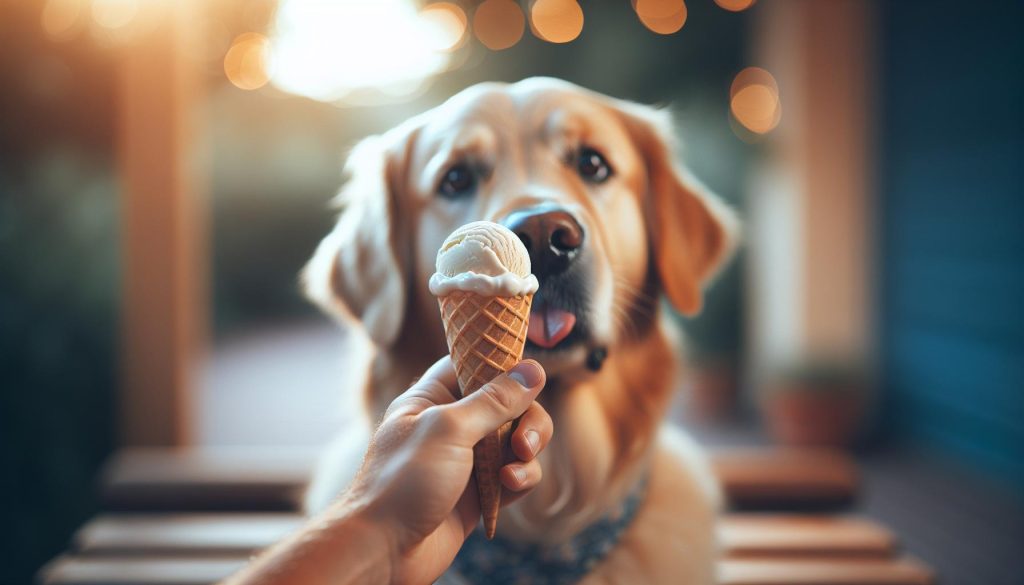
Did you know that your furry friend can experience brain freeze, much like we do? This curious phenomenon occurs when dogs indulge in cold treats too quickly, leading to a sudden headache caused by rapid changes in temperature in their mouths. Understanding why dogs experience brain freeze is not just a fun fact; it can help pet owners become more mindful about their pet’s eating habits and overall comfort. By learning about this unique canine experience, you can ensure your dog enjoys their favorite icy snacks safely. Dive in as we explore the neuroscience behind this sensation and how it impacts your pet’s well-being.
Do Dogs Experience Brain Freeze? Understanding the Science
Experiencing brain freeze, or ice cream headache, is commonly associated with humans, but dogs can also fall victim to this sudden and brief bout of discomfort. The phenomenon occurs when something cold comes into contact with the palate or roof of the mouth, causing blood vessels in the brain to constrict and then rapidly dilate. This dilation triggers pain receptors, resulting in the sharp headache that we often associate with eating ice-cold treats too quickly. Just like us, when dogs consume frozen treats or drink icy water too fast, they can experience a similar reaction.
Understanding whether dogs truly feel this discomfort can help pet owners make better decisions regarding their dog’s treats. While there is limited scientific research specifically on canine brain freeze, anecdotal evidence suggests that dogs do react when experiencing it. Signs may include sudden trembling, dropping their food, or looking confused. However, it’s essential to approach this phenomenon with care, as an occasional brain freeze is typically harmless and resolves quickly. Despite the surprise and momentary discomfort, dogs have the ability to process this sensation and continue enjoying their treats.
Educating yourself about how to recognize and respond to your dog’s reaction can empower you as a pet owner. Offering frozen treats more slowly or opting for less icy alternatives can help ensure that your furry friend enjoys their snacks without discomfort. Remember, it’s always best to observe your dog’s reactions and adjust their treat options based on their responses. This proactive approach enhances your pet’s enjoyment while safeguarding their well-being, making treat time more delightful for both you and your four-legged companion.
What Causes Brain Freeze in Dogs? The Mechanism Explained
Experiencing brain freeze, commonly known as an ice cream headache, isn’t just a human phenomenon; dogs can suffer from it too. This sudden discomfort typically occurs when a dog consumes something very cold, such as frozen treats or icy water, too quickly. When cold substances touch the palate or upper mouth, they cause rapid constriction and subsequent dilation of the blood vessels in the brain. This swift blood vessel response can trigger a series of biomarkers to send pain signals to the brain, leading to the abrupt sensation of pain or discomfort.
The mechanism behind this reaction can be distilled into several key biological processes. First, the extreme cold lowers the temperature of the tissues in the mouth. This sudden change signals the body to compensate by dilating the blood vessels, a response aimed at increasing blood flow to warm the affected area. However, this sudden fluctuation can overwhelm the brain’s pain receptors. In dogs, just like in humans, this response results in the classic sharp pain associated with brain freeze.
To help mitigate this response when providing cold treats, consider several strategies that can help your dog enjoy these snacks without discomfort. Gradually introducing cold treats can ease the palate into chilly sensations. Additionally, offering smaller portions that can be consumed slowly allows the blood vessels to adjust better, reducing the likelihood of brain freeze. By understanding the underlying causes, pet owners can create a more positive and comfortable treat experience for their furry friends.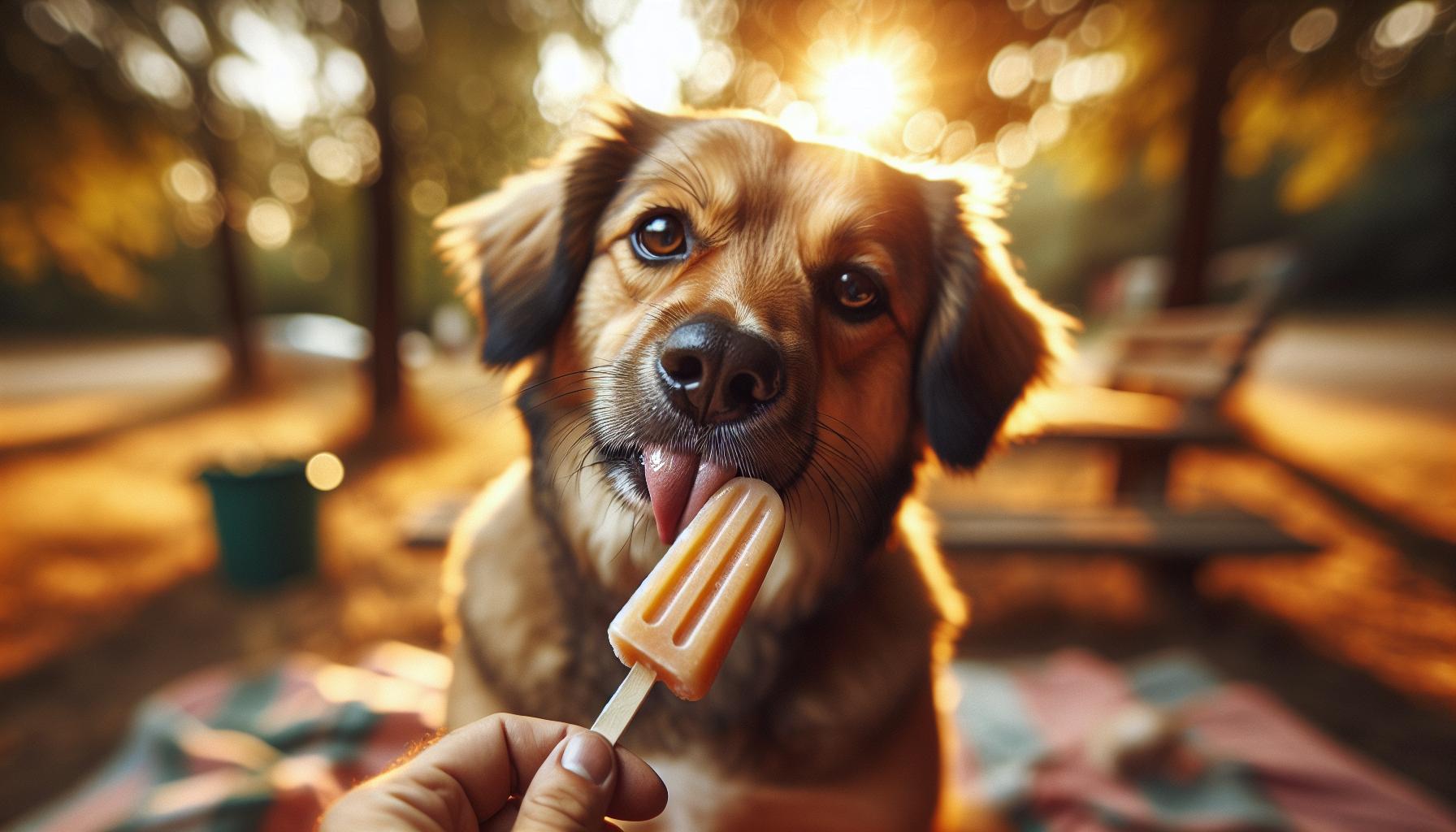
Signs Your Dog Might Have Brain Freeze
When your dog chomps down on a cold treat too quickly, a sudden change in their demeanor can signal the onset of brain freeze. This uncomfortable occurrence can manifest in a few distinct behaviors that pet owners should be on the lookout for. For instance, a dog may suddenly stop chewing, freeze mid-bite, or shake their head vigorously. These reactions can be shocking and might leave you puzzled about what’s happening.
Another sign that your dog might be experiencing brain freeze includes exaggerated facial expressions. You may notice them grimacing or lifting their nose in the air as if to signal discomfort. Additionally, they might show signs of agitation, such as pacing or whining, indicating that something isn’t quite right. Some dogs may even pace anxiously around the room or look to you for comfort, demonstrating their need for relief from the sudden pain.
Understanding these signals can empower you as a pet owner to respond promptly and thoughtfully. When observing these signs, try to soothe your dog by gently rubbing their head or distracting them with a non-cold treat. Monitoring your dog’s behavior after they consume cold snacks will help you prevent future discomfort while ensuring that treat time remains enjoyable.
Preventing Brain Freeze in Your Dog: Tips for Pet Owners
While it may seem amusing when your furry friend tugs at a popsicle stick, that rush of excitement can quickly turn into a cringe-worthy moment if they end up with brain freeze. This phenomenon is not just exclusive to humans; dogs can also experience it, causing discomfort that pet owners should aim to prevent. By taking some proactive steps, you can ensure that treat time is enjoyable without the chilly repercussions.
One of the most effective strategies for preventing brain freeze in dogs is moderation. Instead of allowing your dog to devour frozen treats in one go, consider offering them smaller portions. This slows down their eating pace, helping to mitigate that rapid temperature drop that leads to discomfort. Additionally, allow your dog to savor cold treats more slowly by letting them lick rather than bite into them.
You might also want to consider the timing and temperature of the treats you offer. Giving your dog a treat that’s overly cold could be asking for trouble. Opt for slightly warmer or softer options, like yogurt pops or ice cream intended for dogs, which are less likely to cause a drastic temperature change in the mouth.
Another alternative to keep your dog’s thirst quenched and their palate pleased is to utilize ice cubes made from broth or pureed fruit. These cubes can be a great way to cool your dog down while ensuring they hydrate adequately. Moreover, always keep an eye on your dog’s total intake of cold foods, as frequent consumption can contribute to a buildup of discomfort over time. By being mindful of these strategies, you can create a positive experience at treat time, allowing for cool enjoyment without the freeze.
The Differences Between Dog and Human Brain Freeze
Dogs can experience brain freeze, much like humans, but there are some notable differences in both the causes and manifestations of this phenomenon. The science behind brain freeze, known medically as sphenopalatine ganglioneuralgia, stems from the rapid cooling and rewarming of the blood vessels in the palate that triggers a pain signal in the brain. While both humans and dogs share this physiological reaction, the way they experience and communicate the discomfort can vary greatly.
In humans, brain freeze is often accompanied by a sharp, intense headache that typically resolves in less than a minute. The reaction is relatively easy to understand as most people can express their discomfort verbally or through gestures, making communication straightforward. However, dogs do not have the same means of expression. Instead, their experience can manifest through physical signs such as sudden whining, shaking their heads, or a brief pause in their activity.
Understanding these differences can help pet owners react appropriately when they suspect their dog might be experiencing brain freeze. While a human may simply need to slow down their eating habits to alleviate symptoms, dog owners should watch for specific behaviors that indicate discomfort and take preventive measures such as offering smaller, softer treats. The fact that dogs are less expressive can often make it more challenging to identify when they are uncomfortable, highlighting the importance of observing their behavior closely during treat time.
Additionally, the anatomical differences between canine and human mouths contribute to how brain freeze is perceived. Dogs have a different palate structure that may affect the concentration of nerve endings, potentially leading to varied sensations of discomfort. This insight underscores the importance of treating treat-giving practices with care and consideration tailored specifically to our furry companions, ensuring their enjoyment and comfort.
Creative Ways to Keep Your Dog Cool and Comfortable
To keep your dog cool and comfortable, especially during those hot days when a brain freeze might be a concern, consider implementing creative strategies that not only ensure their physical comfort but also enhance their overall well-being. Dogs, like humans, can feel the effects of extreme heat, and managing this effectively can help prevent discomfort, including the possibility of brain freeze from hurried treat consumption.
One flexible approach is to create frozen treats at home. Using dog-safe ingredients such as chicken broth, peanut butter, or pureed fruits like bananas or pumpkin, you can make popsicles in silicone molds. These can provide a refreshing snack on a warm day without the risk of rapid cooling that leads to brain freeze. Serve these treats in moderation to help your dog enjoy their cool goodness without gulping them down too quickly.
Another method involves engaging your dog in water play. Fill a kiddie pool with water or set up a sprinkler in your yard. This not only keeps them cool but also encourages physical activity to keep their spirits high. If you’re on the go, consider a cooling vest or bandana that can be soaked in water and worn by your dog to help regulate their body temperature while on walks.
Creating shaded areas in your yard with large umbrellas or pet tents can also make a significant difference. These shaded spots allow your dog to retreat from direct sunlight, helping them maintain a comfortable temperature throughout the day. Dogs are naturally inclined to find their preferred resting spots, so providing multiple options ensures that they can cool down whenever needed.
Lastly, it’s essential to keep fresh water readily available. Hydration is key to a dog’s well-being, especially in warmer climates. Consider adding ice cubes to their water bowl for an extra refreshing touch. Regular breaks during playtime or walks in the heat will also contribute to maintaining your dog’s comfort and preventing overheating or potential brain freeze from rapidly consumed cold treats.
By employing these strategies, you create an environment that prioritizes your dog’s comfort and safety, allowing them to enjoy the heat while minimizing the risk of discomfort.
Should You Be Concerned About Brain Freeze in Dogs?
Dogs, like humans, can experience brain freeze, a temporary discomfort that can arise from consuming cold foods too quickly. While it’s a distressing experience for our furry friends, the underlying mechanism is simple. Brain freeze occurs when something cold touches the palate, causing blood vessels in the brain to constrict and then rapidly dilate, resulting in a sharp, sudden headache. For most dogs, brain freeze is transient and poses no serious health risks, but awareness is crucial for pet owners looking to enhance their dog’s comfort.
It’s essential to monitor your dog’s behavior after they indulge in icy treats. Common signs of brain freeze include head shaking, whining, or an abrupt cessation of eating. If these symptoms manifest, the best course of action is to allow your dog to rest and warm up their mouth gradually. Overall, brain freeze should not be a cause for alarm; it is temporary and typically resolves within a minute or two. However, if your dog shows signs of distress or if episodes of brain freeze happen frequently, it might be worth consulting with a veterinarian to rule out any underlying issues.
To minimize the chances of brain freeze, proactive measures can include offering cooler, but not icy, treats to your dog and encouraging them to eat slowly. By fostering a mindful eating environment, you not only prevent discomfort but also enhance your dog’s overall dining experience. Emphasizing hydration during warmer months and promoting brain health through a balanced diet is equally important. Careful attention to your dog’s choices can transform snack time into a safe, enjoyable routine, ultimately supporting their well-being.
Exploring Other Pet Neuroscience Facts
The fascinating world of pet neuroscience opens up insights into the cognitive and emotional lives of our furry friends. For instance, studies show that dogs possess remarkable emotional intelligence, which enables them to read human facial expressions and respond to our emotions. This ability is rooted in their social nature, allowing them to function as loyal companions while also highlighting their adaptability to human environments. Understanding these cognitive nuances can significantly enhance our interactions with pets, leading to more harmonious relationships.
Research has revealed that a dog’s brain operates similarly to a human brain, particularly in areas related to processing emotions. For example, the canine brain exhibits a strong attraction to smells, boasting up to 300 million scent receptors compared to a human’s 6 million. This olfactory capability not only governs their acute sense of smell but also influences their behaviors and experiences. Incorporating activities that stimulate your dog’s olfactory senses-like scent training or hide-and-seek games-can boost both their mental engagement and overall happiness.
An additional area of interest is the concept of neuroplasticity in dogs, which refers to the brain’s ability to adapt and change throughout life. Much like humans, dogs can form new neural connections in response to learning and experiences. Engaging in regular training can not only improve your dog’s obedience but also strengthen their cognitive functions. Simple commands, puzzles, and interactive toys can promote cognitive development and memory retention, providing mental stimulation that keeps their brains active.
Moreover, the link between stress and cognition in pets cannot be overlooked. Stress in dogs can manifest in various forms, influencing their behavior and mental health. Recognizing signs of anxiety, such as excessive barking or destructive behaviors, helps pet owners implement strategies to alleviate stress. Creating a safe environment with consistent routines and providing mental enrichment through toys or activities can enhance both cognitive function and emotional stability in dogs. Investing in your pet’s mental well-being not only fosters a deeper bond but also promotes a healthier, happier life for them.
Popular Dog Breeds and Their Sensitivity to Brain Freeze
Certain dog breeds may be more susceptible to brain freeze due to their unique anatomical features and eating habits. For instance, breeds known for their voracious appetites, such as Labrador Retrievers and Golden Retrievers, may be prone to gulping cold treats quickly, increasing their chances of experiencing this phenomenon. The rapid ingestion of cold substances can cause a sudden cooling effect on the roof of the mouth, triggering a brief headache as the nerves react.
Interestingly, smaller breeds, like Chihuahuas and Pomeranians, may experience brain freeze differently due to their smaller mouths and faster metabolism. They may react with quick, short bursts of energy, allowing owners to easily recognize the signs of discomfort, such as shaking their head or backing away from the cold item. It’s essential for pet owners to monitor their dogs, especially those that are fast eaters, to prevent sudden temperatures from causing brain freeze.
To help manage this sensitivity, consider offering frozen treats in smaller, bite-sized pieces, allowing your dog to enjoy them more slowly. Additionally, observing their reactions can aid in determining which treats they prefer without triggering discomfort. Providing a comfortable environment after a chilly treat-such as taking a moment to relax at room temperature-can also alleviate any immediate effects of brain freeze.
Ultimately, understanding how different breeds respond to cold stimuli can enhance their enjoyment of treats while also fostering a more comfortable eating experience. Being attentive to your dog’s reactions and adjusting treat sizes and types accordingly can help ensure their happiness and health.
Fun Facts About Dogs and Their Unique Brain Functions
Did you know that dogs have a unique way of processing scents that can be up to 100,000 times better than humans? This extraordinary olfactory capability is attributed to their brain functions. While a human nose contains approximately 5 million scent receptors, dogs boast around 300 million. This difference in sensory perception stems from the size and structure of their olfactory bulb, a part of the brain responsible for detecting odors. Such an impressive ability enables dogs not only to identify food but also to detect illnesses in humans, making them invaluable in medical fields.
Dogs’ brains are not just about smell; they are also adept at recognizing human emotions. Research has shown that dogs can interpret our facial expressions and tone of voice. This sensitivity allows them to respond appropriately to our feelings-whether it’s offering comfort during sad moments or celebrating joy when we’re happy. Their ability to recognize human emotions showcases their cognitive sophistication and fosters the strong bonds we share with them.
Maintaining your dog’s cognitive health is crucial too. Just like humans, dogs experience neuroplasticity, which is the brain’s ability to reorganize itself by forming new neural connections. Engaging your dog in activities that stimulate their mind can play a significant role in enhancing their cognitive functions. Activities such as puzzle toys, training sessions, and interactive games not only keep them entertained but also help prevent cognitive decline as they age.
To keep your dog’s brain sharp, consider incorporating a mix of physical exercise and mental challenges in their daily routine. A varied routine can include:
- Interactive toys: Use puzzle feeders that require problem-solving to access treats.
- Training commands: Teach new tricks or commands to stimulate learning.
- Socialization: Arrange playdates with other dogs to enhance their social skills and overall happiness.
By understanding and nurturing their unique brain functions, we can help our canine companions lead more enriched and fulfilling lives.
How to Treat Your Dog if They Get Brain Freeze
Experiencing a sudden brain freeze can be just as uncomfortable for dogs as it is for humans, with a quick onset of that sharp, freezing sensation in their mouths. If your furry friend seems to be struggling with this chilly surprise, there are effective ways to help them manage it. First and foremost, remain calm yourself; your dog will pick up on your energy.
Start by removing any cold food or treats that triggered the brain freeze. If you’ve been offering ice cream or frozen treats, consider transitioning to softer, room-temperature snacks next time. You can gently encourage your dog to drink some lukewarm water, which can help soothe the sensation and alleviate the discomfort.
What You Can Do for Your Dog
To further assist your pet:
- Massage the throat: A gentle massage can help relax your dog’s throat muscles and ease the discomfort.
- Distract them: Engage them in a game or provide their favorite toy to redirect their attention from the discomfort to something more enjoyable.
- Use a warm compress: If your dog seems particularly uncomfortable, a warm pack on their neck might help relieve the tension.
Monitor your dog’s reaction. If the brain freeze seems to be causing extended distress or recurring, note the foods and temperatures that trigger this response. Keeping an eye on their reactions can help you adjust their treats in the future, minimizing the risk of discomfort and ensuring that snack times remain fun and safe. Remember, if your dog appears to be in significant pain or shows other concerning signs, don’t hesitate to consult your veterinarian for further advice.
Expert Insights: Veterinarians Weigh In on Canine Brain Freeze
While it may seem surprising, veterinarians confirm that dogs can indeed experience brain freeze, similar to how humans do after consuming cold treats too quickly. This phenomenon occurs when something cold touches the roof of a dog’s mouth, causing blood vessels to constrict and then rapidly dilate, leading to that sharp, fleeting pain we know all too well. Understanding this reaction helps pet owners recognize that it’s both a physical response and a momentary inconvenience rather than a serious health concern.
Veterinarians emphasize that while brain freeze itself is not typically harmful, pet owners should be aware of their dogs’ behaviors and reactions during such episodes. A key point raised by experts is that breeds with shorter noses, like Bulldogs and Pugs, may be more susceptible to this sensation due to their unique anatomy. It’s recommended that pet owners monitor their dogs’ consumption pace and choose appropriate treats. Consider offering frozen snacks in moderation and allow your dog to acclimate to colder foods gradually.
Additionally, when discussing how to alleviate a dog’s discomfort, many veterinarians advocate for positive distraction techniques. Engaging your dog with a favorite toy or game can redirect their focus and quickly alleviate any unease they may be experiencing. They also suggest incorporating warming agents, such as a gentle massage or a warm compress, if your dog appears particularly uncomfortable. Always remember, if your dog’s reactions seem extreme or if brain freeze occurs frequently, it’s wise to consult your veterinarian for personalized advice.
In conclusion, being informed about canine brain freeze not only equips pet owners with knowledge to better support their furry friends but also helps foster a deeper understanding of dog health and unique behavior.
Frequently Asked Questions
Q: Can dogs get brain freeze from eating cold food?
A: Yes, dogs can experience brain freeze when they consume cold foods or beverages too quickly. This happens because the cold stuff impacts the nerves in their mouths and throat, leading to a temporary headache. Offering cold treats slowly can help prevent this discomfort.
Q: How long does brain freeze last in dogs?
A: Brain freeze in dogs typically lasts a few seconds to a minute, similar to humans. If your dog shows signs of distress, it generally resolves quickly. Ensure they are calm and avoid giving them cold items hastily in the future.
Q: What are the signs of brain freeze in dogs?
A: Signs of brain freeze in dogs include sudden head shaking, stopping eating or drinking, excessive licking of the lips, or whining. If you notice these behaviors, it’s likely your dog is experiencing a short-lived headache from the cold.
Q: Is brain freeze dangerous for dogs?
A: Brain freeze is not considered dangerous for dogs; it is usually a temporary discomfort. However, if your dog seems excessive pain or exhibits unusual behavior after consuming cold items, consult your veterinarian for further evaluation.
Q: Can certain dog breeds be more sensitive to brain freeze?
A: Yes, some dog breeds may be more sensitive to brain freeze due to differences in their mouth structure and nerve sensitivity. Breeds with shorter snouts may experience these effects differently, making it essential to monitor cold food intake for individual dogs.
Q: Should I worry if my dog gets brain freeze regularly?
A: If your dog frequently experiences brain freeze, consider reducing the temperature of their treats or offering them in smaller portions. It’s generally not a health concern, but understanding their sensitivity can help tailor their diet better.
Q: Are there cold treats dogs can enjoy without getting brain freeze?
A: Absolutely! You can freeze low-fat yogurt in small portions, or blend fruit with water and freeze them into ice cubes. These will be refreshing but can be given slowly to minimize the risk of brain freeze.
Q: How can I prevent brain freeze in my dog?
A: To prevent brain freeze, offer cold treats in moderation and let your dog consume them slowly. You can also alternate between cold and room temperature treats to help them enjoy safely without discomfort.
Concluding Remarks
As you can see, dogs can indeed experience brain freeze, a fascinating insight into their neurological responses. Understanding such phenomena not only enriches your relationship with your pet but also highlights the complexity of canine health. To keep the learning going, check out our articles on dog behavior and health tips to ensure your furry friend leads a happy, healthy life.
Don’t wait-sign up for our newsletter today to receive the latest updates and insights on pet care directly to your inbox. If you have any lingering questions about your dog’s well-being or other pet science topics, feel free to leave a comment below. Your engagement helps us create even more valuable content just for you! Explore more to deepen your pet knowledge and support their health journey; after all, an informed pet owner is a confident one!