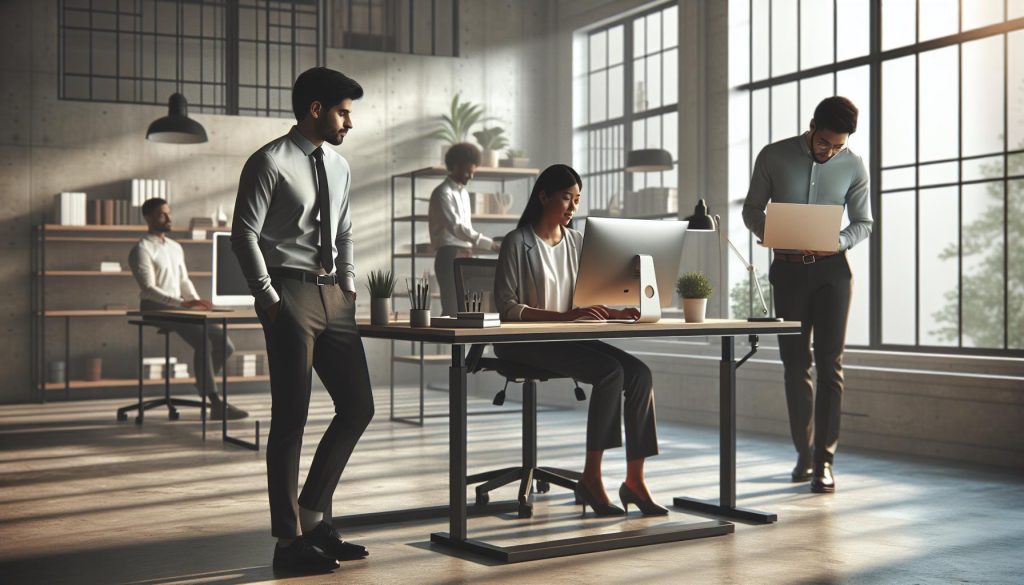
In today’s fast-paced world, many of us are chained to our desks for hours, leading to a range of health issues. Did you know that simply standing while you work can significantly enhance your well-being? Standing desks offer more than just an ergonomic upgrade; they may help decrease risks of disease, boost energy levels, and improve focus and productivity. By exploring five science-backed benefits of standing desks, you’ll find practical ways to enhance your work environment and overall health. Whether you’re looking to alleviate discomfort or just seeking to be more productive at your job, understanding the impact of standing desks can inspire positive changes in your daily routine. Dive in to discover how making this simple shift can lead to substantial improvements in your health and efficiency.
Are Standing Desks the Future of Work?
The modern workplace is evolving, and standing desks have emerged as a significant trend that reflects growing awareness about the adverse effects of a sedentary lifestyle. With many employees spending upwards of eight hours a day sitting, the quest for solutions to promote better health and productivity has led to a surge in the popularity of standing desks. But are they truly the future of work? The answer seems to lean towards yes, as employers and employees alike are recognizing the benefits that standing desks offer beyond mere aesthetics.
As organizations strive to foster healthier work environments, standing desks are proving to be a practical investment. They are not just a fleeting fad but a strategic approach to enhance diligence among workers. Studies indicate that standing while working may help reduce the risks associated with prolonged sitting, such as cardiovascular diseases and obesity. Moreover, transitioning to a more dynamic workspace can lead to improved energy and focus. Workers using standing desks report higher levels of productivity and engagement, resulting from the physical activity that standing encourages throughout the day.
Employers are also taking note of the rising commitment to employee health. Many companies are incorporating standing desks into their office designs as part of broader wellness initiatives. This shift not only supports health but also fosters a culture of wellness that can boost employee morale and attract top talent. Additionally, as remote work becomes more prevalent, the flexibility offered by standing desks-allowing individuals to alternate between sitting and standing-appeals to those seeking comfort and productivity at home.
Overall, the trajectory of workspace design indicates that standing desks are more than just a trend; they reflect a significant shift in how we perceive health and productivity in the workplace. As more research backs their benefits, and with rising awareness about the health risks of a sedentary lifestyle, it’s likely that standing desks will play a prominent role in future work environments, making our workspaces healthier and more dynamic.
The Science Behind Standing Desk Benefits
The shift towards standing desks reflects a growing recognition of how our daily habits impact health and productivity. Research has consistently shown that reducing sedentary behavior can lead to significant health improvements. For instance, studies suggest that using standing desks can effectively lower blood pressure and improve blood glucose levels, particularly among individuals who are otherwise sedentary [[1]](https://www.healthline.com/nutrition/7-benefits-of-a-standing-desk). This physiological change is crucial given the rising concerns over metabolic issues linked to prolonged sitting.
In addition to combating cardiovascular risks and glucose sensitivity, standing desks influence our overall well-being positively. Ergonomically designed standing workspaces can contribute to better posture and decrease the likelihood of developing chronic pain conditions. By promoting natural spinal alignment, users often report experiencing less discomfort in the back and neck, which can be common complaints among desk workers [[2]](https://bodysciencetherapy.com/are-standing-desks-worth-it-a-chiropractors-perspective/). Furthermore, standing rather than sitting can lead to increased energy levels and improved mood, thanks in part to enhanced circulation and the aerobic benefits of standing [[1]](https://www.healthline.com/nutrition/7-benefits-of-a-standing-desk).
The cognitive benefits of using standing desks shouldn’t be overlooked either. Engaging different muscle groups and shifting position can stimulate blood flow to the brain, fostering enhanced focus and productivity. A 2024 study emphasized that alternating between standing and sitting might facilitate better cognitive performance and greater functional capacity throughout the day [[1]](https://www.healthline.com/nutrition/7-benefits-of-a-standing-desk). Therefore, integrating a standing desk into the work environment could not only address physical health concerns but also support mental clarity and productivity.
By understanding , employees and employers alike can make informed decisions that transcend aesthetics – promoting a culture of health, engagement, and productivity that is increasingly essential in modern workspaces.
5 Proven Ways Standing Desks Improve Health
The modern workspace is evolving, and as more people swap traditional desks for standing versions, studies are revealing significant health benefits. Adopting a standing desk can be a powerful move toward improving overall health and well-being. Here are five proven ways standing desks can enhance your health based on scientific findings:
1. Reducing Cardiovascular Risks
Standing desks can play a crucial role in lowering the risk of heart disease. Prolonged sitting has been linked to various cardiovascular issues, including increased blood pressure and elevated cholesterol levels. Engaging in more standing throughout the day encourages blood circulation, which is vital for heart health. Studies have demonstrated that simply integrating standing periods into your routine can lead to an improvement in vascular function and a reduction in sedentary time, significantly benefiting heart health [[3]].
2. Improving Posture and Reducing Pain
Another key benefit of standing desks is their impact on posture. Many workers experience back and neck discomfort due to prolonged periods of sitting. Standing desks encourage a more natural spine alignment and can help alleviate pain associated with poor posture. Research shows that users of standing desks often report reduced discomfort within their backs and necks, promoting a more comfortable working environment [[2]].
3. Enhancing Mood and Energy Levels
Switching to a standing workstation can significantly boost mood and energy levels. The act of standing encourages movement, which promotes blood flow and can elevate endorphin levels. In turn, users report feeling more energized and less fatigued throughout the day. Moreover, a positive mood correlates with enhanced productivity, creating a virtuous cycle of benefits in the workplace [[2]].
4. Supporting Weight Management
Standing while working can also support weight management efforts. Active movement while at a desk allows for calorie burning, which is often neglected in a traditional seated posture. Studies indicate that using sit-stand workstations can contribute to reduced daily caloric intake and expenditure, serving as a valuable tool for those looking to maintain or lose weight [[2]].
5. Fostering Better Focus and Productivity
Lastly, standing desks can contribute significantly to improved cognitive function and productivity. The simple act of changing positions is known to stimulate blood flow, which can enhance concentration and adrenaline levels, making you more alert. Research suggests that alternating between sitting and standing can boost focus and overall functional capacity, leading to greater efficiency in completing tasks [[2]].
Incorporating a standing desk might just be the change needed to combat the adverse effects of sedentary lifestyles while enhancing both mental and physical health. As you consider this shift, remember that a balanced approach, which includes movement and ergonomic design, maximizes the benefits of this greater physical engagement in your workday.
Combatting Sedentary Lifestyle: Standing Desks Explained
In today’s fast-paced work environment, the prevalence of sedentary lifestyles is a growing concern. With many of us spending upwards of eight hours a day sitting at our desks, the implications for our health are significant. One innovative solution to combat this issue is the standing desk, which encourages more active work habits and offers numerous health benefits. Research has shown that simply changing your position throughout the day can significantly impact your physical well-being, energy levels, and even mental clarity.
By incorporating a standing desk into your workspace, you’re not only reducing the amount of time spent sitting but also promoting better overall health. Studies indicate that standing while working can lead to better posture and less back and neck pain, commonly associated with prolonged sitting. The act of standing increases blood circulation, which is essential in preventing various cardiovascular issues linked to sedentary behavior, such as increased blood pressure and cholesterol levels [[3]].
Integrating movement into your workday doesn’t have to be a drastic change. Many standing desks are adjustable, allowing users to alternate between sitting and standing positions comfortably. This mix not only helps to maintain energy levels but can improve focus and productivity as well. When employees feel less fatigued and experience fewer discomforts, they are more likely to stay engaged with their tasks. Furthermore, standing desks support a lightweight approach to calorie burning throughout the day, making them a valuable tool for those working on weight management [[2]].
Ultimately, combatting the effects of a sedentary lifestyle with the adoption of standing desks can be a game changer for many. As workplaces continue to evolve, integrating versatile, health-promoting furnishings has the potential to enhance not only employee well-being but also organizational productivity in the long run.
How to Transition to a Standing Desk Safely
Making the switch to a standing desk can be an exciting opportunity to enhance your work environment, but it’s crucial to transition carefully to avoid discomfort or fatigue. One impactful strategy is to start slowly. Instead of standing for the entirety of your workday from the outset, begin by incorporating brief standing intervals throughout the day. For instance, consider standing for 15-20 minutes per hour and gradually increasing this duration as your body adjusts. This allows your muscles to acclimate and helps prevent overexertion that could lead to soreness.
Another important aspect is to ensure your workspace is ergonomically optimized for standing use. This means adjusting the height of your desk so that your elbows are at a 90-degree angle and your computer screen is at eye level. Maintaining proper posture is vital during this transition; keep your shoulders relaxed, and distribute your weight evenly on both feet to minimize strain. You might also find it helpful to invest in an anti-fatigue mat to reduce discomfort in your legs and lower back while standing.
Incorporating movement into your routine is also beneficial. Aim to alternate your standing and sitting positions throughout the day, and take periodic breaks to walk around or stretch. Simple exercises like calf raises or stretching your arms can promote blood flow and keep your energy levels up. Additionally, consider using reminders or timers to help you remember to shift positions-perhaps using a smartphone app designed for this purpose.
Lastly, listen to your body. Everyone’s transition experience will differ, and it’s essential to pay attention to any signs of discomfort. If you start to feel fatigued, it’s perfectly okay to return to sitting or take breaks as needed. Keep in mind that the goal is to find a balance that enhances your productivity and comfort, ultimately making your workspace a healthier place to be. By following these practical steps, you can smoothly transition to a standing desk, reaping its benefits without sacrificing your well-being.
Common Myths About Standing Desks Debunked
While standing desks have surged in popularity, a range of misconceptions continues to cloud their benefits and practicality. Understanding these common myths can help you make an informed decision about integrating a standing desk into your workspace.
One widespread belief is that standing desks eliminate the negative effects of prolonged sitting entirely. However, this isn’t strictly true. While increasing your standing time can lead to improvements in health markers such as blood sugar levels and reduced blood pressure, standing for extended periods can also cause issues like leg fatigue, joint pain, and varicose veins. The key to maximizing the benefits of a standing desk lies in balance. It’s crucial to alternate between sitting and standing while incorporating regular movement and breaks throughout your day to promote circulation and reduce bodily strain.
Another myth is that standing desks automatically boost productivity. Some assume that if they are standing, they will be more focused and efficient. In reality, the effect on productivity can vary widely among individuals. Factors such as personal comfort, type of task engagement, and workspace setup play significant roles in determining whether standing truly enhances your output. To foster a productive environment, ensure that your standing desk setup is ergonomically optimized, and consider utilizing standing desk accessories like anti-fatigue mats, supportive shoes, or footrests to help maintain comfort while working.
A commonly held notion is that standing desks are suitable for everyone, which is misleading. While many individuals can benefit from switching to a standing desk, some people might have specific health conditions or concerns that could make standing for prolonged periods uncomfortable or detrimental. For instance, individuals with chronic back pain or leg issues may require adjustable desks that allow for flexibility between sitting and standing. It’s essential to listen to your body and consult a healthcare provider if you’re uncertain about transitioning to a standing desk.
Finally, there’s a belief that standing desks are a quick fix for weight loss and healthier living. While some studies indicate that they can help burn more calories compared to sitting, the weight management benefits are not significant enough to replace a healthy diet and regular exercise regimen. Standing desks can be part of a more active lifestyle, but expecting dramatic weight loss solely from standing is unrealistic.
By recognizing and debunking these myths, you can approach the option of a standing desk with a clearer perspective, ensuring that your workspace supports both your productivity and well-being.
Comparing Standing Desks to Traditional Desks
Research suggests that the environment in which we work can significantly impact our health, productivity, and overall well-being. unveils distinct advantages and considerations. While traditional desks have long been the standard in office setups, the rise of standing desks has prompted a closer examination of their effectiveness in fostering a healthier work culture.
One notable difference is the potential for reduced sedentary time with standing desks. Studies indicate that prolonged sitting is linked to various health issues, including obesity, diabetes, and cardiovascular disease. In contrast, users of standing desks report lower risks of these conditions as standing encourages movement and can enhance metabolic function. According to a 2024 study, those who rotate between sitting and standing experience improvements in blood glucose levels, blood pressure, and even mood, showcasing a stark advantage for standing desk users over their traditionally seated counterparts[3[3].
However, it is essential to recognize that standing isn’t a panacea. While sitting for too long can lead to negative health outcomes, standing desks can also introduce new discomforts if not used correctly. Users may experience fatigue or discomfort in the legs, joints, and back if they stand for extended periods without breaks. As such, a balanced approach combining sitting, standing, and movement throughout the day could be the most effective strategy for promoting long-term health[1[1].
Ultimately, the choice between standing and traditional desks should be guided by individual preferences, work tasks, and health needs. Ergonomically optimized workspaces-whether standing or seated-are crucial. A well-set-up standing desk can lead to a more dynamic work routine, but care must be taken to balance standing with seated work to avoid discomfort. Investing in adjustable desks that allow for easy transitioning can enhance user experience, making it easier to find the right balance for optimal health and productivity.
Enhancing Productivity with a Standing Desk
Working at a standing desk can be a transformative experience, potentially enhancing productivity in ways that traditional seated desks may not. Research indicates that the mere act of standing can lead to improved alertness and focus. Users often report feeling more energetic and engaged when they are upright compared to when they are sitting for extended periods. This shift in posture may also positively affect mood, which can be a significant motivator throughout the workday.
To maximize productivity with a standing desk, it’s crucial to adopt a few best practices. Firstly, introduce standing gradually into your work routine. Start with 15 to 30 minutes of standing each hour, working your way up as your body adjusts. This gradual transition can help mitigate discomfort and fatigue associated with prolonged standing. Additionally, incorporating movement into your routine-such as stretching, walking in place, or periodic short walks-can enhance circulation and stave off tiredness.
Another key factor is the ergonomics of your workspace. Ensure that your monitor is at eye level and your keyboard is positioned such that your wrists are straight. This setup not only supports better posture but also helps sustain productivity by minimizing physical strain. Using anti-fatigue mats can further enhance comfort by providing cushioning while you stand, thereby allowing you to concentrate on your tasks without distraction.
Finally, introducing standing desks in team environments can foster collaboration and dynamic engagement. For instance, use standing huddles instead of seated meetings to create a more interactive atmosphere. These small changes can not only elevate individual productivity but also energize team dynamics, fostering a culture of health and well-being in the workplace. By implementing these strategies, standing desks can become a powerful tool in improving not just individual performance but the overall productivity of teams and organizations.
Ergonomics 101: The Right Setup for Standing Desks
Creating an ergonomically sound setup for standing desks is essential for maximizing comfort and productivity while minimizing the risk of strain and injury. A well-designed workspace can significantly enhance the benefits of standing desks and ensure users get the most out of their investment. The key to an effective standing desk environment lies in the proper arrangement of all elements, from the desk height to accessory placement.
Start by adjusting your desk to the correct height. Ideally, your elbows should be bent at a 90-degree angle while typing, with your wrists straight. The top of your monitor should be at or slightly below eye level to prevent neck strain. Keep the monitor about an arm’s length away to reduce eye strain. For those using multiple screens, make sure primary monitors are directly in front and secondary ones to the side at a similar height.
Additional ergonomic considerations include:
- Footwear: Wear comfortable, supportive shoes to help alleviate pressure on your feet and legs.
- Anti-fatigue mats: Use mats designed to reduce fatigue when standing for long periods. These mats promote movement and alleviate pressure on the feet and joints.
- Peripheral placement: Keep frequently used items like pens, notepads, and phones within easy reach to avoid excessive stretching or twisting.
To further optimize your standing desk experience, consider integrating movement into your routine. Incorporate short breaks for stretching or walking, which can help maintain blood circulation and reduce stiffness. Additionally, using a footrest can promote movement while standing, allowing you to shift your weight from one foot to the other and engage different muscles.
Creating the right ergonomic setup at your standing desk doesn’t just improve your comfort; it also enhances overall workplace productivity. By minimizing discomfort and maximizing efficiency, you can truly harness the numerous health benefits that standing desks offer.
Long-Term Effects of Standing Desk Use
The long-term effects of using standing desks are increasingly becoming a focus of research as more individuals shift away from traditional sitting arrangements. Over extended periods, the health benefits of standing desks can significantly improve physical well-being and mental acuity, leading to a more dynamic work experience. Studies indicate that the adoption of standing desks can lead to reduced risks of chronic diseases associated with sedentary behavior, such as obesity, diabetes, and cardiovascular issues. By standing more often, users can enhance their metabolic rate, helping to maintain healthier blood sugar levels and reduce fat accumulation over time.
Equally important is the impact of standing desks on mental health. Users often report improvements in mood and energy levels, which can be attributed to increased blood circulation and reduced discomfort during long work sessions. A study conducted among university students noted that those who alternated between sitting and standing felt not only more focused but also experienced less fatigue and more positive mood states compared to their seated counterparts [[1]](https://www.healthline.com/nutrition/7-benefits-of-a-standing-desk). These psychological benefits can create a more engaging work environment, fostering productivity and creativity in various tasks.
Another aspect to consider is the ergonomic enhancements that naturally evolve over time when using standing desks. Many users develop better posture habits and learn to incorporate movement throughout their day, mitigating common workplace complaints like back pain and shoulder tension. By integrating regular standing and movement into their routines, individuals can cultivate a holistic approach to wellness that stands to benefit long-term health, enabling them to work comfortably for extended periods.
However, striking a balance is crucial. Over-reliance on standing without adequate breaks or ergonomic adjustments can lead to fatigue or discomfort in the legs and feet. Therefore, seasoned users often recommend a hybrid approach, alternating between sitting and standing, supported by ergonomic tools such as anti-fatigue mats and supportive footwear. This balanced strategy not only hones the short-term benefits but strategically maximizes the long-term positive effects on overall health and productivity.
User Experiences: Real Stories from Standing Desk Users
Many standing desk users report transformative experiences that extend beyond mere comfort, underscoring the potential health benefits of this ergonomic innovation. For instance, Sarah, a graphic designer, transitioned to a standing desk after grappling with chronic back pain due to long hours of sitting. Since making the switch, she has experienced a remarkable decrease in discomfort and has even found herself feeling more energized throughout the day. “It’s not just about standing; it’s about moving and feeling more engaged with my work,” she shares. Her story is not unique; numerous users emphasize the invigorating effects of an upright posture combined with intentional movement.
One compelling narrative comes from Mark, a corporate employee who initially resisted the idea of a standing desk, worried about foot fatigue. After a few weeks of careful adjustment-using an anti-fatigue mat and transitioning slowly-he noticed significant improvements in his focus and productivity. “I can’t believe how much my mood has lifted. I feel less lethargic, and I’m able to think more clearly,” Mark explains. His experience highlights an essential aspect of using standing desks: the importance of gradual adaptation and ensuring proper setup to avoid discomfort.
Moreover, family dynamics can also shift due to the adoption of standing desks. Jenna, a mother who started using a standing desk while working from home, found herself being more active around her children. “I’m not just stationary at my desk anymore. I’m able to help them with homework while standing or even moving about, which keeps me agile,” she notes. This added flexibility not only benefits her physical health but also creates a more dynamic home environment.
While many users enjoy the advantages, they also stress the importance of balance. “I’ve learned that the key is to alternate. Sometimes I sit; sometimes I stand. It’s about finding what works for my body,” says Tom, an IT specialist. He underscores the value of listening to one’s body and adjusting as necessary, embracing both sitting and standing in a holistic approach to productivity and wellness. These real stories serve as powerful testimonials, illustrating the varied benefits and challenges of integrating standing desks into daily work life.
Cost vs. Benefits: Are Standing Desks Worth It?
Investing in a standing desk can significantly alter your work environment and overall well-being, but is the expense justified? Standing desks range widely in price, from budget-friendly models at around $200 to high-end, adjustable options exceeding $1,000. However, examining their long-term benefits often reveals that the initial investment may be well worth it for many users.
One of the primary advantages of standing desks is their potential impact on health. Research indicates that reducing sedentary behavior could lead to lower risks of chronic conditions such as obesity, heart disease, and diabetes [[1]](https://www.healthline.com/nutrition/7-benefits-of-a-standing-desk). Moreover, studies have shown that they can enhance mood and energy levels, which in turn may improve productivity and job satisfaction [[2]](https://www.health.harvard.edu/blog/the-truth-behind-standing-desks-2016092310264). Lowering the risks associated with prolonged sitting might save money down the line through decreased healthcare costs and absenteeism linked to health issues.
Evaluating Costs
When considering the cost of a standing desk, potential users should reflect on several factors:
- Type of Desk: Fixed or adjustable desks present varying price points, with adjustable models usually offering more ergonomics.
- Accessories: Additional items like anti-fatigue mats, monitor arms, or keyboard trays can enhance comfort but also increase overall costs.
- Space and Setup: Considerations around space, setup, and the need for a dedicated workstation can further impact costs.
Assessing Benefits
In addition to health benefits, using a standing desk can lead to greater engagement and productivity. Users like Mark have reported heightened focus and clarity after making the transition, aligning with findings that suggest a boost in cognitive function with reduced sitting time [[1]](https://www.healthline.com/nutrition/7-benefits-of-a-standing-desk). This can have a ripple effect on work output, potentially justifying the initial financial outlay.
Ultimately, the decision to invest in a standing desk should weigh both immediate costs and long-term health and productivity benefits. For many, the positive shifts in energy levels and overall morale create a compelling case, suggesting that standing desks may indeed be worth the investment.
Faq
Q: What are some disadvantages of using a standing desk?
A: Standing desks can lead to fatigue, discomfort, or joint pain if used improperly. It’s important to alternate between sitting and standing to prevent strain. Additionally, inadequate ergonomic setups can cause postural issues. For optimal health benefits, refer to our section on ergonomics for the right standing desk setup.
Q: How can I adjust my standing desk to prevent fatigue?
A: To prevent fatigue while using a standing desk, position your monitor at eye level and keep your feet flat on the ground. Alternate your weight between legs, and consider using a footrest. Explore our guide on ergonomics for detailed setup advice.
Q: How long should you use a standing desk daily?
A: Ideally, start with 4-6 hours of standing per day and gradually increase it. Aim to alternate between sitting and standing every 30 minutes to maintain comfort and promote circulation. For a balanced approach, check the section on transitioning to a standing desk safely.
Q: Can standing desks help with weight loss?
A: Standing desks contribute to burning more calories compared to sitting, but they aren’t a magical weight loss solution. Incorporating movement throughout your day maximizes this benefit. For more insights on health impacts, see our section on proven ways standing desks improve health.
Q: Are standing desks suitable for everyone?
A: Standing desks may benefit most people, but they aren’t ideal for everyone, especially those with certain medical conditions. If concerned, consult a healthcare professional. Learn more about the individual user experiences in our articles section.
Q: What type of standing desk is best for home use?
A: For home use, height-adjustable desks are highly recommended as they offer flexibility to switch between sitting and standing. A sturdy design and adequate space for your equipment are also important. For comparisons, refer to our section comparing standing desks to traditional desks.
Q: Do standing desks really improve productivity?
A: Yes, many users report increased productivity and focus when using standing desks. The change in posture can enhance energy levels and reduce fatigue. Check out our section on enhancing productivity with a standing desk for more tips.
Q: How do I safely transition to a standing desk?
A: To safely transition, start by using the standing desk for short periods, gradually increasing the time spent standing. Incorporate frequent breaks and listen to your body’s signals. For more detailed strategies, refer to our guide on how to transition to a standing desk safely.
Final Thoughts
As you explore the benefits of standing desks, remember that making this simple shift can lead to improved health, enhanced productivity, and greater comfort during your workday. If you’re considering taking the plunge, check out our articles on ergonomic office setups and tips for maximizing your workspace efficiency. Don’t wait-make the switch to a standing desk today and experience the difference for yourself!
Have questions or thoughts? We invite you to leave a comment below. For ongoing insights into workplace wellness, sign up for our newsletter, or visit our resources page for expert consultations. Together, let’s create a healthier, more productive work environment!