
In today’s fast-paced work environment, spending hours hunched over a desk can take a toll on your physical and mental well-being. Surprisingly, studies show that prolonged sitting can increase the risk of serious health issues, including obesity and cardiovascular diseases. Transitioning to a standing desk can be a game-changer, promoting better posture, boosting energy levels, and enhancing productivity. This comprehensive guide explores the benefits of standing desks and provides actionable steps to optimize your workspace for improved health and cognitive function. Whether you’re aiming to alleviate discomfort, stay focused, or foster a healthier work-life balance, this guide is designed to empower you with the knowledge and tools to transform your work habits for the better. Let’s dive deeper into how standing desks can revolutionize your daily routine and support your wellness journey.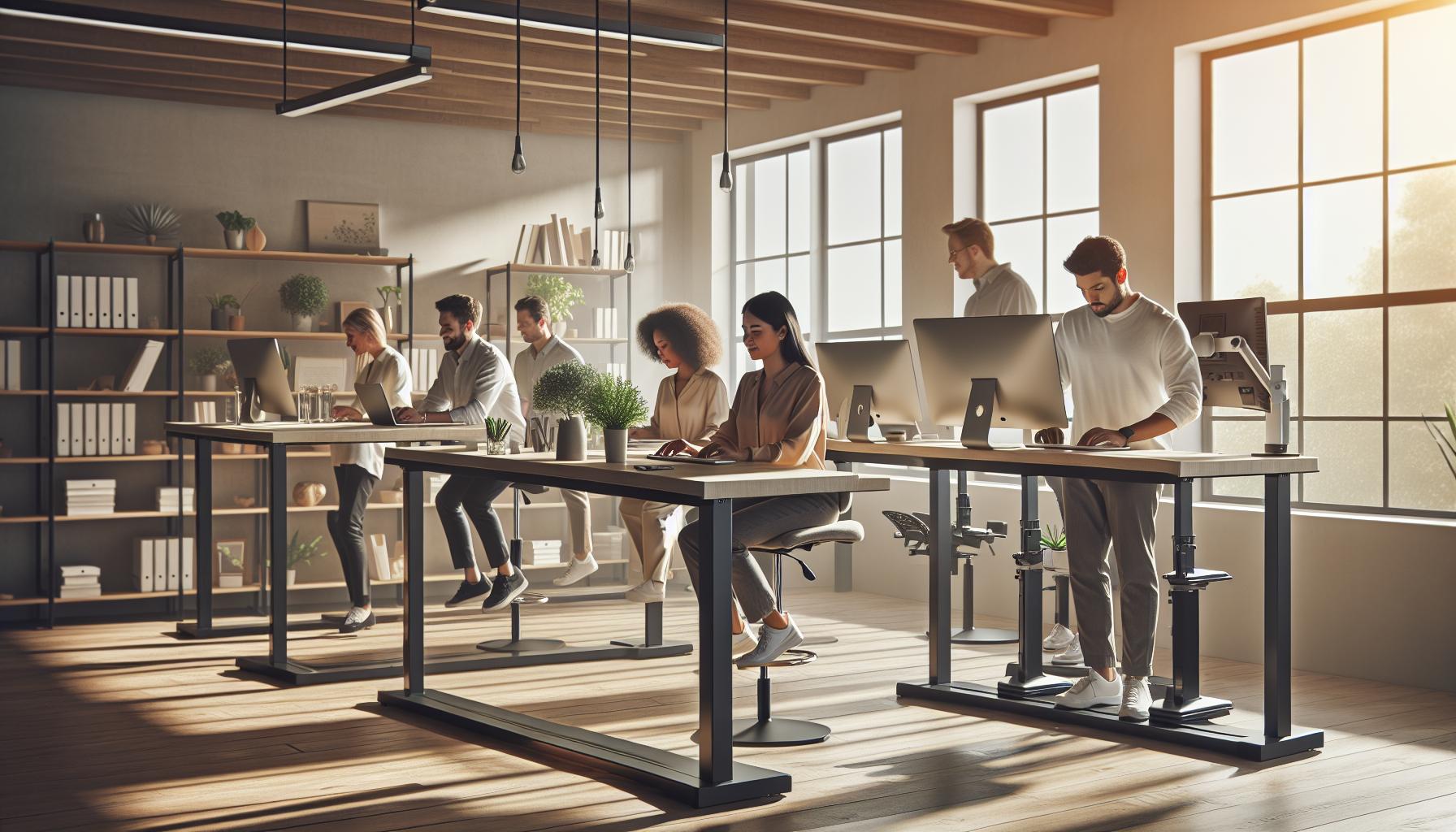
Understanding the Benefits of a Standing Desk
In today’s dynamic work environment, the benefits of adopting a standing desk are becoming increasingly clear. Research suggests that integrating periods of standing into your daily routine can significantly enhance both physical and mental well-being. One of the most compelling findings is the relationship between standing desks and reduced risk of chronic diseases. Studies indicate that prolonged sitting is associated with a higher risk of obesity, cardiovascular issues, and even certain cancers. By shifting to a standing desk, you can help mitigate these risks, promoting a healthier lifestyle overall.
Moreover, standing desks are linked to improved productivity and focus. When you stand, your body is more engaged, which can lead to increased energy levels and heightened alertness. This boost in physical engagement often translates to better cognitive performance, helping you tackle challenging tasks with greater ease. Many users report feeling more active and less fatigued during their workday, suggesting that a standing desk can not only improve health but also enhance work quality.
To optimize the benefits, it’s essential to approach the use of a standing desk mindfully. Striking a balance between standing and sitting throughout the day is crucial. Experts recommend following the 20-8-2 rule: for every 30 minutes of work, spend 20 minutes sitting, 8 minutes standing, and 2 minutes moving. This method not only ensures that you don’t experience fatigue from standing for too long but also encourages movement, which is vital for overall health.
By embracing the benefits of a standing desk, you’re taking a proactive step toward enhancing your health, well-being, and productivity in the workplace. Making these adjustments can lead to significant improvements in not just how you feel at work, but also how effectively you handle your tasks and manage stress throughout the day.
Setting Up Your Standing Desk: A Step-by-Step Guide
Setting up your standing desk properly can significantly enhance your work experience, supporting both comfort and productivity. The right setup not only encourages good posture but also integrates seamlessly into your workflow. Follow these steps to create a workspace that promotes health and efficiency.
Choose the Right Desk Height
When adjusting your standing desk, aim for your elbows to be at a 90-degree angle when your hands are resting on the keyboard. This position helps maintain an ergonomic posture. Generally, the keyboard should be at or slightly below elbow height while standing. If your desk has adjustable height settings, play around with them until you find the most comfortable position.
Adjust Monitor Height
Position the top of your monitor screen at or just below eye level. This setup allows your neck to remain in a neutral position, reducing the strain that can lead to discomfort over time. The distance between your eyes and the screen should be roughly an arm’s length away. Ensure the screen is tilted slightly back (about 10 to 20 degrees) to further enhance your line of sight.
Incorporate a Footrest
A footrest can enhance your comfort by allowing you to shift your weight from one foot to the other, promoting movement throughout your day. Even a small stool or an anti-fatigue mat can make a difference, providing support while you stand. Switching your weight from foot to foot regularly is encouraged to prevent fatigue.
Embrace Accessibility
Keep frequently used items within easy reach to minimize unnecessary bending or stretching. Arrange your workspace so that your monitor, keyboard, mouse, and any paperwork you may need are aligned directly in front of you to maintain an efficient workflow. This organization not only saves time but also reduces physical strain.
Monitor Your Use
Start with shorter standing periods and gradually increase your time as your body adapts. Utilize a timer or app to remind you to change positions, aiming for intervals like the 20-8-2 rule mentioned earlier. This practice keeps your blood circulating and energy levels up while reducing the risk of discomfort associated with prolonged standing.
Setting up a standing desk correctly can help foster a healthier and more productive work environment, encouraging you to engage more actively in your tasks. Prioritize comfort and ergonomics, and you’ll reap the benefits both physically and mentally, making your workday not just bearable but enjoyable.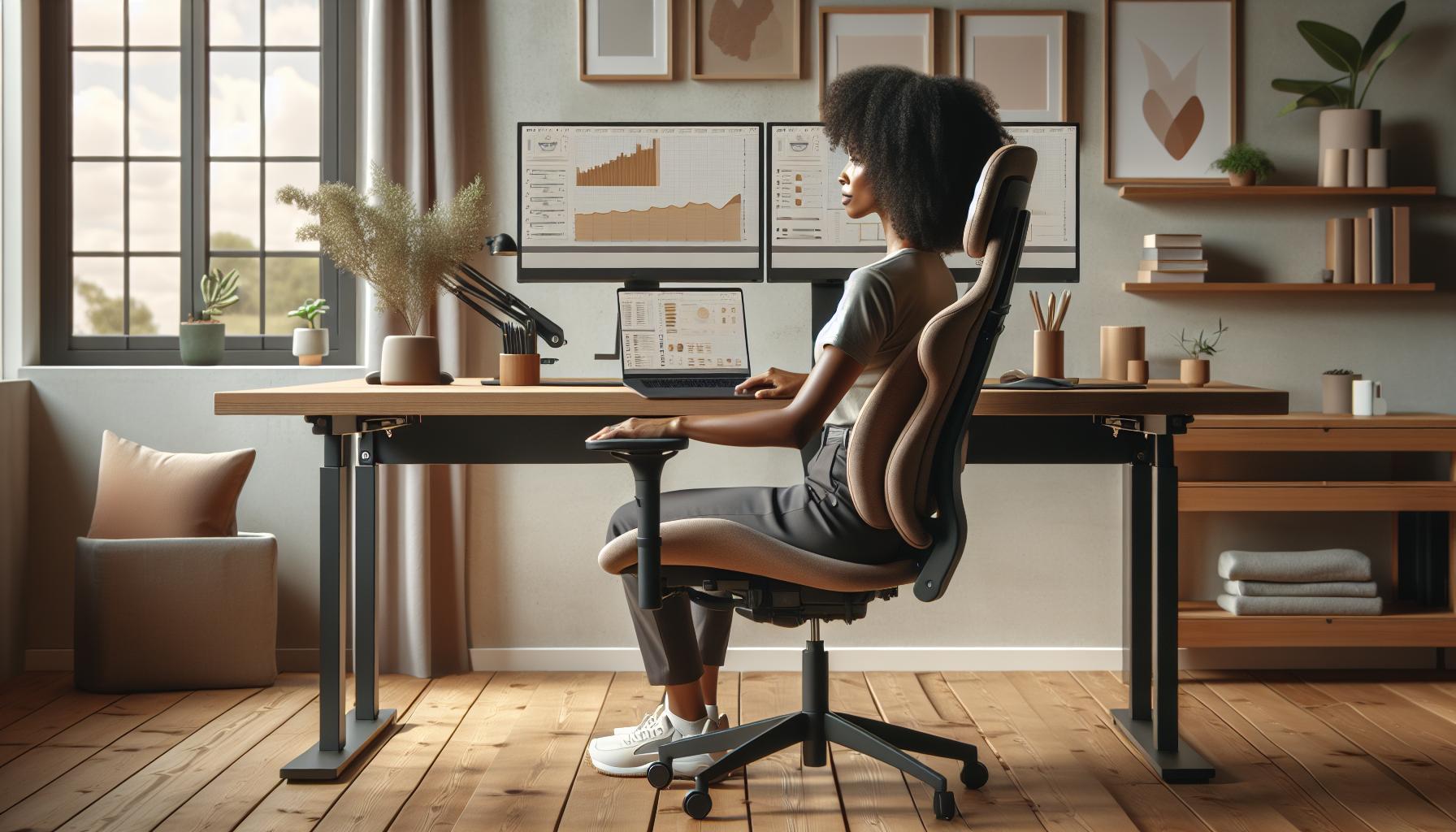
Ergonomic Essentials for Maximum Comfort
Creating a work environment that prioritizes ergonomics significantly enhances not just comfort, but also productivity. With the right adjustments, a standing desk can mitigate the physical toll of prolonged sitting, which is linked to a variety of health issues. By adopting ergonomic essentials into your workspace, you can create a setup that promotes well-being and fosters a more engaged workday.
Focus on Desk and Monitor Height
Ensuring that your desk and monitor heights are correctly set is pivotal. For optimal comfort, your desk should allow for a 90-degree angle at your elbows when your hands rest on the keyboard. The monitor should be positioned so that the top of the screen is at or just below eye level; this allows your neck to stay in a neutral position, which greatly reduces the risk of strain. Adjusting these elements can have a profound impact on your posture throughout the day.
Utilize an Anti-Fatigue Mat
Consider integrating an anti-fatigue mat into your standing desk setup. These mats provide cushioning, encouraging subtle movements that can help alleviate fatigue during long standing periods. Standing on a soft surface allows for better weight distribution and promotes blood circulation, sustaining your energy levels and comfort levels throughout the day.
Implement Regular Movement
To further enhance comfort and support a healthy work routine, integrate regular intervals of movement into your day. The “20-8-2” rule, which suggests 20 minutes of sitting, 8 minutes of standing, and 2 minutes of movement, is an excellent guideline to follow. This strategy not only keeps your body engaged but also helps maintain focus and cognitive performance. Regular breaks, stretching, or short walks can drastically reduce discomfort and improve overall well-being.
By prioritizing these ergonomic essentials, you can create a workspace that not only supports your physical needs but also enhances your productivity and cognitive health. Taking the time to adjust your environment has lasting benefits, sending a strong message about the importance of wellness in your working life.
Striking the Right Balance: Standing and Sitting
Finding the perfect equilibrium between standing and sitting throughout your workday is essential for promoting overall health and enhancing productivity. Research shows that both prolonged sitting and standing can lead to various health issues, making it crucial to integrate a flexible approach in your daily routine. By recognizing the unique benefits of each position, you can strategically alternate between them and create a more dynamic and engaging work environment.
One effective strategy for achieving this balance is adopting the “sit-stand-sit” method, where you alternate between sitting and standing every 30 to 60 minutes. This not only helps to alleviate pressure on your back and legs but also encourages blood circulation and reduces feelings of fatigue. You can set reminders on your phone or use productivity tools to keep track of your intervals, ensuring that you maintain consistent movement throughout the day.
To make the switch more comfortable, consider incorporating elements like a height-adjustable desk, which allows you to change positions smoothly. Additionally, use this time to engage in brief stretching exercises or mobility movements to prevent stiffness. For instance, neck rolls, shoulder shrugs, and hip flexor stretches can be seamlessly integrated during your transition periods, promoting flexibility and reducing muscle tension.
Overall, cultivating a workflow that encompasses both standing and sitting optimally supports not just your physical well-being but also your cognitive function. Research suggests that this variation in posture can enhance focus and creativity, attributed to increased blood flow and oxygen delivery to the brain. Embracing this balanced approach empowers you to take control of your workday and fosters a healthier, more productive daily routine.
Healthy Work Habits: Integrating Movement Into Your Day
Incorporating movement into your workday can transform not only your physical health but also your mental clarity. Studies indicate that regular movement breaks-whether simple stretches, short walks, or dynamic exercises-can counteract the fatigue often associated with extended periods at a desk, whether sitting or standing. This fundamental shift in movement habits can enhance productivity and boost creativity while supporting emotional well-being.
One practical approach to integrating movement is to establish a routine that includes standing and walking intervals. For example, setting a timer for every 30 minutes can remind you to stand up, stretch, or take a brief walk around your workspace. This method not only promotes circulation but also allows for brief mental breaks that can help refresh your focus. Additionally, consider utilizing tools like walking meetings or phone calls to combine physical activity with productivity, turning routine tasks into opportunities for movement.
To further enhance your workflow, incorporating specific stretching exercises can greatly relieve tension accumulated from both sitting and standing. Here are some effective exercises you might consider integrating throughout your day:
- Torso Twists: Stand with your feet shoulder-width apart and gently twist your upper body to the left and right to relieve lower back tension.
- Wrist and Finger Stretches: Stretch out your wrists and fingers during typing or while using a mouse to prevent stiffness.
- Standing Calf Raises: Elevate your heels off the ground and balance on your toes to strengthen calf muscles and improve blood circulation.
Each of these exercises can be done quickly and intermittently throughout your day, making it easy to achieve a healthier work-life balance. Remember, it’s essential to listen to your body-if you experience discomfort or fatigue, consult a health professional to discuss a suitable adjustment to your movement routine. By embracing these positive habits, you can not only enhance your physical health but also create a more dynamic work environment that nurtures cognitive performance and overall well-being.
Enhancing Cognitive Performance with a Standing Desk
Standing desks have gained popularity not just for their health benefits but also for their surprising effect on cognitive performance. Research shows that body posture significantly influences cognitive function; standing can enhance alertness and improve focus. When you stand, your body increases blood circulation, and this boost in blood flow can enhance oxygen and glucose delivery to the brain, resulting in improved mental clarity and concentration. Therefore, adopting a standing desk may not only invigorate your body but also sharpen your mind.
Incorporating movement into your standing desk routine is essential. Studies indicate that alternating between periods of standing and light physical activity can enhance overall cognitive flexibility, allowing for better problem-solving and creativity. An effective method is to implement short movement breaks-every 30 minutes, consider taking 1-2 minutes to stretch or walk around your workspace. This not only breaks the monotony but keeps your brain engaged and your thought processes fluid.
To optimize your cognitive environment, consider personalizing your standing desk setup. Position your screen at eye level and ensure your keyboard and mouse are ergonomically placed to avoid strain. Ambient noise can also affect focus and productivity; using white noise or soothing music can create an ideal backdrop for your tasks. Engaging with your workspace in a positive way, whether by adding personal touches or adjusting your stance, fosters a sense of ownership and can encourage more productive habits.
Remember, while a standing desk can provide numerous cognitive benefits, it’s essential to listen to your body. Prolonged standing can lead to discomfort if not balanced properly. Encourage yourself to move, incorporate simple stretches, or even use a footrest to shift your weight periodically. These small changes can create a dynamic workspace that not only supports physical health but also elevates your cognitive capabilities for a more efficient and fulfilling workday.
Biohacking Your Workspace for Better Health
Unlocking the full potential of a standing desk involves implementing strategic biohacks that promote not only physical comfort but also cognitive performance. The workspace environment plays a crucial role in shaping our productivity and well-being, and with the right adjustments, you can create a holistic setup that fuels your workday.
One of the simplest yet most effective biohacking techniques is to optimize your workspace lighting. Natural light can significantly boost your mood and energy levels, so position your desk near a window if possible. If natural light is limited, consider using full-spectrum LED lights that mimic daylight to enhance your alertness and cognitive function.
Another important strategy is to curate your sensory environment. Surround yourself with scents known to improve focus, such as peppermint or citrus. Essential oils in a diffuser or scented candles can invigorate your workspace. Additionally, integrating calming background sounds, like gentle music or nature sounds, creates a more conducive atmosphere for concentration and creativity.
Incorporating mindfulness techniques during your work hours is another excellent way to biohack your health. Set reminders to practice deep breathing or brief mindfulness exercises throughout the day. Even a minute dedicated to deep breathing can lower stress levels and clear your mind, allowing for improved focus and decision-making.
Lastly, consider using technology to track your physical activity and posture. Apps and wearable devices can remind you to stand, stretch, or take short walks, ensuring you’re not overextending the time spent in one position. Regular movement is essential, as it counteracts any negative effects of prolonged standing and fosters a more dynamic and adaptable work routine.
By integrating these biohacks into your standing desk setup, you can create a workspace that not only enhances your physical health but also promotes cognitive clarity, making for a more efficient and fulfilling work experience.
Identifying and Managing Workplace Stress
Workplace stress is an insidious issue that can drastically affect not only your productivity but also your overall health and well-being. Interestingly, studies show that up to 80% of workers experience stress as a result of their job, and this can manifest in a variety of ways, from headaches and fatigue to decreased concentration and burnout. Recognizing the signs and implementing effective strategies to manage stress is crucial, particularly when making adjustments to your workspace, such as adopting a standing desk.
One foundational step in identifying stress is to maintain a stress diary. Note the situations that lead to stress, your reactions, and the physical symptoms you experience. This practice not only heightens self-awareness but also reveals patterns in your stress triggers. Common stressors might include tight deadlines, difficult interpersonal relationships, or unmanageable workloads. By pinpointing these factors, you can begin to address them directly.
To effectively manage stress, integrating your standing desk setup into a broader wellness strategy can be highly beneficial. Regular movement is essential in combating stress. Consider incorporating short breaks into your routine; even standing for a few minutes every hour can improve blood flow and release endorphins, the body’s natural mood lifters. Try the Pomodoro technique-25 minutes of focused work followed by a 5-minute break-for a structured approach that also encourages movement. During these breaks, engage in light stretching or deep breathing exercises to unwind and refocus your mind.
Practical Stress Management Techniques
To further enhance your stress-management toolkit, consider the following strategies:
- Mindful Moments: Spend a minute or two focusing on your breath or practicing gratitude. This simple mindfulness exercise can help ground you and reduce the overwhelm of daily tasks.
- Organized Workspaces: A clutter-free, organized desk can significantly reduce stress. Dedicate time at the beginning or end of your day to declutter and arrange your work materials.
- Connect with Peers: Maintaining social connections, even in a professional setting, can provide emotional support. Schedule regular check-ins or breaks with colleagues to share experiences and strategies.
- Professional Support: If stress continues to be problematic, consider seeking support from a mental health professional who can provide tailored strategies and insights.
Whether you’ve transitioned to a standing desk or are considering the switch, understanding and managing workplace stress is key to creating a healthy, productive environment. By identifying your stressors and employing practical coping strategies, you can enhance your well-being and cultivate a more balanced work-life dynamic.
Practical Recovery Strategies for Long Workdays
Feeling fatigued after a long workday at your standing desk is not unusual. However, implementing practical recovery strategies can rejuvenate your mind and body, allowing you to be more productive and focused. One effective method is to schedule intentional breaks throughout your day, not just to step away from your desk but to consciously engage in activities that promote physical recuperation and mental clarity. These breaks are crucial; research indicates that even short pauses can lead to significant improvements in concentration and reduce feelings of fatigue.
Creating a structured routine can enhance your recovery. Consider incorporating the following strategies into your daily workflow:
- Active Breaks: Use short breaks to engage in light physical activity. This could be a brief walk around your space, simple stretches, or even a few minutes of yoga. Such activities can help alleviate muscle tension and improve circulation, thus combating the sedentary impact of prolonged standing.
- Hydration Reminders: Staying hydrated is vital for maintaining energy levels. Set reminders to drink water regularly; hydration plays a key role in cognitive function and can help relieve fatigue.
- Micro-Meditation: Incorporate a few minutes of mindfulness or meditation during your breaks. Focus on your breathing or practice guided imagery to reduce stress and recharge your mental energy.
- Nutrition Timing: Pay attention to your snacking habits. Opt for nutrient-dense foods like nuts, fruits, or yogurt during breaks to provide sustained energy without the crash associated with sugary snacks.
By actively integrating these recovery strategies into your work routine, you can significantly enhance both your mental and physical well-being. This proactive approach not only alleviates fatigue but also fosters a more invigorating work environment where your productivity can thrive. Prioritize your well-being by listening to your body and adjusting your habits accordingly; after all, a healthier workspace cultivates a healthier you.
Nutrition Tips for Optimal Brain Health at Work
An optimal diet can significantly enhance cognitive function and energy levels, especially for those spending hours at a standing desk. Research suggests that certain nutrients can support brain health, improve focus, and even combat the fatigue that sometimes accompanies long workdays. Understanding how to fuel your body effectively during work hours can transform not only your productivity but also your overall well-being.
To maintain peak brain performance while working, consider integrating a variety of nutrient-rich foods into your daily regimen. Here are some essential tips for nourishing your brain at work:
- Omega-3 Fatty Acids: Foods rich in omega-3s, such as fatty fish (salmon, sardines), flaxseeds, and walnuts, are known to boost cognitive function and memory. Aim to include these in your diet at least twice a week.
- Antioxidant-Rich Foods: Berries (blueberries, strawberries) and dark chocolate are packed with antioxidants, which can help protect your brain from oxidative stress. Snacking on a handful of berries or a few squares of dark chocolate can provide a quick energy boost.
- Hydration is Key: Never underestimate the power of hydration. Keeping a water bottle at your desk can serve as a constant reminder to drink water throughout the day. Dehydration can lead to fatigue and decreased concentration, so aim for at least 8 glasses daily.
- Complex Carbohydrates: Opt for whole grains (quinoa, brown rice, oats) over refined carbs to ensure a steady release of energy, which will help maintain focus and stave off cravings. A wholesome breakfast like oatmeal topped with fruits can set a positive tone for the day.
- Nutrient-Dense Snacks: Replace sugary snacks with options like mixed nuts, yogurt, or hummus with veggies. These will not only provide essential nutrients but also prevent energy crashes associated with high-sugar foods.
Implementing these nutrition tips can make a notable difference in how you feel throughout your workday. By prioritizing your dietary choices, you’re not only investing in your job performance but also in your long-term health. Consider starting a meal planning strategy that integrates these elements, ensuring your body and mind are well-prepared to tackle any challenges that come your way.
Harnessing Neuroplasticity: How Your Desk Affects Your Mind
Adjusting your workspace can significantly impact not only your physical comfort but also your cognitive functioning. The principle of neuroplasticity-our brain’s ability to reorganize itself by forming new neural connections-suggests that the way we set up our environments can influence our mental abilities and habits. Specifically, how we interact with our standing desks may affect our productivity, creativity, and overall mental health, allowing us to transform our work habits for the better.
When working at a standing desk, consider your posture and movement throughout the day. Maintaining an upright position encourages better blood flow, which can enhance oxygen delivery to the brain and lead to improved concentration. Moreover, altering your position frequently-by shifting your weight, taking a few steps, or even doing light stretches-activates different neural pathways. This movement can also reduce mental fatigue, keeping your mind sharper and more responsive. A simple approach is to move progressively from sitting to standing, allowing your body and mind to adjust and reap the benefits of both positions.
To fully harness neuroplasticity and maximize your desk’s impact, incorporate elements that stimulate your brain’s adaptability. For instance, try integrating tools like standing desk converters that allow for easy transitions between positions, and use accessories such as anti-fatigue mats or ergonomic footrests to promote comfort and reduce strain. Additionally, set specific goals for your work hours-whether it’s to brainstorm new ideas, tackle challenging assignments, or engage in collaborative projects. Setting an intention can create an environment that pushes your cognitive boundaries, ultimately leading to enhanced mental clarity and creativity throughout your day.
Ultimately, the key to optimizing your workspace is creating a dynamic environment that embraces movement and deliberate engagement. Regularly revisiting and adjusting your setup not only facilitates physical comfort but also encourages your brain to adapt and thrive in a challenging and stimulating workspace. By actively participating in your environment, you’re not only shaping your physical well-being; you are also fostering the neuroplastic changes that are crucial for personal and professional growth.
Creating a Long-Term Wellness Plan for a Healthier Workplace
Creating a sustainable approach to workplace wellness is more crucial than ever, especially as more individuals transition to the use of standing desks. A comprehensive wellness plan should encompass not only physical comfort but also mental resilience, ensuring that your workspace fosters both productivity and health. By considering key aspects of well-being, you can consistently support a healthier work environment.
Establishing Clear Goals
To create an effective long-term wellness plan, begin by setting specific, measurable goals that align with your needs and the demands of your work environment. These might include reducing sedentary time by 50%, integrating movement breaks every hour, or practicing mindfulness for 10 minutes daily. Documenting your objectives will help you stay accountable and provide a framework for assessing progress.
- Short-term goals: Adjust your standing desk height to promote ergonomic alignment and commit to standing for 30 minutes to an hour each work session.
- Medium-term goals: Incorporate walking meetings or stretches into your daily routine to enhance circulation and decrease stress.
- Long-term goals: Aim for a balanced schedule of standing and sitting through the day while gradually reducing the overall time spent inactive.
Incorporating Mindfulness and Movement
Integrating movement into your daily workflow enhances not just physical health but also cognitive performance. Consider using techniques such as the Pomodoro Technique, where you work in sprints of 25 minutes followed by 5-minute movement breaks. This method increases both focus and physical activity, reducing mental fatigue.
Additionally, utilizing mindfulness practices, such as deep breathing or stretching, between tasks can significantly lower stress levels. These practices not only help maintain a high level of cognitive function but also encourage a sense of well-being throughout the workday.
Leveraging Technology and Tools
Consider investing in wearable technology that monitors your activity levels, encouraging healthier habits. Apps and devices can remind you to take breaks or move around, helping you stay on track with your wellness goals. Moreover, explore ergonomic accessories like standing desk converters, anti-fatigue mats, or supportive footwear, all of which can make significant improvements in daily comfort and overall health.
Periodic Evaluations and Adjustments
Finally, commit to regularly evaluating and adjusting your wellness plan. Schedule monthly reviews to assess what strategies are working and which might need tweaking. This proactive approach not only ensures that you remain aligned with your goals but also allows for adaptations based on changing work demands or personal needs.
By committing to this holistic, adaptable, and progressive approach, your long-term wellness plan will not only transform your work environment but also significantly enhance your overall health and cognitive functioning, paving the way for sustained success and well-being at work.
Frequently Asked Questions
Q: What are the best practices for transitioning to a standing desk?
A: To transition effectively to a standing desk, alternate between sitting and standing in the beginning. Start with 15 to 30 minutes of standing and gradually increase the duration. Ensure proper ergonomic setup and incorporate movement throughout the day to avoid fatigue. For detailed guidance, refer to the section on “Striking the Right Balance: Standing and Sitting.”
Q: How can a standing desk improve productivity?
A: A standing desk can enhance productivity by promoting better posture and increasing energy levels. Users often report feeling more alert and focused when standing, which can lead to improved task performance. Explore the benefits further in “Enhancing Cognitive Performance with a Standing Desk.”
Q: What types of standing desks are available?
A: Standing desks come in various types, including manual, electric, and adjustable models. Manual desks require physical adjustment, while electric desks can be easily changed with the push of a button. Consider your workspace needs and budget when choosing a type that suits you.
Q: How long should I use a standing desk each day?
A: Aim to stand for about 4 to 6 hours a day, balancing it with sitting, to maximize benefits without causing discomfort. It’s important to listen to your body and adjust based on how you feel. More tips on managing standing duration can be found under “Striking the Right Balance: Standing and Sitting.”
Q: Are there specific exercises to do while using a standing desk?
A: Yes, simple exercises like calf raises, leg stretches, and desk push-ups can be performed throughout the day. Incorporating these movements helps prevent stiffness and enhances circulation. Discover more about integrating movement into your day in the section on “Healthy Work Habits: Integrating Movement Into Your Day.”
Q: Can using a standing desk help with back pain?
A: Using a standing desk can alleviate back pain by encouraging better posture and reducing the strain of prolonged sitting. However, it’s crucial to maintain proper ergonomic alignment while standing. For comprehensive insights on ergonomics, see “Ergonomic Essentials for Maximum Comfort.”
Q: How do I maintain comfort while using a standing desk?
A: To maintain comfort, invest in an anti-fatigue mat, adjust monitor height, and wear supportive footwear. Regularly change your position and incorporate stretches to minimize discomfort. For further details on staying comfortable, visit the section on “Ergonomic Essentials for Maximum Comfort.”
Q: What are the signs that I need to take a break from my standing desk?
A: Signs that you need a break include foot pain, lingering fatigue, or back discomfort. If you experience any of these symptoms, switch back to sitting for awhile or take a short walk. Learn more about managing discomfort in the article on “Practical Recovery Strategies for Long Workdays.”
Insights and Conclusions
Investing in a standing desk is just the first step towards reimagining your work experience for better health and productivity. By now, you should understand how integrating a standing desk into your workspace can combat sedentary behavior, boost your energy levels, and enhance overall cognitive performance. Don’t wait-take action today! Consider exploring our detailed guides on ergonomic setups and healthy work habits to ensure you create a workspace that truly supports your wellness journey.
Feeling overwhelmed? We’re here to help! Check out our resources on stress management techniques and biohacking strategies that can further enhance your workplace wellness. Remember, the best time to invest in your health is now-your brain and body will thank you! Join the conversation by sharing your experiences in the comments below, and don’t forget to sign up for our newsletter for the latest insights and tips on maintaining a balanced and thriving work life. Let’s step into a healthier future together!