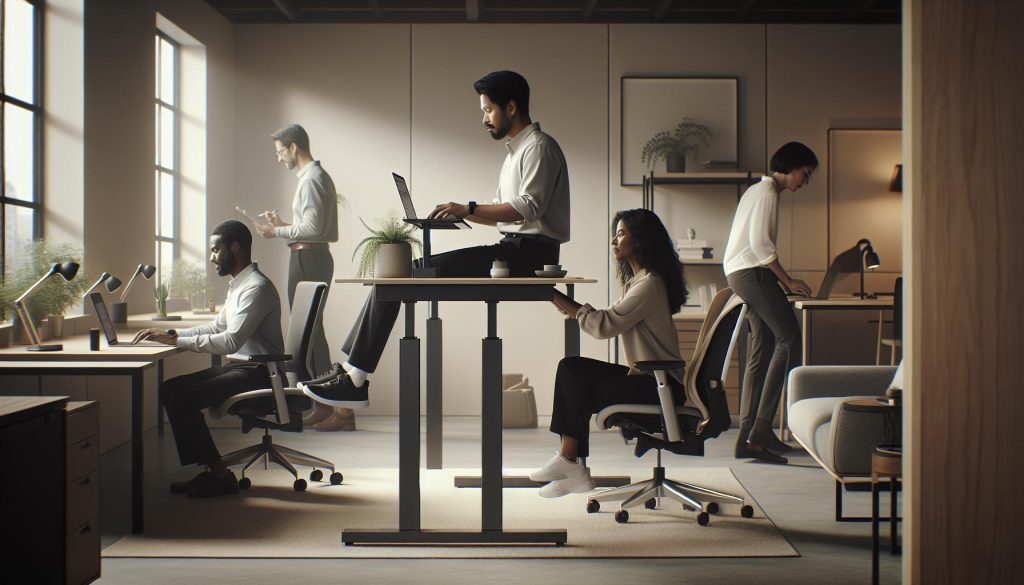
In today’s fast-paced work environment, the shift from traditional seating to sit-stand desks has become a game-changer for many professionals. These innovative desks allow for seamless transitions between sitting and standing, promoting better posture and reducing sedentary behavior-crucial factors for enhancing workplace wellness and cognitive health. With studies revealing the detrimental effects of prolonged sitting on our productivity and overall well-being, many workers are seeking flexible solutions that support a healthier lifestyle. Imagine effortlessly adjusting your workspace to meet your comfort needs throughout the day, leading to increased energy, focus, and productivity. As we delve into the many benefits and practical tips for incorporating a sit-stand desk into your routine, you’ll discover how this simple change can transform your work life, enabling you to thrive both physically and mentally. Stay with us to explore how adopting this ultimate flexibility can not only elevate your daily experience but also contribute to your long-term health and happiness.
Benefits of Sit Stand Desks for Health and Productivity
The growing recognition of the detrimental effects of prolonged sitting has propelled the popularity of sit-stand desks, which provide dynamic work environments conducive to both health and productivity. Research indicates that incorporating variability in work posture can significantly reduce health risks associated with sedentary behavior. Studies have shown that using sit-stand desks can lead to reduced back pain, decreased discomfort, and enhanced overall well-being. In fact, participants in one study reported a 32% improvement in discomfort when using adjustable desks compared to traditional setups.
Adopting a sit-stand desk can also influence cognitive performance. Alternating between sitting and standing promotes enhanced energy levels and focus, which can be particularly beneficial during long work hours. The physical activity associated with shifting postures can stimulate circulation and increase alertness, paving the way for improved task performance. This flexibility not only aids in maintaining physical health but serves as a catalyst for creativity and problem-solving, boosting overall workplace effectiveness.
Maximizing the benefits of a sit-stand desk involves integrating movement into your work routine. Simple strategies like setting a timer to remind you to adjust your position, or performing stretches and short walks during breaks, can foster a more active lifestyle. Furthermore, the psychological aspect of standing and moving while working can enhance mood and motivation, reducing feelings of fatigue and enhancing engagement with tasks at hand. By creating an environment that promotes physical activity, employees can experience significant improvements in both their mental and physical health, leading to a more productive and satisfying work experience.
How to Choose the Right Sit Stand Desk
Choosing the correct sit-stand desk is pivotal for enhancing both your work experience and overall health, especially as remote and hybrid work arrangements become more common. With a range of options available in terms of design, functionality, and price, selecting the ideal desk can feel overwhelming. However, understanding your specific needs and preferences can guide you toward making an informed decision that promotes both productivity and comfort.
To begin, consider the desk’s size and adjustability. Measure your workspace to ensure a good fit and determine if you need a large surface area for multiple monitors or just enough space for a laptop. Look for models that offer smooth height adjustment capabilities-whether manual cranks or electric motors-allowing you to switch between sitting and standing seamlessly. Important features to look out for include:
- Stability: Ensure the desk remains sturdy at various heights to prevent wobbling.
- Weight Capacity: Check the maximum weight limit, especially if you plan to place heavy equipment.
- Ease of Use: Test the adjustment mechanism; it should be simple and quick to operate.
- Design: Aesthetics matter too! Choose a style that complements your workspace and motivates you.
Next, think about ergonomic features that contribute to a healthier workspace. An adjustable sit-stand desk should allow you to customize the height to align perfectly with your body, ideally with your elbows at a 90-degree angle when typing. Furthermore, some desks come with built-in cable management systems to keep cords organized and out of the way, which can greatly enhance your workspace’s functionality.
Additionally, researching brands and user reviews can provide insight into the durability and effectiveness of the desk you’re considering. Brands like Uplift and Varidesk are often recognized for their quality and support, but comparing different options can yield a desk that meets your budget and ergonomic needs without sacrificing quality.
Lastly, remember that investing in a sit-stand desk is a commitment to your health and well-being. Spend time trialing desks in store, if possible, to find the right fit for you. The right desk not only supports your physical health but also enhances your cognitive performance, enabling you to maximize your work experience effectively.
Setting Up an Ergonomic Sit Stand Workspace
Creating an ergonomic workspace with a sit-stand desk is essential for enhancing both comfort and productivity. Research shows that proper workstation setup can significantly reduce the risk of musculoskeletal disorders and improve overall well-being. To start, it’s crucial to align your desk height with your body’s natural posture. A general guideline is to adjust the desk so that your elbows are at a 90-degree angle while your hands rest comfortably on the keyboard. This setup helps minimize strain on your shoulders and wrists.
Consider the placement of your monitor as well. Position it at eye level, approximately an arm’s length away, to avoid neck strain. The top of the monitor screen should be slightly below eye level, allowing you to look slightly downward. Using a monitor riser can be an effective solution if your desk height doesn’t allow for the ideal setup. Additionally, ensure your chair supports your lower back and can be adjusted in height to complement the desk level, providing a seamless transition between sitting and standing.
To further enhance your ergonomic setup, incorporate tools designed for comfort. An anti-fatigue mat can alleviate pressure on your feet during standing periods, promoting better circulation and comfort. You may also want to invest in a keyboard tray or laptop stand to maintain proper hand positioning and reduce strain on your wrists. When arranging your workspace, maintain a tidy environment with easy access to essential tools, keeping everything within reach to avoid unnecessary stretching or twisting.
Remember, setting up an ergonomic workspace is not a one-time task; it’s an ongoing process that can be adjusted as your work habits change. Regularly evaluate your desk setup to ensure it continues to meet your ergonomic needs, and make adjustments as necessary to promote a healthier work experience. Embracing these practices not only nurtures your physical health but also boosts cognitive performance and productivity, leading to a more fulfilling work life.
Best Practices for Transitioning Between Sitting and Standing
Transitioning between sitting and standing while working at a sit-stand desk can be a game-changer for your health and productivity. The key lies in finding a rhythm that suits your body and work style. Research shows that frequent changes in posture not only reduce discomfort but also enhance focus and energy levels. To help you adopt this practice effectively, consider a few integral strategies.
Start by establishing a schedule that encourages regular movement without becoming disruptive. For instance, aim to switch your position every 30 to 45 minutes. You can set reminders on your phone or use an app designed for this purpose. In addition, give yourself permission to listen to your body-if you feel fatigued or uncomfortable at a specific height, don’t hesitate to adjust. This flexibility is one of the prime advantages of sit-stand desks.
When you make the switch, do it gradually to avoid strain. When standing, distribute your weight evenly on both feet and consider using an anti-fatigue mat to provide cushioning and support. Shift your posture occasionally, such as bending one knee or doing gentle calf raises, to enhance circulation and minimize stiffness. It’s also beneficial to keep your legs slightly bent rather than locking your knees; this subtle movement maintains blood flow and reduces fatigue.
Moreover, incorporate upper body movements as you transition. Simple shoulder rolls and neck stretches can help alleviate tension and keep you alert. Creating marker points during your work-for example, standing while making phone calls or conducting meetings-can also serve as natural cues to switch positions throughout your day. Such practices cultivate a dynamic workspace that can significantly impact overall wellness and productivity.
In essence, the transition between sitting and standing should feel intuitive and easy. With consistent practice, it will become a seamless part of your work routine, empowering you to foster a healthier work environment. Prioritizing these transitions not only supports your physical health but also promotes cognitive clarity and endurance, contributing to a more invigorated workday.
Maximizing Comfort with Desk Accessories and Add-Ons
To truly harness the benefits of a sit-stand desk, thoughtful selection and integration of desk accessories can make all the difference in maximizing comfort and productivity. Ergonomic accessories not only enhance your workspace but also promote better posture, reduce strain, and support overall well-being throughout your day. When outfitted thoughtfully, your desk can become a dynamic hub that encourages both comfort and efficiency.
Consider investing in an adjustable monitor stand to position your screen at eye level. This simple change can prevent neck and back strain, allowing you to maintain a neutral spine while working. Use an anti-fatigue mat when standing; these mats provide cushioning, reduce pressure on your joints, and allow you to stand comfortably for longer durations. Additionally, a keyboard and mouse that maintain a natural wrist position can significantly diminish the risk of repetitive strain injuries, such as carpal tunnel syndrome.
Implementing cable management solutions also contributes to a clean and organized workspace. Cable trays and cord clips not only reduce clutter but also enhance safety by preventing tripping hazards. Furthermore, consider adding a document holder that can be positioned near your screen, which encourages proper ergonomics by keeping materials at eye level and preventing you from hunching over your desk.
Finally, personalization through decorative elements or plant life can positively impact mood and cognitive performance. Surrounding yourself with elements that uplift and inspire can enhance your mental clarity and focus, making work not just a task but an enjoyable experience. Small adjustments driven by ergonomic principles can lead to significant improvements in your overall work experience, fostering a healthier and more productive environment.
Boosting Cognitive Performance at Your Desk
Research shows that our cognitive performance can be significantly influenced by our physical workspace. A sit-stand desk not only enhances physical comfort but also fosters mental clarity and focus, effectively boosting productivity. Studies indicate that frequently changing positions can lead to improved mood, increased energy levels, and enhanced problem-solving capabilities, which are all critical in today’s fast-paced work environments.
One of the primary ways to enhance cognitive performance at your desk is by integrating movement into your daily routine. The practice of alternating between sitting and standing can stimulate blood flow, which is essential for delivering oxygen and nutrients to the brain. For instance, consider setting a timer to remind yourself to switch positions every 30 to 60 minutes. This not only minimizes fatigue but also keeps your mind engaged and sharp.
Creating a Stimulating Environment
Your workspace environment plays a vital role in cognitive performance. Here are some strategies to create a stimulating atmosphere:
- Lighting: Utilize natural light whenever possible, as it can elevate mood and foster alertness. Consider using adjustable desk lamps that offer softer lighting during standing sessions to reduce glare and eye strain.
- Clutter Reduction: A clean, organized workspace contributes to improved focus. Invest in storage solutions that keep essential items within reach but out of sight to enhance visual appeal and minimize distractions.
- Personal Touches: Incorporate elements that inspire you, such as artwork or motivational quotes. Studies show that personalizing your workspace can improve mood and creativity.
Nutrition and Hydration
Another often-overlooked factor is nutrition. Maintaining your energy levels and clarity of thought through proper hydration and healthy snacks can greatly impact cognitive efficiency. Consider incorporating brain-boosting foods rich in omega-3 fatty acids, antioxidants, and vitamins. Keep a water bottle nearby to remind you to stay hydrated; even mild dehydration can affect cognitive function.
Moreover, taking short breaks to stretch or engage in light physical activity can activate a positive feedback loop, sharpening focus and enhancing creativity. By prioritizing your bodies’ need for movement, light, and nourishment, you empower yourself to conquer the tasks at hand with clarity and productivity.
By adopting these practices, you’ll not only maximize the benefits of your sit-stand desk but also cultivate an environment that actively supports your cognitive health and overall well-being.
Incorporating Movement into Your Work Routine
is a transformative strategy that significantly enhances your physical and mental well-being. Sitting for prolonged periods can lead to a range of health issues, including decreased circulation and reduced energy levels, both of which can impact cognitive performance. By weaving movement into your day, you can boost your brain’s oxygen supply and improve focus, ultimately leading to greater productivity.
A simple yet effective way to start incorporating movement is to schedule regular breaks. Set a timer to remind yourself to take a quick break every 30-60 minutes. During these breaks, consider implementing different types of movement:
- Stretching: Simple stretches can alleviate tension and improve circulation. Focus on your neck, shoulders, and back.
- Light Exercise: Engage in light exercises such as squats, calf raises, or leg swings for a minute or two.
- Walking: Take a short walk around your workspace or do a few laps around the office. This can also serve as a mental reset, helping to clear your mind.
Utilizing your sit-stand desk effectively can further enhance your movement strategy. Alternate between standing and sitting at regular intervals, aiming for a 1:1 ratio or a 2:1 ratio favoring sitting or standing, depending on your comfort. Transitioning positions not only keeps you active but also combats fatigue, making it easier to stay engaged with your tasks.
To boost your overall routine, consider integrating activities like walking meetings or using a stability ball as a seat periodically. These approaches encourage movement without compromising productivity. Begin with small steps, and over time, you will feel the cumulative benefits-improved energy levels, enhanced mood, and greater cognitive clarity throughout your workday.
Strategies for Managing Workplace Stress Effectively
The modern workspace is often riddled with stressors, which can adversely affect both mental health and productivity. What if you could combat workplace stress simply by adjusting your desk? Utilizing a sit-stand desk not only supports physical well-being but also serves as an effective tool for managing stress levels throughout your workday. Research shows that how we position our bodies can influence our psychological state. Incorporating regular movement, such as alternating between sitting and standing, promotes better blood circulation and reduces muscle tension, both of which are key in lowering stress.
It’s important to establish a routine that includes planned breaks from your desk. Consider implementing the 20-20-20 rule: every 20 minutes, look at something 20 feet away for 20 seconds. This simple technique relieves eye strain and gives your mind a mini-break. Additionally, use your breaks wisely. Engage in brief walks or light stretches, as movement triggers the release of endorphins-natural stress relievers that lift your mood. Aiming to spend about 25% of your work time in a standing position can greatly decrease fatigue and enhance overall productivity.
To further enhance your stress management strategy, consider mindfulness techniques. Deep breathing exercises, practiced while at your standing desk, can significantly lower cortisol levels-the stress hormone. A 5-minute break dedicated to deep breathing can reset your mental state and bring clarity. Accompanying this with a well-organized workspace, equipped with ergonomic desk accessories like footrests or wrist supports, provides physical comfort that can mitigate stress.
Lastly, don’t underestimate the power of social connections in stress management. Engage with colleagues during breaks, whether by sharing a light conversation or collaborating on projects. Social interactions are shown to buffer stress and foster a supportive work environment. So, whether you’re seated or standing, make an effort to connect with your coworkers, reinforcing a community that collectively navigates workplace challenges.
Research-Backed Insights on Flexibility and Well-being
Research indicates that incorporating flexibility into the work environment, such as through the use of sit-stand desks, can significantly enhance both physical health and mental well-being. Studies have shown that regular changes in posture can lead to reductions in discomfort associated with prolonged sitting, including lower back pain and fatigue. According to research published in the International Journal of Environmental Research and Public Health, alternating between sitting and standing throughout the day can increase overall energy levels and decrease feelings of lethargy. Employees who engage in this behavior often report improved mood and concentration, highlighting the connection between physical activity and mental engagement.
Another key insight relates to the psychological benefits associated with increased movement. Evidence from a study in the Journal of Occupational Health Psychology suggests that flexibility in work positions can reduce stress levels, enhance cognitive performance, and foster greater job satisfaction. When workers are free to adjust their workspace to suit their needs, they experience a greater sense of autonomy and control, which is linked to improved motivation and productivity. Furthermore, the mere act of standing up periodically can stimulate blood flow and enhance oxygen delivery to the brain, promoting sharper focus and clearer thinking.
To effectively leverage these benefits, it’s crucial to create an environment that encourages movement. For instance, you could set reminders to switch positions every 30 minutes, or utilize a programmable desk that transitions smoothly between heights. Creating a routine that incorporates stretching or short walks during breaks can also be beneficial. Emphasizing flexibility in the workspace not only caters to individual preferences but also aligns with an organizational culture geared toward health and well-being. As workplaces evolve, the integration of sit-stand desks as part of a broader strategy for employee well-being will likely become increasingly prevalent, reflecting a growing recognition of the importance of flexibility for overall workplace health.
Real-Life Success Stories: Sit Stand Desk Users
Individuals are increasingly embracing sit-stand desks as a powerful solution for promoting wellness and productivity in the workplace. One such success story comes from Emma, a marketing manager who found herself battling chronic fatigue from long hours of sitting. After switching to a sit-stand desk, she began alternating between postures throughout the day. This not only alleviated her back pain but also made her feel more energized and focused. Emma noted that the frequency of her stretching and brief walks increased, which further contributed to her overall sense of well-being and productivity.
Another inspiring example is Mark, a software engineer who initially resisted the idea of standing while working. After a few weeks of using a sit-stand desk, he experienced a remarkable improvement in his concentration. He began to incorporate standing into his work routine, using a timer to remind him to switch positions. Mark found that this simple adjustment helped him stay alert during long coding sessions, and he even reported a decline in the afternoon “slump” he used to face. His story highlights how a gradual transition can lead to significant improvements in mental clarity and work output.
For many, the move to sit-stand desks is not just about physical health; it also positively influences teamwork and collaboration. Julia, an office manager, noted a marked increase in creativity and idea sharing among her team members after switching to a flexible workspace. With the ability to easily change positions and gather in standing huddles, her team experienced a refreshing change in dynamics. This new approach fostered open discussions and minimized distractions, illustrating how flexibility in a work environment can enhance collaboration.
It’s clear that the adoption of sit-stand desks is transforming workplaces by empowering individuals to personalize their work experiences. By integrating movement and flexibility into daily routines, employees are not only improving their physical health but also unlocking greater cognitive potential. Real-life examples like those of Emma, Mark, and Julia demonstrate the profound impact these desks can have, inspiring others to consider similar adjustments for their own health and productivity.
Common Mistakes to Avoid with Sit Stand Desks
Many individuals rush to adopt sit-stand desks, motivated by the promise of elevated health and productivity, but common mistakes can derail their effectiveness. Recognizing these pitfalls can make a significant difference in reaping the full benefits of these flexible workspaces.
One of the most frequent errors is not adjusting the desk height correctly. It’s essential that your desk be set at elbow height when standing, allowing your arms to rest comfortably while typing. For optimal posture, the monitor should be at eye level or slightly below, preventing neck strain. A mismatched setup can lead to discomfort and diminished productivity rather than relief. Utilizing tools like adjustable monitor arms or web tools that recommend appropriate desk heights based on your body dimensions can help ensure the correct setup.
Another mistake is underestimating the importance of transition. Some users are eager to stand for prolonged periods right away, potentially leading to fatigue or discomfort. Instead, adopting a gradual approach is advised-start with short intervals standing (15-20 minutes) and gradually increase as your body adapts. This method not only promotes better endurance but also allows your body to strengthen the muscles necessary for prolonged standing, reducing the risk of issues such as fatigue or varicose veins.
Furthermore, neglecting to incorporate movement can hinder the advantages of using a sit-stand desk. Simply switching between sitting and standing does not equate to being active. Aim to engage in micro-movements like stretching or walking during breaks to promote blood circulation and reduce stiffness. Setting a timer to remind you to change positions or take small movement breaks significantly enhances the benefits of a sit-stand desk.
Lastly, overlooking ergonomic accessories is a common misstep. Investing in supportive yet comfortable chair cushions, anti-fatigue mats for standing, or wrist supports can enhance comfort and improve your overall experience with a sit-stand desk. Accessorizing appropriately can be the key to turning a standing desk into an effective and enjoyable work environment.
Recognizing and addressing these common pitfalls will empower you to harness the full potential of a sit-stand desk. By focusing on proper height adjustment, transitional practices, active movement, and ergonomic accessories, you can truly transform your workspace into a hub of productivity and well-being.
Future Trends in Flexible Workspaces and Desk Designs
The evolution of flexible workspaces is fuelled by an increasing awareness of health and productivity, leading to innovative designs that align with current workplace needs. One of the most promising trends in workspace design is the integration of advanced technology into sit-stand desks, making them more adaptable and user-friendly. Height-adjustable desks are becoming smarter with features like automatic height presets, reminders for movement, and even integrated sensors to monitor posture. These enhancements help users maintain ergonomics throughout their workday, providing a more conducive environment for productivity.
Moreover, as remote work continues to redefine our professional landscape, the focus is shifting toward multifunctional spaces. Desks that not only adjust in height but also incorporate storage solutions and electric outlets streamline work processes and reduce clutter. For instance, some designs now include built-in wireless charging capabilities and USB ports, allowing for seamless transitions between devices and reducing interruptions in workflow. Creating a versatile workspace can enhance focus and creativity, ensuring that employees remain engaged and effective whether they are in an office, at home, or in a hybrid setting.
Sustainability is another significant trend shaping the future of desk designs. With an increasing emphasis on eco-friendly materials and production methods, more manufacturers are sourcing sustainable woods and recyclable metals for their products. This approach not only caters to a growing consumer demand for environmentally conscious options but also contributes to a healthier workplace. Companies that prioritize sustainability in their office furniture choices are likely to foster a corporate culture of well-being and responsibility among their employees.
The rise of personalized work environments cannot be underestimated. More organizations are recognizing the value of allowing employees to customize their workspaces according to individual preferences-be it through adjustable desks, color choices, or other ergonomic accessories. This level of personalization goes hand-in-hand with improving mental health and enhancing job satisfaction, as employees feel more in control of their environments.
As we move forward, integrating these trends into workplace design will not only aim to enhance physical comfort but also support mental clarity and cognitive health. Brands that innovate and invest in designing intelligent, ergonomic, and adaptable workspaces will stand out, making flexibility not just a feature, but a foundational element of the modern work culture.
Q&A
Q: What are the advantages of using a sit-stand desk for remote workers?
A: Sit-stand desks enhance flexibility and promote healthier work habits for remote workers. They help reduce sedentary behavior, improve posture, and may increase productivity. By allowing users to alternate between sitting and standing, these desks can also reduce fatigue and enhance focus during work hours.
Q: How can I effectively transition from sitting to standing while using a sit-stand desk?
A: Start by setting a timer to remind yourself to change positions every 30 to 60 minutes. Gradually increase the standing time as you become more comfortable. Ensure your desk and screen are at eye level to maintain ergonomic alignment while standing. Refer to our section on Best Practices for Transitioning Between Sitting and Standing for more tips.
Q: What height should my sit-stand desk be for optimal ergonomics?
A: Your sit-stand desk height should allow your elbows to stay at a 90-degree angle while typing, with your wrists straight. When standing, the desk should be at about the height of your elbows. Using an adjustable desk is key to achieving this ergonomic setup.
Q: Can using a sit-stand desk improve my cognitive performance?
A: Yes, sit-stand desks can boost cognitive performance by increasing blood circulation and energy levels, leading to improved focus and alertness. For additional insights, check our section on Boosting Cognitive Performance at Your Desk.
Q: What accessories can enhance the experience of using a sit-stand desk?
A: Accessories like monitor risers, anti-fatigue mats, and ergonomic chairs can enhance comfort and ergonomics. These tools help maintain proper posture, reduce strain, and improve overall workspace functionality. Explore more in our section on Maximizing Comfort with Desk Accessories and Add-Ons.
Q: Are sit-stand desks suitable for all body types?
A: Yes, sit-stand desks can accommodate a range of body types, especially adjustable models. It’s important to customize the desk height and position for individual comfort and ergonomics. For detailed guidance, refer to our section on Setting Up an Ergonomic Sit Stand Workspace.
Q: How often should I alternate between sitting and standing?
A: Aim to alternate every 30 to 60 minutes, depending on your comfort and workload. Listen to your body’s signals and adjust accordingly for the best balance between sitting and standing throughout your workday. For a smoother transition, see our Best Practices for Transitioning Between Sitting and Standing.
Q: What common mistakes should I avoid when using a sit-stand desk?
A: Common mistakes include staying in one position too long, improper desk height adjustment, and neglecting ergonomic accessories. Regularly review your setup and adjust as necessary to maintain comfort and prevent strain. Our section on Common Mistakes to Avoid with Sit Stand Desks offers valuable insights on this topic.
Final Thoughts
Investing in a sit-stand desk is a pivotal step toward enhancing your workplace wellness and productivity. With the flexibility to alternate between sitting and standing, you can alleviate discomfort, boost cognitive function, and improve your overall health. Don’t miss out on the chance to transform your work environment into a space that promotes well-being and efficiency. Explore our guide on ergonomic workspaces for further tips on optimizing your setup, and dive into our resources on stress management techniques to support your journey toward a healthier work-life balance.
Ready to take the next step? Check out the latest models we recommend for modern workers looking for adaptability and ease of use. As you embrace this change, remember that every small adjustment can lead to significant improvements in your daily workflow. If you have any questions or success stories to share, we invite you to leave a comment below. Your insights could inspire others on their path to better health!