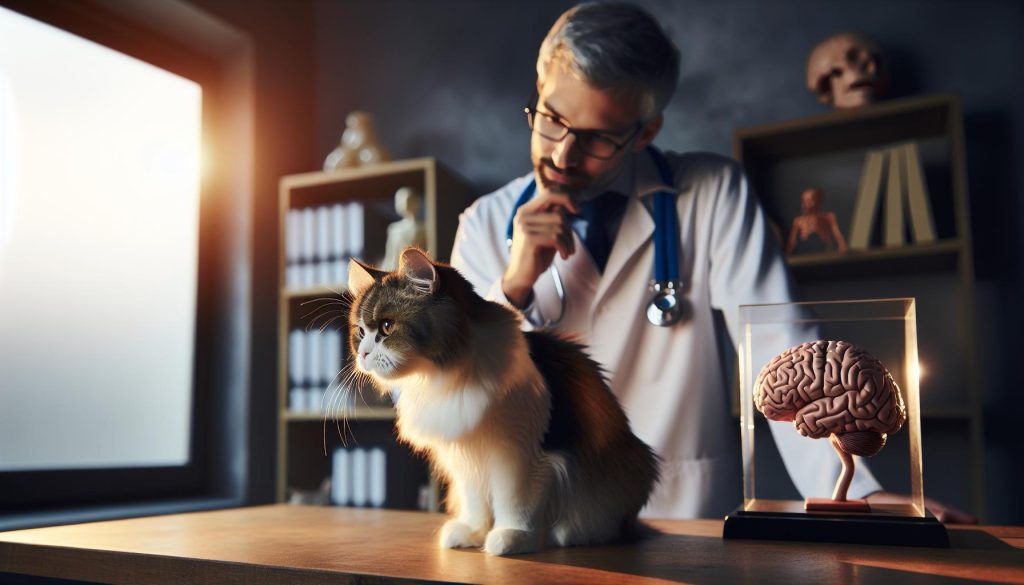
Did you know that a cat’s brain is remarkably similar to a human’s, possessing many of the same emotional and cognitive traits? Understanding feline neurological health is essential for every cat owner, as it can significantly impact your furry friend’s behavior, mood, and overall well-being. Just like us, cats can experience stress, anxiety, and cognitive decline, which can lead to troublesome behaviors and affect their quality of life. By exploring the intricacies of feline brains, you can better recognize signs of discomfort or distress and provide an environment that fosters mental wellness. This journey not only strengthens your bond with your cat but also empowers you with the knowledge to support their emotional and cognitive needs effectively. Join us as we delve into the fascinating world of feline neurological health and discover how you can make a positive difference in your cat’s life.
Understanding Feline Neurological Health: An Overview
Understanding the intricacies of feline neurological health is essential for ensuring the well-being of our feline companions. Just as in humans, the brain plays a crucial role in a cat’s behavior, movements, and overall health. Cats can experience a variety of neurological issues; understanding these can empower pet owners to identify potential problems early on. A supportive environment, enriched with mental and physical stimuli, can enhance a cat’s cognitive function and overall brain health, reflecting the importance of the relationship between environment, nutrition, and neurological well-being.
Neurological disorders in cats can stem from various causes, including genetic factors, trauma, infections, and exposure to toxins. Some common conditions include feline hyperesthesia syndrome, seizures, and vestibular disease. It is vital for cat owners to recognize the signs of these disorders, which may manifest as changes in behavior, coordination issues, or altered perception of surroundings. Seeking veterinary care as soon as these signs are detected is crucial, as early diagnosis significantly improves the outcomes for many neurological conditions.
Furthermore, nutritional choices play a vital role in supporting brain health in felines. A diet rich in omega-3 fatty acids, antioxidants, and essential vitamins can promote cognitive function and slow the progression of neurodegenerative diseases. Environmental enrichment, such as interactive toys and puzzle feeders, helps stimulate a cat’s mind and can prevent or mitigate neurological decline. By integrating these practices, cat owners can contribute proactively to their pets’ neurological health, ensuring a happier and healthier life.
Common Neurological Disorders in Cats
Neurological disorders can significantly impact the quality of life for cats, and understanding these conditions is vital for every cat owner. From the quirky behaviors of feline hyperesthesia syndrome to the bewildering motions associated with vestibular disease, each disorder presents unique challenges and symptoms that can confuse and concern pet owners. Recognizing these conditions early is crucial, as timely intervention can lead to better management and outcomes.
One prevalent neurological issue is seizures. They can vary from mild twitching to severe convulsions, often indicating underlying problems such as epilepsy or brain lesions. Observing the circumstances surrounding a seizure, including duration and frequency, helps veterinarians identify the root cause. Another notable condition is feline hyperesthesia syndrome, where cats may react excessively to touch or seem to be hyperactive and agitated, often displaying a “mad tail” motion. This disorder can be distressing for both the cat and its owner and is often misunderstood as behavioral issues rather than a neurological condition.
Vestibular disease is another concern that affects balance and coordination. Cats with this condition may tilt their heads, stagger when walking, or exhibit disorientation, leading to distress for both the pet and the owner. Causes can range from inner ear infections to more severe issues like tumors. Each of these conditions underscores the diversity of neurological disorders in cats, emphasizing the importance of regular veterinary check-ups and open communication with your veterinarian to monitor any worrisome changes in your cat’s behavior or health.
Being proactive in understanding these common neurological disorders and recognizing their signs facilitates a supportive environment for your cat, ultimately contributing to better management strategies and improved quality of life. Regular vet visits, along with attentive observation of any behavioral changes, are essential in navigating the complexities of feline neurological health.
Signs and Symptoms of Neurological Issues
Observing a cat’s behavior closely can reveal much about their neurological health, as many signs and symptoms may not be immediately obvious. Cats are often masters at hiding discomfort, so subtle changes in behavior can provide vital clues. For instance, a sudden increase in sensitivity to touch or excessive grooming may indicate conditions like feline hyperesthesia syndrome. Alternatively, if a cat is staggering, stumbling, or exhibiting a tilted head, these could be indicators of vestibular disease, a condition affecting balance and coordination.
Other critical signs to monitor include changes in sensory function. A cat may occasionally seem startled without apparent cause or may have difficulty locating food or toys, suggesting potential sensory impairment. Less common but serious are seizure activities – these might not always be dramatic; even brief periods of confusion or unusual disorientation can signal underlying neurological problems. It’s essential to observe any episodes closely, noting their duration and frequency, as such information is invaluable to your veterinarian.
Furthermore, behavioral changes often accompany many neurological disorders. Cats may experience shifts in appetite, become reclusive, or display unusual aggression. Owners should also be vigilant about litter box habits; an inability to find or use the litter box can be both a behavioral and a neurological issue. Early detection of these signs can lead to timely veterinary intervention, improving overall outcomes significantly. If any of these symptoms are observed, consult with a veterinarian promptly to explore potential underlying neurological concerns and initiate appropriate care.
Diagnosing Neurological Problems in Cats
Recognizing the signs of neurological issues in your cat is just the first step; the next crucial phase is ensuring accurate diagnosis. When you notice unusual behaviors such as disorientation, changes in coordination, or altered sensory perception, it’s imperative to consult a veterinarian who specializes in feline medicine. They will typically begin with a comprehensive physical examination, looking for any neurological signs through reflex tests and muscle tone assessments. This initial evaluation can help determine if further diagnostic testing is needed.
Diagnostic Tools and Techniques
Diagnostic imaging is a fundamental part of evaluating neurological health in cats. Veterinarians may employ various imaging techniques, including:
- X-rays: Useful for identifying structural issues, although they may not reveal soft tissue insights.
- Magnetic Resonance Imaging (MRI): Excellent for examining soft tissues, MRIs can detect tumors, inflammation, or other abnormal conditions in the brain and spinal cord.
- Computed Tomography (CT): This can quickly produce images of the brain, useful for detecting bleeding, tumors, or skull fractures.
In addition to imaging, blood tests can rule out systemic diseases that might exhibit neurological symptoms. Conditions like hyperthyroidism or diabetes can lead to neurological signs, so a thorough evaluation ensures that all potential causes are assessed.
Collaborative Approach to Diagnosis
A multidisciplinary approach can be beneficial for complicated cases. Consulting with veterinary specialists, such as neurologists or internal medicine experts, can yield deeper insights. Often, these specialists may recommend advanced diagnostic tests like cerebrospinal fluid analysis, which involves collecting fluid surrounding the brain and spinal cord to check for infections or inflammation.
Tuning into your cat’s specific behaviors and symptoms will provide veterinarians with valuable information that can significantly aid in their diagnosis. Documenting changes and gathering as much detail as possible will empower you and your vet to navigate the diagnostic process efficiently. Ultimately, thorough investigation and appropriate testing can lead to timely treatment plans, enhancing your cat’s neurological health and overall well-being.
The Importance of Early Detection and Intervention
Being attuned to your cat’s behavior can save its life-early detection of neurological issues is crucial in safeguarding your feline friend’s health. Just like in humans, the brain of a cat processes vital functions that impact behavior, coordination, and overall well-being. Detecting changes early can significantly affect the prognosis and treatment options available for your pet. Quick intervention often leads to better outcomes, whether the issue is due to injury, infection, or a degenerative disease.
Recognizing the signs of potential neurological disorders can make all the difference. Common indicators include seizures, staggering, or changes in appetite and energy levels. If these symptoms arise, consulting a veterinarian promptly can lead to timely diagnostic testing and easier management of the condition. When neurological problems are caught early, treatment can range from simple lifestyle adjustments to complex medical interventions that may halt further deterioration.
Moreover, preventative care plays a pivotal role in your cat’s neurological health. Regular check-ups can help spot problems before they become serious issues. Keeping your cat’s environment safe and stress-free, along with maintaining a balanced diet rich in nutrients essential for brain health, promotes longevity and cognitive function. Making your home a neuro-friendly space by minimizing hazards can also support your cat’s overall wellness.
Ultimately, being proactive about your cat’s health equips you to intervene early when something seems amiss. Your commitment to observing changes in behavior and seeking help at the first sign of distress not only reinforces your bond with your feline companion but also empowers you to take charge of its health journey. Regular veterinary visits and attention to diet and environment are key components of a strategy that ensures your cat leads a vibrant, healthy life.
Feline Brain Health: Nutrition and Diet
Maintaining optimal brain health in cats is crucial for enhancing their overall well-being and longevity. A cat’s diet, in particular, plays a significant role in supporting neurological function. Just as certain foods can boost cognitive performance in humans, the right nutrients can help preserve your feline companion’s brain health. Essential fatty acids, antioxidants, and specific vitamins are key players in nutrition that will not only nourish your cat’s brain but may also protect against degenerative neurological conditions.
Nutritional Components for Brain Health
To foster a healthy brain environment, it is vital to provide a diet rich in the following nutrients:
- Omega-3 Fatty Acids: Found in fish oil and flaxseed, these fats are known for their anti-inflammatory properties and support for brain function.
- Antioxidants: Vitamins E and C, along with beta-carotene, help reduce oxidative stress. Foods like cranberries and carrots can provide these protective nutrients.
- B Vitamins: Essential for energy production and the synthesis of neurotransmitters, B vitamins can be found in meats and whole grains.
Including these dietary components in your cat’s meals can help maintain neuronal integrity and promote healthy cognitive function.
Making Informed Dietary Choices
Choosing the right food for your cat is essential, especially if they are at risk for neurological issues. High-quality commercial cat foods often contain balanced amounts of these nutrients, but consider discussing dietary changes with a veterinarian, especially for aging cats or those with existing health conditions. Additionally, incorporating nutritional supplements can be beneficial but should always be approached with professional guidance.
Also, environmental factors can influence your cat’s diet. Make sure to provide a stress-free eating space as stress can affect a cat’s appetite and overall health. Encouraging playful interaction during feeding times can stimulate both mind and body, making mealtime an enriching experience.
By prioritizing a balanced diet infused with brain-boosting nutrients, you can significantly enhance your cat’s neurological health. Regular consultations with your vet will ensure that your feline’s specific dietary needs are being met, enabling them to thrive both physically and mentally.
Environmental Factors Affecting Cat Neurology
Environmental factors play a crucial role in shaping the neurological health of our feline companions. Cats are particularly sensitive to their surroundings, and various environmental stresses can impact their cognitive function and overall brain health. It’s essential to create a safe, engaging, and comforting environment to support your cat’s mental well-being. For instance, chronic stress from loud noises, frequent visitors, or changes in household routines can affect your cat’s stress levels, potentially leading to behavioral changes that may signal underlying neurological issues.
One significant aspect to consider is the physical environment. Cats thrive in spaces that offer opportunities for exploration and play. Houses or apartments furnished with vertical spaces, such as cat trees or shelves, not only provide mental stimulation but also cater to their natural instincts to climb and survey their territory. This environmental enrichment promotes healthy brain function by encouraging exercise and mental engagement, both crucial for maintaining cognitive health.
Attention must also be given to the social environment. Cats are social creatures that benefit from interaction, whether with humans or other pets. Isolation can lead to anxiety or depression, impacting their neurological well-being. Engaging in play sessions or providing interactive toys can alleviate boredom and stimulate their brains, reinforcing positive mental health. Moreover, regular interaction helps strengthen the bond between caregivers and their feline companions, contributing to a more balanced emotional state.
Finally, the importance of a stable and predictable environment cannot be overstated. Cats tend to be creatures of habit, and any sudden changes, such as moving to a new home, can induce stress. Establishing routines that include regular feeding, playtime, and safe resting areas creates a sense of security, which is vital for their mental stability. By prioritizing these environmental factors, you can help ensure your cat maintains optimal neurological health and a joyful, enriched life.
Latest Research in Feline Neurology
Recent advancements in feline neurology are illuminating the intricate ways in which a cat’s brain functions and how its health can be maintained. For instance, studies have revealed that neural plasticity-the brain’s ability to adapt and reorganize itself-continues to play a vital role in both young and aging cats. Understanding how this process works can help caregivers promote brain health through physical and mental activities, which are crucial for cognitive stimulation. Engaging your cat in play, puzzle toys, and interactive behaviors can effectively enhance their brain’s plasticity.
Research has also focused on the genetic factors that contribute to neurological diseases in cats. Scientists are investigating specific genes associated with conditions such as epilepsy and cerebellar hypoplasia. This genetic research not only provides insights into the origins of these disorders but also helps in developing potential preventive strategies and targeted treatments. For pet owners, being aware of these conditions can facilitate early detection and timely veterinary intervention, which is essential in managing their cat’s health.
Another significant area of study is the impact of diet on feline brain health. Recent findings suggest that omega-3 fatty acids, particularly DHA (docosahexaenoic acid), are crucial for maintaining cognitive function and may help mitigate neurodegeneration in older cats. Incorporating foods rich in these fatty acids, such as fish, or considering supplements can be beneficial. However, it is essential to consult with a veterinarian before making any dietary changes, ensuring that dietary strategies are safe and suitable for your cat’s unique needs.
As researchers continue to explore both the biochemical and environmental influences on feline neurological health, pet owners can play an active role by staying informed and proactive in their cat’s care. By fostering an understanding of these advancements, you can create a more enriching environment that promotes optimal brain health and well-being for your feline friend.
Preventive Care for Feline Brain Health
Maintaining optimal brain health in cats is as essential as ensuring their physical well-being. Just like humans, cats benefit from preventive care that supports their neurological health and reduces the risk of cognitive decline. To foster a thriving mental environment for your feline friend, consider integrating a blend of physical activity, mental stimulation, diet, and regular veterinary care into their daily routine.
Engage your cat with regular playtime that encourages both exercise and mental stimulation. Activities such as chasing laser pointers, interactive toys, and puzzle feeders can enhance cognitive function and keep their neural pathways active. According to recent studies, regular play not only fosters neural connections but can also alleviate potential behavioral issues stemming from boredom or anxiety. Aim for at least 15-30 minutes of interactive play each day to ensure they stay sharp and active.
Another crucial aspect of preventive care is nutrition. A well-balanced diet that includes essential fatty acids, particularly omega-3s, has shown promise in supporting brain function. Incorporate fish-based foods or consider supplements that are rich in DHA (docosahexaenoic acid) to promote cognitive health. Always consult your veterinarian before making dietary changes to tailor nutrition to your cat’s specific health needs and lifestyle.
Lastly, don’t overlook the importance of regular veterinary check-ups. Annual examinations can help catch signs of neurological issues early and ensure your cat’s health is continuously monitored. Make a note of any behavioral changes, shifts in appetite, or physical symptoms; these are key indicators that warrant veterinary attention. Proactive veterinary care not only helps in early detection but also provides you with strategies and tools to enhance your cat’s life and longevity.
By combining these strategies, you can create a nurturing environment that supports your cat’s brain health, leading to a happier, healthier life. Taking these steps not only empowers you as a responsible pet owner but also contributes to the well-being of your feline companion.
Choosing the Right Vet for Neurological Care
Choosing the right veterinarian for your cat’s neurological care can be a pivotal step in ensuring their overall well-being. Just as you would seek out a specialist for complex health concerns in yourself, the same logic applies to our feline friends. A veterinarian with expertise in neurology can help diagnose, treat, and manage neurological disorders effectively, providing peace of mind as you navigate any health challenges your cat may face.
When selecting a vet, consider their experience and qualifications in feline neurology. Look for a veterinarian who has completed additional training or board certification in veterinary neurology. They should possess a solid understanding of common neurological conditions affecting cats, such as seizures, vestibular disease, or cognitive dysfunction syndrome. Ask about their approach to treatment and how they stay updated with the latest advancements in veterinary medicine. A vet who engages in continuous education is likely to offer the most current and effective care options.
Another important aspect is the vet clinic’s resources. Ideally, the facility should be equipped with advanced diagnostic tools like an MRI or CT scan, which are essential for thoroughly assessing neurological conditions. A team that includes veterinary technicians experienced in neurology can also support your cat during examinations and treatments. If specialized care isn’t available locally, don’t hesitate to inquire about referral options to a nearby veterinary teaching hospital or neurologist.
Moreover, trust your instincts during the initial visit. A veterinarian who communicates clearly, listens to your concerns, and genuinely cares about your cat’s well-being will contribute significantly to their treatment experience. Ensure that you feel comfortable asking questions and discussing your cat’s symptoms openly. Emotional support, combined with clinical expertise, can make a significant difference in how you and your pet cope with any health issues.
By thoughtfully selecting a veterinarian who meets these needs, you not only invest in your cat’s neurological health but also bolster your confidence as an informed and proactive pet owner.
Behavioral Changes: When to Seek Help
Recognizing changes in your cat’s behavior is crucial for maintaining their neurological health. Felines are not typically known for exhibiting overt signs of distress; instead, they may show subtle shifts that indicate underlying issues. For instance, a cat that once eagerly greeted you at the door might become withdrawn or irritable, signaling that something is amiss. Moreover, behavioral changes such as sudden aggression, excessive grooming, or a lack of interest in play can be indicative of neurological conditions that require immediate attention.
When considering whether to seek help for your cat, pay close attention to changes that persist or worsen over time. Some common red flags include:
- Altered Eating Habits: Not eating or drinking as usual can suggest discomfort or neurological dysfunction.
- Changes in Mobility: Difficulty walking, stumbling, or a decline in coordination may point to neurological problems.
- Excessive Vocalization: Increased meowing or yowling can indicate pain or confusion, warranting a closer look.
- Hiding or Lethargy: Cats often withdraw when they are unwell; hiding might be a coping mechanism for stress or discomfort.
Engaging with your veterinarian is essential when you observe any of these behaviors. Early intervention is key in managing neurological disorders effectively, allowing for quicker diagnosis and treatment, which can significantly improve your cat’s quality of life. Don’t hesitate to document any behavioral changes, as this information can provide vital insights during your vet visit.
Being proactive about your pet’s health not only fosters a stronger bond between you and your cat but also ensures that they receive the best care possible in times of need. Though it can be daunting to confront these changes, remember that timely action can lead to positive outcomes, ensuring your furry friend remains happy and healthy.
Treatment Options for Feline Neurological Conditions
Understanding the treatment options available for neurological conditions in cats can significantly impact their quality of life. Early detection and intervention are paramount, and an array of therapies can help manage various neurological issues. Depending on the underlying cause and severity of the condition, treatment may encompass a combination of medical management, lifestyle adjustments, and supportive care.
Medical Treatments
The first step in addressing neurological disorders often involves pharmacological interventions. Veterinarians may prescribe medications to control seizures, reduce inflammation, or manage pain, depending on the specific diagnosis. For instance, anticonvulsants like phenobarbital are commonly used to treat epilepsy, while anti-inflammatory drugs may be prescribed for conditions like meningitis or seizures secondary to infections. Additionally, corticosteroids may be utilized to reduce swelling in cases of traumatic injury or tumors.
Physical Rehabilitation
Physical therapy plays a crucial role in recovery and maintaining mobility. Techniques such as hydrotherapy, acupuncture, and targeted exercises can help strengthen muscles and improve coordination. Employing a physical therapist familiar with feline rehabilitation can create a tailored program aimed at your cat’s specific needs, fostering their recovery while enhancing overall well-being. Regular physical assessments can adapt these programs to reflect progress and changing conditions.
Dietary Support and Supplements
A well-balanced diet tailored to your cat’s neurological health can also support their recovery. Diets rich in omega-3 fatty acids, antioxidants, and essential vitamins can promote brain health. Some veterinarians may recommend specific commercial diets formulated for neurological conditions or supplements like L-carnitine and vitamin E, which may provide neuroprotective benefits. Discussing dietary options with your vet ensures that nutritional needs align with any medical treatments prescribed.
Behavioral Modifications and Environmental Enrichment
Lastly, creating a stimulating and stress-free environment is essential for a cat’s neurological health. Modifications like providing interactive toys, comfortable resting places, and quiet areas can help reduce anxiety and improve cognitive engagement. Behavioral therapies, including positive reinforcement training, can also encourage desired behaviors and manage any anxiety-related issues stemming from neurological conditions.
Timely veterinary consultations and ongoing management are crucial in navigating a cat’s neurological health challenges. By understanding and utilizing a range of treatment options, cat owners can play a pivotal role in their feline companions’ recovery and maintenance of a fulfilling life.
Q&A
Q: What are common signs of neurological problems in cats?
A: Common signs of neurological problems in cats include seizures, disorientation, uncoordinated movements, and changes in behavior or personality. If you notice any of these symptoms, it’s essential to consult a veterinarian for an accurate diagnosis and appropriate care. Learn more about symptoms in our article.
Q: How can I support my cat’s brain health?
A: You can support your cat’s brain health by providing a balanced diet rich in omega-3 fatty acids, engaging them in regular play and mental stimulation, and ensuring they have a safe environment. Regular veterinary check-ups are also crucial for early detection of potential issues.
Q: What dietary supplements can benefit feline neurological health?
A: Dietary supplements like omega-3 fatty acids, antioxidants, and certain B vitamins can benefit feline neurological health. Always consult your vet before introducing new supplements to ensure they are appropriate for your cat’s specific needs.
Q: What is the role of genetics in feline neurological disorders?
A: Genetics can play a significant role in the predisposition to certain neurological disorders in cats. Breeds like Siamese and Burmese have higher incidences of conditions such as cerebral hypoplasia. Understanding your cat’s breed can help in early monitoring and care.
Q: When should I seek veterinary help for my cat’s behavioral changes?
A: You should seek veterinary help if your cat shows prolonged or severe behavioral changes, such as aggression, lethargy, or withdrawal from interaction, as these could indicate underlying neurological issues or other health problems.
Q: Are there specific veterinary tests for diagnosing feline neurological issues?
A: Yes, specific veterinary tests for diagnosing feline neurological issues include MRI, CT scans, and blood tests. Your vet will recommend appropriate diagnostic tools based on your cat’s symptoms and health history.
Q: What environmental factors can affect a cat’s neurological health?
A: Environmental factors such as exposure to toxins, lack of mental stimulation, and chronic stress can significantly affect a cat’s neurological health. Ensuring a safe and enriching environment is vital for their overall well-being.
Q: How does aging impact feline neurological health?
A: Aging can significantly impact feline neurological health, increasing the risk of cognitive dysfunction syndrome (CDS) and other neurological disorders. Regular veterinary check-ups are essential to monitor their health and detect age-related issues early.
In Retrospect
Understanding feline neurological health is essential to ensuring your cat leads a vibrant and healthy life. By recognizing the signs of cognitive changes and providing appropriate care, you can enhance your cat’s quality of life. Don’t wait for issues to arise-take proactive steps today. Explore our resources on feline wellness and see how even small adjustments can yield significant benefits, such as our guides on cat nutrition and environmental enrichment.
If you found this information valuable, join our community by subscribing to our newsletter for the latest insights on feline care and health. Also, check out our articles on stress management techniques for pets and the best practices for creating a stimulating environment for your furry friend. Your cat deserves the best; let’s embark on this journey together for their mental well-being. Share your thoughts and experiences in the comments below-your insights could be invaluable to fellow cat lovers!