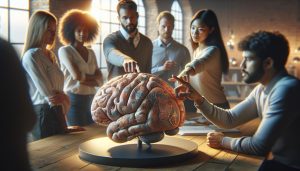
Did you know that the brain has a remarkable ability to heal itself after injury, often leading to significant recovery over time? Understanding the intricacies of brain injury recovery methods is essential for anyone impacted by cognitive impairment, whether personally or through a loved one. This case study takes you through effective recovery strategies, exploring how methods such as cognitive rehabilitation and neuroplasticity can empower healing. Whether you’re seeking solutions for yourself, a friend, or a family member, the insights provided will address common concerns about brain health and inspire hope. By uncovering evidence-based practices and personal stories of triumph, we invite you to delve deeper into the journey of recovery and the potential for renewed cognitive vitality. Join us as we explore the paths that lead not only to recovery but also to improved quality of life.
Understanding Brain Injury and Its Impact
Understanding brain injuries is crucial for appreciating their profound impact on individuals’ lives. Every year, millions suffer from traumatic brain injuries (TBI), leading to a multitude of physical, cognitive, and emotional challenges. Interestingly, the brain is remarkably resilient and possesses the capacity for recovery, but the journey varies significantly from one person to another. This variance can be attributed to factors such as the nature of the injury, the person’s age, their pre-injury health, and the support systems available during recovery.
The effects of brain injuries can manifest in various ways. Patients often struggle with memory issues, impaired coordination, and emotional instability. These challenges underscore the importance of early intervention and a comprehensive approach to treatment that includes medical care, rehabilitation, and psychological support. For instance, families play a pivotal role in recovery by fostering a supportive environment that encourages participation in activities tailored to enhance cognitive function and social interaction.
Moreover, understanding the neuroplasticity of the brain-the ability to reorganize itself by forming new neural connections-can empower those affected by injuries. Techniques such as cognitive training, physical therapy, and mindfulness practices can stimulate this neuroplasticity, promoting better recovery outcomes. By embracing a proactive approach to recovery, individuals can cultivate resilience and improve their quality of life, demonstrating that while brain injuries can be life-altering, they do not signify the end of one’s potential.
The Science of Brain Recovery: Key Insights
The remarkable ability of the brain to recover from injury, known as neuroplasticity, underlines the importance of understanding the recovery process. This ability allows regions of the brain to adapt, reorganize, and forge new neural connections in response to damage. Research indicates that engaging in specific recovery methods can significantly enhance the healing process. For instance, targeted rehabilitation programs that incorporate both physical and cognitive activities have been shown to accelerate recovery times and improve functionality.
Engaging with cognitive therapies is one of the most effective ways to facilitate recovery post-injury. Cognitive training exercises, such as memory games or attention tasks, assist in rebuilding lost skills. These practices not only stimulate brain activity but also help in redefining neural pathways, ultimately resulting in improved cognitive function. Moreover, incorporating physical rehabilitation exercises that focus on coordination and balance are crucial as they not only help in regaining physical capabilities but also encourage mental acuity.
Nutrition also plays a pivotal role in brain recovery. Consuming a diet rich in antioxidants, omega-3 fatty acids, and essential vitamins has been linked to neurological health. Foods such as fatty fish, berries, and leafy greens can provide the nutrients necessary for brain repair and regeneration. Understanding and implementing these dietary strategies can have a profound effect on recovery outcomes, reinforcing the mind-body connection essential for healing.
In addition to cognitive and physical strategies, fostering a supportive environment is vital for successful recovery. Individuals who engage with both professional therapists and supportive family networks tend to experience healthier recovery trajectories. This collaborative approach can help create a balanced regimen that promotes both emotional well-being and practical recovery strategies. By surrounding oneself with positivity and motivation, individuals can enhance their resilience and capacity to navigate their recovery journey effectively.
Effective Physical Rehabilitation Techniques
Physical rehabilitation techniques play a pivotal role in the recovery journey following a brain injury, fostering both physical and cognitive improvements that can significantly enhance a person’s quality of life. Exercise is not just about regaining lost strength but also about encouraging brain function through neuroplasticity, which allows other parts of the brain to take over tasks previously managed by damaged regions. Engaging in structured physical activities can lead to profound benefits, reducing symptoms such as fatigue, depression, and anxiety, while improving overall brain health.
To begin an effective rehabilitation program, a combination of exercises addressing various aspects of physical performance is essential. Consider incorporating the following elements into a rehabilitation routine:
- Strength Training: Focus on exercises that enhance muscle strength and balance. Bodyweight exercises like squats and lunges, along with resistance bands, can bolster stability and coordination.
- Aerobic Activities: Engage in regular cardiovascular exercises such as walking, cycling, or swimming, which promote blood flow to the brain and support overall cardiovascular health.
- Flexibility and Balance Exercises: Practices like yoga or tai chi are excellent for improving flexibility, coordination, and stability, reducing the risk of falls and promoting mindfulness.
- Cognitive-Physical Integration: Activities that combine cognitive tasks with physical movement, such as dance or interactive games, can stimulate brain activity while improving coordination.
It’s crucial for individuals embarking on a rehabilitation program to consult healthcare professionals to create a tailored plan that caters to their specific needs and capabilities. Progressing gradually through these techniques can lead to more sustainable improvements. For instance, a patient may initially start with gentle range-of-motion exercises, gradually building strength and endurance as they gain more confidence and ability.
Finally, consistency is key. Regularly practicing these rehabilitation techniques can yield cumulative benefits over time. Encouragement from support systems-such as family and friends-paired with professional guidance, can bolster motivation and accountability, ultimately enhancing recovery success.
Cognitive Therapies for Brain Injury Recovery
Cognitive therapies play a vital role in the recovery process following a brain injury, offering effective strategies to enhance mental functions and emotional well-being. One critical aspect of cognitive rehabilitation is the utilization of neuroplasticity-the brain’s remarkable ability to rewire itself and form new neural connections. This adaptability can be harnessed through targeted cognitive exercises, allowing individuals to regain lost functions and improve their quality of life.
Engagement in structured cognitive activities can significantly aid recovery by improving memory, attention, and problem-solving skills. These activities can range from simple reminiscence therapy-where individuals recall past experiences and discuss them-to more complex cognitive training tasks that challenge one’s reasoning and processing speed. Utilizing tools like computer-based cognitive training programs or even daily puzzles can provide stimulating environments for rebuilding cognitive skills.
Examples of Effective Cognitive Therapies
- Memory Enhancement Exercises: Techniques such as mnemonic devices and visualization can help patients improve their memory recall. This can be particularly beneficial for those struggling with short-term memory deficits.
- Social Skills Training: Individuals who have experienced a brain injury may face challenges in social interactions. Role-playing exercises guided by a therapist can improve communication skills and boost confidence in social situations.
- Mindfulness and Cognitive Behavioral Therapy (CBT): Mindfulness practices can reduce anxiety and improve focus, while CBT can address negative thought patterns and promote more adaptive thinking, leading to better emotional regulation.
Additionally, it is crucial for patients undergoing cognitive therapy to work closely with healthcare professionals. Tailoring therapies to meet individual needs ensures that recovery strategies are relevant and effective. Regular assessments can help adapt therapeutic interventions as progress is made, enabling a more personalized recovery journey.
As individuals engage in cognitive therapies, they should be encouraged to incorporate these practices into their daily routines. The key to success lies in consistency and a supportive environment, both of which can inspire confidence and empower patients on their path to recovery.
Nutritional Strategies to Enhance Recovery
Nourishing the brain is pivotal for recovery after an injury, as the right dietary choices can enhance cognitive function, boost mood, and expedite healing. Research indicates that specific nutrients can play a critical role in repairing neural tissue, improving communication between neurons, and supporting overall brain health. For individuals recovering from a brain injury, focusing on a balanced diet rich in essential fatty acids, antioxidants, and vital vitamins can foster an environment conducive to neuroplasticity-the brain’s ability to reorganize itself and form new connections.
Start by incorporating foods that are high in omega-3 fatty acids, such as fatty fish (like salmon and sardines), chia seeds, and walnuts. These healthy fats are known to reduce inflammation and promote brain cell repair. Additionally, fruits and vegetables rich in antioxidants, such as blueberries, kale, and spinach, can protect the brain from oxidative stress, which is known to impede recovery. Aim for a colorful plate to ensure a wide range of nutrients that support various aspects of brain health.
Furthermore, ensure your diet includes sufficient protein, as amino acids found in protein-rich foods such as eggs, beans, and lean meats are essential for neurotransmitter synthesis. Vitamins and minerals like B vitamins, Vitamin D, and zinc also play a critical role in brain function and should be adequately represented in the diet. Aiming for whole foods-minimizing processed items-is further beneficial, as these often contain additives and additives that can impact cognitive function negatively.
Tips for Implementing Nutritional Strategies
- Plan Balanced Meals: Incorporate a variety of food groups. A typical meal could include grilled salmon (omega-3s), quinoa (protein), and a colorful salad (antioxidants).
- Stay Hydrated: Water is crucial for overall brain function. Aim for adequate hydration throughout the day to support concentration and cognitive clarity.
- Mindful Eating: Engaging with meals without distractions allows individuals to be more aware of their food choices and can enhance the enjoyment of nutritious meals.
- Consult a Professional: Working with a registered dietitian can ensure personalized dietary plans that meet individual recovery needs and considerations.
By prioritizing these nutritional strategies, individuals recovering from brain injuries can support not just physical healing but also cognitive recovery, facilitating a more balanced and effective rehabilitation journey.
Harnessing Neuroplasticity for Healing
The brain’s extraordinary capacity for recovery is encapsulated in the concept of neuroplasticity, which allows it to reorganize itself by forming new neural connections throughout life. This remarkable ability underscores the importance of engaging in specific strategies to harness this potential, particularly in the aftermath of a brain injury. Effective recovery techniques can enhance neuroplasticity and facilitate the healing process, allowing individuals to regain lost functions and adapt to changes.
One of the most effective ways to promote neuroplasticity is through structured rehabilitation exercises. These activities, which can include physical therapy, cognitive training, and task-specific practice, encourage the brain to form new pathways by challenging it to solve problems and learn new skills. For example, consistently practicing fine motor tasks can improve coordination and dexterity, while memory games can enhance cognitive function. The key is repetition: engaging in these exercises regularly can solidify new neural connections and reinforce learning.
Moreover, a supportive and stimulating environment is critical for recovery. Surrounding oneself with positive influences like encouraging family members, professionals, and structured therapy groups fosters a brain-friendly atmosphere. Activities that stimulate various senses-such as listening to music, engaging in art, or spending time in nature-can also enhance cognitive engagement and bolster mental wellness.
To build upon these strategies, consider implementing lifestyle changes that complement rehabilitation efforts. Establishing a regular routine that includes a balance of physical activity, mental challenges, and adequate rest can optimize brain health. Furthermore, practices such as mindfulness meditation have been shown to enhance neuroplasticity by promoting emotional regulation and reducing stress.
Ultimately, embracing the principles of neuroplasticity can transform recovery journeys, empowering individuals to reclaim their abilities and live fulfilling lives post-injury. Incorporating these approaches promotes not only cognitive rehabilitative efforts but also a holistic improvement in overall well-being, fostering resilience and adaptability amid challenges.
Innovative Therapies: What’s New in Recovery?
The landscape of brain injury recovery is continually evolving, with innovative therapies leading the charge in enhancing rehabilitation outcomes. Recent advancements leverage technology not only to promote healing but also to engage patients in their recovery process. From virtual reality to neuromodulation techniques, these new methods are reshaping how recovery is approached, making the journey both effective and engaging.
One notable innovation is the use of virtual reality (VR) for cognitive and physical rehabilitation. VR provides immersive environments where patients can practice real-life tasks safely and repeatedly, reinforcing skills in a controlled setting. Studies have shown that VR can improve task completion speed and accuracy for individuals recovering from brain injuries, offering a dynamic and motivating way to progress through rehabilitation exercises. For instance, patients may navigate a virtual grocery store, enhancing their memory and decision-making skills while enjoying a gamified experience.
Another promising area is transcranial magnetic stimulation (TMS). This non-invasive technique uses magnetic fields to stimulate specific brain regions, facilitating neuroplasticity and promoting functional recovery. Research indicates that TMS may improve cognitive functions such as attention and memory in individuals with brain injuries. This method opens new avenues for personalized treatment, as clinicians can tailor the stimulation to address specific deficits in a patient’s cognitive profile.
Utilizing Evidence-Based Approaches
In addition to technology-driven therapies, evidence-based approaches focusing on diet and exercise are proving effective. Nutritional strategies, such as incorporating omega-3 fatty acids and antioxidants, are vital as they have been linked to reduced inflammation and improved brain health. Regular physical activity, especially activities that combine coordination and cognitive challenge, can enhance cardiovascular health and promote neuroplasticity.
Moreover, harnessing community support and peer-led initiatives can significantly enrich the recovery experience. Integrating social support through group therapy or shared activities fosters motivation and provides emotional resilience. Patients are often more engaged when they share their journey with others facing similar challenges, underscoring the power of connection in the healing process.
As research continues, the integration of technology, evidence-based practices, and community support reflects a holistic approach to brain injury recovery that empowers individuals to regain control over their lives. By staying informed and embracing these innovative therapies, patients can navigate their recovery with optimism and resilience, ultimately reclaiming their skills and confidence.
Addressing Psychological Aspects of Recovery
Addressing the psychological dimensions of recovery from brain injury is essential, as emotional and cognitive wellness profoundly influences overall outcomes. Individuals may encounter a range of emotional responses, including anxiety, depression, and frustration, as they navigate the complexities of their rehabilitation journey. Engaging with these psychological aspects not only aids in recovery but also empowers patients to reclaim their identities.
To foster resilience and a positive mindset, implementing cognitive behavioral strategies can be invaluable. These techniques help individuals recognize and reframe negative thought patterns that may arise during recovery. Regular practice of mindfulness meditation can also enhance emotional regulation and reduce stress. Engaging in structured activities like journaling can provide a safe space to express feelings and track progress, which can be incredibly motivating.
Building a robust support system is another crucial element. Group therapy or peer support groups allow patients to connect with others facing similar challenges, thereby promoting a sense of belonging and understanding that they are not alone in their struggles. This shared experience can be a source of encouragement, motivation, and practical problem-solving among participants.
Additionally, addressing lifestyle factors such as sleep hygiene, exercise, and nutrition also plays a significant role in psychological recovery. Physical activity releases endorphins, which can improve mood and cognitive function, while a balanced diet rich in brain-healthy nutrients supports brain recovery. Prioritizing quality sleep fosters cognitive clarity and emotional stability. By integrating these methods, individuals can cultivate a holistic approach to recovery, centering both mental health and physical rehabilitation, leading to more favorable outcomes on their healing journey.
Support Systems: Building Your Recovery Team
Building a supportive network is crucial for anyone navigating the long road of brain injury recovery. Just as a sturdy scaffold supports a building under renovation, a well-rounded recovery team bolsters the individual’s resilience and aids in the holistic healing process. This collective can include family members, friends, healthcare professionals, and peer support groups, all of whom play a vital role in fostering physical, emotional, and cognitive recovery.
A key element in establishing this support system is to prioritize communication. Open dialogues with family and friends can help demystify the recovery journey, making loved ones feel involved and informed. Organizing family meetings or sessions with recovery specialists can ensure everyone is on the same page regarding treatment strategies and emotional needs. This transparency does not only enhance understanding but also fosters a sense of shared responsibility, where loved ones can actively participate in supportive actions that align with recovery goals.
Including diverse professionals in your recovery umbrella can provide comprehensive care tailored to specific needs:
- Neurologists to address medical aspects and recommend treatments.
- Physical therapists to facilitate mobility and strength-building exercises.
- Occupational therapists to help with daily life skills and reintegration.
- Psychologists or counselors to support emotional and mental health.
- Nutritionists to guide on brain-healthy diets that encourage optimal recovery.
Peer support groups also provide an empowering dynamic for individuals experiencing similar challenges. These groups offer a safe space for sharing stories, coping techniques, and encouragement. The camaraderie formed in these circles can significantly enhance motivation and reduce feelings of isolation. Regular interactions can boost confidence in recovery while also serving as a reminder that progress can be made, even amid setbacks.
Finally, fostering open lines of communication with your recovery team enhances synergy between each member. Utilize regular check-ins to discuss progress, reassess goals, and celebrate achievements, no matter how small. This collaborative experience not only builds a strong support network but also creates a nurturing environment conducive to healing, allowing each individual to thrive on their path to recovery.
Real-Life Success Stories: Case Studies
Every journey through brain injury recovery is uniquely compelling, filled with challenges and triumphs that highlight the resilience of the human spirit. Consider the case of John, a former athlete who sustained a traumatic brain injury (TBI) during a sports accident. Initially faced with severe cognitive deficits, including memory loss and difficulty concentrating, John’s future looked uncertain. However, through a commitment to innovative recovery approaches, he not only regained much of his cognitive function but also transformed his life.
John’s recovery plan combined traditional therapies with cutting-edge techniques, reflecting how multifaceted approaches can yield remarkable results. His journey began with intensive occupational therapy focused on regaining daily living skills, crucial for his independence. Alongside this, he engaged in cognitive rehabilitation exercises designed to specifically target memory and attention challenges. These exercises often included memory games and problem-solving tasks that gradually increased in complexity, enhancing his neuroplasticity – the brain’s ability to adapt and reorganize itself.
Emphasizing the importance of emotional well-being, John incorporated mindfulness practices into his daily routine. Guided meditation helped manage stress and improved his focus, crucial for navigating the rigors of rehabilitation. Such practices reinforced his mental resilience and provided coping strategies for the emotional hurdles associated with brain injury recovery.
Another inspiring aspect of John’s story is the role of community support. Joining a local brain injury support group, he found encouragement and practical advice from others who understood his struggle. Sharing experiences fostered a sense of connection, reminding him he was not alone. His recovery team, comprising neurologists, therapists, and peers, created a holistic support network, enabling him to celebrate small victories and sustain motivation in harder times.
John’s case exemplifies how a comprehensive, collaborative approach can empower recovery. His story not only illustrates the effectiveness of various rehabilitation methods but serves as a beacon of hope for others facing similar challenges, highlighting that recovery is indeed a journey filled with potential for transformation and growth.
Prevention Strategies to Avoid Future Injuries
Ensuring safety and preventing brain injuries is critical, especially for individuals at risk, such as athletes or those in high-stress environments. Establishing a proactive mindset around safety precautions can significantly reduce the likelihood of suffering a brain injury. One of the most effective strategies involves adopting the right protective gear. For athletes, this means using high-quality helmets designed specifically for their sport. Similarly, individuals engaged in manual labor should ensure they wear appropriate head protection to mitigate risks.
Education plays a major role in prevention. Knowledge about the signs and symptoms of brain injuries empowers individuals to take immediate action when injuries occur. Training in safe work practices can also create a culture of awareness that prioritizes safety. Consider implementing regular safety training sessions to reinforce the importance of using protective equipment and proper techniques in both workplace and athletic settings.
Establishing a healthy lifestyle is another powerful preventive measure. Regular fitness routines not only improve physical health but also enhance balance and coordination, which can decrease the risks of falls and accidents that lead to brain injuries. Nutritional support for brain health is equally vital; omega-3 fatty acids and antioxidants, found in foods like salmon and berries, promote cognitive function and overall brain resilience.
In addition to physical safety measures, addressing the psychological aspects of safety can be profound. Stress management techniques, such as mindfulness or cognitive-behavioral strategies, can reduce impulsive actions that may lead to injury. Encourage practices that foster mental clarity and decision-making abilities – vital in high-risk situations.
By adopting comprehensive prevention strategies focusing on safe practices, education, healthy living, and psychological well-being, individuals can significantly lower their risk of future brain injuries, paving a path toward long-term cognitive health and wellness.
Resources for Patients and Caregivers
Developing an effective support system is crucial for both patients recovering from brain injuries and their caregivers. The journey to recovery can be overwhelming, but numerous resources and strategies exist to help navigate this process. By leveraging a variety of tools and services, individuals can optimize their recovery and improve their quality of life.
Key
- Rehabilitation Centers: Specialized rehabilitation centers offer intensive therapies tailored to the specific needs of brain injury patients. These facilities often provide multidisciplinary teams that include physiatrists, occupational therapists, speech-language pathologists, and neuropsychologists who collaborate for comprehensive care.
- Support Groups: Connecting with others who understand the challenges of brain injury can be incredibly beneficial. Local and online support groups provide opportunities for sharing experiences, emotional support, and practical advice. Organizations such as the Brain Injury Association of America (BIAA) can help locate suitable groups.
- Educational Materials: Many reputable organizations provide educational resources that explain brain injuries, recovery methods, and coping strategies. Websites such as Headway or BIAA offer articles, webinars, and workshops to empower patients and caregivers with knowledge.
- Technology Aids: Assistive technologies can play a significant role in daily living and recovery. Tools like voice-to-text applications, memory aids, and brain training games can enhance cognitive function and support independence. Caregivers can explore apps designed to help with memory and organization, making daily tasks easier.
- Nutritional Guidance: Proper nutrition supports brain recovery and overall health. Patients and caregivers should consider consulting with a registered dietitian specializing in neuro-nutrition to design a meal plan rich in antioxidants, omega-3 fatty acids, and complex carbohydrates, which promote cognitive function.
Building a Recovery Plan
To create a robust recovery plan, consider the following steps:
- Set Goals: Collaboratively establish short- and long-term goals, focusing on achievable milestones. These can be related to physical rehabilitation, cognitive improvements, or emotional well-being.
- Incorporate Routine: Consistent daily routines help provide structure and predictability, which are essential for cognitive recovery. Include time for therapy, exercise, social interaction, and relaxation.
- Engage in Adaptive Strategies: Encourage the use of adaptive strategies like scheduling important tasks or using reminders to promote independence. Simple adjustments can significantly aid daily functioning.
By utilizing these resources and incorporating structured recovery plans, both patients and caregivers can foster a supportive environment that enhances healing and personal growth. Remember, recovery is a journey, and utilizing the right tools can make a significant difference in achieving optimal results.
Frequently asked questions
Q: What are some early signs of brain injury that should be identified?
A: Early signs of brain injury can include confusion, headache, dizziness, nausea, and difficulty concentrating. It’s crucial to seek medical evaluation if these symptoms appear after an incident to ensure prompt intervention. Understanding these signs can significantly impact recovery outcomes.
Q: How can family support influence brain injury recovery?
A: Family support is essential in brain injury recovery. Emotional encouragement, assistance with daily activities, and involvement in rehabilitation can enhance healing. Positive relationships also help boost motivation and reduce anxiety, which are crucial for overall recovery.
Q: What role does physical therapy play in brain injury recovery?
A: Physical therapy helps individuals regain mobility and strength after a brain injury. Customized exercises promote motor skills and balance, essential for functional independence. Early intervention typically leads to better long-term outcomes in recovery trajectories.
Q: Are there specific cognitive therapies effective for brain injury recovery?
A: Yes, cognitive therapies such as cognitive-behavioral therapy (CBT) and neuropsychological rehabilitation are effective. They focus on enhancing memory, problem-solving skills, and emotional regulation, crucial for individuals adjusting post-injury.
Q: Why is nutrition important in the recovery process from a brain injury?
A: Nutrition plays a vital role in brain recovery, as certain nutrients support brain healing and neuroplasticity. Diets rich in omega-3 fatty acids, antioxidants, and vitamins can reduce inflammation and promote cognitive function, enhancing overall recovery.
Q: How can neuroplasticity aid in recovering from a brain injury?
A: Neuroplasticity refers to the brain’s ability to reorganize itself by forming new connections. Engaging in targeted activities and therapies can stimulate neuroplasticity, thus aiding recovery by restoring lost functions and developing new skills.
Q: What innovative therapies are currently being used for brain injury recovery?
A: Innovative therapies include virtual reality, robotics-assisted rehabilitation, and transcranial magnetic stimulation (TMS). These technologies provide interactive and adaptive environments that enhance engagement and effectiveness in rehabilitation efforts.
Q: What factors affect the recovery timeline after a brain injury?
A: Recovery timelines vary based on injury severity, the individual’s age, overall health, and the timeliness of medical intervention. Active participation in rehabilitation and a strong support system further influence the recovery process and duration.
Insights and Conclusions
The journey to recovery from brain injury can be complex, but understanding effective methods can make all the difference. In “A Brain Injury Case Study: Recovery Methods That Actually Work,” we explored various approaches that empower individuals to reclaim their cognitive health and enhance their quality of life. Don’t let doubt hold you back-take action now! Dive deeper into our resources on workplace wellness and cognitive performance to discover actionable strategies for enhancing your well-being every day.
If you’re ready to learn more about optimizing your workspace for brain health, check out our guides on setting up ergonomic environments or implementing biohacking techniques that support cognitive function. Join our community by signing up for our newsletter, and stay informed on the latest in stress management and brain health research. Your path to recovery and improved cognitive performance starts here-explore, engage, and empower yourself for a healthier future!