
In today’s fast-paced world, stress has become an unwelcome companion for many, impacting both our mental and physical well-being. Aromatherapy, with its roots in ancient healing practices, has gained popularity as a potential remedy for stress relief. By harnessing the power of essential oils, this holistic approach aims to promote relaxation and emotional balance. But does it really work? Understanding the scientific evidence behind aromatherapy can provide valuable insights into its effectiveness, empowering you to make informed choices for your self-care routine. Explore the intriguing research surrounding aromatherapy and discover whether this fragrant practice can genuinely enhance your journey toward stress management and overall wellness.
Understanding Aromatherapy: The Basics Explained
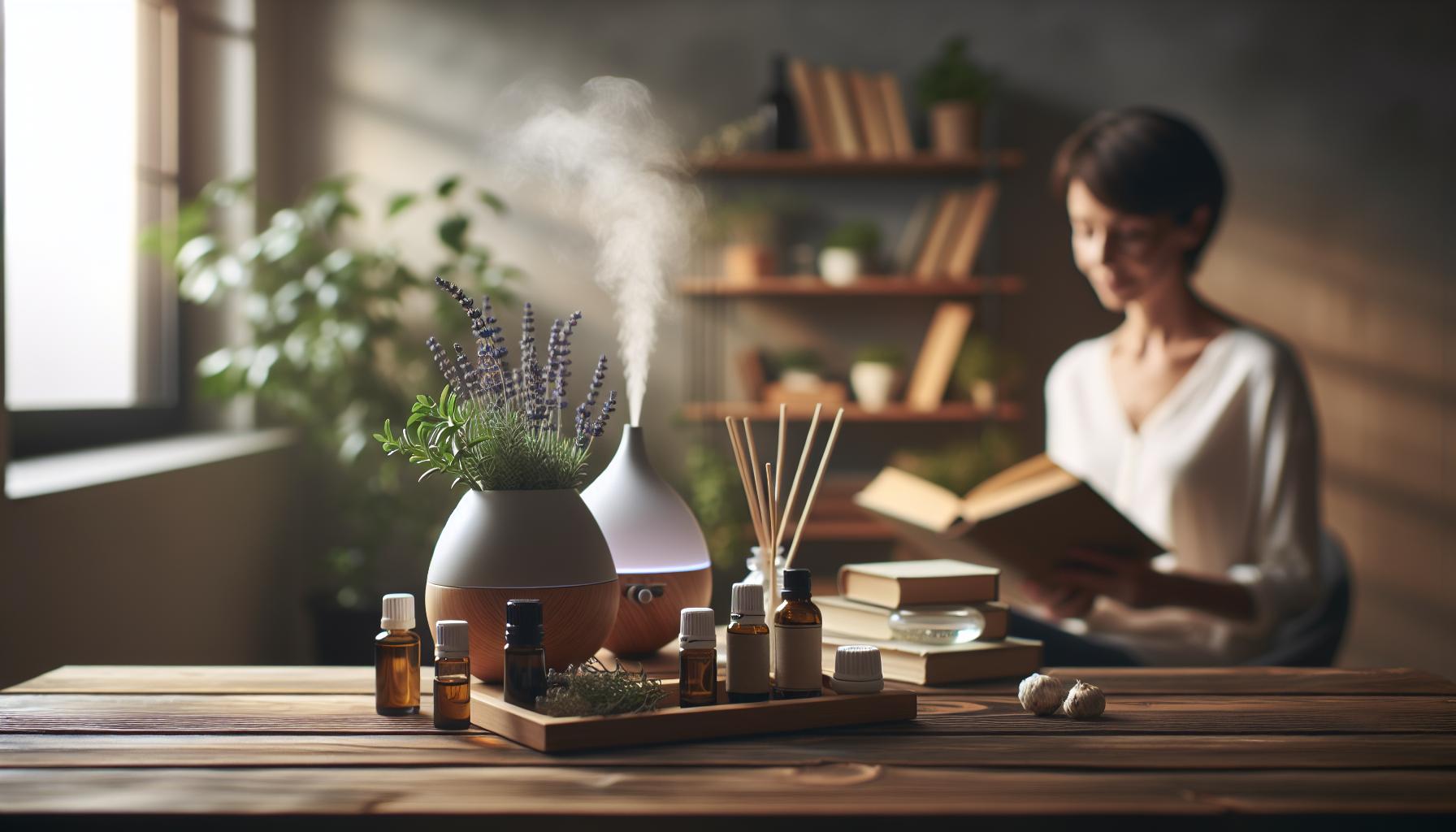
Aromatherapy has emerged as a popular method for managing stress, harnessing the natural properties of essential oils to promote relaxation and emotional balance. This holistic practice dates back thousands of years, originally rooted in ancient civilizations where fragrant botanicals were utilized for both therapeutic and spiritual purposes. Today, modern science is increasingly validating these traditional practices, suggesting that smell has a profound influence on our emotional and physiological states.
Essential oils, extracted from various parts of plants, contain potent compounds that can affect the brain’s limbic system, responsible for regulating emotions and memory. When inhaled or applied topically, these oils can stimulate neural pathways that help reduce stress and anxiety. Each essential oil carries unique benefits, and understanding these can empower individuals to choose the right oils for their specific needs. For example, lavender is well-regarded for its calming effects, while citrus oils like bergamot are celebrated for their uplifting qualities.
Incorporating aromatherapy into your daily routine can be simple and rewarding. A few effective methods include using a diffuser to disperse oils into the air, creating a personal inhaler with your favorite scents, or adding oils to bathwater for a soothing soak. However, it’s important to remember that while aromatherapy can be a valuable tool for stress management, it should complement other stress-reduction techniques rather than serve as a standalone solution. Maintaining a balanced approach to wellness, including regular exercise, a healthy diet, and sufficient sleep, can enhance the overall effectiveness of aromatherapy in managing stress.
How Stress Affects Your Mind and Body

Heightened stress levels can trigger a cascade of physiological and psychological responses that significantly impact overall health and well-being. When faced with stressors, the body enters a state often referred to as the “fight or flight” response. This reaction is orchestrated by the release of stress hormones like adrenaline and cortisol, which prepare the body to respond quickly to perceived threats. While this reaction was essential for survival in ancient times, persistent modern stressors can lead to detrimental effects on both mind and body.
The psychological impact of stress can manifest in various forms, including heightened anxiety, irritability, and diminished cognitive performance. Prolonged stress may impair decision-making processes, hinder memory consolidation, and even lead to burnout, a state of emotional, physical, and mental exhaustion. To combat these negative outcomes, it’s essential for individuals to identify stressors and develop effective coping strategies. Simple practices, such as mindfulness and controlled breathing exercises, can help restore calm and enhance emotional resilience.
Physically, the repercussions of chronic stress can be just as severe. The continuous release of cortisol can contribute to a range of health issues, from cardiovascular problems to digestive disorders. Stress has also been linked to weight gain, as elevated cortisol levels influence appetite and cravings for unhealthy foods. To counteract these effects, integrating stress management techniques, such as aromatherapy, into a daily routine can be beneficial. Evidence suggests that essential oils not only promote relaxation but may also block the negative effects of stress hormones, making it easier for individuals to regain equilibrium.
Incorporating aromatherapy as part of a comprehensive wellness strategy can enhance overall productivity and mental clarity. With regular use, individuals may not just find relief from stress but also foster a healthier work-life balance, leading to long-term cognitive and physical benefits. Remember, prioritizing self-care and seeking professional guidance when necessary are integral aspects of maintaining optimal health in our fast-paced world.
The Science Behind Aromatherapy and Stress Relief
Aromatherapy has garnered significant attention for its potential role in alleviating stress, which resonates deeply in today’s fast-paced world where stress is often omnipresent. Central to aromatherapy’s appeal is its use of essential oils-concentrated extracts from plants known for their therapeutic properties. The science underlying this practice suggests that certain scents can influence mood and emotional well-being through the olfactory system, which directly interacts with the brain’s limbic system. This brain region is crucial for processing emotions, memories, and even physiological responses. When inhaling specific aromas, they can elicit feelings of calmness and relaxation, thus counteracting the stress response.
Research shows that some essential oils, such as lavender and bergamot, are particularly effective for stress relief. These oils can help lower cortisol levels-the body’s primary stress hormone-both in the short term and during prolonged exposure to stress. For instance, in a study published in the Journal of Alternative and Complementary Medicine, participants who were exposed to lavender oil reported significant reductions in anxiety levels. Instead of merely masking the stress, these essential oils can create a biochemical response that promotes a state of relaxation and emotional balance.
To effectively integrate aromatherapy into your stress management practices, consider creating a multi-sensory environment that can enhance your experience. This might include diffusing your chosen essential oils in your workspace, using an aromatherapy necklace, or incorporating scented candles into your relaxation routine. Make sure to choose high-quality oils and consult with a healthcare provider if you have sensitivities or health conditions. Additionally, combining aromatherapy with other stress management techniques, such as mindfulness meditation or deep breathing exercises, can amplify its effects and help foster resilience against daily stressors.
Ultimately, the convergence of sensory experiences and biological responses in aromatherapy makes it a promising tool for promoting mental clarity and emotional well-being in today’s demanding environments. By building a personalized approach to incorporating these aromatic tools, you can position yourself to not only navigate stress more effectively but to thrive in your overall wellness journey.
Essential Oils for Stress: What Works Best?
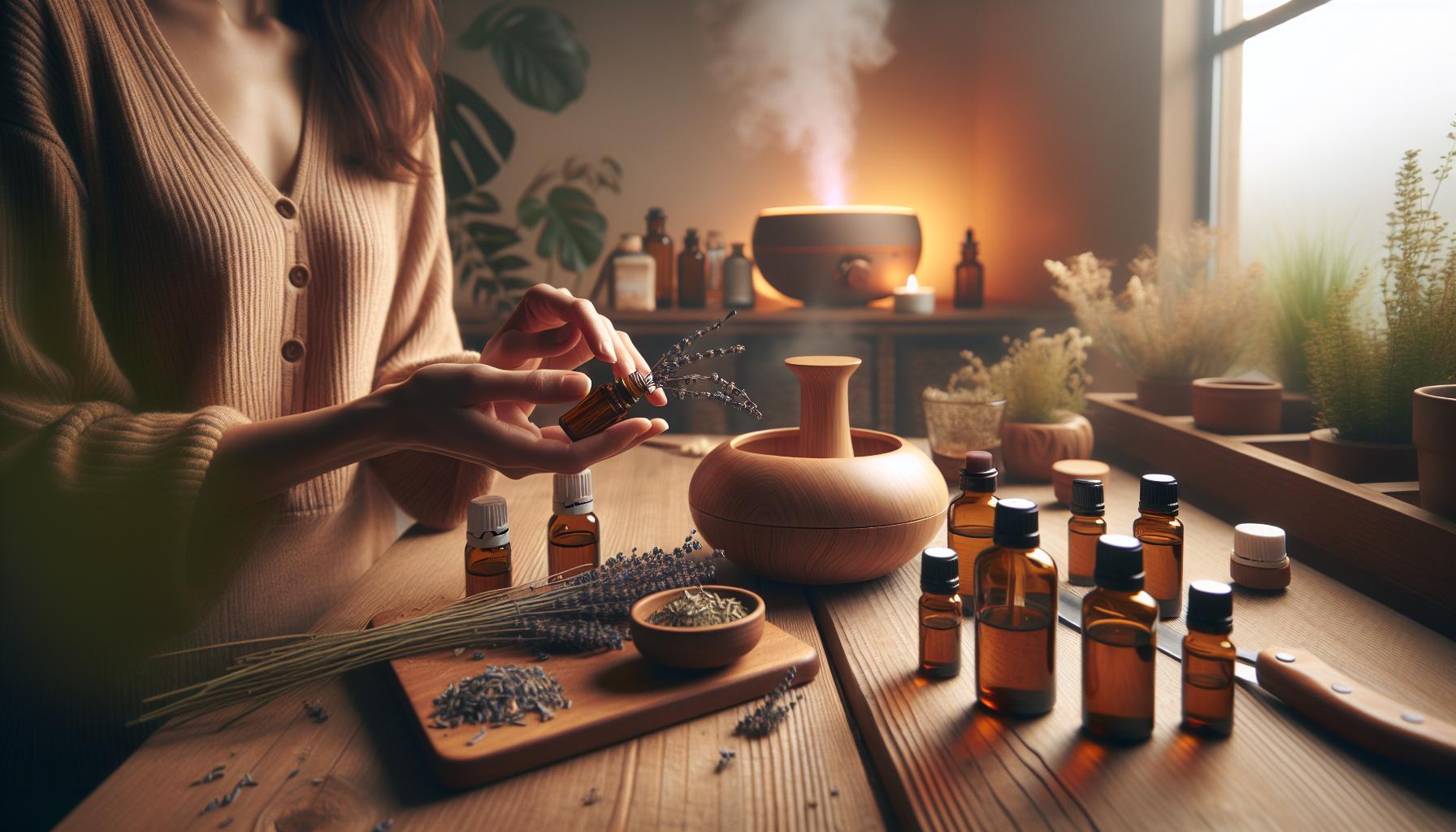
Many individuals seek natural remedies to cope with stress, and essential oils stand out as highly effective options in this wellness journey. Not only do these concentrated plant extracts possess unique aromatic qualities, but certain essential oils have been extensively researched for their calming effects on the mind and body.
Popular Essential Oils for Stress Relief
When it comes to stress management, some essential oils have consistently demonstrated efficacy:
- Lavender: Known for its soothing aroma, lavender oil has been shown to reduce anxiety and improve mood. Studies suggest that inhaling lavender can lower cortisol levels, the hormone responsible for stress.
- Bergamot: This citrus oil is not just refreshing; it has been linked to decreased levels of stress and anxiety. Bergamot can help lighten mood and reduce the feelings of tension.
- Chamomile: Often consumed as tea, chamomile oil can also be effective in promoting relaxation and sleep, making it a valuable tool for winding down after a stressful day.
- Frankincense: This ancient oil has calming properties that can help deepen breathing and induce feelings of peace and wellness, perfect for meditation practices.
- Ylang Ylang: This exotic flower essence not only smells delightful but can also lower blood pressure and heart rate, providing an overall sense of calm.
How to Incorporate Essential Oils into Your Routine
Integrating these oils into your daily life doesn’t have to be complicated. Here are some practical tips:
- Diffusion: Use a diffuser to disperse the essential oil into the air, allowing you to reap the benefits in any space, whether at home or work.
- Topical Application: Diluting essential oils with a carrier oil (like coconut or almond oil) and applying them to pulse points like wrists and behind the ears can provide localized effects.
- Aromatherapy Jewelry: Consider wearing essential oil bracelets or necklaces that allow you to keep your favorite scents close throughout the day.
- Relaxation Techniques: Combine oil application with practices like yoga or breathing exercises for amplified stress reduction.
With their proven efficacy and accessibility, essential oils can be an empowering addition to your stress management toolkit, helping you create a calmer environment in both your professional and personal life. Always consult with a healthcare professional if you have concerns about allergies or specific conditions before starting any new aromatherapy practice.
Research Studies: Aromatherapy’s Effectiveness for Stress

A growing body of research is shedding light on the effectiveness of aromatherapy for managing stress, revealing that essential oils can be more than just pleasant scents; they may actually play a significant role in enhancing mental well-being. A systematic review published in the “Journal of Alternative and Complementary Medicine” found that certain essential oils, particularly lavender and bergamot, not only have calming properties but also result in measurable reductions in anxiety and improvements in mood. These studies highlight how the inhalation of these oils can lower cortisol levels, the hormone closely linked to stress.
In clinical settings, randomized controlled trials have demonstrated that volunteers exposed to aromatherapy reported significant decreases in stress indicators compared to those in control groups. For example, a study involving patients undergoing surgery indicated that those who were exposed to lavender diffused through the air experienced lower levels of anxiety and discomfort during the postoperative period. This suggests that aromatherapy can be a practical complement to traditional medical strategies, particularly in high-stress environments such as hospitals.
Moreover, the physiological impacts of aromatherapy have been explored in research. Neuroimaging studies have shown that the brain’s limbic system-responsible for emotion, behavior, and long-term memory-reacts favorably to specific aromas, thus triggering relaxation responses even in stressful situations. The findings support the incorporation of aromatherapy into daily stress management routines, highlighting its accessibility and ease of implementation.
As you explore the benefits of aromatherapy, remember to consider the specific type of essential oils that resonate with you. Individual responses can vary, so it may be worthwhile to experiment with different scents in safe environments, combining them with mindfulness practices or relaxation techniques. Overall, the research signifies a compelling case for integrating aromatherapy into holistic approaches to stress management, promoting a pathway to enhanced mental wellness and quality of life.
How to Use Aromatherapy for Stress Management
Aromatherapy can be a transformative addition to your toolkit for managing stress, offering a sensory escape that is both enjoyable and effective. To get started with aromatherapy for stress management, it’s essential to choose the right essential oils that resonate with you personally. Scents like lavender, chamomile, and bergamot are celebrated for their calming properties, helping to alleviate anxiety and promote relaxation. Creating a serene environment where you can engage with these scents is crucial; consider setting aside a quiet space in your home or workspace that feels inviting and peaceful.
One practical method to incorporate aromatherapy into your daily routine is through diffusion. Using an essential oil diffuser, you can disperse the chosen oils into the air, allowing their soothing aromas to fill your space. Simply fill the diffuser with water, add a few drops of your selected essential oil, and turn it on. It’s a straightforward process that can last for several hours, providing a continuous calming influence. For immediate stress relief, you might also consider applying a diluted version of essential oils directly to pulse points like your wrists or temples, which can offer a quick sensory boost.
Another effective technique involves combining aromatherapy with mindfulness practices. For instance, engage in deep breathing exercises while inhaling the scent of your chosen oil. This not only enhances the relaxation response but also helps center your thoughts and reduce feelings of overwhelm. You might also explore using aromatherapy during meditation or yoga sessions; simply use an oil that calms your mind and elevates your spirit.
While the benefits of aromatherapy are noteworthy, safety is paramount. Always dilute essential oils before skin application to avoid irritation, and consult a healthcare professional if you have pre-existing health conditions or if you are pregnant. By integrating these practices into your lifestyle, you create a holistic approach to stress management that is not only effective but also nurturing, helping you navigate the complexities of daily life with greater ease and balance.
Safety Considerations: Is Aromatherapy Right for You?
When integrating aromatherapy into your stress management arsenal, it’s essential to prioritize safety and personal appropriateness. While many people enjoy and benefit from essential oils, their effects can vary significantly based on individual sensitivities, pre-existing conditions, and specific circumstances. Understanding these factors can ensure that your experience with aromatherapy is both enjoyable and effective.
Start by considering any allergies or skin sensitivities you might have. Essential oils are potent substances and can cause irritation if applied directly to the skin without dilution. Always use a carrier oil, such as coconut or jojoba oil, to dilute essential oils before topical application. A patch test-applying a small amount on a less sensitive area of your skin-can help identify any adverse reactions before you proceed with more extensive use.
For those with underlying health conditions such as asthma or allergies, it’s crucial to consult a healthcare professional prior to starting any aromatherapy regimen. Certain oils can trigger respiratory issues or allergic reactions, so ensure that your selections align with your health needs. Pregnant or nursing individuals should also seek professional guidance, as some essential oils can affect hormonal activity or impact fetal development.
Additionally, the method of use plays a significant role in safety. Diffusing oils in well-ventilated areas can help reduce any potential irritation or overwhelming scents. Avoid using oils near the eyes, on broken skin, or in areas where they could be ingested accidentally, particularly if children or pets are present. Knowing how to choose and use essential oils correctly can enhance their benefits while minimizing risks.
Finally, it’s beneficial to keep a journal documenting your experiences with different scents and their effects on your stress levels. This can provide insight into what works best for you and help tailor your aromatherapy approach over time. By fostering an awareness of your body’s responses and maintaining open communication with healthcare providers, you can cultivate a safe and effective aromatherapy routine that contributes positively to your overall wellness.
Comparing Aromatherapy with Other Stress Relief Methods
In today’s fast-paced world, stress management is essential for maintaining mental health and overall well-being. While aromatherapy is becoming a popular method for alleviating stress, it’s important to compare it with other strategies to understand its unique benefits and limitations. Exploring various approaches can help you pinpoint what works best for you, leading to more effective stress relief.
Many people turn to mindfulness practices, such as meditation and yoga, as alternatives to aromatherapy. Both techniques focus on grounding oneself in the present moment, reducing anxiety, and enhancing emotional resilience. For example, a daily mindfulness practice can foster a heightened sense of awareness towards stress triggers, helping individuals manage their reactions more effectively. Yoga, with its combination of physical postures and controlled breathing, can similarly promote relaxation and help clear the mind. While these methods require a time commitment and consistency to realize their benefits, they empower users with long-term strategies for stress reduction.
Physical exercise is another proven approach to stress management that can be as beneficial as aromatherapy. Engaging in regular physical activity stimulates the production of endorphins, the body’s natural mood lifters. Whether it’s a brisk walk, a workout session, or a sport, exercising can divert your mind from stressors, enhance your mood, and increase overall health. Unlike aromatherapy, exercises often require more effort and discipline, but they yield significant mental health benefits over time.
In contrast, aromatherapy offers immediate sensory relief through the power of scent. Utilizing essential oils can create a calming ambiance and promote a sense of well-being swiftly. For instance, diffusing lavender oil while working can help create a soothing workspace, enhancing concentration and reducing feelings of overwhelm. The direct, sensory engagement of aromatherapy can complement other practices, making it a flexible option to incorporate into a broader stress management plan.
Ultimately, the choice between aromatherapy and other stress relief methods depends on personal preferences and lifestyle. Experimenting with combinations of these strategies can provide a more holistic approach to managing stress, allowing you to tailor your routine to meet your unique needs. Remember, consulting with a healthcare professional before starting any new wellness practice can ensure you choose the best methods for your specific situation.
Creating Your Aromatherapy Routine: Step-by-Step Guide
Creating an effective aromatherapy routine can be a transformative way to manage stress and enhance your overall well-being. The right blend of scents can evoke specific emotional and mental responses, promoting relaxation and relief from anxiety. To help you put together a practical and enjoyable aromatherapy regimen, here’s a step-by-step guide that fits seamlessly into your daily life.
Step 1: Choose Your Essential Oils
Selecting the right essential oils is crucial for tailoring your aromatherapy experience. Some popular choices for stress relief include:
- Lavender: Revered for its calming properties, lavender is well-known to reduce anxiety and improve sleep.
- Chamomile: Often used to promote relaxation, this oil is effective in easing tension and stress.
- Ylang-Ylang: Its sweet, floral scent can help lower blood pressure and create a soothing atmosphere.
- Frankincense: Known for its grounding qualities, it encourages deep breathing and relaxation.
- Bergamot: This citrus oil can lift your mood while providing calming effects, making it great for stress relief.
Step 2: Decide on Your Method of Application
How you use essential oils can greatly affect their impact. Here are several methods:
- Diffusion: Using a diffuser can disperse essential oils throughout a room, creating a balanced atmosphere.
- Inhalation: Simply inhaling a few drops from the bottle can provide quick stress relief.
- Topical application: Dilute essential oils in a carrier oil (like coconut or jojoba) and apply to pulse points for a personal aromatherapy boost.
- Baths: Adding essential oils to a warm bath can create a restorative experience that relaxes both body and mind.
Step 3: Create a Routine
Incorporating aromatherapy into your daily routine can solidify it as an effective stress management tool. Consider establishing specific times for your aromatherapy practice, such as:
- Morning Ritual: Start your day by diffusing uplifting scents like citrus or peppermint.
- Work Breaks: Take a few moments throughout your workday to inhale calming oils to recharge your focus.
- Evening Wind Down: Create a soothing ambiance in the evening with calming oils, such as lavender, to prepare for restful sleep.
Step 4: Monitor Your Response
Being attuned to how different scents affect your mood is key. Keep a journal to note which oils you used, the method of application, and your emotional response. Over time, you will better understand what works best for you, allowing you to adapt your routine accordingly.
With these steps, you can craft an aromatherapy routine that not only soothes stress but also enhances your overall wellness. Remember, aromatherapy is a complementary practice and should not replace professional medical advice or treatment. Despite the benefits, consulting a healthcare professional before starting any new wellness regimen ensures that you’re making safe and informed choices tailored to your specific needs.
Real-Life Success Stories: Aromatherapy in Action
In today’s fast-paced world, many are turning to natural remedies to combat the stresses of everyday life, and aromatherapy has emerged as a popular choice for many individuals seeking relief. Success stories abound from those who have incorporated essential oils into their daily routines, showcasing its efficacy in alleviating stress and enhancing emotional well-being. For instance, a busy corporate executive struggled with work-related anxiety that often led to sleepless nights. Upon the recommendation of a friend, they began incorporating lavender essential oil into their nightly wind-down routine by using a diffuser in their bedroom. Within weeks, the executive reported feeling more relaxed and enjoying deeper, more restorative sleep.
Another notable example is a healthcare worker who faced immense stress during peak periods of the COVID-19 pandemic. Experiencing burnout, they decided to experiment with chamomile and frankincense oils, using them in a personal inhaler during stressful shifts. This simple yet effective tool provided quick access to calming scents that helped ground them amid chaos. The healthcare worker found that brief inhalation breaks significantly improved their mood and overall coping mechanisms, which helped sustain their performance and well-being.
Moreover, a group of college students found themselves overwhelmed by academic pressures that culminated in high stress levels leading up to finals. As part of a wellness initiative on campus, they organized weekly aromatherapy sessions where they learned about and experienced various essential oils like bergamot and ylang-ylang. Responses were overwhelmingly positive; students reported decreased anxiety and heightened focus when studying after the aromatherapy sessions, proving that a shared experience can also amplify these beneficial effects.
Stories like these illustrate the potential of aromatherapy not just as a singular intervention, but as part of a broader approach to managing stress. With the right essential oils and methods of application, many have found pathways to improved emotional health and resilience. While these personal accounts are encouraging, it’s essential to remember that everyone’s experience is unique. Consultation with healthcare professionals remains critical, particularly for those with serious health concerns, ensuring that aromatherapy is a safe and supportive addition to their well-being toolkit.
Potential Side Effects and Precautions in Aromatherapy
While aromatherapy has gained popularity as a natural approach to stress management, it’s crucial to be mindful of potential side effects and precautions associated with essential oils. Not every individual responds to these oils in the same way, and understanding how to use them safely can enhance their benefits while minimizing risks.
Many essential oils can cause skin irritation if applied directly without proper dilution. It’s essential to use a carrier oil, such as fractionated coconut oil or sweet almond oil, before applying essential oils topically. Common oils like peppermint or cinnamon can be particularly potent and should always be blended appropriately to avoid adverse reactions. Furthermore, those with sensitive skin or existing allergies should conduct a patch test before applying any new oil to a larger area.
Potential side effects might include headaches, nausea, or even respiratory issues, especially for individuals with asthma or other lung conditions. Ventilation is vital when diffusing oils into the air; it’s best to ensure that the space is well-aired to prevent overwhelming scents that could provoke adverse reactions. Pregnant or breastfeeding women should consult healthcare professionals before using essential oils, as certain oils may not be safe during this period.
Despite the therapeutic benefits that many report, it is beneficial to approach aromatherapy with a sense of caution and respect for individual health needs. Consulting with a qualified aromatherapist or healthcare provider can offer tailored advice suited to one’s specific condition and health history. By carefully selecting oils and being aware of any contraindications, aromatherapy can be a valuable component of a holistic approach to managing stress and enhancing emotional well-being.
Expert Opinions: What Scientists Say About Aromatherapy
Studies on aromatherapy have sparked considerable interest among researchers, revealing essential oils’ potential to alleviate stress and enhance overall well-being. While anecdotal evidence often supports these claims, scientific investigation is crucial for discerning effective applications of aromatherapy. For instance, research has shown that inhaling essential oils like lavender can lead to reduced levels of cortisol, the stress hormone, showcasing the physiological impacts these scents can have on the body.
Key Areas of Exploration
Scientists have dedicated efforts to understand how aromatherapy affects the nervous system and emotional responses. Several studies indicate that aromatic compounds can influence both brain activity and mood:
- Brain Function: Aromatherapy can promote relaxation responses in the brain, specifically impacting the limbic system, which is associated with emotion and behavior.
- Stress Reduction: In clinical settings, patients exposed to essential oils prior to surgical procedures reported lower anxiety levels and improved overall satisfaction compared to those who did not receive aromatherapy.
In the workplace, incorporating aromatherapy can be a gateway to enhancing productivity and reducing stress. Employers who integrate essential oils into their environments often note higher employee satisfaction and lower reported stress levels. Scents like peppermint and lemon have been found to enhance alertness, creating a more conducive atmosphere for focus and efficiency.
However, while positive results are emerging, it’s essential to approach aromatherapy with scientific skepticism. Placeholder effects, individual sensitivities, and variations in essential oil quality can skew outcomes. Thus, experts recommend working with certified aromatherapists to create personalized plans that consider both individual health conditions and specific needs.
In conclusion, while the growing body of research provides promising insights into aromatherapy’s role in stress management, ongoing studies are necessary to fortify these claims. Embracing a mindful, evidence-based approach will enable individuals to harness the potential benefits of aromatherapy safely and effectively.
Frequently Asked Questions
Q: What essential oils are most effective for reducing stress?
A: Essential oils such as lavender, chamomile, and bergamot are among the most effective for stress reduction. Lavender has calming properties, chamomile may promote relaxation, and bergamot can elevate mood. Incorporating these oils into your regular aromatherapy routine can enhance stress relief.
Q: How does aromatherapy affect the brain when relieving stress?
A: Aromatherapy influences the brain through the olfactory system, where scents are processed in regions responsible for emotions and memories. This connection can diminish stress levels and promote relaxation by triggering positive emotional responses and reducing cortisol levels.
Q: Can aromatherapy be used alongside other stress management techniques?
A: Yes, aromatherapy can complement other stress management techniques, such as mindfulness meditation, exercise, or cognitive behavioral therapy. Integrating essential oils into these practices can enhance overall effectiveness and provide a holistic approach to stress relief.
Q: How long does it take for aromatherapy to work for stress relief?
A: The effects of aromatherapy can be felt almost immediately, but for long-term benefits, consistent use is recommended. Regular sessions of inhalation or massage with essential oils can help reinforce stress reduction over time.
Q: Are there any precautions to consider when using aromatherapy for stress?
A: Yes, it’s essential to perform a patch test to check for allergies before using essential oils topically. Additionally, consult a healthcare professional if you are pregnant or have health conditions, as some oils may not be safe for all individuals.
Q: What are some common methods of using aromatherapy for stress?
A: Common methods include diffusion (using a diffuser), topical application (diluting oils with carrier oils), or adding oils to baths. Experimenting with these methods can help you find the most effective approach for your stress management routine.
Q: Can aromatherapy help with anxiety as well as stress?
A: Yes, aromatherapy can be beneficial for both anxiety and stress. Many essential oils, such as lavender and frankincense, are known for their calming properties and can effectively reduce anxiety symptoms when inhaled or used in massage.
Q: Is there scientific evidence supporting the effectiveness of aromatherapy for stress relief?
A: Yes, numerous studies support the effectiveness of aromatherapy for stress relief, showing significant reductions in stress levels and anxiety through the use of essential oils. Further exploration in the “Research Studies: Aromatherapy’s Effectiveness for Stress” section offers detailed insights.
Final Thoughts
In exploring whether aromatherapy effectively alleviates stress, we’ve uncovered compelling insights that highlight its potential benefits while also inviting you to consider complementary strategies for stress management. Remember, integrating aromatherapy with other wellness practices-like mindfulness and proper workspace ergonomics-can enhance your overall well-being. For more practical tips on creating a healthier work environment, check out our guides on setting up ergonomic workspaces and effective stress management techniques.
Feeling inspired? Don’t wait to take charge of your stress; explore our resources further! Stay informed by signing up for our newsletter, where we share the latest in workplace wellness and cognitive health. Your journey toward enhanced well-being starts today, so dive deeper into our articles on neuroplasticity and biohacking strategies that can contribute to a balanced, healthier life. Join the conversation in the comments below-share your thoughts or experiences with aromatherapy and stress management!