Have you ever felt the afternoon slump creeping in, pulling down your energy and focus? You’re not alone. Many of us find ourselves trapped in a cycle of prolonged sitting, which can lead to a host of health issues and decreased productivity. Enter the standing desk-a simple yet powerful solution that promotes better posture, enhances circulation, and boosts cognitive performance. In this article, we’ll explore seven compelling reasons why transitioning to a standing desk could transform not just your workspace, but also your overall well-being. From improving your mood to supporting heart health, discover how this simple shift can make a significant impact on your day-to-day life. Curious to learn more? Let’s dive into the benefits that standing desks can offer you!
Why Choose a Standing Desk for Your Workspace?
Standing desks have gained significant attention in recent years, driven by a growing awareness of the health risks associated with prolonged sitting. Studies indicate that sitting for extended periods can contribute to various issues, such as obesity, cardiovascular disease, and even reduced life expectancy. By incorporating a standing desk into your workspace, you’re not just upgrading your furniture; you’re proactively combatting these health risks while enhancing your daily productivity.
One of the most compelling reasons to embrace a standing desk is the potential boost in energy levels. When standing, your body utilizes more muscles to maintain posture, which can result in improved circulation and metabolism. Many users report feeling more alert and motivated throughout the day, leading to enhanced focus and productivity. The simple act of standing can help shift your mindset, creating a more dynamic work environment that encourages movement and engagement.
Moreover, ergonomic considerations are paramount when choosing a standing desk. A properly set up workstation can encourage better posture, reducing the risk of back and neck pain commonly associated with traditional desks. Adjusting the desk to the right height allows your elbows to remain at a 90-degree angle, while your computer screen should be at eye level to avoid strain. Ensuring these ergonomic principles are adhered to strikes a balance between comfort and productivity, making the transition to a standing desk not just beneficial, but also sustainable long-term.
In summary, the decision to choose a standing desk goes beyond just a fashionable trend; it aligns with a modern understanding of health and productivity in the workplace. By investing in a standing desk and setting it up ergonomically, you are making a strategic choice to enhance your well-being, increase your energy levels, and promote a healthier work-life balance.
Boost Your Energy Levels and Productivity Today

Standing at your desk can be a game changer for your energy levels and overall productivity. Research has shown that transitioning to a standing desk can lead to increased engagement and alertness throughout the day. This is partly due to the physical act of standing, which engages more muscles and promotes better blood circulation compared to prolonged sitting. Enhanced circulation not only invigorates your body but also fuels your brain, resulting in a boost in cognitive function. Many users report feeling more motivated and less fatigued, suggesting that simply changing your working position can have a profound impact on how you feel during your workday.
To maximize the potential of your standing desk for energy and productivity, it’s essential to incorporate a few strategies into your routine. Here are some effective techniques:
- Set Regular Intervals: Instead of standing all day, alternate between sitting and standing every 30 to 60 minutes. This helps prevent fatigue and keeps you refreshed.
- Practice Movement: Incorporate light stretching or even short walks during your breaks. This can recharge your energy and maintain your motivation.
- Stay Hydrated: Keep a water bottle at your desk to encourage regular hydration, which enhances cognitive function and keeps energy levels up.
- Engage with Your Environment: Standing allows you to present, collaborate, or interact more easily with colleagues-enhancing engagement and teamwork.
Additionally, setting up an environment that promotes comfort and motivation is vital. Ensure that your standing desk is adjusted to a height that allows your elbows to be at a 90-degree angle and your screen at eye level. This will not only contribute to physical comfort but also encourage a focus on tasks at hand.
Finally, combining standing desk usage with healthy nutrition can further enhance your energy levels. Opt for light, brain-boosting snacks during your workday, such as nuts or fruit, which can provide sustainable energy and improve concentration. By making these small but impactful adjustments in your workspace, you can harness the full potential of your standing desk to transform your productivity and overall well-being.
Enhance Your Focus: The Cognitive Benefits of Standing

Switching to a standing desk can significantly enhance your cognitive performance, transforming the way you think, create, and focus during your workday. Research indicates that the simple act of standing can increase alertness and concentration, which are critical for effective problem-solving and innovative thinking. By reducing the time spent in a sedentary position, standing desks promote better blood circulation, leading to improved oxygen flow to the brain. This heightened blood circulation supports neuron health, aiding in better memory retention and faster processing speeds.
To fully leverage the cognitive benefits of standing, it’s essential to create an environment that minimizes distractions and supports sustained focus. Incorporate elements such as proper lighting, noise management, and even plants, which can enhance mood and cognitive function. Standing while you work can also foster an atmosphere of active engagement; for instance, standing meetings often result in quicker discussions and more effective collaboration.
Engaging the body while keeping the mind active, standing encourages movement that can help stimulate brain function. Consider implementing the following tips to improve your focus while using a standing desk:
- Mindful Breathing: Incorporate short breathing exercises to clear your mind. Taking deep breaths can relieve stress and enhance focus.
- Stand for Short Intervals: Combine periods of standing with short, timed intervals (e.g., 25 minutes of focused work followed by a 5-minute stretch) to maintain high levels of engagement.
- Nourish Your Brain: Keep healthy snacks nearby, such as walnuts or dark chocolate, which are known to support brain health, to nourish your mind throughout the day.
- Set Clear Goals: Define specific, manageable tasks to enhance your sense of purpose during your standing periods.
Incorporating these strategies can help you unlock the full potential of your standing desk, fostering not only productivity but also cognitive excellence. As you find what works best for you, remember that small adjustments can lead to significant improvements in your focus and overall mental agility. By cultivating a dynamic work environment, you are not only enhancing your productivity but also investing in your long-term cognitive health.
Ergonomics Matter: Setting Up Your Standing Desk Right
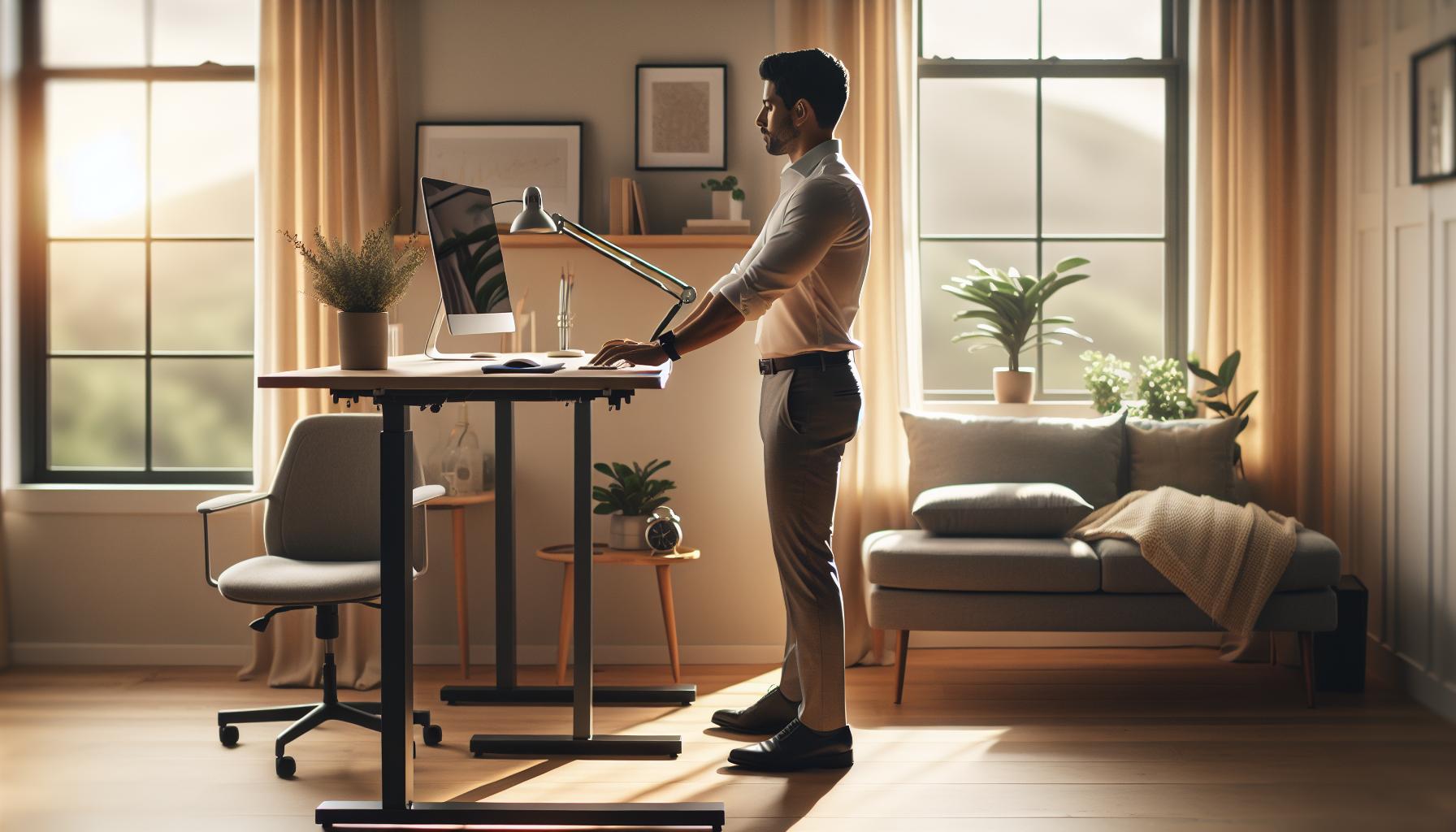
Setting up your standing desk correctly is essential for maximizing its benefits and ensuring an ergonomic workspace that supports both comfort and productivity. Research indicates that an inadequately designed workspace can lead to discomfort, fatigue, and even long-term musculoskeletal issues. By following systematic steps to adjust your standing desk, you can foster a more dynamic work environment that enhances your overall well-being.
To start, it’s crucial to assess your desk height. Ideally, your elbows should be at a 90-degree angle with your hands resting comfortably on the keyboard. When typing, your wrists should not be bent; rather, they should maintain a neutral position. You can achieve this by adjusting the desk height so that your forearms are parallel to the ground. Use a measuring tape to gauge this height from the floor to your elbows to ensure optimal positioning.
Next, consider the monitor placement. The top of your computer screen should be at or just below eye level, roughly an arm’s length away from your face. This alignment helps prevent neck strain and encourages proper posture. It can be helpful to use a monitor stand or a stack of books if needed. Keeping your screen angled slightly upward can also reduce glare and improve visibility.
Additionally, ensure your footwear supports your new posture. Wearing comfortable shoes with adequate arch support can mitigate discomfort from standing for prolonged periods. For added relief, consider using a footrest or anti-fatigue mat, which can promote subtle shifts in your weight distribution and reduce strain on your legs and back.
Finally, make a habit of incorporating movements into your routine, such as gentle stretches or heel raises at regular intervals. Set reminders to shift your weight from one foot to the other or take short walking breaks during your workday. This not only enhances circulation but also keeps energy levels high, allowing you to maintain focus and productivity throughout your shifts at the standing desk.
By investing time in proper setup and practice, you can transform your workspace ergonomics into a cornerstone of your workplace wellness, paving the way for a more engaged and healthier work experience.
Combat Sedentary Behavior: Fight Health Risks Effectively
Incorporating a standing desk into your daily routine can significantly mitigate the risks associated with a sedentary lifestyle. Research shows that prolonged sitting increases the likelihood of various health issues, including obesity, cardiovascular disease, and musculoskeletal disorders. By choosing to stand while you work, you’re not just changing your posture; you’re taking a proactive step toward enhancing your overall health and well-being.
One of the most effective ways to combat sedentary behavior is to create structured opportunities for movement throughout your workday. Consider establishing a schedule for standing or moving every 30 minutes. You can set reminders on your phone or use productivity apps that encourage you to take short breaks. Even brief intervals of activity, like walking around your office or doing some light stretching, can have a profound impact on your energy levels and focus. Regular movement helps improve circulation, which in turn can support better cognitive function and mood regulation.
Practical Strategies to Reduce Sedentary Time:
- Implement Dynamic Sitting: If your workspace allows, alternate between sitting and standing. Adjustable desks can make this easier, providing flexibility to shift positions throughout the day.
- Incorporate Active Meetings: Suggest walking meetings where you discuss projects while walking around the office or outside. This not only breaks up sitting time but also stimulates creativity.
- Use Technology Wisely: Fitness trackers and apps can be excellent motivators. Utilize them to monitor your activity levels and set daily movement goals.
Emphasizing the importance of movement in your daily routine goes beyond standing occasionally; it promotes a lifestyle shift that prioritizes physical activity. By creating an environment that encourages movement-whether through standing desks, active breaks, or dynamic sitting options-you’ll be well on your way to combating the health risks associated with prolonged sedentary behavior, leading to a more vibrant and engaging work life.
Customize Your Standing Desk Experience for Comfort

Creating a comfortable standing desk experience is crucial for maintaining productivity and ensuring your well-being throughout the workday. When you stand while working, it’s not just about the act of standing; it’s about how well you can integrate this practice into your daily routine without discomfort or fatigue. Proper customization of your standing desk can significantly enhance your posture, reduce strain, and ultimately boost your cognitive performance while you work.
To begin with, consider the height of your desk and monitor. Your elbows should be at a 90-degree angle and your wrists straight when using the keyboard; this neutral position helps prevent strain. Ensure that your monitor is at eye level and about an arm’s length away to minimize neck and eye strain. You can use adjustable desks or monitor risers to achieve this ideal setup.
Another vital aspect is foot comfort. Standing for prolonged periods can lead to fatigue, so invest in an anti-fatigue mat that provides cushioning and support. This simple addition encourages micro-movements in your feet and legs, which can reduce discomfort. Furthermore, standing desks often encourage a more dynamic work approach: consider the possibility of using a footrest to shift your weight, or alternating your standing position by putting one foot on a small stool to enhance comfort and circulation.
The overall ergonomics of your workspace should not be overlooked. Arrange your desk to minimize clutter and keep essential tools within easy reach. Maintaining an organized workspace aids in cognitive clarity, allowing you to focus more effectively. Lastly, make it a habit to change positions frequently-whether you’re transitioning between sitting and standing or incorporating light stretches-this helps to combat fatigue and supports a more active lifestyle.
In summary, creating a customized standing desk experience that prioritizes comfort involves adjusting your workstation to suit your unique needs. From desk height and monitor placement to incorporating supportive tools like anti-fatigue mats, each element plays a role in enhancing your work experience. Remember, the goal is not just to stand but to do so in a way that promotes health, productivity, and a positive mindset throughout your workday.
Incorporate Movement: Best Practices for Active Work
Integrating movement into your work routine can profoundly enhance your overall productivity and well-being. Research shows that frequent movement throughout the day not only combats fatigue but also boosts cognitive function, improves mood, and diminishes feelings of stress. Here are some effective practices to incorporate movement and keep your energy levels up while working at a standing desk.
One of the simplest ways to introduce more movement into your day is through micro-breaks. Set a timer for every 30 to 60 minutes to remind yourself to take a brief pause. During these breaks, engage in light stretches or enjoy a short walk around your workspace. Simple movements like shoulder rolls, calf raises, or twisting your torso can promote blood circulation and help relieve tension that accumulates throughout the day.
Incorporating a balance board or stability ball at your standing desk can also add an element of motion. These tools require your body to engage its core muscles, promoting balance and stability, and providing a different form of activity without straying from your workstation. Alternating between standing, using tools like a balance board, and sitting in a chair can prevent monotony and keep your muscles active.
Lastly, consider adopting a more dynamic office routine by pacing while on phone calls or using walking meetings instead of sitting down at a table. This practice not only promotes physical activity but can also spur creative thinking and discussion. You might be surprised at how much more engaged and focused you feel while moving. By making these small adjustments, you transform your work environment into one that prioritizes movement, ultimately leading to a healthier, more productive day.
Standing Desk Myths: Debunking Common Misconceptions
Many people are drawn to the idea of standing desks as a solution to combat the risks associated with prolonged sitting. However, numerous misconceptions about standing desks can lead to confusion and hinder their benefits. By addressing these myths, you can make informed choices that truly enhance your workplace wellness.
One prevalent myth is that standing desks eliminate health risks entirely. While switching to a standing desk can help reduce the time spent sitting, it’s essential to recognize that standing for long periods can also lead to discomfort and health issues such as varicose veins and joint pain. Balance is key. It’s important to alternate between sitting and standing, incorporating movement throughout the day to optimize your health benefits. Implementing micro-breaks and gentle stretches while working can significantly enhance your comfort and productivity.
Another misconception is that standing desks are universally better for productivity. While some users report heightened focus and energy, others may find standing distracting or tiring. Individual needs vary, and factors such as job type, personal comfort, and transitions in work habits play a significant role. Listening to your body and adjusting your workspace according to your own comfort levels is crucial to leveraging the benefits of a standing desk effectively.
Additionally, some believe that standing desks require a complete overhaul of your existing workspace setup. In reality, many affordable and versatile options are available, allowing you to modify your current desk or workspace gradually. Adjusting your desk height for ergonomics, using anti-fatigue mats, or incorporating accessories like monitor stands can significantly improve your ergonomic setup without needing a total replacement.
Lastly, the myth that anyone can jump into standing desk use without preparation can lead to discomfort. Transitioning to a standing desk should be gradual. Start by standing for short periods each day and increase your standing time as your body adapts. This phased approach can help avoid discomfort while maximizing the advantages of a standing desk.
By debunking these misconceptions, you can approach standing desks with a balanced mindset, prioritizing your health and productivity while customizing your experience to fit your personal and professional lifestyle.
Cost-Effective Solutions for Affordable Standing Desks
Discovering ways to enhance your workspace doesn’t have to break the bank. Cost-effective standing desks have become increasingly popular, allowing individuals to invest in their health and productivity without significant financial strain. With a variety of solutions available, it’s possible to achieve the ergonomic benefits of standing desks through affordable options and DIY approaches.
Budget-Friendly Options
There are numerous budget-friendly standing desk options that cater to different workspace needs, including:
- Height-Adjustable Desk Risers: These platforms sit on top of your existing desk, allowing you to adjust your monitor and keyboard height easily. They are typically less expensive than complete desk replacements and offer flexibility for standing or sitting.
- DIY Solutions: For the crafty individual, transforming a regular desk into a standing one can be a fun project. Consider using sturdy boxes, crates, or even recycled materials to create an elevated workspace. This not only saves money but also allows for customization to your specific needs.
- Inexpensive Desk Converters: Desk converters are affordable accessories designed to lift monitors and keyboards. Many models are available online, often under $100, providing a practical option for those on a budget.
- Used or Refurbished Desks: Searching for secondhand options through local marketplaces or office supply stores can yield amazing deals on standing desks. Many firms upgrade their office furniture, leading to high-quality used desks at fraction of the retail price.
Additional Cost-Saving Strategies
In addition to selecting cost-effective physical solutions, there are practical steps to maximize your investment in workplace wellness:
- Monitor Your Setup: Properly positioning your screen and keyboard can help reduce discomfort and enhance productivity. Adjust your computer monitor so it’s at eye level and your keyboard is at a comfortable height, even when using a standing desk.
- Use a Stability Ball or Anti-Fatigue Mat: If you stand frequently, consider investing in an anti-fatigue mat or using a stability ball. They provide comfort and support while promoting movement, adding to your ergonomic setup without major costs.
- Prioritize Flexibility: Regardless of the desk type, ensure you can alternate between sitting and standing. Regularly switching positions can lead to better health outcomes and productivity, so it’s worth investing in tools that facilitate this flexibility.
By exploring these cost-effective choices and strategies, you can create an ergonomic workspace that enhances your productivity and well-being. Transitioning to a standing desk doesn’t necessitate a hefty investment; instead, it can be an empowering step toward a healthier work life, facilitated by smart and budget-conscious decisions.
Transitioning Smoothly: Tips for New Standing Desk Users
Transitioning from a traditional desk setup to a standing desk can feel daunting, but it doesn’t have to be. Many new users experience an adjustment period, and understanding how to ease into this new work style can make all the difference. Studies suggest that gradually increasing the time spent standing at your desk can help your body adapt more comfortably, allowing you to reap the physical and cognitive benefits associated with standing while working.
To start this transition smoothly, consider implementing the following practical strategies:
- Start Slowly: Begin with short intervals of standing. Aim to stand for about 15-20 minutes every hour. As you acclimate, gradually increase this time. Listening to your body is crucial; if you feel discomfort or fatigue, take a break or revert to sitting.
- Pay Attention to Ergonomics: Ensure your desk and monitor setup promotes good posture. Your screen should be at eye level, and your elbows should be at a right angle while typing. Investing time in proper ergonomics can greatly reduce strain and enhance productivity.
- Incorporate Movement: Standing still for long periods can lead to discomfort. Practice shifting your weight from one foot to another, or invest in a balance board or anti-fatigue mat. Additionally, take short walking breaks to promote blood circulation and reduce any stiffness.
- Create a Comfortable Workspace: Personalize your standing desk area to make it inviting. Consider adding items like a plant, a photo, or motivating quotes to make your space inspiring and enjoyable. This small change can significantly boost your mood and productivity.
Once you’re acclimated, it’s important to keep the momentum going. Staying mindful of your posture, remaining active throughout your day, and continuously assessing your comfort will help sustain your energy levels and overall well-being. Remember, the transition to a standing desk is a journey; be patient with yourself and celebrate the small victories along the way. Engaging with these practices not only supports your physical health but also enhances brain function and cognitive performance, offering a comprehensive boost to your work life.
Real-Life Success Stories: How Standing Desks Changed Lives
For many, the shift from a traditional desk to a standing desk has sparked not just a change in work habits, but a transformative journey towards improved health and productivity. Consider the experience of Sarah, a project manager who struggled with chronic back pain from years of sitting. After making the switch, she noticed significant relief as standing helped to alleviate pressure on her spine. Within weeks, Sarah reported not only reduced discomfort but also enhanced focus during meetings and an increase in energy levels throughout her workday. Her success story is just one of many that illustrate how standing desks can foster both physical well-being and professional performance.
Transformative Benefits
Graham, an IT specialist, shares his inspiring journey of weight loss and increased motivation after introducing a standing desk into his workspace. Initially, he was skeptical about the effectiveness; however, he gradually adapted to longer periods of standing. As he stood while working, he found himself more inclined to take short walks and engage in light exercises during breaks. This new practice not only contributed to his fitness but also improved his mood and creativity. Graham now advocates for standing desks among his colleagues, noting how this simple change has led to a more dynamic and positive work environment.
The Power of Community
Communities and workplaces can also benefit from the transition to standing desks. At a local marketing firm, the management implemented standing desks for the entire team. The result? Employees reported a higher level of collaboration and engagement. The standing arrangement encouraged spontaneous discussions and brainstorming sessions, breaking down the barriers often created by traditional seating. This newfound energy and enthusiasm have led to innovative campaigns and a revitalized company culture, showcasing how physical workspace design can directly impact teamwork and creativity.
These real-life examples underscore a fundamental shift in our understanding of workplace wellness. By embracing standing desks, individuals not only combat the risks associated with prolonged sitting but also unlock personal and collective potential. As more stories emerge from those who have embraced this change, it’s evident that standing desks are more than mere furniture; they are catalysts for healthier, more productive work lives.
The Future of Work: Trends in Workspace Ergonomics
The evolution of workplace ergonomics has taken center stage as organizations recognize the profound impact that environment has on employee health, productivity, and overall well-being. As more employees shift towards standing desks, the future of work is indeed being reshaped. Research underscores that ergonomic workspace designs not only enhance comfort but also support cognitive function and creativity. In fact, studies indicate that employees using standing desks exhibit reduced fatigue and improved focus, fostering an environment that thrives on innovation and collaboration.
Implementing ergonomic principles in the workspace involves more than just swapping out traditional desks for standing alternatives. It is about creating a holistic environment that promotes movement, flexibility, and personal comfort. Companies are embracing adjustable desks that allow easy transitions between sitting and standing, catering to individual preferences. This flexibility has been shown to enhance job satisfaction and morale, as employees feel empowered to customize their workspaces.
Key Trends in Workspace Ergonomics:
- Integration of Technology: Smart desks equipped with sensors and reminders to move promote healthier habits among users.
- Focus on Movement: Organizations are designing spaces that encourage walking meetings and active collaboration, combating the sedentary lifestyle that traditional offices often promote.
- Personalized Workstations: Customization options allow employees to tailor their setups based on their height, preferred posture, and comfort, leading to increased productivity and reduced discomfort.
- Wellness-Centric Policies: Forward-thinking companies implement wellness programs that not only encourage the use of standing desks but also incorporate comprehensive health initiatives, such as regular movement breaks and wellness workshops.
These trends reflect a broader understanding of how workspace design influences employee health. As companies invest in creating ergonomic environments, they not only contribute to improved physical well-being but also cultivate a culture of support and engagement, paving the way for a workforce that is not only healthier but more creatively inspired. Prioritizing these ergonomic strategies lays the groundwork for a future where workspaces enhance both individual and collective performance.
Frequently Asked Questions
Q: What are the benefits of using a standing desk?
A: Using a standing desk can boost energy levels, improve productivity, and enhance focus. Standing desks also help combat sedentary behavior, reduce back pain, and promote better posture. Incorporating movement while working further contributes to overall health and wellness, making standing desks a valuable addition to any workspace.
Q: How does a standing desk improve posture?
A: A standing desk encourages a more natural spine alignment compared to sitting for prolonged periods. By adjusting the desk height to eye level, users can maintain proper neck and back alignment, which helps prevent slumping. This ergonomic position can reduce strain and discomfort associated with poor posture.
Q: Can a standing desk help with weight management?
A: Yes, a standing desk can contribute to weight management by encouraging increased calorie expenditure. Standing burns more calories than sitting, and incorporating movement while working can enhance this effect. Regular use can support weight loss efforts when combined with a balanced diet and exercise.
Q: How can I transition to using a standing desk effectively?
A: To transition effectively to a standing desk, start by alternating between standing and sitting. Gradually increase standing time to avoid fatigue. Use an anti-fatigue mat and maintain good posture to enhance comfort. It’s also helpful to incorporate movement, like stretching or walking, throughout the day.
Q: Are there any health risks associated with standing desks?
A: While standing desks offer numerous benefits, prolonged standing can lead to fatigue, foot pain, or swelling. It’s important to alternate between sitting and standing and incorporate movement breaks. This balanced approach minimizes the risk of discomfort and promotes overall well-being while working.
Q: What adjustments can I make for a comfortable standing desk setup?
A: To ensure comfort with a standing desk, adjust the desk height so your elbows are at a 90-degree angle. Position your monitor at eye level to avoid neck strain. Consider using an anti-fatigue mat for support and wear comfortable footwear. Regular breaks for stretching can enhance comfort throughout the day.
Q: How do I choose the right standing desk for my needs?
A: When choosing a standing desk, consider height adjustability, size, and stability. Look for features that cater to your specific needs, such as a desk with presets for different heights or built-in cable management. Checking online reviews can also help in picking a reputable model that fits your workspace.
Q: What are common misconceptions about standing desks?
A: A common misconception is that standing desks eliminate all health risks associated with sedentary behavior. While they promote more activity, it’s crucial to alternate between sitting and standing. Another myth is that all standing desks are expensive; there are affordable options that provide good quality and functionality.
Future Outlook
Incorporating a standing desk into your workspace can significantly enhance your productivity and well-being. You’ve learned how such a switch can positively impact your energy levels, posture, and even cognitive functions. Now is the time to take that next step toward a healthier work lifestyle! Don’t just take our word for it-explore our detailed guides on setting up an ergonomic workspace and implementing healthy work habits.
Feeling overwhelmed by the options? Rest assured, you’re not alone. Many of our readers had similar concerns but found success by taking it one step at a time. Dive into related resources that cover workplace stress management techniques and practical biohacking strategies to support your journey. If you’ve found this information valuable, consider subscribing to our newsletter for more insights into workplace wellness and brain health. Share your thoughts in the comments; we’re here to support you as you transform your workspace into an empowering environment!