In today’s fast-paced work environment, the average office worker spends over eight hours a day sitting, which can lead to a host of health issues, from poor posture to decreased cognitive function. Standing desks offer a compelling solution, promoting active engagement and improved well-being. Scientific research shows that integrating a standing desk not only encourages better posture but can enhance mood, energy levels, and productivity. By shifting our work habits toward standing, we have the opportunity to address concerns about sedentary lifestyles while boosting creativity and focus. Are you ready to explore how standing desks can transform your work life? Let’s delve into the science behind this innovative approach to workplace wellness and discover practical tips for making the most of your standing setup.
Benefits of Standing Desks for Workplace Health
A growing body of research suggests that standing desks offer significant health benefits for individuals in the workplace, challenging the traditional paradigm of seated office life. Standing desks promote better posture and help reduce the risk of chronic conditions associated with prolonged sitting, such as obesity, diabetes, cardiovascular disease, and even certain cancers. By integrating standing into the workday, employees may experience a boost in energy levels and overall well-being, contributing to a more engaged and productive workforce.
One of the most cited advantages of using standing desks is the potential for increased caloric expenditure. Studies indicate that standing burns more calories compared to sitting, which can be a simple yet effective way to combat weight gain. Furthermore, standing desks often encourage more natural movement; users are more likely to shift their weight, fidget, or even take a few steps while working, further promoting a healthier, active lifestyle.
Moreover, the impact of standing desks extends to mental health and performance. Research shows that standing while working can improve mood and lower stress levels, potentially decreasing feelings of anxiety and depression. This improved mental state is conducive to higher productivity and creativity. When employees feel better physically and mentally, their ability to focus and their cognitive performance elevate, leading to more effective collaboration and innovative thinking.
To effectively reap these benefits, it’s vital to incorporate ergonomics into your standing desk setup. Ensuring that monitors are at eye level, using anti-fatigue mats, and wearing supportive footwear can mitigate discomfort often associated with prolonged standing. Balancing standing and sitting throughout the day is also crucial, as excessive standing can lead to fatigue and discomfort. The key is to listen to your body and find a rhythm that works for you, ultimately creating a workspace that enhances both health and productivity.
The Science Behind Standing Desks and Productivity
The evidence supporting the benefits of standing desks in enhancing productivity continues to grow, bolstered by numerous studies that highlight the physiological and psychological advantages of reducing sedentary behavior. Research indicates that standing while working can lead to increased alertness, more effective brainstorming, and a greater sense of engagement throughout the day. When individuals shift from sitting to standing, they often experience a boost in energy levels, enabling them to approach tasks with renewed vigor, which is a direct reflection of improved productivity.
Moreover, a standing desk can facilitate better posture and body mechanics, minimizing discomfort from long hours of sedentary work. This ergonomic improvement not only contributes to physical wellness but also plays a crucial role in maintaining cognitive function. Studies show that better posture is associated with improved oxygen flow to the brain, which can positively influence concentration and cognitive clarity. Additionally, standing desks encourage natural movements, allowing individuals to shift their weight or take breaks to move around, both of which have been shown to enhance creative thinking and problem-solving abilities.
To optimize these benefits, it’s essential for users to establish a supportive ergonomic environment around their standing desks. Key factors include ensuring screens are positioned at eye level to prevent strain, using anti-fatigue mats to reduce discomfort, and fostering a balance between standing and sitting throughout the workday. Implementing these practices reinforces a sustainable approach to workplace wellness, enabling individuals to thrive both mentally and physically.
Ultimately, the science behind standing desks underscores their role not just as a physical tool, but as a catalyst for enhancing overall workplace productivity. By integrating standing into daily routines, employees can cultivate a healthier, more dynamic work environment that supports their cognitive health and fosters greater job satisfaction. As organizations increasingly recognize these advantages, the transition to standing desks may well become a staple in promoting a culture of health and efficiency in modern workspaces.
How Standing Desks Enhance Cognitive Performance
Standing desks not only promote physical health by reducing sedentary behavior, but they also play a significant role in enhancing cognitive performance. Research shows that standing while working can lead to improved focus and increased mental alertness, directly impacting productivity levels. One study demonstrated that participants who worked at standing desks reported higher levels of engagement and creativity compared to those who remained seated. This shift in working posture contributes to a more dynamic flow of blood and oxygen to the brain, which is crucial for optimal cognitive function.
Boosting Brain Function
The ergonomic benefits of standing desks extend beyond physical comfort. When individuals maintain better posture, it leads to improved oxygenation of the brain. Oxygen is vital for the brain’s energy metabolism, which translates to clearer thinking and better problem-solving abilities. Additionally, standing desks encourage natural movements, such as shifting weight and stretching, which have been linked to heightened creativity. As users adopt these movements, the brain can form new neural pathways-a process known as neuroplasticity-enhancing overall cognitive flexibility.
- Increased Energy Levels: By standing, you may experience a boost in energy that can prevent the post-lunch slump.
- Enhanced Mood: Movement and posture can affect hormone levels, potentially leading to improved mood and reduced feelings of stress.
- Better Focus: Standing while working can minimize distractions and help maintain focus on tasks.
Fostering a Culture of Engagement
Encouraging the adoption of standing desks in workplaces can help foster an environment that prioritizes employee wellness and cognitive health. Organizations that embrace this change are likely to see improvements in staff morale and collaboration. Simple adjustments to workspace design, such as providing sit-stand desk options and promoting regular movement breaks, can cultivate a culture that values proactive health management.
Implementing a standing desk setup is a powerful way to shift not just individual habits but also organizational attitudes toward health, ultimately leading to sustained cognitive performance and overall workplace satisfaction. By taking steps to create a supportive and interactive work environment, individuals can thrive both professionally and personally, unlocking their full potential.
Ergonomic Setup: Maximizing Your Standing Desk
To truly reap the benefits of standing desks, an effective ergonomic setup is essential. The way you position your desk, monitor, keyboard, and body can dramatically influence your comfort, productivity, and overall health. For instance, your desk height should allow your elbows to be at a 90-degree angle while typing, helping to reduce strain on your wrists and shoulders. A good rule of thumb is that your hands should float comfortably above the keyboard, with your wrists in a neutral position rather than bent up or down.
The monitor is another critical component of your setup. Ideally, the top of the screen should be at eye level, about an arm’s length away. This positioning helps to prevent neck strain and encourages good posture. Propping up your monitor on a stand or using an adjustable desk can make a significant difference. Moreover, using an anti-glare screen protector can improve visibility and reduce eye strain, especially since you’ll be spending more time engaging with it.
Incorporating a soft mat or cushioned flooring can also enhance comfort during prolonged periods of standing. Uneven pressure on your feet can lead to fatigue; hence, a footrest can help shift your weight from side to side, promoting circulation. While standing desks encourage movement, it’s integral to maintain a balance-alternate between sitting and standing to avoid overexertion.
Lastly, an engaging workspace with personalized elements can uplift your mood and motivation. Add items that inspire you: plants, artwork, or personal photographs. Remember that creating a supportive environment extends beyond just physical setup; it includes fostering a positive mental outlook. Empower yourself by taking breaks to stretch or walk around, thus integrating movement into your routine. By prioritizing an ergonomic setup, you not only enhance your productivity but also pave the way for long-term wellness and cognitive health.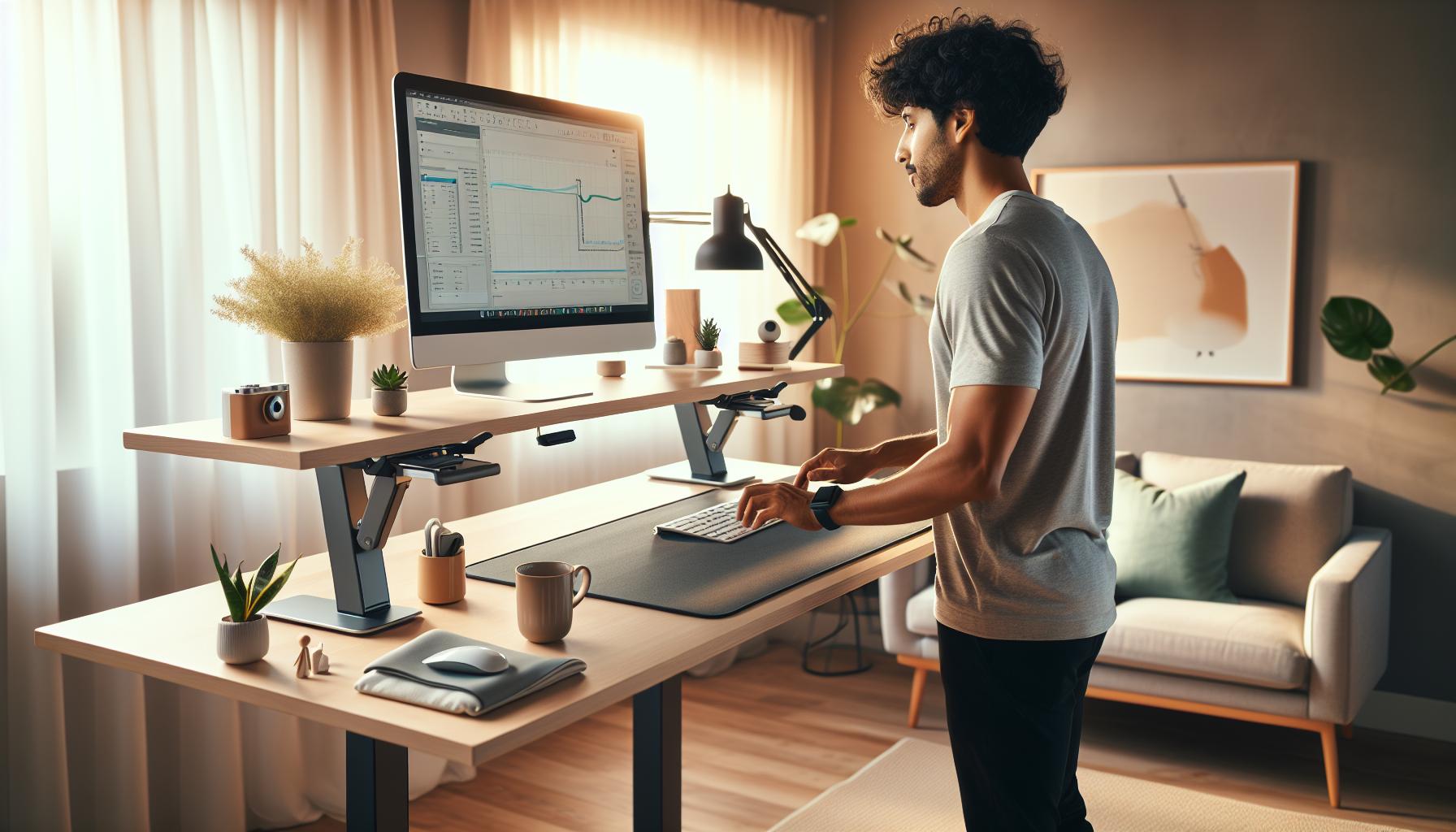
Combating Sedentary Lifestyle with Standing Desks
The shift towards standing desks is not just a trend but a necessity in combating the profound effects of a sedentary lifestyle. Studies indicate that prolonged sitting can lead to various health issues, including obesity, cardiovascular disease, and even premature death. In contrast, integrating a standing desk into your workspace can lead to enhanced metabolic health and reduced risk of chronic diseases. A 2016 study published in the journal *Obesity* noted that participants who utilized standing desks reported burning more calories throughout their workdays compared to those who remained seated.
To fully harness the benefits of standing desks in your daily routine, it’s important to adopt practical strategies that promote movement and reduce sedentary behavior. Here are some actionable steps:
- Set a Timer: Establish a routine by setting a timer that prompts you to alternate between sitting and standing at regular intervals-every 30 to 60 minutes is often recommended.
- Incorporate Micro-Movements: While standing, incorporate small movements like shifting your weight from one foot to the other, doing calf raises, or even light stretching. This helps in keeping the blood flowing and reduces fatigue.
- Utilize a Treadmill Desk: If you’re ready to take it a step further, consider integrating a treadmill desk. This allows you to walk slowly while working, which can significantly increase calorie expenditure and enhance overall cardiovascular health.
Moreover, combining standing with other physical activities throughout the day can maximize your health benefits. Aim to take short walks during breaks, or consider using work time to engage in phone calls or virtual meetings while standing or walking. Remember, the goal is to minimize continuous periods of inactivity, as each small movement contributes to better circulation and energy levels.
As you embrace a standing desk, be mindful of your body’s signals. Standing for long periods can also lead to discomfort or strain, so it’s essential to listen to your body and make adjustments that suit your needs. Always consult with a healthcare professional if you have any concerns about making these changes. By fostering a culture of movement within the workplace and using standing desks as a tool to disrupt sedentary habits, you not only enhance your physical health but also contribute to a more dynamic and productive work environment.
Potential Drawbacks of Standing Desks to Consider
Integrating a standing desk into your workspace may seem like a straightforward solution to counteract the health risks associated with prolonged sitting; however, it comes with its own set of potential drawbacks. While these desks promote movement and can enhance overall well-being, understanding the less favorable aspects is crucial for making an informed decision.
Standing for extended periods can lead to discomfort and physical strain, particularly in the lower back, legs, and feet. Research has shown that standing too long can contribute to lower limb issues, such as varicose veins and swollen feet. To mitigate these risks, consider utilizing an anti-fatigue mat that provides cushioning and support. Additionally, switching between sitting and standing throughout the day is vital; maintaining this balance fosters a more sustainable ergonomic setup. Setting a timer to remind you to alternate positions every 30 to 60 minutes can help reduce fatigue while ensuring you reap the benefits of both postures.
There can also be social implications involved with adopting a standing desk. Some individuals may feel self-conscious about their choice, especially in shared or collaborative workspaces where sitting has become the norm. It’s important to foster an accepting environment that values wellness and encourages discussions about wellness strategies inclusive of various work styles.
Furthermore, for individuals with certain health conditions, such as arthritis or specific heart issues, standing desks may not be the best choice. It’s essential to consult with a healthcare professional to assess personal suitability before making the switch. Being aware of these drawbacks empowers you to make informed decisions about your workspace and create a healthier, more dynamic working environment without compromising comfort or well-being.
Practical Tips for Transitioning to a Standing Desk
Transitioning to a standing desk can bring a variety of benefits, but making the switch requires careful planning to ensure comfort and productivity. Research highlights that standing desks can significantly reduce the risks associated with prolonged sitting, but just jumping into a full day of standing may not be the most effective approach. Start gradually: consider alternating between sitting and standing every 30 to 60 minutes, thereby allowing your body to adapt to the new posture without inducing fatigue.
Set Up for Success
Proper ergonomic setup plays a crucial role in maximizing the benefits of a standing desk. Aim to have your monitor at eye level and your keyboard at elbow height. This positioning helps reduce strain on your neck and wrists. Additionally, investing in accessories such as an anti-fatigue mat can enhance comfort by providing cushioning for your feet, which can reduce discomfort during extended periods of standing. Don’t forget to keep your workstation organized to minimize unnecessary strain; place frequently used items within arm’s reach.
Incorporate Movement
To reap the full benefits of a standing desk, integrate movement into your routine. Consider foot movement exercises, such as shifting your weight from one foot to the other or using a small balance board while you work. Regular movement encourages better circulation and can help prevent the stiffness and fatigue that may accompany standing for long periods. Utilize reminders or apps that nudge you to take short breaks for walking or stretching every hour.
Listen to Your Body
Pay close attention to how your body responds during this transition. If you experience discomfort, it might indicate that you need to adjust your desk height, footwear, or the duration for which you stand. Everyone’s body is different, and recognizing what’s comfortable for you will be essential for long-term success. It’s a balance: while you want to take advantage of the benefits of standing, ensuring comfort will help maintain productivity and well-being in the workplace.
By approaching the transition thoughtfully, you can create a more dynamic work environment that supports both physical health and cognitive performance, making the standing desk a valuable component of your workspace.
Integrating Movement: Best Practices While Standing
Integrating movement into your work routine while using a standing desk can dramatically enhance your overall well-being and productivity. Research indicates that incorporating regular physical activity throughout the day not only helps combat the health risks associated with prolonged sitting but also enhances cognitive function, boosts mood, and improves focus. When using a standing desk, simply standing still isn’t enough; engaging your body through movement is key to maximizing these benefits.
Consider implementing short movement breaks into your work schedule. Aim for at least a few minutes of light activity every hour. This could involve simple stretches like shoulder rolls, neck tilts, or torso twists to promote circulation and alleviate muscular tension. You can also try subtle foot exercises such as toe raises and heel lifts that encourage muscle engagement while standing. For those equipped with a balance board, using it intermittently can also introduce an element of instability that activates stabilizing muscles, further enhancing your core strength and balance.
Another effective strategy is to integrate walking while working. Ideally, you can use a treadmill desk or simply walk around your workspace during phone calls or meetings. Encouraging a culture of movement in the workplace can be infectious; suggest walking meetings with colleagues or even designate common areas as work zones that promote casual standing and engaging discussions.
Regularly changing your posture from standing to walking and stretching not only combats fatigue but has also shown to improve creativity and problem-solving skills. By prioritizing movement in your daily routine, you create a more dynamic work environment that fosters not only physical health but also contributes to enhanced cognitive performance and overall workplace satisfaction.
Understanding Neuroplasticity and Workspace Design
Neuroplasticity, the brain’s remarkable ability to reorganize itself by forming new neural connections throughout life, plays a vital role in how we interact with our environment, including our workspace design. Maintaining an ergonomic and stimulating work environment can significantly enhance cognitive function and adaptability. When you stand and move more while working, you create opportunities for fresh neural pathways to develop, fostering creativity and problem-solving skills.
The design of your workspace can either promote or hinder neuroplasticity. For example, having a standing desk encourages dynamic postures and frequent movement, which can stimulate brain activity in ways that a sedentary setup might not. Frequent changes in position, whether from standing, stretching, or walking, can not only break monotonous routines but also enhance your mental agility. It’s crucial to incorporate elements in your workspace that inspire engagement and alertness. Simple additions like vibrant colors, plants, or adjustable lighting can make a significant difference in how your brain responds to the environment and the stimulation it provides.
To optimize your workspace for neuroplastic growth, consider these tips:
- Vary Your Position: Alternate between sitting and standing, use a balance ball or footrest, and take regular movement breaks. Aim for a posture change every 30 to 60 minutes.
- Include Interactive Elements: Use tools that require interaction, such as standing desks with built-in whiteboards, to encourage active engagement during brainstorming sessions.
- Minimize Distractions: Organize your space to minimize visual clutter, which can lead to cognitive overload and impede focus. Keep essential items within reach to maintain a fluid workflow.
- Create an Inspirational Environment: Personalize your desk with items that motivate you, such as pictures, quotes, or objects that promote positivity and creativity.
By intentionally designing your workspace to support neuroplasticity, you enhance not just your physical comfort but also unleash your brain’s potential. This mindful approach to workspace design can help you navigate challenges more effectively, reduce stress, and promote overall well-being in your professional life.
Stress Management Techniques for Desk Workers
In an era where many professionals find themselves at a desk for extended periods, managing stress effectively becomes paramount. The shift to standing desks introduces not only physical benefits but also psychological ones, as standing promotes an active engagement both with the task at hand and the overall work environment. This heightened engagement can reduce feelings of stress and burnout, contributing to a more balanced work-life dynamic.
To combat workplace stress, consider integrating the following techniques into your daily routine:
- Mindfulness Practices: Set aside a few minutes each hour to practice mindfulness. This could involve deep breathing exercises, short meditations, or a quick mental check-in to assess how you’re feeling mentally and physically. Just a minute or two can help reset your mindset.
- Movement Breaks: Use your standing desk to incorporate frequent movement throughout the day. Take short walks, stretch, or even do desk exercises like calf raises or shoulder rolls. These activities can reduce tension and improve circulation, further enhancing your overall well-being.
- Scheduled Downtime: Establish clear boundaries for your work time. Schedule specific intervals for breaks to ensure you step away from your desk and clear your mind. Engaging in a non-work-related activity, even for a few minutes, can help maintain focus and reduce stress levels.
- Ergonomic Adjustments: Ensure that your standing desk is set up ergonomically. Proper positioning not only prevents physical discomfort but can also lead to a more relaxed mental state. Alignment of your screen at eye level and maintaining a neutral wrist position can help reduce strain and distraction.
Incorporating these stress management techniques can significantly enhance your workplace experience. The act of alternating between sitting and standing can itself be a form of biohacking, invigorating your body and mind. Moreover, a harmonious workspace that promotes movement and mindfulness allows for greater cognitive clarity and resilience, which are crucial in navigating daily challenges. Always remember that if stress becomes overwhelming, seeking support from professionals is a wise and beneficial course of action.
Biohacking Your Work Environment for Wellness
Creating a work environment that promotes both well-being and productivity is key to thriving in any professional setting. Biohacking your workspace to enhance wellness often begins with simply standing instead of sitting. Scientific research suggests that standing desks can significantly lower the risks associated with a sedentary lifestyle, such as obesity and heart disease, while also improving mood and energy levels. Studies show that frequent posture changes can lead to higher overall productivity and can help increase focus by fostering an active engagement with tasks.
A crucial part of optimizing a standing desk setup is the ergonomic arrangement. Ensure your screen is at eye level, the keyboard is positioned to allow a neutral wrist position, and your feet are placed shoulder-width apart. This can prevent physical discomfort and reduce cognitive distractions, enabling a clearer focus on work. Incorporating elements such as wrist supports or anti-fatigue mats can further enhance comfort and support longer periods of standing.
- Integrate Movement: Schedule short movement breaks every hour. Use this time to stretch, walk, or even perform quick bodyweight exercises, which can boost circulation and maintain energy levels throughout the day.
- Mindful Breathing: Take a moment every few hours to engage in mindful breathing exercises. This practice not only reduces stress but can also reset your cognitive focus, allowing you to return to tasks with renewed clarity.
- Healthy Snacking: Fuel your brain with whole foods like nuts, fruits, and vegetables. These snacks help maintain stable energy levels and support cognitive functioning without the sugar crash associated with processed snacks.
Additionally, it’s essential to adapt your approach over time. As you transition to more standing activities, your body may need to adjust. Start with shorter standing intervals and gradually increase the duration as your comfort grows. Combine this practice with hydration and a balanced diet to support optimal brain function.
By implementing these biohacking techniques into your workplace routine, you are making strides toward not only enhancing your physical health but also optimizing your cognitive performance. A well-designed workspace that encourages movement and mindfulness can lead to a harmonious balance between work demands and personal well-being, ultimately paving the way for greater productivity and overall workplace satisfaction.
Future Trends: Standing Desks in Modern Workspaces
In an era where workplace wellness is gaining unprecedented attention, standing desks are not just a passing trend; they are becoming integrated into the very fabric of modern office design. The shift towards flexible workspaces prioritizes health and well-being, making standing desks a staple in many corporate environments. As research continues to underscore the health benefits associated with reduced sedentary behavior, companies are increasingly adopting these innovative solutions to optimize employee comfort and productivity.
Looking ahead, expect to see a surge in smart standing desks that offer customization through technology. These desks will be equipped with sensors that analyze posture, recommend height adjustments, and integrate with health tracking applications. By collecting data on how long an employee stands versus sits, these smart systems can help create tailored schedules for movement and breaks, proactively promoting healthier work habits. Additionally, as remote work solidifies its place in modern employment, portable standing desks designed for home offices are likely to gain popularity, allowing individuals to create ergonomic workspaces wherever they are.
New Approaches to Desk Design
The future of standing desks also envisions a move towards modular and multifunctional workstations. Designs that support collaborative work environments will be pivotal, as companies recognize the importance of community and teamwork. Standing desks that can transition between individual focus and group collaboration will encourage interaction while also allowing for the comfort of standing. This dual functionality can foster a more dynamic workflow, promoting both health and teamwork.
Moreover, ergonomic considerations will continue to evolve, with a focus on enhancing the standing experience. Anti-fatigue mats, diverse monitor stands, and adaptable keyboard trays are just the beginning. As awareness of workplace ergonomics grows, manufacturers are likely to innovate even further, developing products that cater to the nuanced needs of all workers, including those with specific health issues.
In summary, standing desks are set to become more than just functional pieces of furniture; they will transform into integral components of a holistic approach to workplace wellness. By embracing technology, modularity, and ergonomics, the modern workspace will align itself more closely with the principles of health and productivity, empowering workers to thrive in their environments.
FAQ
Q: Why are stand-up desks considered better for health?
A: Stand-up desks can improve posture, reduce back pain, and lower the risk of chronic diseases. Research shows they promote more movement throughout the day, which aids in weight management and boosts overall energy levels, making them a healthier choice for workplace environments.
Q: What does science say about the productivity benefits of standing desks?
A: Studies indicate that standing desks can enhance productivity by reducing fatigue and discomfort associated with prolonged sitting. Employees often report increased focus and engagement, particularly in tasks requiring creativity and collaboration, aligning with findings in cognitive performance enhancement.
Q: How do standing desks affect cognitive function?
A: Standing desks can enhance cognitive function by improving circulation and oxygen flow to the brain. This heightened blood flow supports sharper focus and better memory retention, essential for complex tasks. For optimal results, ensure your desk is set up ergonomically.
Q: What are the long-term benefits of using a standing desk?
A: Long-term use of standing desks can lead to decreased risk of obesity, diabetes, and cardiovascular diseases. Regularly standing during work hours promotes better metabolic health and can contribute to greater longevity when combined with an active lifestyle.
Q: Can standing desks help with anxiety and stress management?
A: Yes, standing desks can contribute to lower stress levels. The act of standing can improve mood and energy levels, facilitating a better work environment. Integrating movement throughout the day further combats anxiety, encouraging a healthier mental state at work.
Q: How can I effectively transition to a standing desk?
A: To transition effectively, start by alternating between sitting and standing, gradually increasing the standing duration. Invest in an ergonomic mat to reduce fatigue and ensure your computer screen is at eye level to prevent strain. Implementing these strategies will enhance your experience.
Q: What potential drawbacks should I consider when using a standing desk?
A: Potential drawbacks include discomfort in the legs or feet after prolonged standing, which can lead to fatigue. It’s vital to balance standing with moving around and sitting when needed. Incorporate regular breaks and stretches to alleviate discomfort while maximizing benefits.
Q: What are best practices for using a standing desk?
A: Best practices include maintaining good posture, positioning your monitor at eye level, and using an anti-fatigue mat. Aim to alternate positions regularly and incorporate short walks or stretches. This not only promotes physical well-being but also enhances productivity throughout your day.
In Retrospect
Embracing a standing desk can transform your workspace, enhancing both your wellness and productivity based on scientific evidence. As you consider this change, remember that the benefits extend beyond just physical health; they also positively impact cognitive performance and stress management. Ready to take the first step? Explore our comprehensive guides on setting up an ergonomic workspace and discover biohacking techniques that can further boost your workplace wellness.
Don’t forget to sign up for our newsletter for ongoing tips on maintaining a balanced work-life harmony and stay updated on the best practices for brain health. If you have any questions about incorporating a standing desk into your routine, feel free to comment below or check out our resources on workplace ergonomics. Together, let’s create a healthier, more productive environment that prioritizes your well-being!