
In today’s fast-paced work environment, sitting has become the norm, leading to various health concerns such as obesity, heart disease, and decreased productivity. A standing desk offers a simple yet effective solution, encouraging movement and a more active lifestyle while at work. By integrating a standing desk into your routine, you can enhance your physical well-being, boost energy levels, and improve focus. Beyond mere productivity, standing desks can significantly impact long-term health and wellness, transforming your workspace into a hub of movement and vitality. Curious about how a standing desk can benefit you? Let’s explore the essential health benefits that could change the way you work and live.
The Science Behind Standing Desks and Health
Did you know that prolonged sitting can lead to serious health issues, including increased risk of cardiovascular diseases, obesity, and even diabetes? Standing desks have emerged as a valuable solution to combat these risks, promoting a healthier and more active lifestyle during work hours. The science behind the effectiveness of standing desks lies in their ability to encourage movement and improve posture, leading to better overall health outcomes.
Research indicates that using standing desks can significantly reduce sedentary behavior, which is essential for maintaining metabolic health. When we stand, our muscles engage more actively, enhancing blood circulation and energy expenditure compared to sitting. A study published in the journal Occupational Health Psychology found that participants using standing desks reported lower levels of fatigue and feelings of stress, indicating a positive effect on both physical and mental well-being. Moreover, incorporating standing into your work routine has been linked to increased alertness and cognitive functionality.
Maintaining an ergonomic setup is key to maximizing the health benefits of a standing desk. This includes ensuring that your monitor is at eye level, your keyboard is positioned to keep your elbows at a comfortable angle, and your feet are flat on the ground or on a footrest. Recommendations also suggest transitioning between sitting and standing periodically, rather than committing to one position for an entire day, as this approach can mitigate fatigue while still allowing for the advantages of a more active work style.
Taking breaks to stretch and move around not only breaks the monotony of standing but also helps to maintain muscle engagement and reduce stiffness. Utilizing a combination of standing and movement throughout the day can harness the potential of improved productivity while fostering a healthier work environment. This is more than just a trend-it’s a scientific approach to enhancing our working conditions and overall health.
Key Health Benefits of Using a Standing Desk
Prolonged sitting can wreak havoc on our health, but opting for a standing desk can be a game changer. Research has repeatedly shown that integrating standing into our daily routines not only combats the adverse effects of a sedentary lifestyle but also contributes to enhanced health outcomes. For instance, individuals who use standing desks have reported significant reductions in back pain, improved cardiovascular health, and enhanced metabolic function. This simple shift encourages better posture and muscle engagement, fostering a more dynamic work environment that counters the risks associated with extended periods of sitting.
Physical Health Enhancements
Incorporating a standing desk into your workspace can lead to a number of tangible health benefits:
- Weight Management: Standing burns more calories compared to sitting. Studies suggest that individuals using standing desks can burn up to 50% more calories over time, aiding in weight control and potentially reducing obesity rates.
- Reduced Risk of Chronic Diseases: By decreasing sedentary behavior, standing desks are associated with lower risks of heart disease and diabetes. Intermittent standing can improve insulin sensitivity and lower blood sugar levels, especially after meals.
- Decreased Back Pain: Many users report reduced discomfort in the lower back after switching to a standing desk, particularly when combined with proper ergonomic practices.
Mental Health and Cognitive Performance
The benefits of standing desks extend beyond physical well-being, impacting mental health and cognitive function as well. Users frequently note enhancements in mood and energy, resulting from increased blood flow and lower levels of fatigue. Scientific studies highlight a connection between standing while working and improved concentration, enabling workers to feel more alert and engaged throughout their tasks. The positive psychological effects, coupled with the potential for increased productivity, make standing desks a compelling choice for individuals striving for a healthy work-life balance.
Practical implementation
While the benefits are clear, transitioning to a standing desk should be approached thoughtfully to maximize health gains and minimize discomfort:
- Start Gradually: Begin with short standing periods, gradually increasing as your body adjusts.
- Maintain Ergonomics: Ensure your desk height allows for your computer monitor to be at eye level and your wrists to be straight while typing.
- Incorporate Movement: Aim to alternate between sitting and standing. Adding short walks or stretches can further combat stiffness and enhance overall well-being.
With these practices, integrating a standing desk can be a vital step in fostering not only physical health but also nurturing a more vibrant, engaged, and productive work life. The transformative impact of a standing desk reaches far beyond the workplace, contributing to long-term wellness and vitality.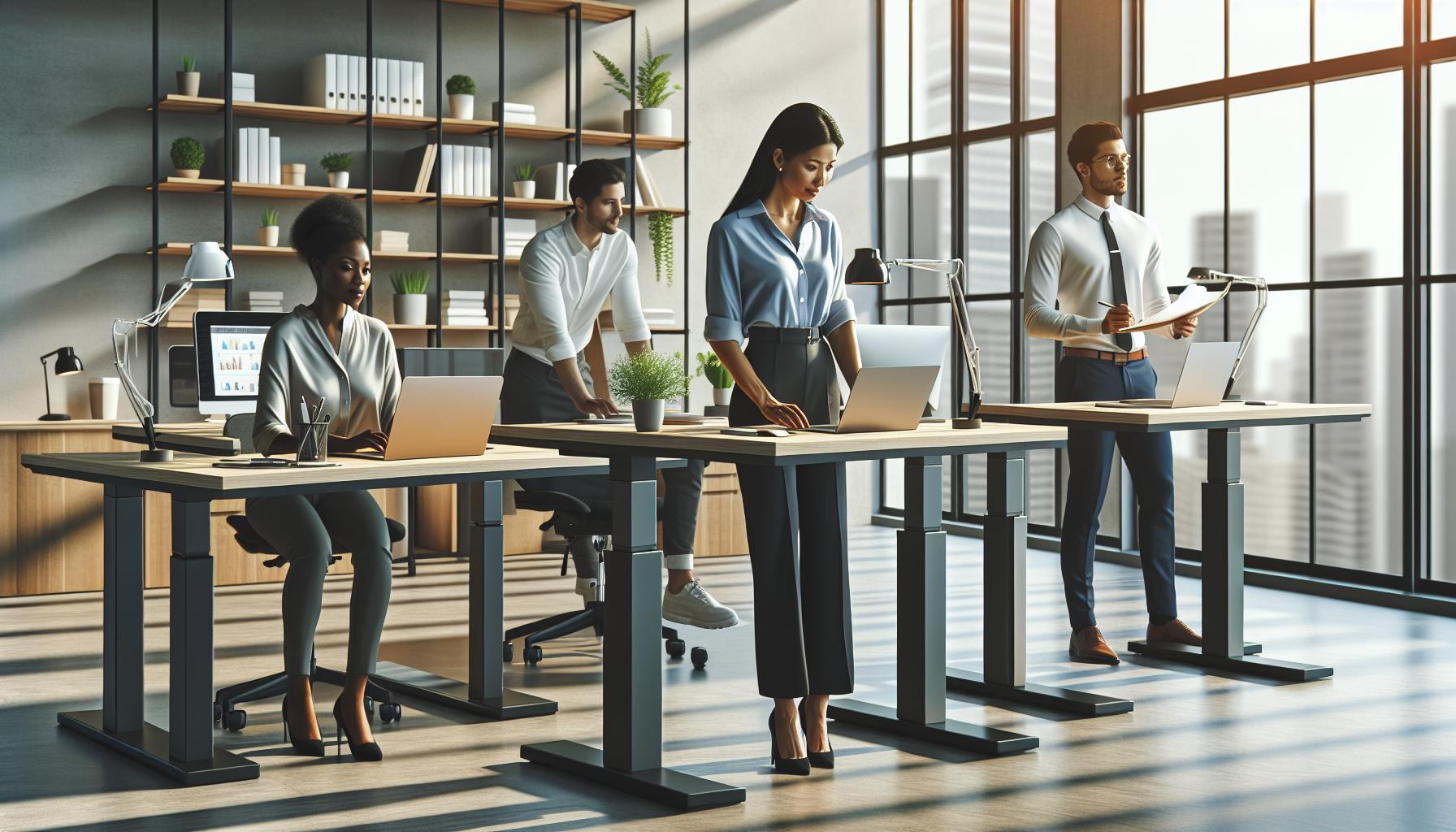
How Standing Desks Improve Productivity
Integrating a standing desk can significantly enhance productivity in today’s fast-paced work environment. Studies indicate that workers who alternate between sitting and standing report an uptick in energy levels and focus, enabling them to tackle complex tasks with greater efficiency. This boost in productivity is not just anecdotal; research shows that engaging in standing while working can lead to a more dynamic approach to tasks, fostering creativity and reducing mental fatigue.
One factor contributing to this improvement is the increased blood flow that occurs when standing. When blood circulates more freely, it delivers oxygen and nutrients to the brain, essential for maintaining cognitive functioning. Users often describe a heightened state of alertness that becomes apparent with the switch to a standing desk. Furthermore, the physical activity that comes with standing-whether it’s shifting weight, stretching, or minor movements-can help sustain energy throughout the day, combatting the afternoon energy slump commonly experienced in traditional seated positions.
To make the most of your standing desk setup, consider implementing strategies that maximize its benefits. Start your day with specific tasks that require high concentration during your standing periods, and combine standing work with short bursts of movement-such as stepping away from your desk for a quick walk or doing simple stretches. This not only helps maintain comfort but also breaks the routine, stimulating your mind while promoting healthy habits. Additionally, setting clear, attainable goals for your work periods can create a sense of accomplishment and motivate you to maintain the standing routine.
Ultimately, the transition to a standing desk is about more than just changing posture; it’s a holistic approach to work that encourages a healthier, more productive lifestyle. Embrace this opportunity not only to enhance your work output but also to contribute positively to your overall well-being.
Setting Up Your Ergonomic Standing Desk
Setting up an ergonomic standing desk is a pivotal step toward enhancing both productivity and overall well-being in your workspace. Properly configuring your standing desk not only supports good posture but also minimizes discomfort and strains associated with prolonged standing. To make the most of your new setup, it’s essential to pay attention to a few key factors that contribute to an ideal ergonomic environment.
Begin by adjusting the height of your desk so that your elbows are at a 90-degree angle when typing. Your wrists should remain straight, allowing your hands to float comfortably above the keyboard, reducing any risk of repetitive strain injuries. The monitor should be positioned at eye level, about an arm’s length away, to avoid neck strain. Your eyes should naturally hit the top third of the screen, promoting a relaxed neck posture. Incorporating a monitor stand or adjustable shelving can aid in achieving this alignment.
Footwear and Floor Surfaces
Your choice of footwear plays a significant role in your comfort levels while using a standing desk. Opt for supportive shoes with cushioning that can absorb the impact of standing for extended periods. Alternatively, consider using an anti-fatigue mat, which provides extra cushioning and encourages micro-movements, helping to alleviate fatigue in your feet, legs, and back.
Movement Incorporation
While standing desks can significantly reduce the health risks associated with prolonged sitting, it’s crucial to incorporate movement into your daily routine. Alternate between sitting and standing every 30 to 60 minutes to help distribute weight and reduce fatigue. Simple actions such as shifting your weight from one foot to another, stretching, or taking short walking breaks can improve circulation and foster mental alertness.
The goal of an ergonomic setup is not just comfort but also a proactive approach to your cognitive health. By ensuring that your workspace promotes physical well-being, you are fostering an environment conducive to higher productivity, improved focus, and potentially, greater job satisfaction. Investing time in properly setting up your standing desk can yield significant returns in terms of productivity and overall health.
Incorporating Movement: Tips for Healthy Habits
Incorporating movement into your workday is pivotal for maximizing the benefits of a standing desk. Research has shown that continuous movement can enhance blood circulation, improve focus, and contribute to overall well-being. Instead of viewing the standing desk as a static solution, consider it a launching pad for a more dynamic work environment. Small changes can create a ripple effect in your energy levels and productivity throughout the day.
Frequent transitions between sitting and standing are crucial. Aim to alternate your position every 30 to 60 minutes. This strategy not only helps to relieve physical strain but also boosts your mental acuity. To facilitate this, use reminders or apps that alert you when it’s time to switch positions. Additionally, make small movements while standing; shift your weight from one foot to the other, or do a gentle calf raise every so often. These micro-movements are effective in preventing fatigue and keeping your body engaged.
Implementing a routine that incorporates short walking breaks is another excellent way to enhance movement. Consider walking around your workspace or doing a few laps around the floor every hour. You could also opt for a standing or walking meeting instead of sitting at a conference table. Such interactions not only encourage movement but also foster creativity and collaboration, making them a win-win for both your body and your mind.
Lastly, encourage accountability and camaraderie among your colleagues by forming a “movement group.” A buddy system can motivate both you and your co-workers to uphold healthy habits. Schedule regular group stretches or walks during breaks, which can boost morale while also keeping everyone active. By making movement a communal goal, you’re more likely to stick to it and enjoy your time at work. Incorporating these practices into your daily routine can lead to a healthier, happier, and more productive workplace.
The Impact on Mental Well-Being and Focus
The way we sit or stand at our desks can significantly affect our mental well-being and focus throughout the day. Research indicates that standing desks can lead to improved cognitive function, enhanced mood, and better overall mental health. By engaging our bodies more actively while we work, we stimulate the brain and can foster a more energetic and productive mindset. Standing encourages more dynamic movement, which has been shown to increase blood flow and oxygen to the brain-crucial elements for maintaining focus and sharpness during long hours of work.
Incorporating a standing desk into your workspace can lead to notable increases in concentration and creativity. Unlike the sedentary posture associated with traditional seating, a standing position promotes a level of alertness and engagement, making it easier to tackle complex tasks. This dynamic posture can also lessen feelings of fatigue and lethargy that often accompany long periods of sitting. What’s more, a study from the American Journal of Preventive Medicine revealed that employees using standing desks reported higher energy levels and decreased levels of stress.
To maximize the cognitive benefits of a standing desk, it’s essential to combine posture changes with other practices that enhance mental clarity. Here are several strategies to consider:
- Mindful Transitions: Regularly switch between sitting and standing every 30 to 60 minutes to keep your mind and body engaged.
- Short Breaks: Take brief walking breaks or perform light stretching to stimulate blood circulation and rejuvenate mental focus.
- Ergonomic Setup: Ensure that your standing desk is adjusted to the right height to promote good posture, reducing any physical distractions as you work.
- Visual Aids: Position inspiring visuals or reminders of your goals at eye level to maintain motivation and sharpen focus.
Establishing a routine that incorporates these strategies can not only enhance your productivity but also contribute positively to your mental health. Integrating movement throughout your day fosters a richer work environment, ultimately making you feel more fulfilled and less stressed. As you optimize your workspace, remember that a holistic approach to well-being-combining physical activity with mental engagement-is essential for achieving sustainable workplace success.
Addressing Common Concerns and Drawbacks
Many people are enthusiastic about the adoption of standing desks, but it’s essential to recognize and address common concerns and drawbacks associated with their use. For some users, transitioning to a standing desk can lead to discomfort, fatigue, or even musculoskeletal issues if not approached thoughtfully. Understanding these potential challenges allows for proactive strategies to enhance user experience and health benefits.
One significant concern is the risk of developing leg and back pain due to prolonged standing. To mitigate this, it’s crucial to invest in a cushioned mat that provides support and reduces tension in the feet and legs. Regularly alternating between sitting and standing can also help alleviate pressure on the lower back and improve comfort. A recommended approach is to adopt a schedule that allows for 20 to 30 minutes of standing followed by short sitting breaks. This method not only enhances comfort but also maintains the engagement benefits associated with standing work.
Another common drawback is the adjustment period. Many individuals may initially feel fatigued or overwhelmed by the increased energy exertion that comes with standing. During this transition phase, listen to your body and gradually increase the duration spent standing. Incorporating gentle stretching or light movement throughout the day can revitalize energy levels and promote circulation, making standing more sustainable in the long term.
Finally, it’s crucial to keep ergonomics at the forefront. An improperly configured standing desk can exacerbate discomfort rather than alleviate it. Ensure that the desk height allows your elbows to remain at a 90-degree angle, and your computer screen is at eye level. Utilize accessories such as keyboard trays or monitors on adjustable stands to maintain proper posture. These small adjustments can significantly enhance your standing desk experience, making it both comfortable and productive.
By proactively addressing these concerns, you can transform your workspace into a haven of wellness and productivity. Equipped with the right strategies and tools, a standing desk can significantly contribute to your overall health and work-life balance. Remember that every adjustment requires patience and mindfulness, so take the time to cultivate a setup that works best for you.
Biohacking Your Workspace for Optimal Performance
Transforming your workspace into a hub of productivity and wellness often involves understanding how to maximize your environment through effective biohacking techniques. This approach not only enhances physical health but also boosts cognitive performance, making your time at a standing desk more fruitful. One of the foundational principles of biohacking is creating a workspace that supports both body and mind, enabling you to optimize energy levels and promote focus throughout your day.
To start, consider the lighting in your workspace. Natural light is known to enhance mood and improve alertness. Whenever possible, position your desk near a window to soak in the sun’s rays. If natural light isn’t an option, invest in full-spectrum light bulbs or daylight-mimicking lamps to simulate a brighter environment. This can help reduce the symptoms of seasonal affective disorder (SAD) and keep you energized.
Next, nutrition plays a critical role in how our brains function. Stock your workspace with brain-friendly snacks like nuts, berries, and dark chocolate, which can provide a quick boost of energy without the crash that comes from sugary snacks. Staying hydrated is equally crucial; consider keeping a water bottle at your desk as a constant reminder to drink water throughout the day. This simple act can improve cognitive function and reduce fatigue.
The integration of movement into your workday is another key element of effective workspace biohacking. Simple techniques, such as setting a timer to remind you to move every hour, can significantly enhance circulation and boost mood. Incorporate dynamic stretches, or keep a balance board or a set of resistance bands nearby to encourage brief bouts of exercise. Furthermore, consider using a pause routine where every 30 minutes, you take a few minutes for movement, whether it’s stepping away from your desk or doing a quick series of stretches.
Moreover, the positioning of your desk and monitor is essential for optimal posture and focus. Your screen should be at eye level and at a distance of about an arm’s length away to reduce strain on your neck and eyes. A quality anti-fatigue mat can provide support and comfort, facilitating longer periods of standing without discomfort. Additionally, ensure that your desk setup accommodates your unique body proportions – investing time in ergonomics can prevent injuries and enhance comfort.
In summary, biohacking your workspace transcends simple adjustments; it’s about cultivating an environment that fosters health and productivity. By leveraging aspects such as optimal lighting, smart nutrition, dynamic movement, and ergonomic arrangements, you can create a workspace that not only enhances your performance but also supports your overall well-being. Embrace these strategies as you embark on this journey towards a healthier work-life balance.
Expert Recommendations for Standing Desk Usage
While standing desks are often touted for their health benefits, the true success of utilizing one hinges on proper usage and mindful incorporation into your daily routine. Experts recommend transitioning gradually to standing work; start with 15-30 minutes of standing every hour and slowly increase this duration as your body adjusts. Alternate between sitting and standing to avoid fatigue and maintain energy levels throughout the day.
Ergonomic Setup is Key
To maximize the benefits of a standing desk, ensure your workspace is ergonomically optimized. Your monitor should be at eye level to avoid neck strain, and your keyboard should be positioned so your elbows rest comfortably at a 90-degree angle. Using an anti-fatigue mat can significantly enhance comfort, especially during extended periods of standing. Proper footwear also plays a pivotal role; consider wearing supportive shoes or using insoles to reduce discomfort and fatigue.
Healthier Movement Habits
Incorporating movement into your routine is equally important. Break longer periods of standing with simple exercises like calf raises or gentle stretching sessions. Setting reminders to move every 30 minutes can help maintain circulation and prevent stiffness. Consider walking meetings or using a footrest to shift your weight intermittently, engaging different muscle groups and reducing discomfort.
Mindful Nutrition and Hydration
Maintaining a focus on nutrition and hydration is crucial for productivity and overall wellness. Keep healthy snacks at hand-options like almonds, yogurt, and seasonal fruits can provide sustained energy without the sugar crash. Proper hydration also aids cognitive function; keep a water bottle near your desk to remind yourself to drink throughout the day.
Adopting these expert recommendations can help transform your standing desk into a powerful tool for improving both physical health and productivity. By embracing a balanced approach that incorporates ergonomic practices, mindful movement, and good nutrition, you can create a more dynamic and healthful work environment.
Ergonomic Practices for Enhanced Comfort
Unlocking the full potential of your standing desk goes far beyond simply elevating your workspace. It hinges on a thoughtful ergonomic setup that aligns with your body’s natural posture and movements, ultimately enhancing your comfort and productivity. A well-designed work environment can mitigate discomfort, boost energy levels, and foster a positive mental state conducive to focus and creativity.
To create an ideal ergonomic setup, start with your standing desk’s height. Your elbows should remain at a comfortable 90-degree angle while typing, with your wrists straight and hands at or slightly below elbow level. The monitor should be positioned at eye level about an arm’s length away to prevent neck strain. This arrangement ensures that you’re not tilting or straining your body while working, promoting longevity in your daily activities.
Implementing an anti-fatigue mat can further enhance your comfort by providing extra cushioning for your feet and encouraging subtle muscle movement, reducing fatigue during prolonged standing. Additionally, choosing appropriate footwear is essential. Opt for supportive shoes that offer good arch support and cushioning, or consider gel inserts that can reduce impact on your joints throughout the day.
Finally, integrating adjustable elements into your workstation, such as a monitor arm or keyboard tray, allows you to personalize your setup as needed. Remember, taking regular breaks to stretch and move is critical; alternating between sitting and standing can help you maintain a dynamic work routine. Small adjustments can lead to significant improvements in both comfort and overall wellness-empowering you to thrive in your workday while investing in your long-term health.
Success Stories: Transforming Your Work Environment
With the growing emphasis on workplace wellness, countless individuals have transformed their work environments with standing desks, yielding remarkable outcomes. For instance, an employee at a tech company reported a significant decrease in back pain after transitioning from a traditional desk to a standing setup. Not only did he experience relief from discomfort, but he also noted enhanced concentration and productivity, allowing him to complete tasks more efficiently throughout the day.
Similarly, a small marketing agency decided to implement standing desks in their collaborative workspace. The change fostered a culture of movement and engagement among employees. The team reported higher energy levels and improved brainstorming sessions, attributing this boost to the increased mobility and good posture encouraged by their new desks. Studies highlight that when employees feel physically comfortable and active, their creativity flourishes, leading to innovative solutions and increased team cohesion.
Moreover, the impact of standing desks extends beyond physical health to mental well-being. Employees often share stories of feeling empowered and more in control of their work environment. A graphic designer mentioned that standing more often not only alleviated her chronic fatigue but also facilitated spontaneous discussions with coworkers. These interactions inspired collaboration on creative projects, demonstrating how physical changes in the workplace can lead to improved interpersonal dynamics.
To engrain these improvements into daily routines, organizations can encourage regular movement breaks and provide resources for employees to learn about effective standing desk practices. Transformative success in these workspaces often stems from a willingness to adapt and innovate rather than conforming to outdated norms. By sharing these success stories and insights, more workplaces can leverage the advantages of standing desks, contributing to a healthier and more productive workforce.
Faq
Q: What are the long-term health benefits of using a standing desk?
A: Long-term use of a standing desk can lead to reduced risks of obesity, heart disease, and type 2 diabetes. Additionally, it may improve posture and lower back pain, promoting better spinal health. Regular use can also encourage a more active lifestyle overall. For further insights, refer to “Key Health Benefits of Using a Standing Desk.”
Q: How can standing desks impact weight management?
A: Standing desks can aid in weight management by increasing calorie expenditure compared to sitting. Even small movements and standing throughout the day can add up, helping prevent weight gain. Incorporating physical activity alongside standing can optimize this effect. Explore more in the “Incorporating Movement” section.
Q: Are there any ergonomic tips for using a standing desk effectively?
A: To use a standing desk effectively, ensure your monitor is at eye level, keep your wrists straight, and distribute your weight evenly on both feet. Use an anti-fatigue mat to reduce strain and take regular breaks to move around. Detailed ergonomic practices can be found in the “Ergonomic Practices for Enhanced Comfort” section.
Q: Can standing desks improve focus and concentration?
A: Yes, standing desks have been shown to enhance focus and concentration. The increased blood flow and energy from standing can lead to higher alertness levels. Pairing standing with movement can amplify these cognitive benefits. Learn more in “The Impact on Mental Well-Being and Focus.”
Q: What potential drawbacks should I consider before using a standing desk?
A: Potential drawbacks of standing desks include fatigue, discomfort in legs and feet, and risk of varicose veins if used excessively. It’s essential to alternate between sitting and standing to mitigate these issues. Addressing common concerns is discussed in “Addressing Common Concerns and Drawbacks.”
Q: How can I transition to a standing desk?
A: Transitioning to a standing desk should be gradual; start by standing for 15-30 minutes every hour and then increase as you feel comfortable. Monitor how your body responds and adjust your habits accordingly. For effective setup strategies, check “Setting Up Your Ergonomic Standing Desk.”
Q: What types of standing desks are best for my health?
A: Adjustable or sit-stand desks are ideal as they allow you to change positions easily. Look for models with ergonomic features, such as height adjustability and stability. For more on optimizing your workspace, explore the “Biohacking Your Workspace for Optimal Performance” section.
Q: Is it beneficial to add movement while using a standing desk?
A: Absolutely! Incorporating movement, like stretching or short walks, while using a standing desk can enhance health benefits and prevent fatigue. This practice improves circulation and enhances overall physical well-being. Find practical tips in “Incorporating Movement: Tips for Healthy Habits.”
Closing Remarks
Embracing a standing desk can transform your work experience, enhancing not just your posture but also your overall health and productivity. By shifting to a standing posture, you may find improvements in energy levels, reduced back pain, and even better focus. If you’re looking to maximize your well-being, don’t wait-explore practical tips on how to set up an ergonomic workspace and develop healthy work habits that complement your standing desk.
For more in-depth resources, check out our guides on effective workplace wellness strategies and biohacking techniques to optimize your cognitive performance. Feeling skeptical? Read testimonials from users who have experienced significant benefits and discover how easy it can be to make this change. Don’t miss out on the chance to improve your health-sign up for our newsletter for ongoing insights and actionable tips on workplace wellness. Your journey to better health starts now!