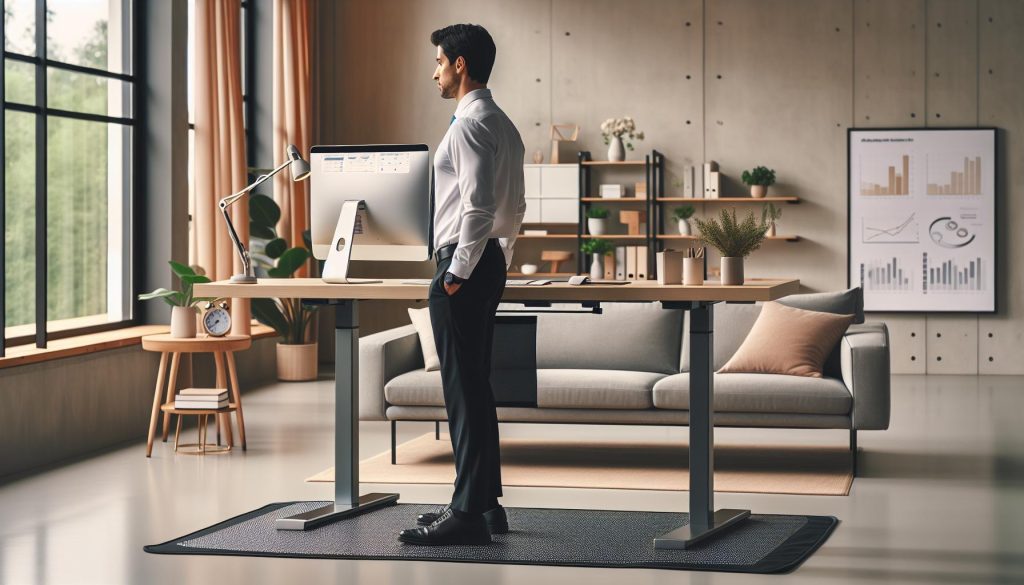
In today’s fast-paced work environment, many professionals are discovering the benefits of standing desks for enhancing productivity and physical well-being. However, standing for extended periods can lead to discomfort and fatigue if the right foundation isn’t chosen. This is where standing desk mats come into play, offering comfort and support that can transform your workspace experience. Selecting the best mat can alleviate stress on your joints and improve circulation, making long hours on your feet more manageable. As you explore your options, consider how the right standing desk mat can enhance not only your comfort but also your overall workplace wellness. Join us as we delve into the top mat options available, designed to elevate your standing desk setup and promote a healthier work life.
Choosing the Right Mat for Your Standing Desk
When investing in a standing desk, the choice of mat can significantly influence your comfort and overall work experience. A quality mat is not just a supportive base; it can help reduce fatigue and improve your posture over long hours of standing. Choosing the right mat involves evaluating your work environment, personal comfort needs, and the specific features that aid in reducing strain on your body.
One key consideration is the mat’s thickness. Mats typically range from 3/4 inch to 1 inch thick, with thicker mats providing more cushioning and support for your feet. However, very thick mats might make it challenging to maintain balance, particularly if you find yourself shifting your weight frequently. The material is also vital. Mats made from high-density foam provide ample cushioning without losing their shape over time, while rubber mats offer excellent durability and a non-slip surface. Additionally, some people may prefer the soft, responsive feel of gel mats, which can add an extra layer of comfort.
Another factor to consider is the mat’s surface texture and ease of cleaning. Look for mats with non-slip surfaces and those that repel dirt and stains, as maintaining a clean workspace contributes to a healthier work environment. Ensure that your chosen mat fits well within your workspace-its size should accommodate your standing area without encroaching on other activities or making movement cumbersome.
By thoughtfully considering these aspects, you can select a mat that enhances your standing desk experience, contributes to your overall wellness, and supports your goals of maintaining an active and engaging workplace.
Benefits of Anti-Fatigue Mats for Comfort
Standing all day at a desk can feel invigorating, but it can also lead to discomfort or pain if you’re not properly supported. This is where anti-fatigue mats come into play, offering a crucial layer of comfort that can transform your standing desk experience. These mats are specifically designed to alleviate the strain that standing for extended periods can exert on your legs, back, and overall body. While simple in appearance, the scientifically-engineered materials that make up these mats provide significant benefits not only for your comfort but also for your productivity and health.
One of the most notable advantages of anti-fatigue mats is their ability to promote better blood circulation. Standing on these cushioned surfaces encourages subtle movements in your legs, which can help to prevent stiffness and soreness. As you shift your weight or adjust your stance, the mat responds, creating a dynamic environment that engages your foot and leg muscles. This movement can help reduce the feelings of fatigue and discomfort associated with prolonged standing, allowing you to maintain focus and energy throughout the workday.
In addition to physical comfort, anti-fatigue mats can also contribute to long-term health benefits. Prolonged standing has been linked to various musculoskeletal disorders, as well as chronic pain conditions. By investing in a quality anti-fatigue mat, you’re proactively reducing the risk of developing these issues. Moreover, an improved comfort level at work can lead to enhanced cognitive function. Studies have shown that when employees feel physically comfortable, their ability to concentrate and perform tasks efficiently increases. This creates a win-win scenario where comfort translates into productivity, ultimately benefiting both employees and employers alike.
Anti-fatigue mats come in various styles and designs, making it easy to find one that fits your workspace and aesthetic preferences. Whether made of foam, rubber, or gel, these mats can provide the cushion needed to alleviate discomfort and enhance your overall standing experience at your desk. As an added bonus, many mats are designed to be easy to clean and maintain, helping you to create a healthier workspace environment free from dirt and allergens. Embracing the use of anti-fatigue mats is a simple yet effective step towards ensuring a more comfortable, productive, and healthy work life.
Top Features to Look for in Standing Desk Mats
When selecting a standing desk mat, understanding the key features can dramatically enhance your comfort and overall work experience. A well-chosen mat can be an investment in your health and productivity, transforming the way you function throughout your day. Here are several vital attributes to consider to ensure you make the best choice for your individual needs.
Durability
The material and construction of the mat is fundamental. Look for mats that are made from high-quality, durable materials. Rubber, foam, and gel are popular options, each providing varying degrees of firmness and support. A durable mat will withstand the rigors of daily use without losing its cushioning ability, ensuring it remains comfortable over time.
Thickness and Cushioning
The thickness of a mat directly affects its cushioning properties. A thickness of 3/4 inch to 1 inch often provides optimal comfort. This level of cushioning absorbs impact and reduces fatigue, allowing you to stand longer without discomfort. However, a balance is necessary; excessively thick mats might make your feet unstable, while too thin ones might not provide adequate support.
Non-Slip Surface
Safety is paramount in any workspace. Look for mats with a non-slip surface to ensure you stay stable while shifting your weight. Mats that prevent sliding not only enhance stability but also contribute to overall ergonomics by assisting in maintaining proper posture while you work.
Ease of Maintenance
A well-maintained mat enhances the overall hygiene of your workspace. Consider mats that are easy to clean-those with water-resistant surfaces that can be wiped down or rinsed off save time and effort. This feature is especially critical in environments where spills or dirt accumulation may occur.
Ergonomic Design
Some mats feature unique ergonomic designs that encourage movement and flexibility. These designs can include raised areas or zones that stimulate different muscle groups in your feet and legs, promoting micro-movements and discouraging stiffness during long periods of standing.
Lastly, consider your aesthetic preferences; a visually pleasing mat can enhance your workspace’s overall look. By keeping these features in mind, you can confidently choose a standing desk mat that supports your physical comfort and contributes to a more productive working environment. Embracing the right mat not only aids in mitigating fatigue but also elevates your overall well-being during work hours.
Exploring Popular Mat Materials: Rubber, Foam, and Gel
Choosing the right material for your standing desk mat can significantly impact your comfort and productivity. Understanding the unique properties of various materials-such as rubber, foam, and gel-can help you make an informed decision that enhances your work experience. Each type of material offers distinct benefits and may cater to different preferences and needs.
Rubber
Rubber mats are renowned for their durability and excellent grip. Made from high-quality synthetic or natural rubber, they provide a firm yet flexible surface that supports weight without compressing too much over time. This resilience makes rubber mats ideal for those who plan to stand for extended periods, as they reduce fatigue effectively. Additionally, rubber mats often feature a non-slip surface, enhancing safety by preventing slips and slides during use.
Common advantages of rubber mats include:
- Highly durable and long-lasting
- Excellent traction and stability
- Easy to clean and maintain
Foam
Foam mats combine cushioning with softness, making them particularly comfortable for those who are prone to foot pain or discomfort while standing. They offer varying levels of density, providing support that conforms to the shape of your feet. This adaptability can alleviate pressure points and encourage better blood circulation. However, it’s essential to select a foam mat that strikes the right balance between comfort and support; excessively soft foam may lead to instability and discomfort over prolonged use.
- Provides soft cushioning for enhanced comfort
- Good shock absorption properties
- Available in various densities and thicknesses
Gel
Gel mats represent the pinnacle of comfort, utilizing a thick gel layer that molds to your feet while providing responsiveness without sacrificing firmness. They excel in reducing fatigue by distributing weight evenly and absorbing shock, which can be particularly beneficial for professions requiring long hours of standing. These mats generally maintain their shape and resilience, even after extensive use, making them a smart choice for busy work environments.
- Offers exceptional cushioning and support
- Distributes weight evenly to minimize pressure points
- Durable with long-lasting performance
Choosing the right standing desk mat materials involves considering how each option aligns with your specific needs and preferences. Whether you prioritize durability, cushioning, or a balance of both, understanding these materials will empower you to create a more comfortable and productive workspace.
Comparison of Leading Standing Desk Mat Brands
When considering standing desk mats, choosing the right brand can be just as important as the material and design. Different brands offer unique features and benefits that can enhance your standing experience. Here, we will compare some of the leading brands that excel in providing comfort and support through their standing desk mats.
Gorilla Grip
Gorilla Grip mats are highly regarded for their exceptional durability and grip. Featuring a non-slip surface and thick cushioning, these mats excel at preventing slips, making them an ideal choice for environments where safety is paramount. Additionally, they are easy to clean, adding to their appeal for busy professionals. Gorilla Grip mats are particularly beneficial for those who stand for extended periods, as they provide both shock absorption and comfort.
Ergodriven
Known for their commitment to ergonomic solutions, Ergodriven offers mats that encourage movement, making them perfect for active workstations. Their unique design promotes natural shifting and encourages subtle movements while standing. This can help reduce fatigue and stimulate better circulation throughout your legs and body. The brand’s focus on technology and ergonomics allows every user to benefit from improved comfort and productivity levels.
Sky Mats
Sky Mats are often praised for their gel-infused cushioning, which enhances comfort while also providing effective support. The mats feature a thick, high-density foam base that cradles your feet, alleviating pressure on your joints. Their eco-friendly materials make them a popular choice for those looking to minimize their environmental footprint while enjoying a comfortable standing experience. Sky Mats are designed to withstand regular use without losing their supportive qualities.
ComfiLife
ComfiLife is recognized for its budget-friendly yet effective standing desk mats that do not compromise on quality. Their mats feature a unique combination of memory foam and high-density support, delivering a plush feel without sacrificing stability. Ideal for home offices and corporate environments alike, ComfiLife mats are lightweight and portable, making them easy to move when needed. Users appreciate their ability to provide lasting comfort throughout the day.
Ultimately, your choice of brand will depend on your specific needs, preferences, and budget. Whether you prioritize non-slip surfaces, advanced ergonomic features, gel-infused comfort, or affordability, exploring these leading brands can lead you to the perfect mat for your standing desk setup. Investing in a quality standing desk mat from a respected brand can significantly enhance workplace wellness, making those long hours of standing much more manageable.
How to Maintain Your Standing Desk Mat for Longevity
To ensure longevity and optimal performance of your standing desk mat, regular maintenance is key. Just like any wellness tool, the way you care for it can enhance its benefits and lifespan. Many people overlook this important aspect, but a well-maintained mat can significantly improve workplace well-being and comfort. Here’s how to keep your standing desk mat in top shape.
Start with simple cleaning routines. Most standing desk mats, regardless of material (be it rubber, foam, or gel), can accumulate dirt, dust, and sweat over time. A gentle wipe down with a damp cloth and a mild soap solution is usually sufficient. Make sure to rinse thoroughly to prevent any residue buildup. For deeper cleans, especially for those with intricate textures, using a soft brush can help remove trapped particles without damaging the surface. Avoid harsh chemicals, as these can degrade the mat’s material and diminish its anti-fatigue properties.
In addition to regular cleaning, consider rotating your mat. Just as you would with furniture to avoid uneven wear, periodically repositioning your mat can enhance its durability. This practice helps distribute foot traffic evenly across its surface, preventing premature flattening or wear in high-contact areas. If applicable, check the manufacturer’s guidelines regarding this; some mats may have specific recommendations based on their design.
Storage is also an important consideration. If you need to move your mat, roll it instead of folding it to avoid creases or permanent impressions. Make sure to store it in a dry area, as dampness can encourage mold growth, particularly in mats made from foam or fabric composites.
Finally, keep an eye out for signs of wear. Cracks, tears, or significant flattening indicate it’s time for a replacement. Investing in a quality mat from a reputable brand not only enhances comfort during your workday but also encourages a healthier workplace environment through proper maintenance and care. By following these guidelines, you can ensure your standing desk mat remains a supportive ally in your quest for workplace wellness.
Tips for Properly Positioning Your Standing Desk Mat
Finding the perfect standing desk mat is just one piece of the puzzle; how you position that mat can significantly impact your comfort and productivity while you work. Proper placement can help alleviate fatigue, promote better ergonomics, and even enhance your overall engagement during your workday. Here are some key tips for effectively positioning your standing desk mat.
Firstly, align your mat with your workstation. The front edge should be under your desk to ensure that your feet are fully supported while you work. This allows for optimal posture, which helps prevent strain on your lower back. Whether you’re typing or using a mouse, your feet should have a solid foundation, and having the mat as a barrier between your feet and the hard floor can help absorb pressure and provide cushioning.
Creating Movement Space
One of the benefits of a standing mat is its ability to encourage movement. Position your mat so you have some space around it to shift your weight or perform small stretches. Having the ability to move around not only combats fatigue but also promotes circulation-a crucial factor for cognitive health. You can practice subtle shifts in weight from one foot to another, or engage in gentle stretching to keep your muscles activated throughout the day.
Consider Your Footwear
Your shoes can also influence how you position your mat. Firm, supportive footwear provides better stability and comfort, allowing you to feel the benefits of the mat fully. If you’re wearing heels or shoes with inadequate support, consider adjusting the height of your workstation or adding additional footwear support to enhance your comfort. Always ensure your body is in alignment with your workstation while using the mat, as this ensures the best ergonomic positioning.
Maintain a Clutter-Free Area
Ensure that your mat is positioned in a clear and designated space. This not only provides you with the physical room to move but also creates a mental framework for an organized workspace. A clutter-free environment can foster concentration and reduce distractive stimuli, amplifying your ability to focus on tasks.
By thoughtfully positioning your standing desk mat, you empower yourself to maximize its benefits, transforming your workspace into a more dynamic and health-oriented environment. With these practices, you can support your physical well-being while navigating the demands of your workday, creating a harmonious balance between productivity and comfort.
Standing Desk Accessories to Enhance Comfort and Productivity
Creating a comfortable and productive workspace around your standing desk involves more than just selecting the right mat; it empowers you to cultivate an environment that supports both your physical well-being and cognitive performance. The thoughtful integration of various accessories can enhance your overall experience at a standing desk, ensuring you remain energized and focused throughout the day.
Investing in a few essential accessories can make a significant difference. Consider adding an ergonomic footrest, which allows you to pivot and shift your weight, reducing pressure on your lower back and legs. Look for footrests that are adjustable and have various textural surfaces to encourage movement and activate different muscle groups, ultimately promoting circulation. Additionally, a monitor stand can help position your screen at eye level, fostering better posture and reducing neck strain while you stand.
Furthermore, incorporating a standing desk converter grants versatility to switch between standing and sitting. This choice can optimize your comfort during lengthy work sessions, permitting you to alternate positions, which is crucial for both physical and cognitive health. Pairing these with an excellent anti-fatigue mat not only cushions your feet but also encourages subtle movements that can help alleviate fatigue and maintain engagement over time.
Maintaining your workspace’s ambiance also plays a vital role in productivity. Consider adding task lighting that reduces glare and strain on your eyes, enhancing focus and creativity. Incorporating elements like potted plants can enhance air quality and elevate your mood, leading to a more relaxed and stimulating work environment.
By thoughtfully selecting and integrating these accessories, you not only maximize the benefits of your standing desk and mat but also cultivate a workspace that actively supports your health, productivity, and well-being. A well-rounded approach not only addresses physical discomfort but also enriches cognitive function and helps mitigate workplace stress, contributing to an overall balanced work life.
Understanding the Ergonomics of Standing vs. Sitting
The shift from sitting to standing desks has gained immense popularity, yet many still grapple with understanding how these changes impact their ergonomics and overall work experience. Research indicates that prolonged sitting can lead to a host of health issues, including obesity, diabetes, and cardiovascular diseases. In contrast, standing can improve posture, enhance circulation, and increase energy levels, making it a compelling alternative for those seeking to improve their workplace wellness. However, transitioning to a standing desk requires a nuanced approach to ergonomics to reap the benefits while minimizing discomfort.
When standing, it’s crucial to maintain an optimal posture. This means keeping your feet flat on the ground, knees slightly bent, and your hips aligned beneath your shoulders. A sturdy mat can significantly influence this alignment. Anti-fatigue mats, designed to encourage subtle leg movements, help reduce pressure on your joints and keep you more engaged throughout the day. These mats not only provide cushioning but also stimulate micro-movements that boost circulation and reduce muscle fatigue, supporting a more dynamic standing experience.
Observing the interplay between standing and sitting can also unlock insights into workplace productivity. Alternating between both positions helps redistribute stress on the body. For instance, alternating between 20-30 minutes of standing followed by a brief sitting period can offset fatigue while enhancing focus and cognitive function. Incorporating accessories such as footrests or leaning stools can further support this dynamic, allowing you to shift your weight and vary your posture even while standing.
Ultimately, understanding how to balance standing and sitting while considering the use of supportive mats can optimize both comfort and productivity at your desk. Taking the time to evaluate how your body responds to standing versus sitting will empower you to create a workspace that not only enhances your physical health but also promotes sustained cognitive engagement throughout your day.
User Reviews: Real Experiences with Standing Desk Mats
Standing desk mats can revolutionize your work experience, and user reviews provide a wealth of insights into their real-world benefits and challenges. Many users report a significant decrease in discomfort during long hours of standing. One office worker noted that switching to an anti-fatigue mat allowed them to stand for extended periods without the familiar aches that accompanied their previous experience. This newfound comfort not only enhanced their physical well-being but also positively impacted their focus and productivity.
Additionally, reviews frequently highlight the importance of mat texture and material. Users who opted for mats made from high-quality rubber or gel emphasized how these materials provided the right balance of support and softness. Many reported that their mats encouraged subtle movements, reducing stiffness while enhancing circulation. A graphic designer shared that the slight cushioning of their mat allowed them to shift their weight and keep their feet engaged, enhancing their overall workflow and creativity.
However, not all experiences are universally positive. Some users faced challenges with mat durability, especially those who frequently shifted their weight or frequently repositioned their standing desks. Reviews often suggest choosing a mat with a strong warranty or return policy in case it does not meet expectations over time. Practical advice also stems from the user community as they recommend cleaning tips and positioning strategies to maintain mat longevity, which can help elevate your standing desk experience.
In summary, real user experiences illustrate that the right standing desk mat can be a game-changer for workplace comfort and productivity. By understanding the various materials, user preferences, and potential durability issues, you can make a more informed choice that aligns with your specific needs, ultimately leading to a healthier and more effective work environment.
The Impact of Standing Desk Mats on Work Performance
Standing desks have gained popularity for their potential to enhance productivity and overall workplace wellness, but the impact of standing desk mats can further elevate this experience. A well-chosen mat not only provides comfort but also influences cognitive performance and work efficiency. According to studies, standing for prolonged periods can lead to discomfort and fatigue, which can significantly reduce focus and productivity. Anti-fatigue mats are designed to combat these issues by providing a cushioning effect that encourages subtle movements, promoting better circulation and reducing physical strain.
Research shows that using an anti-fatigue mat can enhance concentration and energy levels. Users frequently report that these mats allow them to stay engaged longer without succumbing to the typical tiredness associated with extended standing. A user shared how transitioning to a standing desk with a supportive mat led to an improvement in their workflow and creativity. Engaging their core muscles to maintain posture while shifting weight on the mat not only relieved pressure on their feet but also kept their mind alert. This dynamic movement can contribute to cognitive clarity and improved problem-solving abilities, crucial elements for success in many job roles.
Moreover, the psychological benefits should not be overlooked. Being comfortable at work has been linked to greater job satisfaction and motivation, which can translate into higher performance levels. A supportive mat creates an environment where employees feel empowered to work longer and more effectively, reducing the mental fatigue that can occur when discomfort sets in. The choice of mat can play a crucial role in this aspect, where materials like rubber or gel are often highlighted by users for their superior support and stress-relief properties.
In conclusion, the type of mat you choose for your standing desk can significantly impact both physical comfort and cognitive functionality. By selecting a high-quality anti-fatigue mat, you not only improve your standing desk experience but also set the stage for enhanced focus, creativity, and overall work performance. Prioritizing this element of your workspace could ultimately lead to a healthier and more productive work environment.
Integrating Movement: Best Practices for Active Workstations
Integrating movement throughout your workday can significantly enhance both physical comfort and cognitive function. Standing desks, while offering an alternative to sitting, can still lead to fatigue if not paired with active habits. By incorporating movement into your standing routine, you not only alleviate discomfort but also boost your energy levels and mental clarity.
Start by alternating between standing and sitting throughout the day to prevent fatigue. Consider using a sit-stand desk that allows for easy adjustments based on comfort. Aim to change your position every 30-60 minutes to keep your body active and engaged. Additionally, taking short breaks to walk around or do simple stretches can promote circulation and refresh your mind. Engage in a few dynamic movements, such as ankle rolls or calf raises, while standing. These exercises can stimulate muscle activation and prevent stiffness.
It’s also beneficial to incorporate a variety of foot positioning and stances while standing. Try shifting your weight from one foot to the other or using a footrest to elevate one foot at a time. This subtle movement encourages micro-movements that can maintain energy levels and reduce the monotony of static standing.
To further enrich your workspace, consider integrating other elements that promote movement. Use a balance board to encourage core engagement or a yoga mat for stretching exercises. By making your workstation a dynamic environment, you not only enhance your physical well-being but also lay the groundwork for sustained cognitive performance. This holistic approach to integrating movement creates a more comfortable and productive work setting, empowering you to perform at your best throughout the day.
Q&A
Q: What is the best material for a standing desk mat?
A: The best material for a standing desk mat often depends on individual preferences, but rubber, foam, and gel are popular choices. Rubber provides durability and stability, foam offers softness and cushioning, while gel provides excellent support and pressure relief. Consider your comfort needs and work style when choosing.
Q: How thick should a standing desk mat be?
A: A standing desk mat should typically be around 0.5 to 1 inch thick to provide adequate cushioning and support. Thicker mats (1 inch or more) can offer more comfort for prolonged standing, but balance it with the risk of instability. Always try different thicknesses to find what suits you best.
Q: Can a standing desk mat really help reduce fatigue?
A: Yes, a standing desk mat can significantly reduce fatigue by distributing weight more evenly and providing cushioning that absorbs impact. This helps alleviate discomfort in the legs and feet, encouraging longer standing periods without strain. For more about the benefits of mats, check the article’s section on “Benefits of Anti-Fatigue Mats for Comfort.”
Q: How do I clean and maintain my standing desk mat?
A: To clean your standing desk mat, regularly wipe it down with a damp cloth and mild detergent. Avoid harsh chemicals to prevent damage. Depending on the material, you might also be able to vacuum or even machine wash your mat. Refer to the article’s maintenance section for specific care instructions.
Q: What size standing desk mat do I need?
A: The size of your standing desk mat should be proportional to your workspace; typically, mats range from 24 inches by 36 inches to larger options like 36 inches by 48 inches. Choose a size that allows ample space for movement without overcrowding your workstation.
Q: Are standing desk mats worth the investment?
A: Yes, standing desk mats are generally worth the investment because they promote comfort and productivity, reducing the risk of discomfort associated with prolonged standing. Quality mats can last for years and enhance your overall workplace wellness, making them a valuable addition to ergonomic setups.
Q: What features should I look for in a standing desk mat?
A: When choosing a standing desk mat, look for features like anti-slip surfaces, durable materials, adequate cushioning, and beveled edges to prevent tripping. These qualities enhance safety and comfort during use, allowing for a more effective standing work experience.
Q: Can I use a standing desk mat on any surface?
A: Yes, most standing desk mats are designed to be used on various surfaces, including carpet, hardwood, and tile. However, some mats may perform better on specific surfaces, so check the mat’s specifications for optimal usage. For more details on positioning, see the section on “Tips for Properly Positioning Your Standing Desk Mat.”
The Way Forward
Now that you’re equipped with the best options for standing desk mats, take the next step towards a more comfortable and productive workspace. Choosing the right mat can significantly enhance your posture and reduce fatigue, boosting both your physical health and cognitive performance. Don’t wait-pick the perfect mat to elevate your standing desk experience today!
For more tips on creating an ergonomic workspace, check out our guides on optimizing workplace wellness and stress management techniques. If you’re interested in the science behind cognitive health, explore our resources on neuroplasticity and practical biohacking strategies. Don’t miss out-subscribe to our newsletter for the latest insights and exclusive content to support your journey toward a healthier, more productive life. Your well-being is worth investing in!