
As our daily lives grow increasingly sedentary, the quest for a better work environment has never been more vital. Did you know that simply switching to a standing desk can significantly boost your energy levels, enhance focus, and improve overall well-being? In “What to Look for in a Standing Desk? Essential Features,” we will explore key elements that not only transform your workspace but also promote healthier work habits. From adjustability to ergonomic design, understanding these essential features will empower you to create an environment that supports both productivity and wellness. Join us as we uncover how the right standing desk can be a game-changer for your workplace experience, helping you achieve greater comfort and efficiency while promoting better cognitive health and stress management. Your journey toward a healthier work life starts here!
Key Features for Your Ideal Standing Desk
Choosing the right standing desk can significantly enhance your productivity and well-being, transforming your workspace into a hub of comfort and efficiency. A study from the University of California found that standing desks not only reduce back pain but can also improve mood and energy levels during the workday. Thus, selecting a desk that incorporates key features is crucial for creating an ergonomic and health-conscious environment.
Stability and Adjustability
One of the most critical attributes of an ideal standing desk is its stability. A sturdy base prevents wobbling, allowing for safe use when working at a standing height. In addition, an adjustable height mechanism is essential, whether it’s electric or manual. This feature enables users to customize their desk to sit comfortably while working or to switch to a standing position effortlessly. Prioritize desks that offer a wide range of height adjustments to accommodate different users and preferences.
Ergonomic Design
Ergonomics should be at the forefront of your standing desk selection. A design that promotes a natural posture will help prevent strains and discomfort during extended use. Look for desks that allow for an incline and have rounded edges to minimize the risk of wrist strain. Accessories such as keyboard trays and monitor stands can further enhance ergonomic benefits by ensuring that your screen is at eye level and your wrists are properly aligned while typing.
Material Quality
The quality of materials used in construction greatly influences the desk’s durability and stability. Opt for desks made from high-quality materials like solid wood or industrial-grade steel for longevity. A robust surface finish can resist scratches and stains, ensuring your investment remains visually appealing and functional over time. Additionally, the desk should have a weight capacity sufficient for your equipment to avoid any risk of damage.
Cable Management
A tidy workspace is essential for maintaining focus and productivity. Look for standing desks equipped with effective cable management solutions such as built-in cable trays or clips. These features help organize cords and eliminate clutter, contributing to a more efficient and aesthetically pleasing work environment.
Investing in a standing desk with these key features not only supports your physical well-being but also enhances your mental clarity and productivity. Consider these aspects carefully to make a choice that aligns with your work habits and health priorities.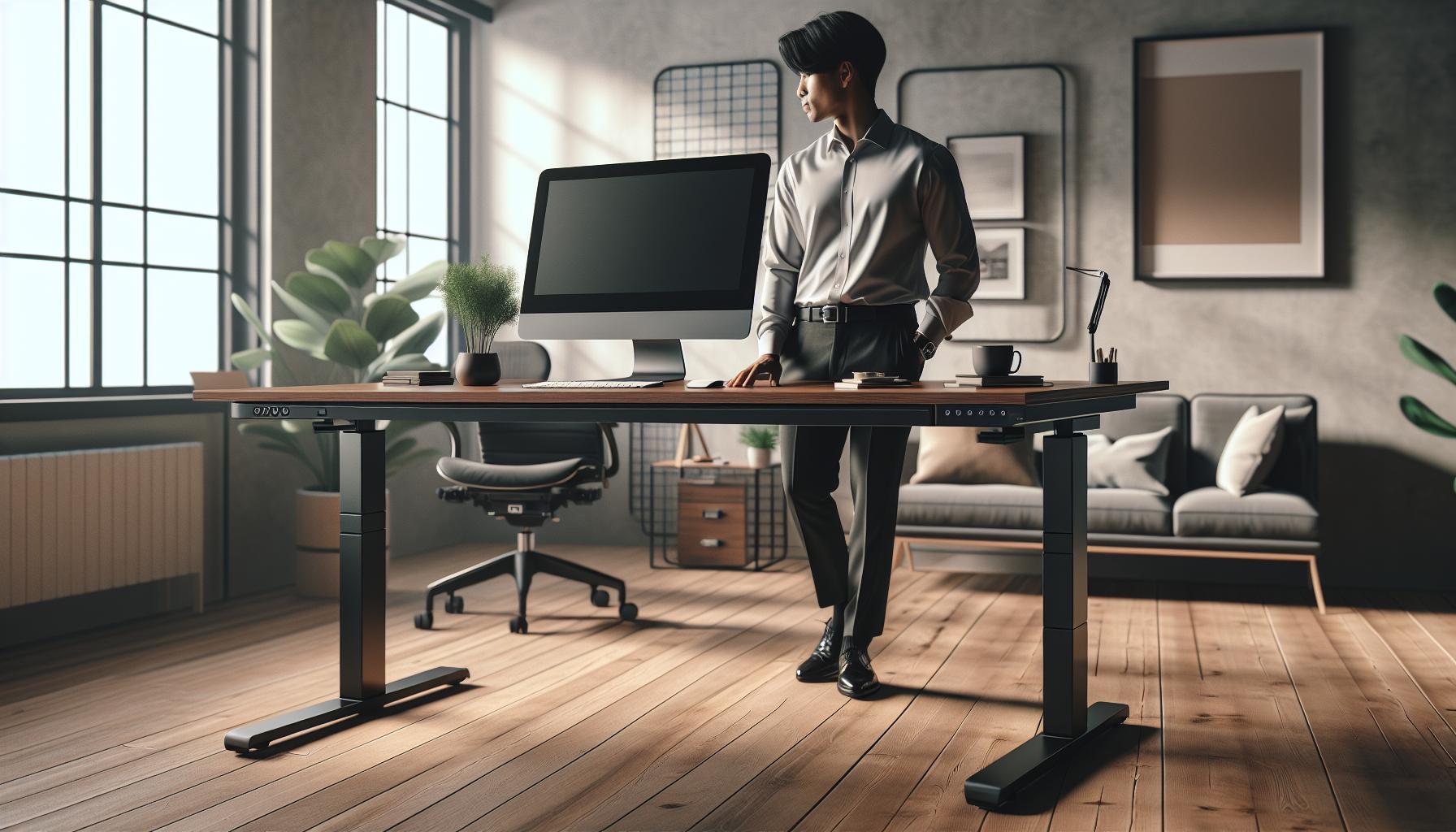
Benefits of Using a Standing Desk for Health
The transition from a traditional seated workspace to a standing desk can be a game changer for your health and overall well-being. Studies have shown that incorporating more standing time into your day can lead to significant physical and mental benefits. For instance, standing desks have been linked to reduced back pain, improved mood, and increased energy levels. This shift not only aids in combating the adverse effects of prolonged sitting but also encourages a more active lifestyle, which is crucial in our increasingly sedentary world.
One of the standout health benefits of using a standing desk is its potential to enhance your metabolic rate. Research indicates that standing may help burn more calories compared to sitting. Over time, this increases your energy levels and may contribute to weight management. Users report feeling more alert and focused, which can also translate into improved cognitive performance. Incorporating simple movements or stretches while standing can further boost circulation and reduce stiffness commonly associated with long hours of desk work.
Moreover, utilizing a standing desk can positively affect your cardiovascular health. Standing tends to promote better postural alignment and can reduce strain on muscles and joints. When combined with regular movement, such as walking breaks or even light exercises, you further enhance blood circulation, bringing more oxygen to your brain and muscles. This not only decreases the risk of developing cardiovascular diseases but also supports cognitive functions, making it easier to think clearly and stay productive throughout the day.
As you consider the move to a standing desk, it’s essential to also implement proper ergonomic practices. Ensure that your desk is adjusted to the correct height and that your monitor is positioned at eye level to prevent neck strain. Utilizing anti-fatigue mats can provide additional comfort, allowing you to stand longer without experiencing discomfort. Balancing sitting and standing over the course of the day can maximize the benefits, so plan periods of sitting and standing to find what works best for you-this can lead to a healthier, more dynamic work experience.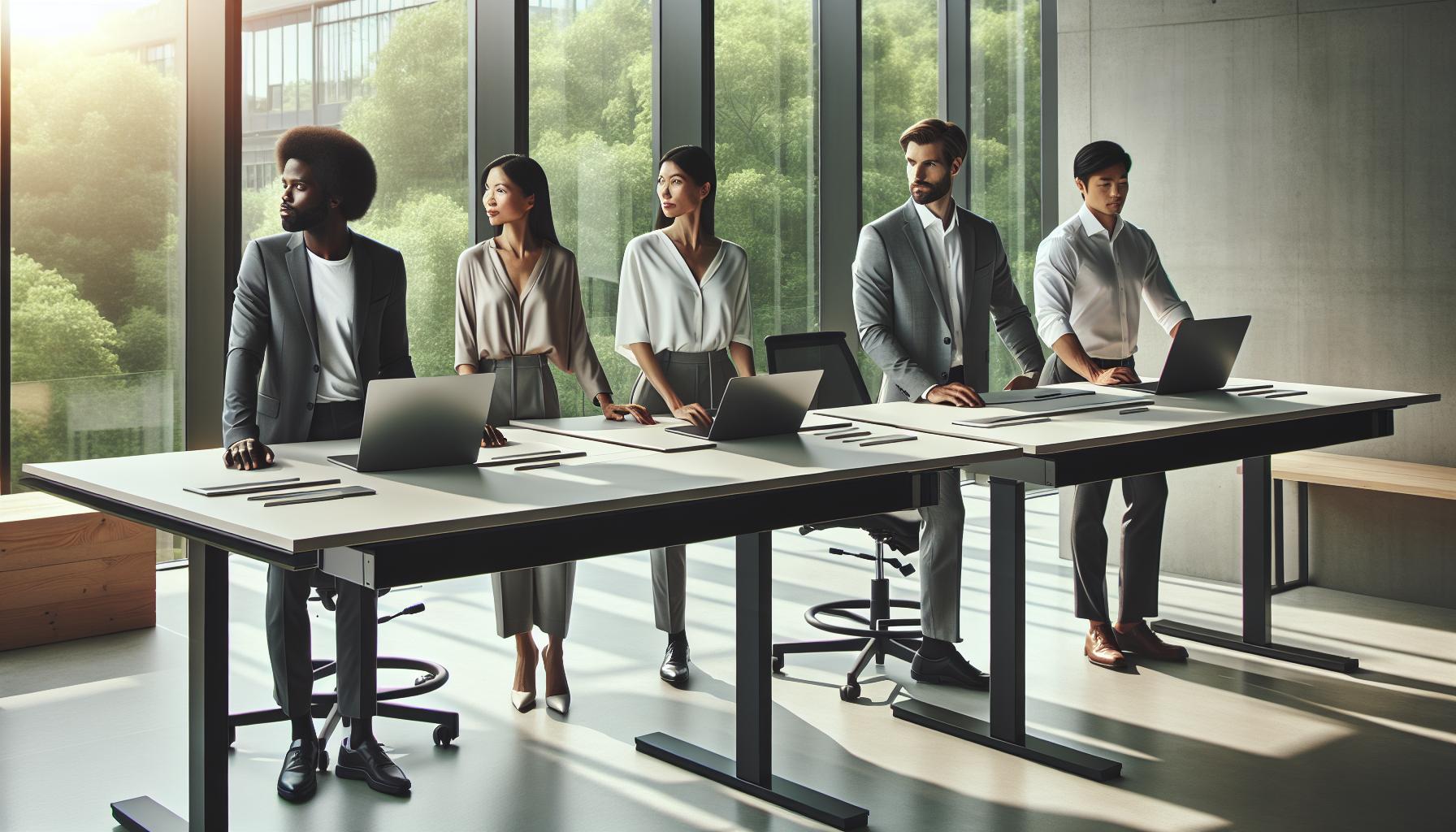
Understanding Ergonomics: Maintaining Comfort at Work
To effectively integrate a standing desk into your workspace, understanding ergonomics is fundamental for maintaining comfort and optimizing productivity. Studies indicate that proper ergonomic configurations can significantly reduce the risk of musculoskeletal disorders, enhance comfort, and improve overall job satisfaction. When setting up your standing desk, consider the alignment of your body and the tools at your disposal to create an environment conducive to sustained focus and well-being.
A well-structured ergonomic setup starts with the height of your desk. The ideal standing desk height allows your elbows to bend at a 90-degree angle with your forearms parallel to the ground. This not only promotes a neutral wrist position but also decreases strain on the neck and shoulders. To ensure visual comfort, your monitor should be positioned at or slightly below eye level, about an arm’s length away, which can aid in reducing eye strain and encouraging proper posture. If multiple screens are used, arrange them to minimize twisting or leaning.
It’s also crucial to consider the use of supportive accessories that can make a substantial difference in your comfort level throughout the day. Anti-fatigue mats are designed to relieve pressure on your feet and joints, enabling you to stand longer with less discomfort. Additionally, shoes with good arch support can reduce fatigue and improve stability. Establish a rhythm of movement by incorporating brief stretching or walking breaks every 30 minutes to prevent stiffness and re-energize your body.
Finally, remember that achieving comfort at work is an ongoing process. Regularly evaluate your setup and adjust as needed, whether changing your desk height or re-arranging your workspace. Engaging in activities that promote blood circulation, like walking while on calls or performing simple lateral stretches, can enhance your mental clarity and reduce workplace stress. Embracing these ergonomic principles not only fosters a healthier work environment but also uplifts your mood and productivity, transforming your workspace into a hub of creativity and efficiency.
Adjustable Height Mechanisms: What to Consider
Choosing a standing desk equipped with adjustable height mechanisms can dramatically improve your work experience, not just in terms of comfort, but also in promoting better health and productivity. The ability to switch between sitting and standing helps you manage your energy levels throughout the day, which can lead to significant improvements in your overall well-being. However, not all adjustable height mechanisms are created equal, and considering the right features can make all the difference in finding a desk that meets your needs.
One of the first things to consider is the adjustment mechanism itself. Many standing desks employ either manual or electric systems. Electric mechanisms generally offer smoother and quicker adjustments, allowing you to switch positions with just the push of a button. This is particularly beneficial if you find yourself wanting to alternate frequently between sitting and standing. On the other hand, manual mechanisms, often utilizing a hand crank, can be more budget-friendly and may require less maintenance. Understanding your daily habits and how often you plan to change positions can guide your decision between these options.
Height range is another critical factor. A desk that accommodates a wide range of heights ensures it’s suitable for different users and allows for a comfortable setup for both sitting and standing. A good rule of thumb is that when standing, your elbows should be at a 90-degree angle when your hands are on the keyboard. Check the specifications for the height minimum and maximum to ensure that the desk can accommodate your height and comfort levels. Additionally, a desk with stability during adjustments is crucial; you should look for models that exhibit minimal wobble or shake when changing height settings.
Finally, consider features like memory presets which can save your ideal height settings. This is especially useful in shared workspaces where multiple users might use the same desk. Being able to hit a button and return to your preferred setting can save time and ensure you maintain proper posture without the hassle of fiddling with the height manually. Also, look for desks with built-in cable management solutions, keeping your workspace tidy while you move from sitting to standing.
By thoughtfully considering these elements in adjustable height mechanisms, you can select a standing desk that not only enhances your work environment but actively contributes to your health and productivity, ensuring that your workspace is as dynamic and adaptable as you are.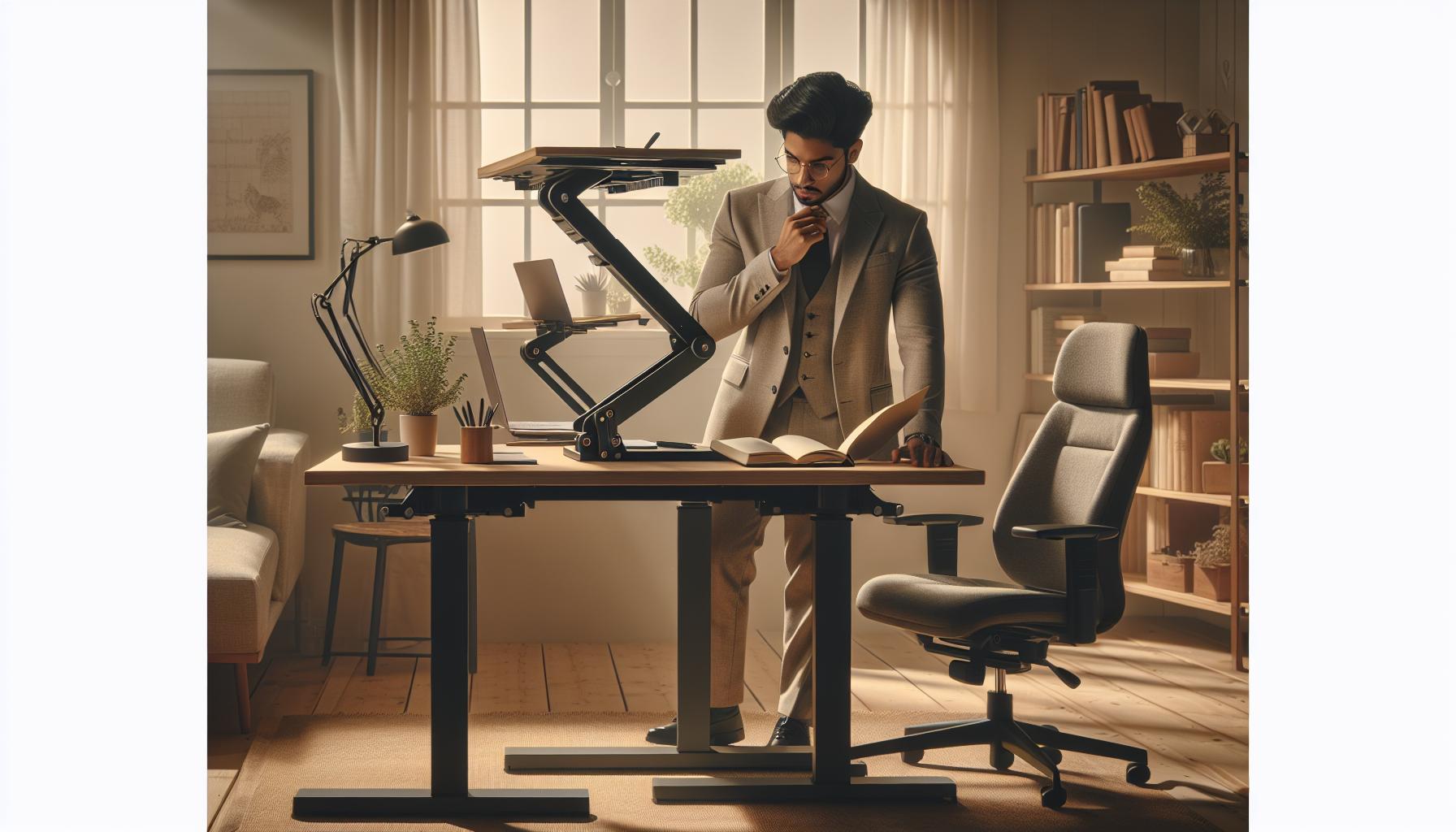
Material Quality: Importance for Durability and Stability
Choosing the right material for your standing desk is crucial for ensuring both durability and stability, foundational aspects of a productive workspace. A well-constructed desk not only stands the test of time but also supports your health by providing a reliable platform as you shift between sitting and standing positions throughout your workday. For instance, desks made from solid wood, steel, or high-quality composites typically offer enhanced strength and resilience, making them ideal choices for daily use.
Material Types to Consider:
- Solid Wood: Desks crafted from solid wood present an elegant aesthetic and exceptional durability, resisting wear and tear. They tend to absorb vibration, which can limit wobbling when adjusting the height.
- Metal Frames: Steel or aluminum frames are often lightweight yet incredibly sturdy. They provide excellent structural integrity, which is ideal for maintaining stability, particularly in electric height-adjustable models.
- MDF or Particle Board: While they can be economical options, it’s essential to ensure they are of high quality. Look for MDF desks that are laminated for moisture resistance and structural reinforcement, as lower-quality options might not hold up well over time.
When contemplating your choice, keep in mind how often the desk will be adjusted. Higher-quality materials typically provide better stability during transitions. For example, a heavy-duty desk with a solid core will minimize the risk of wobble, allowing you to focus on your tasks rather than adjusting your workspace repeatedly.
Long-Term Investment in Health:
Opting for a standing desk made of superior materials not only enhances usability but also promotes long-term wellness. A sturdy desk that supports a consistent ergonomic setup reduces physical strain. Over time, proper ergonomics improves cognitive performance, as being comfortable allows your mind to concentrate more fully on your work. Hence, investing in quality materials can lead to fewer distractions and more productive hours.
By selecting a standing desk with robust, high-quality construction, you can create a workspace that fosters both health and productivity, empowering you to achieve more throughout your workday. Think of this as a vital step toward not only improving your physical workspace but also enhancing your overall work-life balance and cognitive health.
Cable Management Solutions: Keeping Your Workspace Tidy
In an era where we spend countless hours in front of screens, the importance of an organized workspace cannot be overstated. A cluttered environment not only distracts but can also lead to increased stress and reduced productivity. Implementing effective cable management solutions for your standing desk is a simple yet impactful way to enhance the aesthetics and functionality of your workspace, ultimately supporting your cognitive health and work-life balance.
To achieve an organized and tidy workspace, consider the following strategies:
- Cable Clips: These adhesive solutions are perfect for securing loose cables along the edges of your desk or wall. They help prevent tangling, making it easier to access devices when needed.
- Cable Sleeves: Using flexible sleeves allows you to group multiple cables together, minimizing visual clutter and protecting them from wear and tear. This can help extend the lifespan of your devices.
- Under-Desk Trays: Installing a cable management tray beneath your desk can provide a discreet storage space for all your cords and power strips. This reduces the risk of tripping and creates a cleaner look for your workspace.
- Velcro Ties: These reusable fasteners are excellent for bundling cables together. They provide an adjustable solution that can grow or shrink as your tech needs change.
- Power Strips with USB Ports: Choosing power strips that include USB ports can reduce the number of cables in your workspace. These strips can be mounted under your desk for easy access.
By creating an orderly setting, you not only improve your focus but also contribute to a healthier mental state. Clutter can create a sense of chaos, distracting your mind and making it more difficult to concentrate on tasks, whereas a clean workspace promotes a feeling of control and enhances cognitive performance. Remember, a well-organized office supports not just your productivity, but your overall wellbeing as well. Investing a little time and effort into cable management can yield significant dividends in how you feel and work each day.
Additional Features: Tech Integration and Extras
In today’s fast-paced work environment, a standing desk can significantly enhance your productivity and well-being, especially when integrated with the right technology. Imagine a workspace where ergonomics meets efficiency, empowering you to achieve more with less strain. Incorporating tech integrations can turn a standard standing desk into a versatile command center tailored to your workflow, ultimately fostering cognitive health and reducing stress.
One of the most valuable features in modern standing desks is the availability of adjustable height mechanisms that can be controlled via smartphone apps or built-in presets. This allows you to easily switch between sitting and standing throughout your day, accommodating various tasks with just a tap on your device. Look for desks with programmable settings that allow multiple users to save their preferred heights-ideal for shared environments or family use.
Equally important is the integration of smart technology. Desks equipped with USB ports or wireless charging pads eliminate the clutter of tangled cables while ensuring your devices are constantly powered. Some models even offer built-in LED indicators to remind you to stand or adjust your position, promoting movement throughout the day. Additionally, features like Bluetooth connectivity enable seamless integration with health tracking apps that monitor your standing time, helping you stay accountable to your wellness goals.
Enhancing Your Workspace with Extras
Beyond basic functionality, consider extras that optimize your overall workspace. For instance, many desks come with attachable LED task lighting, which not only enhances visibility but can also be adjusted to different brightness levels depending on your preference. Similarly, accessories like monitor arms or laptop stands can elevate your screens to eye level, promoting better posture and reducing neck strain.
Additionally, noise-canceling technology and ergonomic accessories like anti-fatigue mats can enhance your comfort level while standing. These small but impactful additions create a more pleasant work environment, allowing you to focus on what matters most-your work and mental clarity. By thoughtfully integrating these technologies and extras, you’re not just investing in a desk; you’re investing in your health, productivity, and overall well-being.
Setting Up Your Standing Desk Effectively
Creating a workspace that promotes health and productivity is essential, especially when it comes to using a standing desk. An effective setup can transform not only your physical comfort but also your cognitive performance. To maximize the benefits of your standing desk, consider these key aspects for a proper arrangement.
First, position your monitor at the correct height. The top of your screen should be at or just below eye level, allowing you to look slightly downwards to avoid neck strain. This positioning helps maintain a neutral spine and reduces the risk of developing musculoskeletal issues. If you frequently switch between sitting and standing, investing in a desk mount or adjustable monitor arm can aid in achieving optimal ergonomics.
Next, pay attention to your desk’s surface organization. Use cable management solutions to keep cords from tangling and creating distractions. Clutter-free spaces enhance focus and reduce anxiety, contributing positively to your cognitive health. Additionally, consider the placement of your keyboard and mouse. They should be positioned at elbow height and close enough to allow your arms to remain relaxed at your sides. Using an ergonomic keyboard or wrist rest can further enhance comfort during extended use.
Don’t overlook the importance of incorporating movement into your day. Standing for long periods can lead to discomfort; therefore, it’s essential to alternate between sitting and standing regularly. Consider setting a timer to remind yourself to change positions or take short walking breaks every hour. The integration of an anti-fatigue mat can also provide cushioning, making it more comfortable to stand while working.
Lastly, personalize your standing workspace with items that inspire and motivate you. Incorporating plants or artwork can enhance emotional well-being, keeping your environment uplifting and engaging. By thoughtfully considering these elements, you’ll not only set up your standing desk effectively but also foster a healthier, more productive work experience that supports your overall well-being.
Tips for Transitioning to a Standing Desk
Transitioning to a standing desk can significantly impact not only your physical health but also your mental well-being and productivity levels. However, this change often requires a thoughtful approach to ease the adjustment period. Research shows that alternating between sitting and standing can boost energy levels and enhance focus, but making this switch isn’t always straightforward. Here are some effective strategies to help you transition smoothly to a standing desk.
First, start with gradual increments. Instead of jumping right into an all-day standing shift, try starting with short periods of standing-approximately 15-30 minutes every hour. Over time, you can incrementally increase this duration until you find a comfortable balance between sitting and standing. This method not only helps your body adapt to the change but also mitigates potential fatigue or discomfort.
Prioritize Ergonomics
Even with a standing desk, proper ergonomics are crucial for comfort and productivity. Ensure that your monitor is at eye level to prevent neck strain and that your keyboard is positioned so that your elbows remain at a 90-degree angle. Using an anti-fatigue mat can also significantly enhance comfort, as it provides support and cushioning for your feet, encouraging better posture and reducing the risk of discomfort over prolonged standing.
Incorporate Movement
To avoid stiffness and maintain circulation, it’s essential to incorporate movement into your routine. Consider integrating short walking breaks or light stretches into your day. These activities not only counteract the physical strain of standing but also promote healthy blood flow, reducing fatigue and enhancing cognitive function. Setting a timer to remind you to move every 30-60 minutes can create a structured approach to your workday that fosters an active lifestyle.
Customize Your Workspace
Personalizing your workspace can make your transition to a standing desk more enjoyable. Include elements that inspire you, such as artwork or plants, which can boost mood and motivation. Additionally, the layout of your desk should facilitate easy access to frequently used items without excessive reaching or bending. Creating a workspace that feels comfortable and motivating encourages a more positive mindset and enhances overall productivity.
By considering these strategies as you transition to a standing desk, you will not only support your physical health but also enhance your cognitive performance and workplace well-being. Remember, adapting to new work habits takes time, so be patient with yourself and remain open to adjusting your routine for optimal results.
Common Mistakes to Avoid with Standing Desks
Many people rush into using standing desks thinking that simply switching from sitting to standing will solve discomfort or health issues. However, making this transition requires mindful consideration to avoid common pitfalls that can negate the benefits of a standing desk. Understanding these mistakes will not only enhance your comfort but also maximize productivity in your workspace.
One significant error is standing for too long without breaks. While it may seem counterintuitive, prolonged standing can lead to fatigue, discomfort, and even musculoskeletal issues. Experts recommend alternating between sitting and standing to give your body a chance to recover. Start with smaller blocks of standing time-about 15-30 minutes every hour-and gradually build up as you become more accustomed to the change. Incorporate movement by walking around or doing gentle stretches to keep your body engaged and your circulation flowing.
Another common mistake is poor ergonomic setup. Positioning your monitor too high or too low, or having your keyboard at an awkward angle, can lead to strain on your neck, shoulders, and wrists. Ensure that your workstation is ergonomically optimized by keeping your monitor at eye level and your elbows at a 90-degree angle when typing. Not utilizing an anti-fatigue mat can also contribute to discomfort; a good mat can significantly reduce pressure on your feet and encourage better posture throughout the day.
Lastly, neglecting to personalize your workspace can impact your motivation and productivity. A cluttered or uninspiring environment can lead to distractions and decreased focus. Organizing your desk, incorporating plants or art, or even adjusting the lighting can make a significant difference in how you feel while working. Taking the time to create a welcoming and functional environment is an investment in your overall well-being and effectiveness at work.
By recognizing these common mistakes and embracing best practices, you can enjoy the full benefits of a standing desk, improving both your physical health and cognitive performance.
User Reviews: Learning from Real Experiences
User experiences with standing desks often reveal insights that can enhance your own decision-making and satisfaction. Reviews from real users frequently highlight the transformative impact of these desks on their daily productivity and overall health. Many users enthusiastically report an increase in energy levels and a noticeable reduction in back pain after making the switch from traditional desks. For instance, one user shared that incorporating a standing desk into their routine helped them combat the mid-afternoon slump, attributing this newfound vitality to the ability to shift between sitting and standing throughout their workday.
However, not all experiences are overwhelmingly positive, illustrating the importance of choosing the right features. Users often emphasize the significance of adjustable height mechanisms, which allow them to customize their desk to accommodate their specific needs. Picking a model that easily transitions between heights was a frequently mentioned feature; those who found desks difficult to adjust ended up reverting to their old seating habits. Additionally, many reviewers noted the importance of ergonomic design. A setup that promotes natural posture can prevent discomfort and enhance focus. Feedback often suggests investing in quality anti-fatigue mats, which can significantly improve comfort during extended standing periods.
Another common insight from user reviews revolves around cable management solutions. Users appreciate desks that keep their workspaces tidy and organized, reducing distractions caused by tangled cords. Those who neglected this aspect reported increased frustration, prompting them to seek out desks that not only performed well ergonomically but also provided smart cable management options.
Ultimately, the experiences of others can offer valuable lessons when selecting a standing desk. Prioritizing ergonomics, height adjustability, and organization can significantly enhance your work environment, contributing to better health and productivity. As you reflect on user insights, consider how you can personalize your standing desk experience to align with your preferences and lifestyle, ensuring it becomes a valuable investment in your overall well-being.
Cost vs. Value: Investing in Your Wellbeing
Investing in a standing desk is not just about purchasing a piece of furniture; it’s a significant step toward enhancing your overall well-being and productivity. As workplace wellness becomes increasingly recognized as essential for mental and physical health, the long-term benefits of standing desks can far outweigh initial costs. Research indicates that incorporating standing into your work routine can reduce the risk of chronic issues such as obesity, diabetes, and cardiovascular disease, which can save you money on healthcare in the long run.
When calculating the cost versus value of a standing desk, it’s important to consider how it impacts your cognitive performance. Studies show that standing while working can improve focus and energy levels, which in turn boosts productivity. Consider the potential improvements in output for tasks that require creativity or analytical skills. A workspace that promotes movement helps in stimulating brain function and encourages better circulation, leading to a renewed sense of clarity and engagement with your work.
Furthermore, quality does matter. A well-designed standing desk with adjustable height settings allows for a smooth transition between sitting and standing, accommodating your daily needs. Prioritizing durability means you won’t have to replace your desk frequently, ultimately enhancing cost-effectiveness. Investing in additional features like anti-fatigue mats or smart tech integrations can create a more comfortable and versatile workspace. Therefore, rather than viewing the purchase as a mere expense, see it as an investment in your health, well-being, and productivity-elements that are valuable beyond their price tags.
In summary, while the upfront cost of a standing desk may seem intimidating, it is a worthwhile investment in your future health and work satisfaction. Consider the long-term benefits, both financial and personal, that come from a more dynamic and healthier work environment. Take the plunge and explore options that not only fit your office aesthetics but also prioritize your physical and mental health-your body and mind will be grateful.
Faq
Q: What height range should I look for in a standing desk?
A: When selecting a standing desk, ensure it has an adjustable height range that accommodates both standing and seated positions. Most desks should range from about 24 to 50 inches to suit users of different heights effectively, promoting ergonomic comfort throughout your workday.
Q: How much weight can a standing desk typically support?
A: The weight capacity of standing desks varies, typically ranging from 50 to 300 pounds. Check the manufacturer specifications to ensure it can safely support your computer, accessories, and any additional items to prevent instability and ensure long-term use.
Q: What materials are best for a standing desk surface?
A: Ideal standing desk surfaces should be made from durable materials like solid wood, bamboo, or high-quality laminate. These materials provide stability and longevity while maintaining a polished appearance, reducing the risk of scratches and damage from daily use.
Q: Are electric standing desks better than manual ones?
A: Electric standing desks offer easy height adjustments with the push of a button, making them more convenient than manual options, which require cranking. This feature allows for quicker transitions between sitting and standing, promoting better posture and comfort throughout the day.
Q: How can I ensure proper ergonomics with my standing desk?
A: To maintain proper ergonomics, adjust your standing desk so your elbows are at a 90-degree angle, and your monitor is at eye level. Use a footrest for improved posture and consider an anti-fatigue mat to reduce discomfort during extended standing periods.
Q: What additional features should I consider in a standing desk?
A: Look for features like programmable height presets, integrated cable management, and USB charging ports. These enhancements improve usability and keep your workspace organized and efficient, complementing your overall office setup.
Q: What is the best way to transition to using a standing desk?
A: Start by alternating between standing and sitting to allow your body to adjust gradually. Aim for shorter standing sessions initially, increasing the duration over time while observing your comfort levels and making ergonomic adjustments as needed.
Q: How much should I invest in a high-quality standing desk?
A: Quality standing desks typically range from $300 to $1,000, depending on features and materials. Investing in a durable model can enhance your work experience and longevity, leading to better posture and productivity, making it a worthwhile investment for your health.
Concluding Remarks
Investing in the right standing desk is essential for enhancing your workplace ergonomics and boosting productivity. As you consider the critical features discussed, remember that every choice you make contributes to your overall well-being and cognitive performance. Don’t wait-take action today! Explore our in-depth guide on setting up an ergonomic workspace to maximize comfort and health.
If you’re still unsure about which desk is best for you or have concerns about workplace wellness, we invite you to check out our resources on balancing work-life harmony and effective stress management techniques. For more tips and insights, subscribe to our newsletter and stay updated on the latest in brain health and productivity solutions. Your journey to a more vibrant, productive work life starts now-embrace it!