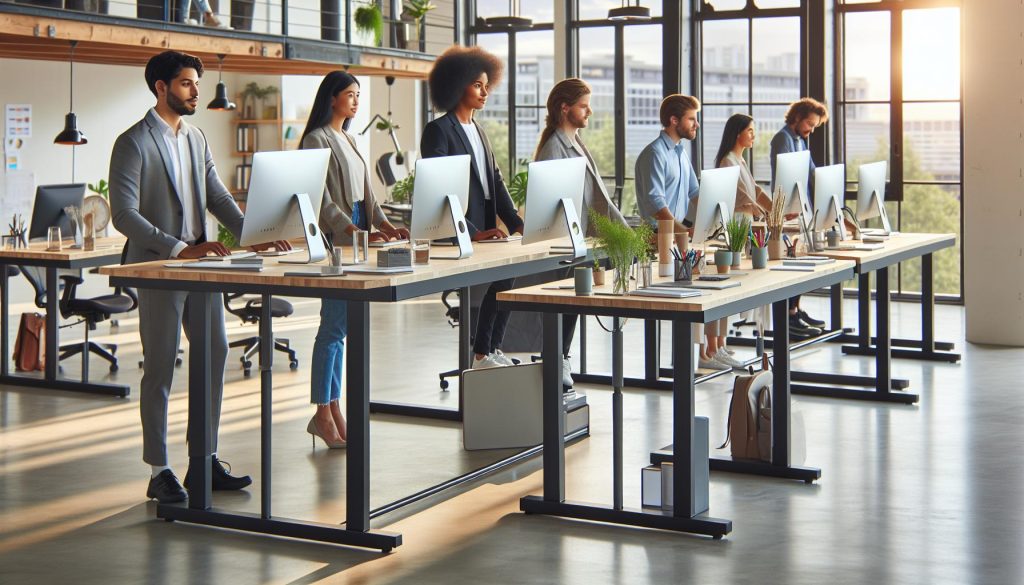
Did you know that the average person spends over 10 hours a day sitting? This can lead to numerous health issues, from back pain to decreased productivity. Enter the standing desk-an innovative solution that promotes better posture and energy levels by allowing you to work while standing. In this complete beginner’s guide, we will explore what a standing desk is, the benefits it offers, and how to effectively incorporate it into your workspace. By understanding the importance of reducing sedentary behavior, you can take meaningful steps towards a healthier, more productive work life. Get ready to unlock the potential of standing desks and enhance your overall well-being!
What is a Standing Desk? Understanding the Basics
Standing desks are gaining popularity in modern workplaces as more individuals recognize the negative effects of prolonged sitting. These desks allow users to work while standing, promoting a more active lifestyle and offering various health benefits. Essentially, a standing desk is an adjustable work surface that enables you to alternate between sitting and standing positions, helping to reduce the risks associated with sedentary behavior. Many designs feature adjustable heights, allowing users to personalize their workspace to ensure comfort and ergonomic alignment.
The basic principle behind standing desks is to increase the amount of time you spend on your feet during the workday. This simple change in posture can help mitigate issues related to poor circulation, back pain, and overall fatigue caused by prolonged sitting. While standing desks are excellent for enhancing workspace ergonomics, it’s crucial to maintain proper posture to avoid strain on your back and joints. Ensuring your monitor is at eye level and your keyboard is at a comfortable height can help achieve this.
To maximize the advantages of a standing desk, consider incorporating movement into your routine. This can involve slight shifts in position, stretching, or taking regular breaks to walk around. Combining standing with intermittent movement can aid in improving circulation and sustaining energy levels throughout your day. As you integrate a standing desk into your work life, understand that it may take some time to adjust, but the potential benefits-such as increased productivity and reduced discomfort-may well be worth the effort.
The Science Behind Standing Desks and Productivity
The shift from a sedentary to a more active work style can significantly enhance productivity. Research indicates that standing desks can positively influence cognitive performance, leading to enhanced focus and increased energy levels. When you stand, your body engages more physically, which has been linked to improved blood flow and oxygen levels in the brain. This creates an optimal environment for sharper thinking, better problem-solving skills, and overall mental clarity.
Studies have shown that individuals using standing desks report higher levels of engagement and job satisfaction compared to those who remain seated throughout their workday. For instance, a report from The Joint emphasizes that standing desks support spinal health, which can alleviate discomfort and distraction caused by poor posture and prolonged sitting. Furthermore, the act of standing can encourage more frequent movement, enabling workers to take short breaks for stretching or walking, which helps refresh the mind and gives the workplace a dynamic atmosphere.
To get the most out of a standing desk in enhancing productivity, consider implementing the following strategies:
- Gradual Transition: Start by alternating between sitting and standing to allow your body to adjust to the new posture.
- Set Ergonomic Heights: Ensure your desk and screen heights are set properly to avoid strain, keeping your monitor at eye level and your arms at 90-degree angles.
- Incorporate Movement: Use timers to remind yourself to shift your position or take short movement breaks to stimulate blood flow and maintain energy levels.
Ultimately, optimizing your workspace with a standing desk not only promotes physical health but can also lead to notable improvements in productivity and overall workplace satisfaction. With careful arrangement and mindful practice, adopting a standing desk can transform your work experience, making you not just an employee but a more engaged and proactive participant in your work environment.
Health Benefits of Using a Standing Desk
Standing desks have gained popularity not just for their innovative design but also for the array of health benefits they offer. Research indicates that transitioning from a sedentary lifestyle to one that incorporates standing can lead to significant improvements in various health markers. For instance, standing after meals has been shown to help stabilize blood sugar levels more efficiently than sitting, potentially reducing the risk of type 2 diabetes. This is crucial in today’s work culture, where prolonged sitting is linked to a host of metabolic disorders.
Moreover, the use of standing desks can result in a marked decrease in discomfort associated with long periods of sitting. Users often report improvements in posture, which directly correlates with a reduction in back and shoulder pain-common complaints among desk workers. By promoting an upright position, standing desks can also encourage users to be more mindful of their posture throughout the day, potentially leading to healthier spinal alignment over time.
Other Notable Health Benefits
Combating fatigue is another essential benefit of using a standing desk. Many individuals experience a noticeable increase in energy levels when they stand more during their workday. Frequent standing allows for better circulation, which can enhance overall mood and cognitive performance. Users often report feeling less fatigued and more engaged with their tasks, a factor that significantly contributes to both personal satisfaction and workplace productivity.
Additionally, standing desks can play a role in weight management. Studies suggest that people who use standing desks may burn more calories compared to those who remain seated, thanks to the increased energy expenditure associated with standing. While this may not lead to drastic weight loss on its own, every little bit helps when integrated into a balanced lifestyle of healthy eating and regular movement.
Incorporating a standing desk into your daily routine can serve as a stepping stone to improved health and wellbeing. To maximize these benefits, consider balancing standing with regular movement breaks and ergonomic adjustments. This approach not only reinforces a healthier work environment but also supports ongoing physical and cognitive enhancement. Embracing this modern workspace option could be your first step toward a more vibrant, engaged work life.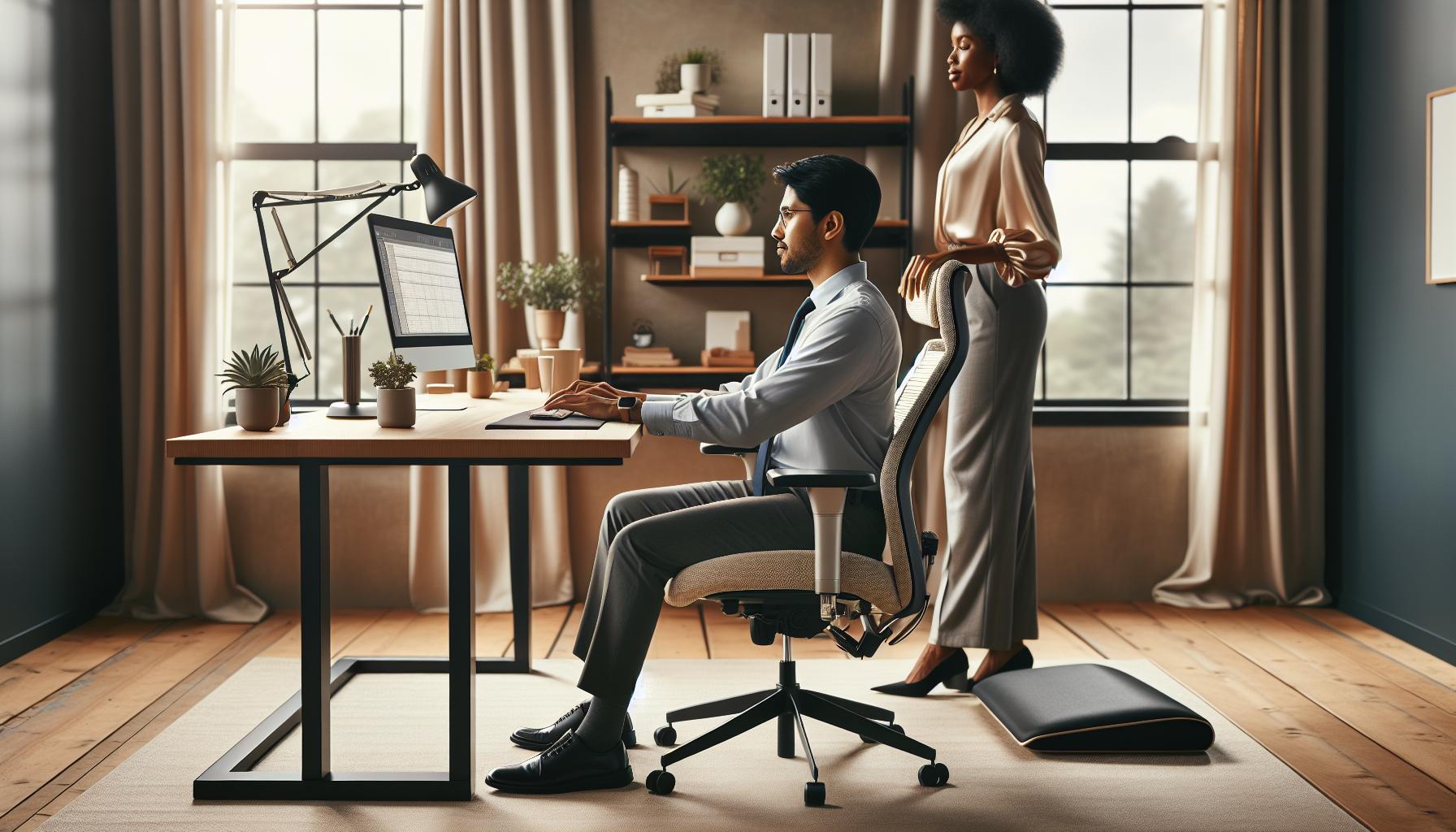
Ergonomic Setup: Creating the Perfect Workspace
Creating an ergonomic workspace is essential for maximizing the benefits of a standing desk while minimizing discomfort. It’s not just about standing; it’s about how you stand, the tools you use, and the environment you create around your work routine. An effective setup can help reduce the strain on your body, enhance your productivity, and contribute to a healthier work life.
Begin by adjusting your desk to the proper height. Ideally, your elbows should be at a 90-degree angle or slightly obtuse when typing. Your wrists should remain straight, and your hands should hover comfortably above the keyboard. To achieve this, a rule of thumb is to have the desk height at the level of your elbow when you are standing comfortably. If your desk lacks adjustability, consider using a keyboard tray that can be mounted below the surface to bring your hands to the appropriate height.
Your screen placement is equally important. The top of your monitor should be at eye level or just below, about an arm’s length away. This positioning minimizes neck strain and encourages a more natural posture. Using a monitor stand or stack of books to elevate your screen can make a significant difference. Additionally, if you frequently use a laptop, consider investing in a laptop stand or docking station that allows for a more ergonomic display while keeping your keyboard at the ideal height.
- Footwear matters: Wearing supportive shoes can significantly reduce fatigue and discomfort. Avoid standing in overly cushioned or unsupportive footwear.
- Use a footrest: A footrest helps to promote movement and shifts in weight distribution, which can decrease pressure on your lower back. You can also alternate your weight between feet to prevent fatigue.
- Stay dynamic: Incorporate movement into your routine. Simple stretching or shifting your weight while standing can promote circulation and prevent stiffness.
Finally, consider integrating an anti-fatigue mat-these mats are specifically designed to provide support and cushioning, alleviating pressure on your legs and feet. The combination of a well-structured ergonomics plan and intentional movement can not only protect your body but also optimize your cognitive performance throughout the day. By consciously designing your workspace this way, you set the foundation for a healthy, productive work environment that empowers you to thrive.
Common Misconceptions about Standing Desks
There’s a common belief that standing desks are the ultimate solution to all workplace woes, but this perspective overlooks some important nuances. Many people assume that simply switching from a traditional seated workstation to a standing desk will automatically improve health and boost productivity. This misconception can be misleading, as the benefits of standing desks are closely tied to how they are used rather than their mere presence in the workspace.
One major misconception is that standing desks eliminate fatigue and discomfort. While standing may reduce some of the health risks associated with prolonged sitting, it doesn’t mean that standing all day is the answer. In fact, standing can lead to its own set of issues, such as fatigue in the legs and back discomfort. The key is to find a balanced approach that incorporates both sitting and standing throughout the day. Research suggests alternating between sitting and standing can enhance comfort and productivity, making a sit-stand desk an ideal choice for flexibility.
Another prevalent myth is that standing desks intrinsically lead to better health outcomes, such as weight loss or improved posture. While standing desks can encourage more movement, they do not guarantee an active lifestyle if users remain static at their desks. Moreover, posture is not automatically improved by standing; without proper ergonomic setup, users can still develop strain or discomfort. It’s crucial to ensure that desks are correctly adjusted and paired with supportive footwear to gain the most from standing.
To truly benefit from using a standing desk, it is essential to approach the transition thoughtfully. Incorporating movement into your routine-such as periodically stretching, walking, or using a footrest to shift weight-can enhance the overall experience. Additionally, professional ergonomic guidance can ensure your setup promotes not just comfort, but also productivity and wellness. By debunking these misconceptions, you can pave the way toward a healthier, more effective work environment that supports both your physical and cognitive well-being.
How to Transition to a Standing Desk Effectively
Making the switch to a standing desk can significantly enhance your workday, but it’s important to transition thoughtfully to reap the full benefits. Research indicates that abrupt changes can lead to discomfort or fatigue, undermining the potential advantages of standing more during your work hours. To facilitate a smooth transition, start by gradually increasing the time you spend standing each day. For example, begin with 15-30 minutes of standing every hour and incrementally increase this duration as your body adjusts. This incremental approach allows your muscles and joints to adapt without overwhelming them.
Step-by-Step Guide to Transitioning
- Assess Your Workspace: Before setting up your standing desk, evaluate your workspace layout. Ensure you have adequate room to adjust the desk height and that your monitor is at eye level to avoid straining your neck.
- Ergonomic Setup: Invest time in creating an ergonomic setup. Your elbows should be at a 90-degree angle while typing, and your wrists should be straight. Use an anti-fatigue mat to reduce discomfort in your legs and feet.
- Alternate Between Sitting and Standing: To prevent fatigue, alternate between sitting and standing throughout your workday. Using a sit-stand desk can help you effortlessly switch positions. Aim for a ratio of approximately 1:1 or 2:1 (standing to sitting) depending on what feels comfortable for you.
- Incorporate Movement: Integrate mini-breaks for stretching or light physical activity. Standing doesn’t mean you should remain static; shifting your weight, walking around, or practicing simple stretches can significantly enhance circulation and reduce stiffness.
Listen to Your Body
Pay attention to how your body responds to the new setup. If you experience discomfort, consider reassessing your desk height or adjusting your footwear. It’s also essential to maintain proper hydration as it can influence your energy levels and focus. If persistent discomfort arises, professional ergonomic consultations can help tweak your setup for optimal comfort.
Transitioning effectively to a standing desk promotes not only physical health but can also enhance your cognitive performance. Studies suggest that frequent movement and a dynamic workspace can boost mood and overall productivity. Embrace this transformative step toward a healthier work life, but remember to prioritize balance and flexibility to ensure lasting benefits.
Incorporating Movement: Best Practices for Desk Use
Incorporating movement into your work routine can significantly enhance both your physical well-being and mental performance. Engaging in regular physical activity can boost circulation, elevate energy levels, and contribute to improved cognitive function, which is crucial in a fast-paced work environment. It’s not just about standing more; it’s about integrating movement throughout your day to combat the potential pitfalls of a sedentary lifestyle, even when you’re using a standing desk.
- Set a Timer for Movement Breaks: Use a timer or an app to remind yourself to move every 30 minutes. During these breaks, take a few minutes to stretch or walk around your workspace. Simple movements like shoulder rolls and neck stretches can help alleviate tension.
- Practice Dynamic Movements: Incorporate exercises that allow you to shift your weight and engage different muscle groups while at your desk. For example, try standing on one leg or performing calf raises. These actions not only activate your muscles but also improve balance.
- UtilizeStretching Techniques: Take advantage of the time spent standing to perform some upper body stretches. Reach your arms overhead and lean to each side or twist your torso gently. These stretches can relieve muscle tightness and improve flexibility.
Engage in Active Tasks
Embrace opportunities to incorporate physical activity into your work tasks. Consider options such as:
- Walking Meetings: Schedule walking meetings when feasible. Discussing ideas while walking not only boosts creativity but also gets your blood flowing.
- Frequent Position Changes: While standing, feel free to shift your position frequently. Stand on a footrest or shift your weight from one foot to the other to prevent fatigue.
The key is to build a routine where movement is a natural part of your workday. By maintaining an active approach, you will not only enhance your productivity but also foster a healthier work-life balance. As you embrace these best practices, be mindful of your body’s signals, and adapt your movements to suit your individual comfort and energy levels. This mindful integration of movement will lead to a rejuvenated work experience and improved overall well-being.
Standing Desk Accessories to Enhance Comfort
Creating a comfortable and productive workspace with a standing desk involves more than just adjusting the height of your workstation. The right accessories can transform your standing desk setup into an ergonomic haven, which can support your physical well-being and enhance your cognitive performance. Consider incorporating a blend of supporting tools designed to minimize discomfort and boost your productivity throughout the day.
- Anti-Fatigue Mat: Standing for extended periods without proper support can lead to leg and back discomfort. An anti-fatigue mat is designed to provide cushioning and promote better posture while reducing fatigue. It encourages slight movements in your feet and legs, enhancing circulation and comfort.
- Adjustable Footrest: Using a footrest can help you shift your weight and take pressure off your lower back. Look for an adjustable model that allows you to vary the height and angle, giving you the flexibility to find a comfortable position while standing.
- Monitor Stand or Riser: Position your monitor at eye level to avoid straining your neck and eyes. A monitor stand or riser helps achieve the optimal viewing height and can accommodate multiple screens if necessary, minimizing neck strain and improving overall posture.
- Ergonomic Keyboard and Mouse: Using a keyboard and mouse that promote a natural hand position can significantly reduce the risk of repetitive strain injuries. Consider models that offer wrist support or those that are ergonomically shaped to fit the contours of your hands.
In addition to these key accessories, integrating personal touches like desk plants or proper lighting can positively impact your mood and productivity. These elements contribute to creating a workspace that not only feels inviting but also enhances your focus and energy levels. By thoughtfully selecting accessories for your standing desk, you empower yourself to maintain comfort and well-being, fueling both your productivity and cognitive health as you navigate your daily tasks.
Balancing Sitting and Standing: The Ideal Ratio
Finding the perfect balance between sitting and standing while working is crucial for optimizing productivity and maintaining overall health. Research suggests that an effective approach to using a standing desk involves the 1:1 or 2:1 ratio of sitting to standing time. This means, for every hour spent standing, aim for equal or up to twice as much time sitting. Transitioning to standing gradually can help your body adapt and prevent fatigue or discomfort, setting the stage for a more sustainable work routine.
To successfully implement this balance, consider using timers or reminders to switch between positions throughout your workday. For instance, stand for 20-30 minutes, then sit for the next 20-30 minutes. Tools like smartphone alarms or productivity apps can facilitate these transitions, ensuring that movement becomes an integral part of your daily workflow. Furthermore, the ability to adjust your desk height easily can encourage more frequent changes in position without any hassle.
Pay attention to your body’s signals during this transition. Everyone’s comfort levels vary, so listen to what feels right for you. Some people might find that they need longer sitting periods initially before gradually increasing their standing time. Incorporating regular micro-breaks-short walks or stretches-while standing can also enhance blood circulation and alleviate muscle tension, further improving productivity and focus. Remember, the key to maximizing the benefits of a standing desk lies in finding a ratio and rhythm that supports both comfort and engagement in your work.
Tips for Maintaining Focus and Energy at Work
Maintaining focus and energy at work, especially when using a standing desk, is essential for boosting productivity and enhancing cognitive performance. One effective strategy is to integrate short, regular breaks throughout your workday. Research supports that stepping away from your desk, whether sitting or standing, can significantly refresh your mind and body. Aim to take a 5-minute break every hour where you stretch, hydrate, or even take a short walk. This simple action can enhance your circulation, soothe muscle tension, and help clear your mind, enabling you to return to your tasks with renewed vigor.
Another key factor in sustaining energy levels is to focus on your nutrition. Opt for balanced meals and snacks that incorporate whole foods, such as fruits, vegetables, whole grains, and lean proteins. These foods provide sustained energy without the crash that often follows sugary snacks. Keeping healthy snacks within arm’s reach-like nuts, yogurt, or fruit-can prevent the typical mid-afternoon energy slump. Remember, staying hydrated is equally important; drinking water consistently throughout the day enhances cognitive function and keeps you alert.
Incorporating movement into your routine can substantially enhance focus. Use a timer or reminders to encourage brief periods of activity, such as calf raises or gentle stretches, while standing. You may also want to explore light exercises that can be done during breaks, such as lunges or arm circles, which help manage stress and maintain a positive mental state. Engaging in activities that require you to move can stimulate endorphin release, thus elevating your mood and energy levels.
Lastly, creating a distraction-free environment further contributes to maintaining energy and focus. Use tools such as apps to block distractions, set specific work times free from interruptions, and establish a tidy workspace that promotes clarity and composure. Consider personalizing your standing desk area with motivational quotes, plants, or a vibrant view to help keep your spirits high. By cultivating a supportive environment alongside healthy habits, you can significantly enhance your workplace experience, making it both productive and enjoyable.
Long-Term Impact of Standing Desks on Health
Making the switch to a standing desk can be a game changer for your health and overall well-being. Research indicates that prolonged sitting has been linked to a host of health issues, including obesity, metabolic syndrome, and cardiovascular disease. By incorporating a standing desk into your daily routine, you’re not just changing your posture; you are actively participating in a lifestyle shift that may have significant long-term benefits.
###
Bone and Joint Health
Standing while working helps to maintain bone density and reduce the risk of joint issues. When you remain seated for extended periods, your hip flexors can become tight, leading to an imbalance in your pelvis and lower back. Conversely, standing promotes better spinal alignment and encourages you to adjust your posture throughout the day. Furthermore, engaging in light movement while standing can stimulate circulation, which is crucial for delivering essential nutrients to your bones and joints.
###
Cognitive Function and Mood
Numerous studies suggest that standing desks may positively affect cognitive performance and mood over time. A more dynamic work environment can keep you mentally engaged, enhancing focus and productivity. By standing, individuals often report higher energy levels and decreased feelings of fatigue. Additionally, standing desks can contribute to a more active lifestyle that may improve mood and decrease feelings of stress and anxiety, thus fostering better mental health.
###
Long-Term Weight Management
Incorporating a standing desk can also aid in long-term weight management. While the calories burned while standing versus sitting may seem minimal on a per-hour basis, the cumulative effect over days, weeks, and years can be substantial. By merging standing with physical activity, you’re more likely to stay active throughout the day, which may assist in preventing weight gain and obesity-related conditions.
To maximize these benefits, it’s essential to set up your standing desk ergonomically to avoid potential discomfort. Ensure your monitor is at eye level, and your keyboard is positioned to keep your elbows at a 90-degree angle. Using anti-fatigue mats can also enhance comfort while standing. As you embark on this journey, be attentive to your body’s needs-mix standing with sitting to prevent fatigue and maintain optimal health over the long haul.
Success Stories: Transformations with Standing Desks
Many individuals have transformed their work and health lives by switching to standing desks, demonstrating the practical benefits of this adjustment. For instance, Sarah, a marketing manager who spent over eight hours a day hunched in front of her screen, noticed a significant reduction in her lower back pain just weeks after switching to a standing desk. She found that standing not only alleviated her discomfort but also improved her focus during meetings. Sarah now reports feeling more energized, contributing to her productivity and even fostering a more engaging environment for her team.
Another compelling story comes from John, a software developer who struggled with weight management due to a sedentary lifestyle. After incorporating a standing desk into his daily routine, he began to seamlessly integrate movement into his workday. He now takes frequent breaks to stretch or walk, boosting his metabolism and leading to noticeable weight loss. John emphasizes the importance of balance, stating, “It’s not just about standing; it’s about being active. I feel a lot better, both mentally and physically.”
Equally inspiring is Emily, a graphic designer who has faced anxiety and stress related to her work. Since transitioning to a standing desk, she has embraced a more dynamic workspace, pairing standing with regular movement and breathing exercises. Emily reports that this lifestyle change has enabled her to manage her stress levels more effectively, allowing for greater creativity and focus on her projects. She advises others to listen to their bodies and adapt their schedules to include movement, reinforcing that small changes can lead to significant health benefits.
These success stories reflect the transformative potential of standing desks, highlighting not just improvements in posture and energy levels but also enhanced overall well-being. By adopting strategies that integrate standing with movement, individuals can foster healthier work habits that may lead to long-term health improvements.
Frequently asked questions
Q: What are the different types of standing desks available?
A: Standing desks come in various types, including manual crank desks, electric height-adjustable desks, and fixed-height desks. Each type has unique features tailored to user preferences, from budget-friendly manual options to more advanced electric models that allow seamless height adjustments for convenience and ergonomics.
Q: How do I choose the right height for my standing desk?
A: To choose the right height, stand straight with your elbows at a 90-degree angle and your hands resting comfortably on the desk. The desk should be at forearm height to ensure proper posture and reduce strain during use. Refer to ergonomic guidelines for additional height recommendations related to your body size.
Q: Are standing desks suitable for every type of work?
A: While standing desks are beneficial for many tasks, they may not be suitable for all types of work. Jobs requiring fine motor skills, extensive typing, or focus might be better performed while seated. It’s important to balance standing and sitting throughout the day to maintain comfort and productivity.
Q: Can a standing desk help with back pain?
A: Yes, using a standing desk can alleviate back pain for some individuals by promoting better posture and reducing the strain of prolonged sitting. However, it’s essential to combine standing with ergonomic practices, such as using a footrest and ensuring proper screen height, to maximize comfort and benefit.
Q: How often should I alternate between sitting and standing at my desk?
A: It is recommended to alternate between sitting and standing every 30 to 60 minutes. This balance helps prevent fatigue and maintains energy levels throughout the workday. Adjust your routine based on your comfort and the tasks you are performing.
Q: What accessories enhance the experience of using a standing desk?
A: Essential accessories to enhance your standing desk experience include anti-fatigue mats, monitor stands, ergonomic chairs, and footrests. These items promote better posture, reduce fatigue, and increase overall comfort while working at your standing desk.
Q: How can I maintain energy levels while using a standing desk?
A: To maintain energy levels, incorporate regular movement such as stretching or walking, stay hydrated, and consider using a sit-stand routine to break up long periods of standing. Additionally, maintaining a clean and organized workspace can boost focus and productivity.
Q: Are there specific exercises I can do while using a standing desk?
A: Yes, there are several exercises you can do, such as calf raises, desk push-ups, and gentle stretches. Incorporating simple movements during work can help promote circulation and reduce stiffness, enhancing overall well-being while using a standing desk.
In Retrospect
Now that you’re equipped with the knowledge of what a standing desk is and its numerous benefits, it’s time to take charge of your workspace wellness. By transitioning to a standing desk, you can enhance your energy levels and boost productivity, making a positive impact on your overall health. Don’t hesitate-start exploring our comprehensive guide on setting up an ergonomic workspace for optimal comfort and efficiency. Interested in deeper insights? Check out our articles on workplace stress management and brain health techniques to further elevate your work-life balance.
Remember, making the switch to a standing desk is just the beginning. Implementing healthy work habits can truly transform your day-to-day experience. If you have questions or want to share your journey, feel free to leave a comment below; we love hearing from you! Dive into our resources today to empower your workspace and support your wellness journey-because every step you take towards better health counts!