
Did you know that standing desks can play a crucial role in transforming your health from the ground up? As many of us spend long hours seated, we often face challenges like back pain, poor posture, and decreased energy levels. A standing desk can help alleviate these issues by promoting better posture, enhancing circulation, and boosting overall productivity. By integrating a standing desk into your workspace, you could improve your well-being and cognitive function, making it easier to stay focused and energized throughout the day. This article will explore how a standing desk can revolutionize your daily routine and provide practical tips for maximizing its benefits. Get ready to elevate your health and transform your work experience!
Understanding the Benefits of Standing Desks
Did you know that standing desks can significantly reduce the risks associated with prolonged sitting, such as obesity, diabetes, and cardiovascular disease? Integrating a standing desk into your workspace transforms not just your physical activity levels, but also your overall health and productivity. This modern tool encourages movement and helps break the sedentary habits that often accompany conventional desk work.
The benefits of standing desks extend beyond just increased standing time. When you shift to a standing desk, you may experience improvements in posture and back comfort. Standing naturally aligns your spine and can reduce the strain on your back muscles, promoting a more comfortable workspace. However, it’s crucial to use proper ergonomics, such as adjusting your screen to eye level and keeping your feet shoulder-width apart to distribute weight evenly, which can enhance comfort further. Studies have shown that people who use standing desks report less discomfort than those who remain seated throughout the workday[[2]](https://www.webmd.com/fitness-exercise/standing-desks-help-beat-inactivity).
Moreover, adopting a standing desk can influence your ability to manage weight effectively. Standing burns more calories than sitting, which can contribute to weight loss or maintenance over time. When combined with regular movement and breaks, this active workspace can create a more dynamic environment conducive to health and wellness[[3]](https://www.upliftdesk.com/blog/7-standing-desk-benefits/). The cumulative effect of these changes not only benefits physical health but can also enhance cognitive function, leading to better focus and productivity, ultimately making your work time more efficient.
In conclusion, embracing a standing desk approach can revitalize your work experience. It’s about much more than just standing; it’s a holistic shift towards a healthier, more engaged lifestyle at work. Remember to maintain balance-alternate between sitting and standing and incorporate regular movement to enjoy the full spectrum of standing desk benefits.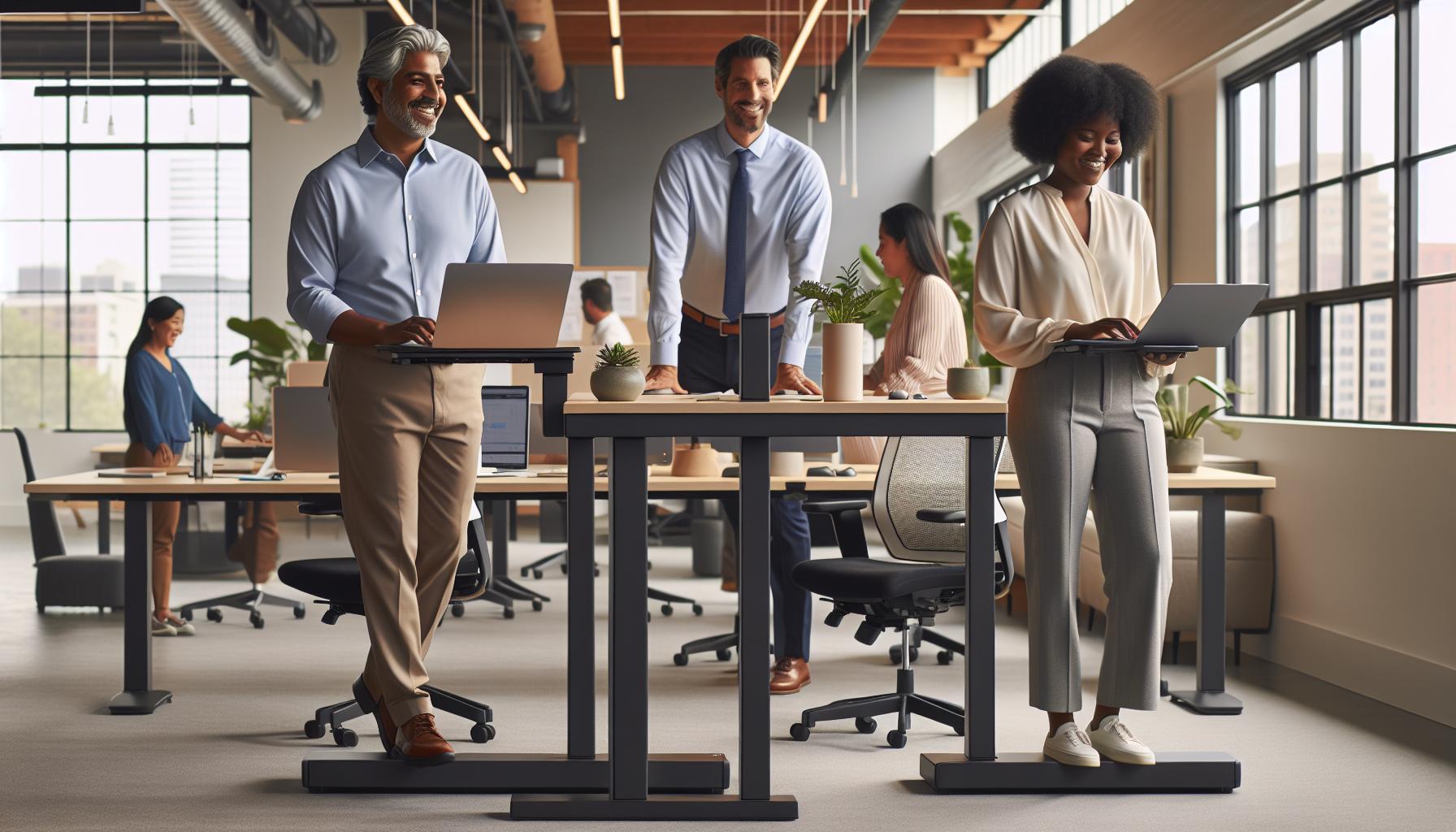
How Standing Desks Improve Posture and Comfort
Standing desks offer a transformative approach to how we work, particularly in enhancing posture and comfort during long hours spent at a desk. One of the most significant advantages of adopting a standing desk is its potential to facilitate better spinal alignment. When you stand, your body naturally aligns in a more upright position, which can alleviate the pressure placed on your back and spine compared to prolonged sitting. This position reduces the likelihood of developing chronic back pain, a common complaint among office workers.
To maximize the benefits of a standing desk, it’s essential to pay attention to ergonomic principles. Setting the desk at the correct height is vital; your elbows should be at a 90-degree angle, and the screen should be at eye level to avoid straining your neck. Additionally, distributing your weight evenly on both feet can prevent fatigue. Incorporating supportive footwear can also make a significant difference in comfort. For those new to standing desks, it’s advisable to alternate between sitting and standing gradually, allowing your body to adjust to the new posture while minimizing discomfort.
Incorporating movement into your routine is another key aspect of maintaining posture and comfort with a standing desk. Frequent micro-movements, such as shifting your weight, gently stretching, or doing calf raises, can enhance circulation and muscle engagement. Not only does this help to reduce stiffness, but it also promotes an overall sense of well-being and energy throughout the day.
Overall, standing desks serve as a powerful tool for promoting better posture and greater comfort at work. By setting up your workstation ergonomically and incorporating movement, you can create a healthier, more engaging work environment that supports both your physical health and productivity.
Boosting Productivity with a Standing Desk Setup
Adopting a standing desk can significantly enhance productivity by transforming the way you engage with your tasks throughout the workday. Research indicates that the act of standing can trigger physiological changes that elevate focus, energy levels, and overall mental acuity. When you stand, your body is in a more alert position, promoting better blood circulation and reducing feelings of lethargy that often accompany prolonged sitting. This shift not only helps combat the mid-afternoon slump but also fosters a more dynamic work atmosphere that encourages active participation and creativity.
One effective strategy to boost productivity with a standing desk setup is to incorporate structured movement into your routine. Engaging in regular micro-movements, such as stretching, shifting your weight from one foot to the other, or taking short walks around your workspace, can recharge your cognitive functions. Studies suggest that even brief bouts of physical activity can lead to improved concentration and memory retention, making it easier to tackle complex tasks. Consider setting a timer to remind yourself to move every 30 to 60 minutes throughout your day, ensuring that your body remains engaged while you work.
In addition to movement, optimizing your standing desk ergonomics plays a crucial role in enhancing productivity. A well-set workspace – with your monitor at eye level and your keyboard at elbow height – minimizes distractions caused by discomfort. An ergonomic setup also allows you to maintain a high level of focus, as physical strain can divert your attention from your work. Explore tools like keyboard trays, monitor stands, and footrests to create a personalized and supportive environment that helps you concentrate on the tasks at hand.
Lastly, consider integrating technology into your routine to further enhance productivity. Use apps that remind you to stand, stretch, or take breaks to maintain a healthy balance between work and movement. Implementing these strategies not only elevates your productivity but also empowers you to create a work environment that is conducive to both physical well-being and cognitive health. By embracing the benefits of a standing desk, you foster an active workspace that promotes consistent energy, focus, and creativity throughout your day.
The Connection Between Standing Desks and Weight Management
Standing for a portion of your workday can be a game-changer in your journey toward effective weight management. Research indicates that standing burns more calories compared to sitting, which can contribute to a healthier weight over time. While the difference might seem modest-around 50 calories more per hour-the cumulative effect can be significant. For those who spend 8 hours a day at their desks, that could amount to approximately 400 calories per week, which is substantial when you consider that maintaining a caloric deficit is essential for weight loss.
Incorporating a standing desk into your routine can also stimulate a more active lifestyle overall. When you’re on your feet, you’re more likely to engage in other activities, such as pacing during calls or even taking quick breaks to stretch. This increased movement promotes metabolic processes and can help regulate body weight effectively. To amplify these benefits, consider integrating other forms of physical activity into your day. For instance, short walks during breaks or muscle stretching can escalate your heart rate and enhance your calorie expenditure.
Practical Tips for Weight Management with a Standing Desk
- Set Realistic Goals: Start small by gradually increasing the amount of time you stand each day. Aim for 30 minutes to an hour initially, then build up from there.
- Incorporate Movement: While standing, incorporate light movements such as shifting your weight from foot to foot, doing calf raises, or stretching.
- Track Your Progress: Use apps or journals to track your daily activity levels and calories burned. Monitoring progress can motivate you to stay consistent.
- Stay Hydrated: Drinking water can help keep your metabolic processes functioning optimally. Consider keeping a water bottle at your desk.
By actively engaging with your body while using a standing desk, you not only increase your calorie burn but also foster a healthier relationship with movement and exercise. Balancing standing with walking and other forms of physical activity will further support your weight management goals, promoting overall physical and mental well-being.
Exploring the Health Benefits of Standing Desks
Studies reveal that incorporating standing desks into your work routine can lead to significant improvements in overall health and well-being. For many, the transition from a traditional seated desk to a standing desk may seem daunting, but the health benefits can be profound. Standing while working promotes better blood circulation, reduces the risks of heart disease, and can alleviate the back pain commonly associated with prolonged sitting. Furthermore, standing desks have been linked to lower blood sugar levels after meals, which is particularly advantageous for individuals managing weight or blood sugar issues.
One major benefit of using a standing desk is its potential impact on mood and energy levels. Research indicates that people who use standing desks report less stress and fatigue compared to their seated counterparts. The act of standing encourages a more dynamic work environment, which may aid in increasing engagement and satisfaction with one’s tasks. Integrating movement, such as shifting your weight or taking regular breaks, can enhance these effects, fostering a more invigorated mindset and warding off the mid-afternoon slump that so many experience in sedentary roles.
Physical Health Advantages
- Reduced Risk of Weight Gain: Standing burns more calories compared to sitting, which can help mitigate weight gain over time.
- Decreased Risk of Chronic Diseases: Prolonged sitting has been associated with various health issues, including cardiovascular diseases. By standing more often, you can lower these risks.
- Improved Posture: Many users find that standing desks encourage better alignment and posture, ultimately reducing discomfort and pain.
Additionally, standing desks can have a remarkable effect on cognitive function. Engaging your body through standing and moving leads to increased blood flow, which is beneficial for brain health. Enhanced circulation allows for improved oxygen and nutrient delivery to the brain, potentially heightening focus, creativity, and productivity. As you transition to a standing desk, consider adopting strategies that enhance your workspace ergonomics. Ensure screens are at eye level and keyboard positioning promotes natural wrist alignment to maximize comfort and effectiveness.
The journey to fully utilize a standing desk involves careful planning and gradual implementation. Adopting a balanced approach by mixing standing with sitting while incorporating physical activity can optimize your experience. As you embrace this change, remember that consultation with health professionals can provide personalized strategies that cater to your specific needs and health concerns, ensuring that your shift towards standing enhances your overall work-life harmony.
Ergonomics: Designing Your Ideal Standing Desk Workspace
Creating an ergonomic workspace for your standing desk is essential not only for comfort but also for optimizing your productivity and well-being. A well-designed standing desk setup can significantly enhance your posture, minimize fatigue, and improve focus, making it a pivotal factor in transforming your work experience. Start with positioning your desk at the right height; your elbows should be at a 90-degree angle when typing, with your wrists straight and relaxed. Ideally, your monitor should be at eye level so that you don’t strain your neck while working.
To achieve this, consider using an adjustable standing desk that allows you to customize the height as needed. If you’re using external monitors, the top of the screen should be at or just below eye level. If you find it challenging to maintain good posture, ergonomic accessories such as monitor stands, keyboard trays, and footrests can help. Footrests enable you to shift your weight from one leg to the other, promoting circulation and reducing fatigue during longer periods of standing.
In addition to desk height, focus on your stance. Keep your feet shoulder-width apart and alternate your weight between your legs. Engaging your core muscles can provide additional support and stability. Incorporating anti-fatigue mats can also enhance comfort and encourage longer standing periods by reducing pressure on your feet and legs.
Remember to take regular breaks to stretch and move around, which can prevent stiffness and promote better circulation. Setting a timer to remind you to alternate between sitting and standing can help maintain this balance throughout the day. By thoughtfully designing your standing desk workspace with these guidelines, you can cultivate an environment that not only boosts productivity but also supports your physical health and mental well-being.
Tips for Transitioning to a Standing Desk
Transitioning to a standing desk can significantly enhance your health and productivity, but it’s essential to do it thoughtfully to reap the benefits and avoid discomfort. Many people find that easing into the routine rather than switching abruptly is the key to a successful transition. Start by gradually increasing the duration you spend standing each day. For example, begin with 15 to 30 minutes of standing every hour, and slowly increase this as you become more comfortable. This approach helps your body adapt to the new posture and mitigates potential fatigue or discomfort.
Along with incorporating standing intervals, pay close attention to your body mechanics. Ensure that your standing desk is adjusted to your height-your elbows should remain at a 90-degree angle while typing, and the monitor should be at eye level. This setup not only promotes better posture but also helps reduce strain on your neck and back. Additionally, consider using an anti-fatigue mat to provide cushioning for your feet and reduce discomfort during extended periods of standing.
Stay mindful of your movements throughout the day. Alternate your weight between legs or use a footrest to shift your stance. This simple adjustment can help improve circulation and reduce fatigue. Remember, standing doesn’t mean remaining stationary; incorporate light movements like stretching or walking around the office during your breaks. This practice not only refreshes your body but also stimulates cognitive function, keeping you engaged and alert.
Lastly, listen to your body as you transition. If you experience discomfort or fatigue, don’t hesitate to take a seat for a while. The goal is to find a balance that works for you, leading to a sustainable combination of standing and sitting. By adopting these strategies, you will not only enhance your physical well-being but also boost your overall productivity and job satisfaction while paving the way for a healthier work environment.
Long-Term Effects of Standing Desks on Mental Health
Standing desks have increasingly become a focal point for those seeking not just physical comfort but also mental well-being in the workplace. Research indicates that environments fostering greater movement, like those created by standing desks, can play a significant role in enhancing cognitive performance and emotional health. One key aspect is the increased energy levels reported by users who stand while working. This heightened vitality can diminish feelings of stress and fatigue, leading to a more positive outlook on daily tasks.
Another important factor is the influence of standing desks on neuroplasticity-the brain’s ability to adapt and reorganize itself. Standing more frequently during work can promote a more dynamic interaction with your environment, essentially stimulating brain activity that enhances learning and creativity. This is attributed to the increased blood circulation associated with standing, which carries more oxygen to the brain and can potentially improve focus and concentration. Moreover, maintaining an active stance allows for better posture, which is linked to more effective cognitive processing.
The emotional benefits of utilizing a standing desk cannot be overlooked either. Regular users often report reduced levels of anxiety and depression. This could be linked to the shift in physical posture from sitting to standing, which has been shown to influence mood-regulating hormones and neurotransmitters like serotonin. As a result, integrating a standing desk into your workspace can be a powerful and proactive way to bolster your mental health through everyday actions.
However, it is vital to maintain a balanced approach. Alternating between sitting and standing, incorporating movement breaks, and ensuring that your workstation is ergonomically sound are all essential steps in maximizing both mental and physical health benefits. Listening to your body and being mindful of its signals can further enhance this positive experience, leading to a sustainable and productive work environment.
Combining Movement and Standing Desks for Wellness
Incorporating movement into your work routine while using a standing desk can significantly enhance overall well-being and productivity. Regularly shifting between standing, walking, and stretching not only combats the fatigue associated with prolonged standing but also supports healthy circulation, boosts energy levels, and improves focus. Research suggests that breaking up long periods of inactivity with small bouts of movement can provide both physical and mental benefits, creating a more invigorating work experience.
To effectively blend movement into your standing desk setup, consider these strategies:
Movement Strategies for Wellness
- Micro-exercises: Implement brief, 1-2 minute stretching sessions every 30 to 60 minutes. Simple neck rolls, wrist stretches, or shoulder shrugs can relieve tension and rejuvenate your mind.
- Walking Meetings: Whenever possible, hold meetings on the go. Walking can facilitate creativity and break the monotonous office routine.
- Adjustable Desks: Utilize height-adjustable desks that allow you to switch seamlessly between sitting and standing. Modify your position based on comfort and energy levels throughout the day.
- Active Breaks: Schedule regular breaks throughout your day to engage in more expressive movements like a brisk walk or a quick session of jumping jacks.
- Balance Boards: For an added physical challenge, consider using a balance board or anti-fatigue mat while standing. These tools can enhance core strength and improve posture.
Combining these movements with your standing desk can create a dynamic workspace that keeps your body engaged and your mind sharp. For optimal benefits, ensure that your movement practices are balanced and ergonomically sound. Each individual’s requirements may vary, making it crucial to listen to your body and adjust accordingly. A mindful approach will facilitate long-term wellness and productivity benefits, enhancing both your physical health and mental clarity throughout your workday.
Engaging in movement doesn’t have to be complicated; small adjustments and thoughtful practices can lead to significant improvements in your overall well-being. Remember to assess how these changes make you feel, and be open to further adjustments as you seek the most productive and healthy workstyle tailored to your personal needs.
Real User Experiences: Success Stories with Standing Desks
Countless individuals have reported transformative experiences after integrating standing desks into their daily routines. For many, this transition has meant not only a physical shift but also a profound change in their overall well-being and productivity levels. One office worker, Jessica, shared her journey, explaining how switching to a standing desk alleviated her chronic back pain and boosted her energy. She now feels more engaged during meetings and has noticed a significant improvement in her focus and creativity throughout the day. “I never realized how lethargic sitting all day made me until I started standing while working,” she remarked.
Likewise, a remote employee named Tom found that using a standing desk improved his productivity dramatically. He used to feel overwhelmed by afternoon slumps but discovered that alternating between sitting and standing kept him more alert and motivated. “Implementing short standing sessions along with movement breaks transformed my workflow,” he stated. Tom now incorporates walking meetings and even designs his work environment to encourage more mobility, such as using a kitchen timer for regular movement reminders.
Additionally, the stories of individuals like Maria, a freelance designer, highlight the positive mental health benefits linked to standing desk usage. She experienced less anxiety and better stress management since incorporating a standing desk into her workspace. By adopting a more dynamic work routine, Maria found that she could maintain a clearer mind and even enhance her creative output. “The freedom to move while I work has really opened up my thought process,” she explained.
These real user experiences underscore the potential of standing desks not just as furniture but as tools for holistic growth-encouraging better posture, enhancing cognitive function, and fostering a healthier, more active lifestyle. As you consider making this change, remember that listening to your body is key; experiment with your work setup and movement patterns to find what helps you thrive. With dedication and mindful practice, you too can unlock the myriad benefits standing desks offer.
Enhancing Brain Function with an Active Workstation
The brain thrives on movement and stimulation, which is why incorporating an active workstation, such as a standing desk, can lead to enhanced cognitive performance and better overall mental health. Research has shown that alternating between sitting and standing can improve blood circulation and increase oxygen flow to the brain, ultimately boosting alertness and focus. A greater connection between physical activity and mental functioning means that embracing a dynamic workspace can be a powerful tool for enhancing brain function.
### The Science of Movement and Cognitive Performance
Standing desks facilitate movement, allowing individuals to shift positions frequently, which can lead to a cascade of benefits for cognitive functioning. Engaging in moderate activity, even when working, can increase neuroplasticity-the brain’s ability to adapt and form new neural connections. This adaptability is crucial for learning and problem-solving, making a standing desk essential for those engaged in creative thinking or complex tasks. Incorporating short walking breaks or simple stretches during work hours further leverages the connection between physical movement and cognitive clarity.
### Practical Tips for Optimizing Brain Function
To maximize brain function with a standing desk, consider the following strategies:
- Set Clear Goals: Define specific tasks for each work session to keep your mind focused and avoid distractions.
- Incorporate Movement: Use a timer to remind yourself to switch between sitting and standing every 30-60 minutes. Consider integrating 5-minute movement breaks to walk, stretch, or even do light exercises.
- Personalize Your Environment: Adjust your desk height and monitor position to ensure ergonomic comfort, reducing physical strain that can distract from cognitive tasks.
- Stay Hydrated: Keep water accessible to maintain hydration, as even mild dehydration can affect brain function and concentration.
- Engage in Mindfulness Practices: Techniques such as deep breathing or meditation during breaks can help clear mental clutter, enhancing focus when you return to tasks.
Creating an environment that values active engagement not only benefits physical health but also nurtures mental clarity. By making these simple adjustments, you can transform your workspace into one that actively supports brain health and boosts your productivity, ensuring that you approach each workday with greater energy and focus.
Safe Practices: Avoiding Common Mistakes with Standing Desks
To truly reap the benefits of a standing desk, it’s vital to avoid common pitfalls that can negate its advantages. One common mistake is maintaining a static position for lengthy periods. Just like prolonged sitting can lead to discomfort and health issues, standing still for too long can cause fatigue, pressure on your joints, and even circulatory problems. Incorporating movement is crucial; alternate between sitting and standing regularly, ideally every 30 to 60 minutes. Consider incorporating gentle stretches or short walking breaks to rejuvenate your body and mind.
Another frequent error is improper desk and monitor height. A standing desk should be set so that your elbows are at a 90-degree angle, and your monitor should be at eye level to minimize neck strain. Using an ergonomic keyboard and mouse can further enhance your comfort and prevent repetitive strain injuries. Take the time to adjust your workspace to suit your personal needs, ensuring that all equipment is easily accessible without requiring awkward movements.
It’s also essential to pay attention to your footwear and the surface you stand on. Wearing supportive shoes or using a cushioned mat can significantly reduce fatigue and discomfort during long periods of standing. Avoid standing on hard surfaces without proper cushioning, as it can exacerbate fatigue and lead to long-term issues like varicose veins. Educating yourself about your body’s signals can guide you in understanding when to take breaks or switch positions, promoting a balanced routine.
Finally, be mindful of your posture. Many people instinctively hunch over their desks while standing, which can lead to back pain and muscle strain. Frequently check in with your body and practice standing tall, engaging your core for improved support. By adopting these practices, you can enhance your well-being with a standing desk, harnessing its potential to improve productivity and overall health while fostering a more dynamic work environment.
Faq
Q: What are the health risks of sitting all day?
A: Prolonged sitting is linked to various health issues, including obesity, cardiovascular disease, and diabetes. It can lead to poor posture and back pain, reducing overall energy levels and productivity. To mitigate these risks, consider using a standing desk, which encourages more movement throughout the day.
Q: How do standing desks affect muscle engagement?
A: Standing desks naturally engage your core and leg muscles, promoting better muscle tone and circulation. This engagement can help reduce discomfort associated with extended sitting and improve overall fitness levels. Incorporating movement while using a standing desk can further enhance these benefits.
Q: Can standing desks help alleviate back pain?
A: Yes, standing desks can help reduce back pain by promoting better spinal alignment and reducing pressure on the lower back. However, it’s essential to maintain proper ergonomic setup and alternate between sitting and standing to prevent discomfort.
Q: How do I choose the right standing desk for my needs?
A: When selecting a standing desk, consider factors like height adjustability, stability, and workspace design. Look for models with ergonomic features that complement your posture and allow for comfortable use throughout the day. This ensures that you can customize your workspace for optimal health.
Q: What is the best way to transition to a standing desk?
A: To transition to a standing desk, start by standing for short periods each day and gradually increase the time as you become accustomed. Incorporate anti-fatigue mats to reduce discomfort and ensure your monitor is at eye level to maintain proper posture.
Q: Are there specific exercises to do while using a standing desk?
A: Yes, exercises like calf raises, light stretches, and using resistance bands can be done while using a standing desk. Utilizing these movements can enhance circulation and combat fatigue, promoting overall well-being during the workday.
Q: How can I maintain energy levels while using a standing desk?
A: To maintain energy while using a standing desk, alternate between sitting and standing, take regular breaks to stretch, and stay hydrated. Incorporating light snacks, such as fruits or nuts, can also help sustain energy levels throughout the day.
Q: What are the long-term benefits of using a standing desk?
A: Long-term use of a standing desk can lead to improved posture, reduced back pain, and enhanced productivity. Additionally, it may aid in weight management by promoting increased physical activity and calorie expenditure compared to a traditional sitting setup.
Concluding Remarks
Transforming your health with a standing desk can lead to substantial improvements in your overall well-being, from reduced back pain to enhanced cognitive performance. By embracing this effortless shift in your workspace, you’re not just standing-you’re actively investing in your health and productivity. Don’t wait to experience the benefits of a healthier work environment. Start your journey towards better posture and energy today!
Explore our guides on setting up an ergonomic workspace and effective stress management techniques to further enhance your work experience. If you’re curious about how to optimize your cognitive health or want to learn more about incorporating brain-boosting practices into your routine, check out our resources on neuroplasticity and workplace wellness. Join our community by signing up for our newsletter, and stay informed on the latest strategies for a healthier, happier you. Your body and mind will thank you!