
As more people work from home or in traditional offices, the importance of a healthy workspace has never been greater. Did you know that prolonged sitting can lead to a host of health issues, from back pain to decreased productivity? A standing desk may offer significant benefits, but how do you know if you truly need one? In this article, we’ll explore seven key signs that indicate a standing desk could enhance your workplace wellness and cognitive health. By recognizing these indicators, you can take proactive steps toward an ergonomic setup that boosts your energy, focus, and overall well-being. So, let’s dive in and discover whether a standing desk is the right choice for you!
Signs You Might Benefit from a Standing Desk

Feeling fatigued or experiencing discomfort after long hours of sitting? You’re not alone. Many office workers encounter the same issues, which may indicate that your workspace needs an upgrade. Standing desks have gained popularity as an effective solution for combating the negative health effects associated with prolonged sitting. Considering a switch to a standing desk? Here are some signs that it might be time for you to make the change.
Firstly, if you often find yourself battling chronic back, neck, or shoulder pain, it might be a signal that your current seating arrangement is not supporting your posture properly. Sitting for extended periods prevents your muscles from engaging and can lead to musculoskeletal disorders. A standing desk can promote better alignment and reduce strain by encouraging a more natural position.
Additionally, if you notice that your focus and energy levels drop significantly throughout the day, it could be a sign of sedentary fatigue. Research shows that standing while working can increase alertness and brain function due to improved circulation. An increase in physical movement often translates to heightened productivity and creativity, making it easier to tackle those long tasks.
Lastly, if you often feel restless or are easily distracted during work hours, a standing desk can provide an outlet for movement. Incorporating standing into your routine allows you to shift positions, improving your overall engagement and focus. In short, if you recognize these patterns in your own work habits, a standing desk may just be the enhancement you need to transform your work experience.
Health Risks of Prolonged Sitting: What to Know
Prolonged sitting is not just a matter of discomfort; it poses serious health risks that can accumulate over time, affecting both physical and mental well-being. Studies have linked sedentary behavior to a range of health issues, including obesity, cardiovascular disease, and diabetes. Even if you maintain an otherwise active lifestyle, sitting for extended periods daily can still increase your susceptibility to these conditions. Understanding the risks is the first step toward mitigating them.
When you sit for long hours, your muscles tend to atrophy, and your metabolism slows down, causing a decrease in the rate at which your body burns calories. This can lead to weight gain and subsequently increase the risk of various chronic diseases. Additionally, sedentary behavior is associated with poor posture, which can cause back, neck, and shoulder pain. Such musculoskeletal disorders not only hinder daily activities but can also lead to more severe long-term issues.
Moreover, the impact of prolonged sitting extends beyond physical health. Research indicates that it can negatively affect your cognitive function and mood. A lack of movement may contribute to feelings of fatigue and decrease alertness, making it harder to focus on tasks. The brain benefits from increased blood circulation triggered by movement, promoting mental clarity and enhancing overall productivity.
To combat these risks, incorporating standing desks into your workspace can be an effective strategy. Alternating between sitting and standing keeps your muscles engaged and improves circulation, helping to counterbalance some of the detrimental effects of sitting. Furthermore, integrating short breaks for movement or stretching can rejuvenate your body and mind, steering you toward a healthier work routine. Consider setting reminders to stand, stretch, or take a brief walk every hour as part of your daily habits-small changes can lead to significant improvements in your overall health and well-being.
The Ergonomics of Standing Desks: Best Practices
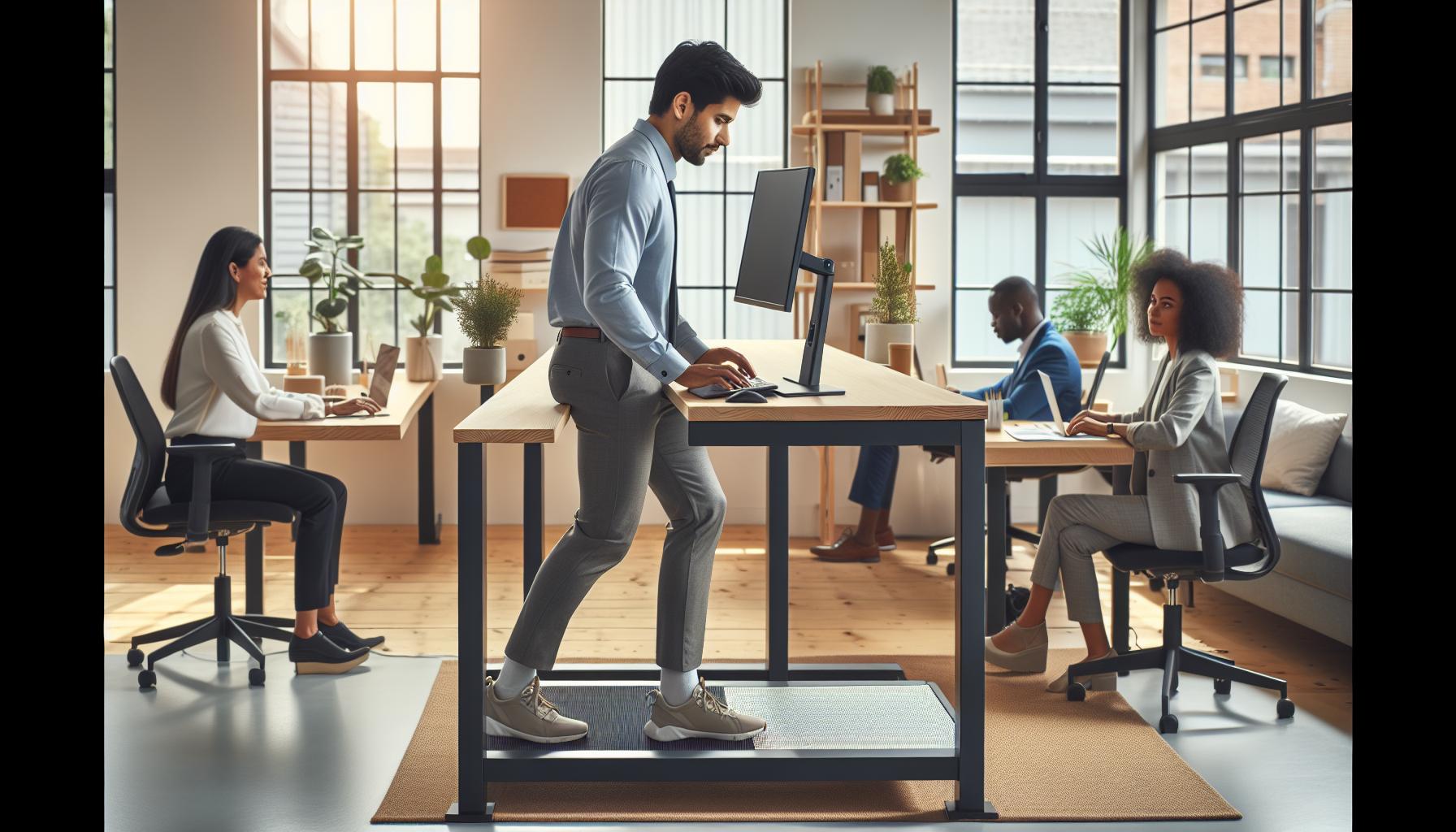
Creating an ergonomic standing desk setup can profoundly impact your comfort, productivity, and overall well-being during the workday. Proper ergonomics prevent strain and promote healthier postures, making it essential to dedicate attention to how you configure your standing workstation. By optimizing your environment, you can enjoy the benefits of standing while minimizing the risk of discomfort.
Start by adjusting the height of your desk so that your elbows are at a 90-degree angle when your hands are on the keyboard. Your monitor should be positioned at eye level, about 20 to 30 inches away, to avoid straining your neck. To encourage good posture, keep your feet flat on the ground or on a footrest and alternate your weight between both legs. Consider using an anti-fatigue mat, which can reduce discomfort from standing for long periods by providing cushioning that supports your feet.
Incorporating movement is also a key component of effective ergonomics at a standing desk. Schedule regular breaks to stretch or walk around, aiming for a change in position approximately every 30 to 60 minutes. This practice not only helps alleviate physical strain but also stimulates blood flow, enhancing cognitive performance. Tools like timers or apps can remind you to switch it up, ensuring you maintain a dynamic work routine.
Finally, accessorize wisely. Ergonomic keyboards and mice can help reduce tension in your wrists, while monitor stands can elevate screens for better alignment and visibility. Aim to foster a workspace that not only supports your body but also encourages mental clarity and focus. By implementing these best practices, you empower yourself to cultivate a work environment conducive to health and productivity.
How Standing Desks Boost Productivity and Focus

While the modern workplace offers convenience, it often comes at the expense of our physical and mental health. Did you know that studies have shown that using a standing desk can significantly enhance focus and productivity? As we shift more towards sedentary lifestyles, adopting a standing desk could be a game-changer, fostering an environment ripe for creativity and efficiency.
Standing desks offer numerous cognitive benefits that go beyond just keeping you on your feet. Research suggests that standing while working can boost energy levels and improve mood. This increase in vitality can lead to enhanced concentration, allowing you to tackle complex tasks more effectively. In fact, when your body is engaged in an upright position, it is more likely to promote blood circulation and oxygen flow to the brain, which is essential for cognitive function. Users of standing desks often report feeling more alert, which can help stave off the afternoon slump commonly associated with prolonged sitting.
Additionally, the act of standing can also promote a sense of accountability and intention towards one’s work. Engaging in a more active posture can encourage individuals to feel more present and involved in their tasks, countering the distractions often felt in traditional seated positions. Consider incorporating short stretches or movements during your standing hours-such as calf raises or simple side bends-these can further stimulate your brain while keeping your energy levels elevated.
Ultimately, integrating a standing desk into your routine can transform not only your workspace but your mental landscape as well. As you explore this transition, remember that initial discomfort is common. Start incrementally by mixing standing and sitting, and gradually increase your standing time. This practice not only nurtures productivity and focus but also invites a holistic approach to workplace wellness.
Transform Your Workspace: Standing Desk Setup Guide
Transforming your workspace with a standing desk can significantly improve not just your posture, but also your overall well-being and productivity. With an estimated 80% of adults experiencing back pain at some point, adjusting your work environment is a pivotal step toward reducing discomfort and enhancing cognitive function. A well-set-up standing desk can help you engage more actively with your work while promoting better blood circulation and energy levels.
To ensure your standing desk is optimized for comfort and productivity, consider the following guidelines:
Adjusting Desk Height
- Elbow Height: Your elbows should be at a 90-degree angle or slightly obtuse when typing. The desk height should allow your wrists to be straight and level with the keyboard.
- Screen Position: The top of your monitor should be at eye level or slightly below, about an arm’s length away. This helps prevent eye strain and keeps your neck aligned.
Footwear and Matting
- Wear Supportive Shoes: Good footwear is essential for comfort. Opt for shoes that offer arch support and cushioning.
- Anti-Fatigue Mats: Consider using an anti-fatigue mat to reduce pressure on your feet and joints. These mats encourage micro-movements that can enhance blood flow.
Ergonomic Accessories
Investing in supportive accessories can further enhance your standing desk experience:
- Keyboard and Mouse Placement: Ensure these are on the same level as your elbows to maintain a neutral arm position.
- Document Holders: Use a document holder placed at eye level to minimize neck strain when referencing papers.
Lastly, keep in mind the importance of incorporating movement throughout your day. Regularly shifting your posture, taking short walks, or practicing stretches can counteract fatigue and maintain engagement. As you embark on this transition, start by alternating between standing and sitting to find a comfortable rhythm that works for you. Every small change paves the way for a more dynamic work life.
Incorporating Movement: Healthy Habits at Your Desk
Integrating movement into your work routine is essential for maintaining both physical health and mental sharpness. Studies have shown that sedentary behavior, such as prolonged sitting, can lead to a variety of health issues, including cardiovascular problems and decreased cognitive function. By making small adjustments to your daily habits, you can significantly enhance your overall well-being while working at a standing desk.
One effective strategy is to set timed reminders to encourage movement throughout your day. For instance, every 30-60 minutes, take a moment to stretch, walk around your office, or perform quick exercises like calf raises or squats. This practice not only alleviates physical strain but also boosts your energy levels and concentration, enhancing your productivity. Pairing movement with mindful breathing can further promote relaxation and clarity, reducing the stress that often accompanies long working hours.
Active Breaks
Incorporating active breaks into your schedule is another powerful approach. During these short intervals, you might:
- Engage in dynamic stretches to improve flexibility.
- Use your phone for quick video calls to avoid sitting during conversations.
- Incorporate a brisk walk outdoors for fresh air and mental rejuvenation.
These mini-breaks not only counteract the physical demands of standing but also provide mental resets, allowing for improved focus upon returning to your tasks.
Postural Variations
Another key component is to mix up your positions. Shift your weight from one foot to the other, or alternate between standing and taking sitting breaks. This variability keeps your muscles engaged and encourages better circulation. Additionally, consider using a footrest or balance board to promote micro-movements that enhance coordination and overall stability.
By consciously incorporating these movement habits into your work routine, you can create a more dynamic and health-promoting environment. Embracing movement as an integral part of your day will not only support your physical health but will also contribute to greater mental clarity and emotional balance, laying the foundation for optimal productivity and well-being in the workplace.
Comparing Standing Desks: Types and Features to Consider
When considering a shift to a standing desk, understanding the different types and features available can greatly enhance your experience and effectiveness. Standing desks aren’t one-size-fits-all; they come in various designs, functionalities, and materials, which can cater to your specific needs and preferences.
The two primary categories of standing desks are manual and electric models. Manual standing desks usually feature a crank mechanism for height adjustments, providing a cost-effective and eco-friendly option. However, they require physical effort to adjust, which may deter frequent changes. Electric standing desks, on the other hand, offer greater convenience with motorized height adjustments at the push of a button, making them suitable for multiple users who might require different heights throughout the day.
Among the features to consider, height range is critical – ensure the desk can accommodate both standing and seated positions comfortably. A wider height range accommodates various body types, promoting better ergonomics. Stability is also crucial; choose a desk with a solid frame and a substantial weight capacity to prevent wobbling when adjusting height or while working. For those with limited space, consider compact designs or desks that fold away easily when not in use.
Another feature worth exploring is built-in cable management. This keeps your workspace organized and minimizes distractions from tangled cables. Finally, aesthetic elements such as color and design can also influence your workspace vibe, contributing to a motivating and inspiring environment.
Investing time to compare these aspects with your work habits and preferences can ensure your transition to a standing desk is both comfortable and beneficial, supporting overall workplace wellness and productivity.
Integrating Standing Desks into Your Work Routine
Transitioning to a standing desk can significantly enhance your work routine and overall well-being, but the key to reaping its benefits lies in effective integration into your daily activities. Start by gradually adjusting your standing time each day. For instance, begin with standing for 15-30 minutes each hour, and slowly increase this duration as your body adapts. This approach allows you to ease into the change without overwhelming your muscles and joints, helping to prevent fatigue and discomfort.
Create a dynamic work environment by incorporating movement throughout your day. Utilize a timer or reminders to prompt short breaks where you can stretch, walk around, or perform simple exercises. These movements not only reduce the risk of muscle stiffness but also boost your circulation and cognitive function. Standing desks can be complemented with tools like balance boards or anti-fatigue mats, which encourage subtle movements that keep your muscles engaged and can enhance your stability and comfort.
To maximize productivity, tailor your standing desk setup to your specific needs. Ensure your computer monitor is at eye level to avoid neck strain, and position your keyboard so that your elbows remain at a comfortable angle, ideally around 90 degrees. This alignment promotes better posture and reduces the risk of discomfort associated with prolonged standing. Regularly assess your workspace to make necessary adjustments, ensuring that it remains an ergonomic haven that fosters productivity.
Lastly, engage with your colleagues about your new desk setup. Sharing your experience can provide mutual support and inspire others to consider a similar shift. By actively discussing your routines and challenges, you can collectively foster a healthier workplace culture that prioritizes wellness and productivity. Remember that this transition is about finding what works best for you, so stay patient and attentive to your body’s signals as you integrate standing desks into your daily work routine.
Balancing Comfort and Functionality in Your Workspace
Discovering the right balance between comfort and functionality in your workspace can transform your work experience. A well-optimized environment not only enhances productivity but also safeguards your physical health. As you contemplate the shift to a standing desk, consider not just the desk itself but how to curate your entire workspace. Comfort does not impede productivity; rather, it fuels it.
Creating an ergonomic setup is paramount. Start by positioning your computer monitor at eye level to prevent neck strain. Your keyboard should be placed so that your elbows remain at a 90-degree angle when typing, ensuring your wrists are straight-this can combat discomfort and enhance your typing efficiency. Incorporating an anti-fatigue mat can provide comfort by reducing pressure on your legs and feet during extended periods of standing. Furthermore, adjustable chairs placed strategically in your workspace can offer a quick seating option, allowing for a seamless transition from standing to sitting without losing momentum in your work.
Variety is key; incorporating movement can foster both comfort and cognitive agility. A balance board or a footrest can encourage micro-movements that keep your blood flowing and muscles engaged. Set reminders to switch up your position frequently-whether it’s standing, sitting, or even walking around your office space. Keeping a water bottle nearby not only promotes hydration but also serves as a reminder to take breaks, allowing your mind to reset and recharge.
Lastly, personal touches in your workspace can enhance comfort. Including plants, personal photos, or art can make your environment feel welcoming. Establishing a workspace that reflects your personality can boost your mood and reduce stress. The aim is to build a workspace that supports your well-being and optimizes your focus, creating a harmonious balance between comfort and functionality. Embrace this transition not just as a change in posture, but as a holistic approach to your overall work experience.
Supportive Accessories for Enhanced Standing Desk Use
Creating a supportive and efficient workspace is essential when transitioning to a standing desk. Incorporating the right accessories can dramatically enhance your experience, helping to mitigate the physical stresses that come with prolonged standing, while also boosting your overall productivity and comfort.
Anti-Fatigue Mats
One of the most impactful accessories is an anti-fatigue mat. These mats provide cushioning that helps alleviate the strain on your feet, legs, and lower back. When you stand on a hard surface for extended periods, your muscles work harder to keep you stable, which can lead to fatigue and discomfort. An anti-fatigue mat encourages subtle movements within your legs and feet, promoting better circulation and reducing fatigue.
Monitor Stands and Ergonomic Keyboards
To optimize your posture, consider using monitor stands to raise your screen to eye level, which can help prevent neck and shoulder strain. Your keyboard and mouse should be situated at a height where your elbows are at a 90-degree angle when typing. This setup not only enhances comfort but also promotes better typing efficiency. Ergonomic keyboards designed with a curve can further support wrist alignment, reducing the risk of repetitive strain injuries.
Footrests and Balance Boards
Integrating a footrest can provide relief for your feet and encourage you to shift your weight from one foot to another, fostering movement throughout your standing workdays. Balance boards are another innovative tool that can add an element of dynamic movement. By using a balance board, you engage your core and leg muscles, promoting your physical stability and increasing calorie expenditure without feeling like you’re working out.
Storage Solutions and Personal Touches
Lastly, consider having storage solutions within easy reach to reduce unnecessary bending or reaching, which can detract from your standing desk experience. Additionally, personalizing your space with elements like plants, photos, or artwork can create a more inviting atmosphere. Such personal touches not only enhance the aesthetics of your workspace but can also contribute positively to your mental well-being, making your work environment feel more enjoyable and less stressful.
By carefully selecting supportive accessories, you can significantly enhance your standing desk setup, fostering a balance of comfort and productivity that benefits both your body and mind. Transitioning to a standing desk is not just about standing more; it’s about creating an environment that encourages your overall well-being and facilitates your daily work tasks with ease.
Success Stories: How Standing Desks Changed Lives
Many individuals have discovered transformative benefits from integrating standing desks into their work routines, leading to significant improvements in both physical health and mental well-being. For instance, one marketing manager reported a dramatic reduction in back pain after switching to a standing desk, allowing her to focus on her projects without discomfort disrupting her workflow. This change also inspired her to adopt healthier habits, like taking brief movement breaks, further enhancing her energy levels and productivity throughout the day.
Another compelling success story comes from a software developer who initially struggled with sleep issues tied to long hours of sedentary work. After transitioning to a standing desk, he not only noticed a decrease in fatigue but also experienced improved mood and cognitive function. He found that standing while working kept him more engaged and helped him avoid the afternoon slump, ultimately leading to enhanced creativity and problem-solving capability.
The transition to a standing desk can offer psychological benefits as well. A graphic designer emphasized a newfound sense of alertness and creativity after using a standing desk, as the shift in posture seemed to invigorate his mind. He also remarked on the positive influence it had on his interactions with colleagues, noting how standing led to more dynamic discussions and collaborations, fostering a more vibrant team atmosphere.
As these examples demonstrate, the shift to a standing desk can catalyze positive changes in various aspects of life, from physical health improvements to enhanced mental clarity and social engagement. Adopting a standing desk is not merely about height adjustments; it reflects a broader commitment to workplace wellness that can elevate overall life quality and work satisfaction.
Expert Tips for Transitioning to a Standing Desk
Transitioning to a standing desk can be a game-changer for your health and productivity, but it’s essential to approach this change thoughtfully to maximize benefits and minimize discomfort. Start by gradually increasing your standing time; consider implementing a schedule where you start with 30-minute intervals of standing, alternating with sitting. This gradual adjustment will help your body acclimate to the new position without overwhelming your muscles and joints.
Prioritize Ergonomics
A key factor in a successful transition is proper ergonomics. Ensure your standing desk is set to the correct height: your elbows should form a 90-degree angle while typing, and your screen should be at or just below eye level to maintain proper neck posture. It’s also important to use a non-slip mat to provide cushioning and support for your feet.
Incorporate Movement
Staying in one position for too long-whether sitting or standing-can lead to discomfort. To combat this, incorporate movement into your routine. Set reminders to shift your weight from one foot to another, stretch, or take short walks around your office. Engaging in light exercises, like calf raises or leg stretches, can keep your blood circulating and prevent fatigue.
Listen to Your Body
Pay close attention to how your body feels during the transition. If you experience discomfort or fatigue, adjust your standing duration or check your desk setup for ergonomic issues. Regularly changing your posture and positions throughout the day can also prevent stiffness and improve overall comfort.
By adopting these strategies, you’ll ease into your new standing desk setup and significantly enhance your overall workplace experience, promoting long-term well-being and productivity.
Frequently asked questions
Q: What are the health benefits of using a standing desk?
A: A standing desk can help reduce the risk of obesity, diabetes, heart disease, and musculoskeletal problems. Regular use encourages better posture and enhances circulation, which can improve overall health. Consider reviewing sections on health risks of prolonged sitting for more insights.
Q: How do I transition to using a standing desk effectively?
A: Transition gradually by starting with short standing intervals, then increase the duration over time. Incorporate movement breaks and maintain an ergonomic setup. Visit our expert tips for transitioning to a standing desk for a more detailed guide.
Q: Can standing desks help improve focus and productivity?
A: Yes, many users report heightened alertness and improved focus when using standing desks. The increased movement can also stimulate energy levels, leading to better productivity. Explore our section on how standing desks boost productivity and focus for more information.
Q: Are there any downsides to using a standing desk?
A: Potential downsides include fatigue, discomfort in the legs and feet, and improper ergonomic setups leading to strain. To mitigate these issues, it’s crucial to alternate between sitting and standing, and to follow best ergonomic practices.
Q: What should I consider when buying a standing desk?
A: Consider the desk’s height adjustability, ease of use, space, and stability. Additionally, look for features that cater to your work habits, such as cable management and size. Check our comparing standing desks section for more detailed guidance.
Q: How can I incorporate movement while using a standing desk?
A: To incorporate movement, alternate between sitting and standing, perform stretches regularly, and take short walks during breaks. This will enhance circulation and reduce fatigue. Our section on incorporating movement offers specific healthy habits to adopt.
Q: What accessories can enhance my standing desk experience?
A: Accessories like anti-fatigue mats, monitor stands, and ergonomic keyboards can significantly improve comfort and usability. Review our supportive accessories for enhanced standing desk use for more recommendations.
Q: Who should consider switching to a standing desk?
A: Anyone experiencing discomfort from prolonged sitting, wishing to enhance productivity, or looking to improve their workspace ergonomics may benefit from a standing desk. Explore the signs you might benefit from a standing desk for further insights.
The Conclusion
If you’re feeling the signs that a standing desk is what you need, don’t wait to make a change that can enhance your workplace wellness and cognitive performance. Transform your work experience today by exploring our step-by-step guide on setting up an ergonomic workspace and maximizing your productivity. For those curious about the biological benefits of movement, check out our insights on neuroplasticity and how it can improve your brain health.
Ready to elevate your work routine? Dive deeper into our resources on effective stress management techniques and healthy work habits. Your well-being is a priority, and making informed choices is the first step. Share your experiences and questions in the comments below, and don’t forget to subscribe to our newsletter for the latest tips on workplace wellness and productivity hacks. Remember, every small change can lead to significant improvements in your overall health!