In today’s fast-paced work environment, sedentary lifestyles pose significant health risks, with studies showing that prolonged sitting can lead to various issues, including obesity and cardiovascular disease. This raises an important question: should you consider incorporating a standing desk into your workspace? Standing desks not only promote better posture and reduce discomfort but also enhance cognitive performance and energy levels. By choosing to stand more throughout your day, you have the potential to combat fatigue and elevate your productivity. As you explore this game-changing option, understand the myriad benefits, practical implementation tips, and key considerations that can support your journey towards a healthier, more balanced work-life harmony. Dive deeper to discover how a standing desk might be the simple yet effective solution you’ve been searching for to improve your overall well-being.
Should I Use a Standing Desk? Game-Changing Benefits
Making the switch to a standing desk can feel like a significant change, but the benefits often prove transformative for both physical health and mental productivity. Research shows that sedentary behavior contributes to a range of health issues, including obesity, cardiovascular disease, and even diminished cognitive function. By incorporating a standing desk into your workspace, you can actively mitigate these risks while enhancing your daily work experience.
One of the core advantages of using a standing desk is the potential boost in energy levels and productivity. Many users report feeling more alert and less fatigued during long work hours compared to traditional seated desks. The act of standing encourages greater engagement with tasks, promoting better focus and task completion. It’s also worth noting that standing can stimulate blood flow, which further enhances cognitive performance and helps prevent the dreaded afternoon slump.
However, transitioning to a standing desk isn’t merely about standing all day; finding a balance is key. Implementing regular movement breaks and alternating between sitting and standing allows for greater comfort and reduces the risk of strain. This holistic approach not only helps maintain your focus but also supports long-term musculoskeletal health. Embracing ergonomics-such as proper screen height and keyboard placement-can optimize your standing experience, ensuring you reap all the benefits without discomfort.
Ultimately, the decision to use a standing desk hinges on personal preference and individual work habits. Listening to your body is essential; begin with short standing intervals and gradually increase as you adapt. This model cultivates a healthier, more dynamic workspace, aligning perfectly with a proactive approach to wellness that prioritizes both physical and cognitive health.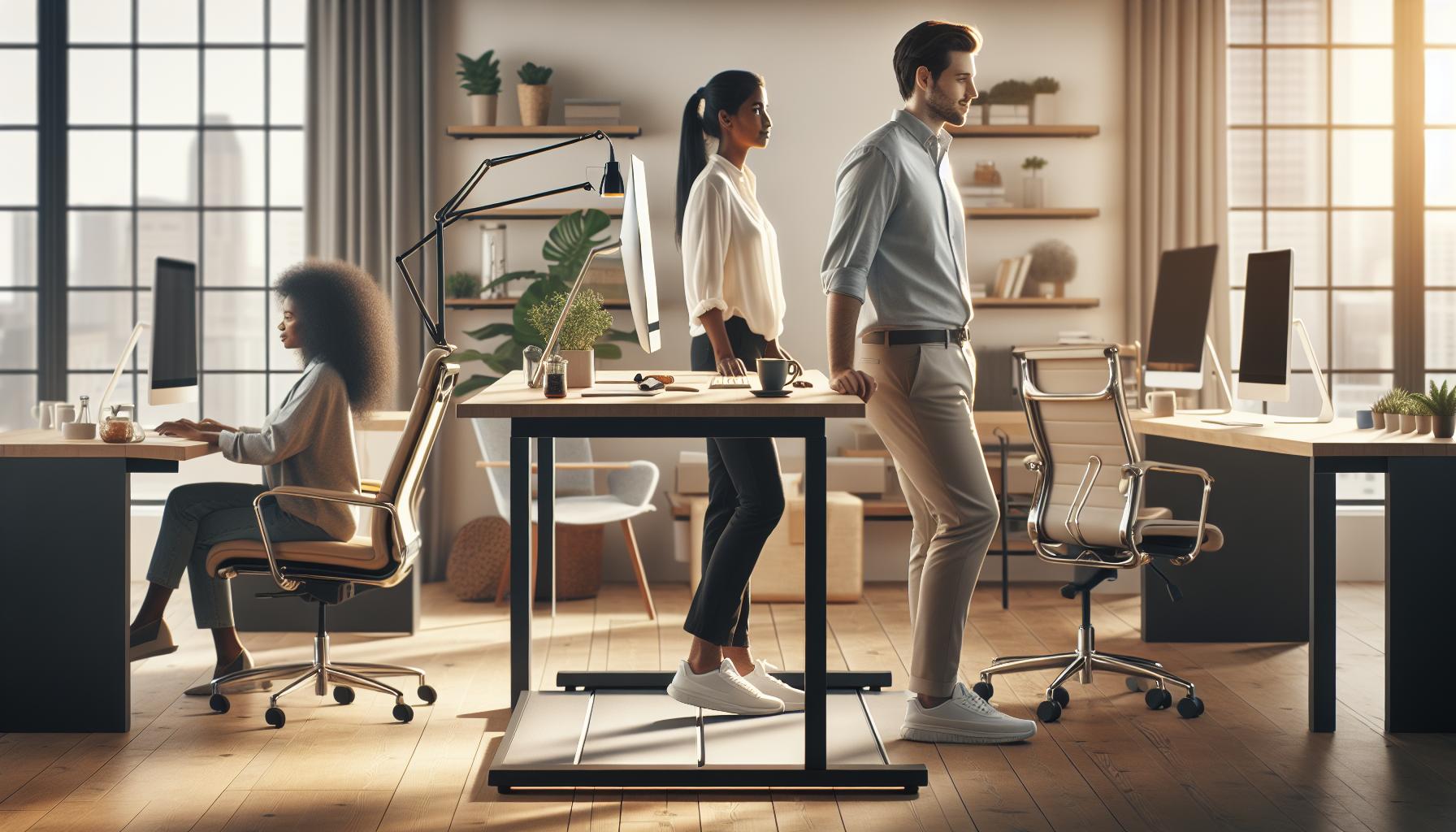
What is a Standing Desk and How Does It Work?
A standing desk is an innovative workspace solution designed to promote better posture and reduce the risks associated with prolonged sitting. Unlike traditional desks, standing desks allow users to work while on their feet, providing greater flexibility in work habits. These desks come in various forms, ranging from fixed-height models to adjustable desks that can be raised or lowered according to the user’s preference. This adaptability not only caters to individual comfort but also facilitates frequent position changes throughout the day, which is crucial for maintaining energy levels and focus.
The mechanism behind standing desks can vary significantly. Many modern models feature electric or manual adjustments that allow the height of the desk to be customized effortlessly. Users can switch between sitting and standing positions, which is key to preventing the negative impacts of a sedentary lifestyle. Studies suggest that alternating between sitting and standing can increase productivity, enhance mood, and even improve overall physical health by promoting better circulation and engagement with tasks. Essentially, the desk acts as a tool for encouraging a more dynamic work environment, thereby supporting well-being and cognitive function.
For those considering a standing desk, it is essential to approach this transition thoughtfully. Incorporating standing into your work routine doesn’t mean standing all day. Research indicates that integrating intervals of sitting and standing can yield the best results, allowing the body to adapt gradually. Moreover, supporting your standing experience with the right footwear and maintaining proper desk height are critical for maximizing benefits and reducing discomfort. A standing desk isn’t merely a piece of furniture; it’s a step toward creating a healthier, more active work life that fosters productivity and well-being.
The Science Behind Standing Desks and Health Benefits
Research has shown that our increasingly sedentary lifestyles can significantly impact health, with prolonged sitting linked to numerous issues, including obesity, cardiovascular disease, and even certain cancers. Standing desks offer a transformative solution by allowing individuals to reduce their sitting time while optimizing their workspaces for better health. Studies reveal that incorporating standing into your daily routine can increase energy levels, alleviate back pain, and even enhance overall mood. By simply standing more throughout the day, the body can engage in more natural movements that improve circulation and metabolic health.
At a physiological level, standing desks promote better posture and spinal alignment, reducing the strain on muscles and joints that often comes with extended sitting. When standing, individuals can engage their core and maintain a more dynamic and active stance. Additionally, alternating between sitting and standing can help mitigate the negative health impacts associated with prolonged immobility. It has been suggested that taking regular breaks to change positions can lead to sustained cognitive performance and work engagement throughout the day. With enhanced blood flow to the brain, standing may improve focus and creativity, making it a simple yet powerful strategy for boosting productivity.
However, it is essential to integrate standing into your work routine gradually. Experts recommend a balanced approach-introducing short standing intervals throughout the day to avoid fatigue. A common guideline is to aim for 15-30 minutes of standing per hour, gradually increasing this time as your body adjusts. Moreover, maintaining proper ergonomics is crucial: desk height should be adjusted so that elbows remain at a 90-degree angle, and the screen should be at eye level to prevent strain. This careful consideration ensures that standing remains comfortable and beneficial without leading to new discomfort or issues.
Understanding the connection between standing desks and health benefits empowers individuals to make informed choices about their work habits. Ultimately, adopting a standing desk can be a game-changer not only for physical health but also for cognitive function and work-related stress management. By fostering an environment that encourages movement and engagement, you can enhance both personal wellness and workplace productivity.
Enhanced Productivity: Standing Desks in Action
Elevating your workspace with a standing desk isn’t just about standing instead of sitting; it’s a powerful shift that can enhance your productivity significantly. Imagine being able to work longer without feeling fatigued while experiencing a boost in creativity and focus. Research has shown that employees who use standing desks report feeling more energetic and engaged throughout the day. This newfound energy can lead to better performance, which is a crucial factor in today’s fast-paced work environments.
One of the key benefits of a standing desk is its ability to facilitate better blood circulation. When you stand, your body engages more muscles compared to sitting, promoting movement that enhances cardiovascular health. This increased activity level can translate into improved cognitive function. In fact, studies indicate that employees who alternate between sitting and standing throughout the day demonstrate higher productivity levels, as their brains are receiving more oxygen and nutrients, ultimately leading to better focus on tasks and an enhanced ability to problem-solve.
To truly harness the productivity benefits of a standing desk, it’s vital to adopt a strategic approach. Start by setting specific goals for your time spent standing. For instance, you can incorporate short standing intervals during tasks that require creativity or concentration, such as brainstorming or analyzing data. Gradually increase the duration of these intervals as your body adjusts. Additionally, consider using a timer to remind you to switch positions, ensuring you maintain an active work life.
Creating an engaging workspace is also crucial in maximizing your productivity. Integrate accessories such as an anti-fatigue mat, a supportive chair for when you sit, and a monitor stand to keep your screen at eye level. This ergonomic setup not only minimizes discomfort but also encourages you to maintain a dynamic posture that can further amplify your focus and efficiency. By thoughtfully designing your standing desk environment, you’re not just investing in a piece of furniture; you’re making a commitment to transforming your working habits for the better.
Breaking the Sedentary Lifestyle: Movement Matters
Embracing a standing desk is a transformative step towards combating the pervasive sedentary lifestyle that often characterizes modern work environments. In a world where prolonged sitting has become the norm, the simple act of standing not only promotes better physical health but also invigorates our cognitive capabilities. The U.S. National Institute for Occupational Safety and Health has highlighted that reducing sedentary time can lead to marked improvements in overall well-being. By integrating movement into our daily routines, we can unlock a multitude of benefits for both body and mind.
One of the primary health impacts of adopting a standing desk involves enhanced energy levels and improved circulation. When standing, our muscles are engaged, and this promotes blood flow throughout the body, which is critical for delivering oxygen and nutrients to vital organs, including our brains. This boost in circulation can lead to heightened alertness and clearer thinking, qualities essential for productive work. Furthermore, short breaks taken to stretch or move around while using a standing desk can amplify these benefits, combating the fatigue and stagnation often felt after long periods of focused work.
To truly maximize the potential of a standing desk, it is essential to consciously incorporate movement into your day. Aim to intersperse standing periods with dynamic movements, such as walking meetings or simple in-place exercises. Integrating these practices not only helps sustain energy levels but also reinforces a culture of wellness within the workplace. Consider setting reminders to stand, stretch, or take a brief walk, ensuring you remain active throughout your working hours.
Above all, remember that every small movement counts and contributes to breaking the cycle of inactivity. By consciously choosing to stand, move, and engage your body throughout the day, you are not only enhancing your immediate productivity but are also investing in long-term health benefits that can lead to a thriving, more engaged work life.
Step-by-Step Guide to Setting Up Your Standing Desk
Creating an effective standing desk setup is essential for maximizing its potential benefits. Getting your workspace right not only enhances comfort but also boosts productivity and encourages movement throughout the day. Here’s a straightforward guide to help you establish a standing desk that’s ergonomically sound and tailored to your specific needs.
Start with adjusting your desk height to ensure proper alignment. A good rule of thumb is to set the desk height so your elbows are at about a 90-degree angle when your hands rest on the keyboard. Your wrists should hover comfortably above the keyboard, ensuring they are straight and aligned with your forearms. This posture reduces the risk of strain and discomfort over prolonged use.
Next, focus on the screen setup. Position your monitor at eye level, about an arm’s length away. The top of the screen should be at or just below eye level, which helps prevent neck strain. If you’re using dual monitors, place the primary display directly in front of you and the secondary monitor slightly to the side. This arrangement minimizes the need for excessive head movement.
Consider your foot positioning as well. Stand with your feet shoulder-width apart to maintain balance and minimize fatigue. A footrest can be beneficial-switching your weight from one foot to another or placing a foot up on a rest encourages subtle movement, which is vital for maintaining circulation and energy levels throughout the day.
Lastly, keep essential items within easy reach to avoid unnecessary bending or stretching. Use drawer organizers or desktop trays to minimize clutter, which can lead to distractions. By implementing these practical adjustments to your standing desk setup, you’re not only creating a conducive work environment but also laying the groundwork for long-term health and productivity. Remember, transitioning to a standing desk is a process-listen to your body and adjust as necessary to find what works best for you.
Ergonomics: Finding Your Ideal Standing Position
Finding the right standing position at your desk can significantly influence your overall comfort and productivity. Did you know that improper posture while using a standing desk can lead to discomfort and even long-term musculoskeletal issues? With a few thoughtful adjustments, you can create an ergonomic workspace that promotes both well-being and efficiency.
To begin, the ideal desk height is crucial. Set your desk so that your elbows remain at a 90-degree angle when typing. This alignment not only reduces strain on your wrists but also supports your arms comfortably. Remember to keep your wrists straight and let your hands float above the keyboard. If your desk is too high or too low, you might find yourself straining your shoulders or back, leading to fatigue over the course of your workday.
Next, focus on your monitor placement. Position your screen at eye level and approximately an arm’s length away. The top of your monitor should be at or just below eye level to minimize the risk of neck strain. If you’re using multiple monitors, arrange them thoughtfully: the primary screen should be directly in front of you, with any additional displays positioned at slight angles to avoid twisting your neck excessively. This strategic setup not only enhances your posture but also improves efficiency by reducing the need for awkward movements.
Another important aspect is foot and leg positioning. Stand with your feet about shoulder-width apart to maintain balance, and consider using a footrest. Alternating your weight from one foot to the other can alleviate pressure on your legs and lower back, keeping blood circulation flowing effectively. Lastly, regularly take breaks to stretch or change positions; this encourages movement and helps prevent stiffness associated with prolonged standing.
Incorporating these elements into your standing desk setup can enhance your work experience. Monitoring your body’s responses-whether you’re feeling discomfort, fatigue, or tension-can guide you in making necessary adjustments. Remember, the goal is to create a workspace that not only feels comfortable but also supports your long-term health and productivity.
Balancing Comfort and Efficiency with Accessories
Creating a workspace that prioritizes both comfort and efficiency is essential for maximizing productivity, especially when using a standing desk. Accessories play a pivotal role in achieving this balance, allowing you to tailor your workspace to your unique needs. From anti-fatigue mats to monitor stands, the right accessories can significantly enhance your standing desk experience, ensuring that every aspect of your setup complements both your physical comfort and your workflow.
One of the most beneficial accessories for a standing desk is an anti-fatigue mat. These mats are designed to provide cushioning for your feet while standing, which helps reduce discomfort associated with prolonged periods on hard surfaces. Studies have shown that using an anti-fatigue mat can decrease fatigue, improve circulation, and promote better posture. When selecting a mat, look for ergonomic designs that offer adequate support and are made from materials that can withstand the wear and tear of daily use.
Monitor stands and laptop risers are also crucial in maintaining an ergonomic setup. Positioning your screen at eye level is not only important for reducing neck strain but can also enhance your overall focus and productivity. With the right height adjustments, a monitor stand can transform your workspace into a more comfortable environment. To further customize your setup, consider adjustable stands that allow for quick and easy height modifications, catering to different tasks throughout your workday.
Additionally, invest in accessories that encourage movement and flexibility, such as a footrest or balance board. These tools can help you shift your weight, engage different muscle groups, and promote active standing. For example, a footrest lets you change your foot position frequently, while a balance board requires subtle movements that engage your core muscles. Incorporating these elements not only helps combat fatigue but also aligns with the principles of active movement, making your workspace healthier and more dynamic.
Lastly, consider integrating technology that supports your productivity, such as apps or timers that remind you to take breaks or change positions. Tools like these can reinforce healthy habits, ensuring that you maintain an active lifestyle even during busy workdays. By thoughtfully selecting accessories that align with your individual work habits and health goals, you’ll be well on your way to cultivating a standing desk environment that promotes sustained comfort and efficiency.
Common Myths About Standing Desks Debunked
Many individuals hesitate to switch to standing desks due to misconceptions that can easily cloud judgment. One prevailing myth is that standing desks are a cure-all for health issues related to prolonged sitting. While they do promote a more active lifestyle, the truth is that merely standing isn’t a substitute for regular movement throughout the day. Experts recommend adopting a hybrid approach that encourages alternating between sitting and standing, as this helps combat fatigue and reduces the risk of musculoskeletal problems.
Another common belief is that standing all day is automatically healthier than sitting. In reality, standing for extended periods can lead to its own set of issues, including leg and back discomfort. It’s critical to find a balance and listen to your body. Incorporating movement, stretching, and even utilizing a footrest can enhance comfort while standing and minimize the negative effects associated with static postures.
Additionally, there’s a misconception that using a standing desk will significantly boost productivity and creativity. The truth is more nuanced; while some individuals may experience increased energy levels, productivity is influenced by a variety of factors including the type of work, personal habits, and overall work environment. Experimenting with different setups and acknowledging what feels best for your workflow can maximize the benefits of a standing desk without relying on it as a magic solution.
Lastly, many people fear that transitioning to a standing desk will take a large amount of time to adapt to. However, most users find that with gradual increases in standing time and a proper ergonomic setup, this transition can be smooth and effective. Starting with a few standing hours per day and adding more over time, while ensuring range of motion and flexibility in your work posture, can lead to healthier and more dynamic working conditions.
Transitioning to a Standing Desk: Tips and Tricks
Transitioning to a standing desk can be a game changer for your health and productivity, but it’s important to approach the switch thoughtfully. One of the most effective strategies is to implement a gradual adjustment period. Start by incorporating short standing sessions into your daily routine. For instance, aim for 15 to 30 minutes of standing every hour. As you become more comfortable, you can gradually increase this time. This slow acclimatization helps minimize discomfort and allows your body to adjust to the new posture.
Setting Up Your Workspace
Creating an ergonomic workspace is essential for a comfortable standing experience. Begin by ensuring your desk is at the right height. When standing, your elbows should be at a 90-degree angle, and your computer screen should be at eye level to prevent strain on your neck and back. Consider using a footrest to shift your weight and encourage movement. Small changes, like adjusting your keyboard height or using a mat designed to reduce fatigue, can significantly enhance comfort.
Additionally, organizing your workspace thoughtfully can make a tremendous difference. Keep frequently used items within easy reach to minimize bending and stretching. This not only improves your workflow but also reduces the risk of strain injuries associated with awkward movements.
Incorporating Active Movement
While a standing desk encourages reduced sitting time, integrating movement throughout your day is crucial. Set reminders to stretch, walk, or perform light exercises every hour. Simple activities like calf raises, adjusting your stance, or taking a brisk walk around your office can invigorate your body and mind. These activities not only enhance circulation but also improve cognitive function, helping you stay alert and focused. Implementing a balance of standing and moving allows you to reap the benefits of both postures while minimizing fatigue and discomfort.
Embrace this opportunity as a shift towards a healthier work routine, and remain attuned to your body’s signals. If you experience discomfort, don’t hesitate to adjust your setup or change your position. The goal is to create a dynamic workspace that supports your physical well-being and enhances your productivity.
Incorporating Active Movement into Your Day
Integrating active movement into your day is essential for maintaining both physical health and cognitive function, especially when using a standing desk. While standing desks effectively reduce sedentary behavior, it’s the continuous movement throughout your workday that amplifies the health benefits. Research indicates that frequent movement can enhance blood circulation, reduce the risk of musculoskeletal disorders, and even boost creativity and focus. Therefore, incorporating brief but effective activities into your daily routine can transform your work experience and overall wellness.
To ensure you remain active throughout the day, consider implementing a structured movement schedule. Set a timer or use an app to remind you to take a short break every hour. During these breaks, engage in activities such as light stretching, desk exercises like desk push-ups, or simply walking around your office or home space. For instance, simple calf raises or leg stretches can significantly invigorate your body and combat any tension built up from standing. Even a five-minute walk can enhance your mood and refresh your mind, allowing you to return to work with renewed energy.
In addition to scheduled breaks, incorporate small movements into your standing routine. You might try shifting your weight from one foot to the other or using a footrest to change positions. These changes can prevent fatigue and improve your balance and posture. Consider using a balance board or a yoga ball as part of your standing desk setup to engage your core muscles actively. Integrating such tools not only keeps you moving but also makes standing more dynamic and enjoyable.
Building a holistic movement strategy can lead to lasting benefits. Focus on creating a workspace that encourages active behavior. Keep moving while on calls; consider pacing during phone meetings or standing up while brainstorming. Moreover, factor in opportunities for active meetings; suggest walking sessions with colleagues instead of sitting in a conference room. By fostering an energetic workspace culture that values movement, you not only enhance your productivity but also contribute to a healthier, more vibrant work environment.
In short, embracing active movement throughout your day while using a standing desk can be a game changer for your physical and mental health. By setting structured breaks for exercises, incorporating movement-rich environments, and encouraging a culture of activity among colleagues, you pave the way for a more engaging, dynamic, and healthier work life.
Long-Term Health Benefits of Standing Desks
The adoption of standing desks has surged in recent years, and for good reason-research indicates that using a standing desk can significantly influence long-term health by combating the adverse effects of prolonged sedentary behavior. Studies have shown that people who regularly alternate between sitting and standing experience improvements in cardiovascular health, weight management, and a reduced risk of chronic illnesses. Not only does standing enhance blood flow and circulation, it also encourages a more active metabolism, promoting better energy levels throughout the day.
A pivotal aspect of the health benefits associated with standing desks lies in their potential to prevent musculoskeletal disorders. Many office workers suffer from pain in their necks, backs, and shoulders due to poor posture and extended periods spent in a seated position. By standing, individuals are encouraged to engage their core muscles and maintain more natural spinal alignment, which can help alleviate discomfort and prevent long-term issues. Engaging in standing desk work has also been linked to lower instances of weight gain and obesity, as standing burns more calories compared to sitting, contributing to a healthier body composition over time.
Enhancing Mental Well-Being
The positive impact of standing desks extends beyond physical health; they also offer profound benefits for mental well-being. Standing while working promotes increased energy and focus, potentially fostering a more productive work environment. This boost in productivity can lead to greater job satisfaction as employees feel more engaged and less fatigued. Moreover, standing desks facilitate creativity and brainstorming sessions, as they allow for more dynamic interaction during collaborative efforts. By breaking the mold of traditional seated meetings, teams can cultivate a more stimulating workplace culture that encourages ideas to flow more freely.
Healthier Lifestyle Choices
Using a standing desk can also inspire healthier lifestyle choices outside the office. The habit of standing more during work hours can catalyze greater overall movement throughout the day, encouraging individuals to take the stairs instead of the elevator or to incorporate short walks during breaks. Approaching work with an active mindset influences personal habits, leading to improved health outcomes not only at work but in personal life as well.
In summary, integrating a standing desk into your workspace presents numerous long-term health benefits, from reducing the risk of chronic health conditions and enhancing posture to boosting mental clarity and fostering a more active lifestyle. Embracing this shift helps create a healthier, more productive work environment, paving the way for improved overall wellness.
Listening to Your Body: Signs to Change Positions
Listening to your body is crucial when transitioning to a standing desk, as it holds the key to maximizing health benefits while preventing discomfort. Many individuals might initially feel energized and productive, but it’s essential to remain attuned to physiological signals that indicate it’s time to change positions. For instance, if you start to experience discomfort in your feet, legs, or lower back, these can be signs that you’re either standing for too long or misaligning your posture.
Some indicators that you should consider switching from standing to sitting-or vice versa-include feeling fatigued or experiencing a decline in concentration. Muscle fatigue is a common sign that your body needs a break or a change in posture; if you notice your muscles tightening or straining, it’s a cue to adjust. Moreover, any sharp pain, particularly in the back or joints, suggests that your current stance is not sustainable and may require adjustment or additional ergonomic support.
To create a balance between sitting and standing, aim to establish a rhythm throughout your workday. You might set a timer to remind yourself to alternate positions every 30 to 60 minutes, which can help prevent fatigue and enhance circulation. Incorporate short stretches or movements during these transitions to further invigorate your body. Standing up what feels comfortable for you is just as important as knowing when to take a seat again.
By listening closely to what your body is communicating, you can make informed choices that support longstanding comfort and productivity in your work environment. Embrace the process as a journey toward a more mindful approach to work; acknowledging your body’s needs fosters a sustainable balance that enhances both physical health and cognitive performance.
Q&A
Q: What are the potential drawbacks of using a standing desk?
A: While standing desks offer numerous benefits, they can lead to discomfort or fatigue if used excessively. It’s essential to alternate between sitting and standing to prevent issues such as leg pain, back strain, or fatigue. Ensure you also have proper footwear and an ergonomic mat to enhance comfort.
Q: How long should I stand at my desk each day?
A: It is generally recommended to stand for about 15-30 minutes every hour. Balancing standing and sitting throughout your workday maximizes benefits while minimizing discomfort. Use a timer or app to remind you to switch positions regularly.
Q: Can a standing desk improve focus and concentration?
A: Yes, using a standing desk can enhance focus and concentration levels. By promoting better posture and increased blood circulation, many users report improved energy levels and mental clarity, especially during long work sessions.
Q: Are standing desks suitable for everyone?
A: Standing desks can be beneficial for many, but they may not be ideal for individuals with certain health conditions, such as severe arthritis or balance problems. It’s best to consult with a healthcare professional before making a transition to ensure suitability.
Q: What accessories can enhance the ergonomics of a standing desk?
A: To improve ergonomics at a standing desk, consider accessories like anti-fatigue mats, monitor risers, and adjustable keyboards. These tools help maintain proper posture and reduce strain on your body, promoting a more comfortable workspace.
Q: How can I ease into using a standing desk?
A: To ease into using a standing desk, start by standing for short intervals of about 15 minutes and gradually increase the duration over several weeks. Listen to your body, take breaks, and ensure your setup is ergonomically sound to facilitate a smooth transition.
Q: Do standing desks have an impact on weight management?
A: Standing desks can contribute to weight management by increasing calorie expenditure compared to sitting. However, they should be part of a holistic approach that includes regular movement, exercise, and a balanced diet for effective weight control.
Q: What is the best way to maintain energy while using a standing desk?
A: To maintain energy while using a standing desk, stay hydrated, take regular movement breaks, and vary your positions throughout the day. Incorporating light exercises or stretching can also help keep your energy levels elevated.
The Conclusion
As you contemplate making the switch to a standing desk, remember that it’s more than just a trend; it’s a powerful tool for enhancing your workplace wellness and cognitive health. From boosting energy to improving posture, the benefits are clear. Don’t wait to experience these game-changing advantages-take the first step towards a healthier work routine today!
Explore our detailed guides on setting up your ergonomic workspace and effective stress management techniques to maximize your productivity. Curious about how your work environment influences brain health? Check out our article on cognitive performance and neuroplasticity for further insights. We’d love to hear your thoughts! Share your experiences or questions in the comments below, and don’t forget to subscribe to our newsletter for the latest tips on workplace wellness. Your journey to a more balanced and productive work life starts now!