
In today’s fast-paced work environment, the debate over whether to stand or sit at a desk has gained significant attention, with studies revealing the impact of posture on productivity and overall health. Many workers find themselves grappling with fatigue and discomfort, leading to questions about how to optimize their workspace for better well-being. Understanding the benefits and drawbacks of both standing and sitting can empower you to make informed choices that enhance your daily performance and mitigate health risks. As you explore the nuances of this topic, you’ll discover actionable insights to create a balanced approach to your work routine. Join us as we delve into the final answer on this important aspect of workplace wellness and its role in supporting cognitive health and productivity.
Benefits of Standing Desks for Health
Research consistently points to the potential benefits of standing desks for improved health outcomes, particularly as sedentary lifestyles become increasingly common. Standing desks can aid in reducing the adverse effects associated with prolonged sitting, which has been linked to a myriad of health concerns, ranging from obesity to cardiovascular diseases. By allowing for a change in posture throughout the workday, standing desks encourage greater movement, contributing to improved circulation and enhanced energy levels, which are crucial for focused productivity.
One of the primary advantages of standing desks is their ability to promote better posture and spinal alignment. When set up correctly, standing desks can help mitigate discomfort often associated with desk jobs, such as lower back pain. Proper desk height, monitor positioning, and use of supportive footwear are essential to maximizing these benefits. It’s important to maintain an engaged core and distribute weight evenly on both feet to prevent fatigue while standing. Moreover, using anti-fatigue mats can enhance comfort, further elevating the ergonomic benefits of standing.
Incorporating a standing desk into your routine isn’t just about transforming your physical space; it’s about reshaping your overall approach to work. Regularly alternating between sitting and standing can rejuvenate creativity and cognitive function, leading to greater job satisfaction and performance. Studies suggest that movement-be it standing, walking, or stretching-can significantly boost brain health by encouraging neuroplasticity and improving focus. Consequently, workplaces that adapt to include standing desks not only foster healthier routines but also cultivate an environment that enhances employee well-being and productivity.
Ultimately, the integration of standing desks should be balanced with awareness of individual comfort and health needs. Regular breaks, ergonomic adjustments, and a mindful approach to workflow are equally crucial in maximizing the benefits of a standing desk, fostering a culture of health and well-being in today’s workplace.
Impact of Sitting on Productivity
Research shows that productivity can be significantly hindered by prolonged periods of sitting. In fact, studies indicate that excessive sitting is not only detrimental to physical health but also affects cognitive function and efficiency in the workplace. When employees are confined to a seated position for too long, they may experience decreased energy levels and reduced focus, often leading to a decline in overall job performance.
One primary reason sitting impacts productivity negatively is its association with poor circulation. When seated, particularly in a slouched position, blood flow can slow down, which can lead to feelings of lethargy and fatigue. This sluggishness can manifest as diminished concentration and creativity, essential components for problem-solving and effective work execution. As energy wanes, the brain may become less engaged, resulting in longer time frames to complete tasks and reduced quality of output.
To combat these effects, encouraging active breaks and movement throughout the day can yield significant improvements in both physical and mental health. For instance, adopting the practice of standing for short intervals or taking brief walks can help rejuvenate the mind and body. Employers can support this shift by creating a culture that values movement; simple initiatives might include promoting regular team breaks or implementing a policy that allows flexible working positions, such as walking meetings.
By shifting the focus from a static work environment to a more dynamic approach, companies foster not just healthier employees but also a more productive workforce. Encouraging movement, whether through standing desks or frequent breaks, ultimately leads to enhanced cognitive function, improved mood, and greater job satisfaction-all vital elements in a thriving workplace.
Ergonomic Considerations for Desk Setup
Creating an ergonomic workspace is essential for maintaining both physical comfort and cognitive performance, especially when determining how to best balance sitting and standing throughout the workday. An optimal desk setup not only supports your body but also enhances productivity and fosters a healthier work environment. Research indicates that up to 80% of office workers experience discomfort due to poor ergonomics, underscoring the importance of an intentional approach to desk arrangement.
To start, your desk height should be adjustable or set so that your elbows are at a 90-degree angle when typing. This prevents strain on your wrists and shoulders. Standing desks, for instance, should allow your forearms to be parallel to the ground when typing, reducing tension. When seated, ensure your chair supports your lower back and allows your feet to rest flat on the ground, or on a footrest if that’s not possible. The screen height is equally crucial; the top of your monitor should be at or slightly below eye level to prevent neck strain, which can cause fatigue and discomfort over time.
Common Ergonomic Setup Steps
- Desk Height: Adjust your desk so your elbows are at a 90-degree angle.
- Chair Support: Use a chair that provides lumbar support; your lower back should be well-supported.
- Monitor Position: Place your screen at eye level and 20 to 30 inches away from your eyes.
- Keyboard & Mouse Placement: Position these parallel to the floor so your wrists can remain straight while you type.
- Foot Position: Keep your feet flat on the ground or supported on a footrest.
Additionally, integrating movement into your routine is crucial. Regularly changing your position not only helps to alleviate muscle fatigue but also stimulates blood flow, improving cognitive functioning and mental acuity. Schedule short, deliberate breaks every hour to stand, stretch, or walk around your workspace. This practice can help combat the negative effects of prolonged static positions-whether sitting or standing.
For those transitioning from traditional desks to standing models, consider investing in anti-fatigue mats to provide cushioning for your feet, which can mitigate discomfort from standing for extended periods. It’s also beneficial to alternate between sitting and standing as this balance enhances overall comfort and productivity, ultimately supporting a more sustainable and enjoyable work experience. Taking these ergonomic considerations to heart can lead to a more dynamic, health-conscious workplace, paving the way for increased productivity and well-being.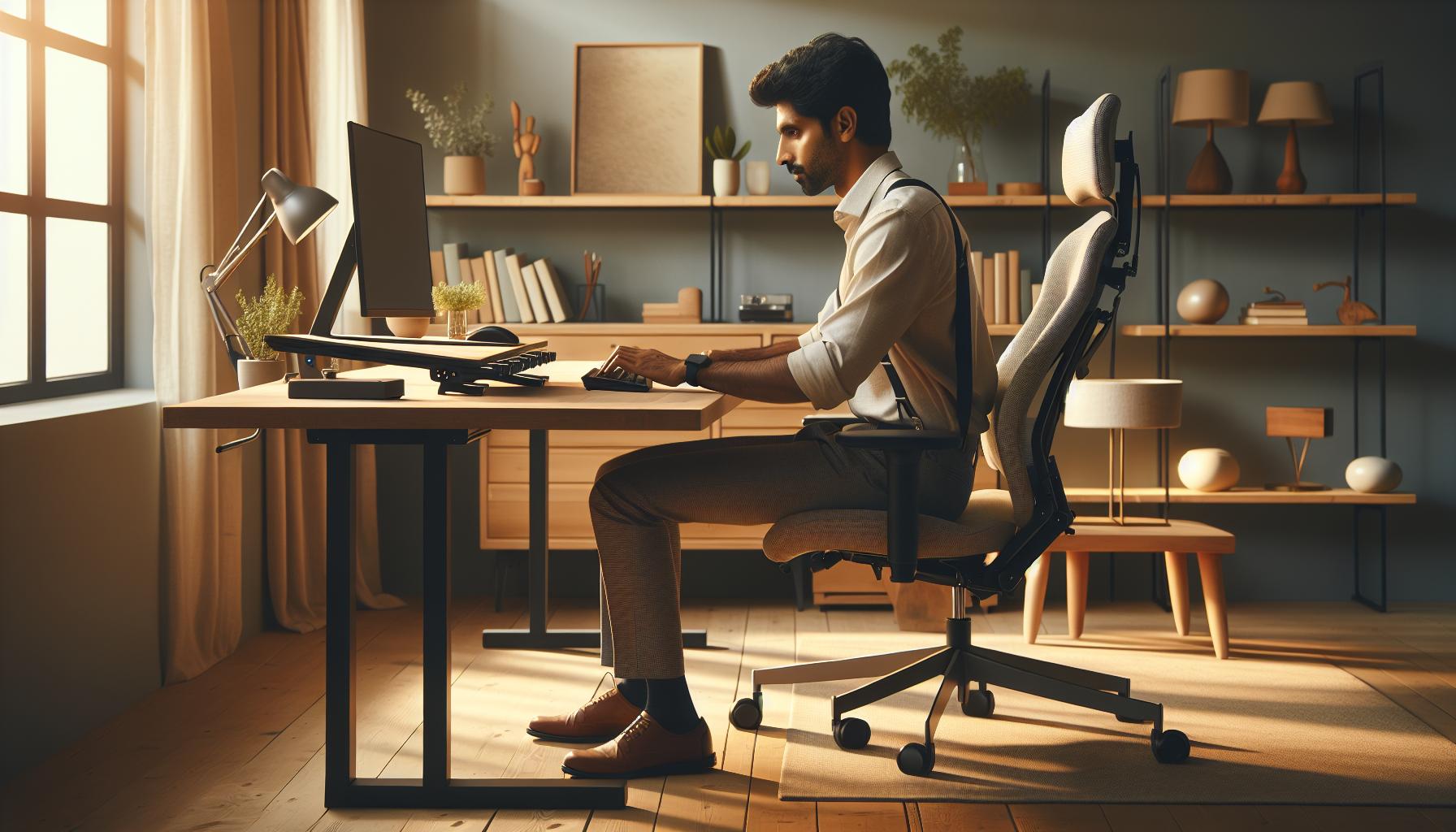
How to Transition to a Standing Desk
Transitioning to a standing desk can be an invigorating change, enhancing not only your physical health but also your mental agility. Research shows that reducing prolonged sitting can help mitigate health risks while promoting cognitive benefits, such as better focus and increased alertness. To make this transition smooth, it’s essential to approach it thoughtfully and strategically.
Start by selecting a standing desk that suits your needs and workspace. Look for adjustable models that allow you to vary your height easily, ensuring you can switch between sitting and standing effortlessly. When setting up, ensure your desk is at the right height: your elbows should remain at a 90-degree angle when typing, and your wrists should be straight. The screen should be positioned at eye level, about 20 to 30 inches away, to prevent neck strain. Using an ergonomic keyboard and mouse can further enhance your comfort while standing.
To make the adjustment easier, begin by standing for short periods throughout your day. Gradually increase the duration as your body adapts. Consider incorporating anti-fatigue mats which provide cushioning and support to your feet, especially if you’re standing for long stretches. Additionally, aim to alternate between sitting and standing to find a balance that feels right; experts suggest following the 20-20-20 rule-every 20 minutes, take a 20-second break to look at something 20 feet away-this can be converted into a brief standing session to keep your energy levels high.
To further improve your experience, listen to your body. Pay attention to any discomfort or fatigue, and adjust your schedule as needed. Integrating light movement, such as stretching or walking during breaks, can also keep your body engaged and promote better circulation. This mindful approach not only supports your physical well-being but also nurtures a more productive and satisfying work experience. Remember, the goal is not to stand all day but to find a sustainable rhythm that enhances both your health and productivity.
Best Practices for Alternate Sitting and Standing
Incorporating a mix of sitting and standing into your work routine can significantly enhance not just your physical health, but also your mental clarity and productivity. Studies suggest that alternating between these positions helps regulate blood circulation and keeps energy levels stable throughout the day. Adopting a balanced approach can help you avoid the fatigue and discomfort often associated with prolonged sitting or standing.
To implement this effectively, start by establishing a structured routine. A common recommendation is to use a ratio of 1:1 or 2:1 for sitting and standing. For example, if you sit for 25 minutes, stand for 25 minutes, or if you prefer a 2:1 ratio, sit for 20 minutes and then stand for 10 minutes. Using reminders or timers can aid in maintaining this schedule, ensuring that you shift positions regularly without needing to continuously monitor the clock.
Listen to your body: it’s essential to pay attention to how your muscles and joints respond throughout the day. If you begin to feel fatigued or experience discomfort in your legs or back, then it’s a cue to sit down for a bit. Additionally, consider integrating light movements into your routine, such as gentle stretches or walking around the office during breaks. This strategy not only counters stiffness but also boosts circulation and can invigorate your mental state, keeping you alert and focused.
When it comes to ergonomics, ensure that both your sitting and standing setups are comfortable to prevent strain. The height of your desk should allow your elbows to remain at a 90-degree angle whether you’re sitting or standing. Utilize adjustable chairs and desks to find your optimal positions. Supportive footwear and anti-fatigue mats can also enhance comfort while standing, enabling longer and more comfortable standing sessions. Making these small adjustments can lead to great improvements in your overall work experience and health.
Debunking Common Myths About Desk Positions
The debate over whether standing or sitting at a desk is better for your health and productivity is often clouded by misconceptions. One prevalent myth suggests that standing is a one-size-fits-all solution to desk job woes, leading many to believe that simply switching to a standing desk will eliminate discomfort and health issues. In reality, while standing desks can offer benefits, they are not a panacea. It’s crucial to recognize that maintaining good ergonomic practices in both sitting and standing positions is essential.
Another misconception is that standing all day is inherently healthier than sitting all day. While standing can reduce sedentary behavior, it’s important to understand that prolonged standing can also lead to discomfort and physical strain, particularly in the lower back, legs, and feet. Alternating between sitting and standing is a more effective strategy to alleviate pressure on the body and improve circulation. Implementing a routine that incorporates both positions helps strike an equilibrium, minimizing fatigue and discomfort.
Some people also believe that paying attention to desk posture is unnecessary if using a standing desk. This is a misleading view; proper ergonomics remain vital regardless of position. For example, if the desk is too high while standing, it may cause shoulder strain, and if it’s too low, it can lead to awkward wrist angles. A correctly adjusted standing desk should allow the user’s elbows to be at a 90-degree angle, with the monitor at eye level.
Lastly, many assume that using a standing desk will automatically boost productivity. While there is anecdotal evidence that switching positions can stimulate energy and focus, productivity is influenced by various factors beyond desk height. Stress management, work ambiance, and individual work habits play significant roles in overall effectiveness. Therefore, it’s crucial to view desk position as one component of a broader approach to workplace wellness and productivity, rather than a definitive solution. Understanding and debunking these myths empowers employees to create a balanced and healthy work environment tailored to their individual needs.
Cognitive Benefits of Movement at Work
Movement is a powerful catalyst for cognitive enhancement, often overlooked in the quest for optimal workplace performance. Research indicates that even small amounts of physical activity can significantly improve mental clarity, focus, and creativity. This is particularly crucial in a desk-bound environment, where prolonged periods of stillness can impede cognitive function and lead to mental fatigue. Incorporating movement into your workday not only mitigates the adverse effects of a sedentary lifestyle but also promotes a more vibrant and engaged mind.
Boosting Brain Function Through Movement
When you stand, stretch, or take a short walk during the workday, you boost blood flow to the brain, delivering essential nutrients and oxygen that are vital for cognitive performance. Studies suggest that physical activity increases the brain’s levels of serotonin and dopamine, neurotransmitters directly linked to mood and focus. Moreover, movement fosters what is known as neuroplasticity-the brain’s ability to adapt and restructure itself. Engaging in even brief episodes of activity can facilitate the formation of new synapses, enhancing learning and memory capabilities.
To capitalize on these benefits, consider implementing strategies to integrate movement seamlessly into your daily routine:
- Regular Breaks: Set a timer to remind you to take a 5-minute break every hour. Use this time to stand up, stretch, or walk around the office.
- Walking Meetings: Opt for walking meetings instead of sitting in a conference room. This not only promotes movement but can also enhance brainstorming and collaboration.
- Desk Exercises: Incorporate simple exercises like calf raises or seated leg extensions while you work to keep your body active.
Creating a Movement-Friendly Workspace
Designing a workspace that encourages movement can further enhance cognitive performance. Here are some tips on how to arrange your environment:
- Invest in Adjustable Desks: Consider standing desks or sit-stand converters that enable easy transitions between sitting and standing.
- Positioning: Place your printer, trash can, or other essential items farther away from your desk to encourage walking.
- Visual Reminders: Keep reminders, like post-it notes or inspirational quotes, where you can see them, prompting you to move during the day.
By prioritizing movement, you can not only enhance your cognitive abilities but also contribute to a more enjoyable and fulfilling work experience. Taking action today can lay the groundwork for improved focus, productivity, and overall mental well-being tomorrow.
Assessing Work Environment and Space
Creating an optimal work environment is crucial for enhancing your productivity and overall well-being, especially when considering whether to adopt a standing or sitting desk. Research suggests that the design and layout of your workspace can significantly affect both physical health and cognitive performance. For instance, a well-organized, ergonomic workspace promotes better posture, reduces strain, and encourages movement-all of which contribute to a healthier work experience.
To assess your work environment effectively, begin with an evaluation of your current desk setup. Ensure that your desk height allows your arms to rest comfortably at a 90-degree angle while typing, whether you’re sitting or standing. If using a standing desk, your elbows should be slightly below shoulder height to prevent shoulder fatigue. Additional factors such as screen placement should also be considered; the monitor should be at eye level, approximately an arm’s length away, to reduce neck strain. Using a monitor stand or adjustable desk can help achieve this ideal positioning.
Incorporating elements that promote movement is another effective strategy. You might designate areas of your workspace for specific tasks or utilize rolling carts for items such as documents or supplies. This encourages you to move, providing brief physical activity that can stimulate blood flow and support cognitive function. Additionally, introducing flexible furniture arrangements, such as a rolling chair or a standing desk converter, allows for seamless transitions between sitting and standing, enhancing comfort and reducing fatigue throughout the day.
Creating reminders and cues to promote activity during the workday can also amplify the benefits of a dynamic workspace. Consider placing sticky notes or visual prompts at eye level to encourage stretching or a short walk at regular intervals. Setting up an initial assessment followed by gradual adjustments can be highly effective in determining what works best for you. Engaging in experiments with different desk heights or arrangements can yield notable improvements in comfort, health, and focus, ultimately enhancing your work experience. By taking proactive steps to design a movement-friendly workspace, you can foster a more engaging, productive, and healthier work environment.
The Role of Breaks in Workplace Wellness
In today’s fast-paced work environment, taking regular breaks may seem like a luxury rather than a necessity. However, scientific research consistently shows that short, frequent breaks can significantly boost productivity, creativity, and overall well-being. When employed strategically, breaks can counteract the negative effects of prolonged sitting or standing at a desk, fostering a healthier work rhythm and enhancing cognitive performance.
One effective approach to integrating breaks is the Pomodoro Technique, which involves working for a set period, typically 25 minutes, followed by a 5-minute break. This cycle not only helps sustain focus but also enables your brain to recharge. During these short breaks, consider sitting less by incorporating movement. Simple activities, such as stretching, taking a brisk walk, or doing light exercises, can invigorate both body and mind. Aim to spend your breaks on activities that promote physical movement, as this encourages blood circulation and can boost mood levels, making the return to work more refreshing.
To maximize the benefits of breaks, establish a tactile or visual reminder system. Utilize timers, calendar notifications, or even apps designed to prompt movement and rest periods. Create a culture within your workspace that values and normalizes taking breaks-shared group exercises or team breaks can also enhance a sense of community and keep morale high. As breaks become routine, the cognitive and physical health benefits will become apparent, helping to improve focus, reduce stress, and foster creativity.
Ultimately, prioritizing regular breaks within your work routine is a proactive step towards cultivating a balanced and productive work environment. Embracing the concept of “rest as a productivity tool” will not only enhance your performance but also contribute to long-term health by reducing stress and the risk of burnout. Instead of viewing breaks as interruptions, recognize them as vital components of a successful workday that can lead to sustained focus and increased efficiency over time.
Incorporating Mindfulness into Desk Habits
Incorporating mindfulness into your desk habits can transform the way you engage with your work environment and enhance both mental and physical well-being. Mindfulness, defined as the practice of being fully present and engaged in the moment, can be a powerful tool against the stressors of a busy workplace, particularly in the context of sitting or standing at a desk for extended periods. Adopting mindful practices can not only improve focus and productivity but also contribute positively to your overall health.
To get started, consider integrating short, mindful moments throughout your day. For example, take a few seconds to notice your breath before diving into tasks. This simple act can help to reset your mind and promote a sense of calm. Research suggests that just a minute of deep breathing can lower cortisol levels and reduce stress, preparing you for a more productive session. You can also utilize mindful breaks by engaging in quick mindfulness exercises, such as a body scan, where you mentally check in with different parts of your body to identify tension or discomfort.
Establishing an ergonomic workspace plays a critical role in facilitating mindfulness. Make sure your desk setup reflects proper posture, whether sitting or standing. A well-adjusted chair, monitor at eye level, and feet flat on the ground (or a footrest if standing) can significantly affect your ability to focus and stay mindful. Regularly assess your comfort level and make adjustments as needed-this enhances your body awareness and helps you remain mindful of how your physical state influences your mental state.
Lastly, consider incorporating mindful technology aids, such as apps that prompt you to take breaks or provide reminders for mindfulness practices. Tools like headspace or Calm can guide you through short meditations designed to fit into your workday. By intentionally prioritizing mindfulness in your desk habits, you not only create a healthier work environment but also foster a more resilient mindset that will benefit both your professional and personal life.
Technology Aids for Better Posture and Movement
In the quest for optimal workspace wellness, leveraging technology can play a pivotal role in ensuring better posture and encouraging movement throughout the day. With the right tools and resources, you can transform your desk into a hub of health and productivity. Research shows that integrating technology into your daily routine can significantly enhance your physical comfort and cognitive function, making it easier to maintain focus and energy levels.
Tech Tools for Posture Improvement
A multitude of apps and devices are specifically designed to help you monitor and improve your posture. For instance, smart posture correctors, which can be worn discreetly under clothing, vibrate gently when you slouch. This real-time feedback fosters awareness and encourages proper alignment during your work hours. Additionally, apps like PostureMinder send reminders to stand up or stretch at regular intervals, helping combat the long hours often spent in a sedentary position.
Movement-Encouraging Wearables
Wearables like fitness trackers can also serve a dual purpose. Besides tracking your physical activity, many devices come equipped with alert features to remind you to move after prolonged periods of inactivity. Setting achievable movement goals-such as 10-minute walks each hour-can contribute significantly to your overall health. You can even synchronize these wearables with your calendar, ensuring that your work commitments align with your movement goals.
Apps that Enhance Engagement
Consider utilizing productivity apps that promote breaks and mindfulness. For example, tools like Forest encourage you to take breaks by gamifying the process of stepping away from your desk. You can plant a virtual tree that grows as you complete focused work sessions, while forcing you to step away during breaks to maintain the tree’s health. This innovative approach not only boosts your productivity but also encourages much-needed movement throughout the day.
Integrating these technological aids into your routine can significantly enhance your work habits, offering a structured approach to maintaining better posture and promoting movement. By making strategic use of available technology, you can cultivate a healthier work environment that supports both your physical and mental well-being.
Long-Term Effects of Desk Position on Wellbeing
The way we position ourselves at our desks can have profound long-term effects on our overall well-being. Research has increasingly highlighted the negative consequences of prolonged sitting, linking it to various health issues such as obesity, cardiovascular disease, and even reduced cognitive performance. Conversely, while standing desks are often hailed as a remedy, simply switching from sitting to standing isn’t a panacea; improper standing posture or excessive standing can lead to its own set of problems, including musculoskeletal disorders and fatigue.
To support long-term wellness, it’s essential to adopt a balanced approach to desk positioning. Alternating between sitting and standing not only alleviates the risk associated with static positions but also encourages natural movement, which is crucial for maintaining muscle engagement and metabolic health. Aim for an environment where you can easily shift between the two positions, using tools such as adjustable desks that provide flexibility and ease of transition.
Key Considerations for Desk Positioning
- Posture Awareness: Regardless of whether you are sitting or standing, maintaining proper posture is vital. Your head should be aligned with your spine, shoulders relaxed, and wrists straight. Ergonomic chairs and standing desk mats can enhance comfort and support.
- Movement Opportunities: Incorporate micro-movements throughout your day. Simple practices like standing up to take calls, using a footrest, or performing calf raises can keep your body engaged and reduce stiffness.
- Daily Activity Goals: Set realistic and achievable goals for physical activity throughout the day. This can be as simple as a short walk during lunch breaks, which not only aids physical health but also boosts mental clarity.
Long-term well-being is also significantly influenced by cognitive health. Constantly shifting between different tasks while managing desk positioning can enhance neuroplasticity, the brain’s ability to adapt and grow. Engaging with your workspace actively-through mindful movements or even by employing techniques such as the Pomodoro method-can sharpen focus and keep stress at bay, fostering a healthier work environment.
Ultimately, it’s not just about choosing to sit or stand; it’s about forming a routine that prioritizes movement, dynamic positioning, and ergonomic solutions to create a workspace that nurtures both health and productivity. By taking these steps, you create a sustainable foundation for long-term well-being while effectively managing the challenges of modern workplace settings.
Faq
Q: What are the risks of prolonged sitting at a desk?
A: Prolonged sitting can lead to various health issues, including obesity, cardiovascular disease, and musculoskeletal disorders. It may also contribute to poor posture and reduced energy levels, affecting overall productivity and well-being. Regular breaks and movement can help mitigate these risks.
Q: How can I effectively alternate between sitting and standing while working?
A: To effectively alternate between sitting and standing, consider using a height-adjustable desk. Practice the 20-20-20 rule, where you stand every 20 minutes for 20 seconds, and establish a reminder system to change positions every hour. This promotes movement and reduces discomfort.
Q: Does standing while working increase productivity?
A: Research suggests that standing while working can enhance productivity, particularly for tasks requiring focus and creativity. However, individual results may vary; it’s important to balance standing and sitting to maintain energy levels throughout the day.
Q: What ergonomic considerations should I take when using a standing desk?
A: When using a standing desk, ensure your monitor is at eye level and your elbows are bent at a 90-degree angle. Use a footrest to shift your weight and invest in anti-fatigue mats to provide comfort. Proper footwear is also essential for support.
Q: What are the cognitive benefits of standing while working?
A: Standing while working can boost cognitive function by increasing blood flow and oxygen to the brain. This may enhance focus, creativity, and memory retention. Incorporating movement breaks can further improve cognitive performance throughout the workday.
Q: How often should I take breaks from standing at my desk?
A: It’s advisable to take breaks every 30 to 60 minutes while standing. Short breaks for stretching or walking can alleviate fatigue and prevent discomfort. Integrating regular breaks supports sustained energy and productivity over the course of the day.
Q: Can using a standing desk help with weight management?
A: Yes, using a standing desk can contribute to weight management by increasing calorie expenditure compared to sitting. Regular standing and movement throughout the day can support your overall fitness goals when combined with a balanced diet and exercise.
Q: What is the best posture to maintain while standing at a desk?
A: The best posture while standing involves keeping your feet hip-width apart, aligning your ears, shoulders, and hips in a straight line. Your knees should be slightly bent, and your arms at a comfortable angle. Adjust your setup to ensure an ergonomic position.
Wrapping Up
As we conclude our exploration of whether it’s better to stand or sit at your desk, remember that your ultimate well-being hinges on finding the balance that suits you best. Incorporating ergonomic practices and understanding your body’s needs can greatly enhance your workplace wellness. For additional insights on setting up an effective standing desk or cultivating healthy work habits, check out our related articles on ergonomic workspaces and brain health tips.
Don’t let uncertainty hold you back-take actionable steps today! Consider signing up for our newsletter to receive the latest strategies on workplace wellness and stress management directly in your inbox. Have questions or tips of your own? We invite you to share your thoughts in the comments below. Your feedback plays a vital role in fostering our community. Keep exploring and nurturing your cognitive health!