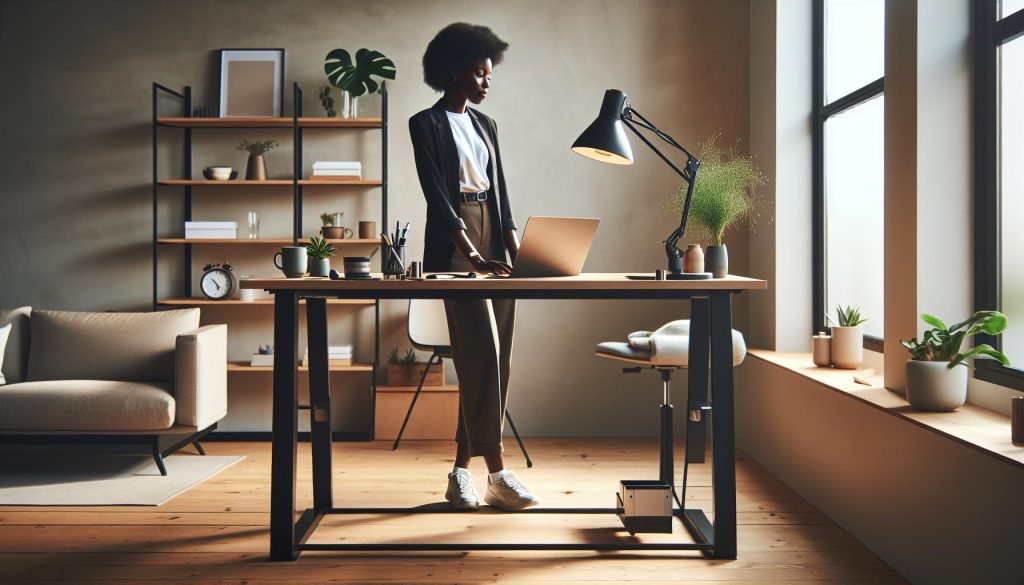
Did you know that incorporating a standing desk into your workspace can significantly boost your productivity and overall well-being? As more of us spend hours working at our desks, prioritizing ergonomics and aesthetic appeal is critical. Styling a standing desk not only enhances your workspace’s visual charm but also promotes better posture, reduces fatigue, and keeps your energy levels up throughout the day. This guide will explore practical strategies to transform your standing desk into a stylish, functional setup that reflects your personality while supporting your health. Dive in to discover how small changes can make a big impact on your work-life balance and cognitive performance.
How to Choose the Right Standing Desk for Your Needs
Choosing the right standing desk can significantly impact your work comfort and productivity. With a variety of options available, it’s essential to consider what aspects best align with your personal needs and work habits. For instance, height adjustability is a crucial feature; desks should accommodate your height to ensure that your monitor is at eye level and your wrists remain straight while typing. Investing in a desk that allows for easy adjustments throughout the day can facilitate better posture and reduce the risk of discomfort or injury.
When evaluating different standing desks, take note of the materials and stability when raised to standing height. Desks made from high-quality products are often sturdier and can support heavier equipment. Features like built-in cable management or extra storage can enhance your workspace’s organization, reducing clutter and potential distractions. Moreover, if you’re using multiple screens or heavy equipment, examine the weight capacity of the desk to ensure it can handle your setup without compromising stability.
Another factor to keep in mind is the style and design of the desk, as this can influence your overall workspace ambiance. Choose colors and finishes that resonate with your personal aesthetic, as this can enhance your mood and motivation throughout the workday. Additionally, incorporating features like built-in wireless charging stations or USB ports can further improve your workspace functionality.
Ultimately, selecting a standing desk that fits your specific functional and aesthetic requirements will contribute positively to your overall work experience, supporting ergonomic practices, enhancing focus, and promoting a healthier work-life balance. Also, don’t forget to consult with ergonomic guidelines and consider getting professional advice if you’re unsure about which options best suit your needs.
Creating an Ergonomic Workspace for Maximum Comfort
Creating an ergonomic workspace is not just a trend; it’s a crucial aspect of promoting your overall well-being and maximizing productivity. Research shows that an ergonomic setup can lead to significant reductions in discomfort while enhancing cognitive performance and focus. To achieve this, you’ll want to consider key elements like desk height, monitor placement, and chair selection-all tailored to fit your unique body mechanics.
Start by adjusting your standing desk to the correct height. Ideally, your elbows should be at a 90-degree angle when typing, and your wrists should be in a neutral position. Your monitor should be positioned at eye level to prevent neck strain, ensuring that you can comfortably view your screen without leaning forward or backward. You might find it beneficial to use accessories such as monitor risers or ergonomic keyboard trays to achieve the optimal configuration.
It’s also essential to pay attention to your footwear and flooring. Invest in supportive shoes to alleviate strain on your lower back and legs, and consider anti-fatigue mats, which can reduce discomfort from prolonged standing. Integrating these aspects into your workspace will not only enhance your comfort but also encourage better posture and reduce the risk of long-term health issues.
In addition to physical adjustments, don’t overlook the psychological factors that contribute to a comfortable workspace. Personalizing your environment with decor that inspires you, such as artwork or motivational quotes, can enhance your mood and creativity. Aim for a balance that combines functionality with aesthetics, ensuring your space reflects your personality while being conducive to productivity. This holistic approach will help create an inviting atmosphere that promotes both comfort and efficiency throughout your workday.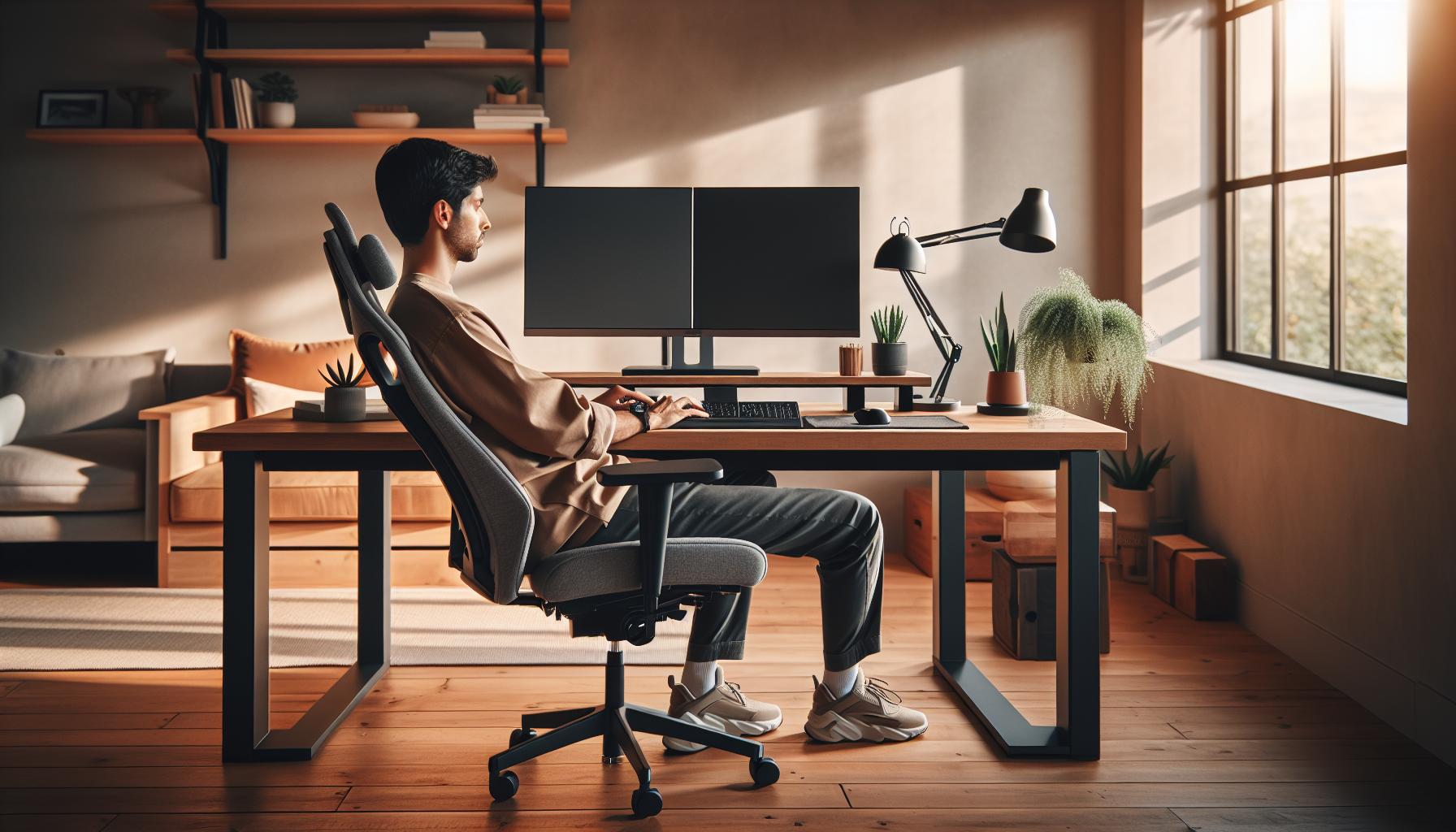
Essential Accessories to Enhance Your Standing Desk
To elevate your workspace and enhance the benefits of a standing desk, the right accessories can make a substantial difference in both comfort and productivity. By strategically selecting and incorporating various tools, you can transform your standing desk setup into an ergonomic, stylish haven tailored to your unique needs.
Key Accessories for Comfort and Functionality
First and foremost, consider an anti-fatigue mat. These mats provide cushioning for your feet, reducing strain on your legs and back, making it more comfortable to stand for extended periods. Opt for a mat that encourages subtle movement, as this can help promote blood circulation and keep you agile throughout the day.
Next, monitor arms and keyboard trays play a pivotal role in achieving proper ergonomics. With adjustable monitor arms, you can position your screen at eye level, preventing neck strain and improving your posture. A keyboard tray can help maintain your wrists in a neutral position, minimizing discomfort while typing. These adjustments can have a profound impact on your overall ergonomic alignment, thus enhancing your cognitive performance and focus.
Adding organizational tools such as cable management systems, desk organizers, and plant holders can further beautify your workspace while promoting organization. A clutter-free environment reduces distractions and promotes a more serene atmosphere, crucial for maintaining concentration and productivity. Consider incorporating elements that reflect your personality, such as vibrant pen holders or aesthetically pleasing plant pots, to create an inviting and inspiring workspace.
Effective Use of Tech Accessories
Technology accessories also present an opportunity to maximize efficiency. For instance, a USB hub can simplify the experience of connecting multiple devices, while a wireless charging pad keeps your mobile devices powered without adding to clutter. Noise-cancelling headphones can help block out distractions, fostering an environment conducive to deep work and focus.
Furthermore, integrating smart lighting solutions can significantly impact your mood and productivity. Adjustable desk lamps with color temperature settings allow you to customize the light based on the time of day, enhancing focus in the morning and fostering relaxation in the evening.
By combining these accessories and keeping your workspace organized and personalized, you not only boost your productivity but also create a visually appealing atmosphere that invites creativity and well-being. Transforming your standing desk into a carefully styled workspace is not just about looks; it’s about crafting an environment where comfort, function, and inspiration converge.
Color Psychology: Boosting Mood with Workspace Design
Choosing the right colors for your workspace can profoundly impact your mood, motivation, and overall productivity. Research shows that colors evoke emotional responses and influence cognitive performance, making understanding color psychology essential for designing your standing desk environment. For instance, blue hues are known for their calming effects and ability to enhance focus, while vibrant yellows can stimulate creativity and energy. By thoughtfully selecting colors for your standing desk setup, you can create an atmosphere tailored to your professional needs.
Integrating color into your workspace design doesn’t have to involve a complete overhaul. Instead, consider using accent pieces to introduce vibrant shades or calming tones. Items such as desk organizers, mousepads, or even framed artwork can effectively transform the energy of your workspace. Additionally, incorporate natural elements; earthy greens can not only enhance concentration but also promote a sense of wellness. By striking a balance between energizing and calming colors, you can create a dynamic environment that supports both creativity and focus.
To maximize the effects of color in your workspace, think about the following strategies:
- Use Color Theory: Familiarize yourself with the basic principles of color theory to select hues that complement your intentions. For example, combine warm tones like orange or yellow with cool blues to create a balanced atmosphere.
- Add Personal Touches: Your workspace should reflect your personality. Whether it’s a bold red mug or calming pastel notes, allowing personal preferences can enhance your emotional connection to the space.
- Adjust Lighting: The color of your lighting can alter how colors appear in your workspace. Experiment with different bulbs to see how they affect the mood and productivity of your environment.
Ultimately, paying attention to the colors in your standing desk setup can create an uplifting space that fosters focus, creativity, and well-being. Using an informed approach to color selection will not only beautify your workspace but also support your cognitive health as you navigate the challenges of your workday.
Incorporating Plants for a Healthier Workspace
Integrating greenery into your workspace goes beyond mere aesthetics; it contributes significantly to improved mood, productivity, and cognitive function. Studies have consistently shown that plants can reduce stress, enhance air quality, and even boost creativity. By simply positioning a few well-chosen plants around your standing desk, you can create a vibrant and refreshing work environment that supports mental clarity and overall well-being.
When selecting plants for your workspace, consider options that are not only visually appealing but also low-maintenance. Some ideal candidates include:
- Spider Plant: Known for its air-purifying abilities, this hardy plant thrives in various light conditions, making it a perfect desk companion.
- Pothos: This trailing plant is extremely resilient and requires minimal care, yet it brings a lush, green aesthetic that can brighten any space.
- Snake Plant: Another low-maintenance option, the snake plant is known for its striking upright leaves and air-purifying qualities, ideal for promoting a healthier workspace.
In addition to choosing the right plants, consider the placement and how they enhance your work ergonomics. Positioning plants at eye level, such as on a shelf or a plant stand, can create a visually appealing focal point without blocking your computer screen. Incorporating pots or planters that complement your workspace decor can also unify the aesthetic while fostering an inviting, peaceful atmosphere.
Moreover, engaging with plants in your workspace can serve as a beneficial break from screen time. Taking a moment to tend to your plants or simply enjoying their presence can refresh your mind and combat fatigue. This practice can substantially enhance your productivity and spark creativity as you reconnect with nature, even in a busy office setting.
Embracing the presence of plants in your standing desk area not only cultivates a healthier workspace but also supports cognitive health, creating a harmonious balance between productivity and well-being. In a world where work and stress often collide, the simple act of nurturing plants can provide a calming counterbalance, ultimately promoting a more fulfilling work experience.
Best Practices for Alternating Sitting and Standing
The benefits of alternating between sitting and standing while working extend far beyond mere comfort; they can significantly enhance your overall health and productivity. Research shows that prolonged periods of sitting can lead to adverse health effects, including obesity and cardiovascular disease. Therefore, establishing a well-thought-out routine for sitting and standing can be transformative.
To start, aim for a balanced approach. A common recommendation is to alternate between sitting and standing every 30 to 60 minutes. Setting a timer can be an effective strategy to remind you to switch positions. You might also consider using an app designed for this purpose, which can provide prompts and even track your time spent in each position.
Here are some additional best practices to make the most of your alternating schedule:
- Listen to Your Body: Pay close attention to how your body feels. If you begin to experience discomfort while standing, take a break by sitting down. Conversely, if sitting feels stagnant, switch to standing for a while.
- Adjust Your Desk Height: Ensure that your standing desk is set at an appropriate height. Your elbows should be at a right angle when typing, and your screen should be at eye level to avoid strain.
- Incorporate Movement: Use the time spent standing to encourage movement. Shift your weight from one foot to the other, or do some subtle stretching to keep your muscles engaged.
- Create a Comfortable Environment: Invest in a comfortable anti-fatigue mat to reduce pressure on your feet and legs while standing. This can make standing for extended periods much more manageable.
Many people find that integrating standing or walking meetings also supports their alternating routine. This proactive approach not only keeps your body engaged but also encourages creativity and collaboration. Ultimately, establishing an effective alternating routine can contribute to better posture, increased energy levels, and enhanced cognitive function. By prioritizing your physical health and comfort, you’re likely to see improvements in your productivity and overall workplace satisfaction.
Time Management Tips for Productive Standing Desk Use
Creating a productive environment around your standing desk can significantly enhance your work efficiency and overall well-being. Time management is a crucial aspect of maximizing this productivity. By implementing structured time-blocking techniques, you can ensure that your work sessions are both effective and engaging. The Pomodoro Technique, for instance, encourages you to work in focused 25-minute intervals, followed by a 5-minute break. This method not only fosters deep concentration but also allows you to shift from sitting to standing regularly, adding physical movement to your day.
Another practical strategy is to establish a daily schedule that includes designated periods for both standing and sitting. For example, plan your most demanding tasks during your peak performance times, perhaps right after your morning coffee, when your energy levels are high. Use standing for tasks that require more creativity and problem-solving as the shift in posture can stimulate blood flow and invigorate your mind. Conversely, reserve more monotonous or administrative tasks for when you are seated, allowing your mind to relax but still remain productive.
It’s also essential to utilize technology to your advantage. Consider applications that allow you to set timers for both work intervals and breaks, as well as those that remind you to switch between sitting and standing positions. Automating these prompts can reduce the cognitive load of remembering to adjust your posture. Apps like Focus@Will can provide distraction-free music to help maintain focus, or tools like Trello or Asana can assist in project management by visually organizing your tasks.
Incorporating mindfulness techniques into your time management can also enhance productivity. Allow a few moments between work intervals to practice deep breathing or quick stretches. This can not only reduce stress but also clear your mind for the next task. Remember, the goal is not just to get more done but to create a workspace that supports your well-being and cognitive health. Prioritizing self-care within your time management strategy will allow you to notice improvements in focus, creativity, and overall productivity.
Simple Exercises to Do at Your Standing Desk
Standing desks can revitalize your workspace, but incorporating simple exercises while using them can further enhance your physical and mental well-being. Engaging in movement throughout the day not only boosts circulation but also helps break the monotony of long hours at a desk, can increase your energy levels, and enhance your cognitive function. Here are some practical exercises tailored for your standing desk setup that you can easily incorporate into your routine.
Engaging Movements for Vitality
- Calf Raises: Stand tall and slowly rise onto the balls of your feet, hold for a few seconds, and then lower back down. Repeat this 10-15 times. Calf raises improve circulation and strengthen your lower legs, helping combat fatigue.
- Seated Leg Lifts: If you have the option to sit for brief moments, try lifting one leg at a time, holding it parallel to the floor for a few seconds. This exercise engages your core and improves leg strength without straining.
- Shoulder Rolls: Stand with your arms relaxed at your sides. Roll your shoulders forward in a circular motion 10 times, then switch and roll them backward. This helps relieve tension in the shoulders and upper back, areas often affected by prolonged standing.
- Desk Push-Ups: Stand a few feet away from your desk, place your hands on the tabletop, and perform push-ups against the desk. This strengthens your upper body and can energize your work sessions.
Stretching to Alleviate Tension
Taking a moment to stretch at your standing desk can greatly reduce stiffness and enhance flexibility. Here are a few simple stretches you can do:
- Neck Stretch: Gently lower your right ear to your right shoulder, holding for 15-30 seconds. Switch sides. This helps relieve neck tension, which can accumulate from desk work.
- Upper Back Stretch: Interlace your fingers and stretch your arms out in front of you, rounding your upper back. Hold for 15-30 seconds. This stretch engages your upper back muscles and counteracts the forward hunch often seen during desk work.
- Hip Flexor Stretch: Step one foot back and bend your front knee, keeping your back leg straight. Hold this position for 15-30 seconds. This stretch opens up the hips, which can become tight from prolonged standing.
By dedicating just a few minutes to these exercises throughout your day, you can not only enhance your physical health but also create a more invigorating and dynamic work atmosphere. Remember to listen to your body and consult a health professional if you have any concerns about your exercise routine. With consistent practice, these simple movements can significantly improve your overall workplace wellness, cognitive performance, and productivity.
Designing a Distraction-Free Environment
Creating a workspace that fosters focus and productivity is essential, especially when using a standing desk. To maintain high levels of concentration, you must minimize distractions in your environment. Studies have shown that an organized and calm workspace can significantly enhance cognitive function and creativity, leading to better work performance.
Begin by decluttering your workspace. A clean and orderly desk helps clear mental clutter, making it easier to concentrate on tasks at hand. Use organizers, trays, and boxes to keep necessary items within reach while keeping less important things stored away. Consider incorporating cable management solutions to prevent tangles and distractions from visible cords.
Next, think about the impact of your surroundings. Natural light can boost mood and energy levels, so position your desk near a window if possible. If that’s not an option, opt for soft artificial lighting, avoiding harsh overhead lights that can lead to eye strain. Additionally, incorporating calming colors in your workspace-such as soft greens or blues-can enhance relaxation and focus.
To further reduce distractions, use sound to your advantage. Background noise can be detrimental; consider using white noise machines or ambient sound apps to create a soothing audio environment. Alternatively, earbuds with noise-canceling features can help maintain focus by blocking out ambient sounds.
Finally, make your workspace personal yet functional. Items like plants not only beautify the space but also improve air quality and reduce stress levels. Personal photos or inspirational quotes can uplift your spirits, provided they do not overwhelm your workspace. By crafting an environment that supports your work style and minimizes distractions, you’ll find it easier to concentrate and perform at your best.
Personalizing Your Standing Desk Setup
Creating a workspace that resonates with your personal style can dramatically influence not only your mood but also your productivity. allows you to cultivate an atmosphere that reflects your personality while enhancing comfort and focus. By incorporating unique elements, you can create a space that energizes and inspires you throughout the workday.
Start by selecting a color scheme that resonates with you. Colors have a profound impact on mood and cognitive function. Soft blues and greens can create a calming effect, while brighter hues like yellow can evoke energy and creativity. Consider introducing desk accessories in these shades, such as a mouse pad, desk mat, or pen holder. This cohesive color palette can transform your workspace into an inviting sanctuary for creativity and focus.
Incorporate Personal Touches
Adding personal touches can foster a sense of belonging and motivation. Here are some ideas to consider:
- Photos and Art: Frame your favorite photos or artwork and display them prominently to create a warm atmosphere that inspires you.
- Inspirational Quotes: Use a bulletin board to pin quotes that motivate you, encouraging a positive mindset each day.
- Functional Decor: Opt for decor items that double as organization tools, such as stylish baskets or wall-mounted shelves for books, books, or plants.
Integrating plants into your desk setup not only enhances aesthetics but also brings numerous benefits, such as improving air quality and reducing stress. Consider low-maintenance options like succulents or snake plants that thrive indoors.
Invest in Ergonomic Accessories
While personal aesthetics are important, functionality cannot be neglected. Invest in ergonomic accessories like a supportive anti-fatigue mat to cushion your feet while standing. A monitor riser can help align your screen at eye level, reducing neck strain. These additions not only promote better posture but also demonstrate a commitment to your health.
By melding comfort, personalization, and functionality, you can create a standing desk environment that is not only stylish but also conducive to productivity and overall well-being. This intentional workspace setup will empower you to tackle your work with renewed energy and creativity each day.
Maximizing Productivity with Mindfulness Techniques
Integrating mindfulness techniques into your workspace can significantly enhance your productivity, especially when using a standing desk. Research suggests that mindfulness practices not only improve focus but also contribute to a healthier emotional state, enabling you to tackle tasks with greater clarity and energy. By cultivating a mindful work atmosphere, you can transform your standing desk into more than just a workspace; it becomes a sanctuary for creativity and efficiency.
Start by establishing a regular mindfulness routine, which can be as simple as dedicating the first five minutes of your workday to deep breathing exercises. This practice helps center your thoughts and set a positive tone for your day. You might close your eyes and inhale deeply, focusing on the rise and fall of your breath. Repeat this a few times, allowing thoughts about the day ahead to drift away. Such moments of calm not only reduce stress but can enhance cognitive performance, allowing you to engage in your tasks more effectively.
Incorporating mindful breaks throughout your day can also foster a positive working environment. Consider using techniques such as a “mindful walking” practice-taking a short break to walk intentionally around your workspace while paying attention to your movements and surroundings. This can refresh your mind, help you gain perspective, and even inspire new ideas. Moreover, during your standing desk sessions, make a habit of checking in with your posture and comfort. Acknowledge any tension in your body and take a moment to adjust. Simple movements like stretching or shifting your weight can ease discomfort and help maintain focus on your work.
To further enhance your mindfulness practice, consider incorporating elements into your workspace that promote serenity and focus. This might include calming visuals like nature images or using soft lighting. These aesthetic choices can create an environment conducive to mindfulness and help maintain a clear, productive mindset. You can also keep a small item on your desk, such as a stress ball or a textured stone, to serve as a tactile reminder to return to a mindful state whenever you feel overwhelmed.
Embrace these mindfulness techniques as integral parts of your work routine. They can drastically improve your overall happiness, cognitive health, and productivity, proving that a thoughtful approach to your environment is just as important as its physical setup. By merging ergonomic practices with mindfulness, you’ll not only enhance your workspace but also empower yourself to strive for work-life harmony and well-being.
Maintaining Your Standing Desk for Longevity and Functionality
To ensure your standing desk remains a vital part of your workspace for years to come, regular maintenance is key. A well-maintained desk not only enhances functionality but also supports your overall health and productivity. Just as you’d care for any valuable equipment, treating your standing desk with attention helps it retain its aesthetics and performance.
Start with cleaning your desk regularly. Dust and dirt can accumulate over time, affecting both its appearance and performance, especially in motorized desks. Use a soft, damp cloth to wipe down wooden surfaces, avoiding harsh chemicals that can damage the finish. For mechanical components, ensure that you remove dust from joints and leg mechanisms as this can hinder the smooth operation. Additionally, consider keeping a small microfiber cloth nearby to wipe down your desk at the end of each day, promoting a clean start each morning.
Next, check the stability of your desk periodically. If you notice any wobbling or instability, it may be time to tighten screws or bolts. For height-adjustable desks, ensure that they raise and lower smoothly without unusual noises. Addressing these minor issues promptly can prevent more significant problems down the road. If your desk has a power source, regularly inspect cords for wear or damage to avoid potential hazards.
Adjusting Your Setup
Incorporating ergonomic adjustments is also crucial for maximizing comfort and functionality. Regularly reassess the positioning of your computer monitors, keyboards, and other accessories to accommodate changes in your posture or working style. Make sure your monitors are at eye level to reduce neck strain, and keep essential items within arm’s reach to minimize unnecessary stretching.
Additionally, consider integrating accessories like a desk mat for comfort underfoot, anti-fatigue mats, or footrests to encourage movement and relieve pressure on your legs. These small adjustments help create a more inviting workspace that promotes healthy habits, such as alternating between sitting and standing throughout your day.
Ultimately, maintaining your standing desk extends beyond physical upkeep; it reflects your commitment to fostering a healthy and productive work environment. By implementing these simple practices, you can enjoy a stylish, functional, and supportive workspace that promotes both cognitive health and overall well-being.
Frequently Asked Questions
Q: How can I effectively organize my standing desk space?
A: To effectively organize your standing desk, start by decluttering the workspace. Use desk organizers for stationery and frequently used items. Position your monitor at eye level and keep essential tools within arm’s reach. Incorporate cable management solutions to prevent tangles and maintain a clean look. Refer to the section on Creating an Ergonomic Workspace for more tips.
Q: What decorative items enhance a standing desk setup?
A: Decorative items like inspiring artwork, stylish desk plants, and personal photos can enhance your standing desk setup. Choose décor that aligns with your color scheme and promotes a positive atmosphere. Consider incorporating items that spark joy or creativity, helping improve your workspace appeal and motivation.
Q: How can I personalize my standing desk without cluttering?
A: Personalize your standing desk by integrating multifunctional accessories, like a photo frame that doubles as a plant holder. Use minimalistic designs to maintain an organized look while still reflecting your personality. Consider incorporating items that are both functional and aesthetically pleasing.
Q: What plants are best suited for a standing desk?
A: Low-maintenance plants like succulents, snake plants, and pothos thrive in office environments. They improve air quality and add a touch of greenery, enhancing the workspace’s aesthetic. Ensure they have adequate lighting and water them according to their specific needs for optimal growth.
Q: What are some common mistakes to avoid when styling a standing desk?
A: Common mistakes include overcrowding the desk with too many items, neglecting ergonomics, and using distracting colors. Avoid placing your monitor too low or too far, which can strain your neck. Stick to a cohesive color palette to maintain a calm and productive environment.
Q: How can I adjust my standing desk to suit various tasks?
A: To adjust your standing desk for different tasks, set the height based on activity-monitor at eye level for typing, and slightly lower for writing. Ensure your elbows are at a 90-degree angle when using the keyboard to reduce strain. Regularly alternate between sitting and standing to maintain comfort.
Q: What lighting options can improve my standing desk experience?
A: Good lighting, such as adjustable desk lamps or natural light sources, can enhance your standing desk experience. Opt for lamps with adjustable brightness to reduce glare on screens and create a comfortable ambiance. Proper lighting can also boost your mood and productivity.
Q: How do I maintain my standing desk for longevity?
A: To maintain your standing desk, regularly check for loose screws and ensure all moving parts function smoothly. Clean surfaces with appropriate materials to avoid damaging finishes. Rotate the desk’s height settings periodically to prevent wear on any specific position. For more details, see Maintaining Your Standing Desk for Longevity and Functionality.
Wrapping Up
As you transform your workspace with a standing desk, remember that a well-styled environment enhances your productivity and well-being. Embrace ergonomic principles for a healthier work habit, and don’t hesitate to revisit our guides on workspace wellness and effective stress management strategies. Ready to take the next step? Explore your options for personalized standing desk accessories to elevate your setup even further.
If you found value in this guide, consider signing up for our newsletter to receive regular updates on workplace wellness and innovative tips on improving cognitive performance. Join our community and share your workspace transformation journey; we’d love to hear how you’ve styled your desk! Explore related topics, and remember-all it takes to improve your work life is one small change at a time.