Did you know that nearly 80% of office workers experience discomfort when using standing desks on carpet? This common issue can disrupt your focus and productivity, making it essential to have a stable setup. In this guide, we’ll explore pro installation tips to effectively stabilize your standing desk on carpet, ensuring a comfortable and productive workspace. By addressing these concerns, you’ll not only enhance your work environment but also promote better posture and overall wellness. As you learn how to create a secure standing desk setup, you’ll be taking an important step towards elevating your workplace experience and cognitive health. Continue reading to discover practical strategies that lead to a smoother, more enjoyable workday!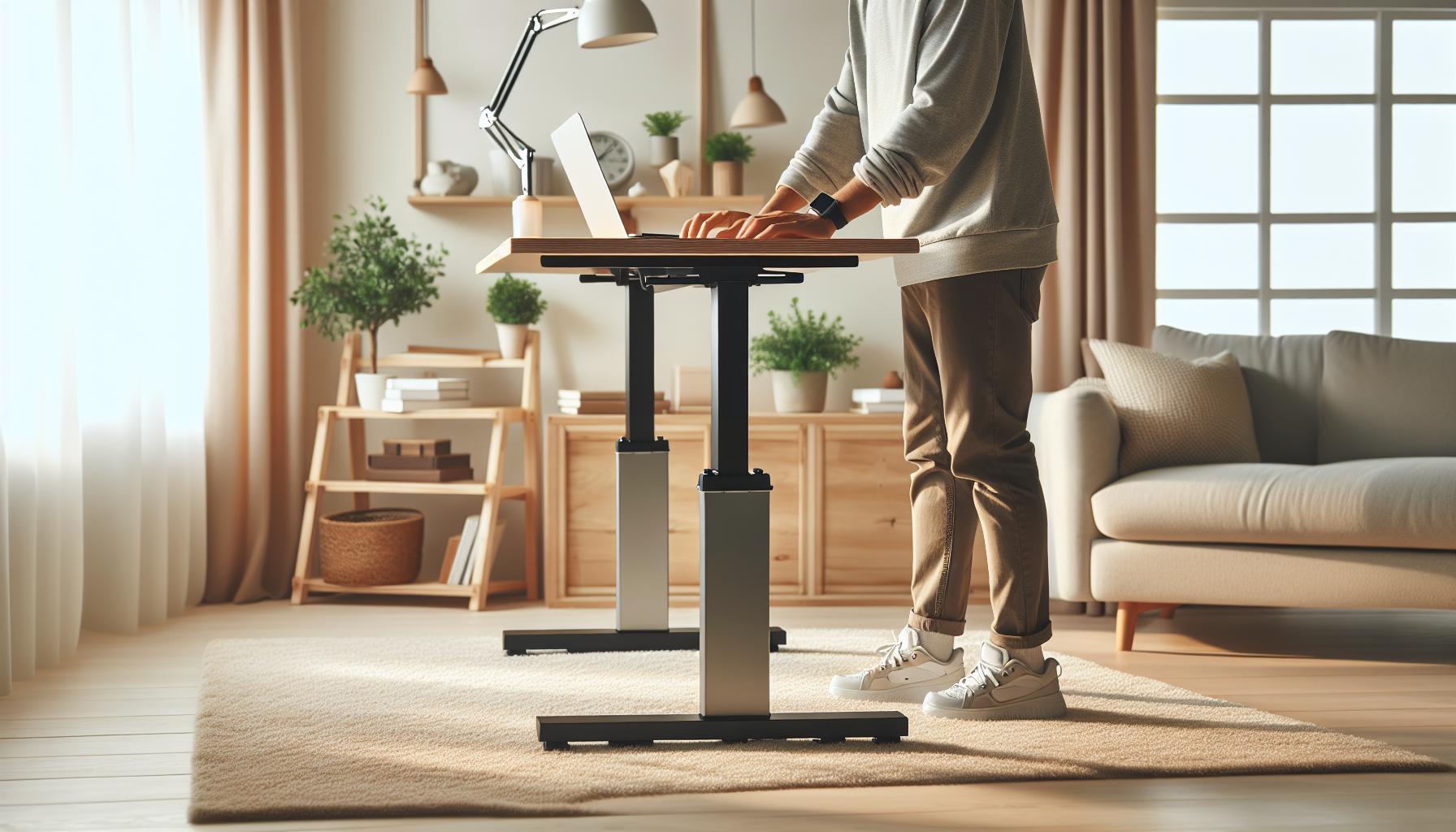
Tips for Choosing the Right Standing Desk for Carpet
Choosing the right standing desk for a carpeted space can significantly impact your comfort and productivity. Since carpets can introduce stability issues, selecting a desk designed to manage these challenges is crucial. When evaluating options, consider the weight and footprint of the desk. Heavier desks with a broader base are generally more stable on carpet, minimizing the risk of wobbling during use. Additionally, look for desks with adjustable feet or leveling mechanisms that can accommodate uneven surfaces, allowing for a snug fit that bolsters stability.
Material choice is another vital factor. Desks constructed from sturdy materials such as steel or solid wood not only provide durability but also enhance stability when placed on carpet. Many desks feature rubberized feet or pads that help grip the carpet and prevent movement, making them ideal for softer surfaces. When browsing options, pay attention to user reviews that highlight the desk’s performance on carpeted floors.
Lastly, consider the desk’s design. Styles with a stable, robust frame and a lower height can enhance balance and support your ergonomic needs. To further ensure your desk remains stationary, you can use additional stabilizing accessories-like weights specifically designed for this purpose-if the model allows. Investing time in choosing a desk that meets these criteria will lead to a more enjoyable working experience, promoting not only workplace wellness but also your overall cognitive health and productivity.
Understanding the Challenges of Carpet Stability
Navigating the challenges of stability when using a standing desk on carpet requires a deeper understanding of the dynamics involved. Carpets, while providing warmth and comfort, can create significant issues in maintaining a stable work environment. The softness and fluctuating heights of carpet fibers lead to movement, instability, and potential wobbling of your desk, which can hinder productivity and affect your ergonomic posture.
One major factor contributing to instability is the compressibility of carpets. As weight is applied to a desk, the carpet fibers compress, leading to a varying degree of support. This is particularly pronounced in thicker carpets, where the desk legs can sink into the pile, making it difficult to maintain a level work surface. To counteract this, consider desks that feature a wider base or larger footprint, as these designs distribute weight more evenly and reduce the chance of sinking.
Additionally, the type of carpet can affect the performance of your standing desk. Low-pile carpets tend to provide more stability than plush, high-pile options. If your workspace is outfitted with thicker carpeting, integrating leveling legs or adjustable feet into your desk setup can compensate for the unevenness and ensure a balanced surface. Combining these features with a smart layout-placing your desk in a less trafficked area or using furniture coasters for an added layer of support-can create a more stable workstation.
Ultimately, understanding how carpet influences desk stability allows you to make informed decisions during setup. Opting for the right desk design and materials, alongside thoughtful placement, ensures a more secure working environment. By addressing these challenges proactively, you can enhance your ergonomic experience, promote workplace wellness, and maintain cognitive focus-essential components in achieving a balanced and productive workday.
Essential Tools Needed for Desk Installation
To create a stable and supportive environment when installing a standing desk on carpet, having the right tools at your disposal is essential. The impact of uneven surfaces can significantly influence your workspace, and preparation is key to overcoming these challenges. Here’s a concise list of essential tools and materials that will help you achieve an optimal setup.
Must-Have Tools for Installation
- Adjustable Leveling Feet: These can be added to your desk legs and help compensate for the discrepancies in carpet height, ensuring an even and stable surface.
- Carpet Coasters: Using coasters made of sturdy material can prevent desk legs from sinking into soft carpeting, distributing weight evenly and preventing damage to both the carpet and the desk.
- Measuring Tape: Accurate measurements are vital to ensure that your desk is positioned correctly and to assess the height adjustments needed for leveling.
- Bubble Level: This tool will help you check that your desk surface is perfectly horizontal, essential for a comfortable ergonomic setup.
- Drill and Screws (if applicable): Depending on your desk design, you may need to fasten additional supports or equipment, requiring a reliable drill and the appropriate screws.
- Anti-Slip Mats: These mats provide added grip under the desk legs, further reducing slippage and movement associated with carpeted surfaces.
- Furniture Pads or Felt Pads: Place these under desk legs to enhance stability and protect your carpet from indentations.
- Wrench or Socket Set: If your desk requires assembly or tightening, having the right size tools makes the process efficient.
Investing in these tools will not only simplify the setup process but also improve your overall work experience by reducing the potential for instability. A robust installation promotes better posture and enhances cognitive health, allowing you to focus more on your work rather than adjusting your environment. Remember, a well-set-up standing desk can contribute significantly to your workplace wellness and productivity.
Step-by-Step Guide to Stabilizing Your Desk
Creating a stable and supportive environment for your standing desk is crucial, especially when positioned over carpet. A well-stabilized desk not only enhances your work efficiency but also promotes better posture and overall cognitive health. Here’s a straightforward guide to help you achieve optimal stability.
Start by ensuring that your workspace is clear and clean. This allows you to focus on positioning and adjustments without distractions. Set your desk upside down on a flat surface to attach any necessary components, such as adjustable leveling feet. Ensure that all screws and fasteners are securely tightened, as an unstable connection can lead to wobbling once set up.
Next, carefully position the desk on the carpet. To combat potential sinking of the desk legs into softer carpets, utilize carpet coasters. These should be placed under each leg to distribute the weight evenly. After placing the desk, check for any height discrepancies by using a bubble level. This tool will help ensure your desk surface is perfectly horizontal, which is essential for ergonomic use.
Once everything is in place, it’s time to adjust the desk height. Ideally, your elbows should form a 90-degree angle when typing, and your screen should be at eye level. After adjustments, step back and test the desk stability by applying gentle pressure in different directions. If it still wobbles, reconsider your leg supports or add anti-slip mats for additional grip. This not only helps to stabilize the desk but also reduces slippage.
Regular maintenance is key to long-term stability. Periodically check for any loose screws or components and reposition the desk as needed. By connecting ergonomic practices with stable desk setup techniques, you create a workspace designed for productivity and wellness.
Utilizing Anti-Slip Mats for Added Support
Utilizing anti-slip mats can be a game changer for anyone looking to stabilize their standing desk on carpet, especially for those experiencing the frustrating wobble that can disrupt productivity and comfort. These mats not only provide a solid grip on the carpet, reducing movement and instability, but they also contribute to a safer workspace by minimizing the risk of slips and falls. By creating friction between the desk legs and the floor surface, anti-slip mats help keep your desk firmly planted, which is crucial for maintaining an ergonomic setup.
When selecting an anti-slip mat, it’s essential to choose one that is thick enough to offer substantial support without compromising the height of your desk. Many effective options are designed with textured surfaces that enhance grip while evenly distributing weight. The right mat can make a notable difference, allowing your desk to function at its best, particularly when positioned over plush or fluffy carpets that may not provide a firm anchor. Additionally, consider mats that are made of durable materials that can withstand regular use without wearing down.
To implement anti-slip mats effectively, follow these steps:
- Measure Your Desk Legs: Before purchasing, ensure you know the dimensions of your desk legs to find mats that fit well underneath.
- Position the Mats: Carefully place the mats under each desk leg, ensuring they cover ample space to prevent any sinking or shifting.
- Test Stability: After installation, apply gentle pressure at various angles to test for any residual wobble.
- Adjust If Necessary: If you notice any instability, consider adding additional mats or leveling feet to enhance stability further.
Incorporating anti-slip mats into your standing desk setup not only improves physical stability but can also significantly boost your mental well-being. A stable desk creates a conducive environment for focus and productivity, reducing distractions that might arise from dealing with a wobbly setup. As you find your rhythm in this more secured workspace, you’re likely to notice improvements in your posture and cognitive performance, ultimately contributing to a healthier, more efficient work life.
Adjusting Desk Height for Optimal Balance
Optimal desk height plays a crucial role in achieving a balanced and ergonomic workspace, especially when using a standing desk on carpet. An improperly adjusted desk can lead to discomfort and hinder productivity. Studies have shown that standing desks, when set at the right height, can improve posture, reduce fatigue, and promote better focus. To maximize the benefits of your standing desk and ensure it remains stable over carpet, adjustments are essential.
To adjust your desk height for optimal balance, begin by standing in your natural stance, feet hip-width apart. Your elbows should be at a 90-degree angle when your hands are resting comfortably on the keyboard or work surface. This positioning not only helps maintain a neutral spine but also reduces strain on your arms and wrists. Use a height-adjustable desk mechanism to bring the surface up or down, ensuring that your computer screen is at eye level-about 20 to 30 inches away from your face-to prevent neck strain.
For those navigating the challenges of carpet, consider additional strategies. A thick carpet could cause the desk to sink slightly, affecting stability, so it’s crucial to account for this when setting the height. If you find your desk uneven, use leveling feet or adjustable casters that can help accommodate the height variations. Regularly reassess the desk height as you become accustomed to standing; your comfort levels may change, and fine-tuning the height can significantly impact your work efficiency.
Making these adjustments is not simply a matter of comfort; it’s also about creating a workspace that supports your physical and cognitive health. By ensuring your desk is set to the right height, you’re not just investing in a stable work environment but also nurturing your mental well-being and work-life balance.
Common Mistakes to Avoid During Setup
Setting up a standing desk on carpet can enhance your work environment, but many people make common mistakes that can undermine stability and ergonomic benefits. One prevalent error is neglecting to measure the carpet’s thickness before selecting or adjusting the desk height. Failing to account for carpet can result in a desk that feels unsteady or wobbly, affecting productivity and comfort. Always measure your carpet and account for its height when setting your desk.
Another mistake is not using appropriate leveling tools. Many users overlook the importance of leveling feet or adjustable casters designed for carpeted surfaces. These can be crucial for achieving a stable setup, especially if the carpet has varying heights or plush areas. If your desk has a tilting sensation, invest in leveling solutions to ensure a solid foundation-this not only aids in stability but also contributes to a healthier working posture.
Additionally, rushing through the assembly process can lead to improper installation. Ensure that all screws and components are secured according to the manufacturer’s guidelines. A securely assembled desk will vastly reduce the likelihood of wobbling when you lean or shift your weight, which is especially important for standing desks that are frequently adjusted.
Lastly, many users forget to regularly reassess their desk height and stability. As you adapt to standing more often, your comfort preferences might shift. Schedule periodic checks to readjust and ensure that your setup remains ergonomic. This will not only sustain physical well-being but also enhance cognitive function, maximizing productivity throughout your workday. Prioritizing these considerations will help create a stable and supportive work environment on carpet, empowering you to work comfortably and efficiently.
Advanced Techniques for Permanent Stabilization
Setting up your standing desk for permanent stabilization on carpet requires a well-thought-out approach. Many users underestimate the nuances involved, especially in variable carpet thickness or plush textures. To counteract instability and enhance ergonomics, consider integrating these advanced techniques into your setup.
One effective method is to install adjustable leveling feet specifically designed for carpets. These feet can compensate for uneven surfaces, providing a solid base for your desk. Make sure to select feet that can be easily modified; this allows fine-tuning for height adjustments over time, adapting to fluctuations in your carpet.
Another powerful strategy involves the use of heavy-duty anti-slip mats underneath your desk. These mats not only increase friction, reducing movement but also absorb some shock during use. This is particularly valuable if you frequently transition between sitting and standing, as the mat helps to minimize any wobbling that could impact concentration and productivity.
Utilizing Wall Mounts for Additional Support
For a more permanent solution, consider reinforcing your standing desk with wall brackets. This approach requires more effort during installation, but it delivers exceptional stability. By anchoring your desk to the wall, you eliminate most of the wobbling associated with freestanding desks on carpet. This technique is especially useful if you have a larger workspace or a desk that accommodates multiple monitors, which can increase weight distribution and movement.
Incorporating cross-bracing struts can further enhance the structure of your desk. These struts, positioned diagonally between the legs, create a triangle, one of the most stable geometric shapes. This not only addresses potential tilting but also contributes to a more robust foundation, which is particularly beneficial in a dynamic workspace.
Ultimately, maintaining stability over time is just as crucial as the initial setup. Schedule routine maintenance checks to correct any adjustments and ensure parts remain tight. Implementing these advanced techniques not only secures your standing desk against carpet woes but also fosters a healthier work environment, enhancing both your physical comfort and cognitive performance. Prioritizing stability will allow you to reap the myriad benefits of standing desk ergonomics while maintaining a harmonious and productive workspace.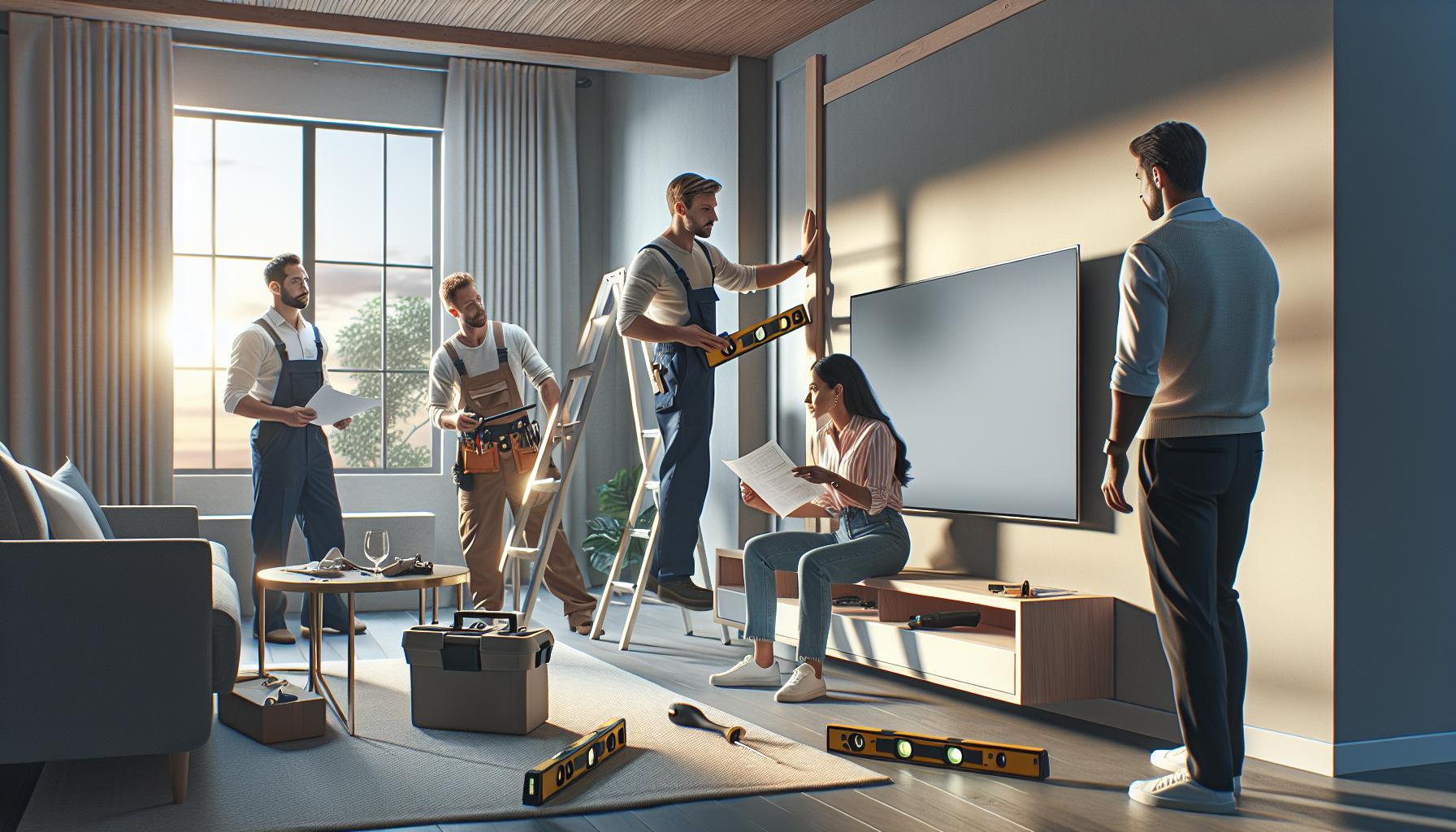
When to Seek Professional Help for Installation
Determining when to bring in a professional for the installation of your standing desk on carpet can make a significant difference in achieving optimal stability and functionality. If you’re finding that the process of stabilizing your desk is becoming overwhelming or complicated, it’s essential to recognize the signs that indicate professional help might be beneficial.
If your workspace features thick or uneven carpet, achieving a level surface can be particularly challenging. A professional installer not only has the right tools but also the expertise to navigate these nuances effectively. For instance, they can assess the specific type of carpet and identify appropriate solutions, such as custom leveling feet or specialized mats, ensuring a secure and stable installation.
Additionally, if the design of your standing desk requires complex assembly or reinforcement-such as wall mounts or cross-bracing struts-the intricacies of installation may warrant expert intervention. Professionals can provide insights on best practices and innovative approaches that you might not have considered, ultimately saving you time and potential frustration.
Furthermore, if you experience any health issues or physical limitations that make lifting or manipulating heavy equipment difficult, seeking professional help is a wise choice. Ensuring that your workspace is set up safely contributes not only to functionality but also to your overall well-being. Prioritizing ergonomic health is essential in creating a sustainable work environment that fosters productivity and comfort. When in doubt, consult with a professional to safeguard your workspace and enhance your experience at your standing desk.
How to Maintain Stability Over Time
Ensuring that your standing desk remains stable over time is not just about the initial installation; it requires ongoing attention and maintenance to adapt to any changes in your workspace or the equipment itself. A well-stabilized desk can significantly enhance your productivity and comfort, making it essential to regularly evaluate its condition. Here are essential strategies to keep your standing desk secure and functional.
Regular Inspections
Routine checks can help identify any signs of instability early on. Ensure that all the screws and bolts are tightened and that no parts are wearied out from use. Pay particular attention to the alignment of your desk and its level on the carpet; if you notice any shifting or wobbling, take immediate steps to readjust the feet or consider adding washers for extra support.
Utilizing Leveling Feet
Many standing desks come with adjustable feet designed to accommodate uneven flooring or carpet. If your desk doesn’t have this feature, consider investing in aftermarket leveling feet that can help compensate for variations in your carpet. Remember, the goal is to ensure all corners of the desk are firmly planted on the ground for optimal balance.
Employing Anti-Slip Solutions
Adding anti-slip mats under your desk can significantly improve stability, especially on carpet. These mats not only prevent the desk from shifting but also reduce vibrations caused by typing or moving around. Choose mats that are designed for heavier furniture loads to ensure they can withstand everyday use without compressing over time.
Weight Distribution
Be mindful of how you distribute weight on your desk. A balanced arrangement of equipment, with heavier items close to the base and lighter items further up, will help maintain lower center-of-gravity and prevent tipping. If you frequently adjust your desk height, try to keep a consistent layout to ease the strain on the structure and ensure stability whether sitting or standing.
By consistently evaluating your workstation and implementing these strategies, you can maintain the stability of your standing desk over time, refining your workspace for an environment that promotes comfort and productivity. Taking these proactive steps not only enhances your immediate ergonomic experience but also contributes to long-term health benefits, such as reduced strain and better cognitive performance throughout your day.
User Reviews: Real Experiences with Desk Setups
As more people transition to remote work, the demand for stable and ergonomic home office setups is skyrocketing. Standing desks are increasingly popular, yet one common challenge that users face is ensuring stability on carpeted floors. Real experiences shared by users can shed light on practical solutions and strategies that have proven effective.
Many individuals have reported significant improvements in desk stability by incorporating anti-slip mats designed specifically for carpet use. For instance, one user mentioned that adding a sturdy, thick mat beneath their desk not only prevented shifting during typing but also mitigated vibrations that can make working more distracting. Mattresses designed for heavier loads provided a reliable foundation-even after weeks of continuous use. Another user noted that these mats acted as a sound barrier, absorbing noise and enhancing a focused work environment.
Balancing weight on the desk has also been a game-changer for several users. One review emphasized how organizing gear strategically helped reduce wobbling. Placing heavier items like desktop monitors close to the base ensured a lower center of gravity, which eliminated the tipping issues they had encountered previously. This practical insight emphasizes the importance of intentional weight distribution for maintaining stability, particularly on soft surfaces like carpet.
The experiences shared by users illustrate the importance of a proactive approach to desk installation and maintenance. For those struggling with stability, seeking out adjustable leveling feet or consulting with professionals for custom solutions can lead to lasting improvements. Individuals have found peace of mind by making adjustments tailored to their unique setups, reinforcing the notion that a well-stabilized workspace significantly enhances both productivity and comfort, contributing to overall cognitive health and well-being.
Budget-Friendly Solutions for Stabilizing Desks
Selecting a standing desk is an excellent step toward enhancing your workspace, but for many, the challenge escalates when the desk must be positioned on carpet. Fortunately, there are several budget-friendly solutions that can effectively stabilize your standing desk without breaking the bank. By implementing some simple strategies and utilizing readily available materials, you can create a secure and functional work environment that promotes both productivity and comfort.
One of the most affordable yet effective solutions is utilizing anti-slip mats designed for carpeted surfaces. These mats not only cushion the feet of the desk but also prevent it from shifting during use. Look for thick, textured mats that can absorb vibrations and minimize noise, providing extra stability. For an even more cost-effective option, consider repurposing a yoga mat or a heavy-duty rubber mat that you may already have at home.
Organizing your desk contents strategically can also make a significant difference in stability. Position heavier items such as computers and monitors closer to the base of the desk to lower the center of gravity and reduce the risk of tipping. Use desktop organizers that can hold lighter items like papers and supplies, ensuring that the weight is evenly distributed. This simple adjustment can drastically improve performance, especially on the softer surfaces of carpet.
Lastly, consider investing in adjustable leveling feet for your standing desk. These inexpensive accessories can help compensate for any unevenness in the carpet, providing a stable foundation. Many desks come with pre-installed leveling mechanisms, but if yours does not, hardware stores often carry affordable options that can be easily installed. Even minor adjustments can enhance desk stability, leading to a more comfortable and productive workspace.
By applying these budget-friendly techniques, you can successfully stabilize your standing desk on carpet, ensuring that your home office setup promotes well-being, productivity, and cognitive health. Remember, a secure workspace allows for greater focus and minimizes distractions, ultimately contributing to a better work-life balance.
Frequently Asked Questions
Q: How do I stop my standing desk from wobbling on carpet?
A: To stop your standing desk from wobbling on carpet, ensure it’s level by using adjustable feet or furniture coasters. Consider placing anti-slip mats or rug pads underneath for extra stability. These tactics can help distribute the weight evenly and reduce movement.
Q: What types of mats can be used under a standing desk on carpet?
A: Durable anti-slip mats or foam mats are ideal under standing desks on carpet. These mats not only provide a stable base but also protect your carpet from wear and tear. Look for options with rubber backing for maximum grip and support.
Q: Can I use furniture coasters to stabilize my standing desk?
A: Yes, furniture coasters can stabilize your standing desk. They help level the desk and adapt to uneven carpet surfaces. Opt for heavy-duty coasters designed for stability, ensuring they distribute the desk’s weight evenly and prevent sinking into the carpet.
Q: What should I do if my standing desk continues to sink into the carpet?
A: If your standing desk sinks into the carpet, try using hardwood planks or plywood sheets under the legs for a more stable foundation. This spreads the weight over a larger area, preventing further sinking and ensuring a level working surface.
Q: How does carpet type affect standing desk stability?
A: The type of carpet significantly influences standing desk stability. Thick carpeting may absorb more weight, causing desks to sink or wobble. Low-pile carpets offer better support and allow for more stability. Consider adjusting your setup based on your carpet’s characteristics.
Q: When is it necessary to call in a professional for desk installation?
A: Call in a professional if you’re unable to achieve stability on your own after trying various adjustments. Professionals can assess the installation’s challenges, especially on uneven surfaces or when special tools are required for certain desk types.
Q: What height should my standing desk be for optimal posture on carpet?
A: Your standing desk height should allow your elbows to remain at a 90-degree angle when typing. This ergonomic position supports good posture, reducing strain on your wrists and back, particularly important when on varying carpet levels.
Q: Are there special considerations when using an electric standing desk on carpet?
A: Yes, electric standing desks may require additional considerations on carpet. Ensure there’s enough clearance for the base to operate freely and check that the power cords are securely fastened to prevent tripping hazards on thick carpets.
Future Outlook
Now that you have the essential tips to stabilize your standing desk on carpet, you can enhance your workspace for improved productivity and comfort. Remember, a well-installed desk can significantly reduce stress and improve your overall well-being. Don’t wait-take action now and transform your work environment!
For more insights on creating an ergonomic workspace, check out our guides on setting up your desk for optimal health and managing workplace stress effectively. If you’re looking for personalized advice, consider signing up for our newsletter or scheduling a consultation with our experts.
Explore these resources and empower yourself with the knowledge to boost your workplace wellness. Your journey toward a healthier, more productive workspace starts here-let’s continue making improvements together!