
In our modern work culture, a staggering 80% of office workers report feeling fatigued from prolonged sitting. This raises a compelling question: can standing desks really boost productivity? As more companies promote ergonomic work environments, understanding the impact of standing desks on cognitive performance is crucial for both employers and employees. This article dives deep into real data to uncover whether standing while you work translates to measurable productivity gains. As we explore this fascinating intersection of workplace wellness and efficiency, you’ll discover actionable insights that could revolutionize your daily routine and enhance your overall health. Get ready to rethink your workspace and maximize your potential!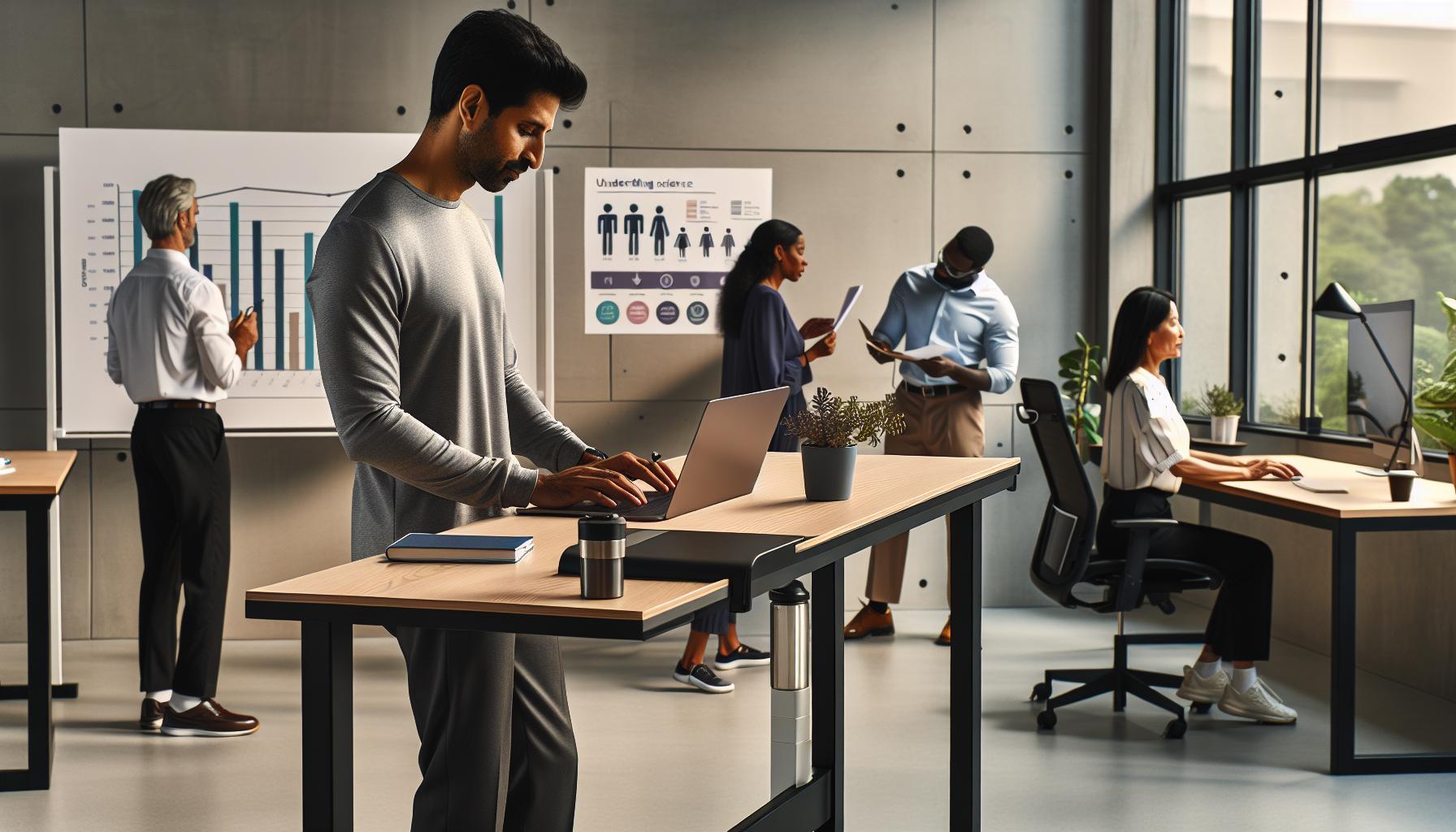
Understanding the Science Behind Standing Desks
Standing desks have emerged as a popular solution for improving workplace productivity, yet understanding the science behind their impact can provide deeper insights into their benefits. Research indicates that altering our posture throughout the workday can trigger various physiological and cognitive responses. Standing while working doesn’t just change the position of our bodies; it stimulates blood circulation, promoting increased oxygen and nutrient delivery to the brain, which may enhance cognitive functions like alertness and concentration.
Employers and employees alike are recognizing the potential of standing desks in combating the sedentary lifestyle that many office workers face. Studies show that individuals who use standing desks often report higher energy levels and an improved mood. This can lead to greater engagement with tasks and enhanced productivity. Moreover, a well-structured transition to standing can help alleviate common issues associated with prolonged sitting, such as back pain, which may inhibit focus and efficiency.
To maximize the benefits of a standing desk, it’s crucial to adopt a setup that promotes good ergonomics. Ensure that your screen is at eye level and your wrists are straight while typing; this can significantly reduce strain and fatigue. Incorporating short breaks to move and stretch can also sustain energy levels and cognitive performance throughout the day.
By embracing a standing desk, not only do you take a proactive step toward better posture and health, but you also potentially unlock new levels of productivity. The science supports those who dare to stand differently at work, inviting individuals to cultivate a workspace that empowers both body and mind.
How Standing Desks Can Enhance Cognitive Function
Standing while working is not just a trendy solution; it can be a transformative change for cognitive performance. Engaging in a more active posture has been shown to have a direct impact on alertness, concentration, and overall brain function. When standing, your body promotes increased blood flow, which assists in delivering oxygen and essential nutrients to the brain. This enhanced circulation can lead to better focus, quicker problem-solving capabilities, and a greater ability to process information.
Research highlights that standing desk users often report sharp increases in their attentiveness and energy levels. The physiological shifts that occur when we stand can help mitigate the sluggishness traditionally associated with prolonged sitting. Specifically, our bodies respond to the upright position by activating core muscles and fostering stronger neuromuscular connections. As a result, standing can enhance cognitive flexibility, allowing for more efficient multitasking and a calmer response to stressors.
To truly harness the benefits of a standing desk for cognitive health, consider these practical tips for your workspace:
- Adjustable Height: Ensure your desk can be easily adjusted to meet your height preferences, facilitating a comfortable standing position.
- Monitor Placement: Position your monitor at eye level to avoid neck strain, enabling you to maintain focus on your tasks.
- Ergonomic Accessories: Use a cushioned mat to reduce fatigue on your feet, and consider ergonomic keyboard and mouse placements to keep your wrists in a neutral position.
- Frequent Movement: Incorporate short intervals of light stretching or walking every hour to keep blood flowing and mental fatigue at bay.
Incorporating these practices can significantly amplify the cognitive benefits associated with standing desks, creating a more dynamic and productive work environment. By making informed ergonomic choices, you set the stage not only for better posture and wellness but also for unlocking heightened cognitive capabilities, thereby truly enriching your work experience.
Real Data: Productivity Gains from Standing Desks
The switch from seated to standing work environments has garnered significant attention, and for good reason. Studies have demonstrated that using standing desks can lead to remarkable productivity gains among employees. For instance, one review found that workers using standing desks reported a 46% increase in productivity, primarily attributed to greater energy levels and reduced fatigue. This elevation in performance isn’t just coincidental; it roots in both physiological and psychological benefits that standing offers.
Enhanced focus is a common outcome when employees transition to standing desks. A study published in the journal Occupational Health Psychology found that workers using standing desks were 27% more productive than their seated counterparts. This increase was linked to heightened alertness and willingness to engage in tasks that typically feel cumbersome when seated for prolonged periods. Additionally, the act of standing integrates movement and encourages better posture, which can lead to fewer distractions due to discomfort.
To encapsulate these findings, a comprehensive analysis by CNET highlighted various brands of standing desks, illustrating not only user preferences but also the measurable improvements in workflow and efficiency they facilitate [1]. In practical terms, integrating standing desks in workplace settings can cultivate an environment of higher engagement and productivity, ensuring that employees can perform at their best without succumbing to the drawbacks of a sedentary lifestyle.
Moreover, employing standing desks can have compounding benefits when combined with effective ergonomics and movement practices. Encouraging employees to take short walking breaks or engage in stretches can lead to even further improvements in overall productivity and workplace satisfaction. This proactive approach to workplace wellness fosters a culture that values both employee health and organizational efficiency, ultimately leading to a more engaged workforce. Implementing these strategies not only aids in immediate productivity gains but also aligns with long-term health goals, making the transition to standing desks a win-win for employees and employers alike.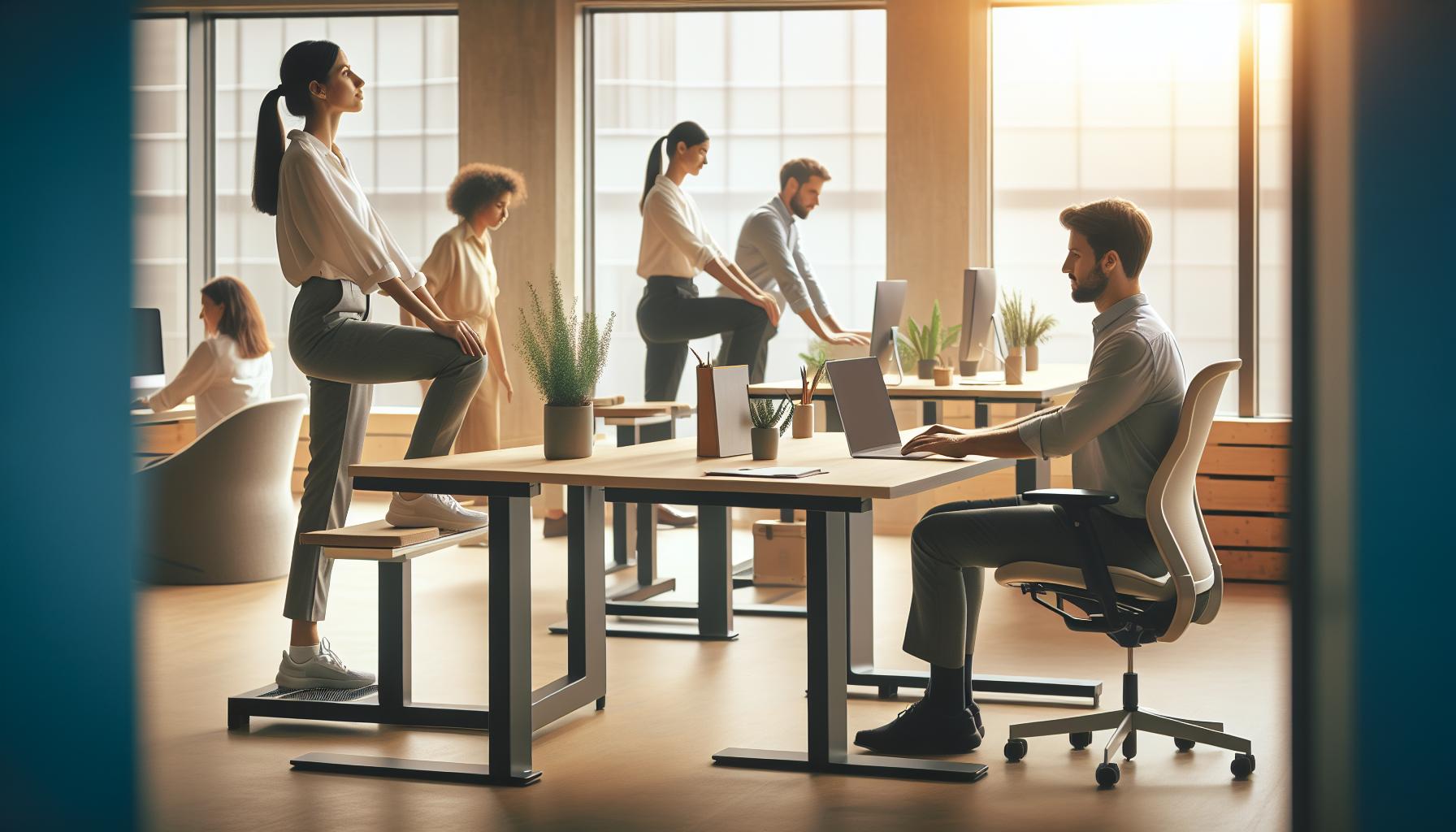
Comparing Sitting vs. Standing: What the Research Says
The debate over sitting versus standing at work is not merely a matter of personal preference; it’s backed by a growing body of research that elucidates the critical impacts these postures can have on productivity and overall health. Research consistently reveals that standing desks are associated with numerous advantages that can enhance cognitive function and workplace productivity. For instance, a study highlighted in the Journal of Occupational Health Psychology reported that employees using standing desks experienced a substantial 27% boost in productivity compared to their seated peers. This improvement is not incidental; it stems from increased energy levels, reduced fatigue, and greater overall alertness, all of which play critical roles in maintaining effective task engagement.
To further illustrate the contrast between sitting and standing, consider how posture influences biomechanical health. While sitting for extended periods can lead to discomfort, poor posture, and even chronic pain, standing desks encourage a more natural spinal alignment, which supports better physical well-being. The act of standing also promotes micro-movement-small shifts in posture and weight distribution that can enhance blood circulation and keep energy levels up throughout the day. When paired with ergonomic practices, such as adjusting monitor height and using anti-fatigue mats, standing desks can create an environment conducive to sustained focus and productivity.
In shaping a more dynamic workplace, companies adopting standing desks have noted not just productivity gains but also a cultural shift toward valuing employee well-being. By breaking the monotony of a sedentary workday, standing desks encourage employees to integrate movement, whether through standing meetings, quick walks, or stretching breaks. These practices help mitigate the potential downsides of prolonged sitting, aligning with modern workplace wellness initiatives aimed at promoting both physical health and cognitive engagement.
Ultimately, the choice of standing versus sitting isn’t merely about comfort; it’s a decision that bears significant implications for workplace productivity and employee morale. As organizations increasingly recognize the need for healthier work environments, understanding the concrete benefits of standing desk usage becomes crucial. By fostering an adaptable workspace, businesses can not only improve employee productivity but also enhance overall job satisfaction and performance.
Ergonomics Essentials for Your Standing Desk Setup
Creating an ergonomic standing desk setup is crucial for maximizing productivity and ensuring your comfort throughout the day. A well-configured workspace not only enhances your ability to concentrate but also reduces the risk of discomfort and injury over time. To get the most out of your standing desk, it’s essential to pay attention to a few key elements that contribute to an optimal setup.
Key Ergonomic Considerations
- Desk Height: Ensure your desk is at the right height so that your elbows remain at a 90-degree angle when typing. Your wrists should be straight and level with the keyboard to prevent strain.
- Monitor Position: Place the top of your monitor at or slightly below eye level, about an arm’s length away. This encourages a neutral neck position and reduces the risk of neck and back strain.
- Foot Position: Distribute your weight evenly between both feet. Use an anti-fatigue mat to reduce pressure on your legs and encourage micro-movements throughout the day. Consider a footrest to shift your weight and provide additional comfort.
- Keyboard and Mouse Placement: Keep your keyboard and mouse close to the edge of the desk so that you can easily access them without stretching. This minimizes shoulder and arm strain.
Additional Tips for a Comfortable Experience
- Movement Breaks: Integrate short breaks into your routine. Every 30 to 60 minutes, take a moment to stretch or walk around. This practice not only helps reduce fatigue but also boosts circulation, which can enhance cognitive function.
- Adjustable Components: If possible, opt for a desk with adjustable height settings. This versatility allows you to alternate between sitting and standing, catering to your comfort and needs throughout the day.
- Personalize Your Space: Consider adding personal items that uplift your mood, such as plants or motivational quotes. A pleasant environment can increase motivation and improve your overall work experience.
By implementing these ergonomic principles, you can create a standing desk setup that not only fosters a healthier workspace but also enhances your productivity. Remember, regular adjustments and movement are essential for long-term comfort and well-being as you embrace a standing desk solution in your work routine.
Tips for Transitioning to a Standing Desk
Transitioning to a standing desk can significantly enhance your work experience, but it does require some thoughtful adjustments. It’s essential to ease into this change gradually, as suddenly standing for long periods can lead to discomfort or fatigue. Start by incorporating standing into your routine in short intervals; for instance, stand for 20-30 minutes during each hour of your workday. This approach allows your body to adapt without overwhelming it. As your endurance grows, you can incrementally increase your standing time.
Integrate Movement and Breaks
A crucial aspect of using a standing desk effectively is to remain active throughout the day. Incorporate micro-movements and stretches every 30-60 minutes to keep your blood circulation optimal and reduce stiffness. Simple exercises like calf raises, leg shifts, or light stretches can refresh your body and mind. Consider using a timer or an app that prompts you to take these breaks, making it easier to establish this habit.
Personalize Your Setup
Creating a workspace that reflects your style and promotes comfort can significantly influence your productivity. Personalize your standing desk area with items that inspire you, such as photos, plants, or motivational quotes. Additionally, choose an anti-fatigue mat to provide cushioning underfoot, reducing discomfort during long standing sessions. An adjustable chair can also be beneficial for those moments when a quick sit-down is needed, facilitating a smooth transition between standing and sitting.
Listen to Your Body
As you adapt to standing more while working, it’s vital to listen to your body and respond to its signals. If you experience discomfort in your feet, legs, or lower back, take a step back and reassess your posture and setup. Ensure that your desk height encourages an ergonomic stance and that your monitor is aligned appropriately to avoid neck strain. If discomfort persists, it may be beneficial to seek professional advice from an ergonomist or a physical therapist. Prioritizing your comfort and health will not only enhance your productivity but also contribute to your overall workplace wellness.
Long-Term Impact of Standing Desks on Health
The adoption of standing desks has sparked significant interest not just for immediate productivity gains, but for their long-term impact on health. Studies suggest that transitioning to a standing desk can lead to improved cardiovascular health, reduced back pain, and enhanced overall well-being. With increased awareness of sedentary lifestyles contributing to health issues like obesity and diabetes, many are turning to standing desks as a proactive measure.
One key benefit of standing desks is the potential reduction in chronic health risks. When individuals stand more during their workday, they burn more calories than they would while sitting, which can help in weight management. Additionally, standing promotes better blood circulation, potentially alleviating the risk of diseases related to poor circulation. Research shows that standing more often can lead to lower blood sugar levels, particularly after meals, which is beneficial for metabolic health.
Moreover, using a standing desk can positively affect mental health and focus. Some studies have shown that standing desks may be linked to improved mood and energy levels, resulting in a more engaged and productive work environment. This boost in mental health stems from maintaining physical activity throughout the day, which has been shown to release endorphins and improve cognitive function. Workers who incorporate standing desks often report feeling less fatigued and more alert, which is essential for sustaining productivity over time.
To effectively harness these long-term benefits, it’s essential to combine standing with ergonomic practices. Ensure that your desk height allows for a natural standing posture, your screen is at eye level, and your keyboard placement allows for relaxed shoulders. Additionally, consider integrating movement into your day through short walks or simple stretching exercises every hour to reduce fatigue and maximize the health benefits of standing. Listening to your body is crucial: if discomfort arises, make adjustments to your setup or consult a professional. This thoughtful approach helps not only in alleviating the stress on your body but also in promoting an enduring commitment to a healthier lifestyle.
Common Misconceptions About Standing Desks Debunked
Many people believe that switching to a standing desk is a one-size-fits-all solution for productivity and health, but this notion is steeped in misconceptions. One common myth is that standing all day will eliminate fatigue and discomfort. In reality, standing for prolonged periods without movement can lead to fatigue, discomfort, and even musculoskeletal problems. It’s essential to find a balance between sitting and standing; studies suggest a blend of both can maximize health benefits while minimizing discomfort.
Another prevalent belief is that standing desks automatically improve focus and productivity. While some studies have shown that they can enhance engagement, the effectiveness greatly depends on the individual and their work habits. If a person’s tasks require intense concentration or fine motor skills, constant standing can be distracting or even counterproductive unless properly managed. It’s crucial to tailor your approach based on the type of work you do, ensuring that you incorporate breaks and movement to maintain cognitive performance.
Combatting Misunderstandings with Research
Research indicates that merely standing more does not guarantee weight loss or better health outcomes. Instead, it’s the combination of movement, variety, and ergonomic setups that truly promotes health. For instance, incorporating short movement breaks, stretching exercises, or changing positions throughout the day can enhance metabolic health and further reduce the risks of chronic diseases associated with sedentary behavior.
- Misconception: Standing desks are only beneficial for physical health.
- Fact: They can also improve mood and mental clarity when used effectively.
- Misconception: All standing desks are ergonomically designed.
- Fact: Ergonomics vary; proper desk and monitor height adjustments are critical for comfort.
In summary, it’s essential to approach the use of standing desks thoughtfully. By understanding the balance required and integrating positive practices, you can harness the true potential of these workspaces, allowing for enhanced productivity and well-being. A well-implemented standing desk setup, complemented by regular movement and ergonomic adjustments, can foster a healthier work environment rather than contribute to new discomforts.
Integrating Movement: Best Practices for Desk Workers
Integrating regular movement into your workday can significantly enhance your overall well-being and productivity, especially when using a standing desk. Research shows that simply standing isn’t enough; it’s the active movement throughout your day that fosters a healthier and more engaged work environment. The human body thrives on movement, so implementing practical strategies to encourage activity can lead to improved cognitive function, reduced fatigue, and a more positive work atmosphere.
Start by setting a timer to remind yourself to take brief movement breaks every 30 to 60 minutes. These breaks don’t have to be long-just 2 to 5 minutes is sufficient to stretch, walk around, or perform light exercises like squats or leg lifts. Incorporating these short bursts of activity can re-energize both your body and mind, improving focus and creativity. Additionally, consider using active sitting options, such as an exercise ball or a balance cushion, which can engage your core while still allowing you to sit.
Utilizing the power of microbreaks can be enhanced with simple stretches or mobility exercises that target areas often stiffened by prolonged standing. For example, try shoulder rolls, wrist stretches, or ankle mobility exercises to improve blood circulation and reduce muscle tension. Having a standing desk that is adjustable can facilitate this process, allowing you to alternate between standing and stretching comfortably without the need for a complete setup change.
Moreover, social connections can be a pivotal aspect of promoting movement at work. Encourage walking meetings or brief group stretches during breaks to build camaraderie while getting everyone moving. Not only does this approach foster teamwork, but it also contributes to improved morale and motivation among colleagues. Remember, the goal is to create a dynamic work environment where movement is woven into the daily routine, ultimately leading to heightened productivity and enhanced workplace wellness.
Boosting Workplace Morale with Standing Desks
The introduction of standing desks in the workplace is more than just a trend; it’s a transformative approach that can profoundly influence employee morale. Research indicates that a dynamic work environment, where standing and active movement are encouraged, fosters higher engagement levels among employees. When workers feel physically better and more energized, their mood improves, leading to enhanced collaboration and communication. The simple act of standing can physically uplift a person, making them more approachable and fostering a sense of community within the workplace.
To maximize the benefits of standing desks on morale, consider implementing regular team activities that encourage movement. For instance, introduce ‘walking meetings’ or ‘stretch breaks’ where colleagues can engage in light exercises or simply move together. These activities do not only promote physical wellness; they also create informal settings for team bonding and idea exchange. Encourage employees to share their experiences of using standing desks, reinforcing a culture of support and collective improvement.
Creating an Inviting Environment
Moreover, the way a workspace is configured can drastically alter the morale of its occupants. A standing desk setup that allows for personalization-like choosing desk accessories or plant arrangements-can give employees a sense of ownership over their space. This autonomy is crucial; research suggests that personalizing workspaces can increase overall satisfaction.
Incorporating light and bright colors, along with flexible standing desk arrangements, can further uplift spirits. Consider these strategies to boost workplace morale:
- Designate certain areas of the office for collaborative tasks that require standing desks.
- Encourage open feedback and suggestions regarding workspace configurations.
- Implement a reward system for employees who actively use their standing desks and participate in office wellness initiatives.
By committing to a healthier work environment through standing desks, businesses are not merely altering physical postures; they are fostering a culture of well-being and positivity that can lead to improved productivity and a happier workforce. The direct link between physical wellness and workplace morale underscores standing desks as a smart investment in human capital. Over time, this approach can lead not just to increased productivity but also to a workplace atmosphere rich in energy and collaboration.
Case Studies: Businesses That Adopted Standing Desks
Companies that have embraced standing desks are witnessing tangible benefits, from increased productivity to improved employee engagement. For instance, a prominent technology firm, which implemented standing desks throughout its office, reported a significant increase in overall productivity. Employees felt more energized, and the increased circulation contributed to sharper focus and creativity during brainstorming sessions. Surveys conducted post-implementation indicated that 70% of employees preferred the standing desks, feeling they’re more conducive to collaboration and interaction.
Another noteworthy example comes from a financial services company that sought to combat the adverse health effects of prolonged sitting. By transitioning to a sit-stand workstation model, they not only addressed health concerns but also observed a quantifiable productivity increase. Data collected over several months revealed that job performance scores improved by 15% among teams using standing desks. In addition, the increased flexibility led to fewer complaints about back pain and fatigue, fostering a healthier work environment.
Moreover, an educational institution that introduced standing desks into study areas noted that students reported greater concentration levels during extended work sessions. The act of standing encouraged them to engage more actively with their work, leading to a remarkable uptick in assignment completion rates. The school’s principal emphasized that fostering an environment that allows students to choose between sitting and standing can significantly enhance learning and productivity.
To maximize the potential of standing desks, businesses can take several practical steps:
- Conduct regular feedback sessions to understand employee experiences and adjustment needs.
- Incorporate ergonomic training to ensure proper posture and workspace setup.
- Promote a culture of movement, encouraging short breaks or walking meetings to build on the standing desk benefits.
By studying these examples and integrating simple yet effective strategies, organizations can cultivate a holistic approach to workplace wellness and productivity, making a positive impact on both health and performance.
Expert Opinions on Standing Desks and Productivity
Research indicates that standing desks can play a significant role in enhancing productivity among employees, with many experts highlighting their potential benefits for cognitive function and overall workplace dynamics. A key perspective shared by many workplace wellness advocates is that the act of standing not only promotes better physical health but also invigorates mental alertness. For instance, Dr. Herman Miller, an ergonomics researcher, suggests that when employees are allowed to alternate between sitting and standing, they often report higher energy levels, which correlates with improved focus and efficiency in task completion.
Moreover, academic insights support the idea that standing while working can stimulate increases in creative thinking and problem-solving abilities. A study from the University of California revealed that participants who performed cognitive tasks while standing reported greater engagement and satisfaction with the tasks. This finding aligns with the concept of neuroplasticity, where a change in physical posture may stimulate brain functions and enhance cognitive performance. Experts assert that the physical act of standing can positively affect blood circulation, making the brain more receptive to tasks requiring concentration and creativity.
To maximize the benefits of standing desks, integrating them into a company-driven culture of wellness is crucial. Here are some practical approaches that experts recommend:
- Educate Employees: Facilitate workshops on the advantages of alternating between sitting and standing, empowering staff with knowledge about personal well-being.
- Promote Flexibility: Encourage employees to move often-whether it’s through walking meetings or stretching-allowing them to leverage the benefits of standing desks fully.
- Collect Feedback: Regularly check in with employees regarding their experiences with standing desks. This feedback loop can guide further adaptations and improvements.
Ultimately, the most compelling evidence comes from organizations that have adopted these practices and observed marked improvements. For instance, a technology firm noted a reduction in employee burnout, alongside a more collaborative atmosphere post-implementation of standing desks. As these companies continue to innovate their workspaces, the narrative surrounding standing desks highlights them not merely as furniture but as a pivotal tool for fostering a workplace culture grounded in health, productivity, and employee satisfaction.
Faq
Q: Do standing desks help with focus and concentration?
A: Yes, standing desks can enhance focus and concentration. Studies suggest that using a standing desk encourages increased engagement with tasks and reduces fatigue, allowing for better focus during work sessions. Incorporating movement throughout the day is also beneficial for cognitive performance.
Q: How long should you stand at a standing desk for optimal productivity?
A: For optimal productivity, aim to alternate between sitting and standing every 30 to 60 minutes. This balance helps reduce fatigue while allowing your body to stay active, ultimately promoting better focus and work efficiency throughout the day.
Q: Are there any drawbacks to using a standing desk?
A: Yes, standing desks can lead to discomfort if used improperly. Common issues include fatigue, strain on the legs and feet, and lower back pain. It’s essential to maintain good posture and take breaks to stretch and move around regularly to prevent these issues.
Q: Can standing desks impact employee morale?
A: Standing desks can positively impact employee morale by promoting a healthier work environment. When employees feel more energized and engaged, it can lead to improved job satisfaction and teamwork, contributing to a more positive workplace culture.
Q: How do standing desks affect stress levels during work?
A: Standing desks can reduce stress levels by promoting physical activity throughout the day. Increased movement can lead to the release of endorphins, helping to alleviate tension and improve mood, which can enhance overall workplace wellness.
Q: Are there specific standing desk setups that maximize productivity?
A: Yes, an ergonomic setup is crucial for maximizing productivity. Your screen should be at eye level, and your keyboard should allow for a neutral wrist position. Additionally, using anti-fatigue mats can help reduce strain on your legs and feet.
Q: How quickly can I expect to see productivity gains from using a standing desk?
A: Productivity gains can vary, but many users report noticeable improvements in their focus and energy levels within a few weeks of transitioning to a standing desk. Regular movement and proper ergonomics are key to experiencing these benefits.
Q: What are best practices for transitioning to a standing desk?
A: Start by gradually increasing your standing time to allow your body to adjust. Consider incorporating short walking breaks and ensuring your desk is set up ergonomically to reduce strain. This approach helps make the transition smoother and more sustainable.
Concluding Remarks
As we’ve uncovered the data surrounding standing desks and productivity, it’s clear that making this simple switch can enhance your work efficiency and overall well-being. Don’t wait to elevate your workplace wellness! Explore our comprehensive guides on setting up an ergonomic workspace and adopting healthy work habits to maximize your cognitive performance today.
If you still have doubts or questions about transitioning to a standing desk, check out our FAQs on standing desk benefits and ergonomics. Empower your brain health with actionable strategies that bridge the gap between science and your daily routine. Join our newsletter for ongoing insights into workplace wellness and stress management tips-your journey to a more productive and healthier work life starts now! Remember, every small change can lead to significant improvements in your work experience. Share your thoughts in the comments below and let’s keep the conversation going!