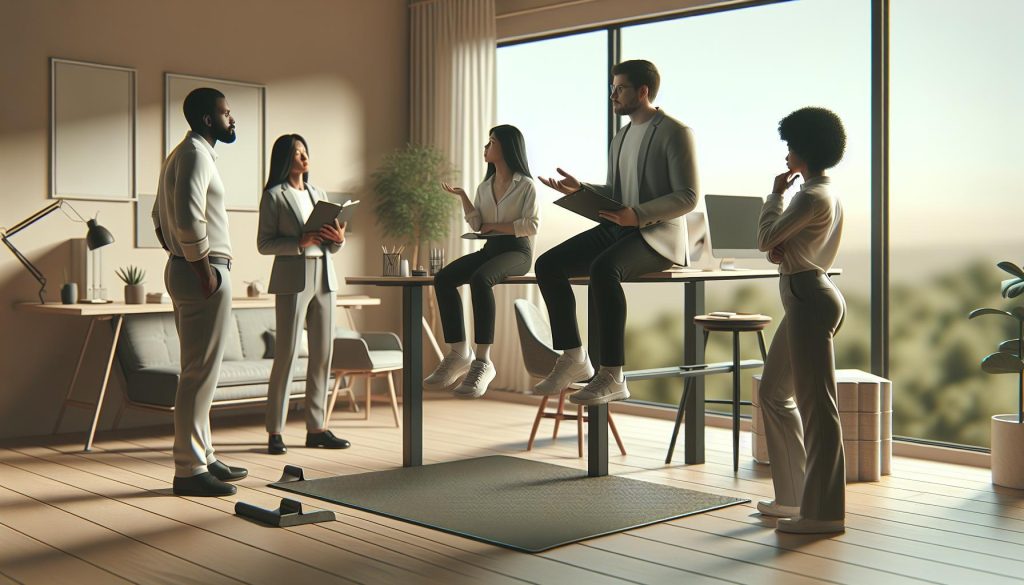
As more of us transition to standing desks in pursuit of healthier work habits, a common question arises: do you really need a mat? Studies show that while standing can improve posture and energy levels, the right flooring plays a crucial role in comfort and long-term well-being. The right anti-fatigue mat can reduce discomfort and fatigue, making your standing desk experience much more enjoyable. However, this enhancement comes at a cost, leading to a delicate balance between investing in comfort and managing expenses. In this article, we’ll delve into the benefits of using a mat versus the potential drawbacks, empowering you to make an informed decision about your workspace setup. Let’s explore how the right choice can significantly impact your productivity and overall health.
Choosing the Right Floor Mat for Your Standing Desk
is crucial for maximizing both comfort and productivity. Research indicates that standing for prolonged periods can lead to fatigue, discomfort, and even musculoskeletal issues. A well-chosen mat can significantly alleviate these concerns, transforming your workspace into a supportive environment that encourages longer, more productive standing sessions. When selecting a mat, consider various factors such as material, thickness, and cushioning to find the best fit for your needs.
One important aspect to evaluate is the material of the mat. Many options are available, from foam and gel to rubber and anti-fatigue mats. Anti-fatigue mats are specifically designed to provide cushioning and support, helping to reduce pressure on your feet and legs while you stand. If you prefer a softer surface, gel mats can offer a plush feel, although they may not provide as much stability as firmer options. On the other hand, rubber mats are durable and provide excellent traction but might feel a bit firmer underfoot.
Additionally, the thickness of the mat matters. Generally, mats ranging from ¾ inch to 1 inch thick offer the best balance between comfort and support. A mat that is too thick might create instability, while one that is too thin won’t provide adequate cushioning. Look for mats featuring contour designs or beveled edges to prevent tripping hazards, ensuring a seamless transition from the floor to the mat.
Ultimately, the right floor mat can revitalize your workstation, allowing you to stand longer in comfort while promoting better health and reducing the risk of discomfort and injury. Explore unique features that different mats offer, such as supportive arch design or ergonomic contours, and don’t hesitate to test out various options to discover what feels right for you. Making an informed choice not only enhances your standing desk experience but also contributes to your overall workplace wellness.
Benefits of Using a Floor Mat for Comfort
Standing for prolonged periods can often lead to discomfort and fatigue, but integrating a high-quality floor mat into your workspace can significantly enhance your comfort. Studies have shown that anti-fatigue mats can improve blood circulation and reduce the strain on your lower back, legs, and feet. By providing cushioning and support, these mats allow you to maintain an active standing posture, which can help alleviate stiffness and create a more enjoyable working environment.
Moreover, the right floor mat can encourage subtle movements-shifting your weight from one foot to the other or subtly bouncing-thereby reducing muscle fatigue and keeping your body engaged as you work. This motion promotes better circulation and can help you stay focused and productive throughout your day. With increased comfort, you’re likely to experience higher energy levels, allowing for improved cognitive performance and well-being.
When selecting a mat, consider various factors such as material, thickness, and design. For example, a thicker mat can provide more cushioning, but it should still offer solid support to prevent instability. Mats with beveled edges can minimize tripping hazards, while those with textured surfaces can help prevent slips. Ensuring that your mat meets your personal needs can maximize the comfort benefits, ultimately contributing to a healthier work life.
Incorporating a floor mat is an investment in your workplace wellness and can transform your standing desk experience. As you prioritize comfort, you also enhance your productivity, creating a healthier balance between work and well-being.
Understanding Ergonomics: Your Feet and Body
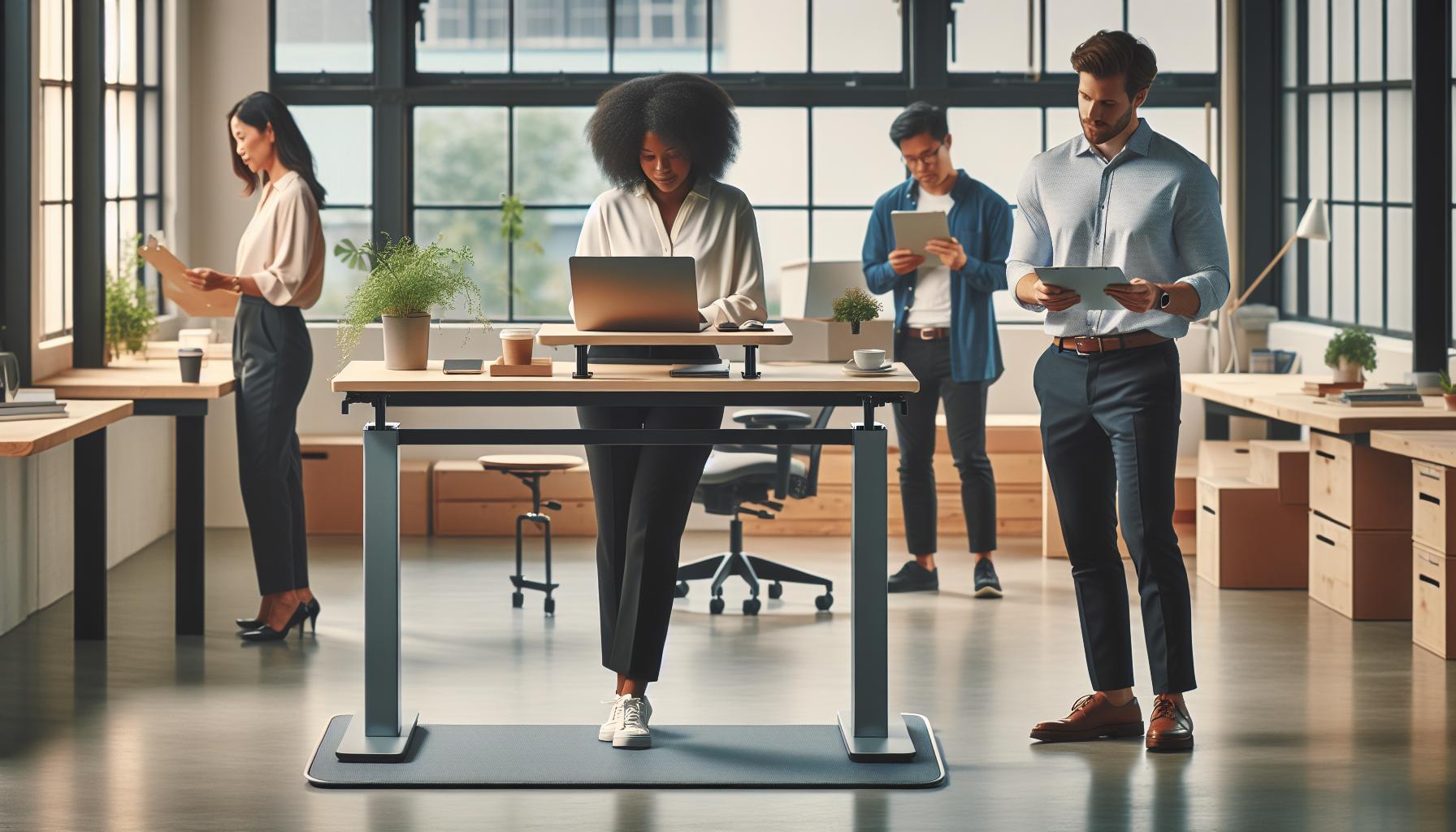
Prolonged standing, while beneficial in many ways, can lead to discomfort, fatigue, and even long-term health issues if not approached carefully. The human body is not designed to be stationary for extended periods, which is where understanding ergonomics becomes crucial. Good ergonomics not only improves comfort but also enhances productivity and overall health.
Using a floor mat at your standing desk significantly impacts how your feet, legs, and body cope with activity. Research indicates that anti-fatigue mats can help distribute weight more evenly, reducing pressure on specific points in your feet. This pressure relief translates into less strain on the lower back and joints, which is vital for maintaining a healthy posture during long work hours. Additionally, premium floor mats are designed to encourage slight movements that can further enhance blood circulation and engagement.
To optimize comfort and support, consider the following ergonomic factors when selecting a mat:
- Material: Look for durable yet soft materials that provide cushioning without compromising stability.
- Thickness: A thicker mat offers more cushioning but should still maintain firm support to prevent instability.
- Surface Texture: Textured surfaces can improve grip and prevent slips, while beveled edges minimize tripping hazards.
- Size: Choose a size that allows enough space for movement, enabling you to shift your weight comfortably.
Integrating these considerations into your workspace can lead to improved well-being, reduced discomfort, and increased productivity as you work long hours at your standing desk. Investing in a high-quality mat is not just about comfort; it’s about fostering a work environment that promotes health and efficiency, allowing you to focus better without the distractions of fatigue or pain.
Comparing Costs: Mats vs. Health Risks
Prolonged standing can lead to various health issues, making it crucial to weigh the cost of a quality floor mat against potential health risks associated with standing for long periods. While the upfront investment in a durable mat might seem high, consider that this expenditure could be significantly lower than the long-term medical bills or loss of productivity resulting from discomfort or musculoskeletal problems.
Investing in an anti-fatigue mat is not merely about comfort; it can be a preventative health strategy. The average cost of a professional-grade mat ranges from $50 to $200, depending on material and design. In contrast, issues stemming from inadequate support-such as chronic pain, circulatory problems, or fatigue-could lead to costly treatments or lost workdays. For instance, research indicates that employees using anti-fatigue mats report increased comfort levels and greater productivity, effectively offsetting the initial investment over time.
Evaluating the Return on Investment
When assessing the cost-benefit ratio of a standing desk mat, consider the following factors:
- Cost of Health Risks: Chronic pain can lead to absenteeism, lowering overall productivity and potentially costing employers hundreds to thousands of dollars per employee in lost productivity.
- Quality of Life Improvement: A reduction in discomfort can enhance job satisfaction, mental well-being, and overall engagement, translating to better performance.
- Long-Term Health Costs: Investing in a mat can be far less expensive than treating injuries caused by inadequate support over the years.
Ultimately, a thoughtful purchase of a standing desk mat not only promotes comfort during work hours but also fosters a healthier work environment. Balancing short-term costs with long-term health benefits can lead to improved overall well-being and enhanced productivity, making the choice to invest in a quality mat a wise decision.
Types of Mats: Which One Suits You?

Selecting the right floor mat for your standing desk can significantly enhance your comfort and productivity throughout the workday. With a variety of options available, understanding the features and benefits of each can help you determine which mat best suits your needs. Anti-fatigue mats, designed with cushioning to reduce pressure on your feet and legs, are often recommended for those who stand for extended periods. These mats provide a supportive surface that encourages subtle movements, promoting blood circulation and minimizing discomfort.
Another popular choice is gel mats, which offer a soft, yet supportive surface that molds to your feet as you shift your weight. This can be especially beneficial for individuals with foot pain or plantar fasciitis, as the gel helps distribute pressure evenly. Rubber mats, on the other hand, provide excellent durability and traction, making them a great option for busy work environments. They are also resistant to spills and easy to clean, which adds to their practicality.
For those seeking a more customized experience, consider premium options with additional features like beveled edges to prevent tripping, or mats that incorporate massage elements for further comfort. Eco-friendly mats made from sustainable materials can also appeal to environmentally conscious consumers, offering a guilt-free choice without sacrificing quality.
Ultimately, the ideal mat for your standing desk will depend on your specific work habits and any pre-existing conditions you may have. It’s advisable to test different types if possible, assessing how each feels underfoot during your typical work hours. Investing time in finding the right mat not only contributes to your comfort but also supports your overall health and well-being, leading to increased focus and productivity at work.
User Experiences: Real-Life Testimonials

Standing at your desk can offer numerous benefits, but choosing not to use a floor mat can lead to discomfort and fatigue. Many users report transformative experiences once they introduce an anti-fatigue mat into their workspace. A common sentiment shared among professionals is that the right mat not only alleviates foot strain but enhances overall productivity. One user noted, “I used to dread standing for long periods, but since I switched to an anti-fatigue mat, I find myself feeling energized all day. It feels like I have my own personal cloud underfoot!”
Another perspective highlights the impact on posture and ergonomics. A graphic designer shared, “I never realized how much my posture was suffering while standing. The cushioning from my gel mat encourages me to adjust my stance throughout the day, which not only feels great but also helps with my back pain. I can focus more on my projects and less on discomfort.” This reinforces the idea that investing in a quality mat can lead to better posture, ultimately enhancing cognitive performance and workplace efficiency.
Many users also appreciate the shift from sitting to standing as a healthier work habit. A marketing manager expressed, “Using a mat has made my transition to a standing desk seamless. I no longer experience the tiredness I once did after being on my feet for hours, and I’m more attentive in meetings.” This reflects the balance between comfort and cost-stepping up to a decent mat can provide a significant return on investment regarding comfort and mental clarity.
In conclusion, real-life experiences resonate with the idea that a floor mat for standing desks is more than a simple accessory; it’s a crucial part of maintaining comfort and productivity in a modern work environment. Investing in a quality mat can be a game-changer, making your workspace not only better for your health but also more conducive to focus and creativity.
How to Maintain Your Standing Desk Mat
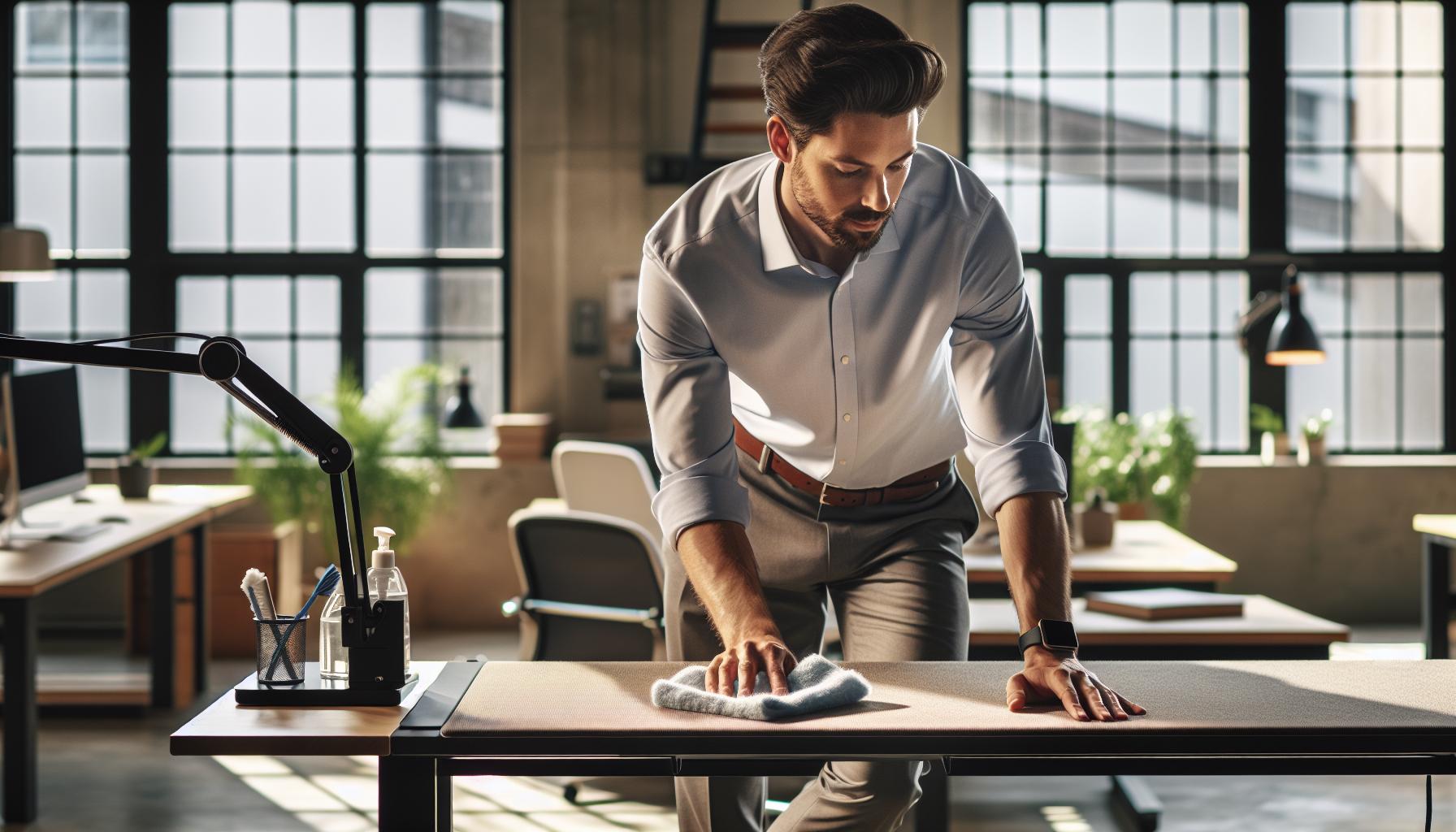
Maintaining your standing desk mat is essential for ensuring its longevity and effectiveness in enhancing your comfort and productivity. Just like any other piece of office equipment, proper care will not only help retain the mat’s cushioning properties but also maintain a hygienic workspace. Regular cleaning and inspection can prevent wear and prolong the life of your mat, allowing you to enjoy its benefits for years to come.
Start by establishing a routine cleaning schedule. It’s recommended to clean your mat at least once a week to remove dirt, dust, and other debris that can accumulate with daily use. Use a mild soap mixed with warm water and a soft cloth or sponge to wipe down the surface. Avoid abrasive cleaners or scrub pads, which can damage the material. For deeper cleans, especially if your mat is made from rubber or polyurethane, a gentle mixture of vinegar and water can help break down stubborn stains without compromising the material integrity.
Inspect and Rotate
Regularly inspect your mat for any signs of damage or unusual wear. Look out for cracks, tears, or areas that seem to be losing their cushioning properties. If you notice significant damage, it may be time to consider a replacement. Additionally, rotating the mat periodically can help distribute wear more evenly across its surface. This is particularly important in high-traffic areas where the mat may endure prolonged pressure from your feet.
Keep in mind that humidity and temperature can affect your mat’s condition, especially if it’s made of foam or rubber. If you live in a particularly humid environment, ensure the mat is entirely dry before placing it back in your workspace to prevent mold and odors. To keep your mat fresh, consider periodically sprinkling a bit of baking soda on it, letting it sit for a few hours, and then vacuuming it up to neutralize odors.
By incorporating these maintenance practices into your routine, you ensure that your standing desk mat remains a source of comfort and support. This investment in care not only enhances your workspace but also contributes to your overall health and productivity, ultimately reflecting the value of spending wisely for your well-being.
Alternative Solutions to Floor Mats
Standing all day at a desk can lead to discomfort and fatigue, prompting many to consider investing in a high-quality floor mat. However, for those looking to explore alternatives, several effective solutions can enhance comfort without the typical cost of mats.
One notable technique is using footwear specifically designed for standing. Shoes with good arch support and cushioned soles can significantly reduce strain on your feet and body. Brands such as Dansko or Birkenstock offer footwear that balances comfort with style, making them suitable for a workplace environment. Investing in a pair of supportive shoes can provide the benefits of a floor mat while ensuring your feet are well-cared for.
Another practical solution involves modifying your workspace ergonomics. Adjusting the height of your standing desk can make a noticeable difference. Ensure that your elbows are at a 90-degree angle when typing and that your monitor is at eye level to minimize strain on your neck and back. Additionally, consider using a small step stool or an anti-fatigue balance board, which can encourage subtle movements, engage your muscles, and enhance circulation.
Lastly, incorporating movement breaks into your work routine can be an effective alternative to constant standing. Set a timer for every 30 to 60 minutes to remind yourself to take a short walk or perform stretching exercises. This not only alleviates tension but also enhances productivity and cognitive performance. Engaging in simple stretches or walking around your office gives your body a break from standing while boosting your energy levels.
By exploring these alternatives, you can create a more comfortable and dynamic work environment without relying solely on floor mats. Prioritizing your physical well-being through supportive footwear, ergonomic adjustments, and scheduled movement can lead to a healthier, more productive work life.
Customizing Your Workspace for Maximum Comfort
Creating a workspace that maximizes comfort is essential for anyone using a standing desk. Research indicates that the average person spends about 1,700 hours a year at their workstation; thus, optimizing this environment can significantly enhance your productivity and overall well-being. Simple adjustments can transform discomfort into a more pleasant and motivating workspace, allowing you to enjoy the benefits of standing without the drawbacks.
To start, consider the height of your desk. It is crucial that the desk is set so that your elbows remain at a 90-degree angle while typing and your wrists are straight. Your monitor should be positioned at eye level, approximately an arm’s length away, which helps reduce strain on your neck and eyes. If necessary, invest in a monitor stand or adjustable arm for better ergonomics. Ensuring your body is properly aligned will prevent fatigue and pain, making it easier for you to focus on your tasks.
In addition to adjusting the equipment, introducing elements like an ergonomic mat can further enhance comfort. A mat can offer extra cushioning and support, reducing pressure on your feet and joints. However, if using a mat isn’t feasible, consider alternatives such as wearing shoes that provide substantial arch support or cushioning. Brands like Hoka One One or ASICS have footwear specifically designed for prolonged standing, which can be just as effective as a mat in alleviating discomfort.
Creating a dynamic workspace goes beyond just setup; it includes fostering movement. Integrate short breaks into your routine, where you can stretch or walk around for a few minutes. These breaks not only reduce fatigue but also stimulate blood circulation and improve your cognitive function. Use a timer or app to remind you to take these breaks every hour. Strengthening your workspace with these adjustments and movements can significantly improve comfort and enhance your overall work experience. By customizing your standing desk setup with these elements, you empower yourself to achieve greater productivity and satisfaction in your daily routine.
The Science Behind Standing Desk Ergonomics
Maintaining a standing desk setup isn’t just about height adjustments; it’s also about how your body interacts with this environment. Research has shown that using a standing desk can reduce the risks associated with prolonged sitting, such as obesity, cardiovascular disease, and type 2 diabetes. Yet, the benefits can be undermined by poor ergonomics, leading to discomfort and fatigue. Here’s where the science of ergonomics comes into play, providing insights on how to optimize your workspace for comfort and productivity.
To truly benefit from your standing desk, consider the alignment of your body while working. Your feet should be firmly planted on the ground, ideally hip-width apart, to maintain balance. Using an ergonomic mat can play a crucial role here, providing cushioning that encourages subtle movements as you stand, which helps promote blood flow and reduce discomfort. When your feet experience less pressure and strain, not only does it alleviate pain, but it also fosters a more focused and engaging work atmosphere, boosting cognitive performance.
Key Principles of Ergonomics for Standing Desks:
- Foot Positioning: Distributing your weight evenly between both feet can minimize fatigue.
- Desk Height: Your elbows should form a 90-degree angle when resting on the desk, and your wrists should remain in a neutral position.
- Monitor Placement: Keep your screen at eye level, about an arm’s length away, to avoid neck strain.
- Dynamic Movement: Incorporate small shifts in posture, such as shifting your weight from one foot to another or taking short breaks to sit.
Integrating these ergonomic principles can yield substantial gains not just in comfort but also in productivity and mental clarity. According to studies, proper ergonomics can enhance neuroplasticity, facilitating better learning and memory retention. As you stand and adjust your position throughout the day, you’re engaging your body in ways that stimulate the brain’s adaptive responses, improving your overall cognitive function.
In conclusion, investing in ergonomic solutions, including quality standing mats, isn’t merely a matter of preference; it’s a pivotal part of creating a healthier work environment. Embrace the opportunity to optimize your workspace through thoughtful design and practices that prioritize both comfort and cognitive well-being. Taking these steps not only reduces the potential for pain but also cultivates a workplace that supports vitality and productivity, empowering you to perform at your best.
When to Upgrade: Signs Your Mat Isn’t Working
In a world where comfort is essential for productivity, knowing when to upgrade your standing desk mat can significantly enhance your work experience. Mats are designed to provide cushioning, reduce fatigue, and encourage movement while standing. However, over time, even the most durable mats can wear out or fail to deliver the support you need. Here are some telltale signs that it’s time to consider an upgrade.
First, if you find yourself experiencing increased discomfort or fatigue in your feet, legs, or lower back during the workday, your mat may no longer be providing adequate support. An effective standing mat should help cushion your feet and promote subtle shifts in posture to alleviate pressure. If you start noticing soreness where there was none before, it’s a clear signal that your mat’s cushioning has diminished and may need replacing.
Another key indicator is visible wear and tear on the mat’s surface. Cracks, lumps, or uneven wear can create pressure points that lead to discomfort. Take a closer look: a mat that has lost its shape or has developed hard spots is no longer fulfilling its purpose. Additionally, if your mat has become slippery or if the grip has decreased, this not only reduces comfort but can also pose a safety risk, increasing the chance of slips or falls while moving around your workspace.
Lastly, don’t overlook the mat’s ability to encourage movement-if it feels too rigid or lacks the flexibility you once enjoyed, it might be time to explore newer models that promote active standing. Consider mats that are designed with varying heights or surfaces that stimulate different muscle groups, encouraging more movement throughout the day.
In summary, listening to your body and observing the condition of your mat are essential for maintaining workplace comfort. Upgrading when necessary not only improves your physical well-being but also enhances your cognitive performance, enabling you to thrive in your work environment. Be proactive in managing your standing desk setup so you can focus on what truly matters-your productivity and health.
Budgeting for Comfort: Worth the Investment?
Investing in the right standing desk mat can significantly enhance your comfort and productivity, making it a decision worth serious consideration. While some individuals may hesitate at the upfront costs associated with quality mats, diving deeper reveals a broader perspective: the long-term benefits to your health, energy levels, and overall workplace satisfaction make this investment invaluable. The right mat can reduce fatigue, improve posture, and ultimately lead to improved cognitive performance-factors that are essential for thriving in any work environment.
When budgeting for comfort, it’s crucial to weigh the potential costs against the consequences of inadequate support. Prolonged standing without proper cushioning can lead to a variety of health issues, including chronic pain, circulation problems, and decreased productivity due to discomfort. Investing in a good mat mitigates these risks by providing necessary support that encourages movement and shifts in position, helping you maintain better circulation and energy throughout your day. In essence, the cost of a quality mat is often offset by decreased medical bills and lost productivity due to discomfort-related issues.
Moreover, consider the durability and longevity of the mat as part of your budgeting equation. High-quality mats are designed to withstand everyday wear and tear, offering years of reliable service. In contrast, cheaper alternatives may require frequent replacement, ultimately costing you more over time. Evaluating materials, thickness, and manufacturer warranties can help ensure that your investment is sound.
Remember that spending a bit more upfront on a high-quality standing mat can lead to enhanced workplace wellness, better overall health, and even a more enjoyable work life. It’s about aligning your spending with your values of comfort and productivity, ensuring that your investment today pays off in dividends of well-being tomorrow. Prioritize your health with a well-considered budget and enjoy the benefits of a supportive and invigorating workspace.
Frequently asked questions
Q: Do I really need a mat for my standing desk?
A: While not strictly necessary, a mat for your standing desk can enhance comfort and reduce foot fatigue. It provides cushioning and support that can help maintain energy levels during long hours of standing. Including a mat can ultimately contribute to a healthier work environment.
Q: What are the benefits of using an anti-fatigue mat with a standing desk?
A: Anti-fatigue mats improve comfort by providing cushioning underfoot and promoting better circulation. They can help alleviate discomfort associated with extended standing, reduce the risk of conditions like plantar fasciitis, and increase overall productivity by allowing you to stay on your feet longer with less strain.
Q: How much should I spend on a mat for my standing desk?
A: The price of standing desk mats can range from $20 to over $200, depending on material and quality. Investing in a higher-quality mat can yield better durability and comfort, making it worthwhile for long-term use. Consider your specific needs and budget when choosing a mat.
Q: Are there specific types of mats more suitable for standing desks?
A: Yes, look for mats specifically designed for standing desks, such as anti-fatigue mats, which often feature textured surfaces for foot movement and varying thickness for added support. This variety offers better pressure distribution compared to standard mats.
Q: How often should I replace my standing desk mat?
A: You should consider replacing your standing desk mat every 1-2 years, depending on wear and tear. Signs you need to upgrade include flattening, visible cracks, or loss of cushioning. Regularly inspecting your mat can ensure you maintain the comfort benefits.
Q: Can I use a standing desk without a mat?
A: Yes, you can use a standing desk without a mat; however, doing so could lead to discomfort or fatigue over time. If you choose not to use a mat, it’s essential to take regular breaks to sit and move around to alleviate pressure on your feet and legs.
Q: What alternative solutions exist for standing desk comfort besides mats?
A: Alternatives include wearing supportive footwear, using a footrest for shifting weight, or incorporating sit-stand intervals to minimize prolonged standing. Additionally, consider using a supportive chair when sitting to enhance overall comfort at your workstation.
Q: How do I choose the right size mat for my standing desk?
A: To choose the right size mat, consider the area you plan to stand in, factoring in your movement and any additional equipment nearby. A mat that sufficiently covers your standing area, usually 2×3 feet or larger, can enhance your comfort and workspace functionality.
In Summary
As you consider whether to invest in a mat for your standing desk, remember that comfort can significantly enhance your productivity and overall wellness. If you’re still undecided, exploring options like anti-fatigue mats can help you find the right fit for your work environment. Don’t forget to check out our guides on setting up an ergonomic workspace and maximizing cognitive performance for a comprehensive understanding of workplace wellness.
Take action today to optimize your workspace and invest in your health. Join our newsletter for more tips on workplace health, learn effective stress management techniques, and discover biohacking strategies tailored for your busy lifestyle. We can elevate your work experience-let’s embark on this wellness journey together. Share your thoughts in the comments below or explore more articles to continue improving your daily productivity.