
Did you know that prolonged sitting can contribute to various health issues, making standing desks a popular choice in modern workplaces? If you’re considering upgrading your workspace for better health and productivity, you may wonder about the financial implications. Specifically, are standing desks eligible for reimbursement through your Flexible Spending Account (FSA)? Understanding the tax benefits available for such ergonomic investments not only helps you create a healthier work environment but also allows you to make efficient use of your funds. In this article, we will explore the ins and outs of FSA eligibility, guiding you toward making informed decisions that support both your physical well-being and your wallet. Stay tuned to discover how you can transform your workspace while maximizing your financial benefits.
Are Standing Desks FSA Eligible? Understanding the Basics
Standing desks have surged in popularity as more people become aware of the health risks associated with prolonged sitting. They are not just a passing trend; studies show that using a standing desk can mitigate issues related to back pain and can even boost productivity and energy levels. However, many individuals wonder whether these ergonomic enhancements are eligible for Flexible Spending Account (FSA) reimbursement. Understanding the basics of FSA eligibility for standing desks is essential for maximizing the potential benefits of this innovative workspace option.
To be eligible for FSA reimbursement, standing desks must meet specific criteria set by the IRS. Generally, items must be deemed necessary for medical care, often requiring a doctor’s note indicating that a standing desk is a legitimate medical expense for treating or preventing a condition, such as musculoskeletal disorders. While many employers allow for the purchase of standing desks under FSA, it’s crucial to keep receipts and any related documentation to assist in the claims process.
In addition to physical comfort, standing desks can positively influence cognitive performance. A well-designed workspace contributing to physical well-being can lead to greater mental clarity and focus, significantly impacting productivity levels. Therefore, investing in a standing desk isn’t merely about changing your posture; it’s about fostering an environment conducive to both physical and mental health. Embracing these elements can ultimately enhance overall workplace wellness, making the journey toward a healthier lifestyle both practical and rewarding.
Tax Benefits of Standing Desks: What You Need to Know
In today’s workplace, where a sedentary lifestyle is increasingly common, standing desks have emerged not just as a popular trend but as a potential ally in enhancing health and productivity. Interestingly, they can also be associated with various tax benefits that users may not fully understand. By leveraging these benefits, you can not only invest in your health but also gain financial advantages that complement your wellness journey.
One of the most significant tax benefits comes into play when considering Flexible Spending Accounts (FSA). Contributions to an FSA are made pre-tax, allowing you to use these funds to reimburse yourself for qualifying medical expenses, including certain ergonomic equipment, provided they meet specific IRS criteria. Although standing desks often require a doctor’s recommendation to qualify as a necessary medical expense, if you have a medical condition that requires ergonomic adjustments-such as back pain or other musculoskeletal disorders-this proactive step could open doors to FSA reimbursement. Keeping clear documentation, such as receipts and related doctor’s notes, is crucial for a successful claim.
Moreover, some employers may have specific programs that facilitate the purchase of standing desks and other ergonomic equipment as part of workplace wellness initiatives. This could mean potential co-funding or reimbursement, allowing you to further maximize your health-related investments. Not only does this reduce the financial burden, but it also fosters a culture of wellness within your organization, encouraging employees to take proactive steps towards healthier work habits.
Additionally, consider that expenses related to purchasing a standing desk may also be claimed under other tax-deferred accounts or as itemized medical deductions, depending on your circumstances. Evaluating your options and discussing them with a tax professional can provide further insights tailored to your financial situation, ultimately empowering you to make informed choices that benefit both your health and finances. Establishing a standing desk setup may not only enhance your physical comfort but also yield substantial tax advantages that contribute to a holistic approach to workplace wellness.
How to Claim FSA Reimbursement for Standing Desks
Incorporating a standing desk into your workspace can significantly enhance your health and productivity, yet claiming reimbursement for such an investment through your Flexible Spending Account (FSA) may seem daunting. The good news is that with the right documentation and steps, navigating this process can be straightforward and rewarding. Understanding the eligibility criteria for reimbursement is crucial, especially since standing desks often require a doctor’s recommendation to qualify as necessary medical expenses under IRS guidelines.
To begin the reimbursement process, start with obtaining a letter of medical necessity from your healthcare provider. This document should clearly state your medical condition, such as back pain or other musculoskeletal disorders, and explain how a standing desk would alleviate your symptoms. After securing this letter, purchase your standing desk and keep all associated receipts and invoices. It’s vital to ensure that the product meets any specific requirements set by your FSA plan providers.
Once you have all your documentation in order, it’s time to submit your claim through your FSA’s designated process. Often this involves filling out a claim form online or submitting a paper version, along with your receipts and the letter of medical necessity. Check your FSA’s specific claims procedures, as some may even allow photo uploads of documentation for a more seamless experience.
Lastly, consider any additional reimbursement opportunities that may be available through your employer’s wellness programs. Some companies actively promote health and wellbeing initiatives, potentially offering co-funding or reimbursements for ergonomic equipment. Engaging with your HR department can unveil more options, allowing you to maximize your investment in workplace wellness. By taking these steps, not only can you enhance your comfort and productivity, but you can also do so in a financially savvy manner, making smart use of your FSA funds.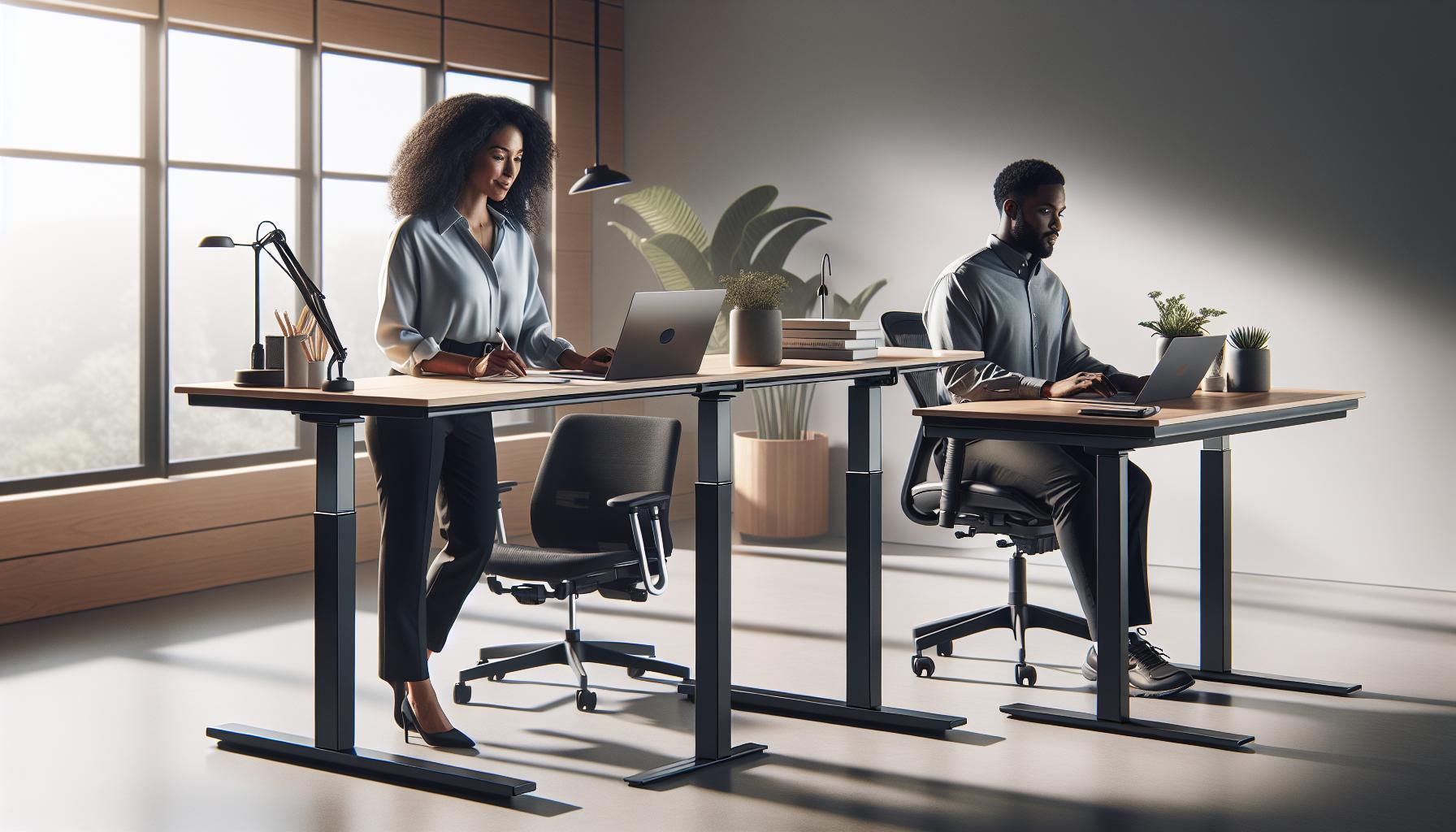
Comparing FSA Eligible Products: Standing Desks vs. Traditional Desks
In today’s fast-paced work environment, the choice between a standing desk and a traditional desk is not merely about personal preference; it impacts your overall wellbeing and productivity. The shift towards ergonomic solutions like standing desks is driven by a growing understanding of the health risks associated with prolonged sitting, including obesity, cardiovascular disease, and even chronic pain. With that in mind, let’s explore how standing desks stack up against traditional desks, particularly regarding Flexible Spending Account (FSA) eligibility and overall wellness.
When assessing FSA eligibility, standing desks often have a unique advantage. They can qualify as a medical expense if you provide documentation supporting a need due to a medical condition, such as back pain or other musculoskeletal disorders. This requirement often includes a letter of medical necessity from a healthcare provider, unlike standard desks, which typically do not qualify for FSA reimbursement. This distinction not only highlights the importance of ergonomics in the workplace but also incentivizes employees to invest in their health through medically necessary tools.
Beyond reimbursement, the functionality and impact of standing desks on cognitive performance are noteworthy. Research shows that standing desks can improve energy levels, focus, and overall job satisfaction. In contrast, traditional desks may contribute to sedentary behavior, affecting mood and mental clarity over time. By incorporating standing desks into your workspace, you can foster an environment that promotes both physical health and cognitive wellbeing.
To sum up, while both desk types have their benefits, standing desks present an opportunity to minimize health risks associated with sedentary lifestyles. By taking advantage of FSA eligibility, you can make a financially savvy investment in your health that supports your productivity and workplace wellness. Making informed choices not only enhances individual comfort but can transform the work culture into one more aligned with proactive health management.
Setting Up Your Workspace: Ergonomics and Standing Desks
Setting up your workspace with a standing desk can significantly enhance your productivity and wellbeing, provided it’s done correctly. Research indicates that the layout and arrangement of your workspace can impact not only your comfort but also your cognitive performance. To achieve an ergonomic setup that supports health and productivity, consider the following steps.
First, focus on the height of your standing desk. Ideally, your desk should be at elbow height when you stand, allowing your forearms to be parallel to the floor when typing. To achieve this, adjust your desk height so that your elbows rest at about 90 degrees. If you can’t adjust the desk height, consider a height-adjustable desk or a platform. Remember that your screen should be at eye level, roughly 20 to 30 inches away from your face, with the top of the monitor aligned with your eye line to avoid neck strain.
Next, think about your foot position. Stand with your feet about shoulder-width apart, and distribute your weight evenly between both feet. To prevent fatigue, alternate your weight often or use a footrest to shift your weight. It can also be beneficial to have anti-fatigue mats, which provide cushioning and support to further enhance comfort over longer periods of standing.
Finally, incorporate movement into your day. Research suggests that standing for long periods without breaks can be just as harmful as prolonged sitting. Aim to alternate between sitting and standing every 30 to 60 minutes. Consider using a timer to remind yourself to move. Use this time to stretch, walk around, or do quick exercises to keep your blood flowing and enhance mental clarity.
Incorporating these ergonomic principles into your standing desk setup not only elevates your physical comfort but also aims to foster a healthier and more productive workspace. By creating an environment conducive to both physical health and cognitive function, you can maximize the benefits of standing desks and support overall workplace wellness.
The Science Behind Standing Desks and Brain Health
Research shows that our physical environment significantly influences cognitive performance and overall brain health. Standing desks, in particular, have gained popularity not just for their physical benefits but also for their potential impacts on mental well-being. A notable study found that individuals who use standing desks report higher energy levels and improved mood, attributes that are crucial for maintaining focus and productivity throughout the workday.
Standing desks encourage movement, which stimulates blood circulation and promotes essential brain functions. Increased heart rate from standing can enhance oxygen flow to the brain, supporting cognitive sharpness and memory retention. Moreover, the act of standing itself can mitigate feelings of fatigue, often associated with long, sedentary hours at a desk, thus allowing for more sustained attention on tasks. The simple adjustment of alternating between sitting and standing can lead to improved neuroplasticity-the brain’s ability to adapt and reorganize itself-which is particularly significant in enhancing learning and creativity.
To optimize the benefits of a standing desk, it’s vital to integrate specific ergonomic practices:
- Height Adjustment: Ensure your desk height allows for a neutral wrist position while typing.
- Monitor Position: Keep your screen at eye level to reduce neck strain.
- Movement Incorporation: Incorporate regular breaks to walk or stretch, fostering both physical and mental health.
This holistic approach can help alleviate workplace stress, fostering a healthier work atmosphere. Creating a supportive environment that interweaves physical health practices with mental stimulation encourages a more effective and rewarding work experience. As you explore the implications of standing desks, remember that transitioning to such practices should consider your unique health needs, reinforcing the importance of professional guidance where necessary. Maximizing productivity while prioritizing well-being is achievable through mindful workplace modifications.
Maximizing Workplace Wellness with Standing Desks
Research indicates that incorporating standing desks in the workplace can significantly enhance overall wellness, productivity, and cognitive function. When you opt for a standing desk, you are not only reducing the health risks associated with prolonged sitting but also fostering a work environment that promotes movement and engagement. This shift can lead to tangible improvements in energy levels, which are crucial for maintaining a creative and focused mindset throughout the day.
To truly maximize the benefits of standing desks, consider the following practical strategies:
Ergonomic Setup
- Adjust Your Desk Height: Your desk should be at a height where your elbows are at a 90-degree angle when typing, minimizing strain on your wrists and shoulders.
- Monitor Positioning: Ensure that your computer screen is at eye level, allowing your neck to remain aligned and reducing fatigue.
- Footwear Matters: Invest in supportive shoes or anti-fatigue mats to provide cushioning and promote better posture.
Incorporate Movement
Introducing regular movement into your day is crucial. Transitioning between sitting and standing should not be your only strategy. Consider setting a timer to remind yourself to stretch or take short walks every hour. This approach promotes better circulation and enhances cognitive performance, as movement has been shown to improve brain function and stimulate creative thought.
Research also supports the idea that alternating your position throughout the day can boost neuroplasticity, the brain’s ability to adapt and reorganize itself, which is particularly beneficial for learning and immersing in complex tasks.
By fostering a workplace culture that values movement alongside the ergonomic benefits of standing desks, you can contribute to a healthier and more productive environment. A supportive setup not only enhances individual performance but also encourages collaboration and creativity, leading to a more engaged workforce overall. Always remember to listen to your body and consult with health professionals when necessary to ensure that any changes to your workspace align with your individual health needs.
Exploring Other Tax Benefits for Ergonomic Equipment
Many individuals may not realize that ergonomic equipment, beyond standing desks, can also come with substantial tax benefits. The Internal Revenue Service (IRS) recognizes the importance of such investments in promoting a healthier workforce, leading to potential deductions and reimbursements that can ease financial burdens, especially for those with specific health conditions. Understanding these benefits can empower employees to take proactive steps toward improving their work environment while maximizing their financial resources.
Individuals can often claim deductions for various types of ergonomic equipment if they are deemed necessary for work-related reasons. For example, items such as specialized chairs, keyboard trays, and monitor stands, which help maintain proper posture and reduce strain, may qualify as deductible expenses under medical deductions or business expenses if you are self-employed. Self-employed individuals could find additional benefits, as expenses related to home office setups that entail ergonomic furniture can significantly reduce taxable income.
Health Savings Account (HSA) and Flexible Spending Account (FSA)
Using funds from HSAs and FSAs provides another avenue for purchasing ergonomic equipment. These accounts are designed to cover out-of-pocket medical expenses, which can include ergonomic products that facilitate conducive work settings. Not only does this approach lessen immediate costs, but it also creates a tax shield since contributions to these accounts are made pre-tax, effectively lowering taxable income.
Examples of Ergonomic Equipment Eligible for Tax Benefits
Here are some specific types of equipment that may be eligible for tax benefits:
- Adjustable Office Chairs: Essential for maintaining good posture throughout the workday.
- Standing Desks: As discussed, they reduce the risks associated with prolonged sitting.
- Footrests: Promote better leg posture and alleviate pressure on the back.
- Ergonomic Keyboards and Mice: Designed to reduce wrist strain and enhance comfort.
Considering the overall health benefits ergonomic equipment offers, engaging in a conversation with a tax professional can illuminate potential savings. Staying informed about applicable tax laws allows individuals to make purchases that not only enhance their work experience but also provide fiscal advantages, ultimately supporting long-term wellness and productivity.
Common Misconceptions About FSA Eligibility
Many people navigating Flexible Spending Accounts (FSAs) encounter a host of misconceptions regarding what products and services are eligible for reimbursement. A common belief is that only medical expenses directly related to diagnosed conditions qualify. However, this is not entirely accurate. For instance, ergonomic equipment, including standing desks, may be deemed eligible if they can be justified as necessary for the treatment or prevention of a health issue. This often confuses individuals, especially when considering items designed for comfort and productivity rather than direct medical treatments.
Another prevalent misconception is that all ergonomic products are automatically FSA-eligible. In reality, the IRS has specific criteria determining what qualifies as a reimbursable expense. For a standing desk to be eligible, it generally needs to be supported by a physician’s note indicating the necessity for addressing a work-related health concern, such as chronic back pain caused by prolonged sitting. This stipulation highlights the importance of thorough documentation and understanding the nuances of your FSA plan.
Furthermore, many people believe that the costs associated with purchasing ergonomic equipment can be claimed without regard to the annual contribution limits of their FSA. It’s essential to track your purchases accurately and remain within these limits to avoid unexpected tax penalties. Keeping detailed receipts and understanding your specific plan’s guidelines ensure a smoother reimbursement process.
Investing in a standing desk can be a transformative decision for workplace wellness. However, recognizing the potential hurdles presented by these misconceptions fosters a more informed approach to utilizing your FSA effectively. Engaging in open discussions with HR representatives or benefits coordinators can clarify eligibility details, enabling employees to leverage their benefits fully while enhancing their overall work experience.
Step-by-Step Guide: FSA Claims Process for Standing Desks
For anyone considering a standing desk as part of their wellness strategy, knowing how to navigate the FSA claims process is imperative. This can unlock the potential for significant tax benefits while investing in your health. Here’s a straightforward guide to help you through the process smoothly.
Start by confirming that your standing desk qualifies for FSA reimbursement. Typically, you’ll need a physician’s note that justifies the need for a standing desk based on a health concern, such as chronic back pain from prolonged sitting. This documentation is crucial, as it demonstrates that the purchase is necessary for addressing a specific work-related health issue.
Once you have your physician’s note, purchase your standing desk. Save all receipts and any related documentation, as these will be necessary for your claim. Keep the invoice that shows the date of purchase, the vendor, and the amount spent, ensuring it’s detailed enough to fulfill your FSA provider’s requirements.
Next, log in to your FSA account or use the claims process outlined by your plan. Some FSAs allow you to submit claims online, while others might require physical forms. Fill out the claim form accurately, attaching copies of your receipt and your physician’s note. Double-check for completeness to avoid any delays.
Finally, after submission, keep track of your claim status. Most FSA providers will communicate the outcome via their online portal or through email. If your claim is approved, reimbursement will typically appear in your account within a few weeks. If there’s an issue, be proactive in addressing it-contact customer service for clarification or additional requirements.
This step-by-step approach not only simplifies the claims process but also empowers you to make informed decisions that support your well-being in the workplace.
Real-Life Success Stories: Workplace Wellness Transformations
Many individuals are discovering the transformative power of standing desks in enhancing their workplace wellness. By integrating standing desks into their daily routines, employees have reported significant improvements in not just physical health but also cognitive function and overall workplace satisfaction. For instance, one marketing team in a bustling corporate office upgraded their workspace to include adjustable standing desks. Within weeks, team members shared feeling less fatigued and more energized throughout the day. Productivity soared as brainstorming sessions became more dynamic; standing instead of sitting encouraged a more collaborative and engaging environment, showcasing how a simple change in posture can lead to collective growth.
Another compelling story comes from a software engineer who struggled with chronic back pain due to extensive hours spent at a traditional desk. After obtaining a physician’s recommendation, she invested in a standing desk through her FSA. The result? A remarkable reduction in discomfort and an increase in her concentration levels. She reported that standing helped keep her more alert, and she even incorporated short stretches during the day, which further alleviated her pain. This combination of movement and ergonomic setup not only allowed her to focus better but also fostered a healthier work-life balance overall.
In various organizations, leaders are also recognizing the value of prioritizing wellness through such ergonomic adjustments. Companies have begun to offer financial support for standing desks as part of their employee wellness programs, illustrating a commitment to health that resonates deeply with their workforce. Reimbursement options through Flexible Spending Accounts (FSAs) are being highlighted as a proactive step in making these health-oriented investments accessible. Employees are encouraged to explore these benefits, transforming their work environments while taking advantage of the potential tax benefits associated with these necessary health tools.
As awareness of the connection between desk ergonomics, brain health, and productivity grows, more organizations are advocating for creating a culture of wellness. These real-life successes underscore the importance of discussing physical workspace design not just as an office choice but as a vital component in fostering employee health, satisfaction, and high performance. By elevating their work environments with solutions like standing desks, individuals are not only investing in their health but also paving the way for enhanced creativity, focus, and collaboration in the workplace.
Q&A
Q: Are standing desks considered medical expenses for FSA purposes?
A: Yes, standing desks can be considered medical expenses if prescribed by a healthcare professional for a medical condition. You can claim them under your FSA. For detailed guidelines, refer to the “How to Claim FSA Reimbursement for Standing Desks” section.
Q: How can I verify if my standing desk is FSA eligible?
A: To verify if a standing desk is FSA eligible, check if the desk meets ergonomic standards and if a prescription is provided by a healthcare professional. Consulting your FSA administrator can also clarify eligibility.
Q: What types of standing desks are FSA-eligible?
A: Generally, any standing desk that is medically necessary and recommended by a health professional can be FSA-eligible. This includes adjustable desks that promote better posture. Explore the “Comparing FSA Eligible Products” section for more specifics.
Q: Can I use my FSA funds for standing desk accessories?
A: Yes, if the accessories enhance the ergonomic benefits of a standing desk and are recommended by a healthcare provider, they may be eligible for FSA reimbursement. Check the “Exploring Other Tax Benefits for Ergonomic Equipment” section for details.
Q: Do I need a prescription for a standing desk to be FSA eligible?
A: Yes, a prescription from a healthcare provider is typically required for a standing desk to qualify as a medical expense under FSA regulations. This confirms the medical necessity. More on this is in the “Common Misconceptions About FSA Eligibility” section.
Q: How can I maximize my FSA benefits for ergonomic equipment?
A: To maximize FSA benefits, keep detailed receipts, ensure prescriptions are in order, and consider appropriate ergonomic products beyond just standing desks. Refer to sections on “Maximizing Workplace Wellness with Standing Desks” for broader advice.
Q: Are there tax benefits available if I buy a standing desk for my home office?
A: Yes, if the desk is used primarily for work and meets IRS requirements, you may claim it as a business expense or medical deduction. It’s essential to keep proper documentation for tax purposes.
Q: What documentation is needed for FSA claims related to standing desks?
A: For FSA claims, you’ll need receipts showing the purchase, a healthcare provider’s prescription, and potentially a detailed explanation of the necessity. Check the “Step-by-Step Guide: FSA Claims Process for Standing Desks” for insights.
In Retrospect
Curious about how a standing desk can transform your workspace and boost your health? From potential tax benefits to improving your posture, investing in a standing desk might be one of the best decisions you make for your workplace wellness. Don’t wait-explore our comprehensive guide on setting up an ergonomic workspace to maximize your productivity and well-being.
For even more insights into enhancing cognitive performance and managing workplace stress, check out our articles on brain health and effective stress management techniques. If you’re ready to step up your health game, consider signing up for our newsletter or consulting with our experts for personalized advice. Join the conversation, share your experiences, and remember, your journey to a healthier work life starts today!