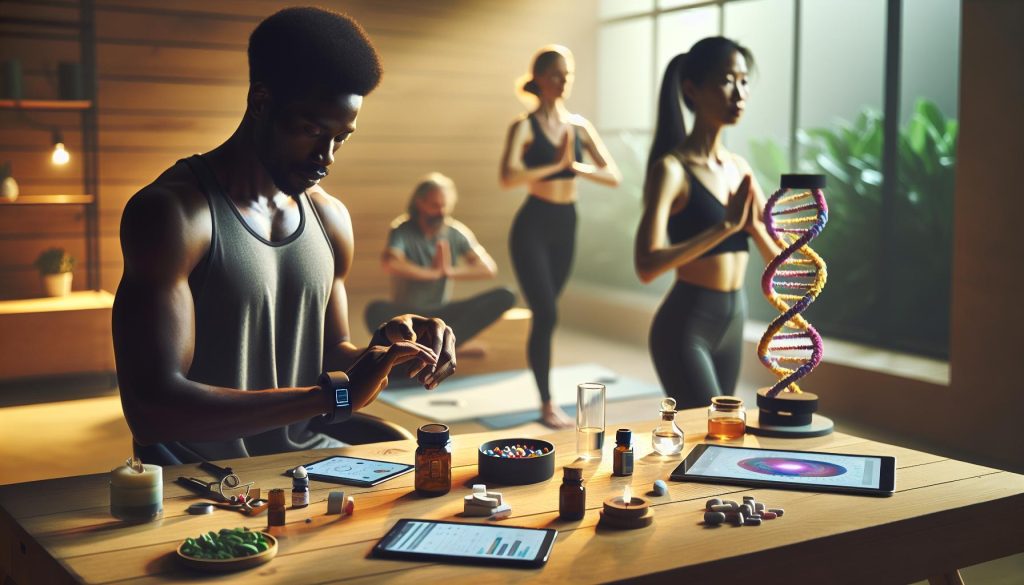
In a world where the pursuit of peak performance and longevity dominates conversations, biohacking has emerged as a compelling solution for those seeking to optimize their bodies and minds. This growing movement, which combines science, nutrition, and lifestyle changes, allows individuals to take control of their health through targeted self-experimentation and mindful practices. Whether it’s enhancing energy levels, improving cognitive function, or simply feeling better in your own skin, biohacking offers a roadmap to achieving your personal wellness goals. But with the vast array of methods available-from dietary adjustments to advanced technology-where do you begin? This comprehensive guide provides insights into the principles of biohacking, empowering you with the knowledge to start your journey toward a more optimized version of yourself. Dive in to uncover the strategies that could transform your everyday life and help you unlock your fullest potential.
What Is Biohacking and Why It Matters
Biohacking represents a transformative approach to personal health and wellness, blending science, technology, and self-experimentation to enhance individual performance. This evolving movement encourages people to actively engage in their own biology, leading to improved physical and mental well-being. By optimizing various aspects of health, from diet and exercise to sleep and mindfulness, biohackers aim to achieve a higher level of efficiency and vitality in their daily lives. This proactive stance not only empowers individuals to take charge of their health but also cultivates a deeper understanding of the body’s responses to different interventions.
The significance of biohacking extends beyond mere personal benefits; it reflects a broader cultural shift towards self-improvement. As more people seek ways to enhance their quality of life, biohacking offers a toolkit of strategies that can be customized to meet individual health goals. Various techniques-ranging from tracking dietary habits and employing intermittent fasting to using wearable devices for health monitoring-highlight the importance of data-driven decisions in managing health. Furthermore, this movement brings attention to the need for mental health optimization alongside physical health, emphasizing a holistic view of well-being.
Incorporating biohacking into daily life often involves experimentation with supplements, diet modifications, and innovative health technologies. These methods enable individuals to discover what works best for them through trial and error, informed by scientific research and community knowledge. As more individuals participate in this self-optimization journey, the cumulative knowledge can lead to breakthroughs that benefit the larger population, fostering a community spirit among biohackers eager to share their findings and support one another.
Ultimately, biohacking matters because it encourages a more engaged and informed approach to health. As people become more aware of their bodies and the myriad factors affecting their well-being, they can make more effective decisions, leading to improved health outcomes. This proactive methodology not only enhances personal performance but also lays the groundwork for a society more equipped to tackle health challenges and promote overall wellness in the future.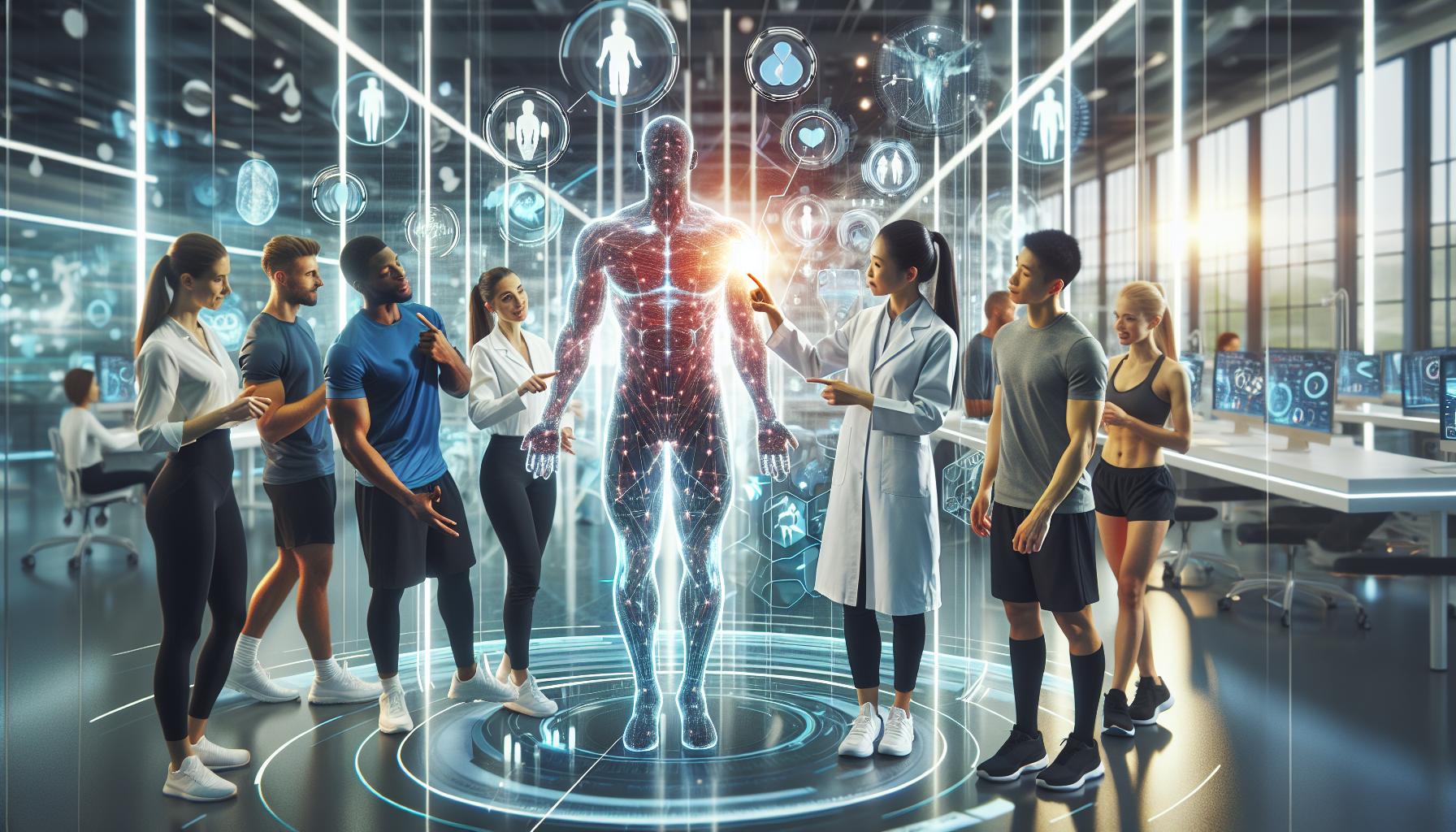
The Science Behind Body Optimization
To truly grasp the intricacies of body optimization, it’s essential to delve into the science that underpins biohacking strategies. At its core, body optimization revolves around understanding how different factors-like genetics, nutrition, exercise, and cognitive function-interact to influence overall health and well-being. This multifaceted approach allows individuals to tailor their lifestyle choices to enhance physical functionality and mental acuity.
Incorporating data-driven methodologies is a hallmark of biohacking. People are leveraging technology to track various biomarkers, which may include metrics such as heart rate variability, blood sugar fluctuations, and hormonal levels. By closely monitoring these indicators, biohackers gain insights into how their bodies respond to specific diets, workouts, and even stressors. This iterative process-experimenting, observing, and adjusting-empowers individuals to personalize their health regimens, leading to more effective outcomes. For example, utilizing continuous glucose monitors can help dieters understand their personal blood sugar responses to different foods, allowing for more informed dietary choices.
Key Principles of Body Optimization
Understanding the fundamentals of body optimization requires acknowledging a few key principles:
- Holistic Approach: Consider all aspects of health, including nutrition, physical activity, mental health, and sleep.
- Self-Experimentation: Personalizing health strategies through trial and error fosters deeper understanding and results.
- Data Utilization: Employ wearable technologies and health tracking applications to gather and analyze personal health data.
- Preventive Focus: Emphasize proactive health measures to prevent potential issues before they arise, utilizing methods like genetic testing.
As the biohacking movement evolves, more individuals seek scientifically validated practices to enhance their well-being. This has led to increased interest in the study of epigenetics, which explores how lifestyle choices can influence gene expression. For example, specific dietary changes can optimize micro-nutrient levels and thereby improve not just physical health, but also emotional regulation and cognitive performance. Each step towards understanding the science of body optimization is not merely an improvement of individual health; it marks a collective progression toward a society that values data-informed wellness practices.
In conclusion, the journey of body optimization is about harnessing the synergy of science and self-awareness to foster well-being and performance. Through a combination of technology, personalized strategies, and empirical evidence, biohackers are poised to redefine what it means to lead a healthy, vibrant life.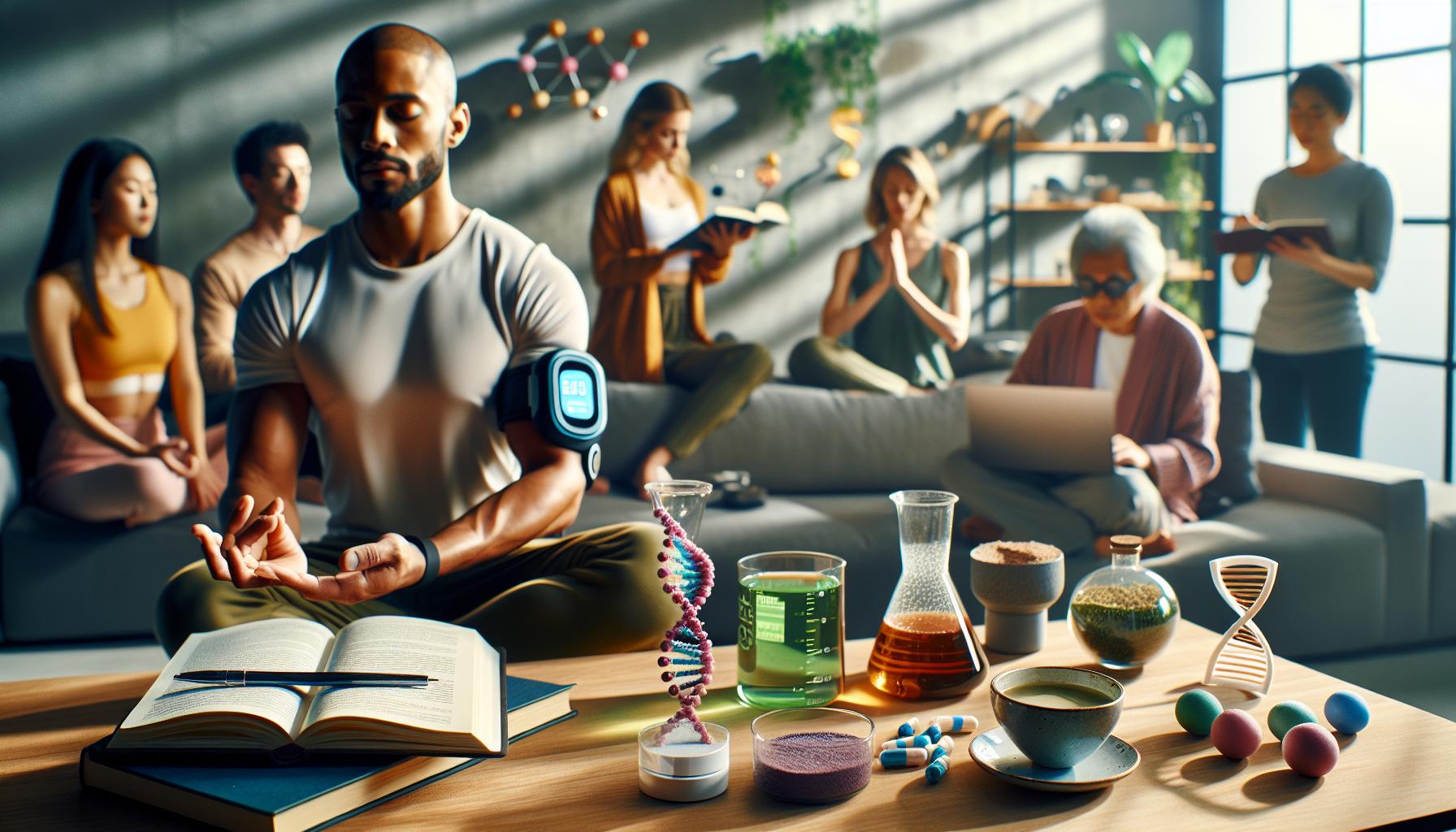
Popular Biohacking Techniques Explored
Biohacking is a fascinating exploration of how individuals can optimize their health and performance through various techniques and practices. From simple lifestyle changes to advanced technological interventions, the methods employed by biohackers can significantly enhance well-being and functionality. One of the most effective and popular techniques is the manipulation of one’s diet and exercise routine to maximize energy levels and cognitive performance, often referred to as nutritional biohacking. This can include the adoption of ketogenic diets, intermittent fasting, or even microdosing with nootropics, all aimed at enhancing metabolic efficiency and mental clarity.
Another set of biohacking techniques focuses on optimizing sleep quality, which is crucial for recovery and overall health. Practices such as sleep hygiene-creating a conducive sleep environment, maintaining a consistent sleep schedule, and using wearables to track sleep patterns-allow individuals to identify factors that affect their rest. Incorporating technologies like blue light-blocking glasses and sound machines can further enhance the sleeping experience, leading to improved recovery and cognitive functioning during waking hours.
Mental biohacking is also gaining traction, wherein mindfulness practices such as meditation and breathwork are utilized to enhance emotional regulation and stress response. By integrating short, daily mindfulness sessions into a routine, individuals can improve focus, reduce anxiety, and foster a greater sense of well-being. This is often coupled with practices like journaling, which aids in processing thoughts and emotions, thereby promoting mental clarity and resilience.
Moreover, the use of wearable technology has revolutionized how individuals approach self-optimization. Devices that track heart rate, sleep patterns, physical activity, and even skin temperature provide insights into health metrics that were previously difficult to gauge. With real-time data, individuals can adjust their activities and routines based on what the data suggests, leading to more personalized and effective health strategies. By blending these techniques-nutrition, sleep optimization, mental wellness, and technology-biohackers are crafting comprehensive, tailored approaches to enhance their lifestyles and overall performance.
Supplements and Nutrition for Enhanced Performance
In the quest for optimal health and enhanced performance, many biohackers turn to a combination of targeted supplements and strategic nutritional choices. Tailoring one’s diet not only fuels the body but also significantly influences cognitive function and overall wellness. The foundation of this biohacking approach lies in understanding macronutrient ratios, timing of meals, and incorporating supplements that complement dietary habits.
To start, consider macronutrient ratios that fit your personal health goals. For instance, those aiming for increased energy and cognitive focus often gravitate toward higher protein and healthy fat content, potentially exploring diets like keto or paleo. These diets emphasize minimal carbs while maximizing protein and healthy fats, which can lead to sustained energy levels and sharper mental clarity. Additionally, intermittent fasting has gained popularity, where controlled eating windows may enhance metabolic efficiency and support mental acuity.
In terms of supplementation, biohackers utilize various products to enhance physical and cognitive performance. Among the most popular are nootropics, which are designed to improve brain function. These can range from caffeine and L-theanine combinations for focusing energy to more complex formulations containing Omega-3 fatty acids and vitamin D, aiming to support cardiovascular health and bone strength. Moreover, products like Beta Glucan are championed for their immune-boosting properties, showcasing how targeted supplementation can serve specific health needs[1].
Practical Examples and Tips
Here are some actionable strategies to integrate supplements and nutrition into your biohacking regimen:
- Systematic Meal Planning: Consider meal-prepping to maintain control over ingredients and macronutritional balance.
- Incorporate Superfoods: Foods such as chlorella, spirulina, and turmeric contain potent nutrients that may enhance overall health.
- Track Your Reaction: Use food diaries or apps to monitor how certain foods and supplements impact your physical and mental performance.
- Consult Professionals: Work with a nutritionist or health coach to establish a regimen personalized to your unique needs and biohacking goals.
By thoughtfully curating both dietary and supplementary choices, individuals can harness the power of biohacking, optimizing their health and performance in ways that resonate with their specific aspirations. This holistic approach not only fosters immediate benefits but also paves the way for long-term sustainability in health and well-being.
Mindfulness and Mental Biohacking Strategies
In an age where distractions abound and stress levels soar, the power of mindfulness and mental biohacking emerges as a crucial component for enhancing overall health and cognitive performance. Mindfulness isn’t merely a trend; it’s a scientifically backed approach to improving mental clarity, emotional regulation, and stress management. Incorporating practices such as meditation, breathwork, and mindful movement can significantly contribute to optimizing cognitive function and emotional resilience. For example, studies have shown that regular mindfulness meditation can lead to increased gray matter density in the brain regions associated with memory, self-awareness, and empathy.
One effective technique in this realm is the practice of mindful breathing. Simple yet profound, focusing on your breath can ground you in the moment, reducing anxiety and enhancing focus. To get started, find a quiet space where you can sit comfortably. Close your eyes and take a deep breath in through your nose, counting to four. Hold for a count of four, then exhale slowly through your mouth for another count of four. Repeat this cycle for a few minutes, allowing your mind to settle. This practice can be seamlessly integrated into your daily routine, even in the midst of a busy day.
Mindfulness isn’t just limited to formal practices-it can be woven into everyday activities. For instance, when eating, try to engage completely with the experience. Notice the colors, textures, and flavors of your food. Chewing slowly not only enhances the enjoyment of your meal but also improves digestion, which is a fundamental aspect of overall wellness. Furthermore, keeping a gratitude journal can serve as a form of mental biohacking, helping to shift your mindset and promote positive emotional states. By regularly noting things you’re grateful for, you can foster a more positive outlook and reduce stress-related responses.
Moreover, the integration of technology can aid in mindfulness practices. Apps such as Headspace or Calm provide guided meditations and mindfulness exercises designed to cater to specific needs, whether it’s stress relief, improved concentration, or better sleep. Utilizing wearable devices to track your heart rate variability can also provide insight into your stress levels and help you tailor your mindfulness practices accordingly.
By harnessing the principles of mindfulness and incorporating mental biohacking strategies, individuals can cultivate a heightened state of awareness and improve cognitive function, ultimately leading to a more fulfilling and optimized life.
Wearable Technology for Health Tracking
Wearable technology is revolutionizing health tracking, enabling individuals to monitor their body’s performance and optimize health in real-time. These devices-ranging from smartwatches to fitness trackers-do more than count steps; they provide critical insights into various health metrics such as heart rate, sleep patterns, and even blood oxygen levels. With this data at their fingertips, users can make informed decisions about their lifestyle choices, thereby enhancing their overall health and well-being.
One popular example of wearable technology is the Apple Watch, which not only tracks physical activity but also monitors heart health through features like ECG and irregular rhythm notifications. Such functionalities empower users to take control of their cardiovascular health, alerting them to potential concerns before they escalate. Similarly, devices like the Fitbit and WHOOP Strap offer detailed sleep analysis alongside activity tracking, helping users understand the quality of their rest-a vital component of recovery and overall health.
Enhancing Performance Through Data
Wearable devices come equipped with applications that analyze collected data, turning raw numbers into actionable insights. For instance, a fitness tracker can show how a user’s heart rate responds to different types of exercises, guiding them toward a more efficient workout regimen. Moreover, many of these technologies integrate with other health apps to provide a comprehensive view of an individual’s health journey. By combining metrics such as calorie intake and hydration levels, users can create a holistic picture of their health that informs their biohacking strategies.
Future of Wearable Health Tech
With advancements like artificial intelligence and machine learning, the future of wearable technology looks promising. Soon, devices could offer predictive analytics, assessing not just historical data but also potential future health risks based on trends. This capability could lead to proactive health measures, allowing individuals to adjust their habits before issues arise. In personal biohacking, being equipped with such high-tech tools can drastically enhance one’s ability to optimize health and performance.
These innovations highlight the intersection between technology and personal health management, making wearables not just accessories but essential tools for anyone looking to take charge of their wellness journey. By leveraging data from these devices, individuals can tailor their nutrition, exercise routines, and even mindfulness practices, ultimately embodying the principles of biohacking for optimized living.
Experiential Biohacking: Sleep and Recovery
The importance of quality sleep cannot be overstated, especially when it comes to optimizing overall health and recovery. Modern research suggests that adequate restorative sleep can significantly impact cognitive function, physical performance, and emotional well-being. For biohackers, enhancing sleep is not just about logging enough hours; it’s about maximizing the quality of that sleep to improve recovery processes and overall life quality.
One effective approach to experiential biohacking for sleep involves establishing a personalized sleep routine that aligns with circadian rhythms. This can include practices such as maintaining consistent sleep and wake times, creating a pre-sleep ritual to unwind (which may involve journaling or gentle yoga), or incorporating light therapy to regulate melatonin production. Additionally, the use of darkening shades in the bedroom and reducing blue light exposure in the evening can dramatically enhance sleep quality.
Practical Strategies for Enhanced Recovery
Here are several strategies you can implement to optimize your sleep and recovery:
- Create a Sleep Sanctuary: Make your bedroom a calming environment by keeping it dark, cool, and quiet. Consider using white noise or earplugs to minimize disturbances.
- Monitor Sleep Quality: Utilize wearable technology like fitness trackers or smart rings to analyze your sleep patterns. These devices can provide insights into duration, quality, and even sleep stages.
- Optimize Nutrition: Certain foods can promote better sleep. Consuming magnesium-rich foods (such as nuts and leafy greens) or herbal teas like chamomile can help calm the mind.
- Stay Active: Regular physical activity can help you fall asleep faster and deepen sleep. Just ensure that workouts are not too close to bedtime to avoid interference with sleep onset.
Innovative Recovery Techniques
In addition to basic sleep optimization strategies, advanced techniques like floatation therapy, sleep-enhancing supplements (such as melatonin or magnesium), and even breathwork practices can further enhance recovery. Floatation therapy allows individuals to enter a state of deep relaxation, aiding both physical and mental recovery after strenuous activity. Meanwhile, mindfulness practices like meditation and controlled breathing exercises can help alleviate stress, paving the way for improved sleep quality.
By consciously incorporating these experiential biohacking methods into daily life, individuals can leverage the power of sleep as a foundational element of their health optimization journey. Enhanced recovery leads not only to better physical performance but also to improved mental clarity and emotional resilience, making it a vital component of a holistic biohacking strategy.
Community and Social Aspects of Biohacking
In the rapidly evolving world of biohacking, the significance of community and social connections cannot be understated. Engaging with like-minded individuals who share a passion for body optimization not only provides a platform for sharing knowledge but also fosters a sense of belonging and motivation. These communities often serve as invaluable resources, enabling enthusiasts to learn from each other’s experiences, successes, and challenges. From local meetups to online forums, biohacking communities are vital for nurturing collaboration and innovation.
Connecting with peers can significantly enhance one’s biohacking journey. For instance, participating in local groups or online meetups allows individuals to exchange ideas on the latest techniques, supplements, and technological advancements that contribute to health optimization. Building relationships within these communities often leads to valuable partnerships for experimenting with different biohacking methods, sharing results, and even participating in group challenges that encourage accountability and progress. Websites such as Meetup provide platforms where enthusiasts can discover local groups or virtual gatherings, creating opportunities for personal growth and exploration in biohacking practices.
Moreover, the social aspect of biohacking can encourage diversity in practice and thought. A diverse group can introduce individuals to alternative methods or philosophies that they might not encounter alone. For example, one person’s journey into gut health could inspire another to explore dietary changes, while discussions surrounding mental wellness strategies could lead to collaborative mindfulness sessions. These interactions not only enrich personal experiences but often ignite innovative approaches to biohacking.
In addition, events such as biohacking conferences and workshops offer greater opportunities for networking and learning directly from leading experts in the field. These gatherings can be exhilarating environments where both novices and veterans come together to share insights and research. As these communities continue to grow, they are shaping the future of health optimization, making it a collective pursuit rather than a solitary endeavor. Engaging in these social aspects of biohacking will undoubtedly enhance knowledge, accessibility, and personal transformation for individuals committed to improving their health and performance.
Ethics and Safety in Biohacking Practices
In a movement characterized by experimentation and self-directed health optimization, ethical considerations play a paramount role in ensuring the safety and effectiveness of biohacking practices. While the allure of “do-it-yourself” biology can be incredibly empowering, it comes with the responsibility of understanding the risks involved. From unregulated supplements to experimental procedures, biohackers must navigate a landscape rife with potential ethical dilemmas and health hazards.
Several core principles can guide individuals engaging in biohacking activities to prioritize ethics and safety. For starters, transparency is crucial. It is essential for biohackers to openly share the methods they are using and the potential risks associated with them. This not only fosters trust within community circles but also encourages a collective responsibility towards safe practice. Additionally, utilizing evidence-based approaches can mitigate risks; biohackers should strive to reference credible sources and scientific research when implementing new techniques or products. Unsafe practices, particularly those involving genetic modifications, are especially concerning, as they can lead to unintended consequences with far-reaching implications for health and the environment[[[1]](https://pmc.ncbi.nlm.nih.gov/articles/PMC7004414/).
Another crucial aspect of ethics in biohacking is the importance of informed consent, particularly when sharing resources or involving others in experimental practices. Participants in biohacking experiments must be fully aware of what they are agreeing to, including potential benefits and risks. This principle extends to the wider community, where discussion about the implications of biohacking on societal health should be encouraged. As discussed in the context of genetic biohacking, regulatory bodies like the FDA often engage with stakeholders to better understand this evolving field, which underscores the importance of inclusive dialogue between biohackers and the wider biomedical community[[[1]](https://pmc.ncbi.nlm.nih.gov/articles/PMC7004414/).
Despite the innovative spirit that defines biohacking, the ethical implications of this democratization of biotechnology cannot be ignored. While tinkering and creativity are inherent to the biohacker ethos, the lack of supervision and formal oversight available in traditional labs raises concerns about accountability and responsibility. A commitment to preventative ethics is crucial, urging biohackers to consider the broader impacts of their work and the potential ramifications for both individuals and public health [[3]](https://vce.usc.edu/volume-5-issue-2/biohacking-the-ethical-implications-of-democratizing-biotechnology/). By prioritizing these ethical standards, biohackers can ensure that their pursuit of body optimization does not compromise the health or safety of themselves or others.
Advanced Biohacking: Genetic and DNA Modifications
In an era where cutting-edge technology intersects with self-improvement, genetic and DNA modifications are emerging as a focal point for advanced biohacking enthusiasts. The potential to tweak one’s genetic makeup, whether for health optimization or peak performance, creates an exhilarating, albeit complex landscape for biohackers. With tools and resources that once resided in highly controlled laboratory environments becoming more accessible, individuals are increasingly exploring ways to harness their own genetic data-often sourced from platforms like 23andMe or Ancestry-to inform personalized health strategies.
One of the most prominent methods involves utilizing CRISPR technology. This revolutionary gene-editing tool allows for precise modifications of DNA, granting biohackers the power to alter genes linked to various health conditions or even enhance physical traits. For instance, studies have shown that editing genes related to muscle growth could theoretically improve athletic performance. However, while the allure of direct genetic manipulation is enticing, it’s essential to recognize the formidable ethical and safety considerations. Not only do unregulated genetic modifications pose personal health risks, but they could also have unforeseen consequences for future generations, necessitating a thorough exploration of informed consent and ecological impact.
Biohackers are also leveraging insights from their genetic data to optimize their nutrition and fitness regimens. By understanding their genetic predispositions-such as sensitivity to certain foods or likelihood of developing specific health conditions-they can tailor their diets and exercise plans for maximal efficacy. For example, individuals with a genetic variant that makes them more prone to lactose intolerance would benefit from avoiding dairy products, while others with genes suggesting a higher cardiovascular risk might prioritize aerobic exercises in their routines. This nuanced approach underscores the importance of being well-educated about one’s genetic background and relying on credible scientific evidence when interpreting and acting on genetic information.
While the benefits of such advanced biohacking techniques can be compelling, community engagement and regulatory oversight are fundamental to ensure practices remain safe and ethical. As biohacking becomes more mainstream, discussions surrounding regulatory frameworks are more critical than ever. Engaging with legitimate scientific research, sharing findings transparently within the biohacking community, and maintaining a dialogue with regulatory bodies is vital to temper the risks associated with genetic modifications. As the tide of DIY biology rises, balancing innovation with responsibility will ultimately determine the impact of genetic biohacking on society and personal health.
Expert Insights: Interviews with Biohacking Pioneers
In the evolving landscape of biohacking, insights from pioneers in the field provide invaluable perspectives on enhancing human potential. These trailblazers offer not just innovative practices, but also a wealth of knowledge on the implications of self-experimentation. One notable figure in the community, Dave Asprey, founder of Bulletproof and a prominent biohacker, emphasizes the importance of empirical results. Asprey advocates for a methodical approach to biohacking: “You need to track everything-what you eat, your sleep, and your mood-to understand how different inputs affect your body.” His approach highlights the significance of data-driven decisions in optimizing health and performance.
Another pioneer, Dr. Rhonda Patrick, focuses on the role of nutrition and lifestyle in longevity. She argues that simple dietary adjustments, such as incorporating micronutrient-rich foods, can lead to profound improvements in health. Patrick recommends regular consumption of foods rich in polyphenols and micronutrients, stating, “The right foods can significantly increase your body’s resilience against diseases.” This perspective sheds light on the foundational role of nutrition in biohacking practices, urging individuals to consider diet as a primary tool for optimization.
Furthermore, the integration of technology is a hot topic among biohacking experts. Tim Ferriss, known for his experiments in lifestyle design, often discusses the value of wearable devices that provide real-time feedback on physical states. In his experience, tools like heart rate variability monitors can unveil insights into stress levels and recovery, allowing biohackers to tailor their routines for peak performance. He asserts, “The key to biohacking isn’t just in the supplements, but in the constant feedback loop you create with technology.” This underscores the growing importance of tech in personal health optimization.
These expert insights illuminate the multifaceted nature of biohacking, emphasizing that this burgeoning field is about much more than just trendy diets or the latest gadgets. Instead, it invites a holistic view that encompasses nutrition, technology, and the relentless pursuit of data-driven insights, ultimately fostering a community dedicated to improved well-being and peak performance. By learning from these pioneers, aspiring biohackers can navigate their own journeys with a clearer understanding of the strategies and philosophies that underpin successful body optimization.
Future Trends in Biohacking and Wellness
The future of biohacking and wellness looks promising, driven by advancements in technology and an increasing understanding of individualized health. One of the most exciting prospects is the integration of artificial intelligence (AI) in health optimization. With AI algorithms analyzing data from wearables, genetic insights, and lifestyle factors, customized wellness solutions that adapt to the user’s needs are becoming feasible. This could revolutionize how we approach fitness and nutrition, allowing us to tailor regimens based on real-time feedback rather than generic programs.
Emerging Technologies and Personalization
As precision health continues to gain traction, consumers can expect a rise in personalized supplements and nutrition plans that account for individual genetic makeup and health profiles. Genetic testing will inform not only dietary choices but also nutrient supplementation to enhance physical and mental performance. Companies are already developing products that utilize DNA analysis to create customized vitamin packs, ensuring that users receive the exact nutrients necessary for their unique biology.
Moreover, advancements in wearable technology are set to deepen our understanding of personal health metrics. Devices that monitor a variety of parameters-including heart rate variability, sleep cycles, and blood glucose levels-will soon become commonplace. This data will empower users to make informed decisions about their lifestyles, helping them to optimize not just physical performance but also overall well-being.
Mental Health and Biohacking
The role of mental wellness in biohacking will also become more pronounced. Techniques such as mindfulness-based practices, neurofeedback, and brain-computer interfaces promise to elevate our understanding of cognitive performance. Practices that promote mental clarity and emotional resilience will be mainstream, with biohackers utilizing apps and wearables to track their cognitive states and emotional responses, thus paving the way for interventions that promote mental well-being.
Ethical Considerations and Community Growth
As biohacking becomes more intertwined with advanced technologies and genetic modifications, ethical considerations will take center stage. Discussions around safety, consent, and the implications of genetic editing on future generations will necessitate a community-centric approach. Ensuring that biohacking remains accessible and safe will require collaboration among scientists, ethicists, and enthusiasts to establish guidelines that protect individuals and promote responsible practices.
In summary, the evolution of biohacking promises to enhance our understanding of personal health through technology and individualized approaches. The focus on data-driven, personalized wellness solutions, combined with a growing community of practitioners, will not only redefine how we optimize our bodies but also how we interpret the very nature of health and wellness in the coming years.
Frequently Asked Questions
Q: What are the benefits of biohacking?
A: Biohacking can lead to improved health, enhanced cognitive performance, and increased longevity. By experimenting with diet, technology, and lifestyle changes, individuals can optimize their bodies for better energy levels and mental clarity. Exploring the section on Popular Biohacking Techniques Explored can provide valuable insights.
Q: Is biohacking safe for everyone?
A: While many biohacking practices are safe, individuals should approach it with caution, especially concerning extreme modifications or supplements. Consulting health professionals before starting any new biohacking strategy is advisable. More on Ethics and Safety in Biohacking Practices can be found in the article.
Q: How can I start biohacking at home?
A: You can start biohacking at home by tracking your nutrition, optimizing your sleep environment, and introducing mindfulness practices. Simple changes like adjusting light exposure or meal timing can yield significant benefits. Check out Mindfulness and Mental Biohacking Strategies for practical tips.
Q: What type of technology is used in biohacking?
A: Various technologies are used in biohacking, including wearable devices like fitness trackers, sleep monitors, and apps for tracking diet and exercise. These tools help gather data that can inform personal optimization strategies. Explore Wearable Technology for Health Tracking for more details.
Q: Can biohacking improve mental health?
A: Yes, biohacking techniques such as mindfulness, meditation, and dietary changes can significantly enhance mental health. Engaging in regular physical activity and tracking your mood can also lead to better emotional well-being. See Mindfulness and Mental Biohacking Strategies for further exploration.
Q: What should I consider before starting biohacking?
A: Before starting biohacking, consider your unique health needs, potential risks, and ethical implications of certain practices. Start with achievable goals and gradually adopt new strategies. Learn more about the Ethics and Safety in Biohacking Practices for important considerations.
Q: Are there any legal implications surrounding biohacking?
A: Legal implications can arise from specific biohacking practices, such as genetic modifications or using unapproved supplements. It’s crucial to research regulations in your region and consult legal experts if necessary. For more insights, refer to the section on Ethics and Safety in Biohacking Practices.
Q: What role does community play in biohacking?
A: Community plays a vital role in biohacking by providing support, sharing experiences, and exchanging knowledge. Collaborative efforts can enhance learning and accountability. Engaging with biohacking communities can also lead to discovery of innovative techniques listed in Community and Social Aspects of Biohacking.
To Conclude
As you embark on your biohacking journey, remember that optimizing your body is not just about the methods you choose but also about understanding the science behind them. By applying the insights shared in this guide, you can take significant steps toward enhancing your health and performance. Don’t wait to start! Explore our related articles on DIY health strategies and advanced biohacking techniques[[[1]](https://pmc.ncbi.nlm.nih.gov/articles/PMC6549016/).
Engage with our community by sharing your experiences or questions in the comments below-your perspective could inspire others! For those looking to delve deeper, consider signing up for our newsletter to stay updated on the latest biohacking trends and exclusive resources. Remember, the power to transform your health is in your hands-embrace it today!