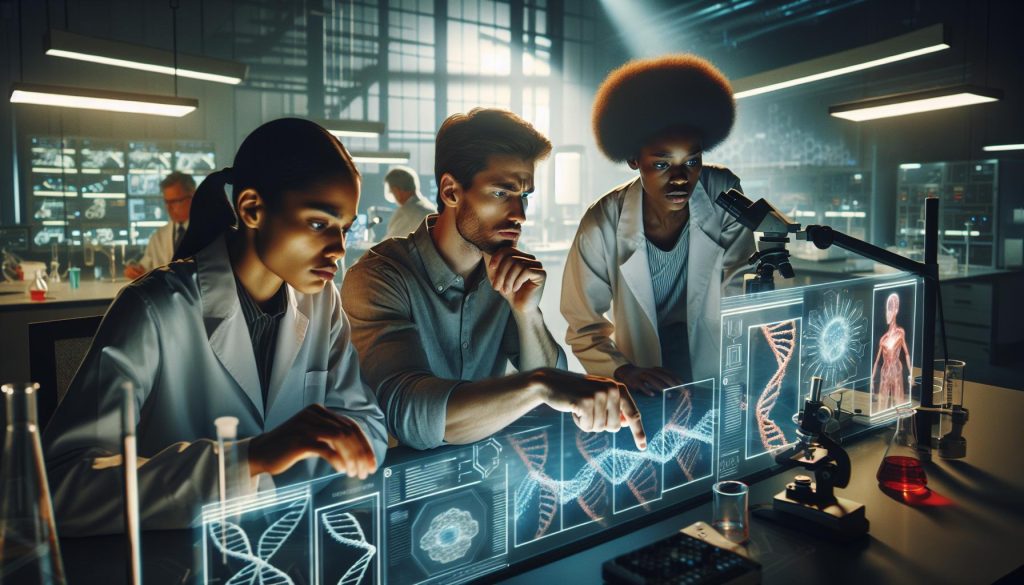
In a world where stress and performance pressures are ever-increasing, biohacking has emerged as a fascinating approach to enhancing our health and cognitive abilities. This movement encompasses strategies that allow individuals to optimize their biology through science and technology, focusing on physical and mental performance. By understanding the real science behind the biohacking phenomenon, viewers can explore how these techniques can help them manage stress, improve well-being, and foster a productive work environment. As you dive deeper into this topic, you’ll uncover practical, evidence-based methods to adopt in your daily life, empowering you to take control of your health and unlock your full potential. Get ready to embark on this journey of self-discovery and empowerment-there’s so much to explore!
What is Biohacking? Understanding the Basics
Are you aware that the average office worker spends more than 8 hours a day sitting? This prolonged inactivity can lead to a range of health issues, including obesity, cardiovascular disease, and mental health challenges. Enter biohacking-a growing trend that aims to optimize human performance through a variety of techniques that combine lifestyle changes, technology, and scientific principles. Simply put, biohacking is the practice of optimizing your body, mind, and environment to achieve peak physical and mental function.
At its core, biohacking empowers individuals to take control of their health and wellbeing. Drawing from diverse disciplines such as biology, psychology, and technology, biohackers explore methods to enhance their physical and cognitive performance. Techniques may include dietary adjustments, exercise regimens, sleep optimization, and even genetic modifications in more advanced cases. The ultimate goal? To create a more efficient, resilient self that can thrive in today’s demanding world.
Advancements like wearable technology allow individuals to monitor various metrics-such as heart rate variability and sleep quality-providing insights for tailored interventions. For instance, those interested in workplace wellness might incorporate strategies like standing desks and flexibility in work hours to enhance productivity and reduce stress. Biohacking thus becomes a personalized journey, encouraging people to experiment and identify what practices best enhance their daily lives.
As you delve deeper into the world of biohacking, remember that safety and a thorough understanding of the methods you choose are essential. Always consult with healthcare professionals before making significant lifestyle changes, especially those involving diet, exercise, or supplement routines. By approaching biohacking with caution and curiosity, you can transform not only your working life but also your overall health and performance in the long run.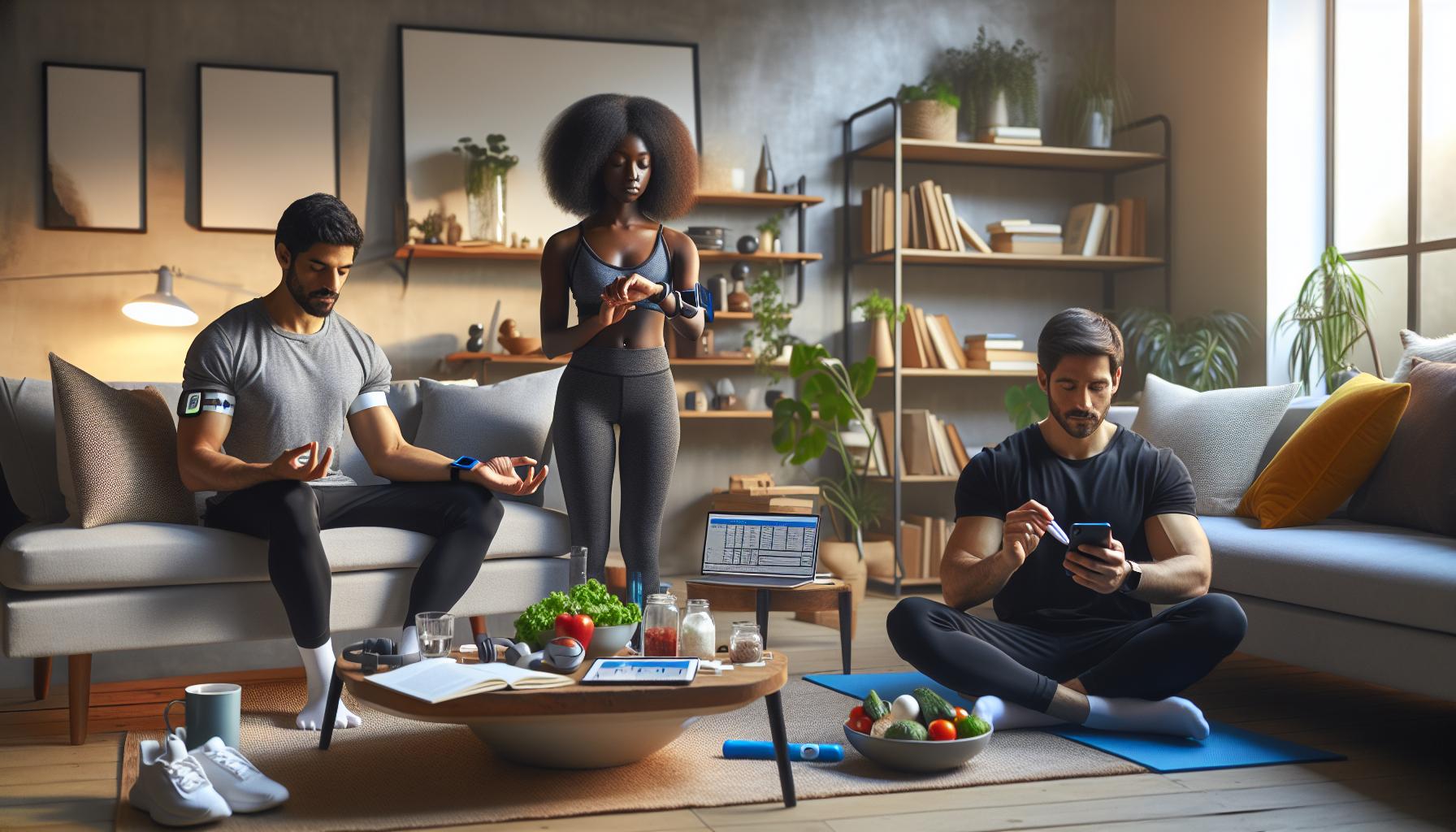
The Science Behind Biohacking: Fact vs. Fiction
Biohacking has emerged as a captivating intersection of science, technology, and self-experimentation, but as interest grows, so do misconceptions about what it entails. While biohacking does harness scientific principles to optimize health and performance, it’s crucial to discern between evidence-based practices and exaggerated claims that sometimes circulate within the community. This section will clarify the factual underpinnings of biohacking while addressing the fiction that can mislead aspiring biohackers.
When it comes to the science behind biohacking, one of the most compelling aspects is its foundation in neuroplasticity-the brain’s ability to reorganize itself by forming new neural connections. This scientific principle supports many biohacking techniques, such as mindfulness meditation and cognitive exercises, which aim to enhance brain function and overall mental health. Moreover, diets rich in whole foods, balanced macronutrients, and adequate hydration are backed by substantial research as beneficial for cognitive performance and physical health.
However, not all biohacking claims hold up under scrutiny. For example, while some may tout the miraculous effects of extreme fasting or the use of unverified supplements, it’s vital to approach these practices critically. Many popular biohacking techniques lack robust scientific validation and could potentially lead to negative health outcomes if not carefully managed. Therefore, responsible biohacking should involve consulting reputable sources or health professionals before making significant lifestyle or dietary changes.
To cultivate a balanced approach, consider the following steps to safely implement biohacking techniques in your daily routine:
- Educate Yourself: Read scientific literature or consult resources like medical journals to understand the basis of different biohacking methods.
- Start Small: Experiment with one or two manageable adjustments, such as incorporating short breaks for physical activity during the workday or trying a mindfulness app.
- Track Your Progress: Use journals or apps to monitor the effects of your changes on your mood, focus, and overall well-being.
- Consult Professionals: Regularly check in with healthcare providers to assess the safety and efficacy of your biohacking practices.
By navigating the biohacking landscape with a mix of enthusiasm and caution, you can harness its potential to enhance your workplace wellness and cognitive health while mitigating risks associated with unverified methods. Understanding the true science behind biohacking empowers you to make informed decisions that benefit your overall well-being.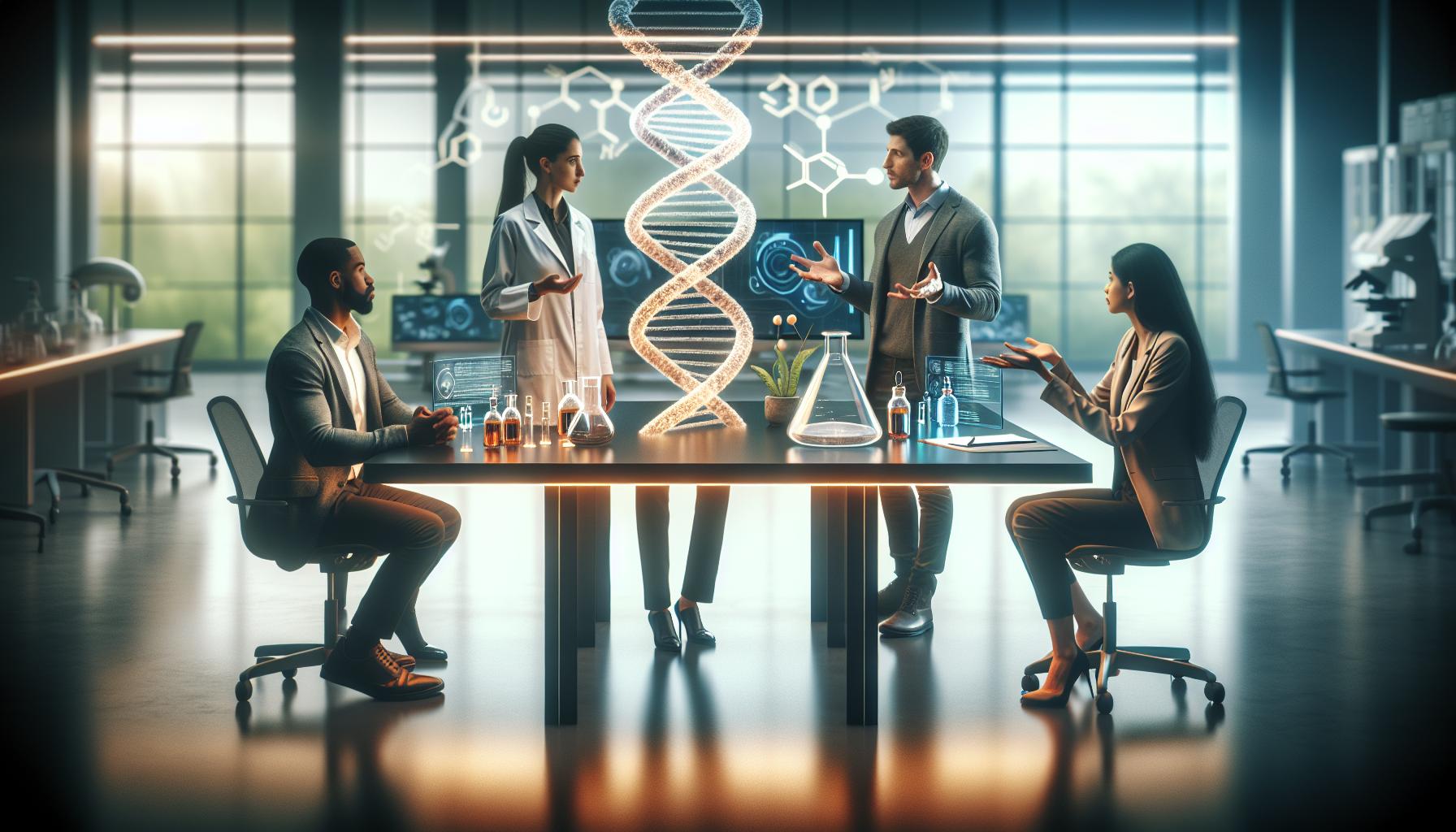
Key Biohacking Techniques Used in the Series
Biohacking is not just a mere trend; it’s a practical approach that empowers individuals to optimize their biology and enhance well-being. The series vividly showcases several key biohacking techniques that encapsulate this philosophy; methods that provide actionable strategies to enhance mental acuity, physical health, and overall happiness.
One prominent technique used in the series is intermittent fasting, which involves cycling between periods of eating and fasting. This practice has been shown to benefit cognitive function and metabolic health, allowing the body to enter a state that promotes cellular repair and decreases inflammation. Many real-life biohackers incorporate this method into their routines, leveraging its potential to increase clarity and focus while reducing stress levels.
Another significant biohacking approach highlighted in the series is the integration of mindfulness practices, such as meditation and breathwork. These techniques have garnered immense popularity due to their ability to fundamentally alter brain functioning. They enhance neuroplasticity-the brain’s capacity to reorganize itself-leading to improved emotional regulation and focus. Incorporating just a few minutes of mindfulness each day can significantly reduce workplace stress and enhance cognitive performance.
Additionally, the series illustrates the impact of specialized nutrition on health. It highlights diets rich in whole foods, essential nutrients, and omega-3 fatty acids, which support brain health and overall vitality. Such dietary adjustments can foster sustained energy levels, sharper focus, and an improved mood. For those looking to adopt biohacking techniques, starting with small dietary changes can be a manageable and impactful first step.
Lastly, the use of technology in biohacking-like wearable devices that track sleep patterns and physical activity-allows individuals to gain insights into their health and productivity. By analyzing this data, biohackers can make informed decisions about lifestyle changes that enhance performance and well-being.
In summary, the series provides insightful examples of biohacking techniques that readers can adapt to their lives. By implementing methods such as intermittent fasting, mindfulness practices, specialized nutrition, and leveraging technology, individuals can embark on a journey towards improved health and cognitive function. Starting with small, manageable changes can lead to significant benefits, allowing one to thrive in both workplace and personal settings.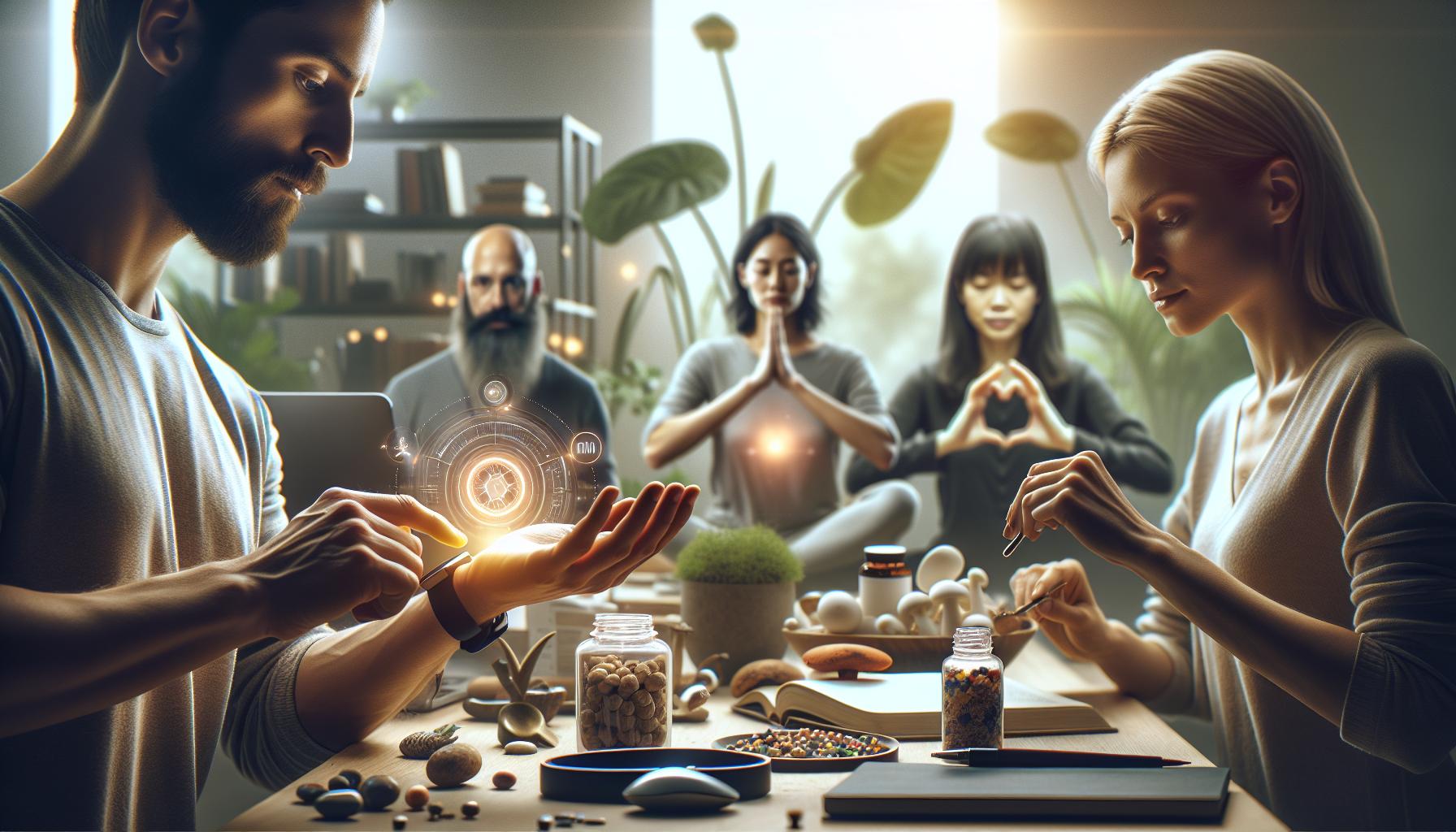
Exploring the Ethical Implications of Biohacking
The rise of biohacking has ignited a lively dialogue surrounding the ethical concerns of optimizing human health and performance. As individuals increasingly experiment with techniques to improve their physical and mental well-being, it is crucial to navigate the fine line between enhancement and exploitation. The ethical implications of biohacking beckon us to ask: where do we draw the line in enhancing human capabilities without crossing into potentially harmful or unethical territory?
Informed Consent and Safety
One of the foundational ethical considerations is the principle of informed consent. Individuals engaging in biohacking practices-whether through supplements, genetic modifications, or advanced technology-must be fully aware of the potential risks and benefits. For example, while intermittent fasting can offer health benefits, it isn’t suitable for everyone, particularly those with certain medical conditions. This realization underscores the importance of consulting healthcare professionals before embarking on any biohacking journey. Practitioners should prioritize safety by vetting the tools and techniques they use, ensuring they adhere to evidence-based practices.
Equity in Access and Knowledge
Equity also plays a pivotal role in the ethical landscape of biohacking. As technology advances, access to these health optimization tools can become a privilege rather than a universal right. This disparity raises concerns about widening the gap between those who can afford cutting-edge treatments and those who cannot. Advocates for responsible biohacking should promote equal access to resources and education, fostering a community where individuals from various backgrounds can share knowledge and practices. Ensuring that biohacking remains a collaborative effort rather than an exclusive trend will empower more people to achieve wellness through shared experiences and insights.
Social Implications and Identity
Moreover, the social implications of biohacking cannot be overlooked. As more individuals enhance their physical abilities or cognitive performance, societal norms may shift, leading to expectations that pressure others to engage in similar practices to remain competitive. This can create a culture where natural variations in human capabilities are undervalued, promoting an unhealthy obsession with perfection. To combat this, fostering an inclusive environment that respects diverse expressions of health and well-being is essential. Emphasizing balance, self-acceptance, and mental health will help mitigate the stigma surrounding those who choose not to participate in certain biohacking trends.
In conclusion, as biohacking continues to evolve and gain popularity, addressing the ethical implications will be essential for maintaining a responsible approach to health optimization. By prioritizing informed consent, ensuring equitable access, and fostering a supportive community, we can navigate this burgeoning field with mindfulness and integrity. By promoting safe practices and a balanced perspective on health and wellness, individuals can harness the benefits of biohacking without compromising ethical standards.
The Role of Genetics in Biohacking Practices
Genetics significantly influences individual responses to various biohacking techniques, offering a personalized approach to optimizing health and performance. Understanding your genetic makeup can yield insights into how your body reacts to dietary changes, exercise regimens, and stress management practices. For instance, certain genetic markers can inform you whether your body efficiently metabolizes carbohydrates or fats, guiding you towards a tailored diet that maximizes energy levels and cognitive performance.
Genetic Testing and Biohacking
The rise of direct-to-consumer genetic testing has democratized access to genomic information, allowing biohackers to make informed decisions. Tests can reveal how your genes affect aspects such as nutrient absorption and predisposition to certain health conditions. Leveraging this data can assist in creating personalized wellness strategies. For example, individuals with a genetic predisposition to vitamin D deficiency might prioritize sunlight exposure or supplementation, directly enhancing their overall well-being and mental health.
Practical Applications of Genetic Insights
By integrating genetic insights into biohacking practices, individuals can focus on strategies that align with their unique biology. Here are some practical approaches:
- Dietary Adjustments: Use genetic information to identify food sensitivities or optimal macronutrient ratios.
- Exercise Routines: Tailor workouts to match your body’s preferred energy systems, such as endurance vs. strength training.
- Stress Management: Recognize your genetic response to stress and adopt techniques like mindfulness or physical activity that best suit your profile.
The integration of genetics into biohacking underscores the importance of a holistic and individualized approach to health. Each person’s genetic blueprint is unique, and as biohacking continues to evolve, so too does our understanding of how to use this information effectively. Embracing these tailored strategies can empower individuals to navigate their health journeys with confidence, enhancing both physical and cognitive performance while promoting overall workplace wellness and stress management.
How Biohacking Impacted Mental Health in the Show
In the series, biohacking’s profound impact on mental health becomes a focal point, illustrating how intentional modifications to one’s lifestyle can lead to significant improvements in cognitive function and overall well-being. Viewers witness characters employing various biohacks to manage stress and enhance mental clarity, showcasing practices that resonate with real-world applications. For example, adopting techniques such as intermittent fasting, meditation, and mindfulness allows individuals to not only optimize their physical health but also foster a healthier mental state, which is essential for productivity and emotional resilience.
Research supports the connection between biohacking strategies and improved mental health. Techniques like cold exposure and breathwork are shown to activate the body’s stress response in a manageable way, ultimately helping to reduce chronic stress and anxiety. These practices can lead to the release of endorphins and promote neuroplasticity, the brain’s ability to adapt and reorganize itself. By integrating these practices, characters in the show help not only themselves but also inspire viewers to consider how they can make small changes in their own lives for mental enhancement.
Reflecting these ideas, practical applications from the show translate to everyday settings. Viewers can try simple techniques such as:
- Daily Movement: Incorporating short bursts of physical activity to break up sedentary work periods can enhance mood and focus.
- Mindfulness Meditation: Practicing mindfulness for just 10 minutes a day can significantly reduce anxiety and improve emotional regulation.
- Controlled Breathing Exercises: Techniques such as the 4-7-8 method can help lower stress levels quickly, promoting a calm state even amid a busy workday.
By recognizing that mental health is just as important as physical health, the series highlights the importance of a comprehensive approach to well-being. As characters navigate their biohacking journeys, they empower viewers to consider their mental health proactively, blending science-backed practices with relatable storytelling. The encouragement to explore these strategies serves as a reminder that taking charge of one’s mental landscape is achievable, a key theme that resonates deeply with those seeking balance and enhancement in both professional and personal realms.
Real-Life Biohackers: Inspirations and Innovations
Real-life biohackers are reshaping the narrative around personal health and wellness, illustrating how individuals can take charge of their biological environment. Among them, Dave Asprey, often referred to as the “Father of Biohacking,” is a prime example. Asprey popularized the concept of “Bulletproof Coffee,” a blend of coffee, grass-fed butter, and medium-chain triglyceride oil, which promises to enhance cognitive function and energy levels. Through his extensive experiments with diet, supplements, and technology, Asprey has paved the way for many to explore biohacking as a means of optimizing performance and health.
Another prominent figure is Ben Greenfield, a fitness expert and author who integrates various biohacking techniques to amplify physical performance and longevity. Greenfield emphasizes the importance of sleep, reflecting on how innovative tools like sleep trackers and meditation apps can enhance restorative phases of rest. He actively experiments with mindset conditioning and physical routines that include everything from cold therapy to nootropics, providing a blueprint for aspiring biohackers to follow.
Practical Inspirations from Everyday Biohackers
Everyday individuals are also making waves in the biohacking community, demonstrating that innovative health strategies don’t require a celebrity status. For example, tech entrepreneurs are utilizing wearables and biofeedback tools to monitor their health metrics, allowing real-time adjustments to their lifestyles. These innovations can help manage stress, enhance productivity, and improve overall well-being. Incorporating simple practices such as intermittent fasting and daily movement into their routines showcases accessible biohacking techniques that anyone can adopt.
Furthermore, workplace wellness programs are increasingly incorporating biohacking principles. Initiatives that promote standing desks, ergonomic workstations, and mindfulness training reflect a growing awareness of how environment and behavior influence cognitive health. These programs encourage employees to make changes that can lead to increased productivity and decreased stress levels.
By drawing inspiration from both well-known biohackers and everyday enthusiasts, individuals can adopt pragmatic approaches to health that emphasize self-experimentation and data-driven decisions. Empowerment through biohacking fosters not just personal health improvement but also the cultivation of supportive communities that prioritize mental and physical well-being in both personal and professional arenas.
Biohacking Beyond the Screen: Practical Applications
One of the most exciting aspects of biohacking is its ability to move beyond theory and into practical, everyday applications that can significantly enhance workplace wellness and cognitive health. For instance, the rise of ergonomic workstations and standing desks is not merely about trendy office aesthetics; it’s a powerful biohacking technique. Research has shown that sitting for long periods can negatively impact physical and mental well-being, leading to decreased energy levels and productivity. By transitioning to a standing desk, individuals can improve posture, reduce back pain, and enhance overall comfort, which can lead to improved focus and efficiency during work hours.
Setting up an ergonomic workspace involves several actionable steps to ensure that the environment supports both physical health and cognitive function. Start by adjusting your desk height so that your elbows are at a 90-degree angle while typing. Your computer screen should be at eye level to avoid neck strain. Consider using a chair that supports the natural curve of your spine if you choose to sit. Additionally, incorporating tools like keyboard trays and monitor risers can further optimize the workspace, promoting healthier posture and reducing fatigue.
Stress management is another critical area where biohacking can make a substantial difference. Techniques such as mindfulness meditation, deep breathing exercises, and regular breaks can help mitigate workplace stress. Research indicates that mindfulness practices can enhance neuroplasticity-the brain’s ability to reorganize and adapt-thereby improving cognitive performance and emotional regulation. Simple practices like the Pomodoro Technique, where you work in focused bursts followed by short breaks, can enhance productivity while also fostering a calmer mindset.
Finally, dietary strategies formed by biohacking principles can have a profound impact on brain health and workplace efficacy. Incorporating nutrient-dense foods, staying hydrated, and choosing brain-boosting snacks like nuts or dark chocolate can help keep energy levels stable and cognitive functions sharp. Experimenting with intermittent fasting or the timing of meals can also yield benefits by optimizing metabolic health and mental clarity throughout the day. When integrating these practices, it’s essential to remain open-minded and consult with healthcare professionals when making significant dietary changes, ensuring that the strategies are safe and suited to individual health needs.
The Future of Biohacking in Health and Wellness
As we look to the future, biohacking is set to revolutionize health and wellness in ways that were once confined to the realm of science fiction. Emerging technologies and an increasing understanding of human biology empower individuals to take their health into their own hands. With 64% of Americans trying new biohacking methods by 2025, the landscape promises innovative solutions for both physical and mental well-being. These methods not only merge modern advancements with traditional practices, but they also focus on personalized approaches tailored to individual needs.
The Rise of Personalized Health Solutions
One of the most significant trends is the shift towards personalized health solutions. With advancements in genomics, biomarkers, and data analytics, individuals can access insights into their unique biological makeup. This information allows for tailored dietary plans, exercise regimens, and supplement intakes that align with one’s specific health needs. For instance, wearable technologies that monitor vital signs, sleep patterns, and activity levels provide real-time data that individuals can use to optimize their daily routines.
Integrating AI and Data in Biohacking
Artificial intelligence (AI) and machine learning are set to play critical roles in biohacking’s future. These technologies may analyze vast amounts of health data, suggesting personalized interventions. Imagine an app that utilizes AI to recommend lifestyle changes based on your daily health metrics and historical health data-this is not far from reality. Such innovations empower individuals to make informed decisions about their health, increasing engagement and adherence to wellness practices.
The Impact of Community and Collaboration
The biohacking community is also transforming. Platforms allowing individuals to share experiences, data, and results foster collaboration and accelerate learning. This spirit of sharing helps to identify what works based on collective success stories while mitigating risks associated with untested or experimental practices. Online forums and local meetups create hubs for passion-driven individuals to exchange tips on everything from fasting protocols to cognitive enhancement techniques.
Ethical Considerations and Future Challenges
As biohacking expands, so too do ethical considerations. Questions regarding data privacy, the potential for inequality in access to advanced health technologies, and the implications of genetic modification are vital areas for discussion. Responsible biohacking practices must emphasize safety, informed consent, and a strong ethical framework to navigate these challenges effectively.
The future is promising for biohacking, but it is crucial to approach it with a mindset of responsibility and awareness. By harnessing the power of personalized strategies, advanced technologies, and community support, individuals can enhance their health, productivity, and overall quality of life while remaining grounded in ethical standards.
Common Misconceptions About Biohacking Debunked
Many people are captivated by the idea of biohacking, often misinterpreting it as a mysterious or extreme practice reserved for the elite. In reality, it’s a collection of strategies anyone can implement to enhance their well-being and personal performance. One common misconception is that biohacking requires advanced technology or scientific expertise. However, many effective techniques are simple lifestyle adjustments, such as optimizing sleep schedules, incorporating mindfulness practices, or using nutritional supplements to support cognitive function.
Another prevalent myth is that biohacking promotes unhealthy extremes, such as extreme dieting or excessive workouts. However, responsible biohacking focuses on sustainable changes that prioritize individual health and wellness. For example, intermittent fasting is often touted; it can effectively improve metabolic health without requiring food deprivation. Instead of viewing biohacking as a shortcut to health, it should be seen as a longer-term commitment to better living through rational experimentation and data collection.
The perception that biohacking is merely a fad can also undermine its legitimacy. In truth, many biohacking techniques are backed by extensive research in physiology, nutrition, and genetics. The continuous growth of community-driven knowledge sharing helps dispel misinformation by providing practical insights and real-world success stories. Individuals engaged in biohacking can learn from one another’s experiences, mustering a collective understanding that draws from both traditional and innovative practices.
To navigate the world of biohacking successfully, it’s essential to approach it with an open mind and a critical eye. Always consult with healthcare professionals before making significant changes to your diet or lifestyle to ensure safety. With informed diligence, biohacking can be a valuable tool for anyone seeking to optimize their health and performance responsibly. Recognizing and debunking these common myths encourages a broader audience to explore biohacking tailored to their unique needs and aspirations.
Resources for Aspiring Biohackers: Books and Tools
Unlocking the potential of biohacking requires not only a willingness to experiment but also the right resources to guide your journey. Embracing biohacking’s philosophy can empower you to make science-based adjustments to your lifestyle that can elevate your health and cognitive performance. Here are essential books and tools that aspiring biohackers should consider to enhance their understanding and practice effectively.
Books for Aspiring Biohackers
Reading can provide invaluable insights into the world of biohacking, offering both foundational knowledge and advanced techniques. Some highly recommended titles include:
- “Biohack Your Brain: How to Boost Your Brain’s Health and Performance” by Kristen Willeumier – This book explores the science behind brain health and provides actionable strategies to enhance cognitive function.
- “Head Strong: The Bulletproof Plan to Activate Untapped Brain Energy to Work Smarter and Think Faster-in Just Two Weeks” by Dave Asprey – A pioneer in the biohacking movement, Asprey shares methods for optimizing mental performance and energy levels.
- “The 4-Hour Body” by Tim Ferriss – This bestseller covers a variety of biohacking techniques from fat loss to muscle gain, providing practical experiments for readers to try.
Essential Tools for Measurement and Tracking
Acquiring the right tools can enhance your biohacking experience by allowing you to track progress and make informed adjustments:
- Wearable Devices: Gadgets like fitness trackers and smartwatches can provide real-time data on your activity levels, heart rate, and sleep patterns, offering valuable insights into your health.
- Blood Glucose Monitors: Continuous glucose monitors (CGMs) can help you understand how your diet affects your blood sugar levels, enabling more informed dietary choices.
- Sleep Trackers: Apps like Sleep Cycle or devices such as Oura Ring can help you analyze your sleep quality and identify patterns that may impact your overall health.
Online Platforms and Communities
Engaging in communities dedicated to biohacking can provide support, advice, and inspiration:
- Bulletproof Forum: A vibrant community where biohackers share experiences, tips, and the latest research in the field.
- Reddit’s r/BioHackers: An active subreddit where users discuss personal experiments, successes, and failures while sharing valuable resources.
- Podcasts and YouTube Channels: Platforms like “The Biohacking Secret Show” and “Ben Greenfield Fitness Podcast” feature interviews with experts providing insights on various biohacking topics.
With the right resources, aspiring biohackers can embark on a journey of self-exploration and improvement that is both science-backed and manageable, paving the way for enhanced cognitive health and overall wellness. Always remember to consult healthcare professionals before making significant changes to ensure that your biohacking practices are safe and appropriate for your individual health needs.
FAQ
Q: What is biohacking as depicted in the TV series “Biohackers”?
A: In the series “Biohackers,” biohacking refers to the application of advanced biotechnology and genetics to enhance human capabilities. Characters experiment with cutting-edge methods to manipulate biology, reflecting real-world biohacking’s focus on performance enhancement and personal optimization.
Q: How does the show “Biohackers” explore ethical issues related to biohacking?
A: “Biohackers” delves into ethical dilemmas surrounding genetic modification and human experimentation. It raises questions about consent, safety, and the potential consequences of altering human biology, prompting viewers to reflect on the moral implications of real-life biohacking practices [1].
Q: What scientific concepts are accurate in “Biohackers”?
A: “Biohackers” incorporates real scientific concepts like CRISPR technology and synthetic biology, elements that are currently shaping the field of genetics. The series aims to ground its narrative in actual science, making viewers aware of ongoing advancements in biotechnology [3].
Q: Can you find practical biohacking techniques from the series that viewers can apply?
A: Yes, viewers can adopt basic biohacking techniques depicted in “Biohackers,” such as optimizing sleep, nutrition, and exercise for mental and physical performance. These practices are rooted in lifestyle changes often recommended by real-life biohackers [3].
Q: What are potential risks of biohacking as shown in the series?
A: The series illustrates risks associated with biohacking, including health dangers from unregulated experiments and ethical concerns over manipulation of human genetics. These portrayals highlight the importance of responsible practices and oversight in real-world biohacking [1].
Q: How does the character development in “Biohackers” reflect real-life biohackers?
A: Characters in “Biohackers,” such as Mia Akerlund, showcase the driving motivations of real-life biohackers, including the desire for self-improvement and confronting societal limitations. Their journeys reflect diverse paths found among actual biohackers today [2].
Q: What future trends in biohacking does the series suggest?
A: “Biohackers” hints at future trends like the increased accessibility of genetic technology and personalized medicine. These developments may enable broader public engagement with biohacking, as portrayed in the series, leading to enhanced wellness and longevity [3].
Feel free to explore more about the science and implications of biohacking in our article sections, such as “The Science Behind Biohacking: Fact vs. Fiction” and “Exploring the Ethical Implications of Biohacking.”
The Conclusion
As we’ve explored the intricate world of biohacking, it’s clear that the real science behind this movement offers exciting possibilities for enhancing both physical and mental performance. By applying practical strategies and safe dietary practices, you can start unlocking your potential today. Don’t miss out on the opportunity to transform your well-being; dive deeper into this fascinating realm!
For more insightful tips on establishing a healthy work environment, check out our guides on workplace wellness and stress management techniques. Interested in enhancing your cognitive health? Explore our resources on neuroplasticity and how simple changes can lead to significant improvements.
Stay ahead in your biohacking journey! Subscribe to our newsletter for the latest updates and expert advice, and share your thoughts or questions in the comments. Let’s continue this conversation and empower each other on the path to optimal health!