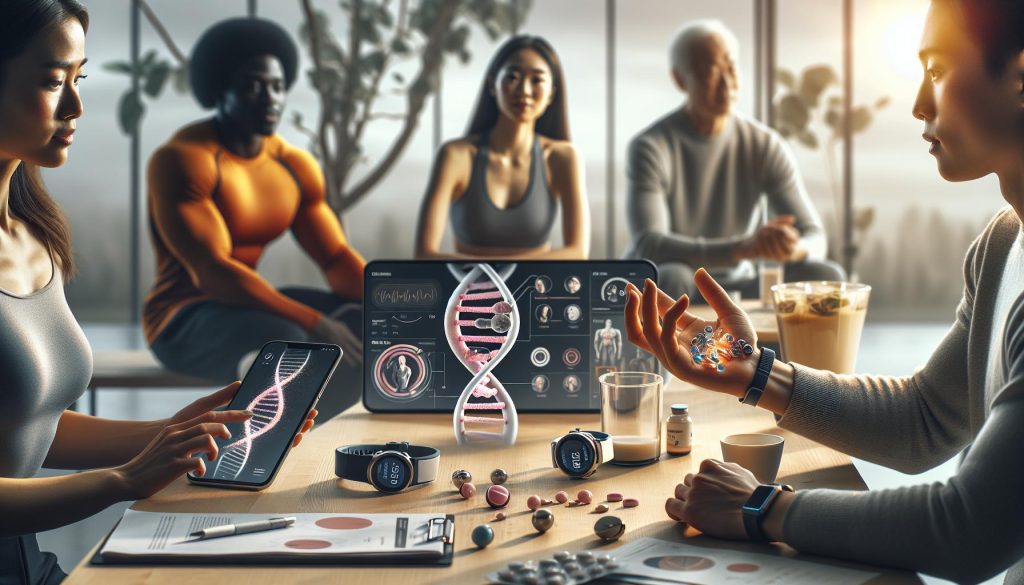
In a world where we often feel overwhelmed by stress and the demands of modern life, biohacking offers a transformative path to enhance our mental and physical performance. At its core, biohacking is the practice of using science and self-experimentation to optimize our biology and well-being, enabling individuals to take control of their health in innovative ways. Imagine being able to boost your energy levels, improve your focus, and enhance your resilience against stress-all through practical, science-backed strategies. As we delve into the fascinating realm of biohacking, you’ll discover how everyday choices in nutrition, exercise, and mindfulness can elevate your cognitive health and workplace performance. Join us on this journey and unlock the potential within you to thrive both personally and professionally.
What Is Biohacking? A Beginner’s Guide

Biohacking is revolutionizing how individuals approach health and performance, merging science with personal experimentation to unlock human potential. At its core, this practice involves making deliberate changes to your lifestyle, diet, and mindset with the intention of optimizing your biology. Whether through dietary modifications, digital tools, or mindfulness techniques, biohacking empowers you to take control of your physical and mental well-being.
The roots of biohacking stem from both ancestral practices and modern scientific advances. For instance, simple changes like incorporating specific nutrients or adjusting sleep patterns can profoundly influence cognitive function and energy levels. While some individuals might engage in more radical measures such as implanting devices to track biological metrics, many start with easy-to-implement habits. Focusing on the basics, such as improving nutrition and enhancing sleep quality, are potent strategies that everyone can adopt without extensive knowledge or resources.
As a beginner, it’s essential to approach biohacking with a balance of curiosity and caution. Begin by experimenting with your diet; for example, you might try an elimination diet to identify food sensitivities or incorporate superfoods known for their health benefits. Additionally, technology plays a critical role in this journey. Numerous apps and wearables can help track your physical activity, sleep patterns, and even stress levels, providing valuable feedback for adjustments. However, remember to seek guidance from qualified professionals, especially when making significant changes, to ensure safety and well-being.
Incorporating biohacking into your life can significantly enhance workplace productivity and cognitive health. Just as athletes optimize their training regimens, we all can benefit from fine-tuning our daily routines. Simple techniques, such as using a standing desk, practicing deep breathing exercises, or maintaining consistent sleep schedules, can create a robust foundation for sustained performance and resilience against stress. Embracing these practices fosters a culture of wellness, encouraging exploration and connection with others who share a journey toward optimal health and enhanced human performance.
The Science Behind Human Performance Enhancement
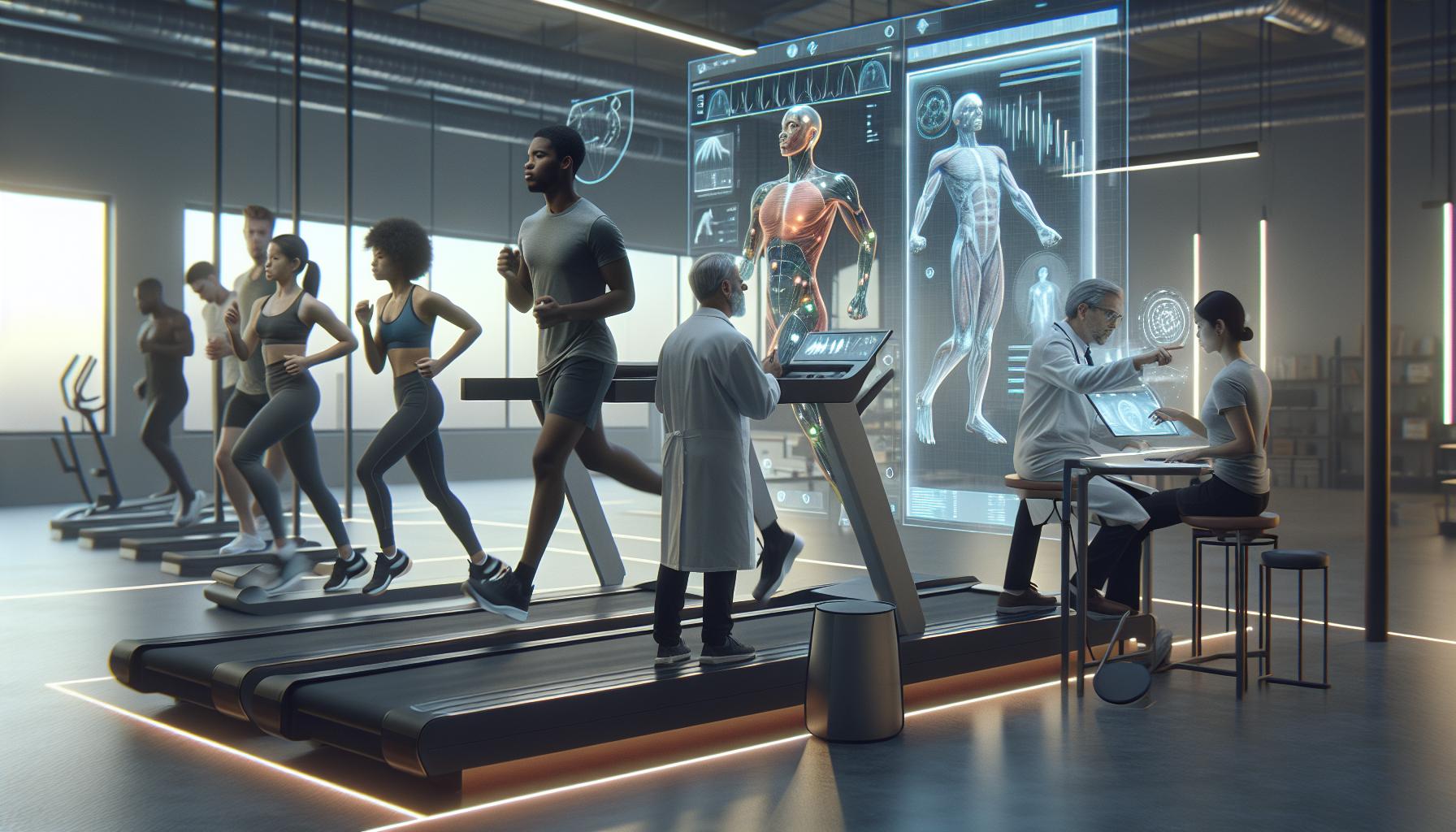
Unlocking human potential through performance enhancement is rooted deeply in scientific understanding and personal experimentation. At the heart of biohacking lies the desire to optimize various facets of physical and mental health, leveraging scientific principles to achieve superior outcomes. For instance, cognitive performance can be significantly improved through various techniques that engage neuroplasticity-the brain’s ability to adapt and change throughout life. By challenging our neural pathways through learning new skills, adopting mindfulness practices, or incorporating specific nootropic supplements, biohackers are now able to enhance memory, focus, and creativity effectively.
Diet plays an equally pivotal role in enhancing performance. A well-balanced diet, rich in essential nutrients, can lead to improved brain function and emotional stability. Biohackers often turn to concepts like intermittent fasting or ketogenic diets to determine what optimally fuels their bodies and minds. These dietary strategies are tailored to individual biochemical responses, allowing for a personalized approach to nutrition that fundamentally alters how one feels and performs. Superfoods, antioxidants, and omega-3 fatty acids, for example, have been shown to boost cognitive abilities and support overall brain health.
Moreover, the integration of technology into the realm of biohacking has opened unprecedented avenues for self-optimization. Wearable devices and various apps provide real-time data on physiological metrics, such as heart rate variability, sleep patterns, and activity levels. This feedback loop empowers individuals to make informed decisions about their health habits, leading to sustained improvements in performance. Regularly assessing this data can help identify areas for improvement that directly affect workplace productivity and cognitive functions.
Lastly, the importance of stress management in biohacking cannot be overstated. Chronic stress has a detrimental impact on both physical and mental health, affecting everything from immune function to memory retention. Mindfulness techniques, such as meditation and deep-breathing exercises, can effectively mitigate stress, fostering a state of calm that enhances cognitive clarity and overall productivity. By adopting a holistic approach that encompasses diet, technology, and mindfulness, individuals can create a robust framework for elevating their performance to new heights.
Types of Biohackers: Exploring Diverse Approaches
In the diverse landscape of biohacking, individuals employ a variety of methods to optimize their physical and mental health, reflecting their unique motivations and expertise. From the amateur enthusiast experimenting at home to the scientifically trained professional conducting rigorous research, the spectrum of biohackers is as broad as it is fascinating. Understanding these different types can inspire you to explore which approach resonates most with your wellness goals.
DIY Biohackers
Many people start their biohacking journey as DIY (Do-It-Yourself) enthusiasts. These individuals often delve into personal experiments, using open-source tools and resources that are widely available. They might track their diet using mobile apps, try at-home blood tests or even mix their own supplements. The primary motivation for DIY biohackers is to personalize their health strategies based on self-experimentation and anecdotal evidence. For instance, someone might create their own nootropic stack to enhance cognitive function or test different fasting schedules to determine which best boosts their energy levels throughout the day.
Nutrigenomics Advocates
Another significant group comprises nutrigenomics advocates. These biohackers utilize the science of nutrition and genetics to shape their dietary habits. By understanding how specific foods affect their genes, they create tailored nutrition plans designed to enhance performance, mood, and overall health. Nutrigenomics can be particularly effective for individuals with unique dietary needs or health conditions. For example, someone might focus on increasing iron-rich foods after genetic testing indicates a predisposition to iron deficiency. Clear communication with healthcare professionals is essential here, ensuring that any dietary changes promote health rather than harm.
Grinders
Grinders represent a more extreme facet of biohacking, often engaging in body modification techniques and technological augmentation. This group is characterized by individuals who may implant devices or use advanced tech such as biometric sensors to enhance their capabilities. Grinders are typically motivated by a desire to push the boundaries of what the human body can achieve, exploring innovations in areas like cyborg technologies or transhumanism. While their practices can be controversial, they often ignite intriguing discussions about the future of human enhancement and ethical boundaries.
Corporate Wellness Biohackers
In a workplace context, corporate wellness biohackers are gaining recognition. These individuals focus on implementing biohacking principles within professional environments, promoting health initiatives that enhance employee performance and well-being. They might advocate for ergonomic workspace designs, establish communal activities like mindfulness sessions, or introduce wearable fitness technologies to encourage healthier lifestyles among coworkers. This approach not only boosts individual productivity but can also foster a supportive work culture that prioritizes mental health and reduces stress levels.
As you can see, the world of biohacking is rich with diverse personalities and approaches. The key is finding what resonates with you while ensuring a balanced, safe approach to health optimization. Remember, whether through diet, technology, or community initiatives, biohacking offers an empowering toolkit for enhancing life quality and fostering a healthier mindset.
Essential Tools Every Biohacker Should Consider
Every biohacker’s toolkit is a reflection of their unique journey and objectives, encompassing everything from gadgets that quantify bodily responses to supplements that enhance health and performance. The essence of effective biohacking lies in choosing the right tools that align with your personal goals and lifestyle, empowering you to optimize your physical and mental capabilities sustainably.
Wearable Trackers and Health Monitors
Wearable devices have revolutionized how individuals track their health metrics. Options such as smartwatches and fitness bands monitor heart rate, sleep patterns, activity levels, and more, providing real-time feedback that can guide health decisions. For example, tracking sleep quality not only reveals insights about rest but can also influence adjustments in evening routines, leading to better overall health.
Supplements and Nutraceuticals
While a balanced diet is crucial for wellness, certain supplements can enhance performance and recovery. Products like BPC-157, touted for benefits such as injury recovery, and NMN, which supports cellular function and energy production, are examples of how dietary additions can be an integral part of a biohacker’s strategy. The goal is to tailor these supplements to fit personal health profiles and goals, ideally under the guidance of a healthcare professional to ensure safety and efficacy.
Cognitive Enhancers and Nootropics
Cognitive enhancers or nootropics can provide a substantial edge in mental performance, focus, and stress reduction. For those looking to boost cognitive function, natural substances such as L-theanine, often found in green tea, can promote relaxation without drowsiness, making it an excellent addition to a busy workday. Other options include adaptogens, like Rhodiola Rosea, known for their stress-lowering properties, essential for maintaining productivity under pressure.
Ergonomic Workspace Solutions
Creating a conducive workspace is vital for both mental clarity and physical comfort. Ergonomic chairs and adjustable standing desks can reduce the risk of musculoskeletal issues while fostering an environment that encourages movement throughout the day. To set up an ergonomic workspace, consider the following steps:
- Chair Height: Ensure your feet rest flat on the floor, knees at a 90-degree angle.
- Monitor Position: Place the screen at eye level to avoid neck strain.
- Keyboard and Mouse: Keep them at a height where elbows remain close to the body and wrists are neutral.
Implementing these changes not only improves comfort but also enhances productivity, allowing for sustained focus and engagement.
Biohacking isn’t just about advanced technology or supplements; it embodies a more profound commitment to understanding and enhancing one’s health and wellness. Prioritizing these essential tools helps lay the groundwork for a holistic approach to both personal and professional growth, ensuring that all aspects of well-being are addressed thoughtfully and effectively.
Dietary Biohacking: Techniques for Optimal Nutrition
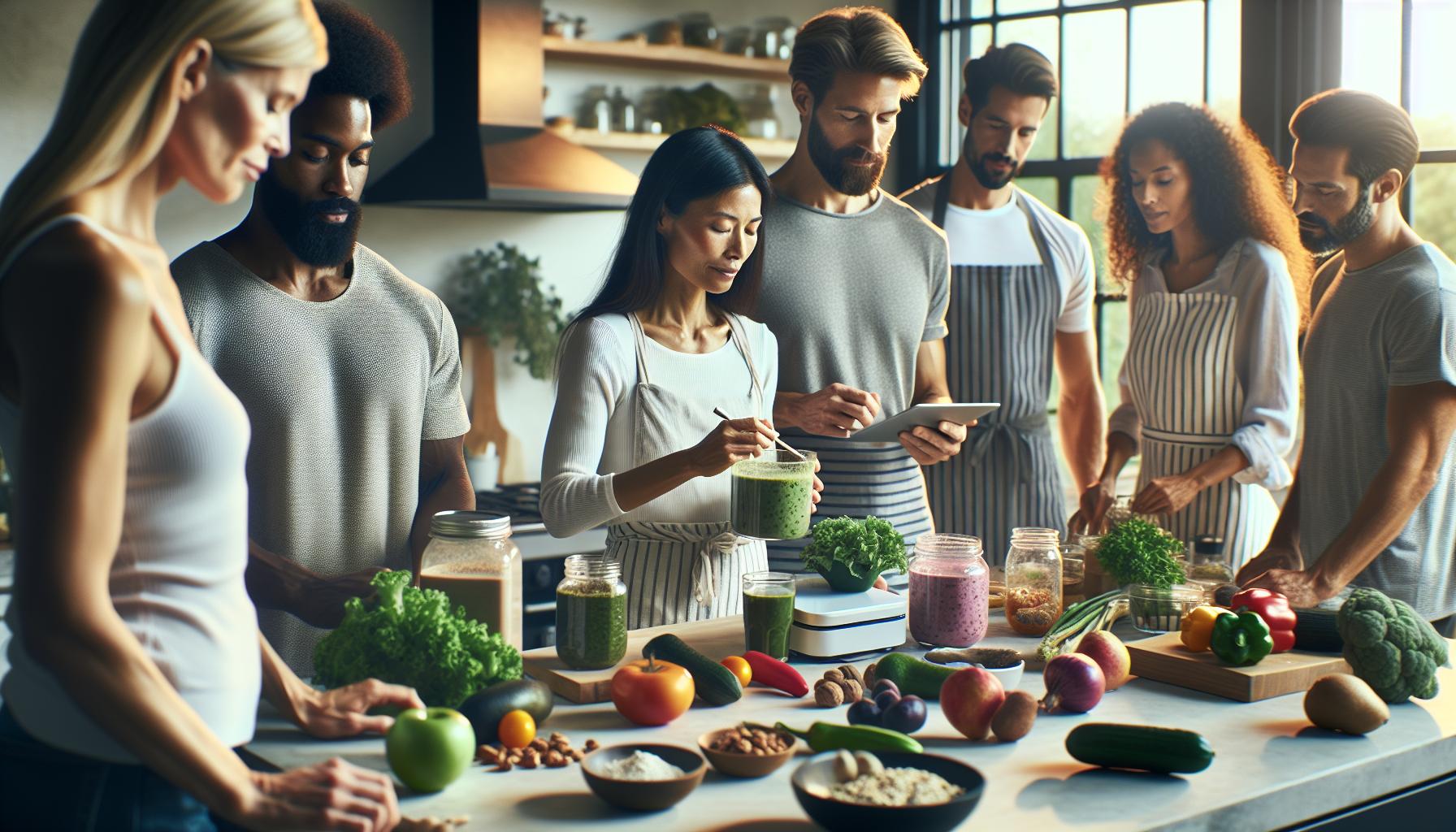
Diet plays a crucial role in biohacking, serving as a primary tool for optimizing health and performance. By focusing on whole, nutrient-dense foods, individuals can enhance their cognitive abilities and physical health, effectively transforming their overall well-being. Biohackers often employ dietary strategies that are tailored to their personal needs and biological makeup, ensuring a holistic approach to nutrition that supports mental clarity, energy levels, and resilience.
Utilizing techniques such as intermittent fasting can significantly impact metabolic health. This method involves cycling between periods of eating and fasting, promoting cellular repair processes and improving insulin sensitivity. Studies suggest that even a simple 12 to 14-hour overnight fast can yield benefits like enhanced fat oxidation and increased mental clarity [2[2]. Pairing fasting with a balanced intake of macronutrients-adequate protein, healthy fats, and complex carbohydrates-further optimizes nutritional intake. A well-rounded biohacking diet may include foods like leafy greens, berries, lean meats, nuts, and seeds, all providing essential vitamins and minerals necessary for energy production and cognitive function.
Another powerful approach is genetic testing, which can inform dietary choices aligned with individual genetic predispositions. Platforms like Nucleus offer insights into health conditions and personal traits, enabling users to create customized meal plans that enhance health outcomes based on genetic data [3[3]. This data-driven strategy not only supports optimal nutrition but also empowers biohackers to make informed decisions about what to eat, ensuring they derive maximum benefits from their diet.
Finally, maintaining a balanced intake of hydration is vital. Dehydration can lead to cognitive deficits and decreased physical performance. Implementing a routine to monitor water intake, along with considerations for electrolytes-especially during intense physical activities-can enhance both cognitive and physical efficiency. With each dietary choice, strive to emphasize whole foods while remaining mindful of how your nutrition impacts your daily performance and overall well-being. This approach fosters a sustainable lifestyle change that can lead to long-term health benefits, illustrating how intentional dietary biohacking can serve as a cornerstone for lifting human potential.
Tech-Based Biohacking: Gadgets and Apps to Try

In an age where technology seamlessly blends with wellness, biohackers are leveraging a variety of gadgets and apps to enhance their health, performance, and overall well-being. These tools provide valuable insights into physical and mental states, empowering users to make informed decisions about how to optimize their daily routines.
One essential category of tech-based biohacking tools includes wearable devices, such as smartwatches and fitness trackers. These gadgets monitor various physiological parameters like heart rate, sleep patterns, and activity levels, helping users gain a comprehensive understanding of their health. For instance, devices like the WHOOP strap not only track workout performance but also analyze recovery and sleep quality, providing personalized feedback to improve future training sessions.
Apps are another integral part of the biohacking toolkit, offering functionalities that range from diet tracking to stress management. Popular options include MyFitnessPal for nutrition monitoring and Headspace for mindfulness and stress relief. Such applications enable users to set specific health goals, track their progress, and explore techniques for mental clarity and emotional well-being. Additionally, leveraging apps that assess heart rate variability (HRV) can provide insights into the body’s recovery state, guiding users on when to push harder or take a rest.
Moreover, integrating biofeedback devices into daily routines can further optimize mental health and cognitive performance. Tools like Muse provide real-time feedback during meditation, helping individuals to enhance mindfulness practices effectively. As users engage with these technologies, they can develop a deeper awareness of their responses to stressors, leading to improved emotional regulation and resilience.
Incorporating technology into biohacking practices allows individuals to transform their health journey into a data-driven experience. By utilizing wearables, apps, and biofeedback tools, users not only track their progress but also adapt their strategies according to personal responses, fostering a proactive and informed approach to well-being and performance enhancement.
Mindfulness and Mental Biohacking for Stress Relief
In today’s fast-paced world, understanding stress management is crucial not just for mental health, but also for overall performance enhancement. Mindfulness and mental biohacking practices have emerged as effective strategies to manage stress and boost cognitive resilience. By integrating simple yet powerful techniques into daily routines, individuals can cultivate a stronger connection to their mental state, fostering a more productive and balanced life.
One of the key elements of mindfulness is the practice of meditation, which has been shown to reduce stress and improve focus. Engaging in regular meditation training, even for just a few minutes each day, can significantly enhance your mental clarity and emotional stability. Tools like the Muse headband can provide real-time feedback during meditation sessions, helping users refine their practice and deepen their mindfulness journey. By tracking brain activity, such devices allow individuals to observe their progress and adapt their techniques for optimal outcomes.
Another effective form of mental biohacking involves breathing exercises, which can have immediate calming effects. Techniques such as the 4-7-8 breathing method encourage slower, deeper breaths that can engage the parasympathetic nervous system, promoting relaxation and reducing anxiety. Taking a moment to focus on your breath-whether during a hectic workday or at the start and end of your day-can create a powerful shift in your mental state.
Incorporating mindfulness into workplace routines can be particularly beneficial. Establishing a few minutes of mindful pause between tasks or using apps like Headspace or Calm can help reset your focus and recharge your mind. These practices not only improve individual well-being but also foster a positive work environment by encouraging open communication and supporting team members in their stress management efforts.
Ultimately, the path to effective stress relief through mindfulness and mental biohacking is about creating awareness and incorporating these practices into everyday life. By prioritizing mental health and harnessing the power of mindfulness, individuals can enhance not just their personal resilience but their overall performance, leading to a more balanced and fulfilling life.
The Role of Sleep in Performance Optimization
Sleep is not just a period of rest; it’s a vital component of cognitive performance and overall well-being. Recent studies suggest that quality sleep can enhance memory, boost creativity, and improve problem-solving skills. For biohackers, understanding the connection between sleep and performance optimization is crucial. By optimizing sleep, individuals can unlock their brain’s full potential, leading to improved productivity and a greater sense of achievement throughout the day.
To begin, consider the ideal sleep environment. A dark, cool room can significantly enhance sleep quality, as cooler temperatures promote the body’s natural sleep cycle. Utilizing blackout curtains and maintaining a room temperature between 60-67°F (15-19°C) can create an ideal setting for deep sleep. Additionally, limiting exposure to blue light before bedtime-such as screens from smartphones, computers, and TVs-can help regulate the body’s circadian rhythm, making it easier to fall asleep and stay asleep.
Moreover, establishing a consistent sleep schedule is paramount. Going to bed and waking up at the same time every day-even on weekends-helps reinforce your body’s natural sleep-wake cycle. This consistency can lead to better sleep quality and improved cognitive function during waking hours. Biohackers may also benefit from tracking their sleep patterns using wearable technology. Devices like fitness trackers or dedicated sleep apps can provide insights into sleep cycles, duration, and disturbances, allowing for informed adjustments to sleep strategies.
Finally, incorporating relaxation techniques before bed can enhance sleep quality. Mindfulness practices, such as meditation or gentle yoga, can calm the mind and prepare the body for restful sleep. A bedtime routine that includes such practices can signal to your body that it’s time to wind down and prepare for restorative slumber, thus optimizing overall performance for the following day. By prioritizing sleep as a key element of biohacking, individuals can harness its power to boost their cognitive capabilities and enhance their performance in both personal and professional realms.
Safety Concerns: Navigating Risks in Biohacking
Engaging in biohacking can be an exciting journey toward enhanced personal performance and well-being, yet it’s essential to approach it with caution. As enthusiasts experiment with various methods to optimize their bodies and minds, concerns about safety and efficacy can arise. Acknowledging the potential risks involved not only empowers individuals to make informed decisions but also promotes a culture of responsible biohacking.
Biohacking often encompasses a wide array of practices, from dietary changes and exercise regimens to more controversial techniques like self-experimentation with supplements or unregulated substances. One significant concern is the lack of oversight that typically accompanies these endeavors. Many biohacking methods exist outside the conventional medical framework, which means they’re not subjected to rigorous testing and validation. This absence of oversight raises the potential for harmful side effects or ineffective practices, particularly when individuals self-administer substances or drastically alter their health protocols without professional guidance.
To navigate these risks effectively, consider the following tips:
- Consult Professionals: Always seek advice from qualified healthcare providers before introducing new supplements, medications, or extreme lifestyle changes. A medical professional can help identify potential risks based on individual health conditions and medications.
- Research Thoroughly: Take the time to gather credible information and evidence-based research regarding any biohacking technique you’re considering. Look for studies, professional opinions, and cautionary tales from those who have tried similar methods.
- Start Slowly: When venturing into new biohacking practices, introduce changes gradually to gauge your body’s response. This approach allows you to identify any adverse effects earlier and adjust accordingly.
- Prioritize Safety: Avoid extreme modifications to your diet or physical routines that could lead to injury or health complications. Simple changes, like optimizing sleep habits or incorporating mindfulness techniques, can be effective without major risks.
Establishing a critical eye toward potential risks is vital for anyone engaging in biohacking. By merging enthusiasm for self-improvement with a strong commitment to safety, individuals can achieve their desired outcomes in a responsible manner. Remember, biohacking should enhance your health, not jeopardize it. Focus on nurturing a sustainable biohacking practice that fosters wellness and cognitive enhancement while being mindful of health implications.
Real-Life Biohacking Success Stories
Inspiring narratives of individuals who have transformed their lives through biohacking reveal the power of self-experimentation and intentional lifestyle adjustments. One such story is that of a busy executive who, overwhelmed by work-related stress, embraced a combination of dietary changes and mindfulness practices to enhance his cognitive function and overall well-being. By integrating intermittent fasting into his routine, he reported improved focus and energy levels, helping him maintain productivity during long workdays. Additionally, incorporating regular intervals of mindfulness meditation provided him with stress relief and clarity, allowing him to approach work-related challenges with a refreshed perspective.
Another powerful example comes from a mother of three who faced chronic fatigue and low energy levels. Deciding to take charge of her health, she discovered the benefits of optimizing her sleep hygiene alongside supplementing with Omega-3 fatty acids and vitamin D. Through careful monitoring of her sleep patterns and making minor adjustments to her nightly routine-such as reducing screen time before bed and creating a calming environment-she was able to enhance both the quality and duration of her sleep. This holistic approach not only revitalized her energy but also significantly improved her mood, enabling her to juggle family life and work commitments more effectively.
Many biohackers are also exploring the integration of technology into their wellness regimes. A software engineer, for example, utilized sleep tracking apps and smart wearable devices to gather data on her resting patterns. By analyzing this information, she discovered that particular lifestyle factors, like caffeine consumption and exercise timing, negatively affected her sleep quality. Armed with insights from her data, she made informed adjustments, leading to noticeably better sleep and improved cognitive performance at work.
These success stories illustrate how diverse biohacking techniques can be tailored to individual needs. Whether it’s through dietary modifications, mindfulness practices, or technological tools, each person’s journey emphasizes the importance of personalization in seeking optimal health and performance. By sharing these experiences, a broader community is inspired to take proactive steps toward their well-being while encouraging a culture of responsible biohacking practices.
Activating the Community: Connecting with Fellow Biohackers
Connecting with like-minded individuals who share a passion for biohacking can enhance your journey significantly. The community aspect of biohacking not only provides support but also fosters an environment of shared knowledge and innovative ideas that can lead to personal breakthroughs in health and performance. Engaging with fellow biohackers allows you to exchange experiences, findings, and diverse techniques, which can propel your own practices to new heights.
One effective way to immerse yourself in the biohacking community is by joining local biohacking groups. Platforms like Meetup host a variety of groups dedicated to biohacking, where members can participate in discussions, workshops, and meetups that focus on everything from nutritional strategies to tech innovations in health monitoring. For instance, you might find groups exploring DIY health metrics, sharing insights about dietary changes, or even practicing mindfulness techniques together. Engaging in such local meetups enhances accountability and provides motivation to stick with your health goals as you witness firsthand the progress and dedication of others.
Online forums and social media groups can also serve as fertile grounds for building connections. Communities on platforms like Reddit or Facebook often feature discussions about the latest trends in biohacking, advice on tools and techniques, or shared experiences about personal transformations. As you delve into these discussions, ask questions, offer your insights, and participate actively-your contributions can inspire others while also enriching your knowledge.
For those open to more immersive experiences, consider attending biohacking conferences or workshops, where you can meet experts and enthusiasts alike. These events typically feature keynote speakers, hands-on sessions, and networking opportunities that allow you to learn cutting-edge biohacking techniques while connecting with industry leaders and fellow biohackers who are equally passionate about performance enhancement.
Ultimately, the journey of biohacking is one of collaboration and collective growth. As you connect with fellow enthusiasts, you not only gain a support network but also deepen your understanding of various biohacking methodologies. Remember, every shared story and piece of advice contributes to a richer, more informed community focused on optimizing human potential.
Future Trends in Biohacking and Human Potential
The landscape of biohacking is evolving rapidly, with advancements in technology and scientific research opening new avenues for enhancing human potential. As wearable devices and health monitoring apps become more sophisticated, biohackers are using real-time data to inform their lifestyles, leading to more personalized approaches to health and wellness. This trend emphasizes not only physical health but also cognitive performance, as individuals strive to optimize mental clarity, creativity, and focus alongside their physical capabilities.
A key trend in the biohacking community is the integration of genetic insights into personalized health strategies. With tools like DNA testing, individuals can unlock data about their unique genetic predispositions, allowing for tailored diet and exercise plans that align with their biology. This genetic-centric biohacking not only aids in optimizing health but also empowers individuals to take proactive measures against potential health risks. The ongoing research in epigenetics is likely to reveal even more about how our environment and lifestyle choices can interact with our genes, potentially creating a new paradigm in healthcare that is preventative rather than reactive.
The rise of neuroenhancement techniques also marks a significant shift in biohacking. Innovations in nootropics, brain training apps, and even non-invasive brain stimulation devices aim to improve cognitive functions such as memory and attention. These methods offer biohackers a chance to enhance mental agility and productivity in high-demand environments, like workplaces. As awareness grows regarding the importance of mental health, integrating mindfulness practices and stress management techniques into biohacking will likely become more prevalent, promoting holistic wellness.
Looking ahead, the fusion of biohacking with emerging technologies like artificial intelligence (AI) and personalized medicine will likely change how we think about health optimization. AI could play a crucial role in analyzing vast amounts of health data to provide actionable insights tailored to individual needs. Furthermore, as community involvement grows and more people share their biohacking experiences, collaborative platforms will emerge, fostering a culture of support and shared knowledge that benefits everyone in the quest for enhanced human performance. Embracing these trends not only boosts individual wellness but also contributes to a more educated and health-conscious society.
Frequently asked questions
Q: What does it mean to be a biohacker?
A: A biohacker is someone who utilizes data, science, and self-experimentation to enhance physical and mental performance. This involves various techniques, including nutritional changes, technology usage, and mindfulness practices to optimize health and longevity.
Q: How can biohacking improve mental performance?
A: Biohacking can enhance mental performance through strategies like mindfulness meditation, cognitive training apps, and optimizing sleep. These practices improve focus, reduce stress, and enhance overall cognitive function, leading to better productivity and creativity in daily tasks.
Q: What are the ethical concerns surrounding biohacking?
A: Ethical concerns in biohacking include issues of safety, the use of unregulated substances, and the potential for inequality in access to biohacking resources. It’s essential for biohackers to prioritize informed consent, transparency, and the well-being of themselves and others in the community.
Q: Where can I find biohacking communities?
A: Biohacking communities can be found online through forums, social media groups, and specialized websites. Participating in local meetups or attending biohacking conferences can also provide networking opportunities with like-minded individuals.
Q: When is the best time to start biohacking?
A: There’s no specific “best” time to start biohacking as it can be tailored to individual needs. However, beginning with simple dietary changes or mindfulness practices can be a good starting point for anyone looking to improve their health and performance.
Q: Why is tracking progress important in biohacking?
A: Tracking progress is crucial in biohacking because it allows individuals to measure the effectiveness of their experiments and adjustments. Using apps or journals to log changes can provide valuable insights, helping optimize strategies for health and performance enhancement.
Q: How does technology aid in biohacking?
A: Technology aids biohacking through wearables that monitor health metrics, apps for tracking dietary intake, and online platforms for cognitive training. These tools provide data that can help users make informed decisions to enhance their performance effectively.
Q: Can biohacking be harmful?
A: Yes, biohacking can be harmful if approached irresponsibly, such as using untested supplements or extreme diets without professional guidance. It’s vital for individuals to conduct thorough research and prioritize safety when implementing any biohacking techniques.
In Conclusion
As we delve into the fascinating world of biohacking, it’s clear that this transformative approach not only enhances human performance but also empowers individuals to take charge of their health. Whether you’re interested in improving your cognitive function or optimizing your physical well-being, the tools and techniques explored here provide a solid foundation. Don’t miss out on taking your journey to the next level-explore related articles on effective biohacking strategies and workplace wellness practices to optimize your daily routines.
If you found value in “What Is a Biohacker: Meet People Transforming Human Performance,” consider signing up for our newsletter for more insights and expert advice. Join the conversation by sharing your thoughts or experiences in the comments below. Remember, every small change can lead to significant improvements in your health and longevity, so start your biohacking journey today!