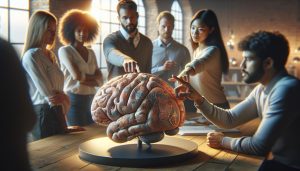
In a world increasingly driven by wellness trends, biohacking has emerged as a captivating blend of science and personal optimization, enticing many to explore its potential. But what is biohacking, and how can it genuinely enhance your health and performance? This guide aims to dissect the phenomena, distinguishing evidence-based practices from the noise of unverified claims. By understanding the credible aspects of biohacking, such as dietary adjustments and mindful habits, you can navigate potential benefits while remaining vigilant against fads that lack scientific backing. As you seek ways to improve cognitive function, manage stress, and optimize your daily routines, it’s crucial to arm yourself with reliable information that empowers informed choices. Dive in to learn how you can separate the facts from the fiction, ensuring your journey toward enhanced well-being is grounded in science and personal safety.
Understanding Biohacking: A Scientific Overview
Understanding how biohacking operates requires a lens through which science and personal experimentation intertwine. Biohacking, often seen as a confluence of biology and technology, emphasizes using empirical methods and self-experimentation to optimize health, performance, and mental clarity. While some may dismiss it as a fad, there exists a substantial backing of scientific principles that lend credibility to many biohacking practices. This unique DIY approach empowers individuals to take control of their own health by tweaking various lifestyle factors-diet, sleep, exercise-leading to significant improvements in overall well-being.
Emerging from a blend of traditional health practices and modern science, biohacking encourages users to leverage their biological data. For instance, tracking metrics such as sleep quality, heart rate variability, and even nutritional intake can unveil invaluable insights into one’s personal health landscape. Technologies like wearable devices and apps can facilitate this process by providing real-time data, allowing individuals to make informed adjustments that align with their specific goals. With the growing interest in neuroplasticity-the brain’s ability to reorganize itself by forming new neural connections-biohacking extends into cognitive enhancements, enabling practices that could sharpen focus and improve memory through targeted lifestyle changes.
Despite the allure and potential, it’s imperative to approach biohacking with a clear head. The landscape is rife with misinformation, where the line between scientifically-backed practices and pseudoscience often blurs. Understanding the science behind various biohacking techniques can prevent the pursuit of ineffective or even harmful methods. Seeking guidance from relevant professionals, maintaining a critical eye on innovative trends, and prioritizing well-documented techniques promote a safe journey into the world of biohacking.
As you explore biohacking, consider integrating simple, yet effective practices into your daily routine. For example, experiment with standing desks to combat sedentary habits, incorporate mindful breathing exercises to alleviate stress, and prioritize nutrient-rich foods to enhance cognitive function. By grounding your experiments in science and maintaining a focus on safety, you can harness the benefits of biohacking to foster a healthier, more productive lifestyle while navigating the complexities of personal health management.
The Rise of Biohacking: Trends and Motivations
The biohacking movement has experienced rapid growth as individuals increasingly seek to optimize their health and performance through innovative methods. Fueled by a combination of technological advancements and a desire for self-empowerment, this practice taps into the primal instinct for self-improvement, allowing people to take charge of their wellness. With the advent of wearable technology and advanced health-tracking applications, biohacking has become more accessible than ever, enabling users to monitor their biological metrics and adjust their lifestyles based on real-time data. For instance, individuals can track sleep patterns, heart rate variability, and even daily nutrition, developing a more profound understanding of how these factors influence their overall well-being.
A primary motivation driving the rise of biohacking is the quest for enhanced cognitive function and mental clarity. Many practitioners are particularly interested in neuroplasticity-the brain’s ability to reorganize and adapt-leading them to explore methods such as mindfulness meditation, nootropics, and specialized diets like the ketogenic or paleo. These strategies may help participants not only boost productivity but also promote greater emotional resilience. In workplaces, for instance, integrating standing desks and promoting regular movement can dramatically improve focus and reduce fatigue, enabling employees to perform at their best.
Moreover, the community aspect of biohacking should not be overlooked. Online groups and forums create a platform for sharing experiences, advice, and success stories, encouraging individuals to experiment and learn from one another. This collaborative spirit fosters an environment where knowledge can rapidly evolve, driving the adoption of effective biohacking practices while pushing back against misinformation. For those looking to navigate this evolving landscape responsibly, seeking guidance from scientific research and qualified professionals is crucial, as it aligns personal experimentation with evidence-based practices.
Ultimately, biohacking represents an exciting convergence of health, technology, and self-discovery. As people recognize the potential of personal agency in enhancing their lives, they are motivated to explore various methods for optimizing both their physical and mental health. By focusing on sustainable practices and leveraging available tools, individuals can embark on a transformative journey that empowers them to achieve their goals and elevate their everyday well-being.
Common Biohacking Techniques: What Works?
The world of biohacking offers a plethora of techniques aimed at enhancing physical health and cognitive performance, but knowing which methods are effective and safe can be crucial in avoiding the pitfalls of misinformation. From dietary changes to technological interventions, there are several biohacking strategies backed by science that can help individuals thrive in both personal and professional environments.
Dietary Strategies
One of the most impactful techniques involves dietary biohacking. Research suggests that specific diets, such as the ketogenic diet or paleo diet, can significantly improve energy levels and cognitive function. The ketogenic diet focuses on high-fat and low-carbohydrate intake, which can lead to improved brain health, while the paleo diet emphasizes whole foods that mimic our ancestors’ eating patterns. Additionally, intermittent fasting has gained popularity for its potential to enhance focus by promoting autophagy-essentially allowing the brain to “clean itself.”
Some effective dietary changes include:
- Incorporating foods rich in omega-3 fatty acids, such as fatty fish and flaxseeds, which support brain health.
- Consuming antioxidant-rich fruits and vegetables to reduce oxidative stress.
- Limiting processed sugars to stabilize mood and energy levels.
Physical Wellness Techniques
Beyond diet, ergonomic setups in occupational spaces can significantly affect wellness. A properly configured workstation can enhance productivity and reduce stress and fatigue. Begin by adjusting your chair so your feet rest flat on the floor, and ensure your computer screen is at eye level to minimize strain on your neck.
Standing desks are another biohacking tool with potential benefits. Gradually incorporate standing periods into your work routine, starting with 15-minute increments, and increase as you become more comfortable. Alternating between sitting and standing can help prevent the negative health effects associated with prolonged sitting, such as decreased circulation and increased discomfort.
Mental Health and Cognitive Performance
In addition to physical adjustments, practices such as mindfulness meditation and the use of nootropics have become popular biohacking methods for enhancing mental clarity. Mindfulness meditation can improve focus and emotional resilience, while nootropics – often referred to as “smart drugs” – are substances believed to boost cognitive function. However, it’s crucial to use these responsibly and consult healthcare professionals before starting any nootropic regimen, as the effects can vary significantly from person to person.
Stress Management Practices
Identifying and managing workplace stress is another important aspect of biohacking. Techniques such as deep breathing exercises, regular breaks, and even progressive muscle relaxation can help mitigate stress levels during the workday. Consider incorporating short walks or stretches into your routine, allowing your brain to recharge and return to tasks with improved focus.
By adopting these evidence-based biohacking techniques and creating an environment conducive to health optimization, individuals can greatly enhance their workplace wellness and cognitive performance. Always remember that while the potential for personal improvement is significant, ensuring that any new practice is safe and effective through professional guidance is paramount in navigating the ever-evolving landscape of biohacking.
Debunking Myths: Separating Fact from Fiction
While the allure of biohacking promises transformational gains in health and cognitive function, the landscape is rife with myths that can lead to misguided practices and potentially harmful decisions. One common misconception is that all biohacking methods are inherently safe or universally effective. For instance, many individuals believe that any supplement branded as a “nootropic” will enhance cognitive function. However, the reality is that the efficacy and safety of nootropics can vary significantly among individuals, and some may experience adverse effects without professional guidance.
Another prevalent myth is the notion that extreme dietary restrictions, such as elimination diets or excessive fasting, can produce quick results. While approaches like intermittent fasting have shown benefits for some, not everyone will experience the same outcomes, and such methods can lead to disordered eating patterns if not approached with care and proper knowledge. Sustainable improvements in health and wellness usually stem from balanced dietary practices that integrate a variety of nutrient-rich foods rather than drastic changes that could disrupt metabolic health.
Understanding Evidence-Based Biohacking
It’s vital to discern between evidence-based biohacks and those that lack scientific backing. Readers should strive to educate themselves about biohacking techniques supported by rigorous scientific research rather than anecdotal success stories or unfounded claims. For instance, strategies like engaging in regular physical exercise, practicing mindfulness meditation, and maintaining a balanced diet are all grounded in substantial scientific research that underscores their benefits for mental and physical health.
In addition, questioning the qualifications of those promoting certain biohacking techniques can help separate fact from fiction. Practitioners with credible backgrounds in health, nutrition, or neuroscience are more likely to offer advice that aligns with established science. Utilizing resources from reputable medical and wellness organizations can further enhance understanding and ensure that individuals are opting for biohacks that improve health without compromising safety.
Empower Through Knowledge
As you navigate the world of biohacking, remember that informed decision-making is your best ally. Consulting with healthcare professionals before adopting new practices can provide clarity and help establish a personalized approach that aligns with your specific health needs. Knowledge is empowering; it enables individuals to challenge misleading claims and embrace wellness strategies that genuinely promote long-term health and cognitive function. By fostering a critical mindset, you not only enhance your biohacking journey but also contribute to a more informed community focused on safe and effective health optimization.
The Science Behind Popular Biohacks: Evidence vs. Claims
There’s a growing fascination with biohacking, a movement characterized by individuals trying to optimize their health and performance. However, the landscape is often cluttered with exaggerated claims and appealing shortcuts that lack scientific rigor. To navigate this terrain effectively, it’s essential to critically examine popular biohacks and distinguish between established science and mere promises.
Understanding Evidence-Based Approaches
Many biohacking techniques derive from well-researched principles in health and medicine, such as regular exercise, balanced nutrition, and adequate sleep. For instance, studies consistently show that regular physical activity not only enhances physical health but also improves cognitive function and mental well-being. Similarly, evidence supports the positive impact of a diet rich in whole foods, lean proteins, and healthy fats on brain health and overall vitality.
Conversely, some popular biohacking trends, such as extreme calorie restriction or the unfounded use of unregulated supplements, can pose risks rather than benefits. Before adopting a new practice, it’s crucial to scrutinize the scientific backing. Look for systematic reviews or meta-analyses that summarize a body of research rather than isolated studies that could be cherry-picked to support flimsy claims.
Practical Tips for Evaluating Biohacks
When exploring potential biohacks, consider these steps:
- Research the Technique: Start with established scientific literature to determine if there is substantial evidence supporting the method.
- Seek Professional Guidance: Consult with healthcare providers or specialists who can offer tailored advice based on your individual health needs.
- Prioritize Balance: Focus on biohacking strategies that enhance your well-being without compromising essential health pillars like nutrition and sleep.
- Monitor Your Results: Keep track of any changes in your physical or mental health when trying new biohacks, as this can help you gauge their effectiveness personally.
By fostering an informed approach to biohacking, you can harness the best of what the movement has to offer while steering clear of unproven or potentially harmful methods. Remember, effective health optimization is often about sustainable changes rather than quick fixes. Balanced practices lead to long-term mental clarity and physical wellness, paving the way for a healthier lifestyle that thrives on evidence and individual adaptability.
Biohacking for Brain Health: Strategies to Enhance Cognitive Function
The brain is one of the most dynamic and complex organs in our bodies, capable of remarkable adaptation and learning throughout life. This process, known as neuroplasticity, opens the door to numerous biohacking strategies aimed at enhancing cognitive function. Evidence shows that certain practices can significantly improve focus, memory, and overall mental agility. By integrating these strategies into your daily routine, you can harness the full potential of your cognitive abilities while fostering a healthier brain environment.
One effective approach to biohacking your brain health is through dietary interventions. Consuming a balanced diet rich in nutrients known to support cognitive function is crucial. Foods high in omega-3 fatty acids, such as salmon, walnuts, and flaxseeds, have been linked to improved memory and cognitive performance. Similarly, antioxidants found in berries and leafy greens help combat oxidative stress, which can impair brain function. Aiming for a colorful plate not only enhances nutritional diversity but also provides essential vitamins and minerals that promote brain health.
Additionally, incorporating mindfulness practices and regular physical activity into your routine can yield substantial benefits. Mindfulness meditation has been shown to enhance attention and emotional regulation, allowing for better stress management and clearer thinking. For a practical implementation, consider setting aside just 10-15 minutes daily to practice deep breathing or guided mindfulness exercises. Concurrently, engaging in physical exercise, even in short bursts, stimulates the release of brain-derived neurotrophic factor (BDNF), which supports neurogenesis and synaptic plasticity. Aim for activities that raise your heart rate, such as brisk walking or cycling, to reenergize both your body and mind.
Supporting these strategies are essential environmental factors. Setting up an ergonomic workspace can reduce physical strain, promoting overall well-being and focus. A standing desk can encourage movement and collaboration, while proper chair and screen height adjustments can enhance comfort and reduce distractions. Consider rearranging your workspace: keep objects within reach while minimizing visual clutter to maintain an orderly and focused environment.
Engaging the brain through lifelong learning and social interactions further bolsters cognitive performance. Consider taking up new hobbies, learning a language, or attending workshops that challenge your intellectual abilities. This not only stimulates different brain areas but also enriches your social connections, which is vital for emotional well-being.
By adopting these evidence-based strategies, you can effectively biohack your brain to enhance cognitive function and foster a resilient mindset, turning your work environment into a space conducive to growth and productivity. Always remember to consult with health professionals before making significant changes to ensure that your approach is safe and tailored to your specific needs.
Risks and Ethics: Navigating the Biohacking Landscape
Navigating the world of biohacking requires a keen awareness of the potential risks and ethical considerations involved. With the rise of DIY biology and the allure of enhancing human capabilities, individuals may encounter an overwhelming array of unverified claims and dubious practices. The challenge lies not only in distinguishing empirically validated methods from pseudoscientific trends but also in recognizing the ethical ramifications of self-experimentation and health interventions.
One major risk associated with biohacking is the possibility of adverse reactions. Many biohackers turn to supplements and nootropics, hoping to sharpen cognitive function or improve physical performance. However, without proper research and guidance, these practices can lead to negative health outcomes. Adverse effects from unregulated substances can range from mild side effects to severe health complications. Therefore, consulting with health professionals before trying new supplements or biohacking techniques is paramount. It’s crucial to approach biohacking as a personal journey that prioritizes safety, ensuring that practices are tailored to individual health needs and conditions.
The ethical landscape of biohacking is also complex. Issues such as informed consent, particularly when experimenting with radical techniques or sharing personal data, must be carefully considered. Responsible biohacking involves transparency and respect for oneself and others within the biohacking community. Engaging in discussions about the ethical implications of certain practices can promote a safer and more conscientious environment. For example, using genetic modifications or other high-stakes interventions should be weighed against the potential risks and ethical dilemmas.
Moreover, it’s essential to recognize the fine line between personal enhancement and societal consequences. Encouraging a culture that promotes extreme biohacking can inadvertently lead to unrealistic expectations regarding health and well-being. As a community, fostering a dialogue about the benefits and limitations of biohacking can propel responsible innovation, where individuals seek enhancements that align with scientific backing and ethical standards.
By prioritizing safety and ethical practices, you can explore the exciting possibilities of biohacking while maintaining a strong foundation of health and well-being. Remember, effective biohacking should always consider personal health history and involve collaboration with health professionals to craft a plan that is both ambitious and realistic.
DIY Biohacking: Safe Practices for Everyday Life
The idea of biohacking often evokes images of complex procedures and high-tech gadgets, but many effective biohacks can easily be implemented into our daily lives with minimal tools and knowledge. Emphasizing safety and awareness, DIY biohacking empowers individuals to take control of their health using simple, evidence-based techniques that promote both physical and cognitive well-being. The key to successful biohacking lies in the commitment to safe practices and understanding your body’s unique needs.
One essential area of DIY biohacking involves creating a healthy workplace environment. Ergonomics plays a crucial role here; setting up your workstation to support your posture can enhance productivity and cognitive performance. Start by investing in a standing desk or modifying your current desk to allow for both sitting and standing. When seated, ensure your feet are flat on the floor and your elbows form a 90-degree angle with your desk. This setup helps reduce strain and fatigue, allowing you to focus better on your tasks. Incorporate these adjustments:
- Standing Desks: Alternate between sitting and standing every 30 to 60 minutes.
- Monitor Height: Keep your monitor at eye level to prevent neck strain.
- Wrist Position: Maintain a neutral wrist position when typing.
Beyond physical setup, consider introducing mindfulness practices throughout your workday to manage stress effectively. Simple techniques such as deep breathing exercises or short meditations can significantly reduce anxiety and enhance cognitive clarity. Research shows that practices like mindfulness can promote neuroplasticity-the brain’s ability to adapt and reorganize, which is crucial for learning and memory.
Food also plays a vital role in biohacking for cognitive health. Incorporating nutrient-rich foods into your diet can improve brain function and overall wellness. Focus on whole foods such as fruits, vegetables, whole grains, and healthy fats, such as those from nuts and fish. These foods are rich in antioxidants and omega-3 fatty acids, which support brain health. Additionally, consider intermittent fasting or time-restricted eating, which some studies suggest may enhance cognitive performance by promoting cellular repair processes and reducing inflammation.
Ultimately, while biohacking offers exciting opportunities for personal enhancement, the pursuit should always be guided by safety and an understanding of scientific evidence. Regularly consulting with health professionals, especially before adopting practices involving supplements or drastic lifestyle changes, can ensure that your biohacking journey remains safe and effective. By personalizing your approach to biohacking, you can harness the benefits of improved health, heightened cognitive function, and a balanced work-life harmony.
Expert Insights: What Professionals Say About Biohacking
The rise of biohacking has led many professionals to ponder its legitimacy and efficacy in enhancing health and performance. Experts emphasize the importance of separating scientifically backed strategies from gimmicks and unfounded claims. Renowned health professionals often stress that while biohacking can positively influence factors such as diet, exercise, and stress management, it’s essential to approach these practices with a critical perspective. Successful biohackers often curate their experiences based on personal results and scientific research, leading to individual and tailored enhancements rather than one-size-fits-all solutions.
A critical insight shared by nutritionists is the significance of a balanced diet, which plays a pivotal role in biohacking. They recommend focusing on whole, nutrient-dense foods to fuel the body and brain. Foods rich in antioxidants, like berries and green leafy vegetables, or those loaded with omega-3 fatty acids, such as salmon and walnuts, can support cognitive function significantly. A practical tip involves performing a “food audit” where individuals track their daily intake, assess their nutritional quality, and experiment with small adjustments to see what impacts their productivity and mental clarity most effectively.
Additionally, professionals highlight the value of managing workplace ergonomics to maximize comfort and efficiency. Adjusting one’s workspace can dramatically alter productivity; implementing simple but effective changes-like ensuring that seating promotes good posture and that screens are at eye level-can make a significant difference. Incorporating movement through micro-breaks every hour or integrating resources for exercises aimed at countering prolonged sitting can also enhance overall well-being and cognitive function.
While the enthusiasm surrounding biohacking can be invigorating, experts consistently advise individuals to seek guidance from healthcare professionals before embarking on significant lifestyle changes. From experimenting with supplements to engaging in unconventional diets, understanding one’s body and its reactions is vital. Married with informed decision-making, this approach ensures that the journey into biohacking is not only effective but also safe and sustainable, paving the way for long-term health and success.
Real-life Case Studies: Success Stories and Cautionary Tales
Real-life experiences often reflect the true potential of biohacking, illustrating its ability to foster profound changes in health and wellness. Consider the success story of a tech entrepreneur who, after years of high stress and long working hours, transformed his health through a structured biohacking approach. He introduced a morning routine based on intermittent fasting and tracking his macronutrient intake, combined with regular high-intensity interval training (HIIT) sessions. Within months, he reported significant improvements in focus, energy levels, and even metabolic health, proving that strategic lifestyle changes can yield remarkable results.
In another compelling instance, a group of office workers implemented ergonomic biohacking techniques to combat the negative effects of sedentary work environments. They redesigned their workspace by integrating standing desks, encouraging movement through scheduled micro-breaks, and using foam rollers to alleviate muscle tension. The initiative not only boosted productivity but also led to enhanced team morale, showcasing how small adjustments in workplace ergonomics can translate into tangible benefits for both physical health and cognitive performance.
However, the journey through biohacking is not without its pitfalls. A cautionary tale involves an individual who became overly reliant on nootropic supplements in pursuit of cognitive enhancement. Initially, they experienced heightened focus and clarity; however, these benefits were short-lived and accompanied by anxiety and dependency. This case highlights the importance of a balanced approach, emphasizing that while some biohacks can be beneficial, others may lead to adverse effects, underlining the necessity of professional guidance and thorough research.
These narratives underscore the dual nature of biohacking-where profound achievements can occur alongside risks. They emphasize the need for individuals to take a thoughtful and measured approach, utilizing evidence-based strategies while remaining vigilant about the potential consequences. Engaging with healthcare professionals can provide the critical oversight necessary to ensure that one’s path to enhancement is safe, effective, and sustainable. Ultimately, by learning from both triumphs and missteps, one can navigate the complex landscape of biohacking to promote holistic health and well-being.
Future of Biohacking: Innovations and Research Directions
The future of biohacking is poised for explosive growth, driven by innovative technologies and a deeper scientific understanding of human biology. As researchers delve into the complexities of genetics and the microbiome, personalized biohacking is becoming increasingly feasible. This movement empowers individuals to tailor health strategies based on genomic data, lifestyle metrics, and real-time health monitoring. For instance, wearable technology now allows users to track not just their steps but metabolic functions, sleep patterns, and even blood glucose levels, making it easier to make informed decisions about diet and exercise.
Emerging Technologies in Biohacking
Novel tools and platforms on the horizon will revolutionize how we approach health optimization. Artificial Intelligence (AI) and machine learning will play crucial roles in predicting health outcomes based on user data. For example, AI algorithms can analyze patterns in diet, exercise, and biometrics to suggest personalized modifications for better health outcomes. Additionally, advancements in CRISPR technology offer the potential for genetic modifications that could enhance physiological traits and combat age-related decline, though ethical considerations will be paramount.
In the workplace, these innovations can enhance cognitive performance through ergonomic assessments supported by data. Employees could benefit from apps that suggest optimal break times, tailored exercises, or desk setups based on their specific work habits and health metrics, all contributing to enhanced productivity and well-being.
Research Directions and Ethical Considerations
As biohacking continues to evolve, ethical considerations regarding privacy, consent, and data security become more pressing. Ongoing research will need to address these concerns while exploring the effects of biohacking practices on mental health, stress management, and overall lifestyle. Scholars are beginning to examine how biohacking can help mitigate workplace stress and improve resilience. This research is vital for developing programs that are not only effective but also ethical and respectful of participants’ privacy.
Moreover, the emphasis on community and shared experiences will shape future biohacking practices. Online forums and local biohacking meetups can facilitate knowledge exchange, encourage new strategies, and create support networks. This collective approach ensures individuals remain grounded in reality and research-backed methods while exploring new avenues for personal enhancement.
The rich tapestry of biohacking’s future promises fascinating innovations that bridge the gap between science and personalized health. With careful implementation and rigorous research, biohacking can transcend trends, forging a more profound connection between individuals and their health, ultimately leading to more enriched and balanced lives.
FAQ
Q: What is the scientific basis for biohacking?
A: Biohacking combines various scientific fields, including nutrition, genetics, and neurobiology, to optimize the human body and mind. While some practices are evidence-based, others lack substantial scientific support, making it important to research each method before trying it. For a deeper understanding, refer to the “Understanding Biohacking: A Scientific Overview” section.
Q: Are there any proven benefits of biohacking?
A: Yes, certain biohacking techniques, like mindfulness meditation and structured diets, have shown benefits, including improved mental clarity and enhanced physical performance. However, claims should be validated through scientific research to distinguish between effective practices and anecdotal evidence. Explore more in the “Science Behind Popular Biohacks” section.
Q: What are common mistakes people make when starting biohacking?
A: Common mistakes include neglecting professional advice, rushing into extreme diets or supplements, and overlooking necessary safety precautions. It’s essential to start gradually and consult with healthcare professionals to avoid adverse effects. See “Risks and Ethics: Navigating the Biohacking Landscape” for more guidance.
Q: Is biohacking safe for everyone?
A: Biohacking is not universally safe; individuals with certain health conditions should proceed cautiously and seek professional guidance. Some practices can lead to adverse effects, especially without proper knowledge. Always assess personal health conditions before trying new techniques, as discussed in “Risks and Ethics: Navigating the Biohacking Landscape.”
Q: How can beginners start biohacking safely?
A: Beginners can start biohacking safely by focusing on simple practices like optimizing sleep patterns, maintaining a balanced diet, and incorporating regular physical exercise. These foundational changes can significantly improve health without the risks associated with more extreme biohacking methods. For practical tips, refer to “DIY Biohacking: Safe Practices for Everyday Life.”
Q: What are the ethical concerns surrounding biohacking?
A: Ethical concerns in biohacking include the potential for self-harm, the authenticity of information, and the impact of genetic modifications. These issues warrant careful consideration, especially as biohacking technologies advance. Delve deeper into these topics in the “Risks and Ethics: Navigating the Biohacking Landscape” section.
Q: How do biohacking claims compare to traditional medicine?
A: Biohacking claims often lack the rigorous testing and validation found in traditional medicine, leading to varying levels of credibility. While some biohacking practices align with established medical advice, others may be unsupported by research. It’s crucial to evaluate claims critically and consult health professionals for guidance.
Q: Are there specific biohacks for improving cognitive function?
A: Yes, certain biohacks can enhance cognitive function, such as engaging in regular physical activity, practicing mindfulness, and utilizing nootropic supplements responsibly. Tailoring these methods to individual needs can lead to better mental performance. For strategies, see “Biohacking for Brain Health: Strategies to Enhance Cognitive Function.”
The Conclusion
As we’ve uncovered, biohacking is not a fleeting trend but a scientifically backed approach to optimizing your health and mental performance. You have the power to make informed choices that can elevate your well-being, whether through simple dietary tweaks or advanced monitoring tools. Dive deeper into our resources on workplace wellness and cognitive health to discover practical steps like optimizing your workspace or managing stress effectively.
Don’t let uncertainty hold you back! Explore our in-depth guides and consider subscribing to our newsletter for the latest insights into biohacking techniques that suit your lifestyle. If you’re ready to take your health seriously, check out our consultation services or product recommendations to get started. Remember, taking control of your health is a journey-let us support you every step of the way. Share your thoughts or experiences in the comments below, and join our community of informed individuals eager to thrive!