
Did you know that nearly 80% of adults report feeling stressed on a regular basis? With the pressures of modern life, finding effective ways to manage stress is more important than ever. This exploration of “Do Anti Stress Pills Work? Medication vs Natural Methods” delves into the effectiveness of various stress management strategies. While medications offer immediate relief for some, many are turning to natural alternatives, seeking holistic approaches to cultivate resilience. Understanding the science behind these methods empowers you to make informed decisions tailored to your unique needs. As we navigate this intricate landscape of stress relief, you’ll discover valuable insights that can enhance your well-being and support your journey to a balanced life.
Do Anti-Stress Pills Really Work?
Many individuals facing the pressures of modern life often consider the use of anti-stress pills for relief. While these medications can provide significant benefits, their efficacy varies from person to person. On one hand, prescription medications such as SSRIs (selective serotonin reuptake inhibitors) and benzodiazepines can address underlying chemical imbalances and provide temporary relief from acute stress or anxiety. On the other hand, natural supplements like ashwagandha and magnesium are gaining popularity for their gentle, supportive effects on stress reduction.
Considering whether anti-stress pills really work requires an understanding of how they function. Medications can alter neurotransmitter levels in the brain, leading to mood stabilization. However, this is not a one-size-fits-all solution; some individuals may experience side effects or diminished effectiveness over time. It’s crucial to recognize that while pills can be useful tools, they often work best when part of a comprehensive approach that includes lifestyle changes, mindfulness practices, and cognitive behavioral techniques.
- Medication: Can provide quick relief but may come with side effects and require careful management.
- Natural Supplements: Generally have fewer side effects and can be effective for many, but results may take longer to manifest.
- Holistic Approach: Incorporating therapy and stress management techniques often enhances the overall effectiveness of treatment.
Incorporating lifestyle changes, such as regular exercise, proper nutrition, and mindfulness, can augment the effectiveness of any medication or natural remedy. This multifaceted approach not only alleviates symptoms but also promotes long-term resilience against stress. Always consult with healthcare professionals before beginning any new medication or supplement regimen to ensure it aligns with your individual health needs and circumstances.
Understanding Common Anti-Stress Medications

Many people dealing with stress and anxiety often look to medication for quick relief. It’s vital to understand the various types of anti-stress medications available, particularly how they function and the potential benefits they offer. Prescription medications commonly prescribed for stress include selective serotonin reuptake inhibitors (SSRIs) and benzodiazepines. SSRIs, such as fluoxetine or sertraline, work by increasing serotonin levels in the brain, which can help stabilize mood and alleviate anxiety. They may take several weeks to show effectiveness, but they often provide long-term relief for chronic stress and anxiety issues when taken consistently.
On the other hand, benzodiazepines, like diazepam and lorazepam, act more quickly to provide temporary relief from acute anxiety or panic symptoms. They work by enhancing the effect of the neurotransmitter gamma-aminobutyric acid (GABA), which has a calming effect on the brain. However, due to the potential for dependency and side effects, these medications are typically recommended for short-term use only.
Natural alternatives, such as herbal supplements, are also becoming increasingly popular for stress relief. Substances like ashwagandha, rhodiola, and magnesium have demonstrated calming properties and can be effective in reducing stress levels without the side effects commonly associated with prescription medications. These natural options may take a longer time to manifest effects, but they can provide a gentler form of support for those seeking to manage stress more holistically.
Incorporating anti-stress medications-both prescription and natural-often works best when combined with complementary practices like therapy, mindfulness, and lifestyle changes. Engaging in regular exercise, ensuring a balanced diet, and incorporating relaxation techniques can enhance the effectiveness of any medication. Always consult with a healthcare professional before beginning any new medication or supplement regimen, as individualized assessment is crucial to achieving optimal wellness.
Natural Alternatives: Herbs and Supplements for Stress Relief
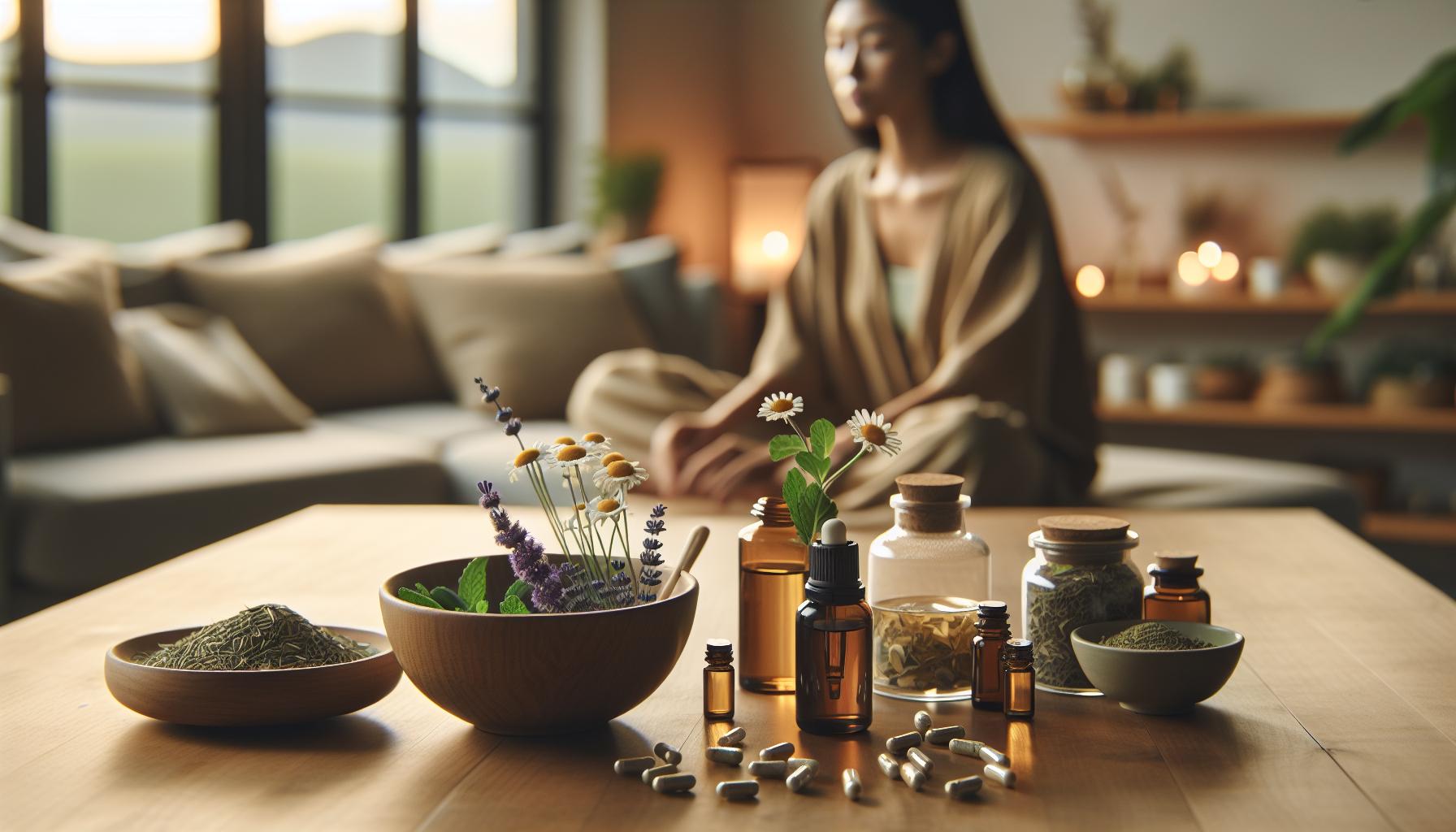
Many individuals seeking relief from stress are increasingly turning to natural alternatives, recognizing that herbs and supplements can provide a gentler approach to managing anxiety and promoting overall well-being. Research supports the efficacy of several natural substances, offering exciting options for those looking to mitigate stress without the potential side effects of traditional medications.
Herbs that Help Reduce Stress
Among the most widely used herbs for stress relief are adaptogens-plants that help the body adapt to stress. Ashwagandha is renowned for its ability to lower cortisol levels, the hormone that contributes to stress. A study in the Indian Journal of Psychological Medicine demonstrated that individuals supplemented with ashwagandha experienced significant reductions in stress and anxiety levels. Similarly, rhodiola rosea has been shown to enhance mood and reduce fatigue, making it a popular choice for individuals facing demanding work environments.
Essential Nutrients for Stress Management
In addition to herbs, certain vitamins and minerals play crucial roles in stress regulation. Magnesium, often referred to as the “relaxation mineral,” has been linked to a reduction in anxiety and an improvement in sleep quality. Incorporating magnesium-rich foods such as dark leafy greens, nuts, and whole grains can support your body’s stress response. Likewise, B vitamins, especially B6 and B12, are vital for neurotransmitter synthesis and can help maintain emotional balance.
Marrying Tradition with Modern Science
Combining these natural remedies with mindfulness practices such as meditation or yoga can enhance their effects. Developing a holistic approach to stress management encourages more effective outcomes. For example, trying deep-breathing exercises alongside your ashwagandha regimen can amplify relaxation effects, making it easier to navigate daily stressors.
Always consult with a healthcare professional before starting any new supplement, particularly if you are on medication or have underlying health conditions. The key to effective stress management lies in personalization; finding the right blend of natural remedies, nutritional support, and lifestyle adjustments can pave the way to a more balanced and resilient mindset. Emphasizing a holistic strategy promotes long-term wellness, empowering you to transform stress into a manageable aspect of life rather than an insurmountable hurdle.
The Science Behind Stress Management Techniques

Understanding how stress management techniques work can significantly empower you to choose the right strategies for your individual needs. Stress impacts the body on both a physiological and psychological level, triggering the release of hormones like cortisol and adrenaline, which prepare the body to respond to perceived threats. However, prolonged exposure to stress hormones can lead to various health issues, including anxiety, insomnia, and heightened inflammation. Therefore, effective stress management techniques can play a crucial role in balancing this physiological response while promoting mental well-being.
One effective method is mindfulness meditation, which has been extensively studied for its ability to alleviate stress. Research shows that mindfulness practices can lead to significant reductions in stress and anxiety by fostering a greater awareness of the present moment, enabling individuals to detach from racing thoughts related to past or future stressors. Studies found that participants who engaged in consistent mindfulness meditation reported better emotional regulation and resilience in facing daily stressors. By concentrating on breath and bodily sensations, practitioners can buffer the body’s stress responses and improve overall mental clarity.
Another technique gaining traction is the use of breathing exercises, which can be easily integrated into daily routines. Simple practices such as deep diaphragmatic breathing or the 4-7-8 technique (inhale for four seconds, hold for seven seconds, exhale for eight seconds) have shown to activate the parasympathetic nervous system, promoting a state of calm. Regularly practicing such techniques not only helps in immediate stress relief but also builds a robust foundation for long-term emotional resilience.
Lastly, physical activity cannot be overlooked in stress management discussions. Engaging in regular aerobic exercises like walking, jogging, or swimming can reduce anxiety levels by increasing the production of endorphins-natural mood lifters. Studies suggest that even a short 20-30 minute workout can significantly elevate mood and decrease feelings of stress.
Incorporating a combination of these techniques-mindfulness, breathing exercises, and physical activity-can not only enhance stress reduction but also contribute positively to cognitive function and mental health. By experimenting with different approaches and observing their effects, you can tailor a balance that suits your lifestyle and effectively manage stress in a healthy manner. Always remember, however, to consult health professionals if you encounter persistent stress symptoms that hinder your daily functioning.
Exploring Lifestyle Changes for Better Stress Resilience
Making intentional lifestyle changes can profoundly enhance resilience to stress, ultimately creating a more balanced and fulfilling work environment. Research indicates that individuals with strong coping mechanisms and adaptive habits experience reduced stress levels, both in daily life and at work. These changes not only mitigate stress responses but also foster a healthier mindset that prioritizes emotional and physical well-being.
Prioritize Healthy Routines
Establishing consistent routines can significantly improve your response to stress. Start by integrating a balanced diet rich in whole foods, as what you eat influences your brain health and stress levels. Consider adopting these habits:
- Plan Meals: Prepare meals that include plenty of fruits, vegetables, whole grains, and lean proteins. Foods rich in omega-3 fatty acids, such as salmon and walnuts, can enhance brain function and support mood regulation.
- Regular Meal Times: Stick to regular eating schedules to help maintain stable blood sugar levels, preventing energy dips and unstable moods throughout the day.
- Stay Hydrated: Drink enough water to avoid dehydration, which can cause fatigue and irritability, exacerbating stress.
Incorporating physical activity into your daily routine is another critical element of stress resilience. Aim for at least 150 minutes of moderate aerobic exercise each week. This doesn’t mean hitting the gym every day; even simple changes, such as walking during breaks or opting for the stairs, can make a significant difference.
Create a Supportive Workspace
An organized and ergonomically designed workspace can greatly influence stress levels and productivity. Here are actionable steps to enhance your work environment:
- Ergonomic Setup: Invest in a good chair, desk, and computer arrangement to reduce physical strain. Your monitor should be at eye level, and your chair should support your lower back.
- Declutter: Keep your workspace tidy. A clean environment minimizes distractions and promotes focus, contributing to lower stress levels.
- Nature Breaks: Incorporate plants or art that inspires calmness and beauty. Consider taking breaks outdoors; even a few minutes of fresh air can rejuvenate your mindset.
Edit Your Social Interactions
The people around you play a crucial role in your emotional health. Surrounding yourself with positive influences fosters resilience against stress. Aim to build connections with colleagues and friends who uplift and motivate you.
Engaging in regular social interactions can also buffer stress. Make it a point to connect with others, whether through team-building activities at work or socializing outside of it. Participating in group stress-relief activities, such as yoga sessions or mindfulness workshops, can also enhance community bonds while benefiting your mental health.
Incorporating these lifestyle changes not only fortifies your stress resilience but also contributes to long-term health benefits. While the journey might require consistent effort and adaptability, the rewards-such as improved well-being, increased productivity, and a more enjoyable work-life balance-are well worth it. Always remember, if stress persists or becomes overwhelming, consulting a mental health professional can provide tailored strategies and support.
Combining Medication and Natural Remedies: A Balanced Approach
Integrating medication with natural remedies creates a comprehensive approach to managing stress, allowing individuals to tailor their strategies based on personal preferences and responses. While anti-stress pills can provide immediate relief and stabilize mood, natural alternatives like herbal supplements and lifestyle modifications can enhance overall effectiveness, yielding longer-lasting benefits without the potential side effects associated with pharmaceuticals.
When considering medication, it’s essential to consult a healthcare provider to discuss any prescriptions and how they can fit into a broader stress management plan. For instance, selective serotonin reuptake inhibitors (SSRIs) or benzodiazepines are common medications for anxiety and stress relief. They can stabilize mood and reduce feelings of overwhelm but may come with side effects such as fatigue or dependency. Meanwhile, natural remedies like ashwagandha, chamomile, and magnesium may support stress reduction and improve mental clarity, often without the risks incurred by traditional medications. These can be taken as supplements or incorporated into daily routines through teas and foods.
Combining these approaches may also involve practical lifestyle adjustments that promote well-being. Engaging in regular physical activity, practicing mindfulness through meditation or yoga, and maintaining a balanced diet rich in omega-3 fatty acids and antioxidants can enhance brain health and resilience against stress. Establishing a routine that encompasses both medication and natural remedies could look like this:
- Morning: Take prescribed medication if recommended. Follow with a nutritious breakfast that includes whole grains and fruits.
- Midday: Engage in a 30-minute walk during lunch, practicing mindfulness and breathing exercises.
- Evening: Prepare a calming herbal tea as you wind down, perhaps incorporating a relaxation technique such as guided imagery or journaling.
In this way, a dual approach can create a safety net, where natural remedies buffer any fluctuations experienced with medication. The key is to monitor how combinations affect mood and stress levels and to adjust accordingly, ideally under the guidance of a knowledgeable professional. This balanced strategy not only addresses immediate symptoms but fosters resilience, making it easier to cope with future stressors. As with any health-related strategy, ongoing evaluation and adaptation are crucial for optimal outcomes.
Potential Side Effects of Anti-Stress Medications
The prospect of alleviating stress through medication can be appealing, particularly for those seeking immediate relief from overwhelming feelings. However, it’s crucial to recognize that anti-stress medications can carry potential side effects that may complicate their benefits. Understanding these effects helps in making informed decisions about stress management options, ensuring a balanced approach to seeking relief.
Common anti-stress medications, including selective serotonin reuptake inhibitors (SSRIs) and benzodiazepines, can significantly impact mood and anxiety levels. While they provide essential improvements in emotional regulation, users may experience side effects such as fatigue, dizziness, or gastrointestinal issues. For instance, SSRIs can sometimes lead to a decrease in libido or insomnia, which can further affect overall well-being. On the other hand, benzodiazepines, though effective for short-term relief, can lead to dependency and withdrawal symptoms if used long-term, underscoring the need for careful monitoring and consultation with healthcare professionals.
Managing Potential Side Effects
To mitigate these side effects and enhance the efficacy of medication, incorporating lifestyle modifications can be tremendously beneficial. Engaging in regular physical activity plays a pivotal role in improving mood and mental clarity while reducing the likelihood of medication-related fatigue. Additionally, practices such as mindfulness meditation and deep-breathing exercises can serve as complementary techniques, buffering the side effects experienced and promoting a sense of calm without the risks associated with pharmaceuticals.
Finally, maintaining open communication with healthcare providers is vital. Regular check-ins can help in tailoring medication plans to minimize side effects and ensure safety. Understanding one’s body and how it reacts to different treatments can empower individuals to take charge of their mental health journey, facilitating effective strategies for managing stress while promoting overall workplace wellness and cognitive health.
How to Choose the Right Method for You
Finding the right approach to manage stress can feel overwhelming, but it’s essential to recognize that no single method is perfect for everyone. Understanding your unique stressors, lifestyle, and health conditions can guide you towards a more personalized strategy for stress relief. Whether you lean towards medication, natural remedies, or lifestyle changes, the objective remains the same: to reclaim your mental well-being and enhance your quality of life.
When considering medication, it’s vital to consult healthcare professionals who can conduct thorough assessments and discuss your medical history. Some may require prescription anti-stress medications like SSRIs or benzodiazepines, while others may find over-the-counter options sufficient. It’s crucial to ensure that the chosen medication aligns with your health goals and to remain vigilant about any potential side effects.
In contrast, if you prefer to explore natural alternatives, you might want to consider herbs such as ashwagandha or chamomile, known for their calming properties. Supplements like magnesium and omega-3 fatty acids can also support brain health and mitigate stress responses. Implementing lifestyle changes such as regular physical activity, mindful breathing exercises, and balanced nutrition can significantly enhance resilience to stress without relying solely on pharmaceuticals.
Ultimately, a combination of methods might yield the best results. Integrating medication with natural remedies and lifestyle changes can create a balanced and effective strategy for managing stress. Always remember to communicate openly with your healthcare provider throughout this process, ensuring that your chosen method serves your individual needs and promotes long-term well-being. Embrace flexibility in your approach; what works well today may change as your circumstances evolve, and being adaptable is key to maintaining effective stress management.
Long-Term Strategies for Managing Workplace Stress
Finding effective can profoundly influence overall well-being and productivity. Research shows that sustained high levels of stress can lead to burnout and a decline in cognitive performance, making it essential to implement proactive measures to cultivate a healthier work environment.
One of the most impactful strategies is to prioritize ergonomic workspace design. Consider adjusting your chair height, monitor level, and keyboard placement to promote better posture and reduce physical strain. Setting up a standing desk is another excellent approach. Transitioning from sitting to standing can enhance energy levels and encourage movement throughout the day. Here’s how to adjust your workspace for optimal comfort:
Steps for an Ergonomic Workspace:
- Chair: Ensure your feet rest flat on the floor, thighs are parallel to the ground, and the backrest supports the natural curve of your lower back.
- Monitor: Position it at eye level about an arm’s length away to prevent neck strain.
- Keyboard and Mouse: Keep them at elbow height and close enough to allow your arms to relax by your sides.
Regular breaks are crucial as well. Implementing the Pomodoro Technique-25 minutes of focused work followed by a 5-minute break-can enhance focus and reduce mental fatigue. Use these breaks for simple stretching or a short walk to reset your mind.
Engaging in mindfulness practices is another powerful tool for long-term stress management. Techniques such as meditation, deep breathing exercises, or simply taking a few moments to appreciate your surroundings can significantly reduce anxiety levels. Studies suggest that even a brief period of mindfulness can enhance one’s ability to handle stress effectively.
Remember, cultivating a supportive workplace culture is equally important. Encourage open communication among team members and establish a feedback loop that allows everyone to voice concerns. Organizing team-building activities fosters camaraderie and reduces isolation, which can exacerbate stress. With these strategies in place, you can nurture a work environment that promotes resilience, enhances cognitive performance, and prioritizes the mental well-being of every employee.
Consultation with Professionals: When to Seek Help
When stress becomes overwhelming, knowing when to seek professional help can make a significant difference in your mental health journey. While lifestyle changes, natural remedies, and over-the-counter anti-stress medications may provide some relief, they are not always enough for everyone. It’s not uncommon to face challenges that call for the expertise of a healthcare provider, especially when stress leads to symptoms that interfere with daily life or work performance.
Recognizing the signs that it’s time to consult a professional is essential. If you experience persistent feelings of anxiety, frequent mood swings, or difficulty concentrating, these could indicate that your stress levels are beyond what can be managed by self-care techniques alone. Additionally, if you notice disruptions in your sleep patterns, appetite, or social interactions, it’s wise to reach out for support. A mental health professional can provide tailored advice, helping you navigate your options, whether that’s medication, therapy, or a combination of both.
Moreover, having a professional evaluation can shed light on underlying issues that may contribute to your stress, such as depression or anxiety disorders. They can guide you in understanding how anti-stress pills interact with your overall health and lifestyle, ensuring that any chosen method aligns with your specific needs. Working with a therapist, counselor, or psychiatrist can also facilitate the exploration of natural methods alongside prescribed treatments, leading to a balanced and holistic approach to stress management.
In every step of your journey to manage stress, remember that seeking help is a sign of strength. Whether you find solace in medication, natural remedies, or therapeutic practices, professionals can equip you with the tools necessary to understand and mitigate your stress effectively. Your mental health matters, and taking that first step towards professional consultation could set the foundation for a more resilient and fulfilling life.
Success Stories: Real-Life Experiences with Stress Solutions
Many people face moments in life when stress feels insurmountable, but real-life experiences can illuminate effective paths to relief. Stories from individuals who have navigated their stress through a mix of medication and natural methods can provide inspiration and hope to others grappling with similar challenges.
Consider the case of Jenna, a marketing manager in her early thirties, who faced extreme work-related stress leading to anxiety attacks. After a thorough evaluation, her healthcare provider prescribed a low dose of an anti-anxiety medication to help stabilize her symptoms. However, Jenna felt that relying solely on medication wasn’t her ideal path. She complemented her treatment with mindfulness practices, yoga, and herbal supplements like ashwagandha, which studies suggest can support stress reduction. Over time, Jenna reported feeling more balanced and resilient, noting that the combination of prescribed medication and natural approaches allowed her to reclaim her peace of mind.
On the other hand, we have Tom, who initially sought out only natural remedies. After years of trying various supplements and relying on meditation, he found that his symptoms persisted. Eventually, a supportive therapist encouraged Tom to consider medication as part of a comprehensive treatment plan. He began a regimen that included both an antidepressant and regular counseling sessions. Much to his surprise, combining the medication with his existing practices of exercise and healthy eating helped him achieve a level of stability he hadn’t expected. Tom’s journey highlights the importance of being open to exploring all options when managing stress and mental health.
These stories exemplify how individuals can find their unique balance between medication and natural techniques, showcasing that there’s no one-size-fits-all solution to managing stress. It’s crucial for anyone feeling overwhelmed to remember that consultation with healthcare professionals can lead to personalized strategies that make progress more attainable. By sharing such experiences, it becomes evident that recovery is not only possible but can also be a journey of self-discovery, enabling you to emerge stronger and more capable of navigating life’s challenges.
Evaluating the Effectiveness of Anti-Stress Approaches
The journey towards effective stress management is a deeply personal one, informed by individual experiences, preferences, and outcomes. -whether they involve medications, natural remedies, or lifestyle changes-is essential for anyone seeking relief from the grip of stress. Studies suggest that a multi-faceted approach often yields the best results, allowing individuals to tailor their strategies based on their unique needs.
For many, prescription medications can provide quick relief, particularly when symptoms are severe. Selective serotonin reuptake inhibitors (SSRIs) and benzodiazepines, commonly prescribed for anxiety and depression, can significantly improve mood and reduce anxiety levels. However, the effects of such medications can vary widely among individuals. Some may experience significant benefits, while others might encounter unwanted side effects or find the medications less effective over time. Success with medication often hinges on ongoing communication with healthcare professionals, regular assessments, and potential adjustments to dosages or prescriptions as needed.
On the other side of the spectrum, natural methods-such as herbal supplements like ashwagandha or mindfulness techniques-offer valuable alternatives for those hesitant to rely on pharmaceuticals. Research indicates that natural remedies can support mental well-being. For instance, mindfulness meditation has been shown to enhance emotional regulation and decrease stress levels. However, it’s crucial to recognize that these approaches also require dedication and often take time to manifest noticeable benefits. Combining natural methods with lifestyle changes-such as regular physical activity, a balanced diet, and sufficient sleep-can maximize overall effectiveness.
Ultimately, the effectiveness of anti-stress approaches lies in personalization. Individuals must assess their experiences with both medications and natural remedies, remaining open to adjusting their strategies as necessary. Consultation with healthcare professionals can provide the necessary guidance to design a tailored plan that maximizes the potential for success while minimizing risks. By exploring different avenues and understanding the nuances of both medication and natural methods, individuals can develop a comprehensive approach that promotes lasting resilience against stress.
Q&A
Q: How do anti-stress pills compare to natural remedies for stress relief?
A: Anti-stress pills often provide quick relief for symptoms like anxiety, while natural remedies like herbs and supplements may take longer to show effects but can support overall wellness. It’s essential to assess both options’ effectiveness for your specific needs. Consider discussing this in detail in the section on “Combining Medication and Natural Remedies.”
Q: What are the potential side effects of using natural anti-stress supplements?
A: Although natural supplements are generally considered safer, they can still have side effects, such as gastrointestinal issues or allergic reactions. Always consult a healthcare professional before starting any new supplement to ensure it’s appropriate for you.
Q: Can lifestyle changes enhance the effectiveness of anti-stress medications?
A: Yes, lifestyle changes such as regular exercise, mindfulness practices, and a balanced diet can enhance medication effects. These habits promote overall mental health and stress resilience, making them essential components of any stress management strategy.
Q: When should someone consider switching from medication to natural methods for stress relief?
A: If you experience persistent side effects from medication or find it ineffective over time, you might consider natural alternatives. Always consult with a healthcare provider before making such changes to ensure a safe transition and comprehensive support.
Q: How long does it typically take for anti-stress medications to work?
A: The time for anti-stress medications to take effect varies, typically ranging from a few days to several weeks, depending on the specific drug and individual response. It’s essential to discuss expected timelines with your healthcare provider.
Q: Are there specific anti-stress pills that are more effective than others?
A: Some individuals may respond better to certain classes of anti-stress medications, such as SSRIs or benzodiazepines, depending on their symptoms. Personalization through professional guidance can help identify the most effective option for each person.
Q: What factors should influence my decision between medication and natural stress relief methods?
A: Consider factors such as the severity of your stress, your health history, potential side effects, and lifestyle preferences. Assessing these factors will help you choose the most suitable approach, whether it be medication or natural methods.
Q: Is it safe to combine anti-stress medications with natural remedies?
A: Combining medications with natural remedies can be safe, but it’s crucial to consult with a healthcare professional first. Some interactions may diminish effectiveness or increase side effects, so careful monitoring is recommended when integrating both approaches.
Final Thoughts
As we wrap up our exploration of whether anti-stress pills work, it’s clear that both medication and natural methods have unique benefits and considerations. For those seeking immediate relief, understanding how different approaches affect brain health can guide your choices. Ready to take the next step in your stress management journey? Explore our resources on setting up ergonomic workspaces for enhanced well-being, or check out our guide on mindfulness techniques that can complement your approach to stress.
Don’t let uncertainty linger-connect with others in our community through comments, or sign up for our newsletter to receive the latest insights on workplace wellness and brain health. Remember, whether you lean towards medication or natural solutions, professional guidance is crucial. Dive deeper into our articles on cognitive performance and evidence-based wellness practices, and equip yourself with the knowledge to foster a balanced, stress-free life. Your path to a healthier mind starts here-keep exploring!