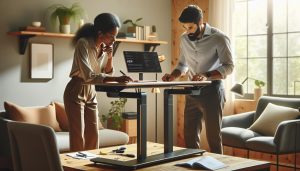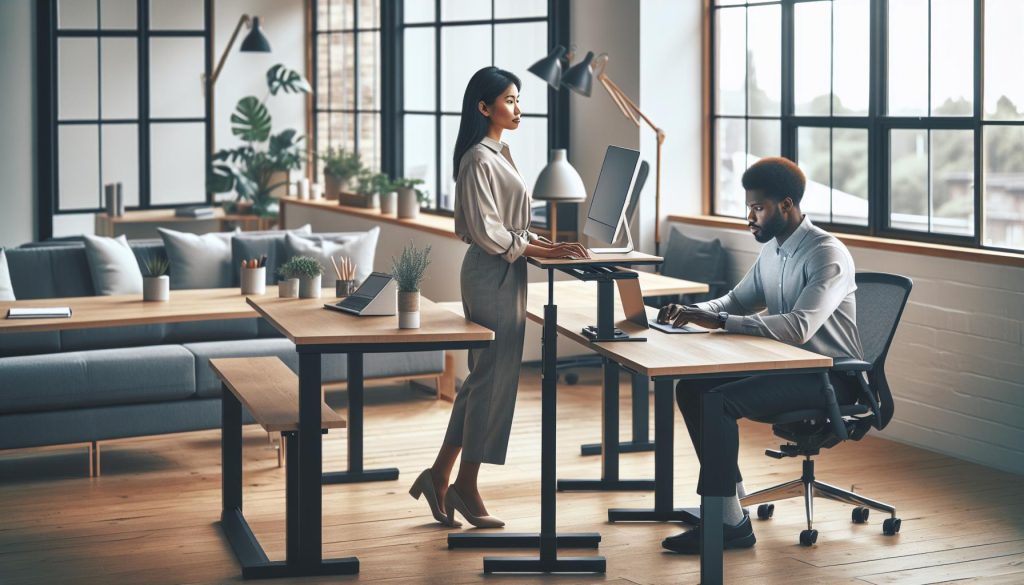
Did you know that prolonged sitting can increase the risk of chronic illnesses and reduce cognitive function? Enter the sit-stand desk, a revolutionary solution that allows you to seamlessly transition between sitting and standing while you work. This flexibility not only enhances workplace wellness but also promotes better posture and increased energy levels. In a world where many of us are glued to screens, finding ways to move more can significantly impact our well-being and productivity. As you explore the benefits of sit-stand desks, you’ll discover how they can be the perfect blend of comfort and health, helping you to maintain focus and reduce fatigue. Let’s delve deeper into why this innovative workspace furniture might be the best choice for you and your cognitive health objectives.
Why Choose a Sit-Stand Desk? Key Benefits Explained
Research indicates that maintaining a sedentary lifestyle can lead to various health issues, including obesity, heart disease, and compromised mental health. This has prompted many to explore the benefits of sit-stand desks, which offer the flexibility to alternate between sitting and standing throughout the workday. By adopting this dynamic workspace, individuals can integrate movement into their daily routine, which not only supports physical health but also boosts cognitive performance and fosters workplace satisfaction.
One of the primary advantages of using a sit-stand desk is improved ergonomics. Proper desk height adjustment helps maintain a neutral spine position, reducing strain on the back and neck. When users switch between sitting and standing, they can alleviate pressures on certain muscle groups, promoting circulation and decreasing fatigue. Studies show that incorporating standing periods can lead to enhanced energy levels and focus, essential for staying productive throughout the day. This physical activity can stimulate the release of endorphins, leading to increased feelings of well-being and reduced stress levels.
Moreover, the ability to change positions can significantly impact creativity and mental acuity. Standing while working encourages better blood flow and oxygenation to the brain, which can enhance alertness and cognitive function. As the body remains engaged, so does the mind-allowing for clearer thinking and improved problem-solving capabilities. This dynamic approach not only aids performance but also makes the work environment more engaging, contributing to higher job satisfaction.
To maximize the benefits of a sit-stand desk, it’s essential to develop a thoughtful transition plan and listen to your body’s cues. Incorporating regular breaks for stretches and movement can further enhance health outcomes and keep users energized throughout their workday. The flexibility to choose one’s position can transform a static workflow into a more balanced and health-oriented routine.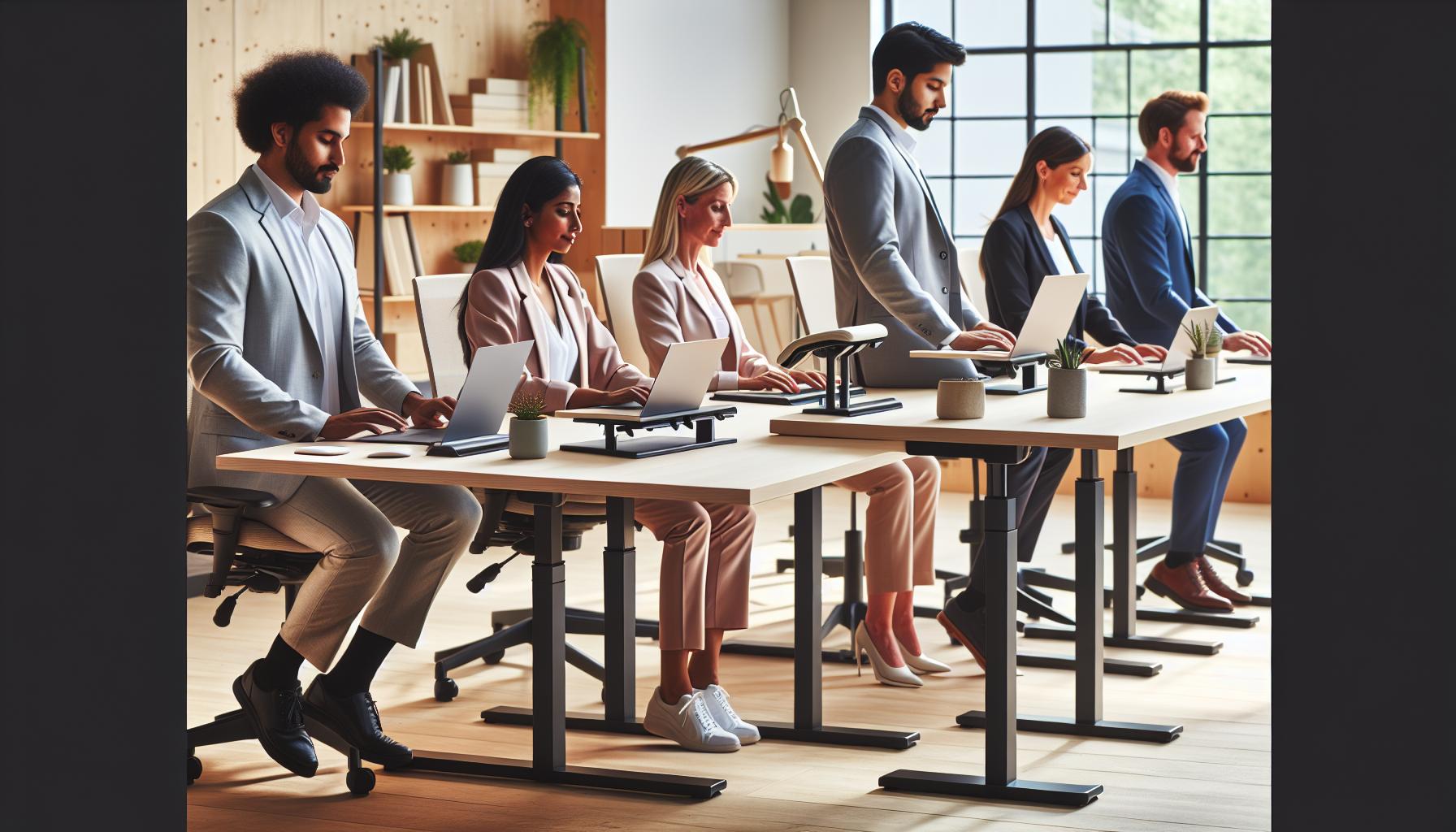
Enhancing Comfort: Ergonomics of Sit-Stand Desks
Ergonomics plays a critical role in ensuring comfort and productivity when using a sit-stand desk. One of the key elements is maintaining a neutral spine position while seated or standing. Ideally, the desk height should be adjusted so that elbows are at a 90-degree angle, with forearms parallel to the ground. This alignment helps to alleviate strain on the neck and shoulders, significantly reducing the risk of discomfort or injury over long periods.
When transitioning between sitting and standing, it’s essential to be mindful of foot placement as well. For standing, distributing body weight evenly on both feet can minimize fatigue. Consider using a footrest to shift weight occasionally, which can help improve circulation in the legs and reduce the discomfort associated with prolonged standing. Furthermore, using an anti-fatigue mat can provide additional support and cushioning to make standing more comfortable.
Creating a comfortable workspace also involves the arrangement of tools and accessories. Keep frequently used items within arm’s reach to avoid overextending and straining muscles. A well-placed monitor at eye level prevents neck strain and encourages better posture whether sitting or standing. Using stands or adjustable arms can help place screens in an optimal position based on individual height and body mechanics.
Lastly, it’s beneficial to implement short movement breaks throughout the day, even when using sit-stand desks. Regularly changing positions not only enhances circulation but also invigorates cognitive function, keeping the mind sharper and more focused. Incorporating stretching or simple mobility exercises can further enhance overall comfort and well-being. By listening to your body and making these ergonomic adjustments, you can turn your sit-stand desk into a powerful tool for better health and productivity.
Boosting Productivity: The Science Behind Movement
Enhancing workplace productivity isn’t just about managing time effectively; it also involves understanding how movement impacts our cognitive function. Research indicates that incorporating movement throughout the workday can significantly energize both the body and brain, leading to heightened focus and creativity. For instance, studies show that alternating between sitting and standing can enhance blood flow, which is crucial for maintaining mental acuity. When you stand, your body tends to be more alert, helping you tackle tasks with renewed vigor.
One of the key mechanisms behind this is the way physical activity influences brain health. Regular movement stimulates the production of neurotrophic factors, proteins that facilitate neuroplasticity – the brain’s ability to adapt and grow new connections. This is vital for learning and memory, making the right balance of sitting and standing not only a comfort advantage but a cognitive one as well. To experience these benefits, consider integrating short, active breaks into your day. Techniques like walking meetings or a few minutes of stretching at your sit-stand desk can refresh both body and mind.
Moreover, movement plays a crucial role in regulating stress and enhancing mood. By shifting positions frequently, you can alleviate physical discomfort that often distracts from productivity. This physical change can have an emotional echo, helping to maintain a positive outlook and reduce anxiety levels. To take full advantage of your sit-stand desk, aim to transition between positions every 30 to 60 minutes, allowing for movement that invigorates rather than exhausts.
In conclusion, utilizing a sit-stand desk is more than just an innovative workspace choice; it embodies a holistic approach to enhancing productivity. By embracing movement as a core aspect of your work routine, you not only empower your physical health but also foster an environment ripe for cognitive enhancement and emotional well-being. Remember, creating a workspace that supports movement is an investment in your most important asset – yourself.
Mental Wellness: How Changing Positions Affects Brain Health
Frequent changes in body position can significantly influence mental wellness and cognitive function. Research suggests that alternating between sitting and standing not only boosts physical comfort but also invigorates the brain. When you stand, your body engages a broader array of muscles, which increases blood circulation and oxygen flow to the brain, enhancing focus, creativity, and overall cognitive performance. This increased blood flow facilitates the delivery of essential nutrients and energy to brain cells, which is critical for efficient functioning.
Moreover, the act of changing positions can positively affect your mood and stress levels. Movement stimulates the release of neurotrophic factors, which support neuroplasticity-the brain’s ability to form new connections and optimize its internal wiring. This responsiveness is essential for learning, memory, and emotional regulation. By integrating short breaks and transitions into your day, you can promote an environment that not only fosters physical well-being but also nurtures mental health.
To maximize the benefits of a sit-stand desk, aim to transition between sitting and standing every 30 to 60 minutes. Here are some practical tips for effectively managing these changes:
- Set reminders: Use alarms or timers to remind you to switch positions regularly.
- Incorporate movement: When standing, consider stretching or shifting your weight to engage different muscles.
- Create an ergonomic setup: Ensure your workstation is adjusted properly to maintain comfort and reduce strain, whether sitting or standing.
- Mindfulness practices: Incorporate deep breathing or short mindfulness exercises during your transitions to help manage stress.
In establishing these habits at work, not only are you working towards better physical health, but you are also nurturing a proactive approach to your mental wellness. Balancing movement with focused work can be an empowering way to enhance productivity while fostering a healthier workplace environment.
Remember, small changes can lead to significant improvements in your overall cognitive health. If you experience any persistent discomfort or stress-related concerns, seeking advice from a qualified health professional will ensure you’re optimizing your workspace for both comfort and productivity.
Setting Up Your Sit-Stand Desk for Success
Creating an effective sit-stand workspace requires more than just having the equipment; it’s about understanding how to configure it to best support your body and cognitive function. A well-set-up sit-stand desk can significantly enhance your comfort, productivity, and overall well-being. To make the most of your sit-stand desk, focus on the height adjustment for both positions and ensure your accessories like monitors and keyboards are ergonomically placed.
Height Adjustment for Optimal Posture
When the desk is in the standing position, your elbows should be at a 90-degree angle with your forearms parallel to the floor. The computer screen should be at eye level, a comfortable distance away-generally 20 to 30 inches. This alignment minimizes neck strain and keeps your wrists in a neutral position, reducing the risk of repetitive strain injuries. For seated work, your feet should be flat on the ground, and your knees at or slightly below hip level. Consider using a footrest to enhance comfort during long periods of sitting.
Supportive Accessories
The right accessories can make a considerable difference. An anti-fatigue mat can add comfort while standing by providing cushioning and stability. If you use a laptop, a laptop stand can elevate your screen to eye level, improving your posture. For keyboard and mouse use, opt for wrist rests to support your wrists and maintain alignment. Keep all tools within easy reach to minimize unnecessary stretching or twisting.
Incorporating Movement into Your Routine
To further optimize your workspace, integrate movement into your routine. Aim to stand for about 15-30 minutes after every hour of sitting. During transitions, allow time for stretching, which can invigorate your muscles and improve circulation. Simple movements like shoulder rolls or calf raises while standing can engage different muscle groups, aiding blood flow and refreshing your focus.
By thoughtfully setting up your sit-stand desk, you create a personalized workspace that supports not just physical comfort but also cognitive efficiency and mental wellness. The small adjustments you make today could lead to significant improvements in your work-life balance, overall well-being, and sustained energy throughout your workday.
Best Practices for Seamless Transitioning
Embracing a sit-stand desk can transform your work experience, but to reap the full benefits, smooth transitioning between sitting and standing is essential. Research shows that incorporating movement throughout your workday helps combat fatigue and enhances mental clarity. To achieve seamless transitions, start by establishing a routine that incorporates short standing sessions throughout the day. For instance, try standing for 15 to 30 minutes after every hour of sitting. This gradual approach not only acclimates your body to standing but also promotes blood circulation and invigorates your focus.
Preparation can also play a key role in making these transitions smoother. Before switching positions, take a moment to stretch and reset your posture. Simple arm stretches or neck rolls can relieve tension and signal your body that a change is coming. When it’s time to adjust your desk height, ensure all your equipment is set up for both sitting and standing positions. For example, your monitor should be at eye level when standing, and your keyboard and mouse should allow your elbows to remain at a comfortable angle. This alignment is crucial for maintaining your ergonomics and preventing discomfort during these transitions.
Moreover, listen to your body. If you feel fatigued while standing, it’s perfectly acceptable to sit down for a while, and vice versa. Understanding your comfort level will help establish a rhythm that works for you. To further enhance your experience, consider using an anti-fatigue mat and supportive footwear when standing; these can considerably reduce strain and improve comfort. Ultimately, making the switch between sitting and standing doesn’t have to be daunting-it can become a refreshing part of your workday that encourages movement and promotes overall health.
Common Mistakes to Avoid with Sit-Stand Desks
Transitioning to a sit-stand desk promises numerous health benefits, but avoiding common pitfalls can significantly enhance your experience and well-being. One prevalent mistake is failing to establish a routine for alternating between sitting and standing. It’s important to remember that simply having a sit-stand desk does not guarantee increased movement. Designating specific times to switch positions, such as standing for 15-30 minutes every hour, can help create a balanced workflow that promotes increased blood circulation and reduces muscle fatigue.
Another common oversight involves improper desk setup that hinders ergonomics. Many users neglect to adjust their monitors, keyboards, and chairs to meet their standing posture needs. For instance, when standing, your monitor should be at eye level, allowing your neck to remain neutral, while your elbows should be at a 90-degree angle with your wrists straight when typing. Regularly reassessing your workstation setup prevents discomfort and potential musculoskeletal issues, ultimately enhancing productivity and focus.
Moreover, some individuals make the mistake of staying in one position for too long, whether sitting or standing, leading to fatigue and decreased concentration. Incorporating micro-breaks-brief intervals to walk, stretch, or simply change your position-can refresh your mental state and prevent stiffness. Research shows that varying your posture not only supports physical well-being but also enhances cognitive performance, making you more effective in your tasks.
Lastly, ignoring the importance of supportive accessories can contribute to an uncomfortable work environment. Using anti-fatigue mats when standing can alleviate strain on your joints and improve overall comfort. Similarly, investing in footwear that provides good arch support will further enhance your standing experience. By being mindful of these common mistakes and actively seeking solutions, you can maximize the benefits of your sit-stand desk, ultimately creating a healthier and more productive workspace.
Comparing Costs: Sit-Stand Desks vs. Traditional Desks
Making the leap to a sit-stand desk is not just a choice for comfort but also a strategic move for long-term health and productivity. However, when considering such an investment, it’s essential to understand the cost implications compared to traditional desks. Sit-stand desks have evolved significantly, and while they may come with a higher initial price tag, the benefits often outweigh the costs when you factor in improved posture, increased energy levels, and overall enhanced well-being.
Typically, traditional desks can range in price from $100 to $500, depending on the material and style. In contrast, sit-stand desks usually start at about $300 and can go upwards of $1,200 for high-quality models with advanced features like electric height adjustment and programmable settings. While this may appear steep at first glance, the investment can save you money in the long run. Improved ergonomics can lead to fewer workplace injuries, a decrease in healthcare costs associated with chronic back pain or repetitive stress injuries, and increased productivity that could translate into financial gains for your business or work output.
Cost-Benefit Consideration
When comparing prices, it’s also important to consider the functionality and adaptability of sit-stand desks. Here are a few factors that highlight their value:
- Health Benefits: Reduced risks of obesity, cardiovascular disease, and musculoskeletal disorders can lead to significant health care savings over time.
- Increased Productivity: Studies show that workers who alternate between standing and sitting tend to be more focused and productive, potentially increasing your output and value.
- Versatility: Many sit-stand desks come equipped with features that enhance usability, such as built-in cable management systems and customizable height settings, which can be a pivotal advantage in shared or dynamic workspaces.
In essence, while the upfront investment in a sit-stand desk might be greater than that of a traditional desk, the potential long-term benefits-increased well-being, productivity, and comfort-can make a compelling case for this modern furniture choice. Thus, considering the perspective of future savings and health improvements is vital in making a judicious decision for your workspace.
User Reviews: Real Experiences with Sit-Stand Solutions
User feedback on sit-stand desks reveals a landscape of diverse experiences highlighting practical benefits and considerations. Many users report a marked improvement in their overall well-being after transitioning to these adjustable workstations. For instance, one user shared that integrating a sit-stand desk into their daily routine not only alleviated chronic back pain but also provided a newfound sense of energy throughout the day. By alternating between sitting and standing, they found it easier to stay engaged and focused on tasks, especially during lengthy meetings or intensive work sessions.
Another common sentiment among users is the desk’s positive impact on their productivity levels. One survey response noted that those who utilized stand-up periods while working were able to think more clearly and make quicker decisions. These users cited an enhanced flow of creativity attributed to the physical changes in posture, supporting the idea that movement can elevate cognitive function. Moreover, many reported finding it easier to combat the infamous post-lunch slump by standing, thereby maintaining momentum without the drag of traditional sedentary postures.
However, transitioning to a sit-stand desk is not without its challenges. Some users initially struggled with finding the right balance between standing and sitting, leading to fatigue in their legs or discomfort in their feet. This highlights the importance of gradually acclimating to new postures and utilizing anti-fatigue mats, which can provide additional support while standing. Guidance from ergonomic experts is also beneficial; many user reviews advocate for routine adjustments based on individual comfort and task requirements-which could further optimize ergonomics in the workplace.
To maximize the benefits of a sit-stand desk, frequent feedback from users emphasizes a proactive approach to customization. Configurations that allow for easy height adjustments, appropriate monitor placement, and supportive peripherals-like keyboard trays-are crucial for creating an inviting workspace. Balancing hardware choices with mindful movement practices, such as pacing or stretching during breaks, can truly foster a healthier and more dynamic work environment. Ultimately, the chorus of user experiences underscores that when effectively integrated, sit-stand desks can serve as powerful tools for enhancing comfort, productivity, and overall workplace wellness.
Choosing the Right Sit-Stand Desk for Your Needs
Selecting the ideal sit-stand desk is a crucial step towards fostering a healthy, productive workspace. With a plethora of options available, it’s essential to consider not only the desk’s features but also how it aligns with your individual needs and work habits. A desk that emphasizes flexibility and customization will not only cater to your physical comfort but also support your cognitive health and overall well-being.
Assess Your Space and Needs
Before diving into specific desk models, evaluate your workspace and assess your personal needs. Consider the following:
- Space Availability: Measure your workspace to ensure the desk will fit comfortably, allowing room for movement.
- Adjustability: Look for desks with a wide height range that can easily transition between sitting and standing. Electric models often offer smoother adjustments than manual lifts.
- Weight Capacity: Ensure the desk can support all your gear, including your monitor(s), laptop, and other accessories.
Ergonomics Matter
Ergonomics play a significant role in how effectively you can use a sit-stand desk. Opt for models that allow you to adjust not just the height, but also the angle of your monitor and keyboard. Keeping your screen at eye level and your arms at a 90-degree angle can help prevent strain and enhance focus. Anti-fatigue mats are also beneficial, as they can provide support when standing, reducing discomfort and keeping you energized throughout your workday.
Add Functional Features
Consider desks that come with additional features to enhance your work experience. For example:
- Cable Management: Built-in cable trays or clips will keep your workspace organized and prevent clutter.
- Integration with Accessories: Compatibility with monitor arms, keyboard trays, and other ergonomic tools is essential for a complete setup.
- Programmable Settings: Some advanced models allow you to save your preferred heights for quick adjustments, making transitions even smoother.
Ultimately, the right sit-stand desk should not just fit your aesthetic-it should also cater to your physical needs and enhance your productivity. Taking the time to understand your requirements and explore various configurations can make a significant difference in your daily routine, transforming your workspace into an environment that promotes both comfort and cognitive clarity. Empower yourself to make informed choices that support your health and productivity as you embrace this dynamic work model.
Biohacking Your Workspace: Optimizing for Focus and Energy
Transforming your workspace can significantly enhance your focus and energy levels, turning a mundane routine into a vibrant environment that promotes productivity. Research indicates that incorporating movement, such as alternating between sitting and standing, can lead to improved cognitive function and better overall mental health. By utilizing a sit-stand desk, you’re not just changing your physical posture; you are actively engaging in biohacking that optimizes your workspace for enhanced performance.
One effective strategy to optimize your environment is to integrate movement throughout your day. Instead of remaining stationary at your desk, set a timer to remind you to switch positions regularly. For instance, after every 30 to 60 minutes, alternate between sitting and standing. This simple act not only alleviates physical strain but also boosts alertness and creativity. Research supports that varied postures can stimulate neuroplasticity-the brain’s ability to reorganize itself by forming new neural connections-enhancing problem-solving skills and your ability to think critically.
Beyond movement, consider your workspace’s sensory environment. The colors, lighting, and sounds around you can have a profound impact on your focus and energy. For example, research suggests that exposure to natural sunlight can increase your mood and energy levels. If possible, position your desk near a window or invest in light therapy lamps. Additionally, incorporating plants into your workspace can significantly improve air quality and boost your mood, fostering a calming atmosphere.
H3: Create a Personalized Ritual
To make the most of your sit-stand desk, establish a personalized work ritual that encourages a mindful approach to your workday. This could include:
- Breathing Exercises: Engage in deep breathing techniques to reduce stress and refocus your energy, especially before transitioning between sitting and standing.
- Movement Breaks: Incorporate short bursts of physical activity, like stretching or a quick walk around your space, to reinvigorate your concentration.
- Hydration and Nutrition: Keep a water bottle at your desk to stay hydrated. Eating brain-boosting snacks, such as nuts or berries, can also enhance cognitive function throughout the day.
Implementing these strategies not only fosters a more dynamic work environment but also encourages a deeper connection between your physical well-being and cognitive performance. As you explore the possibilities of your sit-stand desk, remember that the goal is to create a sustainable routine that enhances your focus and energy while ensuring your physical comfort and health. Engage actively with your workspace to cultivate a balance that promotes productivity and nurturing well-being.
Maintaining Healthy Habits: Staying Active at Work
Staying active at work is more crucial than ever in our increasingly sedentary lifestyles. Research has shown that prolonged sitting is linked to various health issues, including obesity, cardiovascular disease, and even certain cancers. One effective solution for combating these risks is the use of a sit-stand desk, which encourages frequent changes in posture. By alternately sitting and standing, you can reduce the negative effects of prolonged sitting and enhance your overall well-being.
One of the simplest ways to incorporate movement into your workday is to set routine reminders for transition periods. Consider using a timer or an app that prompts you to stand for a few minutes every hour. Even simple movements like stretching or walking in place can greatly boost blood circulation and invigorate your mind. Here are some effective strategies to maintain healthy habits while utilizing a sit-stand desk:
- Stretching Routines: Integrate short stretching sessions every 30 minutes. Focus on stretches that alleviate tension in the neck, shoulders, and back-areas often affected by long sitting periods.
- Walking Meetings: Whenever possible, turn meetings into walking sessions. This not only fosters creativity but also allows you to remain active while engaging with colleagues.
- Quick Fitness Breaks: Dedicate five minutes every hour for simple exercises like calf raises, squats, or even a few jumping jacks. These bursts of activity can counteract sedentary habits and keep your energy levels up.
Moreover, fostering a workspace that promotes physical movement can significantly enhance your work experience. Position your desk in a way that encourages you to move more-perhaps by making frequently-used items slightly out of reach. Additionally, consider using a stability ball as a chair that requires you to engage your core, further enhancing your posture and muscle engagement.
As you cultivate these habits, remember that transformation takes time and consistency. Embrace the journey towards a more active workday as a gradual process rather than an overnight change. By prioritizing movement and maintaining your focus on health and well-being, you can create a vibrant, dynamic workspace that not only supports your physical health but also boosts your cognitive performance.
Q&A
Q: What are the main benefits of using a sit-stand desk?
A: Sit-stand desks offer numerous benefits, including improved posture, reduced back pain, increased energy levels, and enhanced productivity. By alternating between sitting and standing, users can experience reduced sedentary time and promote better overall health. For more details on benefits, see the section on “Key Benefits Explained.”
Q: How can I effectively transition between sitting and standing?
A: To transition effectively, start by standing for 15-30 minutes every hour, gradually increasing duration. Use reminders or an app for motivation. Ensure your desk height is adjusted correctly to maintain ergonomic posture while standing. For best practices, check the section “Best Practices for Seamless Transitioning.”
Q: Are sit-stand desks ideal for everyone?
A: While sit-stand desks can benefit most people by promoting movement, individual needs vary. Those with specific health conditions should consult a medical professional before use. The section “Choosing the Right Sit-Stand Desk for Your Needs” provides insights into personalizing your setup.
Q: How often should I use a sit-stand desk?
A: Ideally, you should alternate between sitting and standing every 30-60 minutes. This balance helps maintain energy levels and reduces the risk of discomfort or fatigue. Explore “Maintaining Healthy Habits” to establish a routine that suits your workflow.
Q: Can a sit-stand desk help improve focus and concentration?
A: Yes, varying your position can boost brain function and creativity. Movement increases blood flow and oxygen circulation, aiding cognitive performance. For more on this topic, see “Boosting Productivity: The Science Behind Movement.”
Q: What common mistakes should I avoid with a sit-stand desk?
A: Common mistakes include staying in one position too long, improper desk height, and neglecting to take movement breaks. Adjust your setup based on your specific needs. For a comprehensive list, refer to “Common Mistakes to Avoid with Sit-Stand Desks.”
Q: How do sit-stand desks compare to traditional desks in terms of cost?
A: Sit-stand desks can be more expensive initially, but they encourage healthier habits, potentially reducing long-term health costs. The section “Comparing Costs: Sit-Stand Desks vs. Traditional Desks” offers a detailed financial analysis for decision-making.
Q: Are there specific sit-stand desk models recommended for home use?
A: Yes, models vary based on space and budget. Look for desks with adjustable heights, sturdy construction, and good reviews. For a curated selection, see the “Choosing the Right Sit-Stand Desk for Your Needs” section for further guidance.
In Retrospect
Thank you for exploring the benefits of sit-stand desks with us! By now, you should see how this simple change can significantly enhance your workplace wellness and cognitive health. Don’t wait to transform your workspace; consider setting up an ergonomic environment today to boost your productivity and well-being. For a step-by-step guide on configuring your perfect standing desk setup, check our article on ergonomic workspaces and discover tips to maximize comfort.
If you have questions or need personalized advice, feel free to leave a comment below or subscribe to our newsletter for more evidence-based strategies on workplace wellness and brain health. Your journey to a healthier workspace starts now, so take action and revisit our resources on stress management techniques and cognitive performance to keep your momentum going. Remember, small adjustments can lead to significant improvements in your daily life!