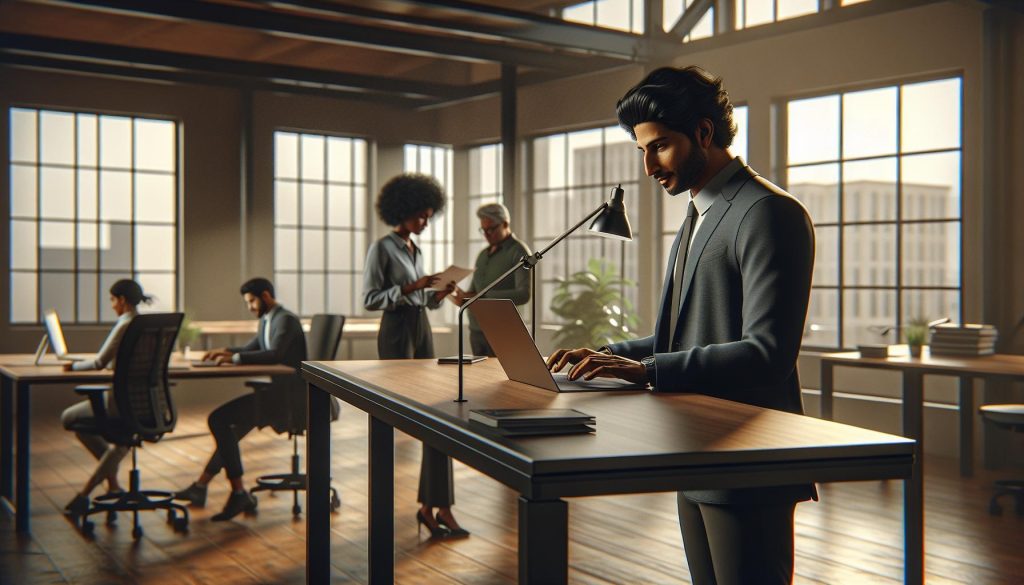
Did you know that sedentary behavior can reduce productivity and increase the risk of health issues like obesity and heart disease? Transitioning to a standing desk can transform your workday, promoting better posture, boosting energy levels, and enhancing cognitive performance. In a world where remote work and digital engagements are the norm, finding ways to integrate movement and cultivate wellness is crucial for both physical and mental health. Embracing a standing desk isn’t just about standing more; it’s about fostering a healthier work environment that nourishes your mind and body. Dive in to explore the many benefits of standing desks, practical setup tips, and how small changes can lead to a more vibrant, productive workday. Your journey to improved workplace wellness starts here!
Understanding the Benefits of Standing Desks for Your Health
Standing for extended periods while working at a desk may seem tiring, yet research reveals that making the switch to a standing desk can significantly improve your health and well-being. Studies indicate that sedentary behavior is linked to numerous health issues, including obesity, cardiovascular disease, and even certain cancers. By incorporating a standing desk into your work routine, you can enjoy a multitude of benefits, encompassing improved posture, increased energy levels, and reduced risk of chronic diseases.
A shift from sitting to standing throughout the workday can foster better metabolic health. When standing, your body engages more muscles than when seated, facilitating calorie burning and blood flow. This activity can contribute to weight management, as standing burns around 50% more calories per hour compared to sitting. Moreover, adopting a standing desk can help mitigate back pain often associated with prolonged sitting, as standing encourages proper spinal alignment. Integrating varying positions during work hours allows for improved muscle engagement and better overall body mechanics.
Furthermore, the psychological benefits of standing desks should not be overlooked. Standing can influence your mood positively, promoting higher overall satisfaction and productivity. In an environment where creativity and cognitive function are crucial, such as in many modern workplaces, a change in posture can help stimulate mental alertness and engagement. By empowering employees to take charge of their seating and standing routines, organizations may foster an overall culture of wellness that leads to more dynamic collaboration and innovation.
Ultimately, transitioning to a standing desk can be a transformative step towards better health. As with any lifestyle change, it’s essential to consult health professionals to ensure a balanced approach and to address any specific health concerns.
How Standing Desks Can Elevate Productivity and Focus
Making the switch to a standing desk can transform your work environment, offering not just physical benefits but also significant enhancements in productivity and focus. Studies suggest that simply altering your posture can drive improvements in cognitive function, allowing for better concentration and creativity. When you’re standing, your blood circulation improves, increasing oxygen flow to your brain, which helps sharpen focus and elevate your workflow. This increased energy can lead to quicker decision-making and more innovative thinking-essential elements in today’s fast-paced work culture.
- Enhanced Alertness: Standing desks can stimulate your alertness levels by keeping you engaged physically and mentally. This increased engagement makes it easier to tackle challenging tasks without feeling fatigued.
- Fewer Distractions: When you’re standing, you’re less likely to fall into the trap of slouching or getting sleepy, common issues with prolonged sitting. This attitude can reduce distractions and help maintain a clearer focus on your objectives.
- Great for Collaboration: In a team setting, standing desks encourage more spontaneous interactions and discussions. When colleagues are not confined to their chairs, they can easily collaborate, share ideas, and foster a more innovative work environment.
To maximize the benefits of a standing desk, it’s crucial to incorporate breaks that include movement throughout the day. Simple practices, such as stretching or walking for a few minutes every hour, boost blood circulation and further stimulate brain activity. Balancing standing with sitting-known as sit-stand flexibility-can help sustain energy levels and minimize discomfort that might arise from standing for extended periods. You might find that setting a timer to remind yourself to alternate positions can lead to a more mindful approach to your work habits.
Ultimately, integrating a standing desk into your workspace-paired with thoughtful ergonomics and regular movement-can serve as a catalyst for increased productivity and cognitive benefits. Remember to consult with health professionals for personalized advice on implementing these changes effectively.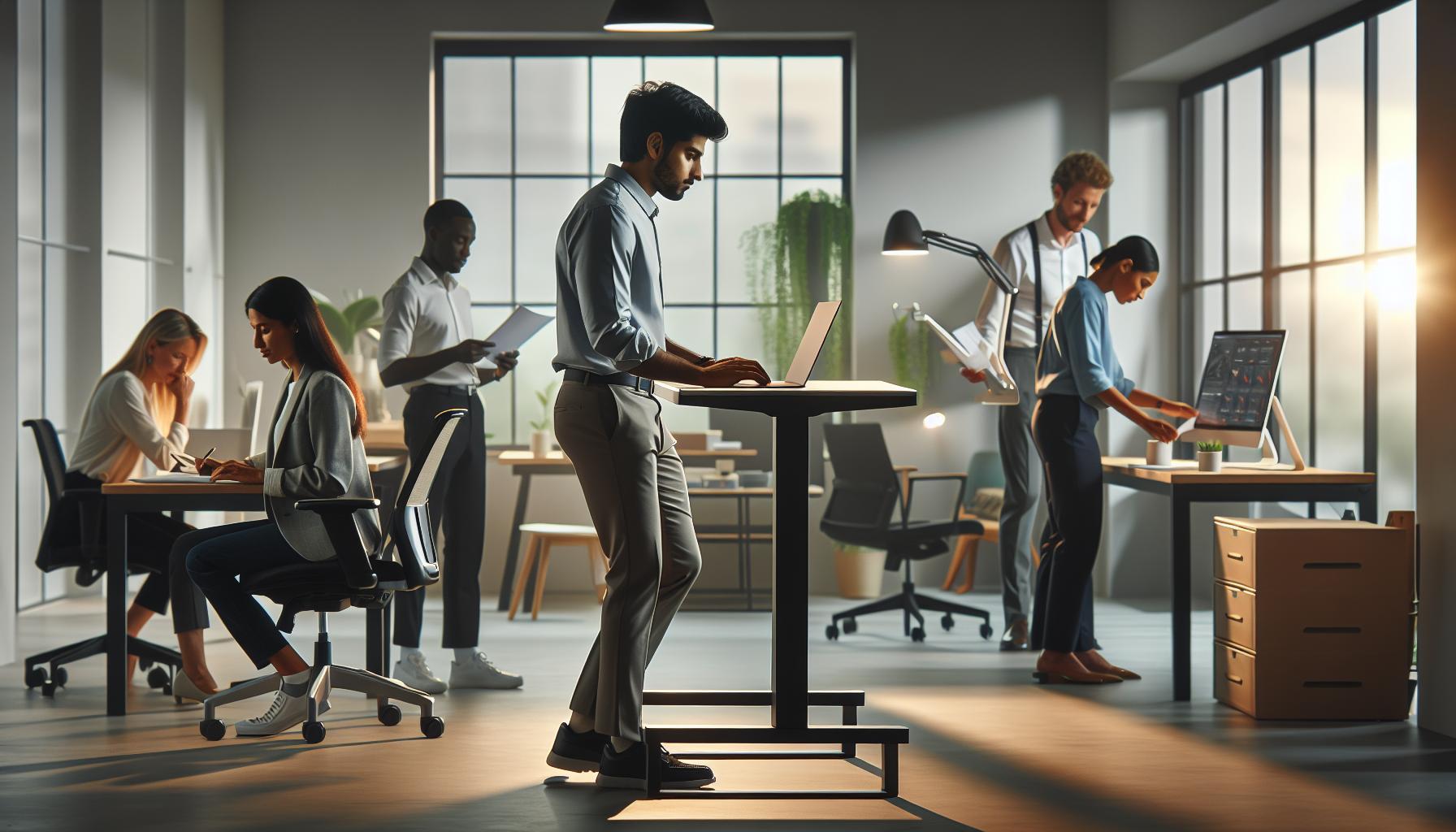
Key Ergonomic Principles for Your Standing Desk Setup
Creating an ergonomic standing desk setup is essential for maximizing the benefits of this style of work environment. The right adjustments can prevent discomfort and improve your overall productivity, helping you harness the advantages of standing while working. A well-designed workspace considers not just your body posture but also the tools you use to support your tasks.
Height Adjustment
The first step towards an ergonomic standing desk setup is ensuring that your desk is at the right height. Ideally, your elbows should be at a 90-degree angle while typing. The keyboard should be positioned so that your forearms are parallel to the ground. If your desk is too low, you may strain your shoulders, while a desk that’s too high can lead to wrist discomfort. Use a height-adjustable desk if possible, and stand with your feet flat on the ground, or on a footrest to help distribute your weight evenly.
Monitor Positioning
Next, consider the placement of your monitor. The top of the screen should be at or just below eye level, allowing you to look slightly down at it. This helps maintain a neutral neck position and prevents strain. The monitor should be positioned about an arm’s length away, allowing for comfortable reading without leaning forward. If you’re using dual monitors, position them so that you can view both without excessive head movement.
Footwear and Floor Support
Footwear plays a crucial role in your comfort when using a standing desk. Choose supportive shoes with ample cushioning to reduce fatigue. Standing for extended periods can also put stress on your feet, so consider using an anti-fatigue mat. These mats provide cushioning and help promote better posture by allowing a slight amount of movement while standing.
Regular Movement
Lastly, remember that standing still for long periods can lead to discomfort just as sitting can. Integrating regular movement into your day is vital. Use reminders to take short breaks, stretch, or walk around. Combining standing with intermittent sitting-sometimes called sit-stand flexibility-will not only enhance your comfort but also boost your energy and productivity levels throughout the day.
By following these ergonomic principles, you can create a standing desk setup that supports not just your physical health but also your cognitive performance, encouraging a more dynamic and engaging workday. Each element contributes to a healthier work environment, fostering both well-being and workplace efficiency.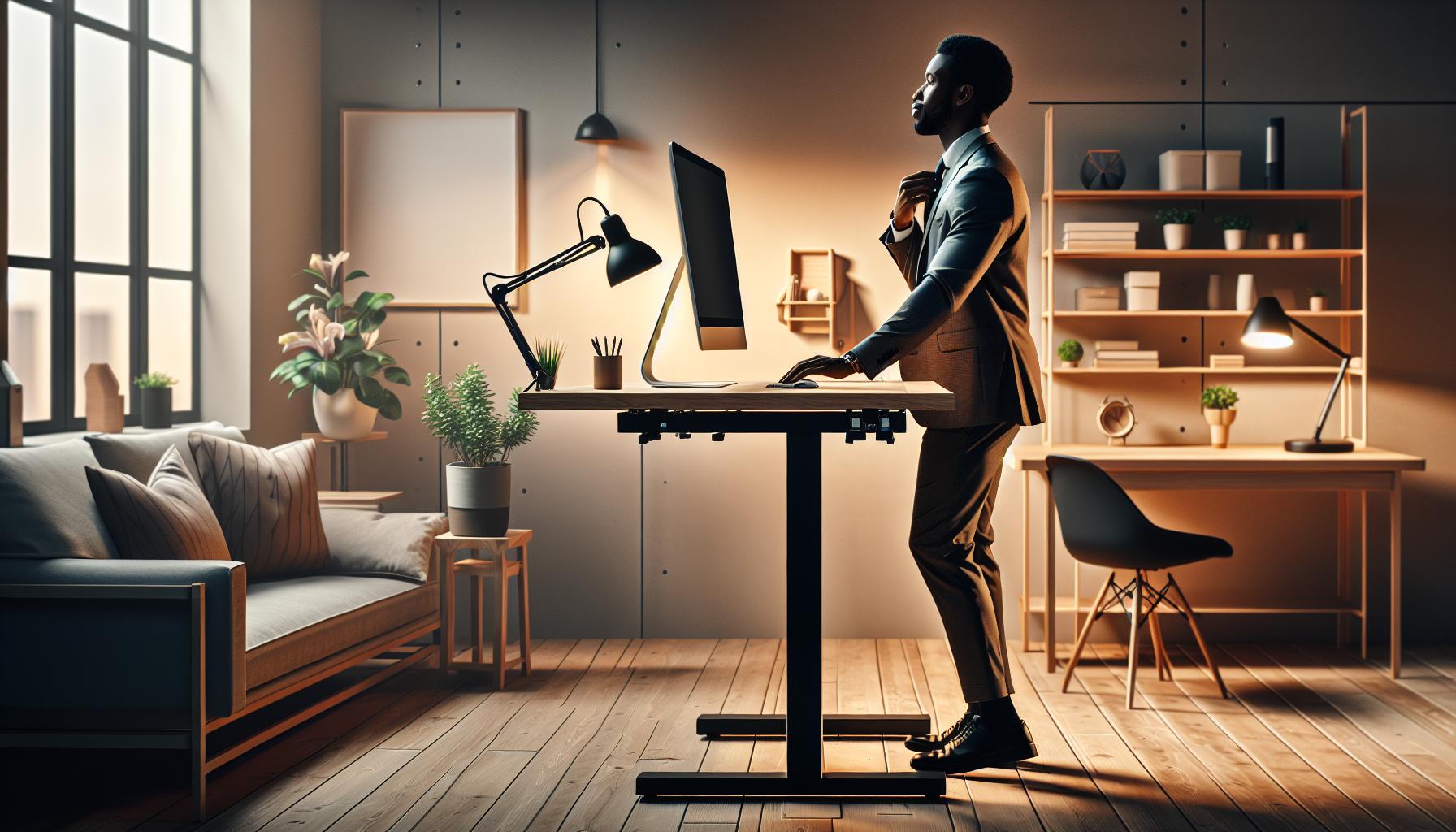
Tips for Transitioning to a Standing Desk Successfully
Transitioning to a standing desk can be an empowering shift in your work routine, but it’s essential to approach this change thoughtfully to maximize the benefits while minimizing discomfort. Research shows that standing desks can reduce risks associated with prolonged sitting, such as obesity, diabetes, and cardiovascular disease. However, the success of this transition relies on understanding how to implement it smoothly into your daily routine.
Start by gradually increasing the time you spend standing at your desk. Aim for a mix of sitting and standing initially, perhaps starting with 15-30 minutes of standing per hour. As your body becomes accustomed to standing, gradually lengthen the standing sessions. This approach can help mitigate fatigue and keep you productive without overwhelming your muscles and joints.
Additionally, the right footwear is crucial. Opt for supportive shoes that provide good arch support and cushioning to minimize strain on your feet and legs. Consider using an anti-fatigue mat to further enhance comfort, as these mats encourage slight movement and promote better posture while standing. Incorporate stretching or simple exercises during breaks to keep your muscles engaged and prevent stiffness. Simple calf raises or stretches can improve circulation and relieve tension.
Finally, listen to your body and adjust your routine based on how you feel. If you notice discomfort, don’t hesitate to take a seat or modify your standing time. Keeping an open dialogue with your body is crucial, as every individual’s experience will differ. Monitoring your endurance levels will help you fine-tune your standing desk strategy to suit your work habits and health goals, ensuring an effective and sustainable transition.
Incorporating Movement: Creating a Dynamic Workspace
Creating a dynamic workspace involves more than just having a standing desk; it requires an intentional blend of movement and ergonomics to foster engagement and productivity. Research indicates that incorporating versatile movement throughout your workday can not only enhance physical comfort but also improve cognitive function. By adopting a more active approach to your workstation, you can significantly boost your focus and overall wellness.
To promote movement in your workspace, consider implementing the following strategies:
- Micro-Movements: Integrate small activities into your routine, such as stretching or walking in place while on a call. These micro-movements can boost circulation and provide a mental break without disrupting your workflow.
- Scheduled Movement Breaks: Set a timer to remind yourself to take breaks for movement every 30 to 60 minutes. Use these intervals for quick walks around the office or simple exercises like squats or lunges. This interval training not only helps combat fatigue but also enhances your energy levels.
- Walking Meetings: Whenever feasible, swap traditional sitting meetings for walking meetings. This not only fosters collaboration in a fresh environment but can also inspire creativity and reduce stress levels.
- Exercise Equipment: Incorporate tools like balance boards, resistance bands, or even a small stationary bike at your desk. These additions can facilitate movement while working, allowing you to engage multiple muscle groups and keep your mind sharp.
Furthermore, establishing a workspace layout conducive to movement encourages environmental interaction. Place resources you frequently use slightly out of reach, prompting you to stand and grab them. Create designated areas for collaboration that require standing or walking to engage with colleagues. Implementing these movement-oriented habits within your workspace creates a vibrant environment that not only promotes physical health but also supports improved cognitive function, enhancing creativity and problem-solving skills.
Given the significant relationship between physical activity and brain health, maintaining an environment that encourages movement directly contributes to your cognitive performance. Embracing a dynamic workspace doesn’t just lead to better posture and reduced discomfort; it cultivates a culture of vitality where productivity flourishes, making your workday not just bearable, but genuinely enriching.
The Science Behind Standing Desks and Brain Health
Research has shown that the way we choose to work can significantly influence not only our physical health but also our cognitive functions. One fascinating aspect of standing desks is their impact on brain health. When you engage in a standing position, your body promotes better blood circulation, which is essential for optimal brain function. Improved blood flow brings more oxygen and nutrients to brain cells, enhancing cognitive performance, reaction times, and even mood levels.
Furthermore, standing desks can aid in combating the negative effects of long periods of sedentary behavior, including those associated with traditional sitting workspaces. A sedentary lifestyle has been linked to declines in neuroplasticity, the brain’s ability to adapt and rewire itself in response to new information or experiences. By simply incorporating standing into your work routine, you might enhance your brain’s capacity to learn and improve memory retention, making it easier to acquire new skills and enhance creative thinking.
Incorporating a standing desk requires careful consideration of its ergonomic setup to maximize its benefits. Ensure that your monitor is at eye level and your elbows are at a 90-degree angle to maintain proper posture. This setup will help reduce physical strain while increasing the efficacy of the brain by promoting a more alert state. Additionally, combining standing with micro-movements-such as stretching or shifting weight from one foot to another-can further stimulate circulation and mental acuity.
To truly harness the power of standing desks for brain health, consider integrating short, focused breaks that encourage movement. Engaging in brief walking or stretching exercises not only alleviates tension but also rejuvenates cognitive functions, allowing for sharper focus once you return to your tasks. These seemingly small changes in your day-to-day work environment can significantly boost your overall mental performance and well-being.
Maximizing Comfort: Accessories for Your Standing Desk
Creating a comfortable and productive workspace is essential for anyone using a standing desk, as discomfort can negate the many benefits of this setup. Investing in the right accessories not only supports your physical well-being but also enhances cognitive performance by allowing you to focus deeply without interruptions caused by discomfort or fatigue. With the right tools, you can transform your standing desk into a haven of productivity.
Key Accessories to Enhance Comfort
To maximize comfort at your standing desk, consider the following essential accessories:
- Anti-Fatigue Mat: Standing for long periods can lead to fatigue, especially in your legs and lower back. An anti-fatigue mat provides cushioning and support, reducing strain while encouraging subtle movements that enhance circulation.
- Monitor Stand or Arm: Positioning your monitor at eye level is crucial for maintaining good posture. A monitor stand or an adjustable arm allows you to customize the height and angle, helping avoid neck strain and promoting better ergonomics.
- Ergonomic Keyboard and Mouse: Using devices designed to minimize wrist and hand strain can significantly ease the discomfort that may arise when typing or clicking for extended periods. Look for keyboards with a split design and mice that fit comfortably in your hand.
- Footrest: A footrest promotes movement by allowing you to shift your weight, which can help alleviate tension in your legs and lower back. Opt for a footrest that encourages small shifts or an inclined position.
Integrating Comfort into Your Routine
Incorporating these accessories into your daily routine is just the beginning. Regularly adjusting your workspace based on your comfort and activity levels is vital. For instance, alternate between standing and sitting by using a height-adjustable desk; this flexibility allows your body to engage different muscle groups throughout the day. Additionally, integrating small movements such as stretching or walking can drastically improve your comfort and mental acuity.
By thoughtfully equipping your standing desk with supportive accessories and adopting a mindful approach to your workstation habits, you’ll not only enhance your physical comfort but also cultivate an environment that fosters productivity and creativity. Remember, the goal is to create a dynamic workspace that adapts to your needs, promoting both health and high performance.
Addressing Common Concerns About Standing Desks
Many individuals considering a standing desk often express common concerns, such as the potential for discomfort or adverse health effects. These concerns are understandable, especially since the transition from a traditional sitting setup can feel daunting. However, research indicates that when used correctly, standing desks can be a pivotal tool for improving overall well-being and productivity in the workplace.
One significant concern is the risk of fatigue associated with prolonged standing. To address this, it’s crucial to incorporate supportive features into your workspace. Utilizing an anti-fatigue mat can greatly minimize the strain on your legs and lower back by providing cushioning and promoting subtle movement. Furthermore, it’s advisable to alternate between sitting and standing throughout your workday. This strategy not only helps mitigate fatigue but also encourages the engagement of different muscle groups, enhancing blood circulation and energy levels.
Another common worry is the potential for developing musculoskeletal issues due to improper ergonomics. This can be effectively managed by familiarizing yourself with key ergonomic principles: ensure your monitor is at eye level, keep your elbows at a 90-degree angle, and use an ergonomic keyboard and mouse. These adjustments can significantly reduce the risk of discomfort and injury over time. Engaging in regular stretching or incorporating short walking breaks is also beneficial, as it refreshes your body and mind, contributing to cognitive performance.
Additionally, it’s vital to listen to your body and make adjustments based on your comfort and energy levels. If you start to feel fatigued or experience discomfort, change your position or take a brief walk. Balancing standing with sitting creates a dynamic work environment that can lead to better focus and productivity while safeguarding your health in the long run. Always remember, if you have existing health concerns, consulting with a healthcare or ergonomic professional can provide personalized guidance tailored to your individual needs.
Biohacking Your Work Environment for Optimal Performance
One of the most powerful strategies to enhance your work environment for peak performance involves leveraging innovative techniques rooted in the science of biohacking. Biohacking your workspace means actively optimizing your physical and mental conditions to amplify productivity, creativity, and overall well-being. It’s about making small changes that yield significant benefits, from your standing desk setup to your daily routines.
To start, ensure your standing desk is tailored to your unique ergonomics. Here are a few actionable steps to biohack your workspace:
- Adjust Height Correctly: Your standing desk should allow your elbows to remain at a 90-degree angle while typing, with your monitor positioned at eye level. This reduces strain on your neck and back.
- Create a Personal Comfort Zone: Incorporate items that enhance comfort, such as an anti-fatigue mat, wrist rests, or footrests. These additions help maintain focus and promote healthy blood circulation.
- Incorporate Natural Elements: Bringing plants or natural light into your workspace can significantly boost your mood and cognitive function. Studies have shown that greenery can reduce stress and enhance creativity.
- Designate Movement Times: Schedule regular movement breaks. For example, using a timer to remind yourself to stretch or walk around every 30 to 60 minutes can refresh your mind and combat fatigue.
Additionally, nutrition plays a crucial role in how effectively your brain functions. Opt for brain-boosting snacks like nuts, berries, and dark chocolate that offer quick energy without the crash associated with high-sugar items. Hydration is also essential-keeping a water bottle at your desk reminds you to drink regularly, which supports cognitive clarity and reduces fatigue.
Lastly, consider mindfulness practices such as deep breathing or short meditation sessions during the day. Even a five-minute mindfulness break can greatly improve your focus, reduce stress levels, and encourage a more balanced perspective on your work tasks. Through these biohacking practices, you can cultivate an empowering workspace that not only caters to your physical needs but also nurtures your mental acuity, ultimately transforming your approach to work and enhancing your overall well-being.
Long-Term Effects of Standing Desks on Wellbeing
Incorporating a standing desk into your workspace not only transforms your physical posture but can have profound long-term effects on your overall well-being. Research has begun to unveil the pivotal role that our work environments play in shaping our health and cognitive performance. By adopting a standing desk, many individuals report improved energy levels, increased focus, and a reduction in discomfort associated with prolonged sitting. Studies even suggest that using a standing desk can lower the risk of chronic illnesses such as heart disease, diabetes, and obesity.
As you stand more frequently, your body engages different muscle groups, leading to a more dynamic work experience. This change can enhance circulation, reduce fatigue, and even bolster mood. The act of standing has been linked to higher levels of productivity, owing to the increased blood flow and oxygen to the brain, which can enhance cognitive functions such as memory and concentration. Regular movement while working at a standing desk fosters neuroplasticity, the brain’s ability to adapt and change, providing a basis for improved learning and memory retention.
To reap the maximum benefits in the long term, it’s crucial to pay attention to your ergonomics and ensure your setup promotes proper posture. A well-organized ergonomic workspace minimizes strain and maximizes comfort, allowing you to maintain this healthy lifestyle choice without discomfort. Consider investing in accessories like anti-fatigue mats, keyboard trays, and monitor stands to ensure your body is well-supported throughout the day. Moreover, incorporating movement breaks into your routine-such as simple stretching or walking around-can further enhance your physical and mental well-being.
In addition to the physical and cognitive advantages, a standing desk can positively influence emotional health by fostering a more proactive mindset. The act of standing reinforces a sense of agency and presence, which can translate into better engagement with work tasks. By taking charge of your workspace and prioritizing your health, you’re more likely to manage workplace stress effectively and create a harmonious work-life balance. Remember, while standing desks offer significant benefits, they are most effective when balanced with regular movement and mindfulness practices, creating a comprehensive approach to your well-being.
Standing Desks vs. Traditional Desks: A Comprehensive Comparison
Research shows that the average adult spends nearly eight hours a day sitting, which can lead to a myriad of health concerns, including obesity, cardiovascular disease, and decreased cognitive function. In contrast, standing desks offer an innovative solution to this sedentary lifestyle, allowing for healthier work habits. Understanding the differences between standing desks and traditional desks can help you make an informed decision that promotes both your physical and mental well-being.
One of the primary advantages of standing desks is the opportunity they provide to reduce prolonged sitting. By incorporating periods of standing into your workday, you encourage better posture and muscle engagement. Traditional desks often contribute to slouched postures and stagnant energy levels, while standing desks can promote circulation, boost energy, and fight fatigue. Research indicates that individuals who use standing desks report higher productivity levels compared to those who remain seated for extended periods. This increase in productivity can be attributed to better circulation and oxygenation of the brain, enhancing cognitive abilities such as focus and memory.
However, the transition from a traditional desk to a standing desk should be approached thoughtfully. Ergonomics play a vital role in maximizing the benefits of a standing desk setup. Ensuring that your computer monitor is at eye level, your keyboard is at elbow height, and your feet are well-supported is fundamental to preventing discomfort. Accessories such as anti-fatigue mats and supportive footwear can further enhance your standing experience. While standing desks can provide significant benefits, it is essential to balance standing with movement. Incorporating regular breaks to walk and stretch ensures that the potential disadvantages of standing for prolonged periods are minimized.
Ultimately, selecting between a standing desk and a traditional desk depends on individual preferences and needs. Some individuals may thrive with a dynamic work environment that emphasizes mobility, while others may need a combination of both options to find their ideal balance. Regardless of your choice, fostering awareness of how you engage with your work environment can lead to improved health and well-being, enabling you to manage stress effectively and enhance overall productivity.
Strategies for Maintaining Energy Throughout Your Workday
To combat the mid-afternoon slump that many experience during the workday, maintaining energy and focus is essential. Research shows that short bursts of movement and intentional breaks can profoundly impact productivity and cognitive function. By integrating specific strategies into your work routine, you can enhance your energy levels and stay engaged throughout your day.
Movement Breaks
One effective way to maintain energy levels is by taking regular movement breaks. Standing desks provide an excellent opportunity to incorporate more dynamic movements into your workday. Set a timer to remind you to stretch or take a quick walk every 30 to 60 minutes. Simple movements like leg lifts, stretching your arms overhead, or even a short walk around the office can rejuvenate your mind and body.
Hydration and Nutrition
Staying hydrated plays a crucial role in sustaining energy levels. Aim to drink water throughout the day, as dehydration can lead to fatigue and decreased cognitive performance. Additionally, pay attention to your snack choices. Opt for brain-boosting foods rich in nutrients, such as nuts, fruits, and yogurt, which can help maintain stable blood sugar levels and cognitive function.
Mindful Breathing
Incorporating mindfulness practices, such as mindful breathing exercises, can significantly enhance your mental clarity and reduce stress throughout the workday. Take a few moments to focus on your breath; inhale deeply through your nose, hold for a few seconds, and then exhale slowly. This simple practice not only aids in relaxation but also boosts cognitive function and helps you regain focus.
Optimizing Your Workspace
Lastly, ensuring your workspace is ergonomically optimized can prevent discomfort and distractions that drain your energy. Position your screen at eye level, keep your chair and desk height conducive to posture, and use accessories like an anti-fatigue mat for standing desks. A comfortable workspace can significantly reduce strain and free up mental energy for more vital tasks.
By combining movement, mindful eating, deep breathing, and an ergonomic setup, you can create a dynamic work environment that keeps your energy levels high. These practices not only enhance productivity but also contribute to long-term cognitive health, allowing you to thrive in your workday.
FAQ
Q: What are the health benefits of using a standing desk?
A: Using a standing desk can improve posture, reduce the risk of weight gain and obesity, lower blood sugar levels, and decrease the risk of heart disease. These advantages help create a healthier work environment and promote overall wellness. For more information, check out the section on Understanding the Benefits of Standing Desks for Your Health.
Q: How can a standing desk improve my productivity at work?
A: A standing desk can lead to increased energy levels, enhanced focus, and reduced fatigue. The higher energy levels often translate to improved task performance and efficiency, making it an excellent option for enhancing productivity during your workday.
Q: What accessories can I use with a standing desk for better ergonomics?
A: Essential accessories for optimizing ergonomics with a standing desk include anti-fatigue mats, keyboard trays, and monitor stands. These tools can help you maintain proper alignment and comfort while standing, which is covered in the section on Maximizing Comfort: Accessories for Your Standing Desk.
Q: How should I transition from sitting to using a standing desk?
A: Gradually transitioning is key; start by alternating between sitting and standing for 30-minute sessions. Incrementally increase your standing time each week to acclimate your body and minimize discomfort. Consider following the tips provided in Tips for Transitioning to a Standing Desk Successfully.
Q: Can I still incorporate movement with a standing desk?
A: Yes, incorporating movement is essential. Regularly shifting your weight, using a footrest, or taking short walks can enhance circulation and reduce fatigue while using a standing desk. Explore more in the section Incorporating Movement: Creating a Dynamic Workspace.
Q: Are there any drawbacks to using a standing desk for long hours?
A: Yes, potential drawbacks include discomfort in the legs and feet, back pain, and fatigue if standing for extended periods without breaks. It’s important to balance standing with sitting and incorporate breaks to mitigate these issues, as addressed in Addressing Common Concerns About Standing Desks.
Q: How does using a standing desk impact brain health?
A: Standing desks can positively affect brain health by promoting better blood flow, which enhances cognitive functions like focus and memory. The section on The Science Behind Standing Desks and Brain Health elaborates on this relationship.
Q: What is the difference between a standing desk and a traditional desk?
A: The primary difference is height; a standing desk is designed for use while standing, reducing sedentary behavior. Traditional desks encourage prolonged sitting, which can lead to various health issues. This comparison is thoroughly covered in Standing Desks vs. Traditional Desks: A Comprehensive Comparison.
Closing Remarks
Are you ready to elevate your work experience with a standing desk? Transitioning to a standing desk can enhance not just your physical comfort but also boost your productivity and mental clarity. As you consider this transformative change, explore our comprehensive guides on setting up an ergonomic workspace and cultivating healthy work habits. Don’t let indecision hold you back-visit our resource on biohacking techniques to optimize brain health and workplace wellness today!
If you’re still weighing your options, check out testimonials from our community who have experienced remarkable improvements in their workplace vitality. Remember, small adjustments can lead to significant results. Subscribe to our newsletter for the latest tips on stress management and cognitive performance, and take the next step toward a healthier work life. Your journey to enhanced well-being starts now-don’t wait!