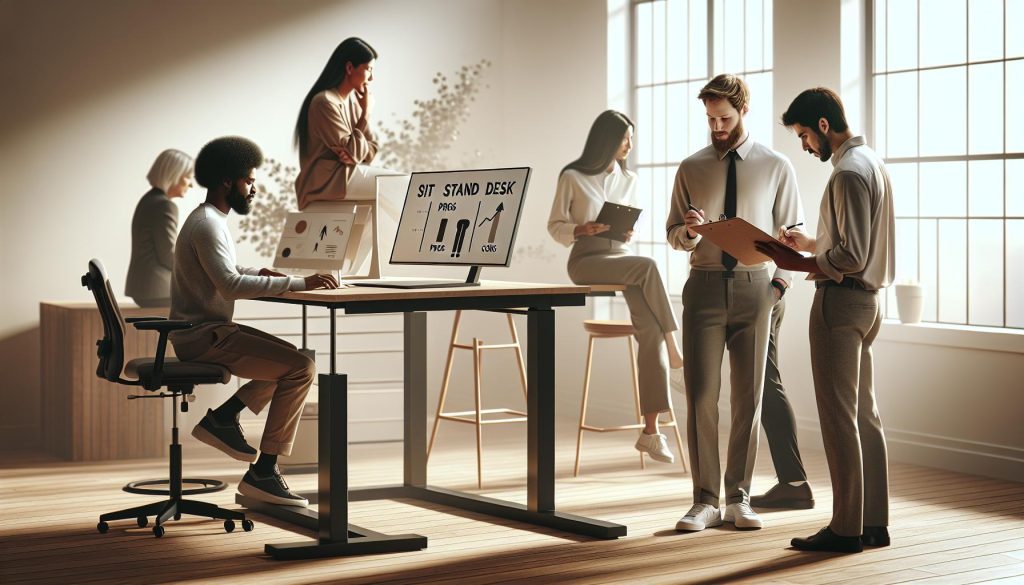
In our increasingly sedentary world, adopting a sit-stand desk has emerged as a popular strategy for enhancing both workplace wellness and productivity. Research shows that prolonged sitting can lead to various health issues, including discomfort and decreased cognitive function. By allowing you to easily alternate between sitting and standing, these desks can promote better posture, reduce fatigue, and even boost your energy levels throughout the day. However, they also come with considerations that are important to weigh-such as the potential for discomfort if not used correctly. Whether you’re aiming to improve your physical health or enhance your work efficiency, understanding the pros and cons of sit-stand desks is crucial. Join us as we delve deeper into the benefits, drawbacks, and practical tips for making the most out of your workspace. Your journey to a healthier, more dynamic work environment starts here!
Should I Consider a Sit Stand Desk?
Research indicates that sitting for prolonged periods can have detrimental effects on both physical and cognitive health. As many of us navigate workdays filled with extended hours at our desks, the consideration of a sit-stand desk has surged in popularity. These desks allow users to alternate between sitting and standing, potentially reducing the risks associated with sedentary behavior while promoting better posture and circulation. However, deciding whether to invest in one involves weighing various factors that align with your personal work style and health needs.
For those seeking to improve their overall well-being and productivity, a sit-stand desk can provide a flexible solution. Many users report experiencing reduced back pain and increased energy levels when transitioning to this work setup. Moreover, standing while working can enhance engagement and focus, as physical movement has been shown to boost brain function and creativity. This alignment with workplace wellness can lead to improved cognitive performance, making it an appealing option for those concerned about the impacts of prolonged sitting.
However, potential drawbacks do exist. Transitioning to a sit-stand desk requires thoughtful consideration of ergonomics to prevent strain or discomfort. Additionally, some individuals may find it challenging to adapt to a standing position for extended periods. It’s crucial to listen to your body, incorporating regular movement breaks and varying your position throughout the day to maintain comfort and productivity. Consulting with workplace ergonomics experts can help optimize the setup, ensuring that the desk complements your individual needs rather than complicating them.
Ultimately, a sit-stand desk can be a valuable addition to your workspace, but it’s essential to evaluate if it fits your lifestyle, work habits, and health goals. With adaptable features and ergonomic considerations, these desks offer a pathway to healthier work practices, engaging your body and mind simultaneously.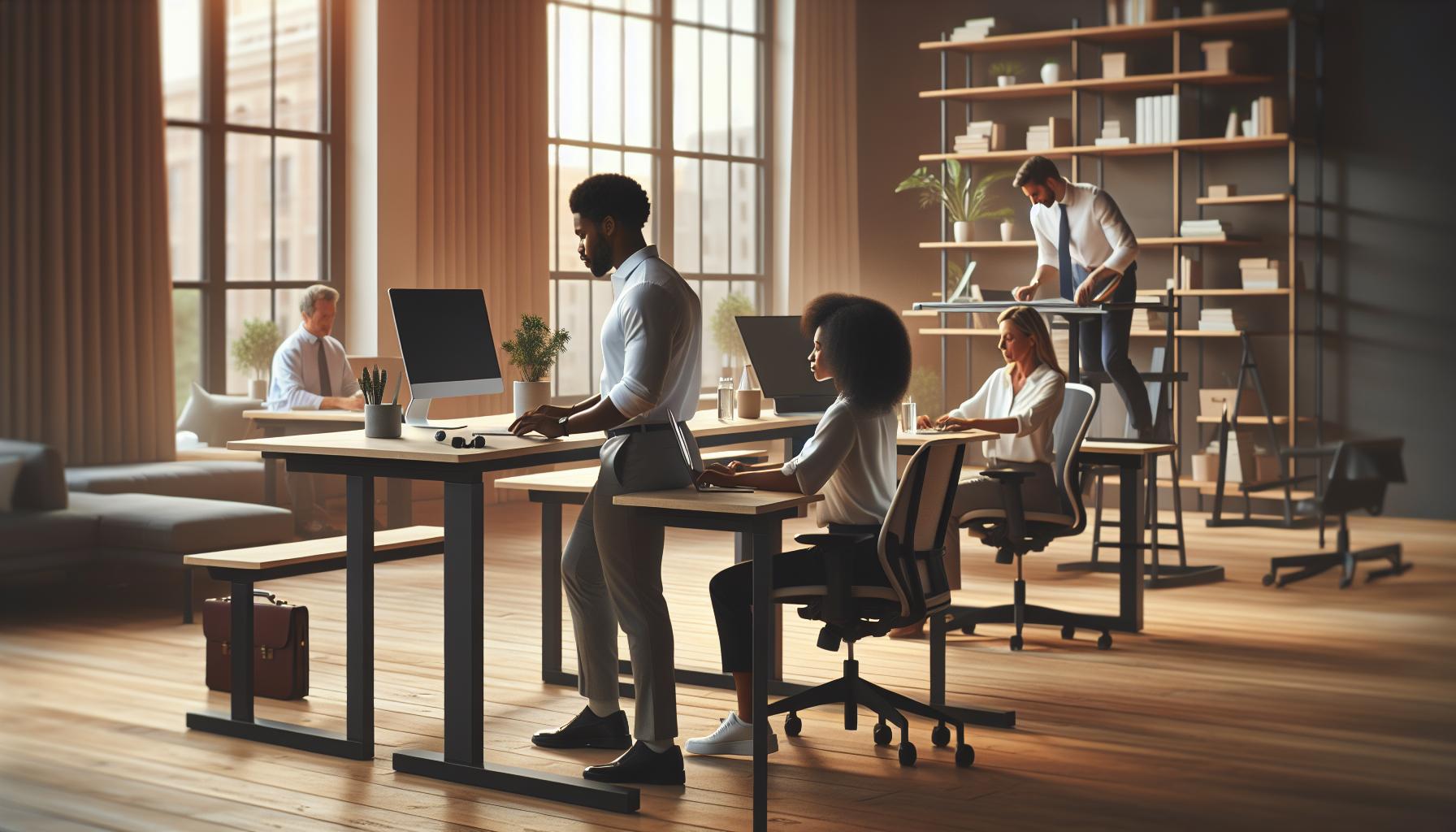
Understanding the Benefits of Sit Stand Desks
Integrating a sit-stand desk into your workspace can transform not only your physical health but also enhance your cognitive performance and productivity levels. Research suggests that alternating between sitting and standing can help mitigate the risks associated with prolonged sedentary behavior, such as obesity, cardiovascular issues, and even certain types of cancer. Engaging your body by standing more frequently contributes to improved circulation and may decrease the likelihood of developing musculoskeletal pains, especially in the back and neck.
Beyond the physical advantages, the mental health benefits are equally pronounced. Standing desks have been linked to improved mood and energy levels. This boost in morale not only helps in reducing fatigue but also enhances creativity and problem-solving capabilities. When your body is engaged, your brain may respond more favorably, creating a more vibrant work environment. The incorporation of movement into your workday also promotes neuroplasticity, the brain’s ability to rewire itself, which is crucial for learning and adaptability in dynamic work settings.
To maximize the benefits of a sit-stand desk, consider these actionable strategies:
- Gradual Integration: Start with standing intervals of 15-30 minutes, gradually increasing as you grow more comfortable.
- Posture Awareness: Maintain an ergonomic posture while standing-feet should be hip-width apart, knees slightly bent, and monitor at eye level.
- Movement Breaks: Incorporate short breaks to stretch or walk around, further enhancing circulation and preventing fatigue.
In conclusion, investing in a sit-stand desk can significantly contribute to a healthier work style, helping you strike a balance between comfort and productivity. By understanding the benefits and taking thoughtful actions to integrate standing into your day, you can enhance not only your physical well-being but also your cognitive performance, paving the way for a more effective and energized work experience.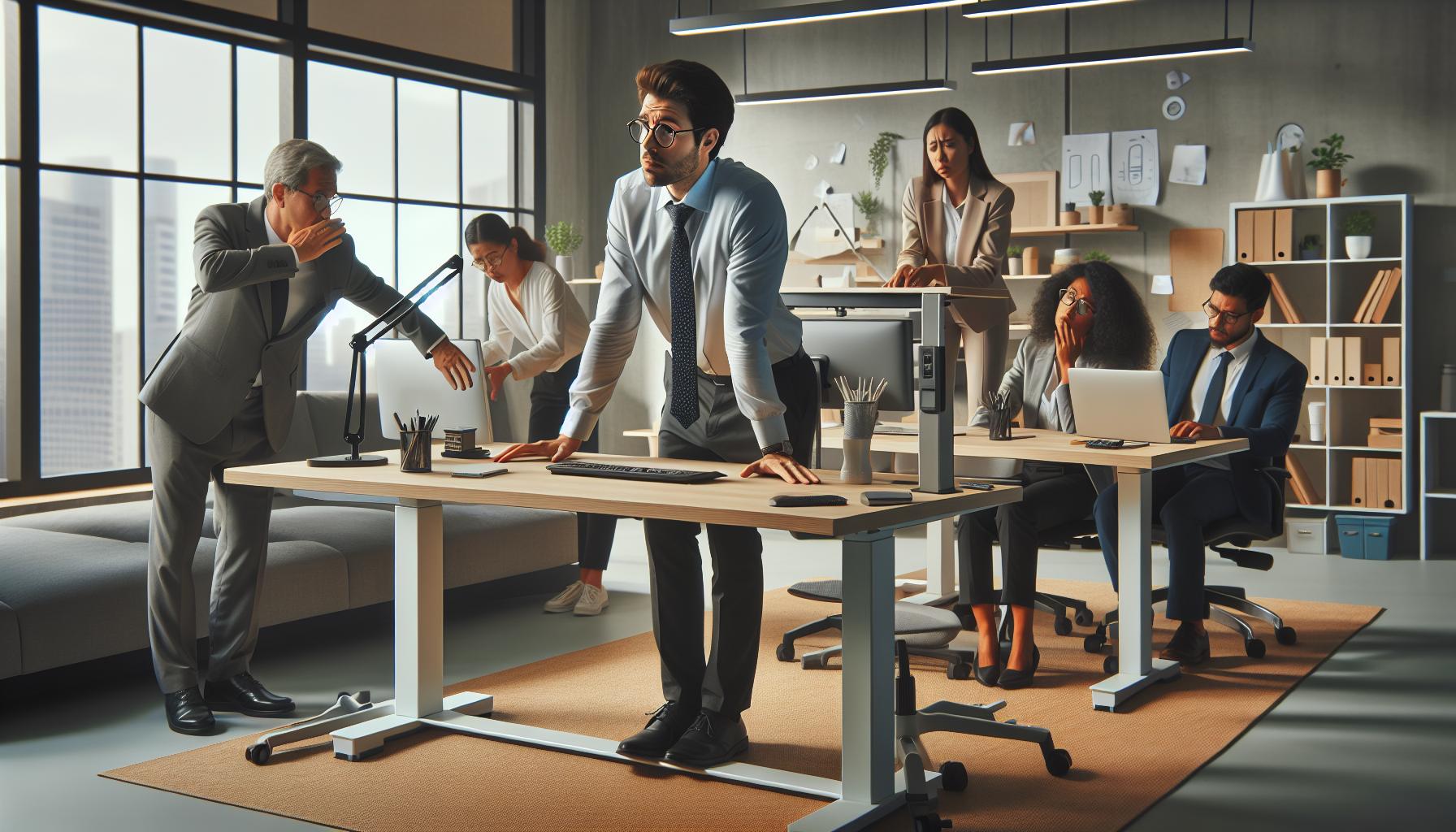
Potential Drawbacks of Sit Stand Desks
Transitioning to a sit-stand desk may sound like a straightforward path to improving your work life, but it’s essential to understand that there can be significant drawbacks to this seemingly ideal solution. One concern is the adjustment period; many users initially experience discomfort as their bodies adapt to prolonged standing. This discomfort can manifest as fatigue in the legs and feet, or even back pain if the desk is not set up correctly. It is crucial to remember that simply standing does not negate the risks associated with poor ergonomics.
Another potential drawback is the risk of overuse injuries. While standing desks can reduce certain health risks, standing for too long can also lead to other issues, such as joint problems or varicose veins. The body needs movement, and remaining in one position for extended periods-whether sitting or standing-can lead to stiffness and muscle strain. It’s advisable to adopt a balanced approach by setting timers to remind you to switch positions or take short movement breaks, promoting better circulation and reducing the risk of injury.
Cost Considerations
Financial considerations also come into play when evaluating sit-stand desks. These desks typically come with a higher price tag compared to traditional desks. It’s important to assess your budget and determine if the potential health benefits justify the additional expense. Additionally, some employees may find themselves in environments where their employers do not offer sit-stand desks, creating a challenge for individuals looking to enhance their workspace without incurring personal expenses.
Finally, there can be a perception issue within workplace cultures. If colleagues are mostly seated, choosing to stand might draw unwelcome attention or even change the dynamics of collaboration. Work environments that promote mobility and support diverse work styles are ideal, but those with rigid cultural norms may pose additional challenges to successfully integrating a sit-stand desk into your routine.
Being aware of these drawbacks can empower you to make a more informed decision. By taking proactive steps-such as ensuring proper ergonomic setup and integrating movement into your day-you can still harness the advantages of a sit-stand desk while minimizing potential downsides.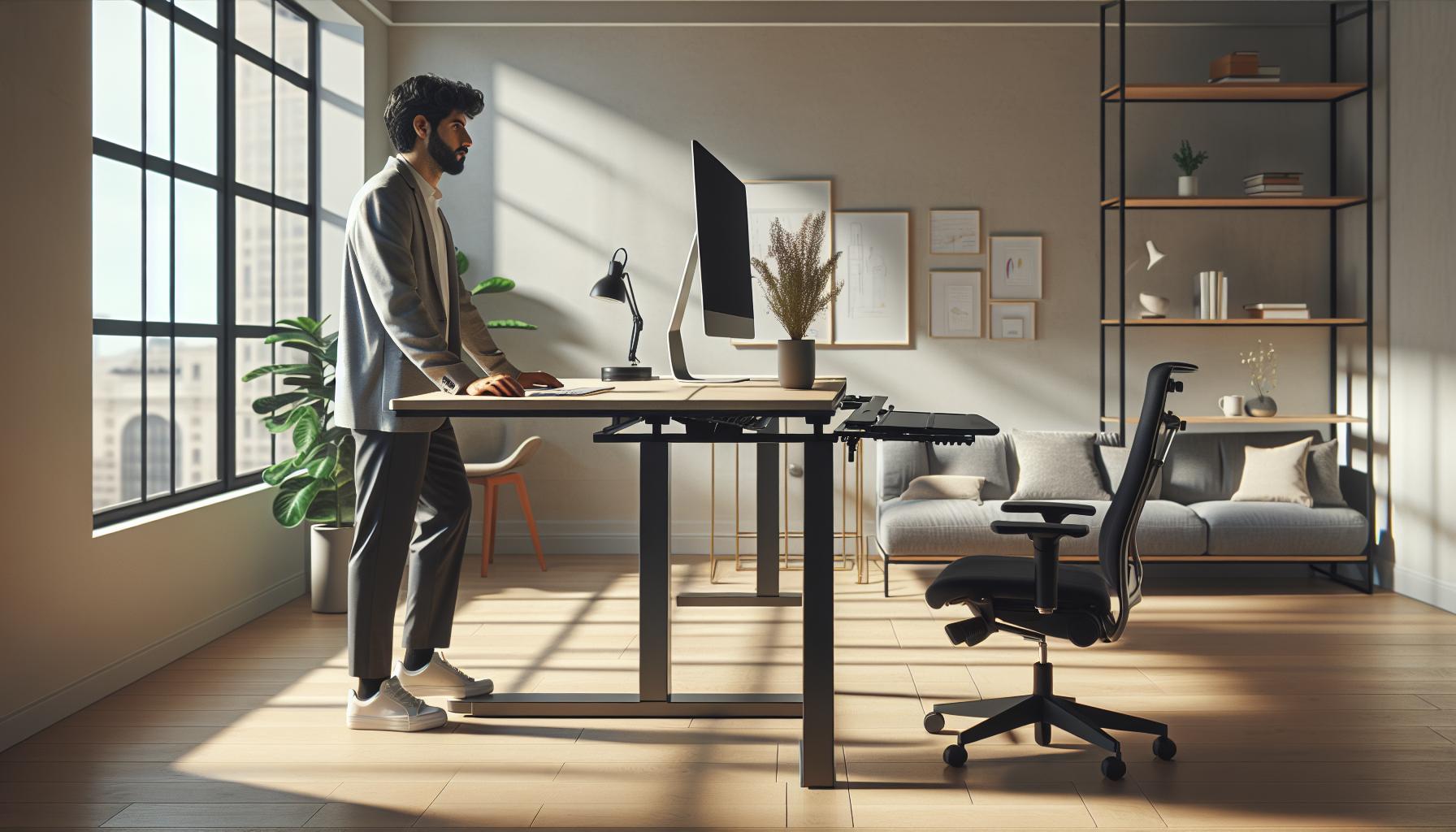
Ergonomic Setup: Best Practices for Sit Stand Desks
Adjusting your workspace for maximum comfort and productivity is crucial, especially when transitioning to a sit-stand desk. The key to reaping the benefits of a sit-stand desk lies in its ergonomic setup. Factors such as desk height, monitor placement, and proper posture can significantly influence your comfort and overall work experience. Research shows that an optimized workspace can reduce fatigue, enhance focus, and even contribute to better health outcomes.
To set up your sit-stand desk ergonomically, follow these best practices:
Desk Height
- Standing Position: The desk height should allow your elbows to bend at about a 90-degree angle or slightly obtuse. Your wrists should remain flat while typing, avoiding any bending or stretching.
- Sitting Position: When seated, your feet should rest flat on the ground, and your knees should be at or slightly below hip level. Adjust the chair height to align your elbows at the same level as the desk.
Monitor Placement
Proper monitor placement can prevent neck strain and fatigue. Follow these guidelines:
- The top of the monitor screen should be at or slightly below eye level, about an arm’s length away.
- Angle the monitor screen slightly back (10-20 degrees) to reduce glare and promote a comfortable viewing position.
Posture Awareness
Maintaining an ergonomic posture is vital whether you’re sitting or standing.
- Standing: Distribute your weight evenly on both feet, and avoid locking your knees. Consider using a footrest to shift your weight and promote movement.
- Sitting: Keep your back straight and shoulders relaxed, avoiding hunching over your desk. Use a chair that supports your lower back.
Accessories to Enhance Comfort
Integrating ergonomic accessories can further enhance your workspace:
- Wrist Rests: Use wrist rests when typing to maintain a neutral wrist position.
- Anti-Fatigue Mats: When standing, consider using an anti-fatigue mat to reduce discomfort and encourage subtle movement.
- Monitor Stands or Arms: These can help achieve the optimal screen height and distance.
By prioritizing ergonomic setup when transitioning to a sit-stand desk, you not only enhance your immediate work environment but also invest in your long-term health. Implement these best practices to create a workspace that supports your physical well-being and boosts your productivity. Remember, if you have specific back issues or other health concerns, consulting with a healthcare professional for personalized advice is always prudent.
Effects of Sit Stand Desks on Health and Productivity
The switch from a traditional desk to a sit-stand desk isn’t just a change in furniture; it’s an investment in your overall well-being and productivity. Research has increasingly shown that altering our postures throughout the day can lead to significant benefits for both health and work performance. Standing desks promote movement, which is crucial in combating the sedentary lifestyle many office workers face, with studies linking prolonged sitting to a heightened risk of chronic diseases, including obesity, diabetes, and cardiovascular issues.
One of the key benefits of using a sit-stand desk is the enhancement of energy levels and mood. Alternating between sitting and standing can help maintain higher energy levels throughout the workday, reducing feelings of fatigue and improving concentration. A study revealed that employees using sit-stand desks reported less fatigue and more engagement at work compared to those remaining seated all day. This boost in energy can significantly translate into increased productivity and creativity, enhancing overall work output.
It’s also important to consider the ergonomic impact of these desks. By promoting better posture and reducing neck and back pain, sit-stand desks can enhance comfort while working, further increasing focus and efficiency. Standing can encourage better spinal alignment and reduce the strain that comes with prolonged sitting. However, the effectiveness of a sit-stand desk depends heavily on its ergonomic setup and proper usage. It’s crucial to switch positions regularly and maintain good posture-standing with knees slightly bent and weight distributed evenly-thereby maximizing the health benefits and minimizing potential discomfort.
In addition to physical benefits, the psychological aspects play a significant role in workplace wellness. Choosing to stand while working can create a sense of motivation and engagement, giving employees a feeling of empowerment over their workspace. However, to make the most of this transition, incorporating short breaks and movement throughout the day remains essential. Encourage practices such as walking meetings or brief standing stretches, which can further enhance the positive effects on mental clarity and reduce stress, ultimately fostering a healthier and more productive work environment.
How to Transition to a Sit Stand Desk Smoothly
Making the shift to a sit-stand desk can feel daunting, but with thoughtful preparation and gradual adjustments, you can make this transition seamless and beneficial. One effective strategy is to start small; instead of aiming to stand for hours at a time right away, begin with short intervals. For example, start by standing for 15-20 minutes every hour during your workday, then gradually increase that time as your body becomes accustomed to the new position. Keeping a timer or reminder on your phone can help maintain accountability during this initial phase.
Creating an ergonomic setup is crucial for enjoying the full benefits of your sit-stand desk. Ensure that your monitor is at eye level and your keyboard is positioned so your elbows can remain at a 90-degree angle. When standing, distribute your weight evenly across both legs, and consider using a footrest to promote occasional weight shifts, which can prevent fatigue. To facilitate a smooth transition, keep essential items within reach regardless of your position-this may involve organizing your workspace by height or using desktop trays.
Incorporating movement into your day is equally vital. Regular transitions between sitting and standing can lead to enhanced focus and performance. Schedule brief walking breaks or stretching sessions to refresh your mind and body. These movements stimulate blood flow and help prevent the discomfort associated with prolonged positions, thereby boosting your overall energy throughout the day.
Lastly, listen to your body. If you experience discomfort or fatigue, reassess your time allocation between sitting and standing. Tailor your approach based on how you feel, and don’t hesitate to return to sitting if needed. After a few weeks of practice, you’ll likely feel more balanced and energized, recognizing that your desk is an empowering tool for both your physical and mental well-being.
Cost Comparison: Sit Stand Desks vs Traditional Desks
The decision to invest in a sit-stand desk involves discerning their cost-effectiveness compared to traditional desks. While both options serve the primary function of providing workspace, the long-term health benefits and productivity enhancements that sit-stand desks can offer make them a compelling choice despite their higher upfront costs.
Sit-stand desks typically range from $300 to over $1,000, depending on the features such as height adjustability, material quality, and additional functionalities like built-in storage or cable management. In contrast, conventional desks can be found at a lower price point, generally from $100 to $500, without the adjustable capabilities. However, when evaluating the total cost of ownership, it’s essential to consider more than just the initial investment:
- Health Considerations: The increase in sedentary lifestyles has been linked to various health issues, including obesity and cardiovascular diseases. Investing in a sit-stand desk may reduce long-term health care costs by promoting more movement throughout the day.
- Productivity Gains: Research indicates that alternating between sitting and standing can enhance focus and reduce fatigue, potentially leading to greater productivity. This can result in a significant return on investment over time as employees engage more effectively in their work.
- Ergonomic Benefits: Properly designed sit-stand desks facilitate better posture and reduce the risk of musculoskeletal disorders. This can translate to reduced absenteeism and higher morale within the workplace.
When planning a budget, consider the potential for employer reimbursements for ergonomic furniture, which can mitigate costs. Furthermore, the durability of quality sit-stand desks often surpasses that of traditional desks, meaning they can be more economical in the long run. Ultimately, assessing the value of health, productivity, and comfort against the price is crucial. A sit-stand desk is not merely a purchase; it represents an investment in enhanced well-being and effectiveness in your workspace.
User Reviews: Real Experiences with Sit Stand Desks
Many users of sit-stand desks have reported transformative experiences that enhance workplace comfort and productivity. After making the switch, individuals often share that they feel more energetic and focused throughout their workdays. For instance, one user noted a dramatic decrease in afternoon fatigue and an increase in overall engagement with tasks. This change is frequently attributed to the ability to alternate between sitting and standing, which many find revitalizing. Moreover, having the option to stand during meetings or phone calls has led to more dynamic interactions, fostering a sense of collaboration and movement.
Feedback on ergonomic benefits is also prominent, with many users stating they’ve experienced a noticeable reduction in back and neck pain. A specific user highlighted that, after using a sit-stand desk for several months, their chronic neck discomfort, which had previously impacted focus, diminished significantly. This improvement underscores the physiological benefits of improved posture and ergonomic positioning that such desks facilitate. Users often recommend adjusting the desk height to align with the elbows and monitor for optimal posture during both sitting and standing positions.
However, experiences can vary. Some users report challenges when first transitioning to a sit-stand desk, feeling fatigued after prolonged standing or uncertain about the best way to switch between positions effectively. Initial adjustments may include utilizing anti-fatigue mats or setting reminders to alternate positions every 30 minutes. A few users suggest starting with short standing intervals and gradually increasing them to find a comfortable balance between sitting and standing without added strain.
Reflecting on these diverse experiences, it’s clear that while sit-stand desks can offer significant wellness benefits, thoughtful transition strategies and ergonomic adjustments are crucial for maximizing these advantages. Ultimately, responsive listening to one’s body and making incremental adjustments can lead to a more comfortable and productive workspace.
Addressing Common Concerns About Sit Stand Desks
Many potential sit-stand desk users share common concerns, ranging from doubts about ergonomic benefits to the practicality of integrating these desks into their daily routines. One compelling fact to consider is that research suggests that alternating between sitting and standing can result in improved energy levels, reduced fatigue, and enhanced productivity. However, these benefits can be overshadowed by initial discomfort or uncertainty about how to use a sit-stand desk effectively.
Managing Transition Challenges
The transition to a sit-stand desk can be managed effectively by developing a thoughtful approach. Many new users initially face fatigue when standing for prolonged periods or struggle with how frequently to switch positions. A practical tip is to incorporate short standing intervals-start with just 15 to 30 minutes of standing every hour and gradually increase this duration as comfort improves. Using an anti-fatigue mat can also make standing less straining and more enjoyable, providing cushioning that supports your feet and legs.
Potential Ergonomic Missteps
Users often need guidance in achieving the correct ergonomic setup, which can prevent strain and discomfort. It’s essential to ensure that the desk height aligns properly with your elbows when typing, and the monitor is positioned at eye level to avoid neck strain. Aiming for a neutral posture, whether sitting or standing, is key-feet should be flat on the ground or resting on a footstool, and shoulders relaxed. Keeping essential items within arm’s reach can help reduce unnecessary bending and stretching, further enhancing overall comfort.
Addressing Health Concerns
While concerns about health issues related to prolonged standing or poor posture are valid, many of these can be mitigated through informed choices. Engaging in regular movement throughout the day, such as stretching or brief walks, can combat the risks associated with both sitting and standing too long. Additionally, consulting with a healthcare professional can offer personalized guidance, particularly for individuals with pre-existing conditions that may be exacerbated by changing work positions.
By actively addressing these concerns with proactive strategies and ergonomic awareness, individuals can fully experience the transformative benefits of a sit-stand desk, fostering a healthier and more dynamic workspace.
Designing a Healthy Workspace with Sit Stand Desks
Creating a workspace that promotes health and well-being can significantly enhance your productivity and cognitive function. The right design elements in your sit-stand desk setup can lead to improved focus, reduced fatigue, and a greater sense of balance throughout your workday. Consider this: research highlights the importance of a well-structured workspace in fostering cognitive performance, with ergonomic choices playing a pivotal role in overall job satisfaction.
To start designing your healthy workspace, prioritize the ergonomic setup of your sit-stand desk. Ensure that your screen is at eye level to prevent neck strain and your elbows rest comfortably at a 90-degree angle when typing. This configuration not only enhances comfort but also reduces the risk of repetitive strain injuries. Remember, the goal is to maintain a neutral posture. Your feet should be flat on the ground or supported by a footrest, and your back should rest against the chair in a supported position.
Implementing Flexibility
Integrating flexibility into your workspace can also play a vital role in your health. Alternate between sitting and standing throughout your day, and utilize reminders or apps to encourage movement. Start with intervals of 15-30 minutes of standing, gradually increasing as your body adapts. Incorporate anti-fatigue mats to cushion your feet and provide additional comfort while standing.
Additionally, integrating plants or natural light can boost your mood and cognitive health. Studies show that exposure to nature can reduce stress and enhance creativity. Simple touches, such as positioning your desk near a window or using live plants, can create an inviting atmosphere that fosters well-being and focus.
By setting up your workspace with intentionality-prioritizing ergonomics, flexibility, and comfort-you can create an environment that not only enhances productivity but also supports your overall health. This balanced approach cultivates a more dynamic work environment, where both your physical and cognitive needs are met.
Tips for Maintaining Energy Levels at Work
Maintaining energy levels throughout your workday can significantly impact your productivity and overall well-being. One effective way to achieve this is through regular movement and strategic ergonomic practices. Research has shown that prolonged sitting can lead to fatigue and decreased cognitive function. Consider incorporating short breaks into your routine-every hour, take a moment to stand up, stretch, or walk around your workspace. These micro-movements help to increase blood circulation, refresh your mind, and can even spark creativity.
To enhance your energy levels, optimize your sitting and standing intervals by following a structured routine. Start with 30 minutes of sitting followed by 10-15 minutes of standing. Gradually adjust this ratio based on your comfort and fatigue levels. Tools such as standing desk timers can facilitate this transition by reminding you when to switch positions. Additionally, using an anti-fatigue mat while standing can make a noticeable difference in your comfort, allowing you to sustain longer periods on your feet without discomfort.
Incorporate Nutrition and Hydration
Your diet plays a vital role in how energetic you feel throughout the day. Focus on consuming balanced meals rich in whole foods, such as fruits, vegetables, lean proteins, and whole grains. These foods provide sustained energy rather than quick spikes followed by crashes. Keep healthy snacks, like nuts or yogurt, within reach to refuel during the day. Equally important is hydration; aim to drink plenty of water. Dehydration can lead to fatigue and decreased cognitive function, so keep a water bottle at your desk as a reminder to sip regularly.
Lastly, leveraging technology can support your energy maintenance efforts. Numerous apps remind you to take breaks or guide you through quick desk exercises. Integrate mindfulness practices into your day with short meditation breaks or breathing exercises; even a few minutes of focused breathing can increase mental clarity and energy. By implementing these strategies-ranging from movement and nutrition to utilizing technology-you’ll cultivate a workspace that not only enhances your energy levels but also supports overall workplace wellness.
Exploring Alternatives to Sit Stand Desks
In the quest for a healthier workspace, sit-stand desks are often viewed as the gold standard. However, they aren’t the only option for promoting better posture and combating the adverse effects of prolonged sitting. Exploring a variety of alternatives can help you find the best solution for your unique work style and physical needs.
For starters, active sitting solutions, such as balance ball chairs, saddle stools, or wobble stools, encourage movement and engage core muscles. These options foster a dynamic sitting experience, promoting better posture while allowing the user to shift and lean as they work. Incorporating such tools into your routine can enhance core strength and alleviate some of the discomfort associated with static sitting.
Another effective alternative is the use of walking desks, which combine traditional workstation elements with the benefits of walking. These desks typically feature a treadmill or are set up beside one, allowing users to walk at a slow pace while completing tasks. This not only helps reduce sedentary time but also contributes to overall cardiovascular health. Even a simple solution like scheduling walking meetings or breaks can be beneficial for both productivity and physical activity.
Moreover, consider implementing a flexible work arrangement that encourages a mix of activities, such as working from a standing or walking position during phone calls or brainstorming sessions. Establish a habit of moving at regular intervals by setting reminders to stand up or take a brief stroll. Simple changes like these can significantly impact overall wellness and cognitive function while reducing fatigue associated with prolonged sitting.
Incorporating these alternatives not only diversifies your working posture but also fosters a more engaging and health-conscious workplace atmosphere. Evaluate what resonates best with you and your workflow, as the ultimate goal is to enhance your productivity and well-being while effectively combating the downsides of a modern office environment.
Frequently asked questions
Q: What are the main benefits of using a sit-stand desk?
A: The primary benefits of sit-stand desks include improved posture, reduced risk of chronic diseases, and increased energy levels. Alternating between sitting and standing can enhance productivity and help alleviate discomfort associated with prolonged sitting. For more detailed insights, refer to the section on understanding the benefits of sit-stand desks.
Q: How can a sit-stand desk affect my productivity?
A: A sit-stand desk can positively impact productivity by promoting movement and reducing fatigue. Studies suggest that varying your position may enhance focus and alertness, leading to better work outcomes. To explore more, check the effects of sit-stand desks on health and productivity in the article.
Q: What is the best way to transition to a sit-stand desk?
A: Gradually transitioning to a sit-stand desk is recommended. Start by alternating between sitting and standing every 30 minutes, then increase standing time as you adjust. Setting reminders can also help ensure a balanced schedule. For additional tips, see how to transition to a sit-stand desk smoothly.
Q: Are there any long-term health risks associated with sit-stand desks?
A: While generally beneficial, some risks may include fatigue from excessive standing or poor posture if the desk is not set up ergonomically. It is important to maintain a balance between sitting and standing. For more information, consult the potential drawbacks of sit-stand desks section.
Q: Can children benefit from a sit-stand desk?
A: Yes, children can benefit from sit-stand desks as they promote movement and help maintain focus during study or homework. This flexibility can be particularly helpful for active kids who may struggle to sit still for long periods. Explore more ergonomics for workspaces in the relevant sections of the article.
Q: How do I maintain a healthy posture while using a sit-stand desk?
A: To maintain a healthy posture, ensure that your monitor is at eye level and your shoulders remain relaxed. Keep your elbows close to your body and at a 90-degree angle. Regular breaks for stretching can also help. For best practices, refer to the ergonomic setup guidelines.
Q: What are the average costs of a sit-stand desk compared to traditional desks?
A: Sit-stand desks typically range from $200 to over $1,000, depending on the model and features, which may make them pricier than traditional desks. However, the investment can be worthwhile considering their potential health benefits. See the cost comparison section for a detailed breakdown.
Q: Can I convert my existing desk to a sit-stand desk?
A: Yes, you can convert your existing desk using conversion kits or desk risers designed for this purpose. These solutions provide an economical way to achieve sit-stand functionality without purchasing a new desk. For further insights, refer to the section on exploring alternatives to sit-stand desks.
The Way Forward
Deciding whether to invest in a sit-stand desk can significantly influence your workplace wellness, productivity, and overall health. By understanding both the advantages and potential downsides, you can make an informed choice that aligns with your lifestyle and work habits. Remember, incorporating movement into your daily routine can play a crucial role in reducing fatigue and improving your cognitive performance.
If you’re still unsure, explore our resources on setting up ergonomic workspaces and the impact of standing desks on brain health. Be sure to check out our detailed guide on stress management techniques and how to maintain a balanced work-life harmony. Don’t hesitate to take action-consider browsing our range of standing desks or signing up for our newsletter for more insights on optimizing your workspace for better health and productivity. Your well-being is just a decision away!