
In today’s increasingly desk-bound world, many people are turning to standing desks as a remedy for the health challenges associated with prolonged sitting. But do these desks truly make a difference, or are they just another workplace trend? Understanding the real impact of standing desks is crucial for anyone looking to enhance their workplace wellness and cognitive function. This exploration goes beyond anecdotal evidence, delving into science-backed measurements that shed light on their effectiveness. If you’re curious about optimizing your work environment for better health and productivity, stay with us. The results might surprise you and motivate you to take actionable steps towards a more dynamic and engaging workday.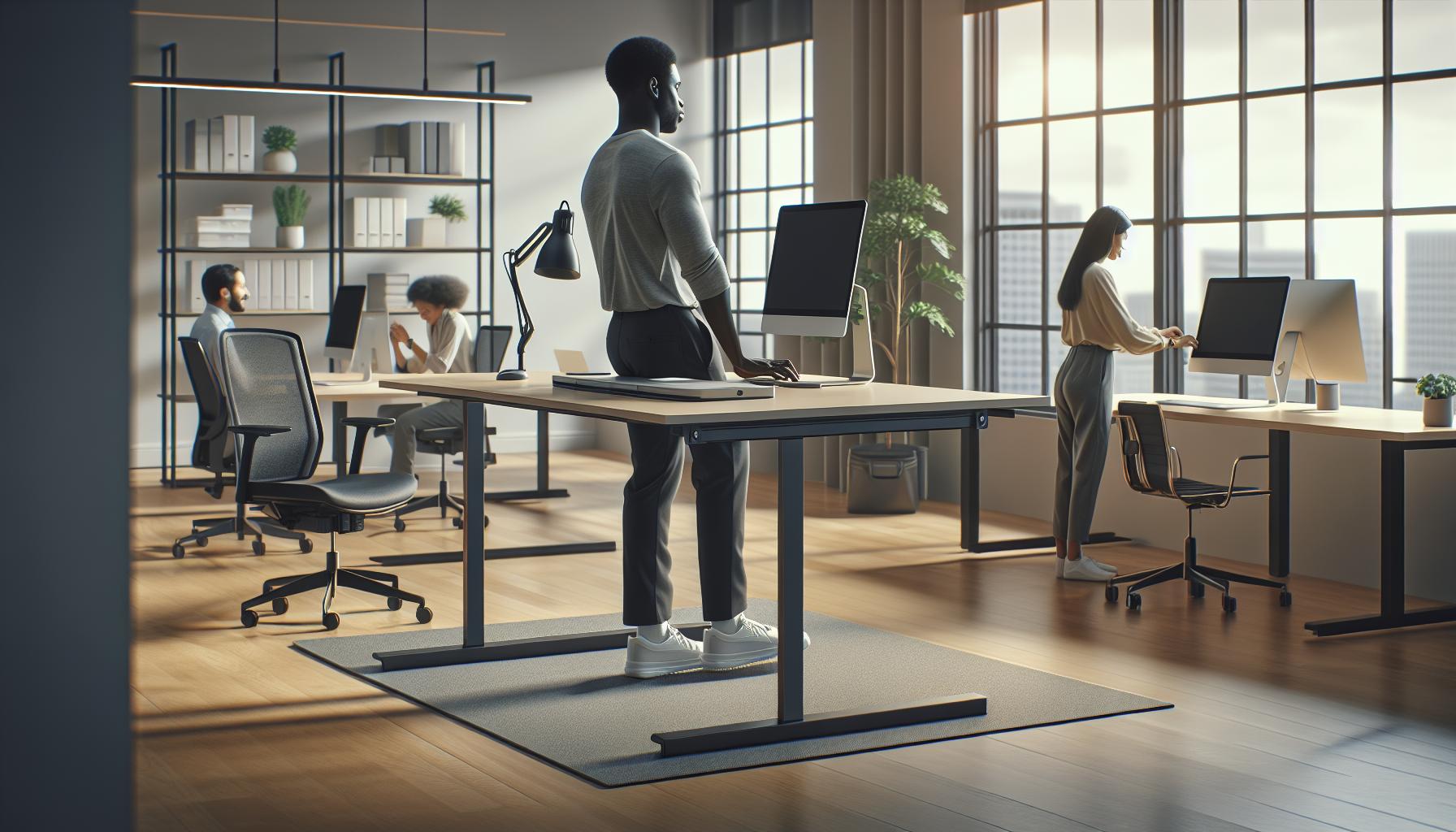
Understanding the Science Behind Standing Desks
Studies indicate that using standing desks can significantly influence our health and productivity, shifting our approach to traditional work environments. The underlying science revolves around the concept of movement and its direct correlation to our physiological and cognitive well-being. When we stand rather than sit during our work hours, we engage more muscle groups, improve our circulation, and boost our metabolism, all of which play a crucial role in enhancing overall energy levels.
Research suggests that prolonged sitting is linked to a variety of health issues, including obesity, cardiovascular disease, and diabetes. In contrast, standing while working has been shown to reduce back pain and increase life expectancy. When we stand, we stimulate blood flow, which not only contributes to heart health but also ensures that essential nutrients and oxygen are efficiently delivered to the brain. This supports cognitive functions, making us more alert and capable of complex problem-solving.
Moreover, standing desks can positively affect our mental state. The act of changing positions encourages a dynamic work environment that fosters creativity and motivation. Integrating standing desks into our daily routines is not just about the physical act of standing; it’s about creating an environment that promotes flexibility and energy. Scientific evidence emphasizes the importance of adopting an ergonomic setup to maximize the benefits of standing desks, as proper alignment and posture are crucial for preventing strain and discomfort.
Incorporating a standing desk into your workplace can be an empowering step towards enhancing your well-being. By prioritizing a setup that encourages better movement, you are not just investing in a piece of furniture but in a healthier, more productive lifestyle.
Benefits of Standing Desks for Workplace Wellness
The shift from traditional desks to standing desks represents more than just a furniture upgrade; it signifies a holistic transformation toward prioritizing workplace wellness. Research supports that standing desks can significantly enhance overall health, encouraging movement throughout the workday and reducing the number of hours spent in sedentary positions. Frequent position changes not only combat the negative impacts of prolonged sitting but also promote a more active engagement with tasks at hand, leading to benefits that extend beyond physical health.
One of the most notable advantages of standing desks is their impact on reducing common workplace ailments. Issues such as back pain and neck strain are frequently attributed to poor posture while seated for extended periods. By utilizing a standing desk, individuals can adjust their posture more easily and make micro-movements that enhance spinal alignment and reduce discomfort. Moreover, the improved blood circulation associated with standing can alleviate fatigue, making it easier to stay focused and energetic throughout the day.
In addition to physical benefits, standing desks contribute positively to mental well-being. The simple act of changing positions can invigorate the mind, fostering greater creativity and problem-solving capabilities. Studies have shown that environments encouraging movement are linked to higher levels of motivation and better mood states. Encouraging a more dynamic workspace helps individuals feel less constrained and more inspired to participate creatively, ultimately enhancing productivity.
To maximize these benefits, it’s essential to set up your standing desk with ergonomics in mind. Here are practical tips to ensure your workstation promotes wellness:
- Monitor Height: Your screen should be at eye level to avoid straining your neck.
- Keyboard Placement: Keep your keyboard and mouse at a level that allows your elbows to remain close to your body, forming a 90-degree angle.
- Foot Positioning: Use a footrest to shift your weight and minimize fatigue.
- Movement Breaks: Incorporate micro-movements or stretching every 30 minutes to keep the blood flowing.
Integrating standing desks into your work routine is not merely about the furniture change-it’s about embracing a comprehensive lifestyle shift aimed at improved health and productivity. Through careful setup and a focus on movement, standing desks can serve as a valuable tool in achieving workplace wellness and enhancing cognitive performance.
How Standing Desks Impact Cognitive Performance
Research shows that our brains thrive on movement. This fact holds profound implications for how we work, particularly regarding the use of standing desks. By promoting standing rather than prolonged sitting, standing desks can help facilitate better cognitive performance, enhance creativity, and improve problem-solving abilities. Evidence suggests that maintaining an active position can stimulate increased oxygen flow to the brain, thereby enhancing focus and mental agility.
When we shift from a static seated position to standing, we stimulate various sensory and cognitive pathways. This can lead to heightened alertness. For instance, a study highlighted that participants using standing desks reported greater energy levels and improved mood, which are crucial components of cognitive performance. By minimizing the lethargy often associated with sitting for extended periods, standing desks allow for sustained attention and engagement with tasks, helping to combat that afternoon energy slump many face.
In addition to immediate cognitive benefits, standing desks may play a role in long-term brain health. Engaging in dynamic movement not only supports neuroplasticity-the brain’s ability to form new connections-but also encourages the release of neurotrophic factors, proteins essential for neuron growth and development. By integrating movement into the workday, such as periodically transitioning between sitting and standing or incorporating walking meetings, you can create a more stimulating environment conducive to cognitive enhancement.
To optimize cognitive performance with a standing desk, consider the following practical strategies:
- Incorporate Movement: Alternate between standing and sitting throughout the day to prevent fatigue and maintain engagement.
- Practice Micro-Movements: Engage in small movements, like shifting weight or stretching, to keep blood flowing and your mind alert.
- Mindfulness Breaks: Take short breaks to practice mindfulness or deep breathing, helping to reset focus and enhance creativity.
- Task Variety: Switch between different tasks during your standing sessions to keep the mind stimulated and avoid monotony.
Embracing these practices not only cultivates a more vibrant work atmosphere but also fosters a workspace that champions brain health and cognitive efficiency.
Ergonomic Setup: Creating Your Perfect Workspace
Creating an ergonomic workspace is vital for maximizing the benefits of a standing desk and enhancing your overall workplace wellness. The right setup can reduce strain, improve posture, and ultimately enhance productivity, all while fostering better cognitive health. A well-designed standing desk system not only accommodates your physical needs but also supports your mental performance, allowing you to thrive in a balanced work environment.
To achieve an optimal ergonomic setup, start with the desk height. When standing, your elbows should be at a 90-degree angle when your hands are on the keyboard. Typically, the desk surface should be at or slightly below elbow level-this means you may need a height-adjustable desk to cater to your specific needs. Keep your monitor at eye level, around 20 inches away, with the top of the screen at eye height or slightly below to prevent neck strain. Ideally, the monitor should be tilted slightly backward to maintain a comfortable viewing angle.
In addition to desk height, your footwear matters. Supportive shoes can alleviate discomfort often associated with standing for extended periods. Consider using an anti-fatigue mat, which can reduce stress on your legs and feet, promoting better circulation. To enhance your cognitive function while standing, incorporate other elements into your setup:
- Keyboard Placement: Keep your wrists in a neutral position. Use a wrist rest if needed, and ensure the keyboard is close enough to avoid reaching.
- Screen Orientation: Adjust the monitor to minimize glare from windows or overhead lights, which can be distracting and lead to eye fatigue.
- Organize Your Space: Keep frequently used items within easy reach to minimize unnecessary bending or stretching, contributing to a smoother workflow.
Taking regular breaks to move and stretch is also crucial for maintaining both physical and mental vitality. Integrate walking breaks or gentle stretches into your routine to enhance blood flow and relieve tightness, thus fostering sustained attention and helping combat fatigue. By implementing these strategies, you’re not just setting up a workspace; you’re creating an environment that nurtures your body and mind, allowing you to reach new heights in both productivity and wellness.
Standing vs. Sitting: The Real Health Debate
The debate between standing versus sitting at work extends beyond mere preferences; it encompasses a complex interplay of health, productivity, and long-term well-being. Studies consistently show that prolonged sitting is linked to a range of chronic conditions, including obesity, diabetes, and cardiovascular disease. For instance, research indicates that individuals who sit for more than eight hours a day without movement have a significantly higher risk of premature death compared to those who incorporate standing and movement into their routine.
However, simply swapping your sitting desk for a standing one does not automatically translate to improved health. While standing desks can aid in reducing sedentary behavior, it’s essential to understand that standing for long periods may lead to its own set of problems, including joint pain and fatigue. An effective approach involves striking a balance between sitting, standing, and moving throughout the day. To harness the benefits of both, consider implementing the following strategies:
- Alternate Positions: Utilize a sit-stand desk that allows you to easily transition between sitting and standing. Aim for a ratio of about 1:1 or 2:1, alternating every 30 to 60 minutes.
- Movement Integration: Incorporate movement into your routine. Take short walks, perform stretching exercises, or even try desk-friendly workouts to break up periods of sitting or standing.
- Listen to Your Body: Pay attention to how your body feels throughout the day. If you notice discomfort while standing, it may be time to sit. For those who struggle with sitting for prolonged periods, invest in ergonomic seating that supports good posture.
Understanding one’s personal capacity for both positions, along with regular movement, is critical for optimizing health outcomes. As workplaces increasingly embrace flexible working arrangements, the real focus should be on creating an environment that fosters dynamic movement and acknowledges the unique needs of each individual. By recognizing the limitations and benefits of both sitting and standing, individuals can effectively navigate this health debate, ultimately leading to improved wellness and productivity in the workplace.
Measuring Productivity Shifts with Standing Desks
Research has shown that the way we choose to work-particularly the balance between sitting and standing-can significantly influence our productivity levels. Companies that have implemented standing desks often observe an uptick in employee engagement and output. A study published in the *International Journal of Environmental Research and Public Health* revealed that participants using standing desks reported a 10% increase in productivity over their seated counterparts. This statistic underscores the pull toward rethinking traditional workspaces, suggesting that mere adjustments to our physical environments can yield substantial returns in performance.
To effectively measure productivity shifts when incorporating standing desks into the workplace, it’s essential to adopt a multifaceted approach. This should include qualitative assessments, such as employee feedback on their energy levels and satisfaction, along with quantitative metrics like the number of completed tasks or hours of focused work. By tracking these metrics before and after the implementation of standing desks, organizations can gain a clearer understanding of how these changes affect overall productivity. Creating a structured evaluation system may include:
- Surveys: Conduct pre- and post-implementation surveys to gauge worker satisfaction, discomfort levels, and perceived productivity.
- Performance Metrics: Establish key performance indicators (KPIs) that align with business goals, such as project completion rates or error reduction.
- Time Tracking: Utilize software tools to monitor how employees allocate their time, assessing whether standing desks help enhance concentration and reduce break times.
In addition to these assessments, it’s beneficial to observe broader trends over time. For instance, improvements in team collaboration, creativity, and overall morale can also serve as indicators of enhanced productivity. With a collaborative culture fostered by standing desks, sporadic brainstorming sessions and stronger interpersonal dynamics frequently emerge, leading to innovative solutions and improved project outcomes. The real power of standing desks may not only lie in how much work is done but also in how work is accomplished, generating a more dynamic and inclusive workplace atmosphere.
Ultimately, while standing desks are not a one-size-fits-all solution, they represent a step forward in creating healthier and more engaging work environments. By combining objective measurements with personal experiences, organizations can fine-tune their strategies to align with the evolving needs of their teams, unlocking the full potential of their workforce.
User Experiences: Standing Desk Effectiveness
User experiences with standing desks reveal a wide array of benefits that extend beyond mere comfort, significantly impacting workplace wellness and cognitive function. Many users report an immediate sense of increased energy when transitioning from a traditional seated setup to a standing desk. This uplift in vitality often translates into a more active day, where individuals find themselves engaging more in their work and experiencing fewer bouts of afternoon fatigue. For instance, a corporate team noted that their participation in meetings doubled once they began using standing desks, as team members felt more alert and engaged while discussing ideas collaboratively.
Beyond the initial boost in energy, there are compelling personal anecdotes that highlight improved mental clarity and focus. Users frequently mention experiencing fewer distractions when standing, leading to enhanced concentration and productivity. A user in a software development firm shared that shifting between sitting and standing throughout the day helped him manage his workflow better, allowing for longer periods of deep work without the onset of sluggishness commonly associated with prolonged sitting. This adaptive work style not only aids in maintaining focus but also encourages movement, which is beneficial for both physical and mental health.
Practical Examples and Feedback
Real-world feedback often showcases how users have successfully integrated standing desks into their daily routines. Here are some practical insights from standing desk users:
- Gradual Transition: Many users recommend starting with short intervals of standing-about 20 to 30 minutes-before gradually increasing standing periods as comfort levels improve. This approach helps to mitigate fatigue and allows the body to adjust.
- Movement During Stand: Incorporating gentle movements, such as shifting weight from one leg to another or using a footrest, can make standing more comfortable and promote circulation.
- Combining with Ergonomics: Proper ergonomic setup plays a vital role. Users stress the importance of positioning monitors at eye level and keeping wrists straight to prevent strain.
While individual experiences may vary, the overarching theme within these narratives is the positive transformation in workplace atmosphere and individual productivity. By prioritizing a healthy balance between sitting and standing, workers not only enhance their physical well-being but also foster a more dynamic and collaborative workplace culture, encouraging open communication and creative problem-solving. As more employees share their success stories, the case for integrating standing desks into modern workplace designs continues to strengthen, promoting a healthier, more productive future for all.
Challenges and Misconceptions About Standing Desks
Many individuals embrace standing desks with the fervent hope of combating the negative effects of prolonged sitting, yet a deeper exploration reveals numerous challenges and misconceptions surrounding their effectiveness. One of the most prevalent myths is that standing desks automatically lead to improved health outcomes. While transitioning from sitting to standing can be beneficial, it’s vital to recognize that standing for extended periods can also lead to discomfort, fatigue, and even musculoskeletal issues if not managed properly. An ideal ergonomic setup is crucial. Without proper adjustments, such as monitor height and keyboard placement, employees might experience strain rather than relief.
Another common misconception is that standing desks will inherently increase productivity. While many users report feeling more energized, productivity is influenced by numerous factors, including task type, work environment, and individual work styles. Some studies suggest that excessive standing might hinder focus on complex tasks requiring cognitive depth, potentially leading to diminished performance. It’s essential to find a balance, incorporating regular adjustments between sitting and standing to optimize concentration and efficiency in the workplace.
Equally important is the belief that standing desks are a universal solution. Workplace culture, job demands, and personal health conditions vary significantly among employees. For instance, those with certain medical conditions-like varicose veins or specific joint issues-may find standing desks exacerbate their discomfort. Acknowledging these nuances supports a more inclusive approach to workplace wellness, where individuals are encouraged to experiment with their setups and choose what works best for them.
Employers and employees alike must address these challenges by fostering an open dialogue about the use of standing desks. Implementing gradual transitions, regular breaks, and ergonomic training can pave the way for successful integration into daily routines. Recognizing that standing desks are merely tools rather than one-size-fits-all solutions allows organizations to cultivate healthier environments, ultimately enhancing employee satisfaction and productivity. By prioritizing well-being alongside workspace optimization, a more engaged and energized workforce can emerge.
Tips for Transitioning to a Standing Desk
Transitioning to a standing desk can feel like a significant lifestyle change, yet with the right approach, it can enhance your overall workplace wellness and productivity. Studies indicate that a gradual shift from sitting to standing can lead to improved energy levels and decreased discomfort. However, to maximize the benefits and ensure a smooth transition, consider the following strategies.
Start Slow
Begin your adjustment by alternating between standing and sitting. Start with standing for 15-30 minutes every hour and gradually increase this duration as your body adapts. Using a timer or an app can help you stay on track. Remember, long periods of standing can also lead to fatigue, so listen to your body and take breaks when needed.
Embrace Movement
Incorporating movement is crucial to a successful transition. Engage in light stretching, or take short walks during your breaks to prevent stiffness. A simple movement routine could involve foot shifts, leg lifts, or minor upper body stretches, which can significantly enhance circulation and comfort.
Focus on Ergonomics
An ergonomic setup is vital for your health and productivity. Ensure that your monitor is at eye level, your keyboard is positioned comfortably, and that there’s a footrest available. Proper alignment can prevent strain and discomfort. Consider using an anti-fatigue mat to provide cushioning and support during prolonged standing.
Listen and Adjust
Pay attention to how your body responds to the new setup. If you experience discomfort, it may be indicative of an adjustment needed in your workspace or habits. Don’t hesitate to alternate sitting and standing throughout the day; optimal productivity often comes from flexibility rather than rigidity. Engage in open dialogue with colleagues about their experiences and share tips that have worked for you.
By gradually integrating these practices into your work routine, you can make your standing desk transition successful and enjoyable, ultimately enhancing your workplace wellness and cognitive health.
Incorporating Movement: Beyond Standing
Studies show that incorporating movement throughout your workday can significantly enhance the benefits of using a standing desk. Simply standing still for prolonged periods may lead to fatigue and discomfort, which is why it’s vital to integrate various types of physical activity into your routine. The goal is to keep your body engaged and your blood flowing, which can enhance energy levels, improve mood, and contribute to overall productivity.
Integrate Dynamic Movement
Consider adopting a dynamic approach to your workspace. Simple movements such as shifting your weight from one foot to the other, performing gentle leg lifts, or toe raises can help alleviate tension and stimulate blood circulation. Every hour, take a brief break to incorporate a few minutes of walking or stretching. Here are some effective movements to consider:
- Walking Meetings: Opt for standing or walking meetings to naturally incorporate movement into your work routine.
- Desk Exercises: Utilize resistance bands or small weights for light strength training while standing.
- Stretching Routines: Engage in stretches that target the back, neck, and shoulders to relieve strain from standing.
Embrace the Micro-Break
Micro-breaks are short, frequent breaks that help prevent burnout and improve focus. Set reminders to step away from your desk every 30-60 minutes. During these breaks, take a brief walk around your office, stretch, or even perform a few yoga poses like the chair pose or child’s pose. This practice not only reduces physical fatigue but can also enhance your mental clarity and cognitive function, allowing you to return to your tasks feeling refreshed.
Use Technology to Your Advantage
Leveraging technology such as fitness trackers or mobile apps can facilitate movement integration. These devices often come equipped with reminders to stand, walk, or stretch. By setting daily movement goals or scheduling activity prompts, you can seamlessly incorporate an active lifestyle into your workday. Establishing a routine around these reminders can create a habit of movement that supports both physical health and cognitive performance.
Ultimately, the incorporation of movement into your daily routine enhances the advantages of using a standing desk and fosters a healthier work environment. It’s not just about standing more; it’s about engaging your body in a way that promotes sustained energy and focus. By prioritizing movement, you empower yourself to make significant strides in workplace wellness and personal productivity.
Standing Desks: A Step Towards Better Mental Health
The modern workforce grapples with increasing stress levels and mental health concerns, making it crucial to explore how our work environments can support better psychological well-being. Standing desks emerge as more than just a trendy addition to your office; they can be a meaningful step towards improving mental health. Research indicates that a shift from sedentary behavior to more standing time can lead to enhanced mood, reduced anxiety levels, and improved overall mental resilience.
One of the most compelling reasons behind the mental health benefits of standing desks lies in their potential to boost physical activity. When we stand, our bodies are more inclined to move, whether it’s shifting weight, taking small steps, or even engaging in stretching. This increase in movement triggers the release of endorphins, the body’s natural feel-good chemicals. Studies have shown that regular movement can significantly reduce feelings of depression and anxiety, fostering a more positive outlook on life. By simply swapping a seated desk for a standing one, you can create an environment that encourages both physical activity and mental engagement.
In addition to enhancing mood, standing desks also support cognitive function. Better blood circulation and increased oxygen flow to the brain when standing can lead to sharper focus and improved cognitive processing speeds. You can leverage this to your advantage during intense work sessions or while tackling complex tasks. An effective strategy is to incorporate standing desk time during periods requiring heightened concentration. This simple adjustment can transform not only your productivity but also your mental clarity and efficiency throughout the day.
While incorporating a standing desk, it’s essential to remember that balance is key. Standing for prolonged periods can also lead to fatigue and discomfort, which can hinder mental performance. To optimize the benefits, consider alternating between sitting and standing throughout the day, using a timer to remind yourself to switch positions. Pairing this with ergonomic practices such as ensuring your monitor is at eye level, and using anti-fatigue mats can make a significant difference. By exploring these various adjustments in your workspace, you’re not just enhancing your physical space; you’re actively contributing to a healthier mindset.
Long-Term Effects of Standing vs. Sitting on Health
In recent years, debates surrounding sitting versus standing in the workplace have gained momentum, fueled by increasing awareness of the potential health risks associated with prolonged sedentary behavior. Studies suggest that sitting for extended periods can lead to various health issues, including obesity, cardiovascular disease, and even premature mortality. Conversely, integrating standing into your daily routine goes beyond mere posture; it can promote long-term health benefits when done correctly.
Research consistently indicates that choosing to stand more can influence metabolic health positively. When standing, your body consumes more energy than when sitting, which can help mitigate the risks associated with being overweight. A shift to a standing desk can stimulate calorie expenditure and enhance glucose metabolism, both critical factors for reducing the risk of lifestyle-related diseases. Strong evidence highlights that even small changes, such as breaking up long periods of sitting with standing or movement, can lead to improved cardiovascular health and lower blood sugar levels after meals.
However, it’s essential to approach this transition wisely. While standing desks can offer significant benefits, improperly managed standing can also lead to discomfort or musculoskeletal issues, particularly in the lower back and legs. It’s vital to alternate between sitting and standing throughout the day, aiming for a balanced approach to promote movement without causing fatigue. Here are some practical tips for optimizing your standing desk experience:
- Start Slow: Gradually increase the time spent standing to allow your body to adapt.
- Incorporate Movement: Shift your weight from one leg to another, or take short walks during breaks.
- Ergonomic Design: Ensure your workstation is set up to maintain neutral postures, with your monitor at eye level and your keyboard at a comfortable height.
- Use Anti-Fatigue Mats: Invest in mats designed to reduce the discomfort of prolonged standing.
Real-world applications of these principles underscore their importance. Employees at companies that encourage standing desks often report higher energy levels and improved focus throughout the day. Moreover, cultivating a culture of movement within the workplace-through walking meetings or standing breaks-can significantly benefit both mental and physical health.
As you embark on this journey towards healthier work habits, consider the long-term effects of integrating standing into your daily routine. Balancing standing with regular movement can lead to improved health outcomes, demonstrating that the real impact of standing desks goes beyond comfort; it paves the way for a healthier, more dynamic work environment.
Faq
Q: Do standing desks really improve productivity?
A: Yes, standing desks can enhance productivity by promoting better focus and reducing fatigue. Studies indicate that employees using standing desks report higher energy levels throughout the workday, which can lead to improved performance. For strategies on measuring productivity, refer to the section on “Measuring Productivity Shifts with Standing Desks.”
Q: What are the long-term benefits of using a standing desk?
A: Long-term benefits of standing desks include reduced risk of chronic conditions like heart disease and diabetes, improved posture, and decreased back pain. Adopting a standing desk gradually may also lead to better mood and energy levels. Explore more in the “Long-Term Effects of Standing vs. Sitting on Health” section.
Q: Can standing desks help with weight management?
A: Standing desks may aid weight management by increasing calorie expenditure compared to sitting. They encourage movement, which can contribute to a more active lifestyle. For additional tips on incorporating movement, see the section on “Incorporating Movement: Beyond Standing.”
Q: How do standing desks affect mental health?
A: Standing desks can positively influence mental health by reducing discomfort and promoting an active lifestyle, which has been linked to improved mood and reduced anxiety. To dive deeper, check the section “Standing Desks: A Step Towards Better Mental Health.”
Q: Are there any health risks associated with standing desks?
A: Yes, prolonged standing can lead to fatigue, joint pain, and compression issues. It’s crucial to balance sitting and standing while using an ergonomic setup. For guidance on creating your optimal workspace, refer to the “Ergonomic Setup: Creating Your Perfect Workspace” section.
Q: How should I transition to using a standing desk?
A: Transitioning to a standing desk should be gradual. Start by alternating between sitting and standing, gradually increasing standing time. This method helps your body adjust without discomfort. Detailed tips are available in the “Tips for Transitioning to a Standing Desk” section.
Q: What adjustments can I make to maximize the benefits of a standing desk?
A: To maximize benefits, ensure your desk is at elbow-height and your screen is eye-level. Incorporate footrests or mats to enhance comfort. Visit “Ergonomic Setup: Creating Your Perfect Workspace” for a comprehensive guide to optimal configurations.
Q: How can I measure the impact of my standing desk on my health?
A: You can measure the impact by tracking changes in productivity, energy levels, physical discomfort, and overall well-being. Regularly assess these factors to determine how the standing desk affects your daily life. For methods on measuring productivity shifts, refer to “Measuring Productivity Shifts with Standing Desks.”
Insights and Conclusions
In conclusion, the impact of standing desks on workplace wellness and productivity is significant. By enhancing your workspace with a standing desk, you can improve focus, reduce body strain, and promote healthier work habits. It’s time to take action-consider integrating a standing desk into your daily routine for a tangible boost in your cognitive performance and overall well-being.
For additional insights on optimizing your workspace, explore our guides on creating an ergonomic setup and implementing effective stress management techniques. Don’t miss out on our newsletter for the latest tips on workplace wellness and brain health. Share your thoughts in the comments below or connect with us on social media to join the conversation! Your journey to a healthier work-life balance starts now-let’s take those next steps together.