
Did you know that prolonged sitting can increase your risk of various health issues, including obesity, diabetes, and cardiovascular disease? As we spend more time at our desks, the choice between sitting and standing becomes increasingly important. “Do I Need a Standing Desk? Personal Assessment Checklist” is designed to help you evaluate your work habits and understand the benefits of switching to a standing desk. By taking a moment to assess your needs, you can enhance your workplace wellness, boost your productivity, and support better cognitive health. This checklist is your gateway to discovering how simple adjustments, like transitioning to a standing desk, can lead to significant improvements in your overall well-being. Are you ready to explore how a standing desk can transform your daily routine? Let’s dive in!
Understanding the Benefits of Standing Desks for Health
The modern workplace is evolving, with many employees seeking alternative options to traditional sitting desks. One compelling reason to consider standing desks is the array of health benefits they offer. Research suggests that adopting a standing desk can significantly improve posture and reduce back pain. A shift to a standing position encourages better alignment of the spine, helping to alleviate discomfort often associated with prolonged sitting. With back pain being one of the most common complaints in office environments, switching to a standing desk can be a game-changer for many looking to enhance their overall workplace wellness.
In addition to physical benefits, standing desks have been linked to improvements in mood and energy levels. Employees report feeling more alert and less fatigued when working from a standing position, which can be attributed to increased blood circulation and muscle engagement. This heightened energy can lead to enhanced focus and productivity. The negative impact of sedentary behavior on mental health is becoming increasingly recognized, making standing desks a promising tool for combating workplace stress and enhancing overall cognitive function.
Adopting a standing desk doesn’t mean completely abandoning the comforts of sitting. In fact, many of the most effective strategies incorporate a balance of both. Alternating between sitting and standing can help maintain your energy levels throughout the day while preventing the physical strain associated with long periods in either position. By thoughtfully integrating healthy movement into your workday, such as taking short breaks to walk or stretch, you can create a dynamic workspace that supports your well-being and productivity.
In summary, the move towards standing desks represents more than just a new trend; it’s a proactive approach to promote health in the workplace. With the potential for improved posture, increased energy, and enhanced mood, considering a standing desk could be a key step in fostering a healthier work environment. Remember to consult with health professionals when making significant changes to your workspace or routine, ensuring that your transition aligns with your individual health needs.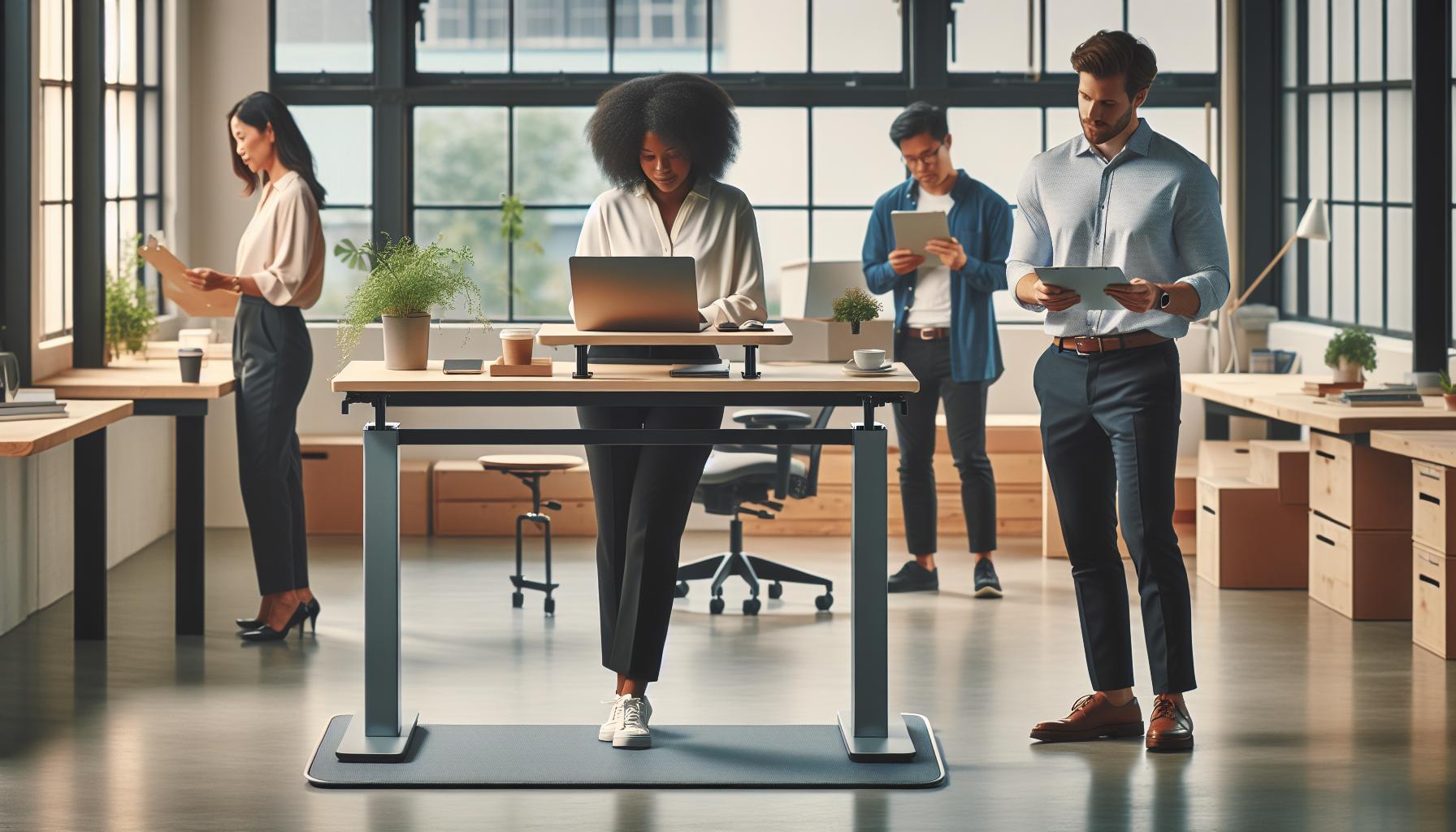
Signs You Might Need a Standing Desk
When you find yourself constantly shifting in your chair, feeling fatigued, or experiencing discomfort during long hours at your desk, it may be time to reassess your workspace. Many individuals share these challenges, which highlight the importance of being attentive to your body’s signals. If you often struggle with neck and back pain or notice reduced energy levels as the day progresses, these could be key indicators that a standing desk might be beneficial for your well-being.
Consider the following signs that suggest you might need a standing desk to enhance your productivity and comfort at work:
- Chronic Discomfort: Frequent aches in your back, neck, or shoulders after hours of sitting could be a strong signal that your desk setup is not supporting your ergonomic needs.
- Low Energy Levels: If you consistently feel sluggish or fatigued during the afternoon, a standing desk may help increase your blood flow and keep you alert.
- Concentration Issues: Struggling to maintain focus or feel mentally drained can be connected to a sedentary lifestyle; adopting a standing desk may invigorate your workspace.
- Weight Management Concerns: If you’ve noticed recent weight gain or are focused on improving your fitness levels, a standing desk promotes movement, which can help increase calorie expenditure throughout the day.
Transitioning to a standing desk can serve as more than a physical change; it often translates to a shift in mental state as well. Research indicates that regular activity while working can enhance mood and cognitive function, fundamentally altering how we engage with our work. Balance and moderation remain essential, though. If you’re nodding along to these signs, consulting with a professional about your individual health needs or limitations is a wise approach to ensure a comfortable and sustainable transition.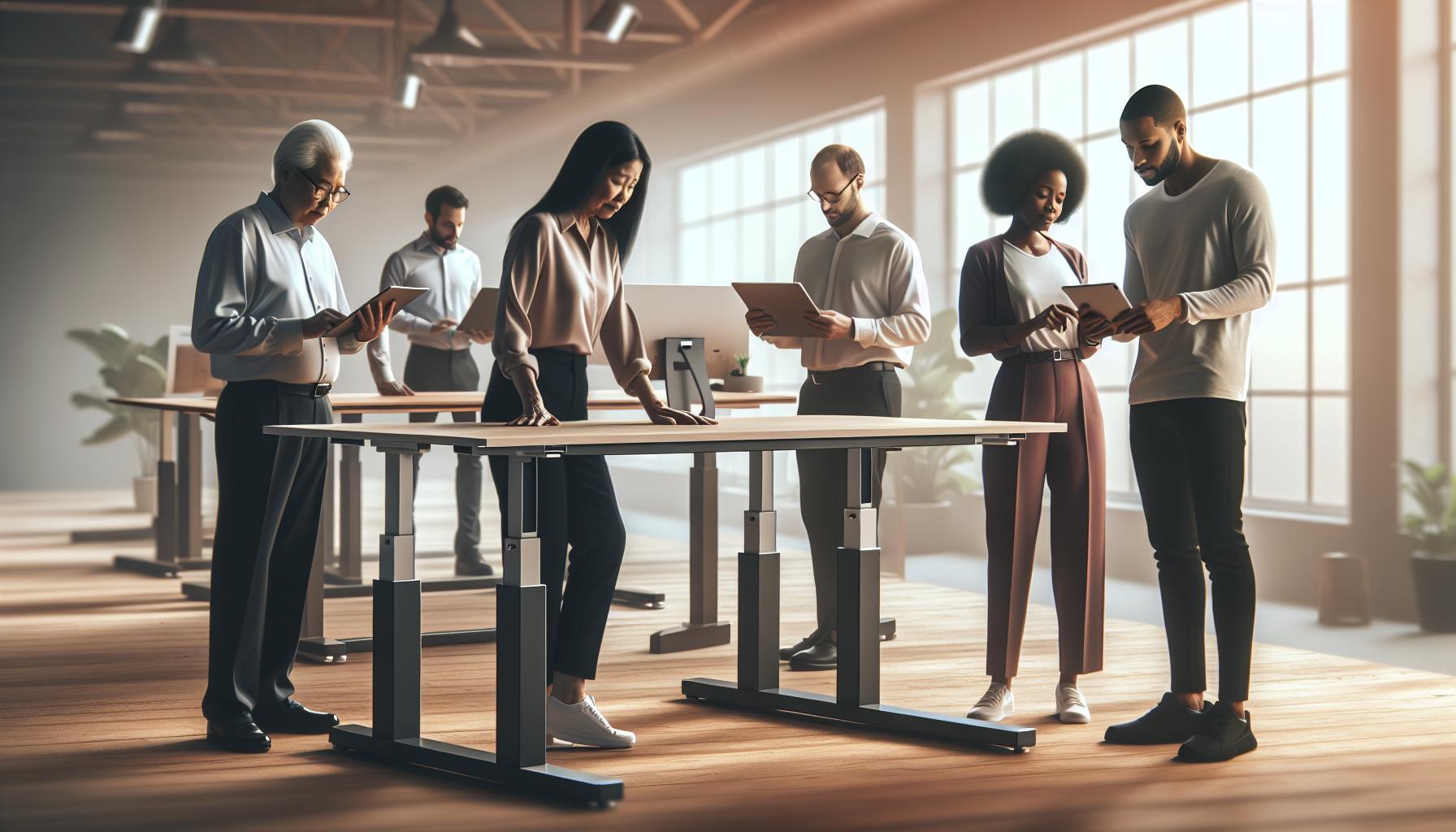
Key Considerations When Choosing a Standing Desk
Choosing the right standing desk can significantly enhance your work experience, supporting your health and productivity. Before making a decision, it’s essential to consider several factors that align with your unique needs. First, assess the adjustability of the desk. Look for models that are easy to raise and lower, enabling you to switch between sitting and standing seamlessly. Ergonomic designs often feature a range of height settings to accommodate different body types, ensuring you maintain proper posture.
Another critical aspect is the desk’s surface area. Ensure it’s spacious enough to hold your computer, documents, and personal items without feeling cramped. This space should also facilitate an organized and efficient workspace, reducing the risk of clutter that can contribute to stress. Additionally, consider the desk’s stability. A well-constructed desk should remain steady at any height-jostling or wobbling can be distracting and diminish productivity.
Material and Aesthetic Considerations
The materials used in your standing desk not only affect its durability but also its aesthetic appeal. Desks made from high-quality wood or robust metal often last longer and stand up to daily use. Moreover, think about the desk’s design and how it fits into your overall office decor; a visually appealing workspace can uplift your mood and motivation throughout the day.
Lastly, keep budget in mind. Standing desks come in a broad price range, so it’s important to evaluate what features are most valuable to you. Investing in a good quality desk can provide long-lasting benefits for your health and productivity, making it a worthwhile consideration. Prioritizing these key factors will help you choose a standing desk that not only meets your practical needs but enhances your overall work environment for improved well-being and performance.
How to Transition to a Standing Desk Effectively
Making the switch to a standing desk can transform not only your workstation but also your overall health and productivity. However, transitioning effectively requires a strategic approach to minimize discomfort and maximize the benefits. Start by introducing standing gradually; instead of jumping straight into a full day of standing, begin by incorporating short sessions. For instance, stand for 15-20 minutes every hour, gradually increasing the duration as your body adjusts. This method allows your muscles and joints to adapt without overwhelming them, significantly reducing the risk of fatigue and strain.
Setting up your workspace ergonomically is vital for a smooth transition. Ensure that the desk height allows your elbows to be at a comfortable 90-degree angle when typing. The monitor should be at eye level, approximately an arm’s length away, to prevent neck strain. You might consider using an anti-fatigue mat to provide cushioning for your feet, which can help reduce discomfort during longer periods of standing. Additionally, keep necessities within arm’s reach to avoid unnecessary stretching or straining.
Incorporating movement into your day is equally important. Standing still for prolonged periods can lead to discomfort, so remember to shift your weight from one foot to the other or use a footrest to alternate between feet. Engaging in brief walks or stretches every hour not only enhances circulation but also improves focus and cognitive function. Research suggests that regular movement can significantly boost mood and decrease stress levels, which is crucial for maintaining workplace wellness.
Finally, listen to your body and adjust based on how you feel. If standing becomes uncomfortable or if you experience pain, don’t hesitate to return to a seated position. The ultimate goal is to create a dynamic work environment that alternates between standing and sitting to support your individual needs and productivity levels. As you adapt to this new routine, you’ll likely find that the benefits of a standing desk-such as increased energy and improved posture-become more pronounced over time.
Creating an Ergonomic Workspace with Your Standing Desk
Creating a workspace that promotes health and productivity is essential, especially when using a standing desk. Did you know that proper ergonomic setups can significantly reduce discomfort and enhance cognitive performance? A well-configured standing desk can help prevent strain, boost energy levels, and improve focus, making your workday not only more pleasant but also more productive.
To design an ergonomic workspace, start by adjusting your standing desk’s height. Your elbows should be at a comfortable 90-degree angle when typing, and your wrists should remain straight, avoiding strain as you maneuver your keyboard and mouse. The monitor should be positioned at eye level, approximately an arm’s length away. This setup reduces the risk of neck and shoulder pain and prevents eye strain. If your desk is adjustable, take the time to find the height that feels best for your body.
Incorporating supportive accessories can also make a difference. An anti-fatigue mat can provide cushioning for your feet, alleviating discomfort from extended standing. Additionally, a footrest can encourage you to shift your weight from one foot to another, promoting circulation and reducing fatigue. Keep essentials like your phone, notepad, and even a water bottle within easy reach to minimize unnecessary stretching that could lead to strain.
Lastly, consider the overall layout of your workspace. An organized area not only enhances efficiency but also promotes a sense of calm and focus. Declutter your desk, and ensure that your work supplies are neatly stored. By creating a dedicated space for everything, you allow yourself to concentrate better and reduce mental clutter, which is crucial for maintaining workplace wellness. Embracing these ergonomic principles will not only enhance your standing desk experience but also positively impact your overall health and productivity in the workplace.
Best Practices for Alternating Between Sitting and Standing
Finding the right balance between sitting and standing is crucial for maximizing your health and productivity when using a standing desk. Research indicates that alternating between these two positions can lead to increased energy levels, enhanced focus, and reduced discomfort. To effectively manage this transition, there are some best practices you can adopt.
First, establish a routine that incorporates a structured schedule for sitting and standing. For instance, consider starting with 30-minute intervals-spending 30 minutes seated followed by 30 minutes of standing. This method allows your body to gradually adjust while preventing fatigue associated with prolonged standing. Use a timer or a smartphone app to remind you when it’s time to switch positions. You can also listen to your body; if you start to feel tired or uncomfortable, it’s an indicator to change your position.
Moreover, pay attention to cues from your body as you transition. Keep a close watch on potential aches or discomfort, and adapt your standing time accordingly. Signs like foot or joint pain may suggest that you need to sit more frequently. Incorporate gentle movements or stretches during your transitions, such as calf raises or arm stretches, to encourage blood flow and relieve tension. Keeping movement in your routine not only boosts circulation but also helps maintain mental sharpness throughout your workday.
Remember to ensure that your workspace is adaptable. If possible, invest in a height-adjustable desk that can smoothly transition between sitting and standing. Together with supportive accessories like an anti-fatigue mat and ergonomic footwear, these adjustments can enhance your comfort and productivity and make switching between positions easier. Balancing the two not only benefits your physical health but also contributes to a more dynamic and engaging work environment, supporting overall cognitive function and wellness. By following these practices, you will cultivate a flexible work routine that promotes long-term health benefits and work satisfaction.
Potential Drawbacks of Standing Desks to Consider
While standing desks offer compelling benefits for health and productivity, they are not without potential drawbacks that should be carefully considered. Transitioning to a standing desk can invite some unexpected challenges, particularly if the adjustment is not managed thoughtfully. One significant issue is the physical strain that prolonged standing can impose on the body. Many users report discomfort in their legs, feet, or lower back after lengthy periods of standing, which can counteract the intended benefits of improved posture and energy levels. This discomfort is often exacerbated if the desk is not at the correct height or if the floor surface lacks adequate cushioning.
Moreover, standing for long periods can lead to fatigue and decreased concentration, impeding the cognitive function that many hope to enhance by using a standing desk. The key to mitigating these effects lies in finding a balance between sitting and standing throughout the workday. Current research suggests that alternating between the two positions is essential; sitting for extended periods can also pose health risks, so a hybrid approach may be the most effective solution.
Another point to consider is the adjustment period associated with adopting a standing desk. Some individuals may find it challenging to adapt to a new ergonomic setup, leading to initial dips in productivity as they learn how to position themselves properly and adapt their workflow. It is crucial to adopt supportive habits that can ease this transition, such as incorporating regular movement-whether it’s walking around the office or performing simple stretches to alleviate tension and promote circulation.
In light of these factors, it is advisable to approach the switch to a standing desk with care and preparation. Assessing personal comfort and ergonomic needs is vital, as is paying attention to one’s body signals. Engaging with healthcare professionals for advice tailored to individual circumstances can provide added guidance for achieving a healthy balance that fosters both productivity and well-being in the workplace.
Assessing Your Productivity with a Standing Desk
Understanding how a standing desk impacts productivity involves more than just measuring hours spent standing versus sitting; it requires examining shifts in focus, energy, and overall engagement throughout the workday. Studies have shown that incorporating standing desks can lead to enhanced alertness and a boost in energy levels, which can positively influence productivity. However, individual experiences vary significantly, and recognizing these differences is crucial to maximize the benefits of this workspace change.
Start by self-monitoring your productivity levels after transitioning to a standing desk. Consider maintaining a simple journal or digital log that captures your daily experiences. Note factors like how long you stand, your comfort levels, and any fluctuations in your focus or task completion rate. Over a few weeks, you may observe patterns in your productivity that correlate with standing versus sitting.
Key Metrics to Assess Productivity
- Energy Levels: Rate your perceived energy at different intervals throughout the day. Are you less fatigued when standing? Do you find it easier to sustain concentration?
- Task Completion: Track the number and quality of completed tasks. Are you accomplishing more in a standing position compared to sitting?
- Mood and Motivation: Reflect on your mood shifts throughout the day. Are you feeling more motivated and less sluggish when alternating between sitting and standing?
Exploring these elements not only provides insight into your personal productivity but also helps in understanding the ideal balance of sitting and standing that resonates with your workflow. For practical implementation, consider setting specific standing goals tailored to your comfort and workflow needs.
In addition, using technology to aid in your assessment can enhance this process. Applications and wearables can precisely track your standing duration, movement, and even offer reminders to switch positions. Embracing these tools can provide a more comprehensive view of how standing desks influence your productivity over time, enabling you to make informed adjustments to your work routine.
As you assess these factors, remain open to the possibility that adjustments may be necessary. Not every individual will find the same benefits, and it may take time to discover your optimal working style. Engaging in regular assessments and revisions will ensure that your workspace remains aligned with your productivity goals while promoting your overall well-being.
Personalizing Your Standing Desk Setup: Tips and Tricks
Personalizing your standing desk setup is crucial to ensure comfort, enhance productivity, and promote overall well-being while you work. A well-tailored workspace can effectively mitigate the strain that often accompanies long hours of standing. With a few thoughtful adjustments, you can create an ergonomic environment that aligns with your body’s natural posture and movements.
Begin by adjusting the height of your desk so that your elbows are at a 90-degree angle when typing. Your wrists should float comfortably above the keyboard, without resting on the desk or keyboard itself. A useful guideline is to position the monitor at eye level, approximately 20 to 30 inches away from your face. This prevents neck strain and encourages a more neutral head position. To reinforce proper posture, consider using an anti-fatigue mat to cushion your feet and encourage subtle movement throughout the day, which can further improve circulation and reduce discomfort.
Incorporating Accessories for Comfort
Optimizing your standing desk is not solely about the height; adding supportive accessories can significantly enhance your experience.
- Footrests: Incorporate a footrest to shift your weight from one foot to another, encouraging movement and alleviating pressure on your lower back.
- Monitor stands: Utilize monitor stands or risers to achieve optimal screen height without slouching, thus promoting better alignment.
- Keyboard trays: Consider a keyboard tray that lowers your keyboard to a comfortable level, allowing for better wrist alignment.
Each of these accessories can contribute to a more dynamic and comfortable working stance.
Finally, implementation of technology can further enhance your setup. Tools such as timers or apps can remind you to alternate between sitting and standing at regular intervals-aiming for a ratio of 1:1 or 2:1 sitting to standing. This can help manage fatigue while maintaining a balanced workload. Be sure to listen to your body’s cues and feel free to adjust your routines based on your comfort and productivity levels. Personalizing your standing desk experience with these tips can transform not just how you work, but also how you feel throughout your day.
Expert Insights: What Research Says About Standing Desks
Research into the benefits of standing desks reveals intriguing insights into how they can impact health and productivity. Studies have shown that simply switching from a traditional seated desk to a standing desk can contribute to a decrease in chronic back pain and discomfort associated with prolonged sitting. One comprehensive review highlighted that standing desks may help reduce the risk of weight gain and obesity, as standing burns more calories than sitting. However, it’s essential to adopt a balanced approach, as excessive standing can lead to discomfort in the legs and feet.
Another important aspect highlighted in research is the improvement in workplace productivity. A study published in the “Journal of Occupational and Environmental Medicine” found that employees using standing desks reported higher energy levels and increased engagement with their tasks. They also noted a reduction in feelings of fatigue. This suggests that integrating standing desks within the work environment not only promotes physical health but can also enhance cognitive performance and overall job satisfaction.
When considering making the switch to a standing desk, it’s critical to do so in a way that preserves long-term comfort and health. Experts recommend transitioning gradually, allowing your body time to adjust to altered habits. Alternating between sitting and standing, rather than committing to one position throughout the day, is supported by research as an effective strategy for maximizing benefits while minimizing drawbacks. The ideal recommendation for many is to stand for approximately 15 to 30 minutes every hour, as this interval allows for a comfortable balance between mobility and rest.
Furthermore, creating an ergonomic setup is pivotal in ensuring that health benefits are maximized. Research emphasizes that ergonomics should not be overlooked; improper desk height or positioning can counteract the advantages of using a standing desk. For example, aligning the monitor at eye level and keeping the keyboard comfortably lowered can help maintain a neutral posture, thus minimizing strain. Incorporating supportive accessories like anti-fatigue mats and footrests can further enhance comfort and promote movement, solidifying the standing desk as a beneficial tool in contemporary work environments.
User Reviews: Real Experiences with Standing Desks
Feedback from individuals who have transitioned to standing desks reveals a range of experiences that can guide others contemplating the switch. Many users report significant positive impacts on their overall comfort and energy levels. One common sentiment is an increase in focus and productivity; users have described the ability to maintain a more engaged and alert state throughout the day when using a standing desk. For instance, a project manager shared that after implementing a standing desk, meetings felt more dynamic, and brainstorming sessions became increasingly interactive, attributing this change to the boost in energy levels.
However, it is important to note that not all experiences are uniformly positive. Some individuals report initial discomfort, particularly in their legs and feet, after making the switch. This discomfort can be mitigated by gradually increasing standing time and incorporating supportive accessories. For example, many users found that anti-fatigue mats significantly alleviated foot pain, while others highlighted the benefits of using a footrest to shift weight and encourage movement. A graphic designer noted that incorporating short walking breaks into her workflow not only reduced discomfort but also rejuvenated her creative thinking.
Among the diverse experiences, users emphasize the importance of personalizing their workspace to maximize benefits. Several found that adjusting desk height, monitor position, and even the types of footwear worn greatly affected their comfort and productivity. A customer service representative created a list of ergonomic tweaks that included using a wireless keyboard to maintain proper posture and setting reminders to alternate between sitting and standing. This approach reflects the understanding that each individual’s needs vary, and experimenting with adjustments can lead to the best personal setup.
In summary, real-world testimonials underscore the myriad benefits and some challenges associated with standing desks. With proper adjustments and an awareness of one’s own needs and limits, many users have successfully enhanced their work experience. As they navigate through the initial adjustments, they also discover that their overall approach to health and wellness expands, motivating them to adopt healthier habits both at their desks and beyond.
Maintaining Workplace Wellness Beyond Your Desk Choice
Embracing workplace wellness goes far beyond simply choosing the right desk; it’s about cultivating an environment that fosters energy, focus, and overall well-being. While a standing desk can play a vital role in reducing sedentary behavior, integrating holistic strategies into your daily routine is crucial for sustaining health and productivity.
Begin by incorporating regular breaks throughout your day. Research suggests that taking short, frequent breaks can significantly enhance focus and creativity. Aim for a structured approach, such as the Pomodoro Technique, which involves 25 minutes of focused work followed by a 5-minute break. During these breaks, engage in simple activities like stretching, walking, or even brief mindfulness exercises. This not only revitalizes your body but also declutters your mind, aiding cognitive performance.
In tandem with your workspace setup, paying attention to your nutrition can dramatically impact your cognitive health. Opt for brain-boosting foods rich in omega-3 fatty acids, antioxidants, and vitamins. Incorporate snacks such as nuts, berries, and dark leafy greens into your workday to fuel your brain and maintain steady energy levels. Staying hydrated is equally essential; aim to drink ample water throughout the day to support optimal brain function and maintain concentration.
Equally important is the promotion of a supportive work culture that values mental health. Encourage team members to communicate openly about workload and stress. Implementing initiatives like wellness challenges or group activities can enhance camaraderie and motivate employees to prioritize their health. Moreover, cultivating an environment where taking time for mental health days is accepted allows individuals to recharge and return to work with renewed vigor.
In summary, nurturing workplace wellness requires a multipronged approach that hinges on good habits and community support. By combining ergonomic choices with proactive strategies for breaks, nutrition, and mental health, you can create a thriving work environment that supports long-term productivity and well-being. Always aim to evaluate and adjust these practices as needed, fostering a personal and collective commitment to health in your workspace.
Faq
Q: How do I know if I need a standing desk?
A: You may need a standing desk if you experience discomfort while sitting for prolonged periods, have a sedentary job, or wish to improve your posture and energy levels. Assess your daily habits and how they impact your health and productivity to determine if a standing desk could be beneficial.
Q: What factors should I consider when choosing a standing desk?
A: Consider factors such as adjustable height, workspace size, ergonomic features, and your budget. Think about your specific needs, like how often you plan to switch between sitting and standing and the types of tasks you perform. Refer to the “Key Considerations When Choosing a Standing Desk” section for detailed guidance.
Q: What are the best practices for transitioning to a standing desk?
A: To transition effectively, start by standing for short intervals and gradually increase the duration. Incorporate movement, such as stretching, to prevent fatigue. Pay attention to your body’s response and make ergonomic adjustments as needed. For more tips, see the “How to Transition to a Standing Desk Effectively” section.
Q: Can standing desks help improve productivity?
A: Yes, standing desks can enhance productivity by reducing fatigue and discomfort, leading to better focus and engagement. Experiment with standing to find the balance that works best for your workflow. Explore the “Assessing Your Productivity with a Standing Desk” section for insights on measuring effectiveness.
Q: Are there specific ergonomic setups for standing desks?
A: Yes, an ergonomic setup includes positioning your monitor at eye level, using a footrest to shift weight, and keeping your keyboard at elbow height. These adjustments can enhance comfort and prevent strain. Learn more in the “Creating an Ergonomic Workspace with Your Standing Desk” section.
Q: What are the potential drawbacks of using a standing desk?
A: Standing desks can lead to fatigue, discomfort, or circulatory issues if used improperly. Balance is crucial; alternating between sitting and standing is recommended. Refer to “Potential Drawbacks of Standing Desks to Consider” for a comprehensive overview of these challenges.
Q: How often should I alternate between sitting and standing?
A: It’s generally recommended to alternate every 30-60 minutes to reduce fatigue and maintain energy levels. Listen to your body and adjust based on comfort and productivity. For strategies on balancing sitting and standing, check the “Best Practices for Alternating Between Sitting and Standing” section.
Q: What are signs that my standing desk setup is not working for me?
A: Signs include persistent discomfort, low energy, or difficulty focusing. If you’re experiencing pain or fatigue, re-evaluate your desk height and your posture. For more self-assessment tips, explore the “Signs You Might Need a Standing Desk” section.
To Wrap It Up
Deciding whether to invest in a standing desk can be a game-changer for your workplace wellness and cognitive health. With the insights from our “Do I Need a Standing Desk? Personal Assessment Checklist,” you’re now equipped to make an informed choice tailored to your unique needs. Don’t wait to enhance your productivity and reduce the risk of stress-related issues-start evaluating your workspace today!
For more guidance, check out our articles on creating an ergonomic workspace and tips for improving brain health and performance. If you’re still unsure, consider scheduling a consultation to delve deeper into workplace ergonomics and biohacking your daily routine for optimal health. Your journey to a healthier work life starts now-engage with us and share your thoughts in the comments! Remember, every small step counts toward your ultimate wellness goals.