Did you know that incorporating standing desks in your daily routine can significantly boost your energy and productivity? As more people make the shift from traditional seating to standing while they work, a common question arises: Can you use a standing desk all day? Understanding the optimal duration for standing at your desk is crucial for maintaining workplace wellness and preventing discomfort. This article delves into the science behind standing desks, addressing potential benefits and drawbacks to help you navigate your work habits effectively. By exploring smart strategies and listening to your body, you can create a balanced work environment that supports your health and enhances your cognitive performance. So, can you stand all day, and should you? Let’s find out together.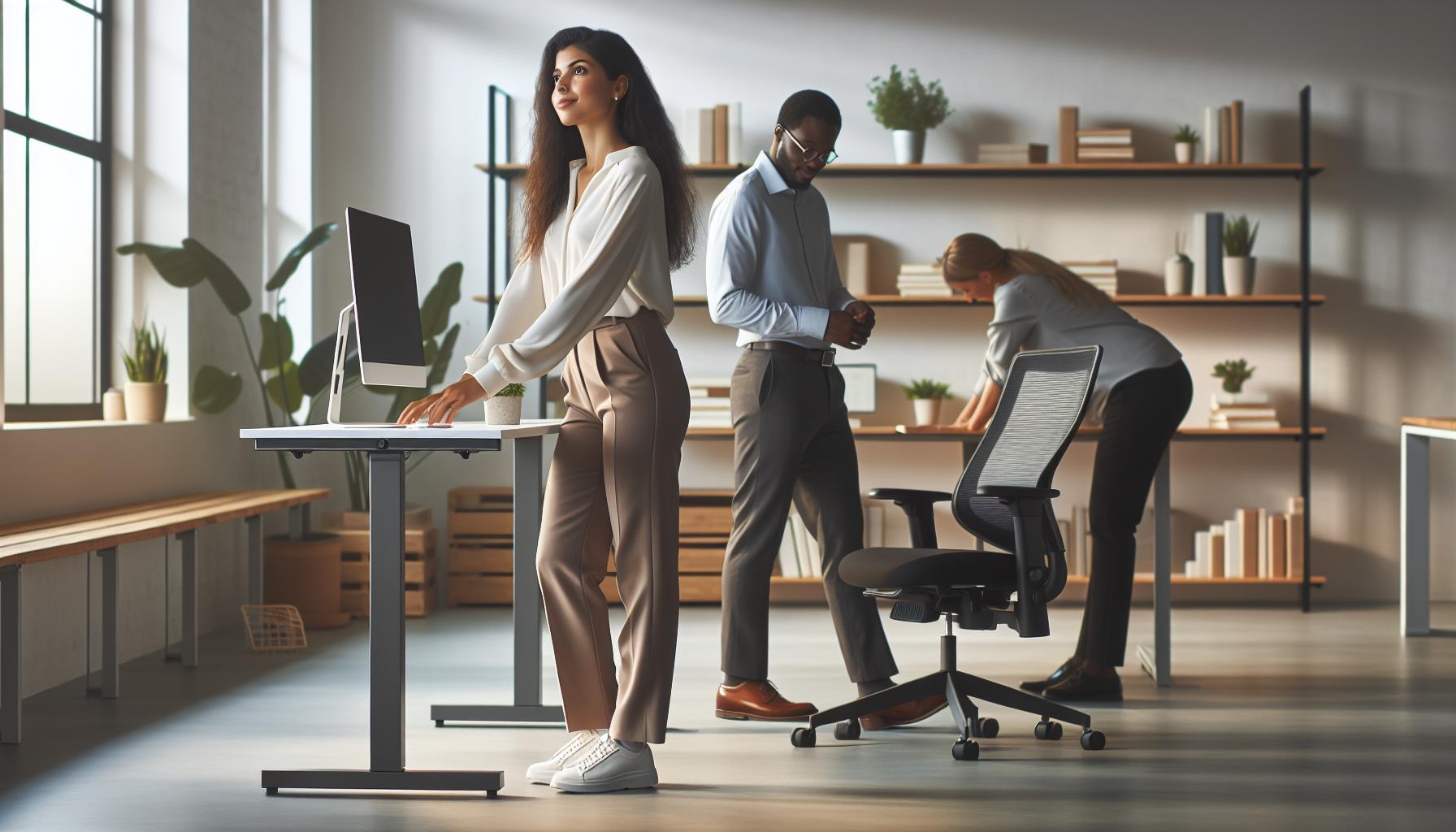
Can You Use a Standing Desk All Day?
Standing desks have gained immense popularity in recent years, especially among those looking to counteract the negative impacts of sedentary office work. However, the question of whether you can stand all day at a standing desk is more nuanced than simply combining standing with your daily tasks. While standing desks can offer benefits such as improved posture and enhanced energy levels, standing for prolonged periods without breaks can lead to discomfort and health issues.
To maximize the benefits of using a standing desk while minimizing potential risks, it is essential to incorporate regular movement throughout your day. Research suggests alternating between sitting and standing, ideally aiming for a ratio of 1:1 or even 2:1 (sitting to standing). This ensures that your body gets a chance to rest and reduces the strain on your legs and back. Utilize reminders or apps to prompt you to change positions or take short walks, allowing your body to recover and maintain circulation.
Creating a truly ergonomic workspace is also crucial for long-term comfort when using a standing desk. Ensure that your desk is at the appropriate height, your screen is at eye level, and your wrists are straight while typing. Including an anti-fatigue mat can further enhance comfort by providing cushion and support for your feet, promoting better posture throughout your workday. Remember, the goal is not just to stand but to foster a dynamic work environment that prioritizes your health and productivity.
Understanding the Health Benefits of Standing Desks
Standing desks have surged in popularity, not just as a trend but as a bona fide solution to combat the perils of prolonged sitting. Research indicates that spending too much time seated can lead to a host of health issues, including obesity, cardiovascular disease, and chronic back pain. By contrast, standing desks offer a simple yet effective means to improve your overall well-being while you work.
One of the key advantages of using a standing desk is the potential for improved posture. When set up correctly, standing desks encourage a more natural alignment of the spine, which can alleviate the discomfort often associated with long hours of sitting. Beyond posture, standing can also enhance energy levels and boost metabolism. This is crucial in a world where sedentary lifestyles are increasingly common, as engaging muscles and prompting movement can help keep your cardiovascular system in top shape.
Moreover, standing desks can foster greater engagement and productivity during work hours. Individuals often report feeling more alert, focused, and creative when they are not confined to a chair. This increased blood circulation and mental acuity can lead to more effective work output and less lethargy throughout the day. However, it is vital to balance this newfound energy with safe standing practices; alternating between sitting and standing is essential for maximizing health benefits and minimizing potential discomfort associated with prolonged standing. By integrating various positions and movements into your work routine, you can harness the full range of advantages that standing desks have to offer, thus transforming your work environment into a healthier and more dynamic space.
Potential Risks of Prolonged Standing Desk Use
Prolonged use of standing desks, while beneficial in many ways, can also pose certain health risks if not managed properly. One of the primary concerns is the potential for musculoskeletal problems. Standing for extended periods can place excessive stress on muscles and joints, particularly in the lower back, hips, and legs. Over time, this can lead to discomfort or chronic pain, undermining the very benefits that prompted the switch from a traditional seated desk.
In addition to musculoskeletal strain, standing all day can contribute to circulation issues. When standing continuously, blood can pool in the lower extremities, leading to conditions such as varicose veins and swelling. This pooling can impact overall circulation, reducing the efficiency of blood flow back to the heart. It’s crucial to integrate movement and change positions regularly to counter these negative effects. Engaging in light exercises or stretches throughout the day can help maintain proper circulation and reduce discomfort.
Fatigue is another significant risk associated with prolonged standing. While some may feel more energized at first, sustained standing can lead to fatigue due to muscle tiredness and the demands placed on the cardiovascular system. Incorporating short seated breaks, using an anti-fatigue mat, or alternating between sitting and standing are effective strategies to combat tiredness and boost overall energy levels.
Understanding these risks can empower users to embrace the benefits of standing desks while mitigating potential downsides. Regular self-assessment and attention to body signals are vital; if discomfort arises, it’s essential to adjust your routine accordingly. Integrating movement and varying your work posture will not only enhance comfort but also contribute to a healthier overall work environment.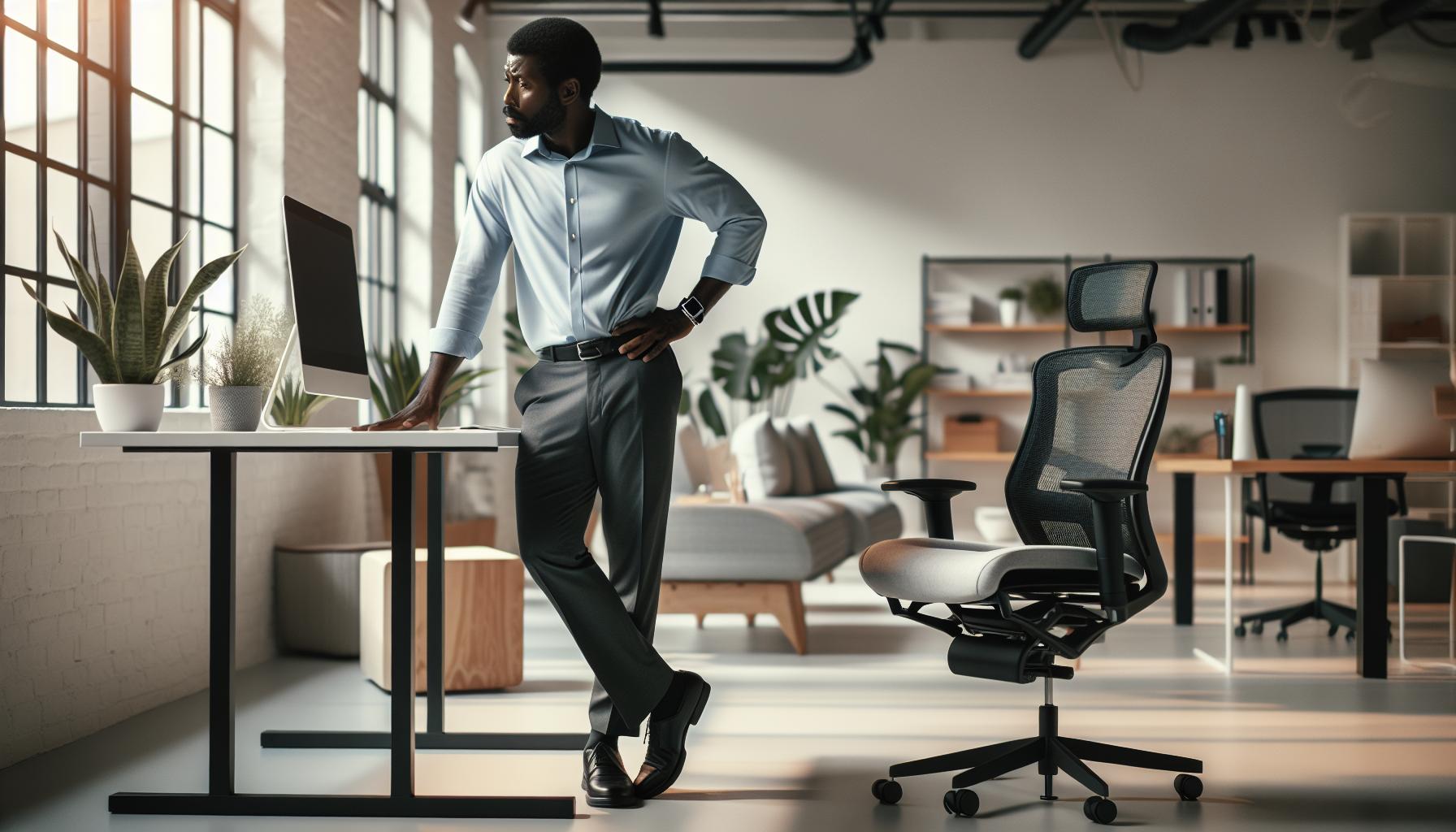
Optimal Duration: How Long Should You Stand?
Standing desks present a compelling option for those looking to counteract the negative health effects of prolonged sitting. However, navigating the optimal duration for standing at your desk is crucial for maximizing benefits while minimizing discomfort. Research suggests that alternating between sitting and standing can significantly improve comfort and productivity. Experts recommend aiming for about 15 to 30 minutes of standing followed by a 5 to 10-minute seated break to allow your body to recover and to prevent fatigue.
To create a balanced approach, consider implementing a schedule that mixes standing, sitting, and movement throughout your workday. For instance, you might begin your day by standing for the first hour, then switch to sitting for the next hour. This rhythm not only keeps your body engaged but also helps maintain focus and mental clarity. It is essential to listen to your body’s signals; if you start to feel discomfort while standing, it may be an indication to sit or stretch.
In addition to time management, incorporating movement into your day is vital. Frequent short walks, stretches, or even light exercises can help alleviate the pressure on your muscles and joints during long hours of standing. Tools like anti-fatigue mats can further enhance comfort by reducing strain on your legs and back.
Ultimately, the goal is to cultivate a workspace ecosystem that supports your overall health and productivity. Adjusting standing and sitting durations based on personal comfort, leveraging ergonomic equipment, and integrating movement into your daily routine will enable you to enjoy the benefits of a standing desk without the drawbacks of prolonged stasis.
Creating an Ergonomic Standing Desk Setup
Creating a well-organized and ergonomic standing desk setup can significantly enhance your comfort and productivity throughout the day. Did you know that proper desk height and monitor positioning can reduce the risk of strain and fatigue? By optimizing your workspace, you can create an environment that supports both your physical health and cognitive performance.
Optimal Desk Height
The first step in crafting an ergonomic standing desk setup is ensuring that your desk is at the right height. When standing, your elbows should form a 90-degree angle, allowing your arms to rest comfortably at your sides. If the desk is too high, it may cause shoulder tension; if it’s too low, you might end up leaning forward, straining your back. A height-adjustable desk can provide flexibility, allowing you to easily switch between sitting and standing.
Monitor Placement
Next, focus on your monitor’s positioning. The top of the screen should be at or slightly below eye level, approximately an arm’s length away from your face. This positioning helps prevent neck strain. To prevent glare, angle the monitor slightly away from windows or harsh lights. If you use multiple screens, ensure that the primary monitor is directly in front of you while secondary screens are positioned parallel.
Footwear and Anti-Fatigue Mats
The right footwear can also make a big difference. Choose shoes with good arch support and cushioning to help alleviate pressure on your feet and legs. Consider investing in an anti-fatigue mat. These mats provide cushioning that can reduce fatigue, making it easier to stand for longer periods. Your feet, legs, and back will thank you for it!
Additional Ergonomic Tools
Incorporating other ergonomic tools can further enhance your workspace. Use a document holder to keep papers at eye level, reducing neck strain from looking down. A supportive chair with lumbar support is also essential for those moments when you choose to sit. Keep a small footrest nearby to allow for gentle movement of your feet while standing; shifting your weight can help reduce stiffness.
By paying attention to these critical elements in your standing desk setup, you can cultivate a more comfortable and efficient workspace. Remember, listening to your body’s signals is crucial. Adjust your setup as needed and take breaks regularly to maintain that balance between sitting and standing, promoting your well-being throughout the workday.
Incorporating Movement: Best Practices for Standing Desk Users
Incorporating movement into your day when using a standing desk is essential for maximizing the health benefits while minimizing potential risks. Studies suggest that frequent, light movement not only reduces discomfort but enhances overall productivity and cognitive function. By integrating intentional movement into your routine, you can break the monotony of standing still and maintain your energy levels throughout the workday.
One effective approach is to adopt a movement schedule, incorporating activities that get you up and moving at regular intervals. Here are some practical ideas to consider:
- Set a Timer: Use a timer to remind yourself to shift your weight from foot to foot or to take short walks around your workspace every 30 to 60 minutes.
- Dynamic Stretching: Introduce simple stretching routines every hour. Neck rolls, shoulder shrugs, and wrist stretches can alleviate tension and promote circulation.
- Desk Exercises: Incorporate exercises such as calf raises, leg swings, or even using a resistance band while standing. These small movements can help boost blood flow and energize your body.
- Walking Meetings: Whenever possible, suggest walking meetings to engage in discussions while moving. This not only stimulates creativity but also allows for natural breaks from standing.
- Use a Balance Ball or Wobble Board: Adding a stability ball or wobble board to your standing desk can encourage minor movements and improve core strength, enhancing your posture while you work.
Recognizing signs of fatigue or discomfort is key. If you begin to feel strain in your legs, feet, or back, it’s vital to take a short break to walk around, perform gentle stretches, or switch to a seated position temporarily. These practices not only prevent over-exertion but also help maintain mental clarity and focus, making your work more efficient.
Most importantly, listen to your body and adjust your habits to fit your personal comfort. By fostering an active workspace, you’re not just standing; you’re moving toward a healthier, more productive lifestyle that supports both physical well-being and cognitive health.
Alternating Between Sitting and Standing: Strategies and Tips
It’s essential to embrace a balanced approach to using a standing desk, as alternating between sitting and standing can significantly enhance your comfort and productivity throughout the day. Studies indicate that extended periods spent in either position may lead to discomfort or health issues, emphasizing the need for flexibility in your workspace arrangements.
Establishing a routine that incorporates both sitting and standing can help you maintain energy levels and focus while minimizing the risk of fatigue or musculoskeletal strain. Here are some practical strategies to effectively alternate between the two positions:
- Use a Timer: Set reminders every 30 to 60 minutes to switch from standing to sitting or vice versa. This practice encourages movement and keeps your body engaged.
- Implement a Movement Schedule: Consider designing a schedule that outlines when you’ll stand and when you’ll sit. For instance, you might start your day standing, take a seated lunch break, and then alternate positions every hour in the afternoon.
- Create Comfortable Transitions: Prepare your workspace to make switching between sitting and standing easy. Keep your chair and desk at ergonomically appropriate heights to reduce strain when making the transition.
- Listen to Your Body: Pay attention to how your body feels during the day. If you start feeling tired or sore in a position, don’t hesitate to make a switch earlier than planned. This instinctive adjustment can prevent discomfort from building up.
- Incorporate Short Breaks: Take brief breaks every hour to walk around or perform light stretches. This practice not only complements your sitting and standing routine but also boosts circulation and energy levels.
By integrating these strategies, you create a dynamic work environment that caters to both physical and cognitive needs. This approach facilitates better posture, encourages movement, and may lead to improved focus and efficiency, ultimately contributing to a more enjoyable and productive workday.
Signs You Need to Take a Break from Standing
Prolonged standing at your desk can feel energizing initially, but it’s crucial to recognize when it’s time to take a break. Listening to your body is vital for maintaining both comfort and productivity. Signs reminding you to pause can manifest in various ways, from subtle hints to more pronounced feelings of discomfort. Failing to heed these signals may lead to a decline in overall well-being and performance.
One telltale sign that you need a break is physical discomfort, such as aching feet, knees, or lower back. When your body starts sending these messages, it’s important to respond promptly. Ignoring such discomfort can lead to more severe issues like chronic pain or musculoskeletal conditions. In addition, fatigue can set in much quicker than when seated. If you notice diminishing energy levels or increased irritability, stepping away for a few moments can rejuvenate both your body and mind.
Maintaining good circulation is another critical aspect of workplace wellness. If you experience swelling in your legs or feet or if your legs feel heavy, these may be indications that your blood flow is compromised. Taking regular breaks can invigorate your circulation and help prevent long-term issues associated with sedentary behavior. Similarly, if you find it hard to focus or your productivity dips, it might be a sign that you’ve overstayed in one position without movement. Engaging in light stretching or even a brief walk can refocus your energy and enhance cognitive function.
To encourage a sustainable standing desk routine, establish a habit of checking in with yourself throughout the day. Utilize reminders to assess how you’re feeling physically and mentally. When you notice any of these signs, take action by moving to a sitting position or stepping away from your desk altogether. Not only will this improve your overall comfort, but it will also foster a healthier work environment, amplifying your focus and efficiency.
By being mindful of your body and its signals, you can integrate standing desk use into your daily routine more effectively, helping to create a balanced approach that values both mobility and rest.
How to Transition to a Standing Desk Gradually
Transitioning to a standing desk can greatly enhance your work life, but it’s essential to make this shift gradually to avoid discomfort and fatigue. Many people experience initial excitement upon moving to a standing desk, only to quickly find the novelty wears off as they encounter physical strain. To make this transition smooth and sustainable, start with a strategic plan.
Begin by integrating standing into your routine for short, manageable periods. For example, on your first day, stand for just 15 to 30 minutes every hour. As you grow more accustomed to the standing position, gradually increase this duration by 10-minute increments each week. This incremental approach helps your body adapt without overwhelming your muscles and joints. Pay close attention to any signs of fatigue or discomfort, enabling you to adjust accordingly if needed.
Setting Up for Success
A successful transition also involves creating an ergonomic workspace that encourages good posture. Ensure your desk is at elbow height when standing, and the computer screen is at eye level. Utilize an anti-fatigue mat to reduce strain on your feet and legs, which can make a significant difference in your overall comfort. If possible, consider a desk that allows for easy adjustments, enabling you to switch between standing and sitting with ease.
Incorporating Movement
It’s crucial to remember that standing still for long periods can be just as detrimental as sitting for too long. Incorporate movement throughout your day by taking short walks or practicing light stretching every hour. This can bolster circulation and enhance energy levels, making your standing desk experience much more enjoyable. You might also explore using a fitness tracker to remind yourself to move at regular intervals.
By taking the transition to a standing desk step by step, setting up an ergonomic workspace, and maintaining movement throughout your day, you can transform your work habits into a healthier routine that supports both productivity and workplace wellness. Listening to your body during this process ensures that you make adjustments as needed, leading to a balanced approach that values both standing and stepping away for breaks.
The Role of Footwear in Standing Desk Comfort
Choosing the right footwear is crucial when adapting to a standing desk, as it significantly influences comfort and overall well-being throughout the workday. The feet are the body’s foundation; inadequate support can lead to discomfort, fatigue, and even long-term health issues. Proper shoes not only cushion your feet but also promote better posture, which is essential when you’re standing for extended periods. Investing in quality footwear designed for support can transform your experience at a standing desk.
When selecting shoes, prioritize features that enhance comfort and support. Look for:
- Cushioning: Adequate cushioning helps absorb the impact of standing and walking, alleviating pressure on your feet.
- Arch Support: Proper arch support aids in maintaining alignment, reducing strain on the feet and legs.
- Breathability: Shoes made of breathable materials allow for better airflow, keeping your feet cool and dry throughout the day.
- Slip Resistance: A non-slip sole is essential to prevent accidents, especially if you’re moving around frequently.
It’s also beneficial to consider the type of footwear that aligns with your activities. For instance, while sneakers might offer great support, shoes designed specifically for work environments can provide a blend of professionalism and comfort. In addition, using anti-fatigue mats can greatly enhance comfort levels when paired with the right footwear, reducing the stress placed on the feet and legs.
Transitioning to wearing supportive, properly fitted shoes can dramatically impact how long you can comfortably use your standing desk. For those who experience discomfort, consider gradually introducing different types of footwear throughout the week, allowing your feet to adapt. Always listen to your body and make adjustments as necessary to create a more pleasant working experience that prioritizes your health and comfort.
Enhancing Focus and Productivity with a Standing Desk
Creating an effective work environment can drastically improve focus and productivity, and adopting a standing desk is one of the innovations making waves in the realm of workplace wellness. Research indicates that standing while working can enhance energy levels, improve mood, and even sharpen cognitive function. When your body is less constrained by the sedentary nature of traditional office setups, you’re more likely to engage actively with your tasks, potentially leading to higher productivity.
To maximize the benefits of a standing desk, consider implementing the following strategies to enhance your focus and productivity:
- Set Specific Goals: Break your day into actionable tasks. Establish clear objectives for each standing session, which can help maintain motivation and keep your energy up.
- Utilize Time Blocks: Incorporate the Pomodoro Technique-work in concentrated bursts of 25 minutes followed by a 5-minute break. This not only aids in maintaining focus but also allows for periodic movement.
- Engage in Active Movement: Use standing desk time as an opportunity to incorporate light activities, such as stretching or brief walks. These actions can stimulate blood circulation, keeping your mind alert and your creativity flowing.
- Enhance Your Environment: Pair your standing setup with an ergonomic mat to reduce fatigue, and ensure your monitor is at eye level. Consider incorporating natural light or plants to promote a positive atmosphere that can further enhance cognitive function.
Having a standing desk isn’t just about the physical changes; it can alter your mental state, too. A dynamic work environment encourages neuroplasticity-the brain’s ability to adapt and form new connections. By continually engaging your mind in diverse tasks and movements throughout the day, you’re nurturing not only your productivity but also your long-term cognitive health. Leveraging these strategies can transform your standing desk from a mere piece of furniture into a powerful catalyst for enhanced focus and productivity. Always remember that self-awareness is key; adjusting your approach based on how your body feels ensures a balanced and sustainable work style.
Addressing Common Myths About Standing Desks
It’s a common belief that standing desks are a one-size-fits-all solution for a healthier work life, but several myths can overshadow their benefits and practical applications. One prevalent myth is that standing all day is inherently healthier than sitting all day. While standing does promote better posture and can help maintain energy levels, remaining on your feet for extended periods can lead to discomfort and even musculoskeletal issues. The key idea here is balance; alternating between sitting and standing is essential to reap the full benefits without overstraining your body.
Another misconception is that standing desks eliminate all health risks associated with sedentary behavior. While studies indicate that using a standing desk can reduce the risk of shoulder and back pain, they are not a complete substitute for regular movement. Daily physical activity, stretching, and walking breaks are vital to counteract the risks of both sitting and standing for prolonged periods. It’s important to remember that a standing desk is merely a tool-it’s how you use it that truly matters in fostering a healthier work environment.
Furthermore, many believe that standing desks boost productivity universally. While some individuals may experience heightened focus and energy, others might find standing distracting or uncomfortable. Each person’s experience can vary significantly, influenced by personal preferences and physical conditions. To optimize productivity, consider customizing your approach; for example, experiment with different standing durations or incorporate movement into your work routine.
Finally, there’s a myth that all standing desks are ergonomically designed. In reality, the effectiveness of a standing desk largely depends on its setup. Proper ergonomics-like adjusting the desk height, aligning your monitor at eye level, and ensuring keyboard placement is comfortable-are crucial to avoiding strain. Investing time in creating an ergonomic workspace can significantly enhance the standing desk experience, making it an effective ally in promoting health and well-being at work. By dispelling these myths and embracing a balanced approach, you can maximize your standing desk’s potential while safeguarding your comfort and productivity.
Q&A
Q: What are the best practices for using a standing desk all day?
A: To maximize comfort and productivity when using a standing desk all day, consider alternating between sitting and standing every 30 to 60 minutes. Focus on ergonomic setups, use an anti-fatigue mat, and incorporate light stretching to prevent discomfort. These practices enhance overall well-being during extended use.
Q: How long is too long to stand at a desk?
A: While standing desks can promote better posture, it’s advised not to stand for more than 4 hours consecutively. Prolonged standing may lead to discomfort or health issues. Try to break up the time spent standing with short sitting or walking breaks every hour for optimal health benefits.
Q: Can standing desks improve focus and productivity?
A: Yes, standing desks can enhance focus and productivity by encouraging better posture and increased energy levels. However, the effectiveness may vary by individual. Incorporating movement and changing positions throughout the day can further boost concentration and work performance.
Q: What are the signs of discomfort while using a standing desk?
A: Signs of discomfort while using a standing desk include aching feet, tired legs, lower back pain, or fatigue. If you experience these symptoms, it’s essential to take breaks, stretch, or switch to sitting to alleviate discomfort and maintain productivity.
Q: Is it safe to use a standing desk during pregnancy?
A: Yes, using a standing desk during pregnancy can be safe, but moderation is key. It’s important to alternate between sitting and standing to reduce fatigue and maintain circulation. Always consult with a healthcare provider to personalize the approach based on individual health needs.
Q: How do you transition to a standing desk effectively?
A: To transition effectively, start with short standing sessions of about 15-30 minutes, gradually increasing the duration over several weeks. This method allows your body to adapt without discomfort. Consider setting reminders to help keep a balance between sitting and standing.
Q: What type of footwear is best for standing desks?
A: Supportive footwear is essential when using a standing desk. Shoes with cushioning and arch support can significantly reduce fatigue and strain on the feet and legs. Avoid high heels or flat shoes without support; instead, opt for athletic or professional shoes designed for comfort.
Q: How can you prevent health risks associated with prolonged standing?
A: To prevent health risks from prolonged standing, regularly change your position, use an anti-fatigue mat, and take scheduled breaks to walk or stretch. Incorporating a balance of sitting, standing, and movement throughout your workday can mitigate discomfort and promote better health.
Future Outlook
As we wrap up our discussion on using a standing desk all day, remember that while standing can enhance focus and productivity, it’s crucial to balance your time between sitting and standing to prevent discomfort. Explore our guides on setting up ergonomic workspaces and practical tips for workplace wellness to optimize your health while working. Don’t forget to check out our biohacking techniques for enhanced cognitive performance and stress management strategies to create a more harmonious work-life balance.
If you found this information valuable, be sure to sign up for our newsletter for more insights on workplace wellness and cognitive health. Join our community and share your experiences or thoughts in the comments below-your journey could inspire someone else! Let’s keep the conversation going as you discover new ways to enhance your productivity and well-being.