
In today’s fast-paced work environment, many are turning to standing desks as a solution to combat the negative effects of prolonged sitting. Research indicates that sitting for extended periods can lead to various health issues, from back pain to increased risk of chronic diseases. But are standing desks truly the healthier option, or do they come with their own set of challenges? In this article, we will explore what doctors are saying about standing desks, examining their potential benefits and drawbacks. Understanding this can empower you to make informed choices about your workspace setup and overall health. Join us as we delve into expert insights and evidence-backed recommendations that can lead to a healthier, more productive you.
Are Standing Desks Really Healthier for You?
Research shows that spending excessive time sitting can lead to a range of health issues, from obesity to cardiovascular diseases. Standing desks, therefore, present a compelling alternative that many are now considering for their workspaces. However, the question arises: are standing desks genuinely healthier, or do they merely offer a different set of challenges?
One of the primary advantages of standing desks is their potential to enhance caloric expenditure. By swapping seated hours for standing, individuals might burn more calories throughout the day, contributing to weight management. Studies suggest that even modest increases in standing time can significantly impact physical health, including better posture and reduced risk of certain diseases. Moreover, standing desks can encourage movement, which is crucial for maintaining not only physical but also mental well-being. Movement can stimulate cognitive functions, enhance productivity, and minimize the inertia that often accompanies prolonged sitting.
Despite these benefits, it’s crucial to clarify common misconceptions. While standing desks can help reduce some health risks, they do not automatically replace the need for physical activity. Balancing standing with proper ergonomics is vital; poor posture while standing can lead to discomfort or musculoskeletal issues. Therefore, it’s essential to consider the setup and ensure that the desk height is adjusted correctly to promote a natural posture.
In summary, while standing desks can lead to healthier habits, they are most effective when integrated with movement and ergonomic principles. For anyone exploring this option, the key is to cultivate a routine that incorporates both standing and seating sensibly to promote overall health and well-being.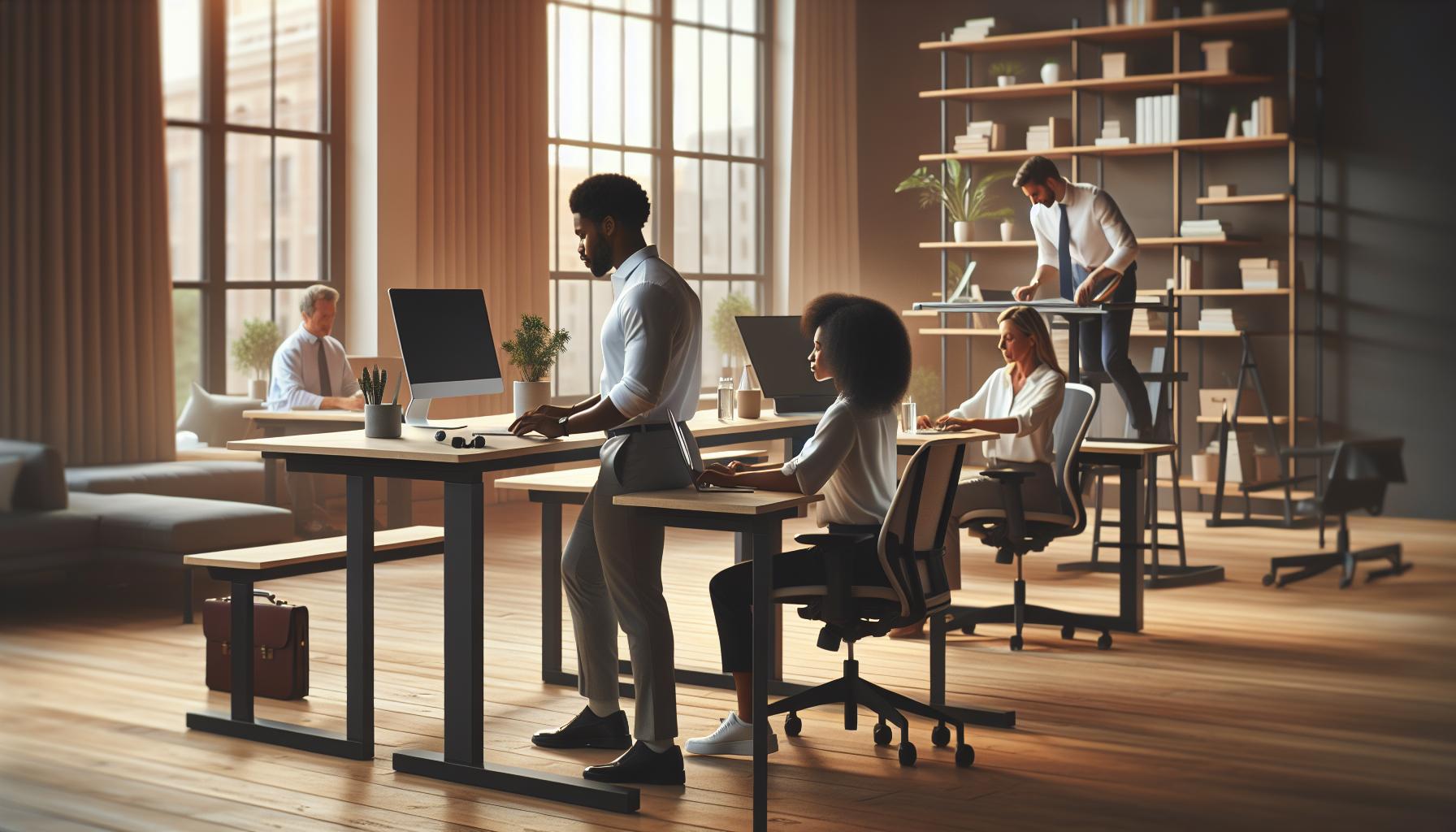
Understanding the Science Behind Standing Desks
The idea of standing desks originated from a growing body of research highlighting the adverse effects of prolonged sitting. Studies have indicated that sedentary behavior is linked to various health issues, including obesity, cardiovascular diseases, and even certain types of cancer. In response, standing desks have gained popularity as a practical solution, offering an alternative that many claim promotes better health and productivity.
The science behind standing desks revolves around their potential to influence metabolic health positively. When individuals transition from sitting to standing, they initiate a process that can enhance caloric expenditure. A study published in the journal “Obesity” found that standing burns approximately 50% more calories than sitting over a span of several hours. This increased energy expenditure may contribute to weight management and metabolic health. Additionally, standing can improve blood circulation, potentially reducing the risk of type 2 diabetes by stabilizing blood sugar levels.
Ergonomics plays a crucial role in the effectiveness of standing desks. Proper setup is vital to prevent discomfort or musculoskeletal issues. Research emphasizes that users should adjust desk height to allow for elbows at a 90-degree angle and screen levels that minimize neck strain. This careful consideration of posture can maximize the benefits of standing while reducing the likelihood of injuries commonly associated with improper desk use.
Moreover, the mental implications of standing desks are noteworthy. Standing can stimulate cognitive engagement, as it allows more freedom of movement. This added mobility may enhance focus and creativity. Research in cognitive psychology suggests that a dynamic work environment contributes to improved attention spans and problem-solving capabilities, making standing desks a compelling tool in fostering both productivity and innovation in the workplace.
In summary, standing desks can be beneficial from both a physical and cognitive perspective when implemented thoughtfully. To really harness their positive effects, combining standing with movement and proper ergonomics is critical. Such an approach can help promote a balanced and healthier work routine, aligning perfectly with the modern goal of enhancing workplace wellness.
Benefits of Standing Desks for Work and Health
Research increasingly highlights the significant advantages of integrating standing desks into work environments. Not only do they offer a simple remedy for the adverse effects of prolonged sitting, but they also promote a more active lifestyle, which can lead to substantial benefits for both physical and mental health.
One notable benefit of standing desks is their capacity to increase caloric expenditure. Studies show that standing can burn about 50% more calories than sitting over the course of several hours. This increased metabolic activity could aid in weight management and help combat obesity-a key health issue in modern workplaces. Moreover, standing can enhance blood circulation and reduce the risk of conditions like diabetes, making it a powerful tool for long-term health improvements.
From a cognitive standpoint, using a standing desk can facilitate heightened focus and creativity. When employees are on their feet, they often feel more energetic and engaged, which can contribute to improved productivity and innovative thinking. This phenomenon is backed by cognitive psychology research, which indicates that dynamic work environments-where movement is encouraged-can enhance attention spans and problem-solving capabilities.
To fully leverage the advantages of standing desks, users should seamlessly integrate short periods of standing with regular movement. This could involve stretching, walking around during breaks, or performing simple exercises. Establishing a routine that balances sitting and standing helps to maintain comfort and prevent fatigue, ultimately creating a more conducive atmosphere for both work and well-being.
Common Misconceptions About Standing Desks
Many people believe that simply standing more at work will automatically translate into improved health. However, this notion overlooks several critical aspects of using standing desks effectively. One common misconception is that standing desks are a cure-all solution that will eliminate the negative consequences of a sedentary lifestyle. While standing more frequently can help mitigate some risks associated with prolonged sitting, it’s essential to understand that standing for extended periods can also lead to discomfort and musculoskeletal issues if not managed properly.
Moreover, there’s a belief that switching entirely to standing while working will lead to greater productivity. While some studies suggest that standing can boost concentration and energy levels, the key lies in balance. Ergonomic experts stress the importance of transitioning between sitting and standing throughout the day to prevent fatigue and discomfort. Incorporating movement-such as stretching or walking-into your work routine can enhance both physical well-being and cognitive function, emphasizing that the best approach is a dynamic one rather than a one-size-fits-all method.
Another misconception is that standing inevitably results in higher calorie expenditure. Although it’s true that standing burns more calories than sitting, the difference may not be as drastic as many believe. The increase in energy expenditure from standing can be modest and doesn’t replace the need for regular physical activity. To truly leverage the benefits of a standing desk, consider it as part of a broader wellness strategy that incorporates exercise, nutrition, and proper postural habits.
Lastly, some people assume that once they acquire a standing desk, they’re set for optimal health. In reality, effective use of a standing desk requires education on proper setup and ergonomics. Ensuring your desk height is adjusted correctly, using supportive footwear, and maintaining a neutral wrist position while typing are all important factors that can prevent strain and maximize the health benefits of standing desks. Remember to consult ergonomic resources or professionals for personalized advice tailored to your specific workspace needs.
How to Properly Set Up Your Standing Desk
Setting up your standing desk correctly can significantly enhance your comfort and productivity while reducing the risk of injury. The right configuration not only supports your physical health but also contributes positively to your cognitive performance. A well-ergonomically designed workspace allows for better posture and less strain, ensuring that your time in front of the computer is both effective and sustainable.
Begin by adjusting the height of your desk. Ideally, the desk should allow your elbows to be at a 90-degree angle when your hands are on the keyboard. Your wrists should remain straight and not bent while typing. If your desk is too high, you may find yourself reaching up, which can create tension in your neck and shoulders. Conversely, if it’s too low, you may slump, exacerbating back pain. To check the height, stand naturally with your feet flat on the floor, and raise your arms to the desk height to find the sweet spot that feels comfortable.
Monitor Positioning
Your monitor should be placed at eye level, about an arm’s length away from your face. This helps to maintain neutral neck alignment and reduces the risk of eye strain. If you’re using multiple monitors, ensure the primary screen is directly in front of you, while secondary monitors should be angled towards your line of sight. Consider using a monitor stand or a stack of books to achieve the desired height if required.
Footwear and Flooring
The type of footwear you wear can also impact how comfortable you feel while standing. Opt for supportive shoes with cushioning to minimize fatigue. If you’re standing on a hard surface, consider using an anti-fatigue mat, which can help reduce discomfort and encourage movement by providing a softer surface to stand on.
By following these guidelines, you can tailor your standing desk setup to meet your specific ergonomic needs, making your work environment healthier and more conducive to productivity. Regularly reassess your setup to ensure it continues to serve your best interests as your body and work habits evolve.
Ergonomic Tips for Maximizing Comfort
Ergonomics play a crucial role in enhancing comfort and productivity while using a standing desk. An array of small adjustments can lead to significant improvements in your overall work experience. For instance, consider the positioning not just of your desk but also of your accessories. Keyboards and mouse devices should be easy to reach and ideally at the same level, promoting relaxed shoulders and a straight wrist posture. Aim for your forearms to be parallel to the ground or slightly angled downward.
Adjustable Accessories
Utilizing accessories that can be adjusted to your height can further enhance your ergonomic setup. For example, a keyboard tray can be a great investment, allowing for a customizable placement to alleviate strain on your wrists. You might also explore tiltable monitor arms, which provide flexibility in adjusting the depth and angle of your screen, promoting proper neck alignment and reducing eye strain.
Movement is Key
Incorporating movement into your day is an effective way to maximize comfort when using a standing desk. Research indicates that small, frequent adjustments in position can mitigate the risks associated with prolonged standing. Aim to alternate between standing and sitting every 30 to 60 minutes. This approach not only helps relieve physical strain but also keeps your energy levels elevated. Moreover, consider simple stretches or brief walking periods to further improve circulation and reduce tension.
Personalizing Your Space
Finally, personalization of your workspace can have a profound impact on your comfort level. Selecting decor and tools that inspire you can foster a positive work environment, thus enhancing focus and relaxation. Whether it’s a plant, artwork, or an uplifting quote, small additions to your workspace can have a big effect on your mood and productivity.
By implementing these ergonomic tips, you can create a workspace that not only supports your physical well-being but also boosts your cognitive health, promoting a more efficient and satisfying workday.
Impact of Standing Desks on Mental Well-being
The visibility of your workspace can greatly influence your mental well-being, and standing desks have emerged as a compelling option to enhance cognitive performance and mood. Research indicates that standing rather than sitting for prolonged periods during work can lead to increased levels of energy and engagement. This heightened alertness may stem from improved blood circulation and reduced feelings of fatigue, making tasks feel less daunting. Additionally, the act of standing can instigate a more dynamic posture, which has been linked to better focus and creativity.
Psychological Benefits of Standing Desks
Utilizing a standing desk not only transforms your physical workspace but can also cultivate a more positive mental landscape. Studies have shown that individuals who alternate between sitting and standing report lower stress levels and a stronger sense of control over their work environment. This feeling of autonomy can enhance job satisfaction, as employees often become more proactive in their roles. Furthermore, the simple act of changing positions can serve as a mental reset, refreshing your perspective and encouraging problem-solving.
Encouragement of Healthy Habits
Standing desks can also act as a catalyst for adopting healthier lifestyle choices. When integrated into daily routines, they inspire movement-making it easier to take breaks for stretching or walking, which in turn can reduce anxiety and elevate mood. Engaging in brief physical activity has been associated with a release of endorphins, the body’s natural mood lifters. To amplify this effect, consider pairing standing desk use with short, scheduled breaks throughout the day, allowing for both movement and mental clarity.
Incorporating standing desks as part of a comprehensive strategy for workplace well-being can yield significant benefits. By understanding and applying these principles, you can cultivate an environment that not only enjoys higher productivity levels but also supports your overall mental health, making each workday more fulfilling.
The Role of Movement in Workplace Health
Incorporating movement into your workday can significantly enhance your overall health and well-being. Engaging in regular physical activity, even in short bursts, is crucial for both physical and mental wellness. Research has shown that frequent movement helps reduce the risks associated with prolonged sitting, such as cardiovascular disease, certain cancers, and metabolic syndrome. Furthermore, movement stimulates the release of endorphins-our natural feel-good hormones-which can elevate mood, increase energy levels, and improve cognitive function.
To effectively leverage movement in your workplace, consider the following strategies:
- Implement Scheduled Breaks: Set a timer to remind yourself to stand, stretch, or take a brief walk for at least five minutes every hour. This small adjustment can combat fatigue and improve circulation.
- Utilize Active Workstations: Consider standing desks or mobile desks that allow you to transition between sitting and standing effortlessly. This dynamic movement can keep your body engaged and your mind sharp.
- Incorporate Stretching Exercises: Simple stretches, such as neck rolls, shoulder shrugs, and wrist stretches, can be performed right at your desk. These movements help relieve tension and improve flexibility.
- Engage in Walking Meetings: If possible, opt for walking meetings or walking discussions with colleagues. This not only promotes physical activity but can also spark more creative thinking and collaboration.
Prioritizing movement also benefits neuroplasticity, which is the brain’s ability to reorganize itself by forming new neural connections. This is critical for learning and adapting to new challenges in the workplace. Even small amounts of movement throughout the day can stimulate brain activity, enhancing focus and productivity. By fostering a culture of movement, you not only improve individual health but also contribute to a more dynamic and collaborative work environment.
Expert Opinions: What Doctors Recommend
Studies show that prolonged sitting is linked to a variety of health issues, making the debate over standing desks particularly relevant today. Many medical professionals emphasize a balanced approach, advocating for regular movement rather than merely switching from sitting to standing. According to Dr. Andrew Weil, an integrative medicine expert, adopting a hybrid model that incorporates both sitting and standing can help mitigate discomfort associated with either position. He suggests that intervals of standing throughout the day-about 15 to 30 minutes for every hour spent sitting-can enhance circulation and reduce fatigue.
Moreover, Dr. David Agus, a prominent oncologist, underscores the importance of postural awareness and ergonomics when using standing desks. He stresses that poor posture while standing can lead to back and neck pain just as easily as sitting improperly. Therefore, ensuring that a standing desk is correctly adjusted to one’s height, with monitors at eye level and feet flat on the ground, is crucial for reaping the benefits of this equipment. He also encourages users to engage in stretching and shifting weight periodically to maintain comfort.
Mental health professionals recognize the positive implications that standing desks can have on mood and productivity. Dr. John Ratey, a clinical professor of psychiatry, notes that movement stimulates brain activity, which can lead to enhanced concentration and creativity. By integrating standing positions into work routines, people often experience increased energy levels and lower stress, fostering a more productive work environment. However, it’s essential to listen to one’s body and adjust activities based on personal comfort and health conditions, reinforcing that consultation with healthcare providers is advisable for those dealing with specific medical concerns or chronic pain.
Incorporating the recommendations of medical professionals into a daily routine can guide individuals in using standing desks effectively. By alternating between sitting and standing, utilizing ergonomic practices, and remaining mindful of posture, you can achieve a healthier, more productive workspace that supports both physical and mental wellness.
Best Practices for Transitioning to a Standing Desk
Transitioning to a standing desk can significantly enhance your work experience, but it requires a thoughtful approach to ensure that the change benefits both your physical and mental health. Did you know that studies suggest you can burn more calories while standing, and standing can also improve focus and energy levels? However, the effectiveness of a standing desk is largely dependent on how you approach the transition.
Start Gradually
Begin by incorporating short standing intervals into your workday. Start with about 15 minutes every hour and gradually increase this time as your body adjusts. This slow integration helps prevent discomfort and allows you to listen to your body’s signals. Use a timer or smartphone reminder to signal when it’s time to switch positions, helping to establish a rhythm that supports your overall well-being.
Optimize Your Setup
The physical arrangement of your workspace is crucial. Ensure your desk is at the correct height-your elbows should be at a 90-degree angle when typing, and your monitors should be at eye level to avoid neck strain.
- Monitor Position: Place your computer monitor about an arm’s length away and at eye level.
- Keyboard Height: Your wrists should be straight and not bent while typing.
- Footwear: Wear supportive shoes to reduce foot fatigue and consider using an anti-fatigue mat.
Incorporate Movement
Standing still for long periods can lead to discomfort; hence, moving is essential. Schedule short walks or stretches throughout your day to keep your blood flowing and muscles engaged. Integrating simple movements like calf raises, leg swings, or gentle stretching can alleviate the tension that builds from prolonged standing. This not only enhances physical comfort but can also boost cognitive performance by promoting blood circulation to the brain.
Adjusting to a standing desk is not just about standing more; it’s about creating a balanced approach to your work posture. By starting gradually, optimizing your setup, and incorporating regular movement into your routine, you can create an ergonomic workspace that maximizes your comfort, productivity, and overall health. As always, consult with a health professional if you experience chronic discomfort or have specific health concerns.
Addressing Potential Risks of Standing Desks
The shift from traditional sitting desks to standing desks presents multiple benefits, but it’s essential to recognize and address the potential risks that come with standing for prolonged periods. Research indicates that while standing can increase calorie expenditure and improve energy levels, excessive standing can lead to discomfort and even health-related issues. A balanced approach is crucial to maximize the benefits while minimizing adverse effects.
Standing for too long can result in a host of problems ranging from foot pain, fatigue, to more serious conditions like varicose veins. To counteract these risks, it’s vital to incorporate movement into your day. Instead of remaining stationary, integrate short, frequent breaks for walking, stretching, or even slight changes of position which can significantly alleviate discomfort. Additionally, wearing supportive footwear and utilizing anti-fatigue mats can further enhance comfort levels and reduce the strain on your feet and legs.
Another risk to consider is the potential impact on muscle fatigue and posture. Standing desks can influence the way we hold our bodies; improper alignment may lead to musculoskeletal issues over time. To foster better posture, ensure that your workstation is ergonomically configured. Your desk height should allow your elbows to maintain a 90-degree angle and your screen should be at eye level to avoid neck strain.
In addressing these potential risks, it’s clear that while standing desks can contribute to a healthier work environment, adopting a flexible approach that prioritizes movement and ergonomic design will yield the best outcomes. Regular check-ins with health professionals can provide tailored advice, ensuring that your transition to a standing desk is both beneficial and sustainable.
Balancing Sitting and Standing for Optimal Health
Finding harmony between sitting and standing throughout your workday is crucial for both physical health and cognitive performance. Research indicates that excessive sitting can be detrimental, contributing to a variety of health issues such as obesity and cardiovascular disease. Conversely, standing for too long can lead to fatigue and discomfort. The key lies in creating a dynamic work environment that fosters movement and encourages a balanced approach to how you position your body, optimizing both well-being and productivity.
To effectively balance sitting and standing, consider implementing a structured schedule. For instance, you might alternate between sitting and standing every 30 to 60 minutes. This strategy can help maintain energy levels and enhance focus without causing fatigue. Incorporate gentle stretches or short walks during these transitions-micro-breaks not only relieve tension but also stimulate circulation, thereby enhancing cognitive function. Here are some simple strategies to implement:
- Set a Timer: Use reminders to prompt you to switch positions regularly.
- Create Movement Rituals: Commit to walking to a colleague instead of emailing, or do light stretches when changing from sitting to standing.
- Use an Anti-Fatigue Mat: If standing, ensure you have supportive flooring to reduce stress on your feet and legs.
Maintaining an ergonomic setup is also crucial. Your standing desk should enable you to maintain a neutral wrist position and keep your screen at eye level to prevent strain. Adjust your monitor height and ensure your elbows form a 90-degree angle when typing. This setup encourages proper posture, which is essential for long-term health.
Lastly, listen to your body. If you feel discomfort or fatigue, don’t hesitate to adjust your routine. Every individual is different, and what works for one may not work for another. Consulting with health professionals for personalized advice can provide additional insights tailored specifically to your body’s needs. This balanced approach ensures that both sitting and standing serve your productivity without compromising your health.
Faq
Q: Do standing desks help reduce back pain?
A: Yes, using a standing desk can help alleviate back pain by promoting better posture and reducing the strain from prolonged sitting. For best results, ensure your desk is set at the right height, and consider alternating between sitting and standing to maintain comfort.
Q: How long should you stand at a standing desk?
A: It is recommended to start with 15-30 minutes of standing every hour and gradually increase this time as your body adapts. Balancing standing with sitting can help prevent fatigue and discomfort, promoting overall workplace health.
Q: Are standing desks good for your cardiovascular health?
A: Standing desks may contribute to improved cardiovascular health by encouraging movement and reducing sedentary behavior. Regularly switching between sitting and standing can help maintain better blood circulation and energy levels throughout the day.
Q: Can using a standing desk improve productivity?
A: Many users report increased productivity when using a standing desk. Standing can enhance focus and engagement by stimulating energy levels and reducing feelings of lethargy, but it’s important to find a balance that works for you.
Q: What is the best height for a standing desk?
A: The ideal height for a standing desk typically allows your elbows to form a 90-degree angle when typing. Generally, the desk should be set at or just below elbow height, ensuring a comfortable ergonomic position to prevent strain.
Q: Are there any risks associated with using standing desks?
A: Yes, potential risks include muscle fatigue, joint discomfort, and circulation issues if standing for prolonged periods without breaks. It’s essential to alternate between sitting and standing and incorporate regular movement to mitigate these risks.
Q: How can you make a standing desk more comfortable?
A: To enhance comfort at a standing desk, use an anti-fatigue mat, maintain an ergonomic setup, and take frequent breaks to move around. Stretching and adjusting monitor height can also help reduce strain on your body.
Q: What do doctors recommend regarding standing desks?
A: Doctors typically suggest incorporating standing desks with caution, emphasizing the importance of balance between sitting and standing. Regular movement, proper desk ergonomics, and listening to your body’s signals are crucial for optimizing health and comfort.
Key Takeaways
As we’ve explored, standing desks can offer significant health benefits, from reducing the risks associated with prolonged sitting to enhancing cognitive performance and overall workplace wellness. If you’re considering making the switch, now is the perfect time to evaluate your workspace and make the necessary adjustments for a better ergonomic setup.
For more tips on creating a healthier work environment, check out our guides on ergonomic workspaces and techniques for managing workplace stress. Don’t forget to subscribe to our newsletter for the latest insights on workplace wellness and brain health! Share your experiences in the comments below, and let us know how standing desks have impacted your productivity and comfort. Your journey towards a healthier work life starts now-take that next step and explore our resources today!