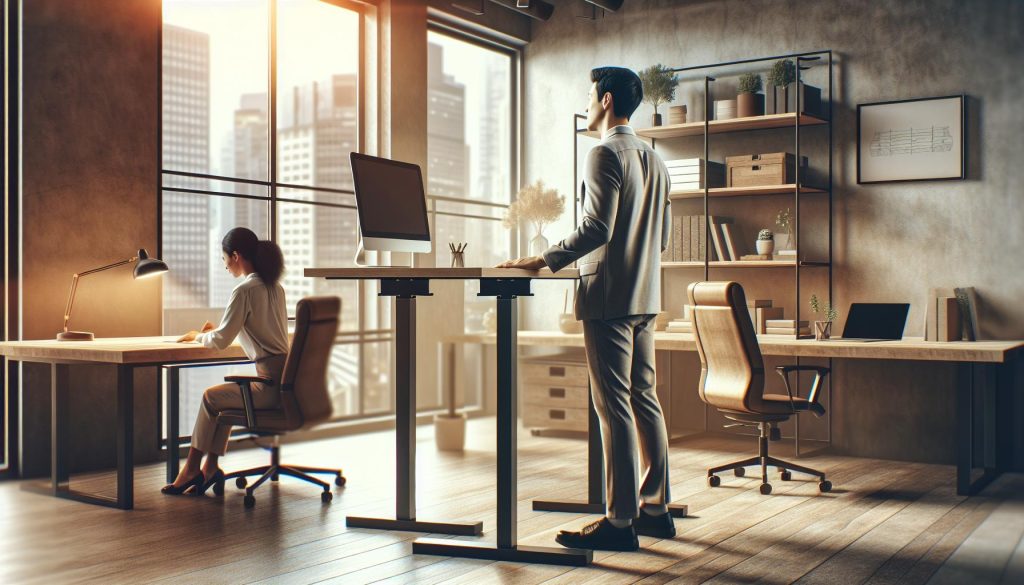
Did you know that spending too much time sitting can significantly impact your health and productivity? Transitioning to a standing desk can be a game changer, but adjusting to this new way of working is crucial for maximizing its benefits. In “How to Adjust to a Standing Desk: Painless Transition Secrets,” we’ll explore practical strategies to ease into standing while ensuring your comfort and focus. Whether you’re concerned about fatigue, posture, or productivity, this guide offers science-backed insights to help you embrace this change seamlessly. By prioritizing ergonomic setup and healthy work habits, you’ll foster a more dynamic workspace that enhances your cognitive performance and overall well-being. Join us as we uncover the secrets to a successful transition that empowers you to work better and feel great!
Understanding the Benefits of a Standing Desk
Embracing a standing desk can be a transformative change in your work life, offering a range of benefits that enhance not just physical health but cognitive performance and overall wellness. Research suggests that standing more throughout the day can lead to lower blood sugar levels, which is particularly beneficial after meals, and may even help mitigate the risk of obesity and heart disease. Beyond these metabolic advantages, standing desks have been associated with reduced back and shoulder pain, a common complaint among those who spend extended hours in a seated position [2[2].
Using a standing desk also encourages better posture, as it naturally aligns the body in a more ergonomically favorable position when set up correctly. This can lead to fewer muscle strains and a significant decrease in fatigue associated with long periods of sitting. Additionally, being upright can enhance alertness and focus, creating a more engaging and productive work environment. This heightened awareness and energy can whip through tasks more quickly and effectively, driving productivity and creativity [1[1].
Moreover, standing desks can foster a more dynamic workplace culture, encouraging movement and collaboration among coworkers. The increased willingness to move around facilitates discussions and active breaks, contributing to a more synergistic work atmosphere. Thus, integrating a standing desk into your routine not only benefits you individually, but can also positively affect your entire team’s dynamics. By understanding these advantages, you can better appreciate how to leverage a standing desk for your health and productivity improvements.
Essential Ergonomic Setup for Standing Desks
Creating an ergonomic setup for your standing desk is crucial for maximizing its benefits while minimizing discomfort. Proper alignment not only promotes better posture but also enhances overall productivity and well-being. Research indicates that an incorrect workspace setup can lead to fatigue and strain, negating the advantages of standing while working. With thoughtful adjustments, you can shift from a sedentary to a standing workspace seamlessly.
To begin with, ensure your desk height is adjusted to the right level. When standing, your elbows should be at a 90-degree angle while your hands hover comfortably over the keyboard. This positioning helps prevent wrist strain and allows for a relaxed shoulder posture. Aim for the top of your monitor to be at or just below eye level, which encourages a neutral neck position. Consider using an adjustable monitor stand if your desk cannot accommodate this height, as this minor investment can significantly improve your comfort throughout the day.
Essential Ergonomic Elements
- Footwear: Selecting supportive footwear is vital. Choose shoes that provide adequate arch support to reduce fatigue in your legs and feet. Anti-fatigue mats can also make standing more comfortable by cushioning your feet and promoting movement.
- Arrangement: Organize your workspace to minimize unnecessary reaching or twisting. Place frequently used items within arm’s reach to maintain a natural standing position.
- Movement: Incorporate subtle movements throughout your day. Shift your weight from one foot to the other, take brief walks, or stretch to invigorate your muscles and enhance circulation.
Additionally, consider a mixed-use approach by alternating between sitting and standing. This can prevent fatigue and keep your energy levels optimized. Tools such as a desk converter allow for easy transitions, making it more manageable to adjust your position based on how you feel throughout the day.
Incorporating these ergonomic strategies promotes not just physical comfort but also cognitive enhancement, enabling sustained focus and productivity. Your workspace can become a hub of energy, creativity, and health, reflecting a well-balanced approach to work-life harmony. As you experience the benefits of a well-set-up standing desk, remember that listening to your body and adjusting your environment accordingly plays a critical role in ensuring a productive, enjoyable work experience.
Best Practices for a Smooth Standing Desk Transition
Transitioning to a standing desk can be a transformative experience for your productivity and well-being, but success often hinges on how smoothly this change is made. Many individuals initially feel energized and motivated by the idea of standing while they work; however, the reality can present challenges if not approached thoughtfully. When making the switch, it’s essential to implement a few best practices that ensure not only comfort but also enhance overall productivity.
Start by incrementally increasing your standing time. Instead of jumping straight to a full-day standing routine, gradually incorporate standing intervals into your day. For instance, begin with short sessions of 15-30 minutes and slowly increase them as your body adjusts. This method allows your muscles and joints to adapt without overwhelming fatigue, minimizing the likelihood of discomfort associated with long periods of standing.
It’s also beneficial to create a schedule that balances sitting and standing. Consider setting a timer to remind you to switch positions every 30-60 minutes. This active management keeps your circulation flowing and helps maintain high energy levels throughout the day. Pair this with complementary activities like stretching or taking short walks during these breaks to boost both physical and cognitive performance.
Furthermore, invest in ergonomic accessories that support your standing desk. Utilize anti-fatigue mats, which can significantly reduce stress on your joints and offer a cushioned surface to stand on. These mats encourage slight movements of the legs and core, helping to promote circulation and reduce tiredness. Additionally, ensure that your monitor is at eye level and that your keyboard is positioned to maintain a neutral wrist position. This will prevent strain and help you remain focused without the distraction of discomfort.
Incorporating these practices can make the transition to a standing desk a positive experience, fostering an environment that supports your productivity and overall health. As you journey through this adjustment, remain attentive to your body’s signals, adapting your approach to meet your comfort needs, and always prioritize gradual adaptation over drastic changes for sustained success.
Common Mistakes to Avoid with Standing Desks
Making the switch to a standing desk can feel invigorating, but it’s essential to navigate this transition with care to avoid common pitfalls. Many individuals rush into the experience, thinking that standing all day will automatically yield productivity and health benefits. However, there are several missteps that can lead to discomfort and decreased efficiency.
One prevalent mistake is neglecting to invest in ergonomic accessories. It’s crucial to ensure that your workstation is set up correctly from the start. Without the right support, you may find yourself in awkward positions that lead to strain. Key accessories include:
- Anti-fatigue mats: These provide cushioning underfoot, helping reduce discomfort associated with standing.
- Task chair: Having a chair nearby can encourage rest periods when your legs grow tired.
- Monitor risers: Properly positioning your screen at eye level can prevent neck strain.
Another frequent error is underestimating the importance of transition intervals. Some users adopt a full-day standing approach right away, only to experience fatigue and physical discomfort. Instead, aim to gradually increase your standing time over several weeks. This allows your body to adapt without overwhelming it, reducing the risk of issues such as varicose veins or lower back pain.
Additionally, be mindful of your posture and movements throughout the day. Slouching or remaining rigid can lead to stiffness and fatigue. Periodic stretching or shifting your weight from one leg to the other can encourage better circulation and reduce strain. Incorporating small movements, like foot taps or leg stretches, can keep energy levels elevated and maintain focus.
Finally, don’t forget to listen to your body. Ignoring discomfort or pain can exacerbate issues and lead to chronic problems. Monitoring how you feel during and after work hours is crucial; if standing becomes painful, stop and reassess your method. It’s all about creating a sustainable environment that encourages both productivity and wellness. By avoiding these common mistakes, you can create an effective and enjoyable standing desk experience that enhances your workday.
Tips for Maintaining Energy and Focus
Maintaining energy and focus while using a standing desk is crucial for optimizing productivity and enhancing overall well-being. Interestingly, research shows that incorporating simple strategies into your routine can significantly boost your mental alertness and physical stamina throughout the day, making your standing desk experience more rewarding.
One effective method to sustain energy levels is to implement a structured schedule of alternating between sitting and standing. This practice, known as the “60-30 method,” entails standing for 60 minutes followed by a brief 30-minute sitting session. By creating this rhythm, you promote blood circulation and reduce muscle fatigue, which helps mitigate feelings of lethargy. During your sitting periods, take the opportunity to perform targeted stretching exercises to relieve any tension built up while standing. Focus on stretches that open up the hips and shoulders, as these areas tend to tighten during prolonged standing.
Strategies to Enhance Mental Clarity
In addition to physical adjustments, mental engagement plays a vital role in maintaining focus. To combat distractions, consider integrating short, mindful breaks throughout your day. Techniques such as the Pomodoro Technique-working in bursts of 25 minutes followed by a 5-minute break-can improve concentration and create a sense of urgency that enhances focus. During these breaks, step away from your workstation, hydrate, or perform light exercises that stimulate blood flow.
Another strategy is to optimize your surrounding environment to support cognitive performance. Ensure your workspace is well-lit, preferably with natural light, as this boosts mood and energy levels. Additionally, minimize noise distractions with sound-canceling headphones or by playing soft background music, which is proven to enhance creativity and concentration for many individuals.
Ultimately, by merging physical movement with mental strategies and an optimized workspace, you can cultivate an environment that supports sustained energy levels and sharp focus. Listen to your body and adapt these practices to meet your personal needs, allowing for a seamless integration into your work routine. This holistic approach not only enhances productivity but also promotes long-term health and cognitive performance.
Incorporating Movement Throughout Your Day
Incorporating regular movement into your day when using a standing desk is essential not only for physical well-being but also for enhanced cognitive performance. Sitting or standing still for extended periods can contribute to fatigue and discomfort, which negatively impacts productivity. Therefore, integrating simple, strategic movement throughout your workday can significantly uplift your energy levels and mental clarity.
One practical method for incorporating movement is to set a timer that prompts you to take brief, active breaks every 30 to 60 minutes. During these breaks, engage in quick stretches, walk around your workspace, or perform light exercises such as leg lifts or calf raises. Even just shifting your weight from one foot to another or doing ankle circles can help stimulate blood circulation, thereby preventing stiffness and muscle fatigue.
Micro Movements for Maximum Impact
Another effective technique is to incorporate micro movements into your standing routine. For instance, try using a balance board or an under-desk elliptical trainer as you work. These tools not only engage your core muscles but also keep your body active without interrupting your workflow. Alternatively, keep a resistance band nearby to perform upper body stretches and strength exercises during short breaks.
You might also consider walking meetings, where discussing ideas on the go can invigorate your mind and foster creativity. Furthermore, aim for a lunchtime walk, which helps clear your mind and refresh your focus for the afternoon tasks.
Ultimately, the goal is to create a dynamic working environment that embraces movement. By making physical activity a regular part of your routine, you not only enhance your immediate concentration but also promote long-term cognitive health and workplace wellness. Adopting these habits can lead to improved productivity and a more satisfying work experience while using a standing desk.
Adjusting Your Routine for Optimal Comfort
Transitioning to a standing desk can be a game-changer for your productivity and overall well-being, but optimal comfort requires strategic adjustments to your routine. The key to making this transition seamless lies in creating a personalized setup that minimizes discomfort and maximizes support. First and foremost, it’s crucial to assess the height of your desk and monitor. Ideally, your elbows should be at a 90-degree angle, and the top of your screen should be at eye level to keep your neck in a neutral position. Investing in an adjustable desk can allow for fine-tuning this height, catering to your body’s needs throughout the day.
Another vital aspect to consider is your footwear and floor surface. Standing on hard surfaces for long periods can lead to fatigue. Using an anti-fatigue mat can significantly reduce discomfort by providing cushioning and promoting slight movements in your legs and feet. Pair this with supportive shoes; avoid wearing high heels or flat shoes without arch support, as proper footwear is essential for maintaining energy levels and reducing strain.
Moreover, the inclusion of scheduled breaks into your routine is crucial for comfort. Every 30 to 60 minutes, take a moment to step away from your desk. Not only does this reduce prolonged pressure on your legs and feet, but it also affords you mental breaks that can enhance your cognitive performance. Consider integrating quick movements such as calf raises or ankle circles during these breaks to invigorate your circulation.
Finally, adjusting your routine isn’t just about physical modifications; it’s also about being mindful. Listen to your body, and don’t hesitate to shift back to sitting if standing becomes uncomfortable at any point. Gradually increase your standing time and allow yourself flexibility in how you work best. Through these thoughtful adjustments, you can cultivate a comfortable and efficient standing desk routine that supports both your productivity and your health.
Signs You’re Overdoing It: Listening to Your Body
Adjusting to a standing desk can provide numerous benefits for your productivity and health, but it’s essential to recognize when you may be pushing your limits. Listening to your body is paramount in ensuring a positive experience with your standing desk setup. Your body is an excellent indicator of how well your current routine is working. If you begin to experience persistent discomfort, it’s a clear sign to reassess your standing habits.
Among the most common signals that you might be overdoing it are feelings of fatigue, discomfort in your feet or legs, and persistent lower back pain. These symptoms can indicate that you are spending too much time on your feet without sufficient breaks or without a proper ergonomic setup. Fatigue can exacerbate cognitive challenges like decreased focus or increased irritability, making it vital to heed these warnings early. Make it a habit to check in with your body regularly, particularly if you start to notice:
- Foot Pain: Soreness or a burning sensation in your feet often signals that your footwear is insufficient, or you need to take more frequent breaks.
- Leg Discomfort: Consider stretching or even sitting down if you feel heaviness in your legs-the muscles may be overworked.
- Back Pain: Pain in the lower back suggests that your desk height or posture may not be ideal.
To ensure a balanced approach, aim to alternate between sitting and standing throughout the day. A good rule of thumb is starting with short standing sessions of 15 to 30 minutes and gradually increasing this time as your body becomes accustomed. Also, incorporate stretch breaks or light exercises such as leg raises to invigorate circulation and combat fatigue. If discomfort persists despite adjustments, consider consulting with a healthcare professional, as repetitive or prolonged standing can lead to more serious issues if not managed properly.
By practicing mindful awareness of your body’s feedback and adjusting your standing routine accordingly, you can enhance your workspace experience. This not only protects against injury but also helps maintain your energy and focus, ultimately contributing to improved productivity and well-being in your workday.
Boosting Productivity with Standing Desk Habits
Implementing standing desk habits can significantly enhance your productivity, transforming your work experience into a more dynamic and engaging one. Studies suggest that standing while working can lead to increased alertness and higher energy levels, reducing the sensations of fatigue commonly associated with prolonged sitting. To truly capitalize on these potential benefits, cultivating effective habits around your standing desk is essential.
One practical approach is to establish a well-defined schedule that incorporates alternating between standing and sitting. This not only keeps physical discomfort at bay but also varies your energy levels throughout the day. For instance, aim to stand for 30 to 60 minutes, followed by a sitting period of 15 to 30 minutes. Such rhythm helps sustain focus while preventing burnout. Utilizing a timer can help in maintaining this balance, turning it into a structured routine.
Moreover, leveraging movement during your work hours can amplify the positive effects of standing. Try to fit in short breaks every hour to stretch or walk around-these mini-activations stimulate blood flow and enhance cognitive engagement. Being mindful of your posture is equally crucial. Adjust your desk height to ensure your elbows form a 90-degree angle and your screen is at eye level. This ergonomic set-up aids not only in physical comfort but also in maintaining a clear, focused mindset.
Lastly, consider integrating small habits like keeping a water bottle at your desk. Staying hydrated not only promotes overall health but also serves as a reminder to take those necessary breaks to refill and move. Engaging in such simple yet impactful habits can create a robust framework for enhancing your productivity and overall wellbeing while adapting to a standing desk. Embrace the transition holistically; your body and mind will thank you for it.
Creating a Supportive Environment for Standing Work
is essential for maximizing the benefits of a standing desk. Research indicates that a well-designed workspace can significantly enhance both comfort and productivity. Imagine entering a space where everything from lighting to chair arrangements inspires energy and focus. Effective optimization begins with understanding how to tailor your environment to suit standing desk usage.
Start by ensuring adequate lighting. Overhead fluorescent lights can create an uncomfortable glare, leading to eye strain and fatigue. Instead, opt for natural light whenever possible or invest in soft white LED bulbs that mimic daylight. This not only improves your working conditions but can also positively influence your mood and cognitive function. A well-lit workspace can boost alertness and creativity, enabling clearer thinking and better decision-making.
Moreover, organization plays a crucial role in fostering a positive workspace. Keep your desk free from clutter to reduce mental distractions. Utilizing cable management solutions and desk organizers can simplify your space and keep essential items within arm’s reach. Consider these tips to enhance your setup:
- Ergonomic Footwear: Wear supportive shoes that provide comfort throughout the day. Consider investing in anti-fatigue mats that reduce stress on your feet and joints.
- Monitor Placement: Your computer screen should be at eye level, about an arm’s length away, to prevent neck strain and promote proper posture.
- Monitor Arms: Use adjustable monitor arms to easily change the height and angle of your screens, accommodating any position quickly as needed.
- Color and Decor: Introduce plants or calming artwork to your office. Biophilic design elements can decrease stress and enhance productivity.
Lastly, encourage communication and movement within your workspace. Establishing a culture where employees feel comfortable standing up for discussions or taking quick walks can lead to increased engagement and collaboration. By integrating these supportive elements into your standing desk environment, you create a space that not only fosters productivity but also aligns with your overall well-being, promoting sustained energy and cognitive clarity throughout your workday.
Advanced Techniques for Standing Desk Users
Transitioning to a standing desk can be transformative, but it also requires adjustments to maximize its benefits. One powerful approach is adopting a strategic mix of movement and posture adjustments throughout the day. This not only combats fatigue but also enhances cognitive function and overall well-being. For instance, consider implementing the Pomodoro Technique – after every 25 minutes of focused work, take a 5-minute standing or walking break. This method encourages regular movement, helping maintain energy and focus over long periods.
Creating a variety in your standing desk routine is equally vital. Shift your weight from one leg to another or use a balance board or stability cushion to engage your core muscles. These small changes can help alleviate tension and improve your posture. You might also explore the frequent adjustment of your desk height to alternate between sitting and standing even more fluidly, as studies suggest that mobility throughout the day can contribute significantly to cardiovascular health and reduce the risks associated with prolonged sitting [1].
Incorporating mindfulness into your standing routine can further bolster the experience. This might include deep breathing exercises or short mindfulness sessions, which have been shown to enhance cognitive clarity and reduce stress. Investing in a simple app that reminds you to check in with your posture and breathing can keep you attuned to your body’s needs.
Additionally, consider the use of accessories, like a desktop treadmill or an under-desk bike, which can add a cardiovascular component to your day. These innovations allow you to stay active while working, tapping into the growing interest in active workstations that merge productivity with physical movement. Remember, the key is to listen to your body and adjust your practices for comfort and efficiency, promoting a healthier relationship with your work environment.
Long-Term Benefits: Health and Cognitive Performance
The transition to a standing desk can be a pivotal change, offering profound long-term benefits for both health and cognitive performance. Studies consistently indicate that adopting a standing desk can significantly reduce the risks of chronic diseases, such as obesity, diabetes, and cardiovascular issues. By standing more throughout the day, you are actively engaging your muscles, improving circulation, and burning more calories compared to extended periods of sitting. This increased activity level can enhance metabolic health, leading to not just a noticeable change in physical appearance but also an overall sense of vitality and well-being.
Moreover, the effect of a standing desk goes beyond physical health; it can significantly bolster cognitive function. The act of standing promotes better posture and increased blood flow to the brain, which is essential for cognitive clarity and concentration. Research has shown that individuals who use standing desks report greater focus, higher productivity levels, and enhanced morale. By feeling more energetic and alert, you are better equipped to tackle complex tasks, engage in creative thinking, and make more informed decisions throughout your workday. This synergy between physical activity and mental performance can be particularly beneficial in high-stakes environments or creative fields where mental agility is crucial.
To fully harness these long-term advantages, it’s vital to incorporate a dynamic approach to your standing desk routine. Integrating short breaks for movement or stretching can further stimulate both physical and cognitive health. Techniques such as alternating between sitting and standing at regular intervals, practicing mindfulness, and using ergonomic supports ensure your body remains engaged while minimizing fatigue. This deliberate integration of movement not only refreshes your focus but also fosters a sustainable habit that can lead to lasting improvements in both wellness and productivity.
Ultimately, by committing to the use of a standing desk, you are not just opting for a trendy piece of office furniture; you are investing in your health and mind. Embracing this transition can set the stage for a healthier lifestyle and improved cognitive performance, paving the way for personal and professional success.
FAQ
Q: How can I make my transition to a standing desk easier?
A: To ease your transition to a standing desk, start by gradually increasing the time you spend standing each day. Incorporate short standing breaks and listen to your body’s signals. Adjust your desk’s height to elbow level and keep feet shoulder-width apart. Consider using an anti-fatigue mat for comfort.
Q: What should I place on my standing desk for optimal ergonomics?
A: For optimal ergonomics on your standing desk, arrange your monitor at eye level, keeping it about an arm’s length away. Use a separate keyboard and mouse at elbow height to maintain a neutral wrist position. Also, position items you frequently use within easy reach to minimize strain.
Q: How often should I alternate between sitting and standing?
A: Experts recommend alternating between sitting and standing every 30 to 60 minutes. This helps to reduce fatigue and discomfort while promoting better posture and blood circulation. Use a timer or reminder app to encourage regular switches throughout your workday.
Q: What common mistakes should I avoid when using a standing desk?
A: Avoid standing for prolonged periods without breaks, as it can lead to fatigue and discomfort. Don’t forget to maintain good posture by keeping your back straight and shoulders relaxed. Additionally, avoid clutter on your desk that can promote poor ergonomics and distraction.
Q: Are there specific shoes I should wear when using a standing desk?
A: Yes, choose supportive shoes with good arch support and cushioning to reduce fatigue. Avoid high heels or flat shoes without support. Consider using gel insoles for added comfort while standing, which can make long periods of standing more manageable.
Q: How can I stay comfortable while working at a standing desk?
A: To stay comfortable at a standing desk, shift your weight from leg to leg frequently, use a footrest to alternate your foot position, and take regular micro-breaks. Incorporate stretches every hour to relieve tension and improve circulation.
Q: What are effective ways to enhance focus when using a standing desk?
A: To enhance focus at a standing desk, create a structured routine that includes focused work blocks followed by short breaks. Keep your workspace organized and minimize distractions. Incorporate standing desk habits that encourage movement, like walking meetings or standing while on calls.
Q: What should I do if I start to feel pain while using a standing desk?
A: If you experience pain while using a standing desk, first check your desk height and posture. Take a break and switch to sitting if necessary. Stretch your legs and back lightly. If discomfort persists, evaluate your footwear and consider consulting with a healthcare provider for ergonomic advice.
Concluding Remarks
As you embark on your journey to adjust to a standing desk, remember that the transition is a powerful step towards enhanced workplace wellness and cognitive health. By gradually increasing your standing time and focusing on ergonomic adjustments, you’re investing in not just your comfort but your overall productivity and well-being. Don’t hesitate to explore our related guides on creating an ergonomic workspace and effective stress management techniques to further enrich your experience.
Take action now! Implement these painless transition secrets and feel the difference in your daily work life. If you want more expert tips on workplace wellness, sign up for our newsletter. Together, let’s foster a culture of health and productivity in your work life. Share your progress or ask questions in the comments below-we’d love to hear from you! Every step you take leads you closer to a healthier, more engaged work environment.