
In today’s world, where prolonged sitting has been linked to various health issues, transitioning to a standing desk can significantly enhance your overall well-being and productivity. This shift not only alleviates discomfort associated with sedentary behavior but also promotes better posture and boosts energy levels. If you’re concerned about making this change pain-free, you’re not alone. Many people seek ways to integrate standing into their work routine without experiencing strain or fatigue. This guide will provide you with essential strategies to ease the transition smoothly and sustainably. By the end, you’ll feel empowered to create an ergonomic workspace that supports both your body and mind, paving the way for improved cognitive performance and a healthier lifestyle. Let’s explore how to make your standing desk experience not just effective, but enjoyable!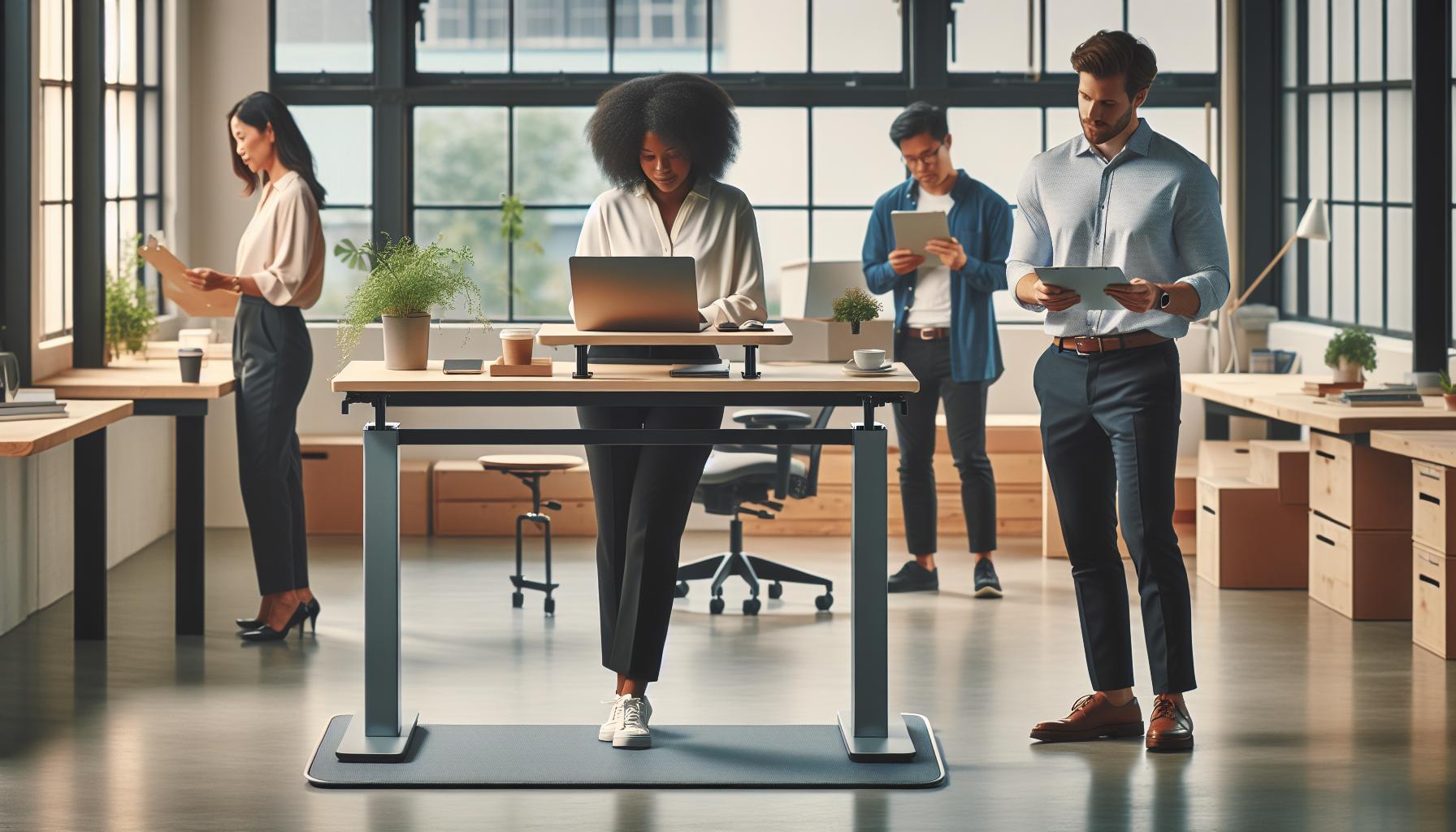
Understanding the Benefits of a Standing Desk
The shift from a sedentary to a more active work environment can be a transformative journey for many individuals. Embracing the use of a standing desk has become a popular strategy to combat the health risks associated with prolonged sitting, which include obesity, heart disease, and musculoskeletal issues. Research has shown that standing desks can contribute to increased energy levels, improved mood, and heightened productivity, making them a valuable asset in both personal and professional settings.
One of the most compelling benefits of standing desks is their potential to enhance overall physical health. By incorporating standing into your work routine, you can help reduce the risk of weight gain and improve metabolic factors like blood sugar levels and cholesterol. Moreover, standing while working encourages better posture, reducing chronic back pain, a common ailment linked to extended periods of sitting. Studies indicate that alternating between sitting and standing can alleviate discomfort and improve spinal alignment, fostering a healthier work experience.
Beyond the physiological advantages, standing desks also cater to cognitive well-being. Engaging in a more active stance during work hours promotes greater alertness and focus. This heightened awareness can lead to improved creativity and problem-solving capabilities. Coupled with regular movement, such as stretching or walking during breaks, the benefits of standing workstations are amplified. As a result, transitioning to a standing desk can prove to be a powerful strategy for not only enhancing workplace comfort but also cultivating a more productive and engaged mind.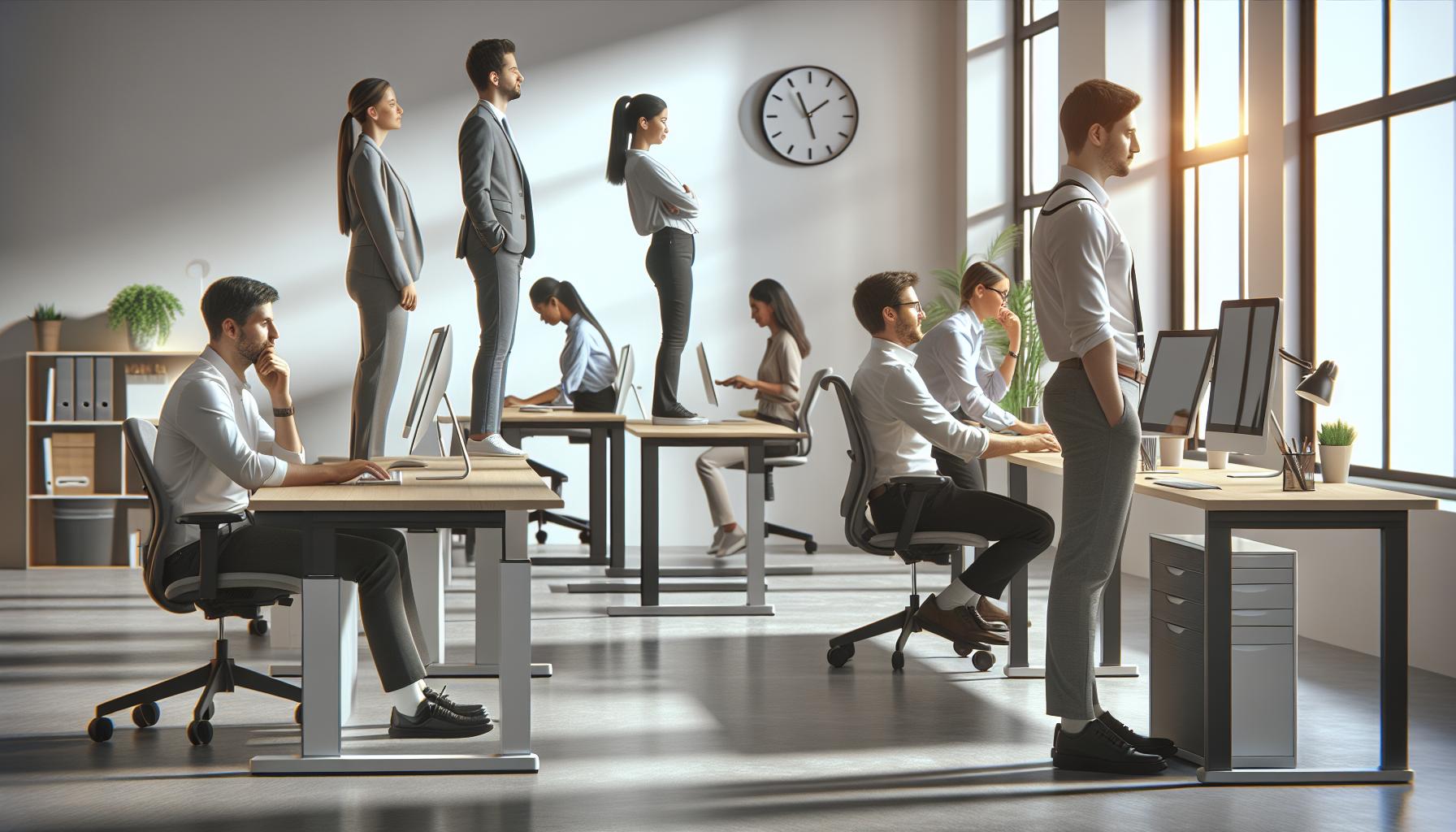
Signs You Should Transition to a Standing Desk
The journey to improve workplace wellness often begins with recognizing the signs that a change is needed. If you find yourself experiencing discomfort or fatigue throughout the day, it may be time to consider transitioning to a standing desk. Persistent issues such as back pain, reduced energy levels, and difficulty concentrating can all be indicators that your current workspace setup is not serving your health needs. A standing desk can offset many of these challenges, promoting better posture and increasing overall engagement while working.
Pay close attention to your body’s signals. If you are frequently feeling lethargic, it’s likely that long hours of sitting may be contributing to a dip in energy. Studies have shown that integrating standing into your work routine can boost alertness, leading to improved productivity and mood. Additionally, if you notice stiffness or discomfort in your back, hips, or neck, switching to a standing setup might alleviate these symptoms, as standing promotes better spinal alignment and encourages movement.
Being aware of your daily habits is crucial. For example, if you take frequent breaks to stretch or walk around, it might indicate a need for a more dynamic work environment. A standing desk can facilitate these natural movements more easily than a traditional seated desk, making it simpler to maintain a more active work style. Moreover, if your work involves tasks that could benefit from increased engagement, such as brainstorming sessions or presentations, utilizing a standing desk can enhance collaboration and communication among team members.
Ultimately, tuning into your body’s feedback and workplace productivity patterns will guide your decision to make the switch. If you’re experiencing discomfort that traditional seated work can’t alleviate, or if you’re striving for greater energy and focus throughout your day, a standing desk could be a game-changing adjustment to your work routine. Embrace this transition as a proactive step towards achieving a healthier work-life balance and fostering a more invigorating environment for your cognitive performance.
Setting Up Your Standing Desk Ergonomically
Creating an ergonomic setup for your standing desk is essential to ensure comfort and prevent fatigue while you work. A well-designed workspace not only supports your physical posture but also enhances cognitive performance and productivity. Research has shown that an ergonomic standing desk can contribute to improved focus and reduced discomfort, ultimately fostering a healthier work environment.
To begin with, your desk height should allow your elbows to be at a 90-degree angle or slightly obtuse when you type. Your wrists should stay straight, and hands should hover comfortably above the keyboard. The top of your screen should be at or just below eye level, which helps to maintain a neutral head position and reduces neck strain. Positioning your monitor about an arm’s length away can also prevent eye fatigue.
Maintaining proper foot positioning is just as crucial. Stand with your feet shoulder-width apart and distribute your weight evenly. Consider using a footrest or anti-fatigue mat, which encourages slight shifts in weight and promotes constant, gentle movement that keeps your legs from tiring too quickly. Incorporating small movement throughout your workday, such as shifting your weight from one foot to the other or performing gentle stretches, can also help alleviate stiffness and improve circulation.
To further support your ergonomic setup, declutter your workspace. Ensure that frequently used items are within easy reach, minimizing unnecessary stretching or twisting. Harnessing technology can also aid in this transition; for example, utilizing a monitor stand can elevate your screen to eye level effortlessly and help in configuring the desk’s layout effectively.
Remember that every individual’s ergonomics needs can differ based on body type and personal comfort, so don’t hesitate to listen to your body and make adjustments as necessary. Prioritize these foundational ergonomic principles to create a workspace that supports not only your physical health but also your mental clarity and work satisfaction.
Gradual Transition: How to Ease into Standing
Transitioning to a standing desk can be an exciting yet daunting shift in your work-life routine. To ease into this new practice comfortably, it’s essential to adopt a gradual approach that respects your body’s natural rhythms and minimizes discomfort. By allowing your body to adapt at its own pace, you enhance not just your physical well-being but also your cognitive function and productivity.
Begin by incorporating short standing intervals into your day. Start with just 15 to 20 minutes of standing at intervals, then gradually increase the time as your body adjusts. For example, you might stand for 20 minutes every hour, eventually working up to an hour at a time as your comfort level grows. This incremental approach prevents muscle fatigue and helps your body acclimatize to the shifts in posture. You might find it beneficial to set reminders on your phone or use a timer to help you transition from sitting to standing without distraction.
Listening to your body is crucial during this adjustment period. Be mindful of any discomfort, such as fatigue or pressure in your legs and feet, and don’t hesitate to return to a sitting position if needed. Also, consider alternating between sitting and standing throughout your workday, creating a rhythm that works best for you. Some users find it helpful to alternate every 30 to 60 minutes, balancing periods of standing with adequate sitting time as their body becomes more accustomed to the new height.
In addition to this adaptation, fostering good habits around your standing desk can significantly enhance your experience. Keep your workspace organized and ergonomic, with items like your keyboard and mouse positioned for easy access while standing. Having anti-fatigue mats can also provide extra cushioning, further aiding in comfort. By prioritizing these strategies, you will not only ease into standing but can also cultivate an engaging and health-promoting work environment.
Common Challenges and How to Overcome Them
Transitioning to a standing desk can be a transformative experience, but it’s not without its obstacles. One of the most prevalent challenges is the initial discomfort associated with prolonged standing. Many individuals report fatigue in their legs, lower back pain, or foot discomfort as they adjust to this new work style. To combat these issues, start by listening to your body; if you begin to feel discomfort, take a break and sit down for a while. It’s essential to gradually increase the duration of your standing intervals instead of forcing long periods from the outset.
Another common obstacle is the tendency to adopt poor posture while standing, which can lead to further discomfort. It’s crucial to set your workstation ergonomically. Ensure that your computer screen is at eye level and that your keyboard and mouse are positioned to prevent strain on your wrists and shoulders. Consider using a footrest to shift your weight and encourage micro-movements. Remember, maintaining a neutral spine and relaxed shoulders can significantly alleviate discomfort during long hours.
To help with energy levels, incorporate movement throughout your day. Simple activities such as stretching or walking around your office can increase circulation and reduce fatigue. Set a timer or use productivity apps to remind yourself to move every 30 minutes. You could also consider using a balance board or an anti-fatigue mat to encourage slight movements while standing, which can minimize fatigue and keep your body engaged.
Lastly, remember the importance of supportive footwear. Wearing shoes with good arch support can make a substantial difference and help mitigate discomfort. If you find your footwear lacking, investing in supportive shoes can enhance your standing experience. Ultimately, embracing a standing desk is about balance; prioritize your comfort and stay attuned to your body’s signals as you navigate this significant shift in your work life.
Incorporating Movement: Tips for Active Work Hours
Incorporating movement into your work hours is essential for maintaining energy levels and enhancing overall well-being while transitioning to a standing desk. Studies have shown that regular movement can improve cognitive function, boost mood, and even reduce the risks associated with prolonged sitting or standing. By embedding active habits into your daily routine, you not only counteract fatigue but also embrace a more dynamic work atmosphere.
Take a proactive approach to movement by setting a timer to remind yourself to take breaks every 30 to 60 minutes. During these brief sessions, consider engaging in one of the following activities:
- Stretching: A series of stretches targeting the neck, shoulders, and lower back can alleviate tension and enhance flexibility.
- Walking: A short walk around the office or even in place can stimulate circulation and invigorate your mind.
- Micro-exercises: Incorporate simple exercises like calf raises or knee lifts to keep your muscles active without requiring significant time commitment.
Additionally, investing in tools that encourage movement can exponentially enhance your active hours. A balance board or an anti-fatigue mat can promote subtle shifts in weight, engaging your core and minimizing fatigue. If your workplace permits, consider standing or walking meetings to maintain that active momentum, encouraging both physical engagement and collaboration among colleagues.
Emphasizing movement isn’t solely about physical activity; it also fosters a healthier work-life balance. Create a habit of integrating movement by using your lunch breaks for a brisk walk or setting aside time for light exercise during your day. This not only refreshes the body but also sharpens the mind-a crucial factor for optimal productivity. By making movement an intrinsic part of your work hours, you contribute to a healthier environment for both yourself and your colleagues, paving the way for sustained energy and improved cognitive function throughout your day.
Maintaining Comfort with Anti-Fatigue Accessories
Standing for extended periods can lead to discomfort, but incorporating anti-fatigue accessories into your workspace can greatly improve your experience. These tools not only enhance comfort but also promote better posture and productivity throughout your day. One of the most effective accessories is an anti-fatigue mat, designed to encourage micro-movements in your legs and feet, reducing fatigue and discomfort. By providing an uneven surface, these mats stimulate your muscles and encourage you to shift your weight from one leg to the other, fortifying muscle engagement and improving circulation.
In addition to anti-fatigue mats, consider using supportive footwear designed to alleviate pressure on your feet and joints. A well-cushioned shoe can make a significant difference in comfort levels throughout your day, whether you’re in a standing position or engaging in movement. Also, elevating your feet periodically can aid in reducing fatigue; consider a footrest or a small box to alternate foot positions.
To further enhance comfort, include ergonomic tools such as screen stands and adjustable monitor arms to maintain an optimal viewing angle and reduce neck strain. Proper wrist support while typing is crucial, so using wrist rests or ergonomic keyboards can prevent discomfort in the hands and wrists.
Incorporating these anti-fatigue accessories isn’t just about comfort; it’s a proactive approach to maintaining your overall well-being while working at a standing desk. By ensuring that you have the right support and equipment, you empower yourself to embrace the benefits of standing while minimizing the adverse effects of prolonged standing. This attention to ergonomic details can significantly boost your productivity and mood, making your transition to a standing desk a rewarding experience.
Optimizing Your Workspace for Productivity
Creating a workspace that maximizes productivity while using a standing desk involves thoughtful organization and attention to ergonomics. Studies suggest that a well-structured environment can enhance cognitive performance and maintain energy levels throughout the day. It is essential to ensure that your workspace not only caters to your physical comfort but also fosters an atmosphere conducive to focus and efficiency.
To start, the height of your standing desk is critical. The ideal setup allows your elbows to rest comfortably at a 90-degree angle while typing, with your wrists in a neutral position. Monitor placement is equally important; the top of the screen should be at or just below eye level, allowing you to keep your neck in a neutral position. Consider using an adjustable monitor arm to customize the height and distance, accommodating different tasks and reducing strain on your back and neck.
Key Elements for an Optimized Workspace
- Lighting: Natural light can significantly boost mood and productivity. Position your desk near a window if possible, and supplement with adjustable task lighting to reduce eye strain.
- Decluttered Surface: A clean workspace reduces distractions. Use organizers to keep essential items within reach while maintaining an orderly desktop.
- Personalization: Including elements that inspire you, such as motivational quotes or artwork, can enhance your engagement and reduce stress, contributing to a more pleasant work environment.
If you find your attention waning, consider integrating movement into your day. Simple strategies include taking short walks or doing stretches. This promotes better circulation and rejuvenates your mind, helping you tackle tasks with renewed focus. Investing in quick, accessible ways to move around can make a significant difference in your overall productivity.
Additionally, technology can play a role in optimizing productivity. Utilize apps that remind you to take breaks, track your standing time, and encourage active movement. Many ergonomic standing desks also come equipped with programmable height settings, allowing you to switch between standing and sitting seamlessly throughout the day.
Ultimately, while using a standing desk is about finding the right balance of comfort, functionality, and inspiration. By addressing the physical aspects, such as desk height and organization, while also considering your mental environment, you can create a workspace that not only supports your daily tasks but also enhances your overall well-being.
Healthy Habits to Pair with Standing Desks
Making the switch to a standing desk can significantly enhance your workplace well-being, but it’s essential to complement this change with healthy habits to maximize its benefits. One of the most promising findings from workplace health research is that movement and good nutrition can transform your experience at a standing desk into one that promotes overall wellness and productivity. For instance, incorporating regular movement into your routine can counteract any potential fatigue associated with standing for long periods.
A practical approach is to establish a routine that incorporates micro-breaks throughout your day. Aim for a short walk or stretch every 30 minutes. This not only boosts circulation but also stimulates your brain, enhancing cognitive function and mood. Using timers or apps can serve as gentle reminders to move, helping you stay consistent. Additionally, consider implementing a variety of standing postures-try shifting your weight from one leg to another, or using a footrest to alternate your stance, which can alleviate strain on your legs and back.
Nutrition is another critical factor that can influence your energy levels and mental clarity while using a standing desk. Fueling your body with nutrient-dense snacks, such as nuts, fruits, or yogurt, can provide lasting energy and prevent the mid-afternoon slump. Stay hydrated; keeping a water bottle at your workstation can remind you to maintain proper fluid intake, which is vital for brain function and energy.
Lastly, mindfulness practices, such as deep breathing and short meditations, can also be integrated into your standing desk routine. These practices help manage stress, improve focus, and enhance cognitive performance. Take just a few moments to center yourself, especially during busy days. Combining these habits with standing desk use creates a holistic approach to workplace wellness, maximizing your productivity and overall health.
Monitoring Your Progress and Making Adjustments
Monitoring your progress as you transition to a standing desk is vital for ensuring both comfort and productivity. The initial excitement of switching to a new workstation can sometimes mask the need for evaluation and adjustment. In fact, a 2015 study in the *International Journal of Environmental Research and Public Health* found that people who actively monitored their standing desk use reported significantly better outcomes in terms of discomfort and overall experience. Setting specific goals and regularly assessing your comfort and productivity not only helps to refine your setup but can also motivate you to maintain healthier work habits.
To effectively monitor your progress, consider tracking a few essential metrics:
- Duration of Standing: Initially, aim for shorter standing periods (15-30 minutes) and gradually increase as your body adapts. Use a timer or an app to help in this transition.
- Comfort Levels: Keep a log of any discomfort you feel while standing or after switching postures. This can include foot pain, back strain, or overall fatigue.
- Productivity Metrics: Reflect on your focus and output during standing versus sitting. Are you completing tasks faster or maintaining a higher quality of work?
Review these metrics weekly to identify patterns. If you notice increases in discomfort or decreased productivity, it may signal the need for adjustments. Experiment with your desk height, monitor positioning, and the types of anti-fatigue mats or footwear you are using. This iterative approach not only enhances ergonomics but reinforces the principle of continuous improvement in workplace wellness.
Making Adjustments
Adaptation is key. It’s essential to recognize that the standing desk experience is not static; it evolves based on your needs and responses. If discomfort persists, consult resources on ergonomic practices or, better yet, seek advice from a professional ergonomist. They can provide personalized recommendations and adjustments tailored to your body mechanics.
Integrating regular feedback sessions with yourself can also be beneficial. Set aside time at the end of each week to evaluate your experience, make necessary adjustments, and keep yourself accountable to your goals. By proactively adapting your setup and habits, you cultivate a workspace that supports your health and productivity in the long run.
Ergonomics Beyond the Desk: A Holistic Approach
Integrating a standing desk into your workspace is just one piece of the puzzle when it comes to enhancing your overall workplace ergonomics. While standing can significantly improve posture and reduce sedentary behavior, it’s essential to consider the broader implications of your environment on your health and productivity. A holistic approach to ergonomics emphasizes not only the desk setup itself but also the overall habits, movements, and environments that contribute to a balanced work life.
To begin, assess your seating and movement options throughout the day. Incorporate regular breaks that involve walking, stretching, or even light exercises to keep your muscles engaged and blood circulating. For instance, every hour, challenge yourself to take a five-minute break to walk around your office or do some simple stretches. Not only does this improve physical comfort, but it also boosts cognitive function, allowing for clearer thinking and increased creativity. Studies have shown that even short bursts of activity can enhance mood and productivity, making it an effective strategy for maintaining focus during long work hours.
Incorporating supportive elements into your workspace is equally vital. Anti-fatigue mats can be a game-changer, providing cushioning and relief for your feet, while supportive footwear can enhance comfort during those prolonged standing periods. Evaluate your workspace lighting, too; natural light has been linked to improved mood and energy levels, so consider positioning your desk near windows or using full-spectrum bulbs if natural light is scarce.
Lastly, a key component of a holistic ergonomic approach is mindfulness and stress management. Implementing practices like deep breathing exercises or mindfulness meditation can significantly impact mental clarity and workplace harmony. According to research, even just a few minutes of mindfulness practice can help reduce stress and improve overall cognitive function, leading to better work outcomes. Keep in mind that each person’s needs are unique, so don’t hesitate to test various strategies and consult with health professionals when needed to personalize your wellness journey. By considering ergonomics beyond just the desk, you cultivate a vibrant, supportive workspace that promotes both physical and mental well-being.
Expert Tips for Long-Term Success with Standing Desks
Embracing a standing desk can be an effective way to enhance your work experience, but for long-term success, it’s vital to develop sustainable habits. Making the transition is not just about adjusting your height; it’s about rethinking your entire approach to work. Research has shown that simply standing more can boost your energy and productivity levels, but without the right strategies, you may find yourself feeling fatigued or distracted. Here are expert tips to help you maintain this positive change.
Prioritize Ergonomics
Ensuring your workspace supports a healthy posture is critical. Align your desk and monitor so that the top of the screen is at or slightly below eye level, allowing you to look slightly downwards without straining your neck. Use a footrest to shift your weight and promote blood circulation. It’s also essential to keep your keyboard at elbow height, supporting a neutral wrist position. These adjustments prevent discomfort and maintain focus throughout the day.
Establish a Routine
Adopting a standing desk successfully means creating a balanced routine. Transitioning gradually can help manage fatigue; try starting with standing for 30 minutes every hour, then increase as your body adapts. Alternating between sitting and standing can also keep energy levels high and prevent discomfort. Setting reminders on your calendar for short breaks to move or stretch will not only promote physical well-being but also enhance cognitive function, helping you return to tasks with renewed focus.
Invest in Quality Accessories
Using supportive accessories can significantly improve comfort and productivity. A quality anti-fatigue mat can reduce fatigue by encouraging subtle movement in your feet and legs. Supportive footwear is also essential; opt for shoes that provide good arch support to minimize foot strain. Additionally, consider using a standing desk converter if you need flexibility between sitting and standing, allowing you to adjust your position based on your task.
Mindfulness and Awareness
Incorporating mindfulness into your day can enhance your focus and overall well-being. Take short moments to check in with your body-adjust your posture, take deep breaths, or refocus your gaze. Research shows that even a few minutes of mindfulness can improve your ability to concentrate and manage stress. Regularly monitoring how you feel throughout the day allows you to make adjustments to both your physical setup and your work habits, fostering a more sustainable and productive work environment.
By thoughtfully integrating these expert tips into your routine, you can create a workplace that not only mitigates discomfort but also enhances productivity and wellness in the long run. Remember, it’s about progress, not perfection-permission to adapt and find what works best for you is key to sustaining a successful transition to a standing desk.
Faq
Q: How can I reduce fatigue when using a standing desk?
A: To reduce fatigue with a standing desk, consider using anti-fatigue mats, wearing supportive shoes, and taking regular breaks to sit or move around. Incorporating stretching and light exercises during breaks can also help alleviate muscle tension. For more tips, refer to the section on maintaining comfort with anti-fatigue accessories in your article.
Q: What is the best height for a standing desk?
A: The ideal height for a standing desk allows your elbows to be at a 90-degree angle and your wrists to remain straight. Typically, this means the desk should be at or slightly below elbow height for optimal ergonomic positioning. Check the ergonomic setup section of your article for detailed guidelines.
Q: How long should I stand at my desk each day?
A: It’s recommended to gradually increase standing time, starting with 15-30 minutes every hour, and then extending as your body adapts. Aim for a balanced approach by alternating between sitting and standing throughout your workday to prevent fatigue. This is discussed in the gradual transition section of your article.
Q: Can a standing desk improve productivity?
A: Yes, standing desks can enhance productivity by promoting better posture, reducing discomfort, and increasing energy levels. However, it’s essential to pair standing with movement and proper ergonomics to maximize these benefits. Refer to your article’s section on optimizing your workspace for productivity for further insights.
Q: What exercises can I do at my standing desk?
A: Simple exercises you can do at a standing desk include calf raises, gentle leg lifts, shoulder rolls, and desk push-ups. These movements can help keep blood flowing and reduce stiffness. For a more comprehensive list, check the section on incorporating movement in your article.
Q: How can I make my standing desk more comfortable?
A: To enhance comfort at your standing desk, adjust the height to ensure proper posture, use an anti-fatigue mat, and keep necessary tools within reach. Also, consider a footrest to shift weight from one leg to another. Explore the section on maintaining comfort with anti-fatigue accessories for specific recommendations.
Q: What should I do if I experience pain while using a standing desk?
A: If you experience pain while using a standing desk, evaluate your ergonomics-adjust desk height, use supportive footwear, and take breaks to sit down. If the pain persists, consult a healthcare professional. Your article’s section on common challenges may provide additional insights and solutions.
Q: How do I find the right balance between sitting and standing?
A: Achieving a balance between sitting and standing involves listening to your body and adjusting as needed. Start with a ratio of 1:1 or 2:1, alternating between sitting and standing every 30-60 minutes. The section on monitoring your progress and making adjustments in your article can guide you in finding your optimal routine.
The Way Forward
Transitioning to a standing desk can transform your work life by enhancing comfort and boosting productivity. Remember, taking small, manageable steps is key to ensuring a seamless switch. Don’t hesitate to explore our resources on ergonomic workspaces and healthy work habits for deeper insights into creating a supportive environment.
Need immediate assistance? Dive into our guide on workplace stress management to complement your new setup and reinforce your overall well-being. Your journey to a healthier work life starts now-embrace it! Share your thoughts or experiences in the comments below or check out our other articles for continuous inspiration. Together, let’s make every workday healthier and more fulfilling!